

Embrace Comfort with a Steaming Mug of Authentic Homemade Masala Chai

As the chill of winter deepens and the world outside turns frosty, there’s nothing quite like the comforting embrace of a steaming mug of authentic homemade Masala Chai. Imagine the rich, spicy aroma filling your kitchen, promising warmth and tranquility with every sip. This traditional Indian spiced tea is more than just a beverage; it’s a centuries-old ritual, a symbol of hospitality, and a perfect companion for cozy evenings or invigorating mornings. Forget about harsh temperatures or biting winds; with this guide, you’re not just making a drink, you’re creating an experience.
Many might know “chai” simply as tea, but “Masala Chai” (literally “spiced tea”) is a vibrant symphony of flavors, where robust black tea harmonizes with a medley of aromatic spices. While pre-packaged chai mixes or tea bags offer convenience, they often fall short of delivering the profound depth and freshness of a homemade brew. Crafting your own Masala Chai from scratch is surprisingly straightforward, involving a simple process of simmering black tea with whole warming spices like potent cardamom, zesty ginger, sweet cinnamon, and a hint of black pepper, all finished with creamy milk and your preferred level of sweetness. This hands-on approach allows you to unlock a superior taste – richer, more complex, and wonderfully fragrant – that store-bought versions can rarely replicate. It’s an immersion into a world of sensory delight.
The true beauty of homemade Masala Chai lies in its unparalleled customizability. Do you crave an extra kick of ginger to invigorate your senses? Feel free to add more! Prefer a subtle whisper of cinnamon or a milder peppery note? Adjust the quantities to your heart’s content. This recipe is designed as an excellent starting point, a foundation upon which you can build your perfect cup. We encourage you to experiment, to taste, and to tweak until you discover the exact balance of flavors that brings you joy, cup after cozy cup. Get ready to transform your kitchen into an aromatic haven and embark on a delightful journey into the world of authentic Masala Chai – a true staple of Indian culture, now easily made in your home.
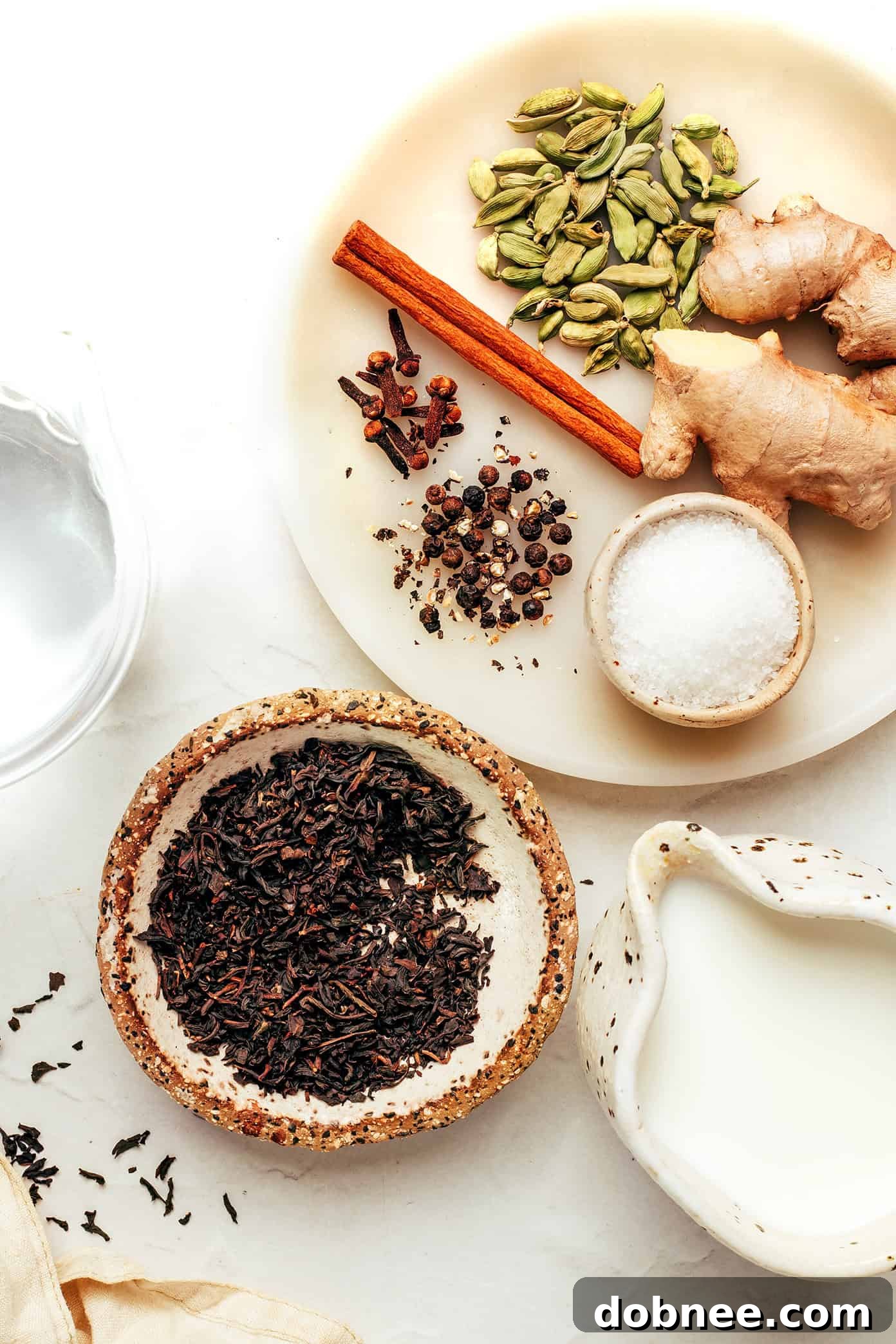
Unlock the Perfect Brew: Expert Tips for Making Exceptional Masala Chai
Crafting the perfect cup of Masala Chai is an art, but one that’s easily mastered with a few key techniques. These expert tips will elevate your homemade chai from good to truly exceptional, ensuring a deeply flavorful and aromatic experience every single time you brew:
- Taste and Adjust Sweetness at the End: Sweetness is highly subjective and can be influenced by the type of black tea and milk you use. Different teas have varying levels of natural sweetness or astringency, and milks can range in lactose content. Always taste your chai after straining it, once all the flavors have had a chance to meld. This allows you to accurately gauge the sweetness level and add more sugar, honey, or maple syrup until it’s just right for your palate without overdoing it initially.
- Crush Your Spices Thoroughly for Maximum Flavor: This is arguably the most crucial step for a potent and fragrant chai. Simply adding whole spices won’t release their full potential. Lightly crushing spices like green cardamom pods, fresh ginger, and whole black peppercorns before simmering helps to break down their cell walls. This action exposes their essential oils and aromatic compounds, allowing them to infuse much more effectively and deeply into the water. Use a mortar and pestle for the best results, or carefully use the back of a sturdy spoon or a rolling pin on a cutting board. The goal is to crack them open, not pulverize them into a powder.
- Don’t Rush the Spice Infusion Process: Patience is a virtue, especially when it comes to extracting the deep, complex flavors from your spices. Those initial 5–7 minutes of boiling the spices in water are where the magic truly begins. This extended simmer allows the cardamom, ginger, cinnamon, and pepper to fully release their intricate aromas and distinct tastes, forming the rich and spicy foundation of your chai. Skimping on this critical step will inevitably result in a weaker, less impactful brew that lacks the authentic depth of Masala Chai.
- Select a Strong, Robust Black Tea: The black tea forms the backbone of Masala Chai, so choosing the right type is essential for a balanced flavor. Our top recommendation is Assam black tea, renowned for its malty flavor and full-bodied character that stands up beautifully to the intense spices and rich milk without being overshadowed. Other strong black teas like CTC (Crush, Tear, Curl) processed tea or even a robust English Breakfast blend can also work effectively. However, once the tea is added, it requires a much shorter steeping time—typically just 1–2 minutes. Any longer, and the tannins in the tea can over-extract, leading to an undesirably bitter and harsh flavor that will overpower your delicate spice blend.
- Bring the Milk to a Gentle Simmer: When adding the milk, aim for a gentle simmer, not a vigorous boil. High heat can cause milk to curdle or form a skin, and a rapid boil can make it scorch on the bottom of the pan, imparting an unpleasant burnt taste to your chai. Keep a close eye on the saucepan and stir occasionally to prevent scorching. A slow, steady simmer allows the milk to warm through evenly, integrate smoothly with the spiced tea base, and develop a lovely, slightly frothy texture without compromising its delicate flavor profile.
- Strain Thoroughly Before Serving: For a smooth, enjoyable sip without any gritty bits of spice or tea leaves, always strain your chai through a fine-mesh strainer directly into your mugs. This meticulous straining ensures a clean and refined drinking experience, allowing you to fully appreciate the liquid’s rich texture and complex, comforting flavors without interruption. It’s a small step that makes a big difference in the overall enjoyment.
- Consider Your Water Quality: Just like with any premium tea or coffee, the quality of your water can significantly impact the final taste of your Masala Chai. Using filtered water whenever possible is highly recommended. This helps to avoid any off-flavors from chlorine, hard minerals, or other impurities that might be present in tap water, which could detract from or even clash with the delicate and nuanced spice notes you’ve worked so hard to extract.
- Embrace Fresh Ingredients: While ground spices can be used in a pinch, fresh ginger root and whole spices deliver a far more vibrant, aromatic, and layered flavor profile. Fresh ginger’s pungent, spicy, and slightly citrusy notes are distinct and bright, while whole spices retain their volatile aromatic oils much more effectively than their pre-ground counterparts, which can lose potency and complexity over time. Investing in fresh, whole spices is key to an truly authentic and exceptional chai.

Customize Your Cup: Delicious Masala Chai Variations for Every Palate
One of the most exciting aspects of making Masala Chai at home is the freedom to customize it to your personal taste. Once you’ve mastered the basic recipe, feel empowered to experiment with these delightful variations and make the chai uniquely yours, tailoring it to your mood and preferences:
- Infuse with Vanilla for Added Richness: For a subtly sweeter, more rounded, and beautifully aromatic flavor, consider adding a splash of pure vanilla extract (about 1/4 to 1/2 teaspoon) during the final simmering stage with the milk. Alternatively, a small piece of a split vanilla bean pod can be simmered with the spices during the initial infusion for an even deeper, more complex vanilla essence that truly elevates the chai.
- Experiment with Different Sweeteners: While white granulated sugar is traditional for its clean sweetness, you can explore various natural sweeteners to alter the flavor profile of your chai. Honey offers a distinct floral depth, maple syrup provides an earthy and woody sweetness, and brown sugar introduces a delightful caramel-like richness. Adjust the quantity to your preference, remembering to taste at the end to achieve your perfect balance.
- Amplify the Ginger Kick: If you’re a true fan of a fiery, pungent, and invigorating warming sensation, don’t hesitate to increase the amount of fresh ginger. Boost the quantity by half an inch or even double it for an extra-spicy and wonderfully invigorating kick that’s particularly comforting and stimulating on the coldest days or when you need a little pick-me-up.
- Add Fennel Seeds for a Subtle Licorice Note: For an intriguing and sophisticated twist, incorporate a few fennel seeds (about 1/2 teaspoon, lightly crushed) into your spice blend during the initial boiling phase. They will impart a delicate, aromatic, and slightly sweet licorice-like flavor that beautifully complements the other warming spices, adding an unexpected layer of complexity to your chai.
- Deepen the Warmth with Star Anise or Cloves: For an additional layer of profound depth and a captivating aromatic profile, add one or two whole star anise pods or a couple of whole cloves to the spice boil. These potent spices offer intense, sweet, and slightly peppery notes that significantly enrich the overall complexity and warmth of the chai, making it even more comforting and exotic.
- Opt for Decaf Black Tea for Evening Enjoyment: If you adore a cozy cup of chai but prefer to avoid caffeine in the evenings, simply swap regular black tea for your favorite decaffeinated black tea bags or loose-leaf blend. This allows you to savor all the warming, aromatic flavors and comforting ritual of Masala Chai any time of day or night without worrying about disrupting your sleep.
- Explore Dairy-Free Milk Alternatives: For those following a vegan diet or with dairy sensitivities, Masala Chai is incredibly adaptable. Unsweetened almond milk, oat milk (especially barista blends for superior creaminess and froth), or soy milk are excellent plant-based alternatives. Be aware that different plant milks can subtly alter the flavor and texture of the chai, so experiment to find your favorite and achieve your desired richness. Coconut milk can add a distinct tropical note, while cashew milk offers a rich, velvety texture.
- Create an “Iced Masala Chai Latte”: On warmer days, your homemade chai can be just as refreshing and delicious served cold. Prepare the chai as instructed, then allow it to cool completely to room temperature. Once thoroughly chilled, pour it generously over ice, perhaps with an extra splash of your preferred milk and a drizzle of additional sweetener, for a delightful and invigorating iced version.
- Health Boost with Turmeric: For an extra layer of warmth, a beautiful golden hue, and potential added health benefits, a small pinch (about 1/4 teaspoon) of ground turmeric can be added during the initial spice boil. Turmeric is celebrated in Ayurvedic medicine for its anti-inflammatory properties and will lend a subtle earthy flavor that complements the other spices beautifully.

Frequently Asked Questions About Homemade Masala Chai
Absolutely! Masala Chai can be prepared in advance, making it a fantastic option for meal prepping or when you’re expecting guests. Simply prepare the chai through the straining step, let it cool completely to room temperature, and then transfer it to an airtight container. It can be safely refrigerated for up to 2 days. When you’re ready to enjoy, gently reheat it on the stove over low heat, stirring occasionally to ensure even warming. You might find adding a fresh splash of milk beneficial upon reheating, as some natural separation can occur.
For an authentic and robust Masala Chai that can truly hold its own against the strong spices and rich milk, Assam black tea is highly recommended. Its malty, full-bodied profile provides an excellent and resilient base that won’t get lost among the aromatic spices. However, any strong black tea that doesn’t become overly bitter with a short steep (1-2 minutes) will work well. It’s generally best to avoid delicate teas like Earl Grey or green tea, as their subtle flavors can be easily overpowered by the bold spice blend.
Making decaffeinated chai is incredibly simple and straightforward. You just need to substitute the regular black tea with your favorite decaf black tea bags or loose-leaf equivalent. The rest of the recipe remains exactly the same, allowing you to enjoy all the warming, aromatic flavors and comforting experience of Masala Chai any time of day or night, particularly in the evenings, without the stimulating effects of caffeine.
While whole spices and fresh ginger undeniably offer the most vibrant, complex, and authentic flavor profile, you can certainly substitute with ground versions if you’re in a pinch. For green cardamom pods, use about 1/4 teaspoon of ground cardamom. If you’re out of fresh ginger, approximately 1/2 teaspoon of ground ginger powder will work. Keep in mind that the flavor won’t be quite as bright, pungent, or layered as using whole, freshly crushed ingredients, as ground spices tend to lose their potency and aromatic oils faster. Nevertheless, your homemade chai will still be wonderfully delicious and comforting.
The word “Masala” is a Hindi term that simply translates to “a blend of spices.” In the context of Masala Chai, it refers to the distinctive and aromatic mixture of warming spices that are steeped alongside the black tea. There isn’t a single, definitive “correct” masala blend; recipes and preferences can vary widely across different regions of India, within families, or even according to individual taste. Typically, this spice blend includes key ingredients like green cardamom (often considered the star), fresh ginger, cinnamon sticks, whole cloves, and black peppercorns. This inherent customizability is precisely what makes Masala Chai so beloved and allows for endless delicious variations.
Masala Chai isn’t just a delicious beverage; it’s packed with spices that have been traditionally used for their medicinal properties in Ayurvedic practices for centuries. Ginger is well-known for its potent anti-inflammatory and digestive benefits, often helping to soothe nausea and upset stomachs. Cardamom can aid digestion, detoxify the body, and possesses antioxidant properties. Cinnamon is believed to help regulate blood sugar levels, improve circulation, and also has anti-inflammatory effects. Black pepper, besides adding a warming quality, assists in nutrient absorption. While not a medical cure, a regular cup of Masala Chai can certainly contribute to overall well-being and provide a comforting, healthful boost.
The term “Chai Tea” is actually redundant, as “chai” itself means “tea” in Hindi. So, saying “chai tea” literally translates to “tea tea,” which is incorrect. The correct term for this spiced beverage is simply “Chai” or, more specifically, “Masala Chai.” A “Chai Latte,” on the other hand, typically refers to a coffee shop-style drink made with a concentrated chai syrup or a strong chai concentrate mixed with steamed milk, often topped with foam, much like a traditional caffè latte. Traditional homemade Masala Chai, as outlined in this recipe, is usually prepared by simmering whole spices and black tea directly with milk, creating a more integrated, complex, and often richer flavor than a syrup-based latte.
Print Recipe

Masala Chai: The Ultimate Homemade Recipe
5 from 3 reviews
- Author: Ali
- Prep Time: 5 mins
- Cook Time: 15 mins
- Total Time: 20 mins
-
Yield:
2 large mugs
Description
This authentic homemade Masala Chai recipe invites you to experience the rich, vibrant flavors of India directly in your cup. By carefully simmering strong black tea with a meticulously selected blend of aromatic, warming whole spices and finishing it with creamy milk and a perfectly balanced touch of sweetness, you’ll create a beverage far superior to any store-bought version. This recipe is designed to be highly customizable, empowering you to fine-tune the spice levels, sweetness, and milk type to perfectly match your personal preferences. It’s not merely a drink; it’s a comforting ritual that genuinely warms the body and soothes the soul, making it perfect for any time of day, from a morning energizer to a relaxing evening treat.
Ingredients
- 1 1/2 cups water (filtered water is recommended for the purest flavor)
- 3/4 cup whole milk (or your preferred plain plant-based milk such as oat, almond, or soy for a dairy-free option)
- 2 1/2 teaspoons loose black tea (strong Assam black tea is highly recommended for its robust and malty flavor that perfectly complements the spices)
- 1–2 tablespoons granulated sugar, to taste (adjust based on your sweetness preference; honey, maple syrup, or brown sugar can also be used for alternative flavor profiles)
- 6 green cardamom pods, lightly crushed (essential for the quintessential Masala Chai aroma and flavor)
- 1 1/2–2 inches fresh ginger, peeled and lightly crushed (for a vibrant, pungent, and warming spicy kick)
- 6–8 whole black peppercorns, lightly cracked (adds a subtle but important warmth and depth to the spice blend)
- 1 small cinnamon stick (or a generous pinch of ground cinnamon if a stick is unavailable, but whole is preferred)
- optional: 1 whole clove (for an extra layer of warm, intense spice; use sparingly if not a fan of strong clove flavor)
Instructions for the Perfect Homemade Masala Chai
- Step 1: Boil the Spices to Infuse Flavor. In a small to medium saucepan, combine the 1 1/2 cups of filtered water with all the prepared crushed spices: the green cardamom pods, fresh ginger, whole black peppercorns, cinnamon stick, and the optional whole clove. Bring this aromatic mixture to a rolling boil over high heat. Once it reaches a vigorous boil, reduce the heat slightly and continue to boil, uncovered, for a crucial 5–7 minutes. This extended simmer is vital, as it allows the spices to fully release their complex essential oils and deep aromas, creating a profoundly fragrant and slightly reduced liquid that forms the authentic flavor base of your chai.
- Step 2: Add the Black Tea for Robustness. After the spices have had ample time to infuse and establish their rich foundation, add the 2 1/2 teaspoons of loose black tea (preferably Assam) to the saucepan. Return the mixture to a lively simmer. Allow it to boil for just 1–2 minutes. During this brief but critical period, the black tea will darken, releasing its tannins and developing a robust, full-bodied aroma that complements the spices. It is important not to over-steep the tea during this stage, as this can lead to an undesirable bitterness that might overpower and mask the delicate spice flavors you’ve cultivated.
- Step 3: Finish with Milk and Sweetness. Carefully pour in the 3/4 cup of whole milk (or your chosen plant-based alternative) into the spiced tea mixture. Stir in the 1-2 tablespoons of granulated sugar (or your preferred sweetener, such as honey or maple syrup). Bring the chai back to a gentle simmer over medium heat, keeping a close eye on it. Once simmering, reduce the heat to low and let it continue to simmer for another 3–5 minutes, stirring occasionally to prevent the milk from scorching on the bottom of the pan. This final simmer allows the milk to warm through evenly, blend seamlessly with the spiced tea, and develop a rich, creamy, and beautifully frothy texture.
- Step 4: Strain and Serve Immediately. Once your Masala Chai has reached its perfect state of aromatic richness, carefully remove the saucepan from the heat. Using a fine-mesh strainer, strain the freshly brewed chai directly into your waiting mugs. This ensures a smooth, clean sip free from any spice bits or tea leaves, allowing for an optimal drinking experience. Before serving, take a moment to taste your chai, and if desired, adjust the sweetness further by stirring in a little more sugar or honey to suit your personal preference. Serve piping hot and savor the comforting warmth and intricate, complex flavors of your authentic homemade creation.
Essential Equipment for Crafting Your Masala Chai
Fine Mesh Strainer
Buy Now →
Green Cardamom Pods
Buy Now →
Assam Tea
Buy Now →