Elegant Rose Cake: A Delicious Guide to Baking with Edible Flowers and Rose Water
Prepare to enchant your senses and delight your guests with a truly extraordinary dessert: the Rose Cake. This isn’t just any cake; it’s a culinary masterpiece infused with the delicate essence and vibrant beauty of fresh, edible roses. Forget the ordinary – we’re diving into a world where flowers aren’t just for decoration but become an integral, delicious part of your baking. Get ready to create a show-stopping white layer cake, accented with fragrant rose water and adorned with beautiful rose petals, making every slice an unforgettable experience that will be remembered long after the last crumb is gone.
The Allure of Edible Flowers: A Journey into Floral Delights
The concept of incorporating edible flowers into cuisine might seem like a modern trend, but it’s a practice with historical roots that has recently surged in popularity. Chefs and home bakers alike are discovering the unique visual appeal and nuanced flavors that flowers can bring to a dish. My own journey into this fascinating world began with a simple curiosity about the “edible flowers” buzz, leading to a delightful revelation: many of our most cherished garden blooms, including the exquisite rose, are not only beautiful in a vase but also perfectly safe and delicious to eat!
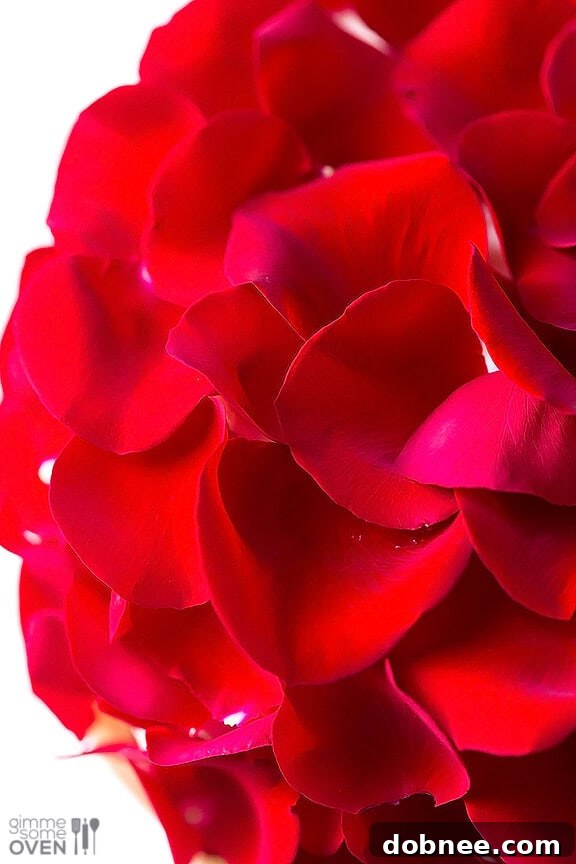
Roses, in particular, offer a spectrum of flavors and aromas that vary depending on their color and variety. Through personal experimentation and a bit of research, I learned that the more vibrant and deeply colored the rose petals – such as those from rich red or passionate pink varieties – the more pronounced and robust their flavor tends to be. These petals can impart a stronger, more intense rose essence to your culinary creations. Conversely, lighter shades, like soft pinks or pristine white roses, typically offer a milder, more subtle floral note, allowing them to blend harmoniously without overpowering other ingredients. This versatility makes roses a fantastic choice for those looking to delicately perfume their desserts or add a bold floral statement.
For this specific Rose Cake recipe, I chose to work with striking red roses to achieve a distinctive and memorable flavor profile. The key to successful baking with edible flowers, especially roses, lies in careful sourcing. It is absolutely crucial to select roses that have been specifically grown for consumption, meaning they are entirely free from pesticides, herbicides, and any other chemical treatments. Organic and food-grade roses are your best bet, often available at local farmers’ markets, specialty grocery stores, or, ideally, from your own chemical-free garden. This ensures not only the safety of your culinary masterpiece but also the purest, most authentic floral flavor.
Crafting the Perfect Rose Cake: A Symphony of Flavors and Textures
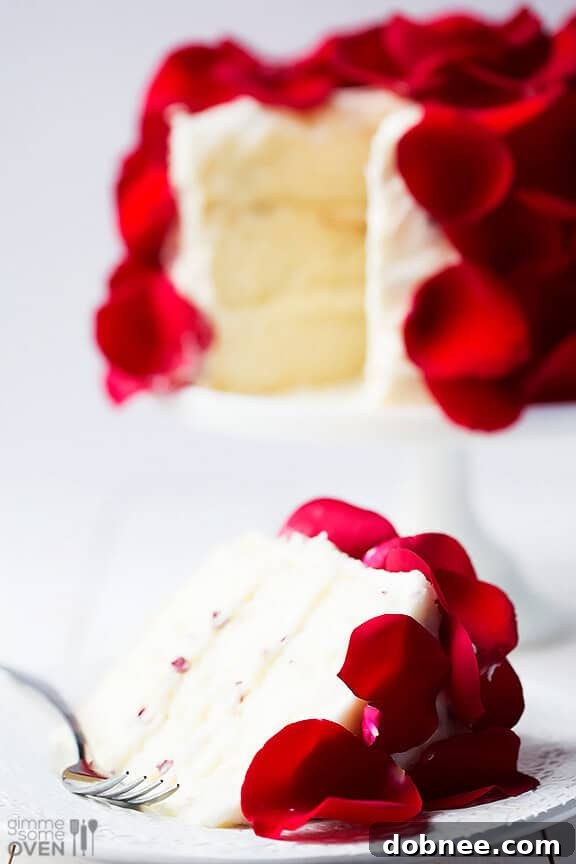
Embarking on the creation of this rose cake was an exciting and incredibly rewarding culinary adventure. I laid the foundation with a timeless classic: a perfectly moist and tender three-layer white cake. This beloved base provides a beautiful canvas for the delicate floral notes we intend to introduce. To infuse the cake layers with an ethereal aroma, I subtly incorporated a hint of rose water directly into the batter. The trick here is judicious use; a small amount of rose water goes a long way in achieving that captivating floral whisper without overwhelming the cake’s natural sweetness.
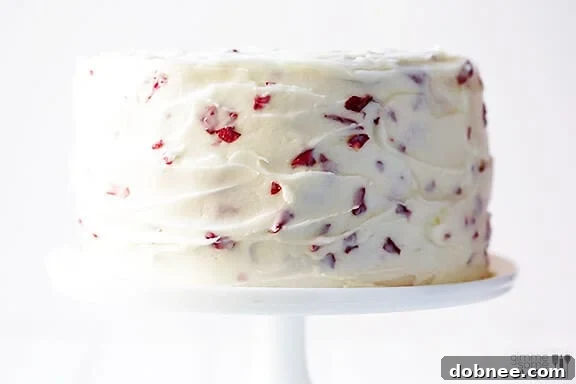
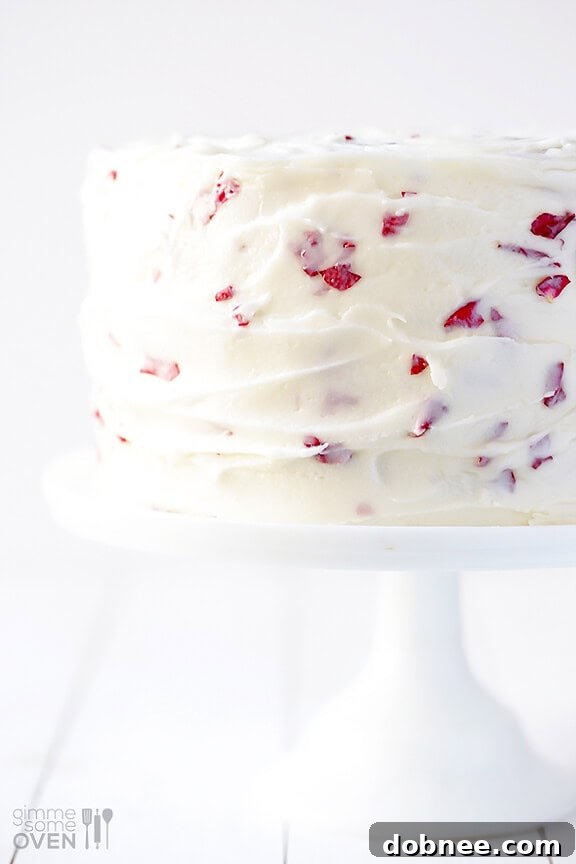
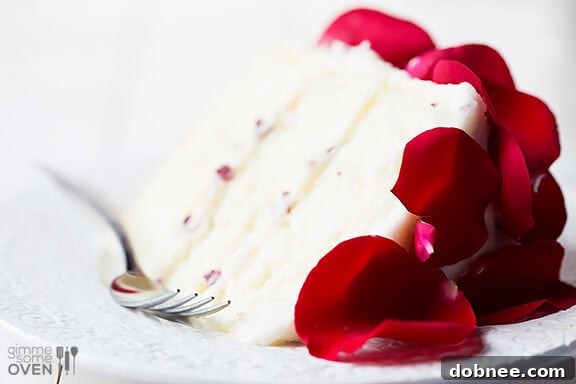
The true heart of this cake, and arguably its most enchanting component, is the luxurious vanilla rose buttercream. This is where the magic of edible flowers truly blossoms. I painstakingly chopped fresh red rose petals into delicate, almost invisible flecks, which were then folded into a rich, velvety vanilla buttercream. The result was a frosting that not only boasts a heavenly flavor but also features subtle visual specks, hinting at the floral surprise within. The deliberate process of integrating these petals ensures that the fragrant essence of the rose is woven throughout each decadent layer, creating a cohesive and deeply aromatic experience that delights with every spoonful.
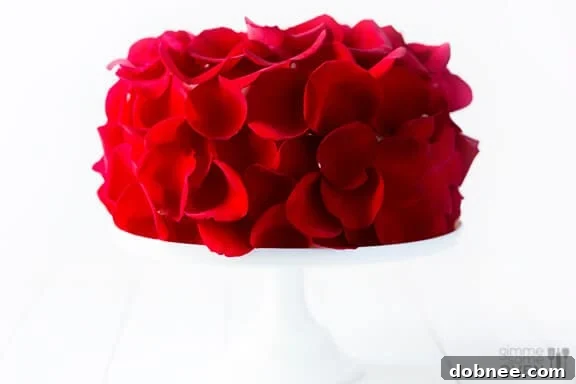
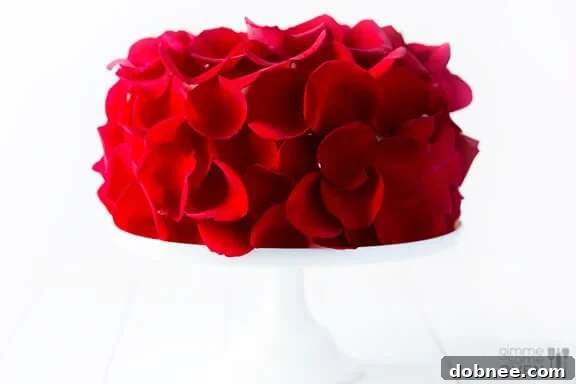
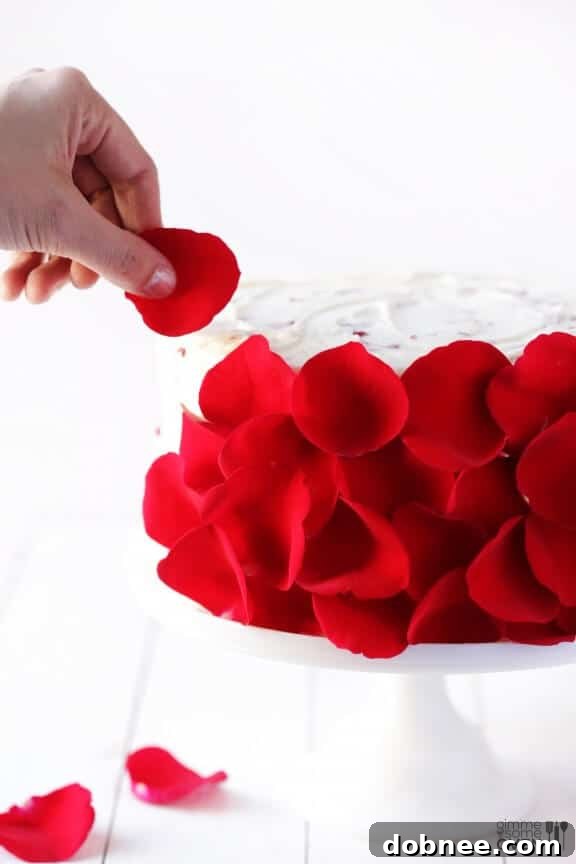
For the grand finale, transforming this dessert into a true masterpiece, I meticulously adorned the exterior of the cake with an artful arrangement of pristine red rose petals. These fresh, vibrant petals served as both a striking visual embellishment and an additional layer of delicate, natural flavor. The visual impact of this cake is nothing short of remarkable; it transcends mere baking to become an edible work of art, perfect for weddings, anniversaries, or any occasion that calls for a touch of romance and sophistication. While the accompanying photos offer a glimpse of its beauty, they can hardly capture the full, romantic allure and breathtaking elegance of this exquisite dessert. It was, without a doubt, a truly beautiful creation, destined to be the unforgettable centerpiece of any celebration.
The Unforgettable Tasting Experience: More Than Just a Dessert
Admittedly, there was a slight apprehension before the inaugural taste test. The idea of biting into a cake adorned with “edible” flowers, while exciting and intriguing, also carried a hint of the unknown. Would the flavor be too perfumy? Would my guests truly enjoy it? To share in this delightful culinary experiment and quell my anxieties, I gathered a group of close friends. Their reactions, much to my pleasant surprise, were overwhelmingly positive and filled with joyous exclamations! Perhaps it shouldn’t have been such a shock; after all, the comforting and familiar scent of roses is universally cherished and recognized for its pleasantness, so why wouldn’t their taste be equally enjoyable and appealing?
What truly made this entire experience memorable was not just the exquisite flavor, but the holistic journey of admiring and consuming such a unique and lovely cake. Every single element contributed to a wonderful sensory adventure and sparked lively, engaging conversations around the table. From the perfectly moist white cake layers, offering a tender and satisfying bite, to the subtle, fragrant whispers of rose within the creamy, luxurious buttercream, and finally, the delicate, decorative rose petals adorning the exterior – each component played its part in creating a cohesive and delightful experience. It was a shared moment of culinary discovery, transcending the typical dessert course to become an event in itself, fostering an atmosphere of joy, curiosity, and togetherness. This Rose Cake wasn’t just a dessert; it was an experience, an edible conversation starter that brought smiles and delightful discussions to everyone present.
Comprehensive Rose Cake Recipe

Rose Cake
- Prep Time: 30 minutes
- Cook Time: 30 minutes
- Total Time: 60 minutes
- Yield: 1 (8-inch) cake 1x
Description
Fresh roses make this cake all the more beautiful inside and out, offering a delicate floral aroma and flavor!
Ingredients
Scale
Rose Cake Ingredients:
- 3 1/3 cups cake flour (13.5 ounces), plus more for dusting the pans
- 1.5 cups milk, room temperature
- 9 large egg whites, room temperature
- 1.5 tsp almond extract
- 1.5 tsp vanilla extract, store-bought or homemade
- 1.5 tsp rose water (or you can substitute more almond extract)
- 2 2/3 cups granulated sugar (18 ounces)
- 3 Tbsp baking powder
- 1.5 tsp salt
- 18 Tbsp unsalted butter (2 sticks + 2 Tbsp), softened
- 8–10 fresh, organic roses, petals removed and rinsed
Rose Buttercream Ingredients:
- 1.5 cups (3 sticks) unsalted butter, softened
- 2 lbs. powdered sugar
- 3 tsp rose water
- 2 tsp vanilla extract, store-bought or homemade
- the petals from one fresh, organic rose, finely chopped
- 1/4 cup milk (or water), plus more as needed
Instructions
To Make The Rose Cakes:
- Preheat your oven to 350 degrees F (175 degrees C). Prepare three 8-inch round cake pans by thoroughly greasing them with nonstick cooking spray.
- Line the bottoms of the greased pans with precisely cut rounds of parchment or waxed paper. Spray these paper rounds as well, then lightly dust the entire inside of the pans with additional flour, tapping gently to remove any excess. This meticulous preparation ensures your delicate cakes will release cleanly and flawlessly after baking.
- In a medium bowl, or a convenient 2-cup glass measuring cup, whisk together the milk, egg whites, almond extract, and vanilla extract until the mixture is completely blended and uniform. Set this flavorful liquid mixture aside to be incorporated later.
- In the spacious bowl of a heavy-duty electric stand mixer, combine the cake flour, granulated sugar, baking powder, and salt. Mix these dry ingredients on a medium-low speed until they are just incorporated and evenly distributed. Gradually add the softened unsalted butter, continuing to mix until it’s fully incorporated and the mixture takes on the appearance of moist, coarse crumbs. Next, slowly pour the prepared milk and egg mixture into the crumb mixture. Increase the mixer speed to medium and beat for precisely 2 minutes, pausing midway through to thoroughly scrape down the sides and bottom of the bowl with a rubber spatula to ensure all ingredients are evenly combined and no dry pockets remain.
- Divide the cake batter evenly among the three prepared 8-inch cake pans. For utmost precision, you can weigh each pan with batter to ensure uniformity, which is crucial for even baking and level cake layers. Use a rubber spatula or the back of a spoon to gently spread the batter on top, creating a smooth, even layer in each pan. Arrange the pans in your preheated oven, ensuring they are positioned at least 3 inches from the oven walls and 3 inches apart to allow for optimal heat circulation. Bake for 26-30 minutes, or until a wooden toothpick inserted into the center of a cake comes out perfectly clean, indicating it’s fully baked.
- Once baked, carefully remove the cake pans from the oven and allow them to cool on a wire rack for about 10-15 minutes. This initial cooling period allows the cakes to set and firm up before inversion. After this time, invert the cakes onto the wire rack to cool completely to room temperature. This gradual cooling prevents the cakes from sinking or becoming dense. Once thoroughly cool, frost generously with the prepared rose buttercream, and artfully arrange fresh, organic rose petals on top for a stunning and aromatic finish.
To Make The Rose Buttercream:
- In the bowl of a stand mixer fitted with the paddle attachment, beat the softened unsalted butter on medium-high speed until it becomes remarkably light, fluffy, and visibly smooth. This process typically takes about 2-3 minutes. Gradually add the powdered sugar, rose water, vanilla extract, the finely chopped rose petals, and the initial 1/4 cup of milk. Begin beating on medium-low speed for approximately 30 seconds to gently incorporate all the ingredients, thereby preventing a powdery sugar cloud. Then, increase the mixer speed to medium-high and continue beating for approximately 1 minute, or until the buttercream achieves a perfectly smooth, creamy, and easily spreadable consistency. If the frosting is too thick for your preference, add additional milk, 2 tablespoons at a time, beating after each addition until your desired consistency is achieved. Conversely, if it becomes too thin, you can add a little more powdered sugar until it reaches the ideal texture.
Notes
This delightful cake recipe is lightly adapted from a classic white layer cake recipe originally featured in Cooks Illustrated, which I discovered via Epicurious. Feel free to experiment with different rose varieties to discover your favorite floral notes!
Essential Tips for Working with Edible Roses
Baking with edible roses is a truly enchanting experience, opening up a world of aromatic possibilities. To ensure your Rose Cake is not only stunningly beautiful but also perfectly safe and incredibly delicious, here are some comprehensive tips and answers to frequently asked questions about working with these delicate floral ingredients:
Sourcing Rose Water and Edible Roses
- Where to Buy Rose Water: This fragrant distillate is a staple ingredient in Middle Eastern and Mediterranean cuisines, lending a distinct floral aroma to both sweet and savory dishes. You can typically find high-quality rose water at specialty grocery stores, larger natural food markets like Whole Foods, or conveniently available online. Don’t be discouraged if your local large supermarket chain doesn’t carry it; it’s always worth checking smaller, ethnically-focused stores or international markets, which often have a broader selection.
- Should I Buy Organic Roses? Absolutely, this is not just recommended, but highly crucial. Just as with any food ingredient you consume, minimizing exposure to potentially harmful chemicals and pesticides is paramount for both your health and the integrity of the flavor. Always opt for organic, food-grade roses to ensure they are completely safe for consumption. If you’re purchasing from a florist or nursery, make sure to explicitly ask if their roses are unsprayed and safe for culinary use. Growing your own chemical-free roses is also an excellent option.
Preparing Your Rose Petals for Culinary Use
- How to Wash Rose Petals: Proper and gentle cleaning is essential to remove any dust or tiny insects. I find that a salad spinner works wonderfully for a gentle yet thorough rinse, efficiently removing excess water. Alternatively, you can carefully rinse the petals under cool, running water in a colander, and then gently pat them completely dry with clean paper towels or a soft kitchen towel. Ensure they are fully dry before use, especially when folding into buttercream.
- Which Rose Petals to Use? For optimal presentation and flavor, I personally prefer using the medium-sized petals that come from the middle section of the rose bloom. The outermost petals can sometimes be quite large, tough, or a little flimsy, while the petals in the very center might be too small and tightly curled to incorporate effectively. However, personal preference plays a significant role here, so feel free to experiment with different sizes and sections. You’ll likely be amazed by the sheer number of beautiful, usable petals on a single rose!
- Can I Use Dried Rose Petals? Certainly! Dried rose petals can absolutely be used in this recipe, particularly for infusing flavor or for a rustic aesthetic. Keep in mind that their appearance will naturally differ from fresh petals; they will have a more muted color and a slightly crispier texture. If using dried petals, it’s equally important to ensure they are also food-grade and completely free from chemicals. Drying your own roses at home or purchasing them from a trusted vendor who explicitly guarantees chemical-free and culinary-grade practices is strongly advised.
Creative Embellishments and Flavor Alternatives
- What if I Don’t Want to Eat Plain Rose Petals? No problem at all! A fantastic and elegant way to transform fresh rose petals and elevate their appeal is to sugar-coat them. Simply brush each petal with a lightly whisked egg white (pasteurized for safety), then sprinkle them generously with fine granulated sugar. Allow them to dry completely on parchment paper until the egg white hardens and crystallizes, creating stunning, sparkling candied petals that are both delicious to nibble on and visually exquisite as a garnish.
- What if I Just Don’t Want to Eat Rose Petals at All? If the idea of directly consuming rose petals isn’t for you, rest assured the cake will still be absolutely delightful and fragrant! The buttercream alone, generously infused with rose water, offers a wonderful and authentic floral flavor profile. You can simply use the petals solely for decorative purposes on the cake’s exterior and easily remove them before serving, or choose to omit them entirely from the garnish. However, I truly encourage you to give them a small taste test – you might be pleasantly surprised by their delicate charm!
- Help! My Rose Petals Won’t Stick to the Cake! If you find that your buttercream has set slightly on the surface, making it difficult for the delicate petals to adhere, don’t worry, it’s an easy fix! Simply take a tiny dab of extra, fresh buttercream on the back of each petal and use it as an edible adhesive. Gently press the petal into place, and it should hold beautifully, ensuring your cake remains perfectly adorned.
Safety and Consumption Guidelines for Edible Flowers
- How Many Rose Petals Can I Eat? As with trying any new food, especially edible flowers, it’s always wise to start with a modest amount, particularly if this is your first time consuming them. While my friends and I experienced no digestive issues whatsoever with this recipe, individual sensitivities vary greatly. It’s always best to listen to your body and consume in moderation, especially on your initial try, to ensure a pleasant experience.


Disclaimer: This post includes affiliate links, meaning I may earn a small commission if you make a purchase through them, at no extra cost to you. Please note that while I enthusiastically recommend this recipe and found it delightful, I am not a certified expert in edible flowers or food safety. Consumers should always exercise caution and conduct their own thorough research when consuming new ingredients, doing so at their own risk. It’s crucial to ensure all flowers are food-grade and chemical-free before consumption.