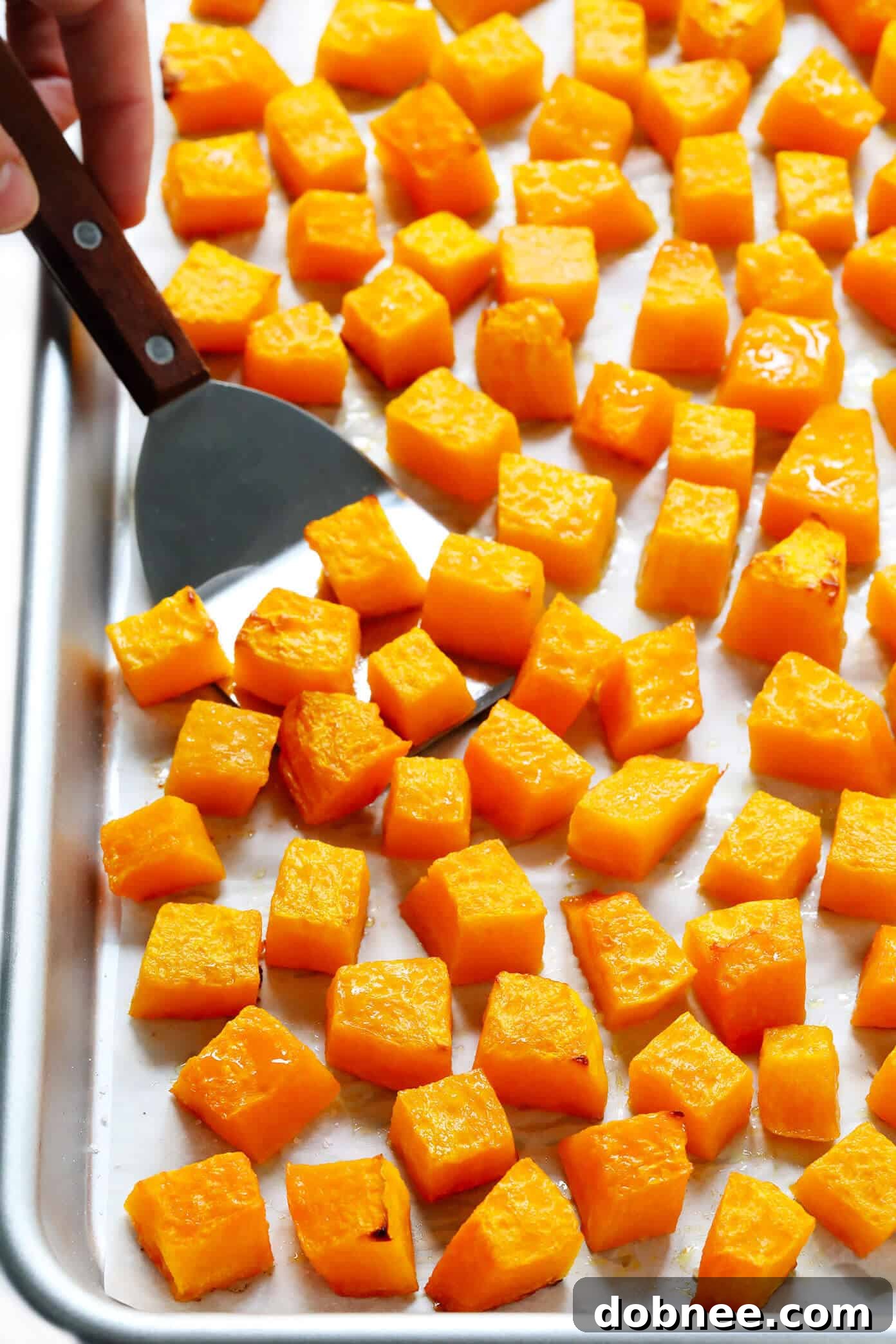
Discover the easiest and most delicious ways to prepare roasted butternut squash, whether you prefer it diced into golden cubes or tender, baked halves. This comprehensive guide offers versatile seasoning ideas to elevate your perfect side dish or meal component.
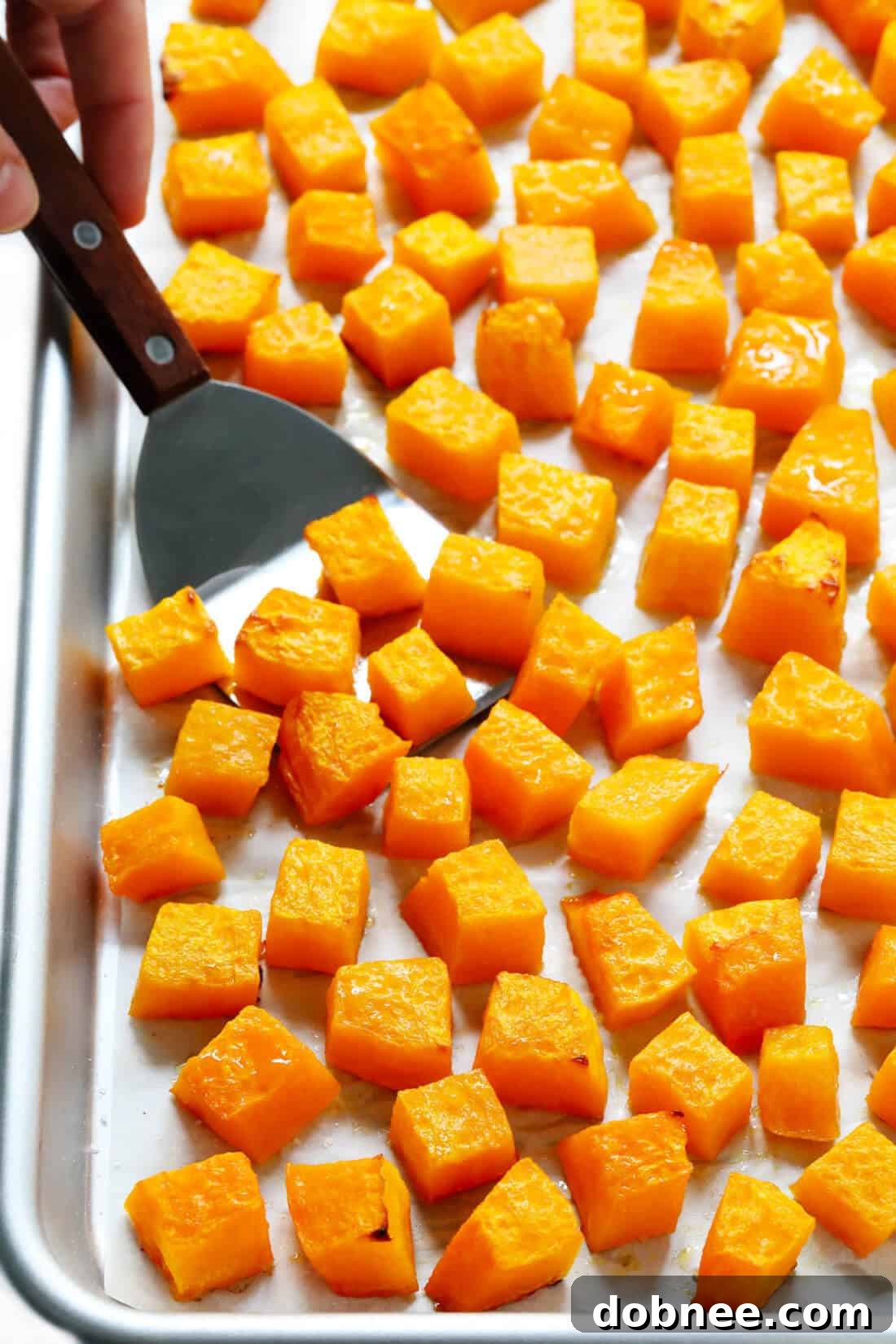
Roasted butternut squash is a quintessential fall and winter vegetable, celebrated for its sweet, nutty flavor and incredibly versatile nature. Whether you’re a seasoned chef or a kitchen novice, mastering the art of roasting butternut squash is a simple yet rewarding endeavor that can transform this humble gourd into a culinary delight. This guide will walk you through everything you need to know, from selecting the perfect squash to two primary roasting methods – diced or halved – and a plethora of seasoning suggestions to tantalize your taste buds.
There are two fundamental approaches to roasting butternut squash, each with its unique advantages. The first involves roasting the squash in two large halves, a method prized for its simplicity and minimal prep time. This technique yields a tender, creamy flesh that’s perfect for scooping out and incorporating into various recipes like soups, mashes, sauces, or even baked goods. The second, and arguably most popular, method is dicing the squash into smaller cubes. This approach results in beautifully caramelized, crispy edges with a soft, tender interior, making it an excellent stand-alone side dish or a delightful addition to salads, pastas, tacos, and curries.
Why Roast Butternut Squash? The Benefits of This Golden Gourd
Beyond its delectable taste, butternut squash is a nutritional powerhouse, packed with vitamins, minerals, and fiber. Roasting enhances its natural sweetness, bringing out deep, complex flavors that boiling or steaming simply can’t achieve. The dry heat of the oven caramelizes its sugars, creating a slightly crisp exterior and a melt-in-your-mouth interior. This cooking method is also incredibly hands-off, allowing you to focus on other aspects of your meal while the oven does most of the work.
Butternut squash is an excellent source of Vitamin A (in the form of beta-carotene), which is crucial for vision, immune function, and skin health. It also provides a significant amount of Vitamin C, a powerful antioxidant, and essential minerals like potassium and magnesium. Its high fiber content aids digestion and contributes to a feeling of fullness, making it a healthy and satisfying addition to any diet. Incorporating roasted butternut squash into your meals is an easy way to boost your nutrient intake, adding vibrant color and earthy sweetness to your plate.
Selecting and Preparing Your Butternut Squash
Choosing a ripe butternut squash is the first step to a successful roast. Look for squash that feels heavy for its size, has a dull, hard skin, and is free of soft spots, blemishes, or green patches. A deep, uniform beige color indicates ripeness. Store whole butternut squash in a cool, dark place for up to a month or more.
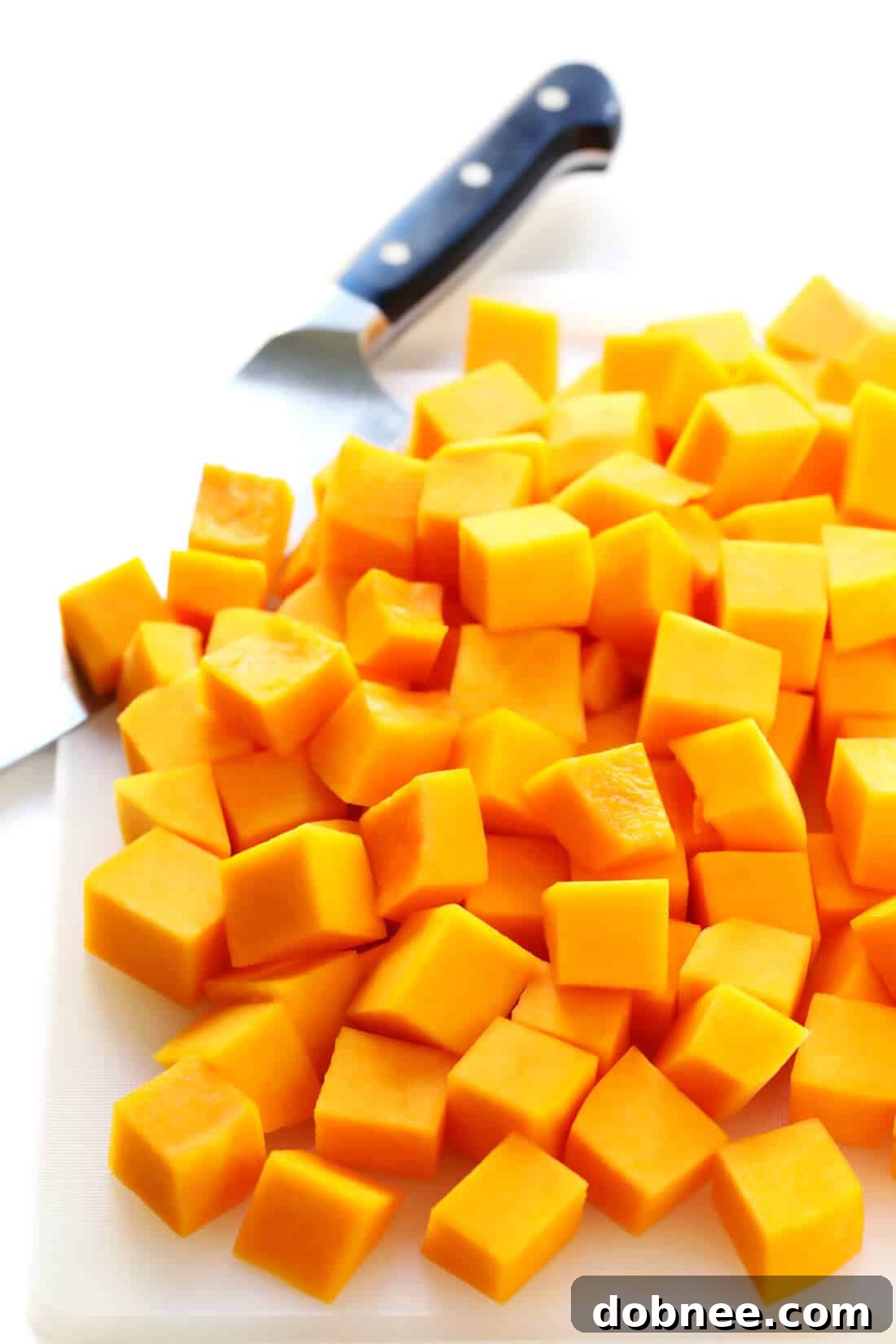
Preparing butternut squash can sometimes seem daunting due to its tough skin. However, with the right technique, it’s quite straightforward. For detailed visual guidance on how to peel, seed, and cut butternut squash safely, refer to comprehensive tutorials available online. A sharp chef’s knife and a sturdy cutting board are essential. To soften the skin for easier peeling, you can microwave the whole squash for 2-3 minutes before attempting to peel it. For peeling, a sharp vegetable peeler works wonders. Once peeled, you can proceed to cut it into halves or dice it into cubes, depending on your preferred roasting method.
Key Ingredients for Delicious Roasted Butternut Squash
Making truly delicious roasted butternut squash requires just a few simple, high-quality ingredients:
- Fresh Butternut Squash: Opt for a medium-sized squash (2-3 pounds) for most recipes. Whether you halve it vertically or dice it, ensuring it’s fresh and ripe is key.
- Olive Oil: Extra virgin olive oil is ideal for its flavor and ability to promote caramelization. However, any neutral-flavored oil like avocado oil, grapeseed oil, or even melted coconut oil can work well. The oil helps the squash cook evenly, prevents sticking, and aids in crisping up the edges.
- Fine Sea Salt: A fundamental seasoning that brings out the squash’s natural sweetness. Fine sea salt adheres well and distributes evenly.
- (Optional) Freshly-Cracked Black Pepper: A classic pairing that adds a subtle warmth and a touch of spice.
- (Optional) Additional Seasonings: This is where you can get creative and tailor the squash to your meal. See the extensive suggestions below for inspiration!
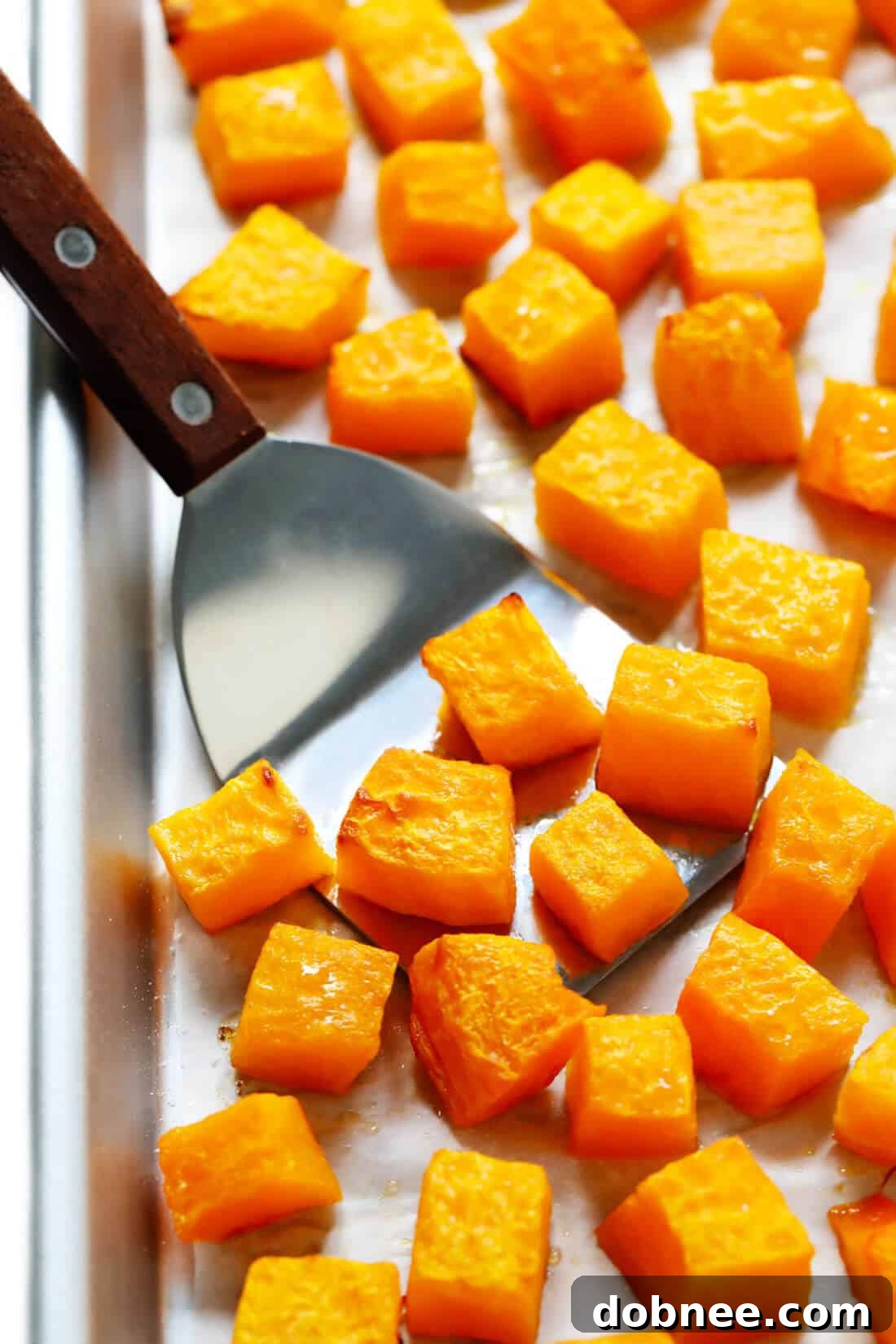
Method 1: How To Roast Butternut Squash Cubes for Maximum Flavor
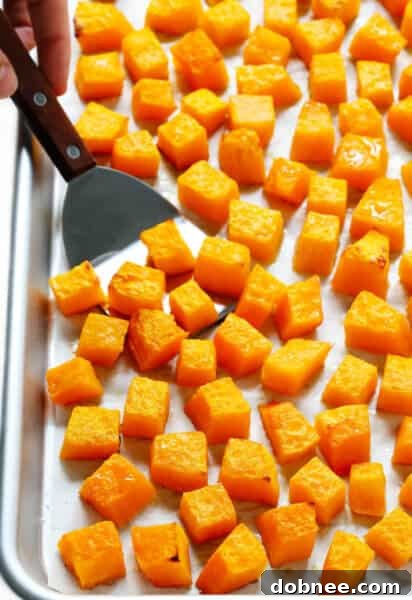
Roasting butternut squash in cubes is a fantastic way to achieve those coveted crispy, caramelized edges. The size of your cubes will impact cooking time and texture; larger cubes will take longer to cook and develop a deeper crust, while smaller cubes cook faster and might be less crispy. I generally recommend a 3/4-inch dice for a balance of tender interior and golden-brown exterior when roasted at 425°F (220°C).
To prepare perfectly roasted butternut squash cubes, follow these straightforward steps:
- Prepare the Squash: Begin by peeling the butternut squash. Then, carefully slice it in half lengthwise, scoop out the seeds and fibrous pulp, and dice the flesh into your preferred cube size (e.g., 3/4-inch to 1-inch cubes).
- Toss with Oil: Transfer the diced squash to a large bowl. Drizzle with 1-2 tablespoons of olive oil, ensuring every cube is lightly and evenly coated. This promotes consistent browning and prevents sticking.
- Season Generously: Spread the oiled squash in a single, even layer on a large baking sheet. Crucially, avoid overcrowding the pan, as this will steam the squash instead of roasting it, preventing those crispy edges. Season generously with fine sea salt, freshly cracked black pepper, and any additional desired seasonings (see ideas below).
- Roast to Perfection: Place the baking sheet in a preheated oven at 400°F (200°C) or 425°F (220°C). Roast for approximately 25-40 minutes, stirring halfway through, until the squash is tender when pierced with a fork and beautifully golden brown and caramelized on the edges. Cooking time will vary based on cube size and oven temperature.
- Serve and Enjoy: Remove from the oven and serve immediately as a delicious side dish, or incorporate into your favorite recipes.
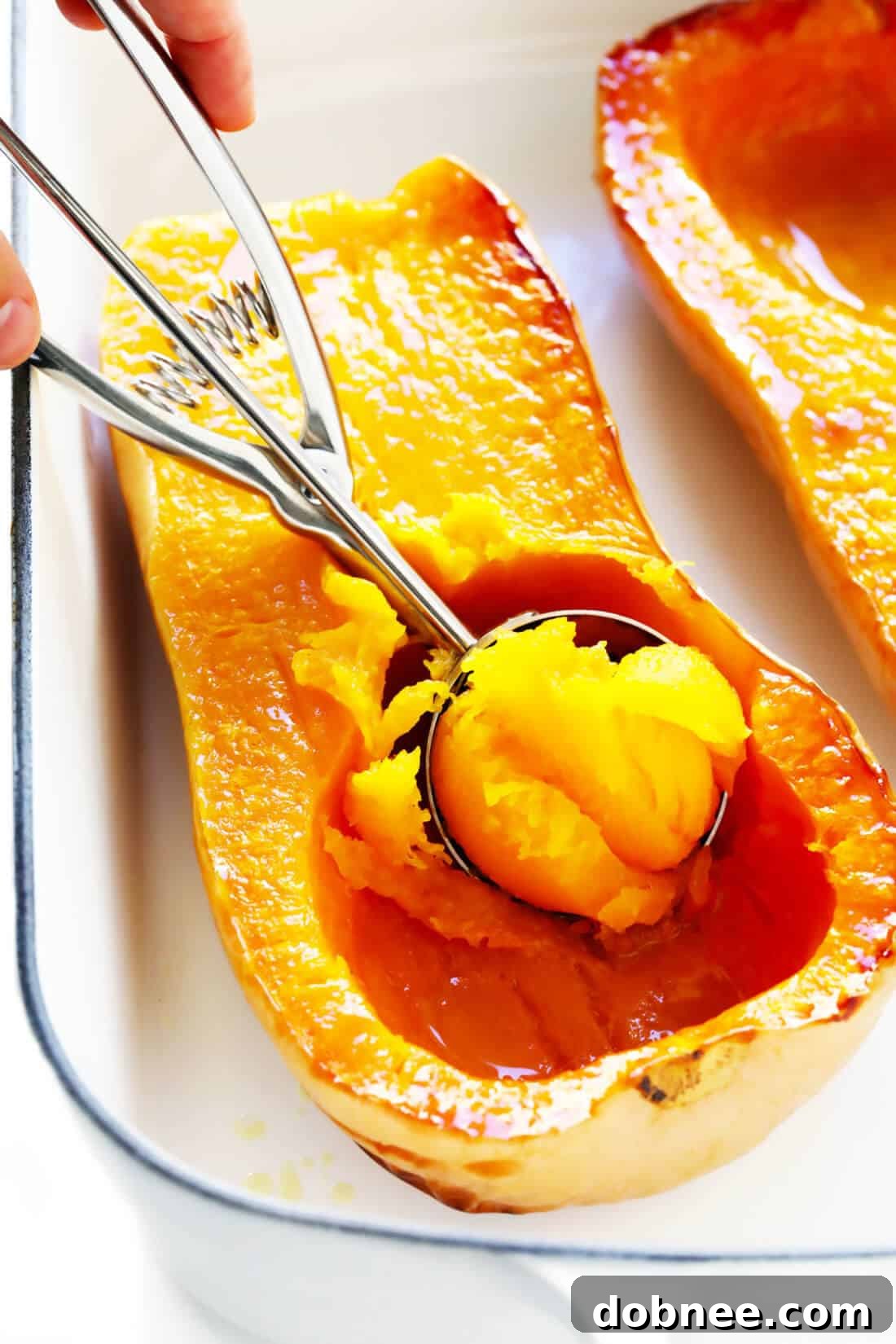
Method 2: How To Roast Butternut Squash Halves for Effortless Prep
If your recipe doesn’t require diced squash – perhaps you’re planning to mash it, puree it for soup, or incorporate it into baked goods – roasting the butternut squash in halves is the ultimate low-effort option. This method bypasses all the peeling and dicing, making it incredibly convenient. For optimal tenderness, I suggest roasting squash halves at a slightly lower temperature, around 375°F (190°C).
To create perfectly tender roasted butternut squash halves, follow these simple instructions:
- Prepare the Squash: Begin by carefully slicing off the top (and optionally, the bottom) 1/2-inch of the butternut squash. Then, using a sharp, sturdy knife, very carefully slice the squash in half lengthwise from top to bottom. Using a spoon or an ice cream scoop, thoroughly scoop out and discard all seeds and fibrous pulp from both halves.
- Brush with Oil: Place the squash halves, cut-side up, on a baking sheet. Drizzle or brush a tablespoon of olive oil evenly over the cut surfaces. The oil helps in the roasting process and prevents the squash from drying out.
- Season Appropriately: Season the cut side of each squash half generously with fine sea salt, black pepper, and any other seasonings you wish to add. Consider a touch of cinnamon and maple syrup for a sweeter profile, or garlic powder and herbs for a savory option.
- Roast Until Tender: Flip the squash halves so they are cut-side-down on the baking sheet or in a baking dish. This allows the flesh to steam slightly and cook more evenly. Roast in a preheated oven at 375°F (190°C) for approximately 45-60 minutes, or until the squash is very tender when pierced with a fork and lightly golden on the edges. Cooking time will depend on the size of your squash.
- Scoop and Serve: Once roasted, remove the squash from the oven. Allow it to cool slightly, then use a spoon (an ice cream scoop works great!) to easily scoop out the tender, cooked flesh. Use it immediately in your chosen recipe, or serve it directly from the skin as a simple side dish.
Elevate Your Roast: Creative Seasoning Ideas for Butternut Squash
While a simple sprinkle of salt and pepper is often all that’s needed for roasted butternut squash, especially when it’s destined for a recipe with its own flavor profile, don’t shy away from experimenting with seasonings! When serving roasted squash as a stand-alone side dish, these additions can truly make it shine:
- Sweet & Savory Classics: A blend of ground cinnamon and a touch of brown sugar or a drizzle of maple syrup before roasting enhances the squash’s natural sweetness beautifully. Nutmeg or allspice can also be added.
- Warm & Earthy Spices: Cumin, smoked paprika, and chili powder create a wonderfully aromatic and slightly smoky profile. A pinch of cayenne pepper can add a gentle heat.
- Herbal Freshness: Dried Italian seasoning, a mix of dried sage, thyme, and rosemary, or fresh sprigs of these herbs tossed with the squash before roasting impart a fragrant, earthy note. Garlic powder or granulated onion can also be included for deeper savory flavor.
- Bold & Spicy: For a kick, try Cajun seasoning or a dash of chipotle powder with a hint of ground cumin. Red pepper flakes can also provide a pleasant warmth.
- Global Flavors: Explore curry powder for an Indian-inspired twist, or Ras el Hanout for a Moroccan flair. These complex spice blends pair surprisingly well with butternut squash.
Feel free to mix and match these suggestions to discover your favorite combination. A little experimentation can lead to exciting new flavors!
Storing and Reheating Roasted Butternut Squash
Roasted butternut squash is a fantastic make-ahead ingredient. If you have leftovers, proper storage ensures you can enjoy them later.
- Refrigeration: Cooked and cooled butternut squash (whether diced or mashed) can be stored in an airtight container in the refrigerator for up to 3-4 days.
- Freezing Diced Squash: To freeze diced roasted butternut squash, first spread the cooled cubes in a single layer on a parchment-lined baking sheet. Freeze for 2-3 hours, or until solid. This prevents them from clumping together. Once frozen, transfer the cubes to a freezer-safe bag or container, removing as much air as possible. It can be frozen for up to 3 months.
- Reheating: Reheat refrigerated squash in the oven (at 350°F/175°C for 10-15 minutes) or microwave until warmed through. For frozen squash, you can add it directly to soups or stews, or reheat in the oven from frozen until tender and warm, which might take a bit longer.
Versatile Ways to Enjoy Roasted Butternut Squash
The beauty of roasted butternut squash lies in its incredible versatility. Here are just a few ideas to inspire you:
- As a Stand-Alone Side Dish: Simply seasoned and roasted, diced butternut squash makes a healthy, flavorful side dish for any meal.
- Creamy Mashed Butternut Squash: For a delightful alternative to mashed potatoes, scoop out the tender flesh of roasted halves, then mash it with butter, a splash of milk or cream, a clove of roasted garlic, and fresh herbs like sage or thyme. Season with salt and pepper to taste.
- Enrich Soups and Stews: Roasted squash adds a depth of flavor to creamy butternut squash soups. It also thickens and enriches various stews and chilis.
- Boost Baked Goods: Mashed roasted squash can often be substituted for pumpkin puree in recipes like muffins, quick breads, pies, and even biscuits, adding moisture and a subtly sweet flavor.
- Hearty Breakfasts: Incorporate diced roasted squash into breakfast quiches, frittatas, hashes, or omelets for a touch of sweet and savory goodness.
- Salads and Grain Bowls: Add cooled, diced roasted squash to your favorite autumn or winter salads, grain bowls, or warm roasted vegetable salads for extra texture and flavor.
- Main Course Additions: Elevate your pastas, risottos, curries, and even vegetarian tacos by adding cubes of roasted butternut squash. Its sweet notes balance spicy or savory components beautifully.
Troubleshooting Common Roasting Mistakes
Even with a simple dish like roasted butternut squash, a few common pitfalls can hinder achieving perfection. Being aware of these can help you get the best results every time:
- Overcrowding the Baking Sheet: This is perhaps the most common mistake. If the squash cubes are piled on top of each other, they will steam instead of roast. This results in soft, mushy squash rather than crispy, caramelized pieces. Always use a large enough baking sheet to spread the squash in a single, even layer. If necessary, use two baking sheets.
- Not Enough Oil: While you don’t want the squash drowning in oil, too little oil can lead to dry, bland results and sticking to the pan. Ensure each piece is lightly coated.
- Incorrect Oven Temperature: Too low a temperature will result in soft, pale squash, taking too long to brown. Too high can burn the exterior before the interior is tender. Stick to the recommended range (400-425°F for diced, 375°F for halves) and adjust based on your oven’s calibration.
- Insufficient Seasoning: Butternut squash has a naturally sweet flavor, but it truly shines with adequate seasoning. Don’t be shy with salt and pepper, and consider additional spices or herbs to complement your meal.
- Uneven Cuts: If your squash cubes are all different sizes, they will cook unevenly. Some pieces might be burnt while others are still raw. Aim for uniformity in your cuts.
Conclusion: Your Go-To Guide for Roasted Butternut Squash
Roasting butternut squash is a fundamental cooking skill that opens up a world of culinary possibilities. Whether you opt for the simplicity of roasting halves or the crispy perfection of diced cubes, this guide provides all the necessary steps and tips to achieve delicious results every time. From selecting the best squash to exploring a myriad of seasonings and discovering endless ways to incorporate it into your meals, you’re now equipped to make roasted butternut squash a star on your dining table. Embrace this versatile and nutritious vegetable, and enjoy the comforting flavors it brings to your kitchen.
Roasted Butternut Squash (Cubes or Halves)
- Prep Time: 10 mins
- Cook Time: 40 mins
- Total Time: 50 mins
- Yield: 4-6 servings
Description
This easy roasted butternut squash recipe can be made with either diced or halved butternut squash. See notes above for possible seasoning ideas too.
Ingredients
- 1 butternut squash (2-3 pounds)
- 1-2 tablespoons olive oil (or any neutral-flavored oil)
- fine sea salt
- optional: extra seasonings (see notes above)
Instructions
To Make Roasted Butternut Squash Cubes:
- Cut the squash. Peel and cut the butternut squash into your desired size of cubes.
- Toss in oil. Drizzle the diced squash with a tablespoon or two of oil, then toss until evenly coated.
- Season. Arrange the squash in an even layer (no overlapping!) on a large baking sheet. Season with salt, plus any extra seasonings that you prefer.
- Roast. Cook butternut squash for about 40 minutes (or more/less, depending on the size of your dice) until the squash is tender and lightly golden on the edges. Then remove from the oven, serve and enjoy!
To Make Roasted Butternut Squash Halves:
- Halve the squash. Use a sharp knife to slice off the top (and if you’d like, also the bottom) 1/2-inch of a butternut squash. Then very carefully slice the squash in half vertically. Scoop out and discard the seeds and pulp.
- Brush on oil. Brush the cut side of the squash evenly with a tablespoon of oil.
- Season. Season the cut side of the squash with salt, plus any extra seasonings that you prefer.
- Roast. Place the squash cut-side-down on a baking sheet or in a baking dish. Cook butternut squash for about 50 minutes (or more/less, depending on the size of your squash halves) until the squash is tender and lightly golden on the edges. Remove from the oven, scoop out the tender flesh, serve and enjoy!