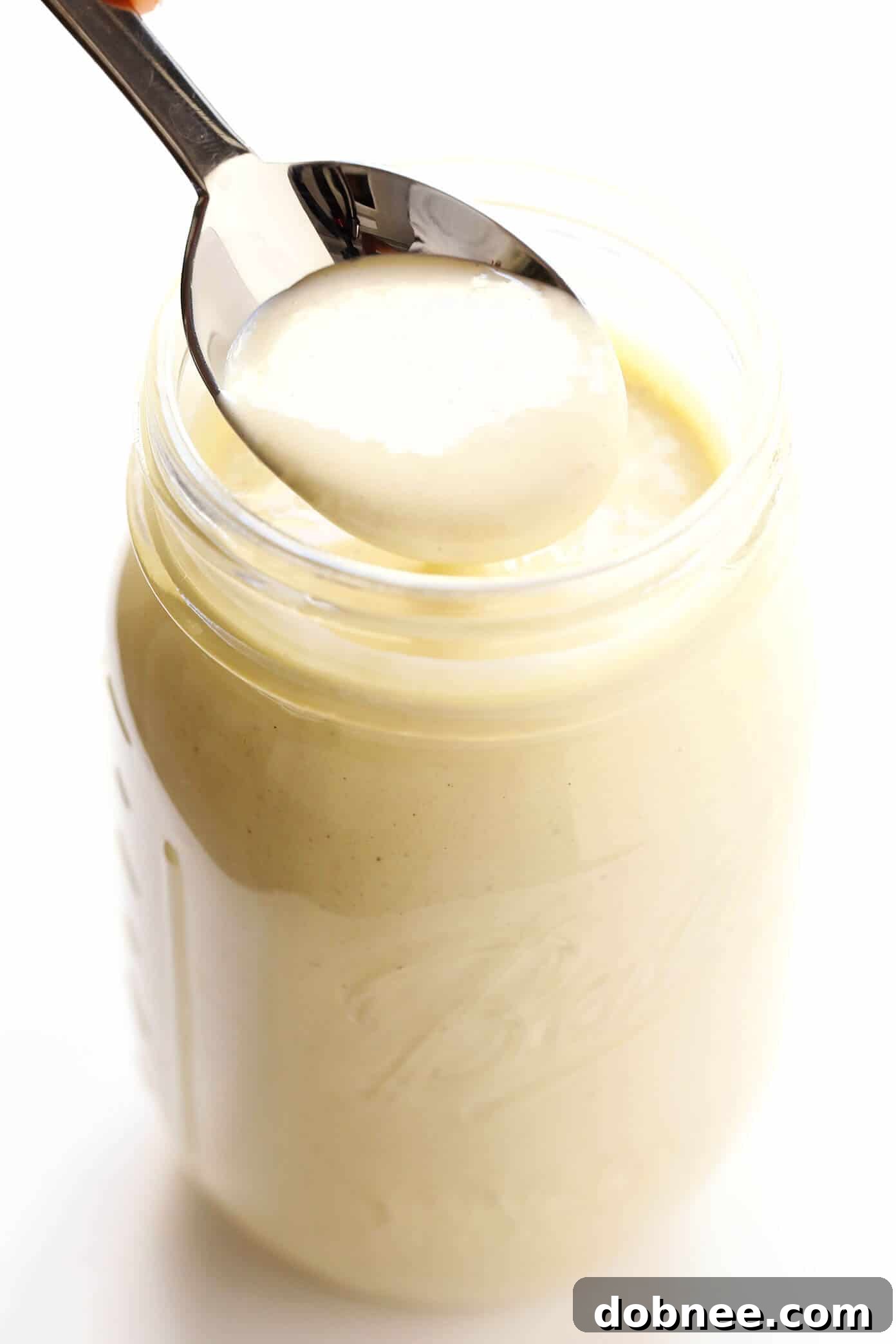
The Ultimate Homemade Classic Caesar Dressing Recipe
Quick, easy, and bursting with the best creamy, savory, umami flavors – this Caesar dressing is truly irresistible and will transform your salads.
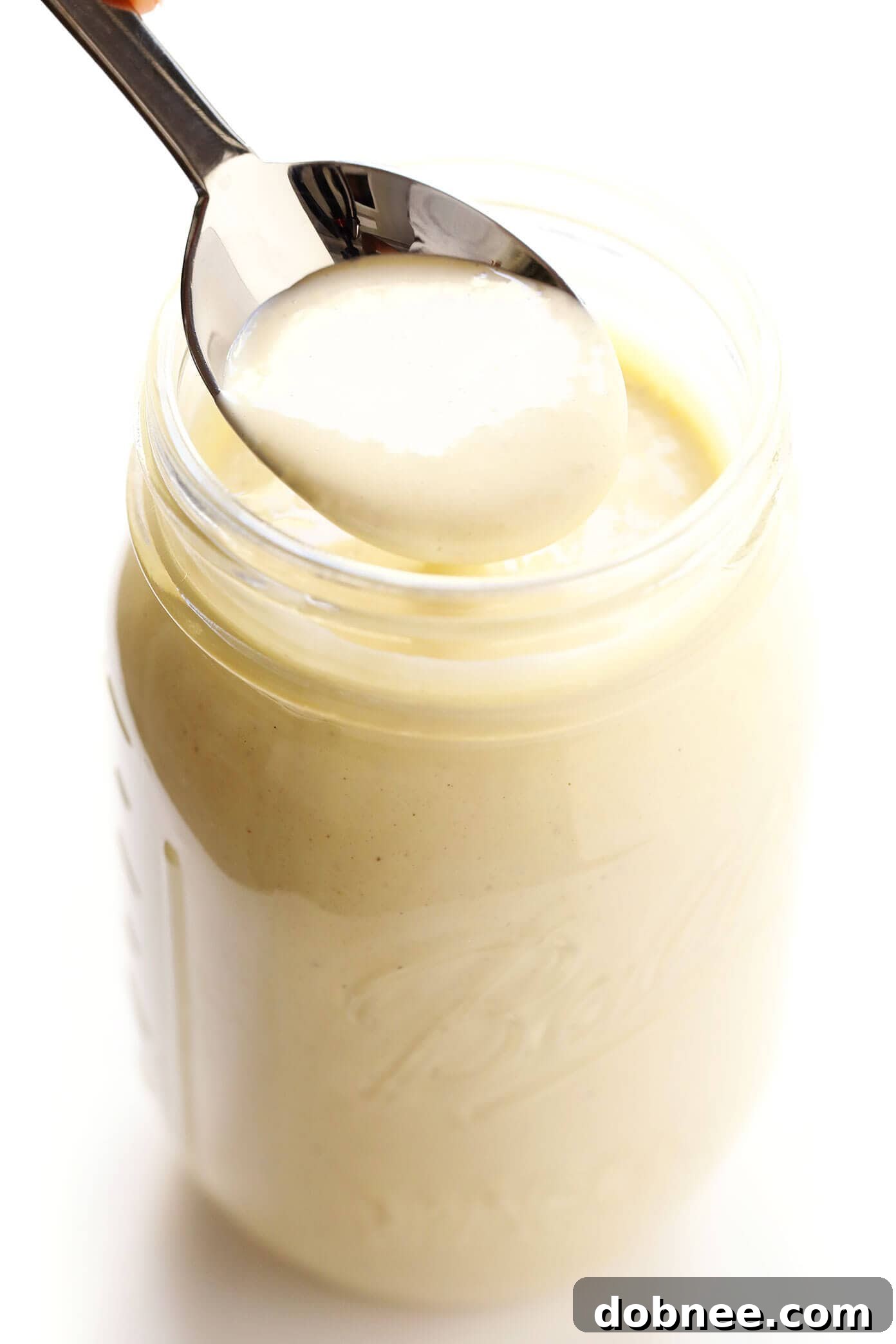
For those who cherish a truly exceptional Caesar salad, you know that the dressing is the undeniable star of the show. It’s the luscious, flavorful foundation that brings together crisp greens and crunchy croutons into a harmonious culinary experience. Far too often, we settle for mediocre, watered-down versions that barely hint at the rich, bold flavors a classic Caesar dressing should possess. If you’re tired of bland salad experiences and are ready to elevate your culinary game, then you’ve come to the right place. Today, I’m thrilled to share my all-time favorite, tried-and-true recipe for the most irresistible homemade Caesar dressing you’ll ever make. Get ready to bookmark this one, because it’s a game-changer that promises to deliver an unforgettable taste sensation!
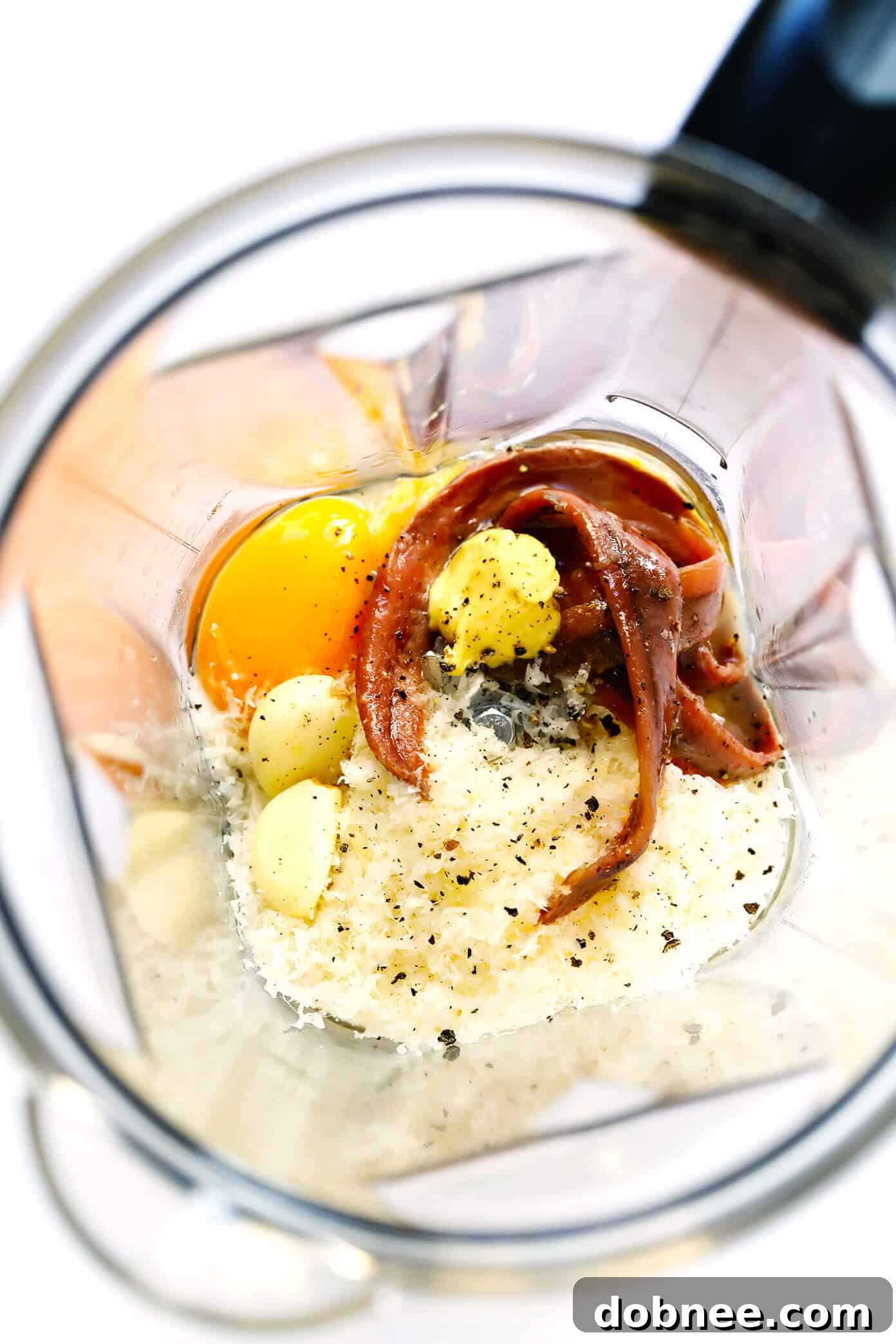
What truly distinguishes a great Caesar dressing from a merely good one? It’s all about an unapologetic embrace of robust, savory, and umami-rich ingredients. We’re talking about the deep, complex notes that awaken your palate and leave you craving more. My recipe dives headfirst into these essential components, ensuring every spoonful delivers an explosion of flavor. Forget the halfhearted imitations; this is the authentic taste experience you’ve been searching for. Expect a dressing packed with whole anchovies (yes, they are absolutely crucial!), fresh raw egg yolks for a perfect emulsion, spicy raw garlic, tangy Dijon, salty Parmesan, bright lemon juice, and a generous seasoning of sea salt and black pepper, all bound together with good-quality olive oil. This is the dream team that transforms a simple salad into something extraordinary.
Why Homemade Caesar Dressing is Always the Superior Choice
While convenience often steers us towards store-bought options, the difference in quality and flavor when it comes to Caesar dressing is monumental. Making your own dressing at home offers several distinct advantages that elevate it far above any bottled alternative. First and foremost, you gain complete control over the freshness and quality of your ingredients. Freshly grated Parmesan cheese, zesty lemon juice, and pungent garlic make an incredible impact that pre-packaged versions simply cannot replicate due to shelf-life constraints and ingredient compromises. The vibrant flavors of fresh components are truly unmatched.
Secondly, homemade dressing allows you to customize the flavor profile to your exact preferences. Do you prefer it extra garlicky? A bit tangier? Or perhaps with an even bolder punch of anchovy? You can easily adjust the quantities to create your perfect bespoke dressing. This level of personalization is simply not possible with off-the-shelf products. Finally, and perhaps most importantly, there’s a unique satisfaction that comes from creating something truly delicious from scratch. The process itself is quick and rewarding, transforming simple, high-quality ingredients into a gourmet experience that will impress family and friends alike. Once you try this homemade version, you’ll understand why there’s no going back.
The Essential Ingredients for a Truly Classic Caesar Dressing
The magic of this dressing lies in its carefully selected components, each playing a vital role in creating that signature creamy, savory, and tangy profile. We owe a debt of gratitude to Chef Caesar Cardini for the original inspiration. His famous salad, which surprisingly originated in Mexico and California rather than Italy, was a show-stopping creation of the 1920s, often dramatically prepared table-side for his restaurant guests. While Cardini’s initial recipe reportedly featured Worcestershire sauce, modern renditions (and in my opinion, superior ones!) have wholeheartedly embraced the bold flavor of whole anchovies. Trust me, these tiny fish are non-negotiable for that authentic umami depth that makes a Caesar truly shine.
Let’s delve deeper into the star players of this dream team of ingredients, understanding why each component is absolutely essential for achieving perfection:
- Anchovy Fillets: This is where much of the dressing’s iconic savory, umami flavor comes from. Don’t be intimidated by them! Anchovies melt seamlessly into the dressing, imparting a rich, briny depth without tasting overtly “fishy.” They provide a foundational savory backbone that cannot be replicated. Look for them in the canned fish aisle of your grocery store, typically packed in oil in small glass jars or flat tins. Simply lift out and drain any excess oil off each fillet before adding. Don’t worry if you spy any tiny bones; they are harmless and will completely dissolve when blended into the dressing. If you’re truly averse to whole fillets, anchovy paste can be substituted (about 1/2 teaspoon per fillet), though whole fillets undeniably offer a richer, more complex flavor.
- Fresh Garlic Cloves: Raw garlic provides a wonderful spicy kick and aromatic depth that cuts through the richness of the dressing. I typically add two small cloves of garlic for a perfectly balanced garlicky punch, but you have the flexibility to adjust this to one clove for a milder taste or even three for a true garlic lover’s experience. Ensure your garlic is fresh for the best flavor.
- Raw Egg Yolks: Traditionally, raw egg yolks are crucial for creating that luxurious, creamy emulsion that defines authentic Caesar dressing. They act as a natural emulsifier, binding the oil and other ingredients together into a thick, smooth consistency. However, raw eggs carry a small risk of salmonella. For peace of mind, you can opt for pasteurized egg yolks instead. Alternatively, for a creamy dressing without eggs, substitute 1 tablespoon of good-quality mayonnaise per egg yolk. This will still yield a wonderfully creamy dressing with a slightly different but equally delicious flavor profile.
- Freshly Grated Parmesan Cheese: This is not the time for pre-shredded cheese in a shaker can! Freshly grating a good quality Parmesan (or Parmigiano-Reggiano) is paramount. Its salty, nutty, and sharp notes, along with its texture, contribute significantly to the dressing’s body, flavor complexity, and overall mouthfeel.
- Fresh Lemon Juice: The bright, tangy acidity of freshly squeezed lemon juice is absolutely essential for balancing the richness of the other ingredients. It adds a vibrant lift that prevents the dressing from feeling too heavy and adds a refreshing zing. Always use fresh lemons; bottled lemon juice simply won’t deliver the same vibrant taste. A little lemon zest can also be added for an extra citrusy aroma and flavor boost.
- Dijon Mustard: Just a touch of good quality Dijon mustard works wonders in this recipe. It not only adds a subtle, piquant flavor and a hint of spice, but also acts as an additional emulsifying agent, helping the dressing come together smoothly and preventing it from separating.
- Fine Sea Salt and Freshly Cracked Black Pepper: These are your basic but crucial seasonings. Adjust to taste, ensuring the dressing is perfectly balanced in its savory notes. Fine sea salt dissolves beautifully, and freshly cracked black pepper adds a delightful aromatic warmth and subtle spice that pre-ground pepper cannot match.
- Good Quality Olive Oil: This is the foundation of the dressing, providing the smooth, luxurious texture and carrying all the other flavors beautifully. Use a light, fruity extra virgin olive oil that you enjoy the taste of on its own. The quality of your olive oil will significantly impact the final flavor of your dressing.
Mastering the Art of Making Caesar Salad Dressing
While making Caesar dressing might seem intimidating, it’s surprisingly straightforward, especially with the right tools. For years, I patiently whisked my dressing by hand, achieving decent results through sheer arm power. However, I soon discovered that a traditional blender has become my go-to method for its unparalleled efficiency and consistent, silky-smooth emulsification. It truly makes the process quick, effortless, and foolproof. That said, I’ve ensured to include instructions for various methods, so you can choose what works best with your kitchen setup: whether you prefer a traditional blender, a hand (immersion) blender, or even the classic by-hand approach.
Using a Traditional Blender for Perfect Emulsification:
- Combine Base Ingredients: Into your traditional blender, add the anchovy fillets, garlic cloves, egg yolks (or your chosen substitute), freshly grated Parmesan cheese, lemon juice, Dijon mustard, sea salt, and black pepper. Secure the lid firmly.
- Blitz to Combine: Pulse the blender for 5-10 seconds, or until all these foundational ingredients are thoroughly combined and finely minced. You want a relatively smooth paste at this stage, ensuring no large chunks of garlic or anchovy remain, before you introduce the oil.
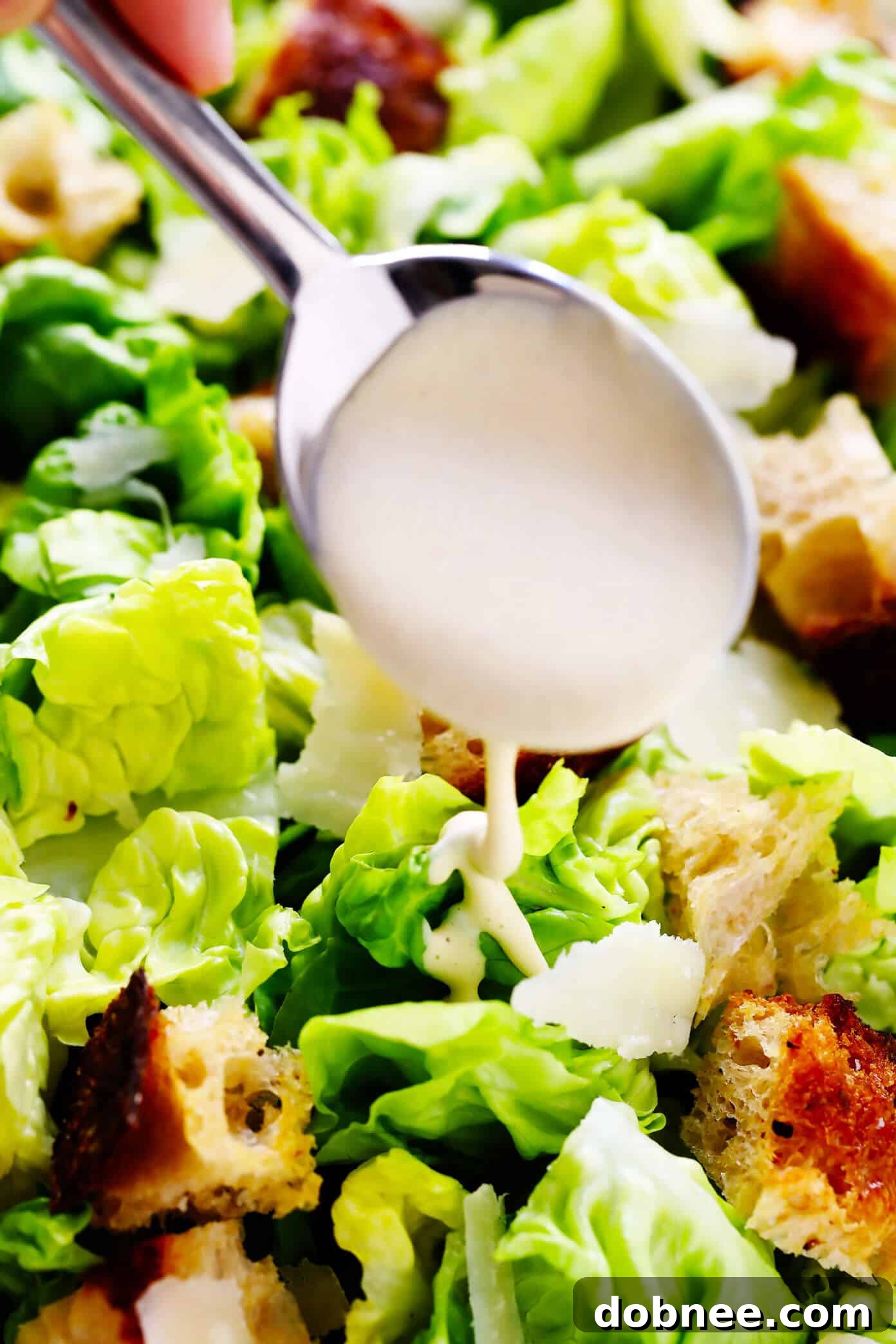
- Slowly Emulsify with Olive Oil: With the blender still running on a low to medium speed, carefully remove the small cap from the blender lid. This creates a small opening for a steady, gradual stream. Slowly pour in the olive oil in a thin, continuous stream. This slow addition is absolutely crucial for proper emulsification, allowing the oil to incorporate smoothly and create a thick, creamy dressing that won’t separate. Continue blending until the dressing is completely smooth and reaches a rich, luscious, creamy consistency.
- Adjust Consistency and Seasoning: Once emulsified, assess the dressing’s consistency. If it’s too thick for your preference, add a tablespoon or two of cold water, blending after each addition, until it reaches your desired pourable consistency (I aim for something similar to the texture of heavy cream). Now, taste the dressing and adjust the seasonings as needed. This is your chance to add more salt, pepper, lemon juice, or even an extra anchovy if you desire a bolder flavor.
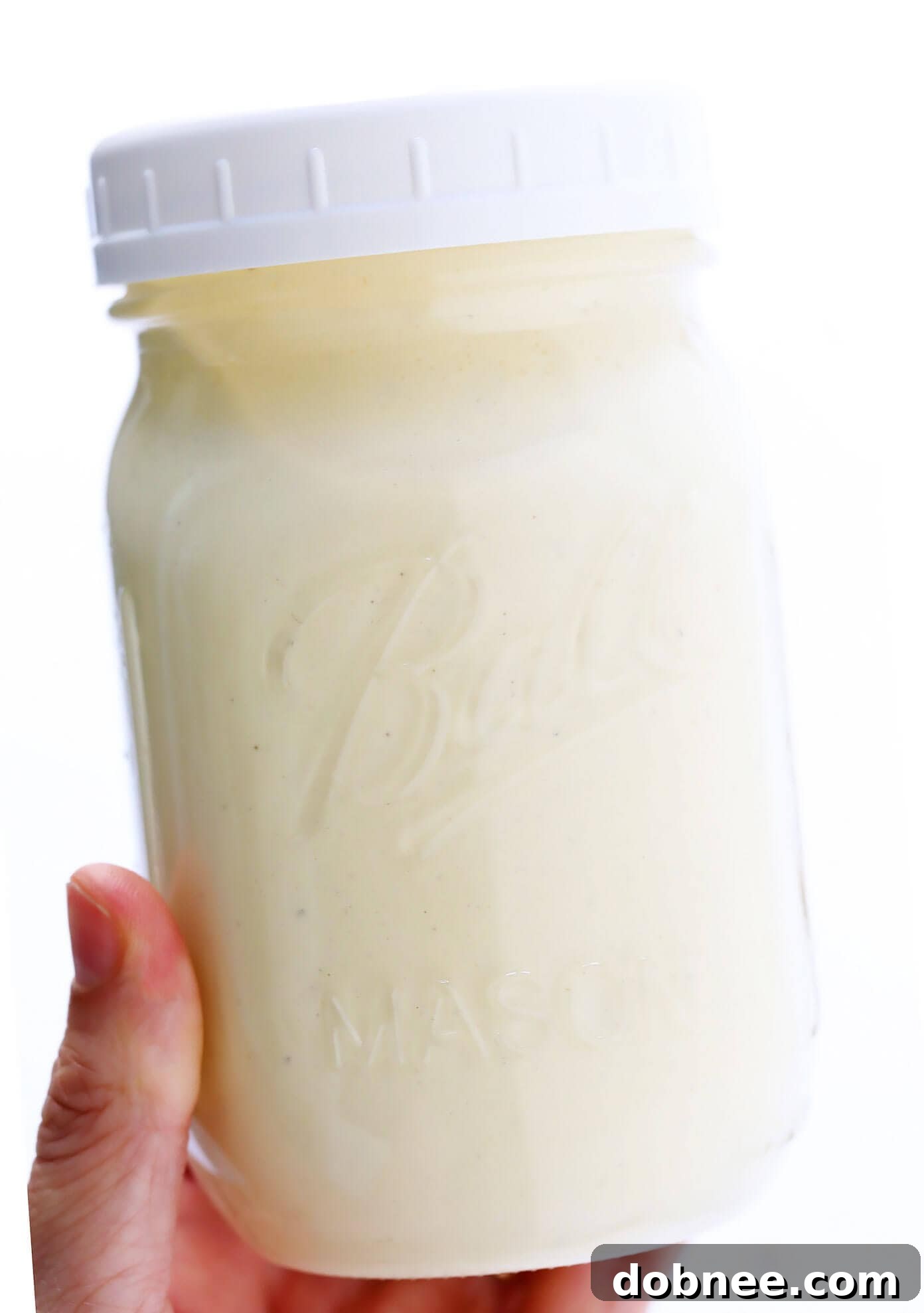
- Serve Immediately or Store: Your homemade Caesar dressing is now ready to transform your meals! Serve it tossed with crisp Romaine lettuce and crunchy sourdough croutons, or use it as a flavorful dip for fresh vegetables or grilled chicken. If you’ve opted to use raw eggs, it’s highly recommended to consume the dressing the same day it’s made for safety reasons. For versions made with pasteurized eggs or mayonnaise, store it in an airtight container in the refrigerator for up to 3-4 days.
Creative Variations and Customization Tips for Your Caesar Dressing
One of the true joys of making your own Caesar dressing is the ability to tailor it precisely to your palate. This recipe serves as a fantastic, robust foundation, but feel free to experiment with the ratios and additions to create your ultimate personalized version. Here are a few ideas to get you started on customizing your dressing:
- Egg Alternatives for Peace of Mind: As previously mentioned, if you’re concerned about the use of raw eggs, pasteurized egg yolks are a readily available and safe alternative that will still provide that classic emulsified texture. Alternatively, substituting 1 tablespoon of good-quality mayonnaise for each egg yolk will yield a delicious, slightly richer, and wonderfully creamy dressing without compromising on texture.
- A Touch of Worcestershire: While my recipe focuses on the concentrated umami of anchovies, some traditionalists appreciate a subtle hint of Worcestershire sauce. If you’d like to include it, add 1-2 teaspoons along with the other base ingredients in the blender. It can add an extra layer of savory depth, though many find it unnecessary with a good amount of anchovies already providing complex flavor.
- Adjusting Anchovy Intensity: I’m a firm believer in a generous amount of anchovies for maximum umami and depth. This recipe calls for 5 fillets, which provides a bold, savory flavor without being overly fishy. However, you can certainly adjust this to your liking. If you’re new to anchovies or prefer a milder taste, start with 3 fillets. If you truly love anchovy flavor and crave an even bolder, saltier experience, feel free to increase the amount to 6 or 7.
- Garlic Lover’s Version: If you adore garlic, don’t hesitate to add an extra clove or two for an intensified garlicky kick. For a sweeter, less pungent garlic flavor, you could even try roasting the garlic first before adding it to the dressing.
- Herb Infusion: For a fresh and aromatic twist, consider adding a small handful of fresh parsley or chives to the blender with the base ingredients. This adds a subtle herbaceous note that beautifully complements the classic Caesar flavors. Fresh dill or tarragon could also work for a more gourmet touch.
- Spice It Up: A tiny pinch of red pepper flakes, blended directly into the dressing, can add a subtle warmth and gentle heat, perfect for those who enjoy a bit of spice in their salad.
- Smoky Notes: For a unique twist, a dash of liquid smoke or a pinch of smoked paprika can add an interesting smoky depth to the dressing.
Beyond the Dressing: Perfecting Your Caesar Salad and More
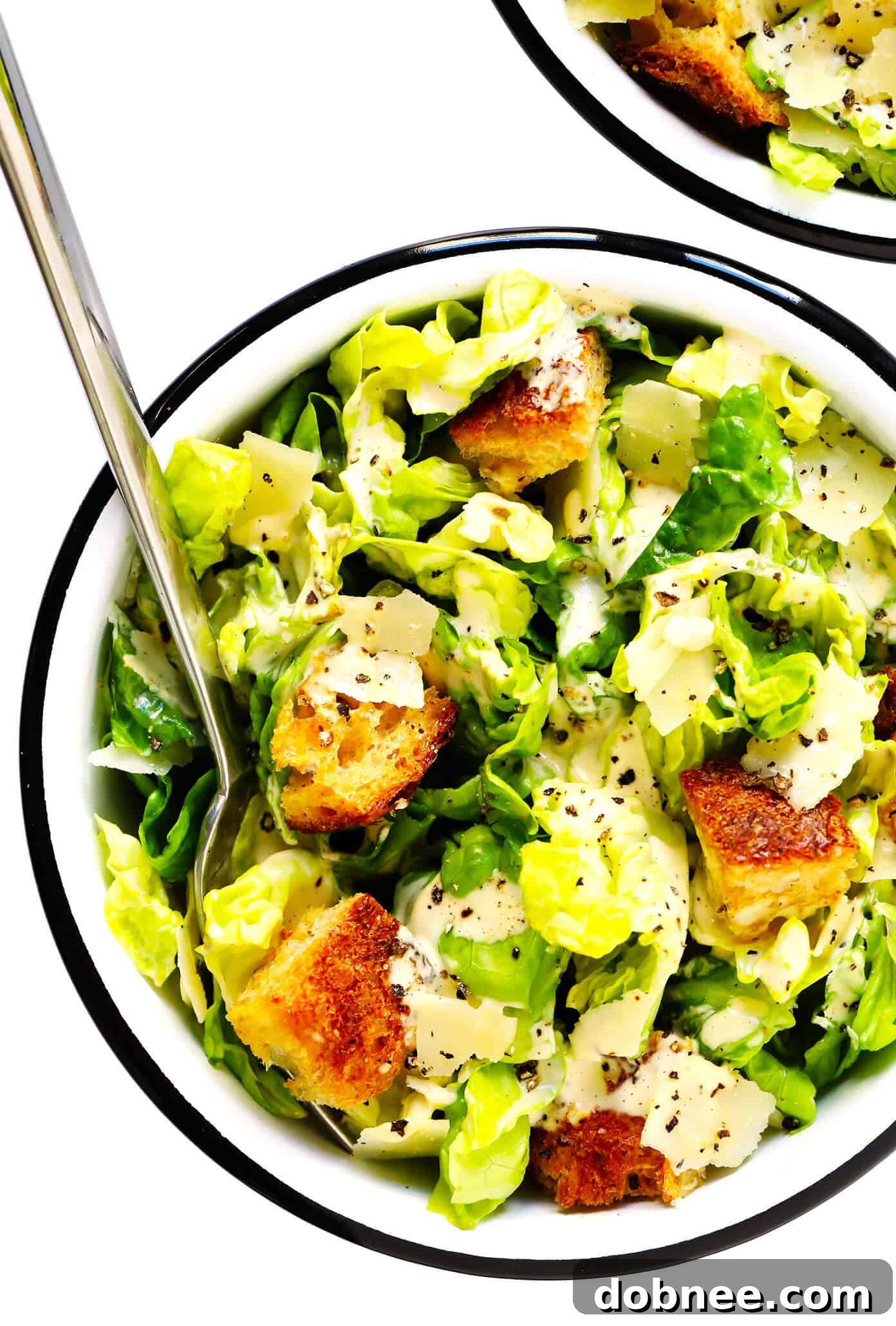
While this homemade dressing is paramount, a truly epic Caesar salad requires a few other key components to achieve perfection. Start with crisp, fresh Romaine lettuce, ideally chilled, to provide the ideal crunchy base. Homemade sourdough croutons, toasted to golden perfection with garlic and olive oil, add an incomparable texture and flavor that store-bought versions can rarely match. And, of course, a generous sprinkle of extra freshly grated Parmesan cheese and a fresh grind of black pepper before serving will complete this culinary masterpiece. The combination of textures and flavors is what makes a Caesar salad so universally loved.
But don’t limit this incredible dressing to just salads! Its rich, savory profile makes it incredibly versatile. It makes an excellent dipping sauce for fresh vegetables, grilled chicken skewers, or even as a flavorful spread in sandwiches and wraps. Consider tossing it with roasted potatoes or using it as a marinade for chicken or fish before grilling. Its bold flavors can elevate a wide range of dishes, proving that a good dressing is a culinary tool worth mastering.
More Delicious Salad Dressings to Explore
If you’ve enjoyed mastering this classic Caesar dressing, you might be interested in expanding your repertoire of homemade salad dressings. Crafting your own dressings is a simple yet impactful way to elevate any meal and introduce exciting new flavors to your everyday cooking. Here are a few more winning recipes I highly recommend for you to try:
- Creamy Tahini Ranch Dressing
- Classic Balsamic Vinaigrette
- Zesty Red Wine Vinaigrette
- Fresh Basil Vinaigrette
- Vibrant Ginger Carrot Dressing
- Sweet & Smoky Honey Chipotle Dressing
Caesar Dressing Recipe
4.7 from 21 reviews
Prep Time: 5 mins
Cook Time: 0 mins
Total Time: 5 mins
Yield: About 1 cup
Print Recipe
Description
My all-time favorite classic Caesar dressing recipe! This quick and easy dressing is packed with creamy, savory, umami flavors that will elevate any Caesar salad. Alternate instructions are included in the notes below for making this dressing by hand or with a hand (immersion) blender.
Ingredients
- 5 anchovy fillets, drained*
- 2 small garlic cloves
- 2 large egg yolks*
- 1/3 cup (3/4 ounce) freshly-grated Parmesan
- 2 tablespoons freshly-squeezed lemon juice
- 1 teaspoon Dijon mustard
- 1/4 teaspoon each fine sea salt and freshly-cracked black pepper
- 1/2 cup olive oil
Instructions
- Blend the base ingredients. Add the anchovy fillets, garlic, egg yolks, Parmesan, lemon juice, Dijon, sea salt and black pepper to a blender. Purée for 5 seconds, or until combined.
- Add olive oil. While the blender is still running, remove the small cap from the blender lid and gradually stream in the olive oil until the dressing is completely smooth and emulsified.
- Adjust seasonings/consistency. Add a few tablespoons of water, as needed, until the dressing achieves your desired consistency. (I prefer mine to be about the consistency of heavy cream.) Then taste and add extra salt and/or black pepper, if needed.
- Serve. Serve the dressing immediately, or refrigerate for up to 8 hours. (If using raw eggs in this dressing, it should be consumed the same day it is made.)
Equipment
- Anchovy Fillets (for reference, not a tool, but included as per original context)
- Vitamix Blender (or any high-speed blender)
- Immersion Blender (for an alternative method)
Notes
Anchovies: Feel free to use more or less anchovies to taste. When shopping for anchovies, look for small jars or tins of anchovies packed in oil in the canned fish aisle. Alternatively, anchovy paste can be used (approximately 1/2 teaspoon = 1 anchovy, adjust to taste), but to be honest, I much prefer the flavor and depth provided by whole anchovy fillets in this recipe.
Raw eggs: Raw egg yolks are traditionally used in Caesar dressing for emulsification and richness. However, they do carry a small risk of salmonella, so consume them at your own risk. If you prefer not to use raw eggs in this recipe, you are welcome to use pasteurized egg yolks instead. Or, for a creamy, egg-free alternative, you can substitute 1 tablespoon of good-quality mayonnaise for each yolk.
How to make this recipe by hand: Finely mince the anchovy fillets and garlic (or mash them together into a smooth paste using the side of a knife or a mortar and pestle). In a mixing bowl, vigorously whisk them together with the egg yolks, Parmesan cheese, lemon juice, Dijon mustard, sea salt, and black pepper until well combined. Then, while continuously whisking the mixture with one hand, gradually stream in the olive oil with the other hand. Continue whisking vigorously until the dressing is completely smooth and emulsified into a thick, creamy consistency. Proceed with adjusting consistency and serving as per steps 3 and 4.
How to make this recipe with an immersion blender: Combine the base ingredients (anchovy fillets, garlic, egg yolks, Parmesan, lemon juice, Dijon, sea salt, and black pepper) in a deep mixing bowl or a tall jar. Use your immersion blender to blend them together for about 5 seconds until smooth. With the immersion blender still running, slowly stream in the olive oil and continue blending until the dressing is completely smooth and creamy. Follow the remaining steps for adjusting consistency and serving.
Share Your Creation!
Did you make this recipe? We’d love to see it! Tag @gimmesomeoven on Instagram and use the hashtag #gimmesomeoven so we can see your delicious results!