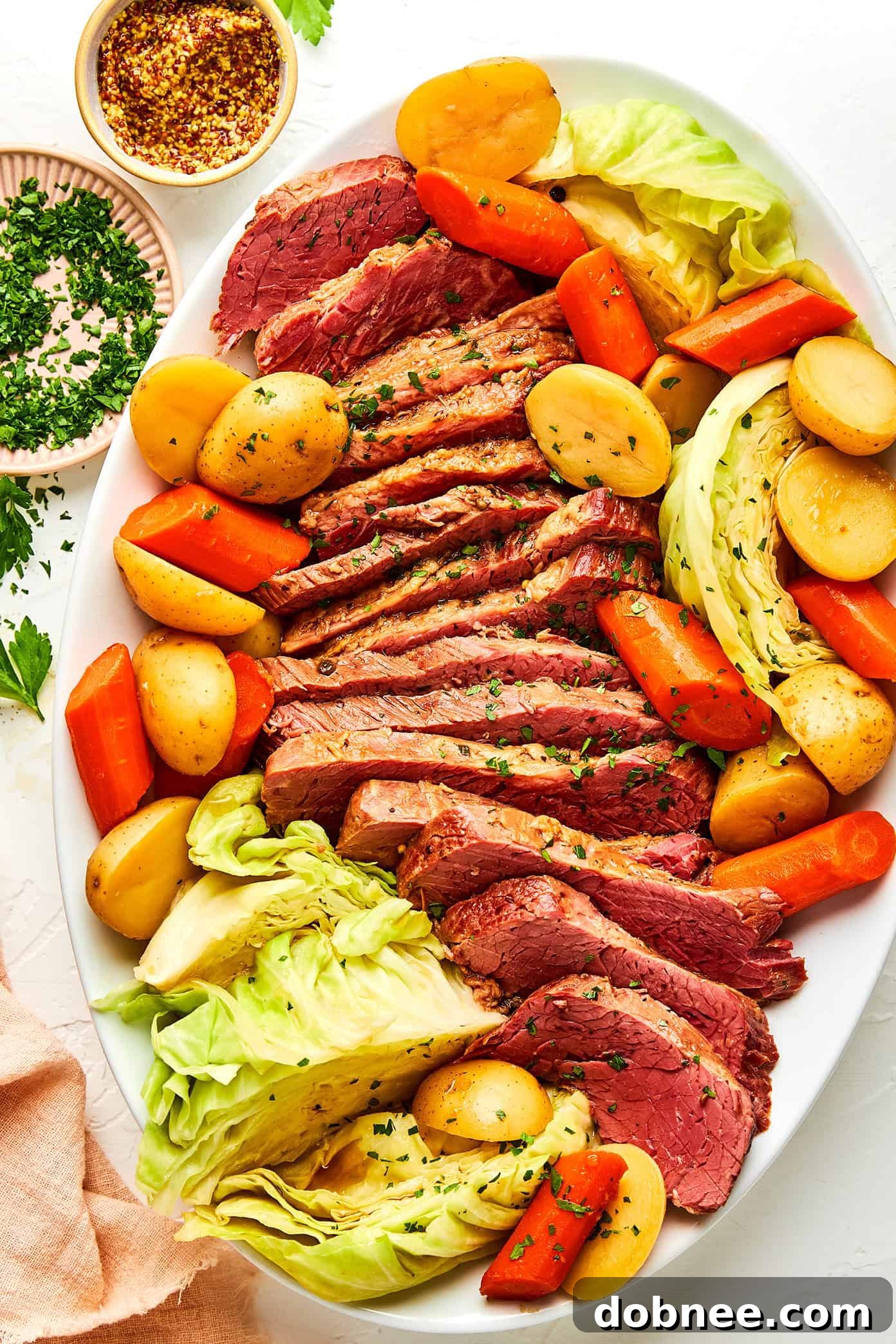
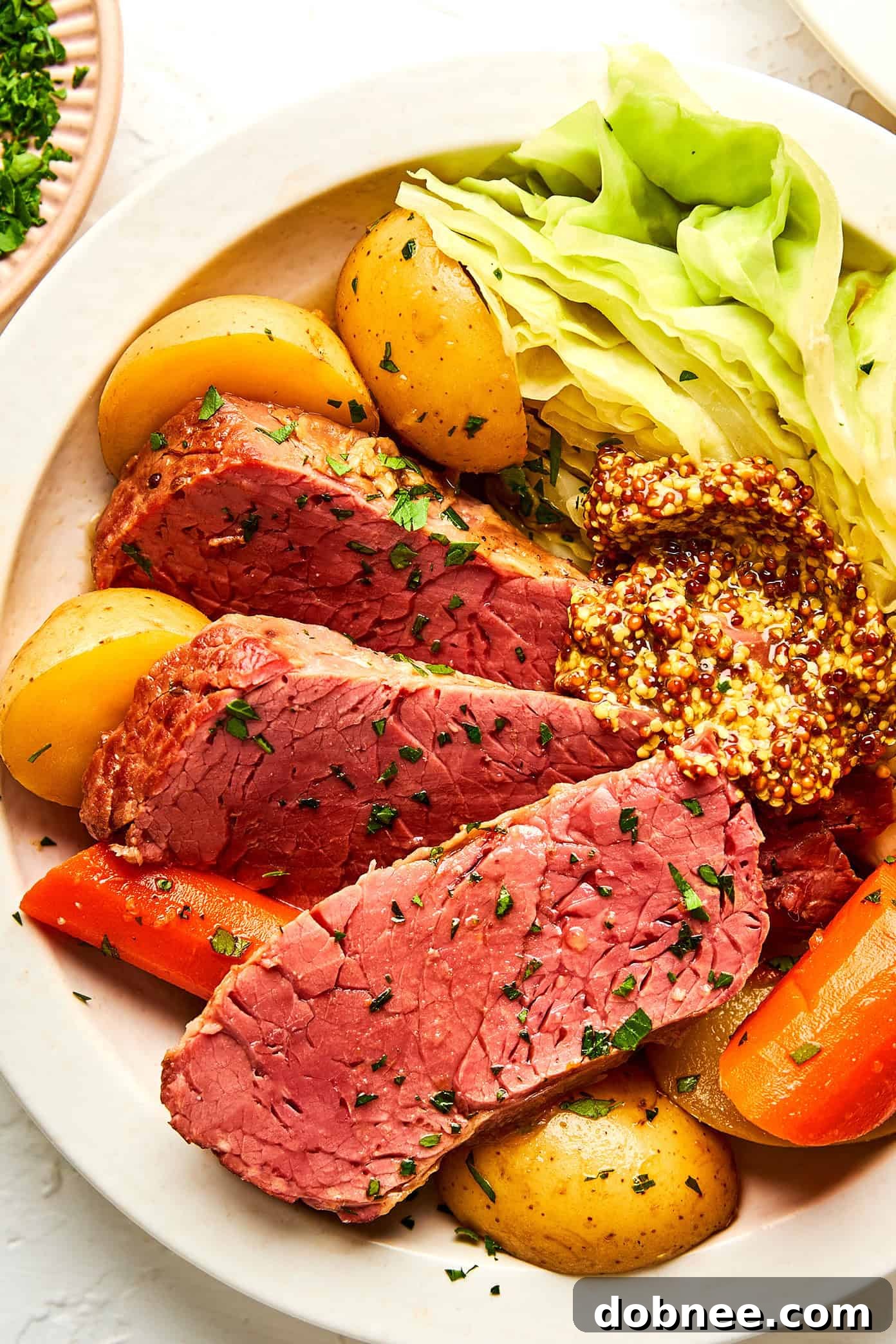
Mastering the Classic Corned Beef and Cabbage Recipe

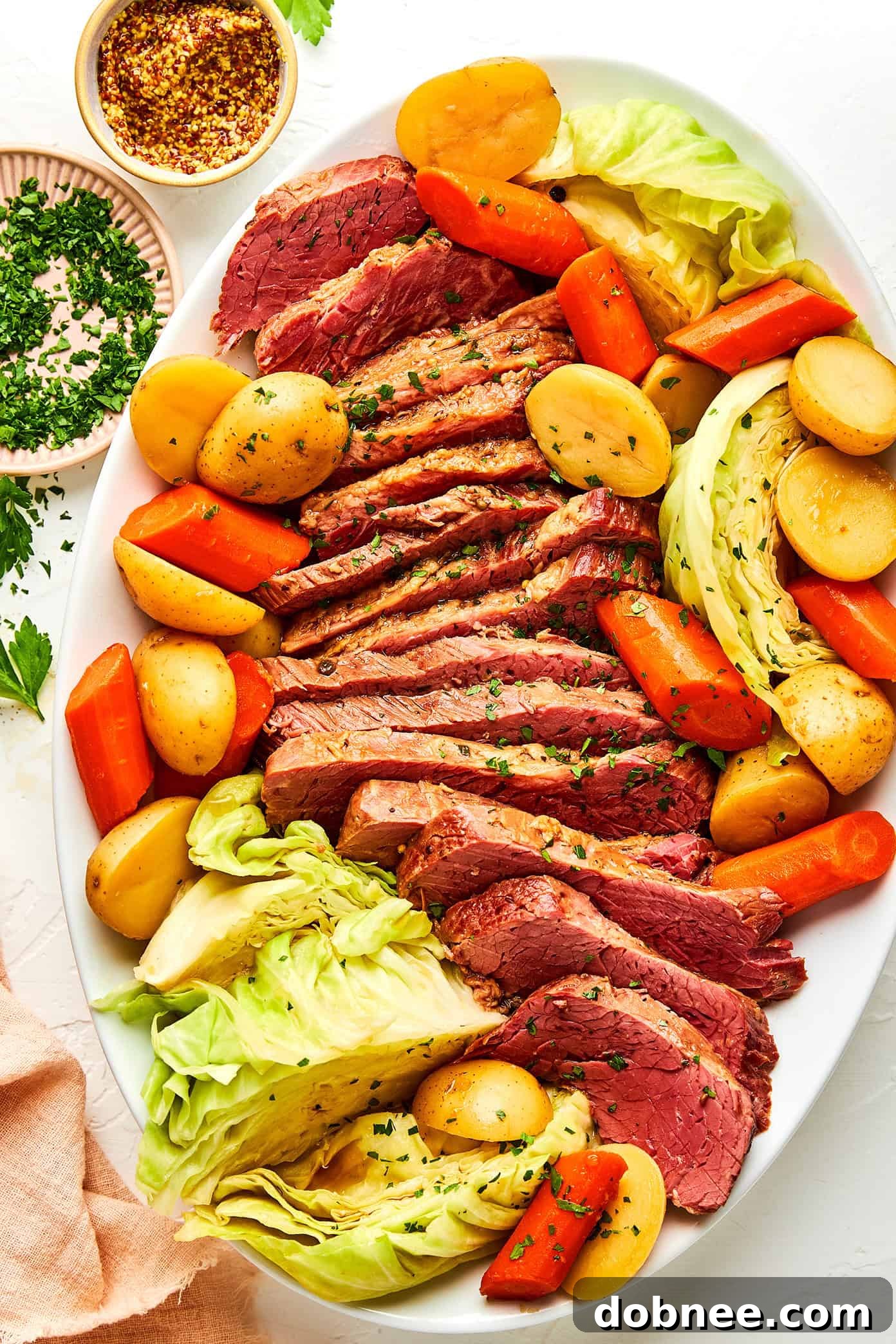
Few dishes evoke the warmth and tradition of Irish-American cuisine quite like a perfectly prepared corned beef and cabbage. Whether you’re celebrating St. Patrick’s Day or simply seeking a hearty, comforting meal to share with loved ones, this classic recipe promises a truly memorable experience. Our rendition delivers everything you desire in this time-honored dish: exceptionally tender, flavorful brisket, infused with aromatic spices and a rich stout beer, accompanied by buttery potatoes and sweet carrots that have absorbed every drop of the savory broth, and cabbage cooked to a tender, yet still vibrant, perfection.
This recipe is designed to bring out the deepest flavors, ensuring each bite is packed with traditional goodness. We understand that busy schedules require flexibility, which is why we’ve included comprehensive instructions for preparing this delightful meal on the stovetop, in your slow cooker, or with the speed and convenience of an Instant Pot. No matter your chosen method, you’ll achieve an incredibly rich, aromatic broth and exquisitely tender corned beef that tastes like it spent hours laboring over the stove, despite the straightforward process. Let’s dive in and create a truly authentic and satisfying corned beef and cabbage feast!
Why This Corned Beef and Cabbage Recipe Shines
What sets this particular corned beef and cabbage recipe apart from the rest? It’s a harmonious blend of carefully selected ingredients and cooking techniques designed to maximize flavor and texture. We aim for a dish where the brisket is fork-tender, not dry; the vegetables are perfectly cooked, not mushy; and the broth is so rich and savory, you’ll want to savor every last drop. This recipe masterfully achieves that balance.
The secret lies in the slow simmering process, allowing the brisket to gently braise in a flavorful liquid composed of robust beef stock and a dark Irish stout. This combination infuses the meat with a profound depth of flavor that can’t be replicated with water alone. The addition of aromatic vegetables like onion and garlic, along with a custom spice packet, further enhances the overall complexity of the dish. Each ingredient plays a crucial role in creating a truly authentic and irresistible corned beef and cabbage experience, making it a beloved choice for any occasion, especially when celebrating Irish heritage.
Essential Ingredients for a Perfect Dish
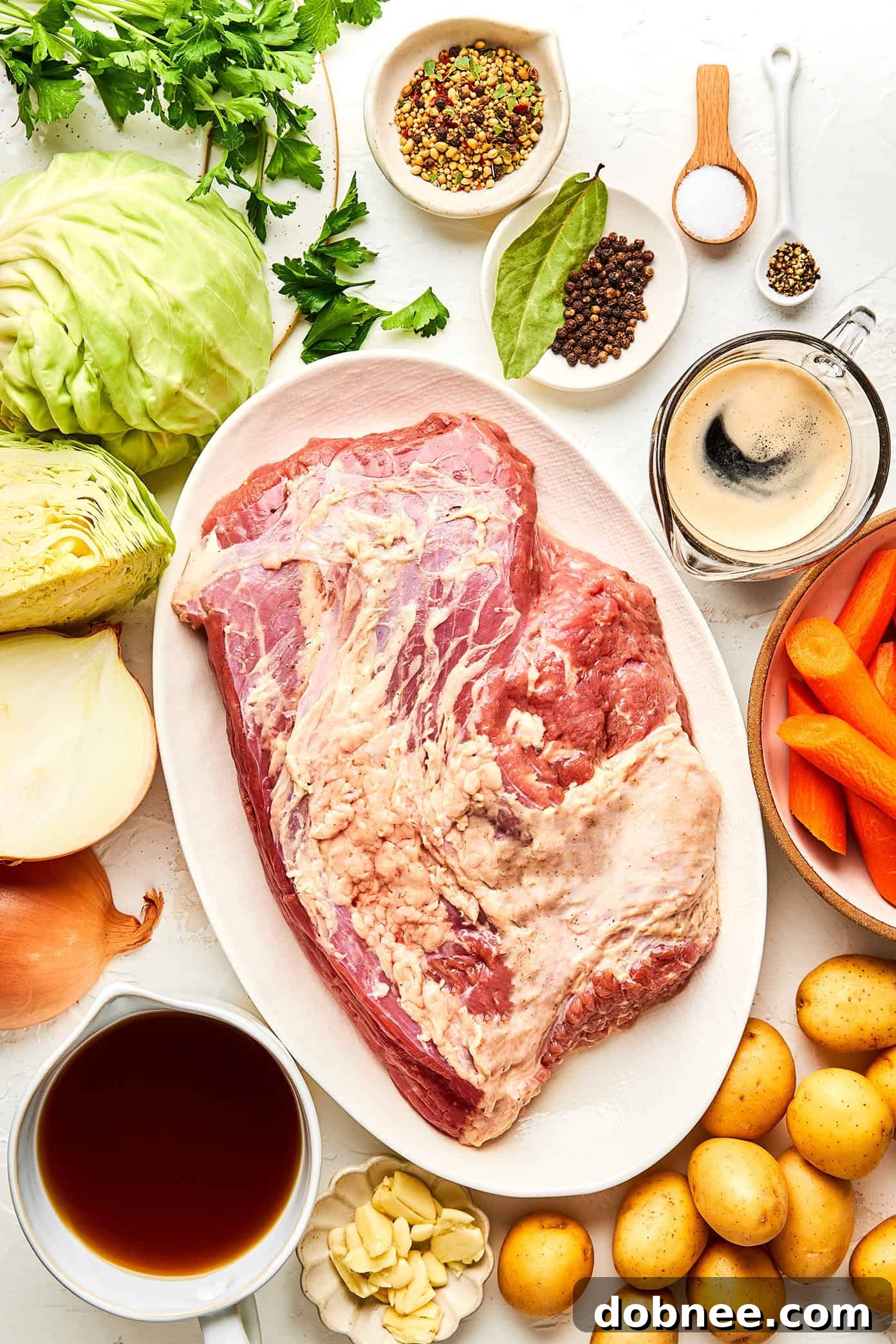
Crafting the ultimate corned beef and cabbage begins with understanding your ingredients. Here’s a breakdown of what you’ll need and why each component is vital:
- Corned Beef Brisket: Typically, you’ll find flat cut or point cut brisket. The flat cut is leaner and slices more uniformly, while the point cut has more marbling and connective tissue, yielding a richer, more tender result when slow-cooked. Either works wonderfully; choose based on your preference for leanness or richness. Don’t forget the spice packet often included – it’s a key flavor enhancer!
- Aromatics (Yellow Onion & Garlic): Halved or quartered onions and smashed garlic cloves release their sweet and pungent flavors slowly, creating a foundational aroma for the broth. They’re typically discarded before serving, having imparted all their goodness.
- Liquid Base (Beef Stock & Irish Stout): A high-quality beef stock forms the savory base. The Irish stout (like Guinness or Smithwick’s) adds a distinctive malty depth, a hint of bitterness, and a beautiful richness that complements the corned beef beautifully. If you prefer to avoid alcohol, simply substitute with additional beef stock.
- Bay Leaf & Black Peppercorns: These traditional spices contribute a classic background note, enhancing the overall savory profile without overpowering the main flavors.
- Potatoes (Baby Red or Yukon Gold): These varieties hold their shape well during extended cooking and become wonderfully creamy and flavorful. Halving them ensures even cooking.
- Carrots: Peeled and cut into large, diagonal chunks, carrots add natural sweetness and a vibrant color. Cutting them generously prevents them from becoming overly soft.
- Green Cabbage: The quintessential partner to corned beef. Cored and cut into thick wedges, the cabbage should be added towards the end of cooking to ensure it becomes tender without turning mushy. Its slight bitterness provides a perfect counterpoint to the richness of the meat and broth.
- Seasoning (Fine Sea Salt & Black Pepper): Corned beef is already cured in a salty brine, so it’s crucial to taste the broth before adding any extra salt, especially when introducing vegetables. Freshly ground black pepper adds a wonderful finishing touch.
- For Serving (Fresh Parsley & Whole-Grain Dijon Mustard): A sprinkle of fresh parsley adds brightness and a pop of color, while whole-grain Dijon mustard offers a tangy, sharp contrast that cuts through the richness of the dish, highly recommended for an authentic experience.
Expert Tips for a Flawless Corned Beef and Cabbage
Achieving perfection with corned beef and cabbage is simple with a few insider tricks. These tried-and-true tips will elevate your dish from good to absolutely unforgettable:
- Choose Your Largest Pot Wisely: This recipe yields a generous batch, perfect for feeding a crowd or ensuring delicious leftovers. Ensure you use a truly capacious vessel – a 5.5-quart Dutch oven or stockpot is often barely sufficient. If in doubt, opt for your largest pot, slow cooker, or Instant Pot to prevent overflow and ensure all ingredients cook evenly.
- Always Rinse the Brisket First: This is a critical step that many overlook! Corned beef is cured in a highly salty brine. A thorough rinse under cold running water removes excess salt from the surface, preventing your finished dish from being overwhelmingly salty. Pat it dry afterward to prepare it for cooking.
- Cook Fat Side Up for Juiciness: Place the brisket with the fat cap facing upwards in your cooking pot. As the meat simmers, this layer of fat will slowly render and baste the brisket, continually moisturizing it and contributing to an incredibly tender, juicy result.
- Patience with Resting Time is Key: Once cooked, resist the urge to slice into the corned beef immediately. Transfer it to a cutting board and tent it loosely with foil for 10-15 minutes. This resting period allows the muscle fibers to relax and reabsorb the flavorful juices, resulting in a more tender and moist slice of meat. Skipping this step often leads to dry, less flavorful corned beef.
- Slice Against the Grain for Tenderness: Before slicing, observe the direction of the muscle fibers (the “grain”) in the brisket. Always slice perpendicular to these fibers. This shortens the fibers, making the meat much easier to chew and dramatically increasing its perceived tenderness. Failing to slice against the grain can make even perfectly cooked corned beef seem tough.
- Taste the Broth Before Salting Vegetables: Corned beef itself is inherently salty from the curing process. When adding your vegetables, particularly the cabbage, taste the simmering broth first. It’s often already well-seasoned, and adding additional salt might make the dish overly saline. Adjust seasoning conservatively, adding only a small pinch of salt if truly needed, along with freshly ground black pepper.
- Add Cabbage Last to Prevent Mushiness: Cabbage cooks much faster than the brisket, potatoes, and carrots. Introducing it during the final 15-20 minutes of cooking ensures it becomes tender and sweet while retaining its vibrant color and a pleasant bite, preventing it from turning into an unappetizing, mushy texture.
Recipe Variations & Creative Leftover Ideas
While the classic corned beef and cabbage is perfect as is, don’t hesitate to experiment once you’ve mastered the traditional recipe. Here are some exciting ways to switch up the flavors and make the most of your leftovers:
- Sweet and Tangy Broth: For a slightly sweeter and lighter flavor profile, consider swapping the Irish stout for an equal amount of good quality apple cider. The subtle apple notes complement the beef wonderfully. To brighten the overall dish at the end of cooking, stir in a splash of apple cider vinegar or fresh lemon juice. This provides a delightful tang that cuts through the richness.
- Add a Spicy Kick: If you enjoy a bit of heat, infuse your broth with a pinch of crushed red pepper flakes. Add them along with the other spices at the beginning of the simmering process to allow their flavor to fully develop.
- Roasted Cabbage Alternative: Instead of boiling the cabbage wedges with the other vegetables, try roasting them separately. Toss the cabbage wedges with olive oil, salt, and pepper, then roast in a hot oven until tender with deliciously crispy, caramelized edges. Serve this alongside the traditional boiled potatoes and carrots for a textural contrast.
- Transform Leftovers into Corned Beef Hash: One of the most beloved ways to enjoy leftover corned beef! Dice the cooked corned beef and potatoes, then sauté them until crispy. Serve with a perfectly fried egg on top for a truly satisfying breakfast or brunch.
- Classic Reuben Sandwiches: Slice the leftover corned beef thinly and pile it high on rye bread with sauerkraut, Swiss cheese, and Russian dressing. Grill until the cheese is melted and the bread is toasted for an iconic sandwich.
- Corned Beef and Cabbage Soup: Chop up any remaining meat and vegetables and combine them with extra beef broth. Simmer for a quick and comforting soup, perfect for a chilly day.
Frequently Asked Questions (FAQ)
No problem at all! The Irish stout adds a unique depth of flavor, but you can easily substitute it with an equal amount of additional beef stock. The dish will still be incredibly flavorful and satisfying.
The corned beef is done when it is exceptionally tender and easy to pierce with a fork. If it still feels firm or resistant, continue simmering it for a longer period. It only gets more tender with extended cooking.
Absolutely! For slow cooker preparation, place the rinsed brisket, aromatics, beef stock, stout, and spices in the slow cooker. Cover and cook on low for 8–9 hours, or on high for 4–5 hours, until the beef is incredibly tender. Add the potatoes and carrots during the final 2 hours of cooking. Nestle in the cabbage wedges during the last 45–60 minutes, cooking until all vegetables are tender.
To use an Instant Pot, place the rinsed brisket, aromatics, beef stock, stout, and spices in the pot. Lock the lid and cook on High Pressure for 90 minutes. Allow a natural pressure release for 15 minutes, then carefully vent any remaining pressure. Transfer the corned beef to a cutting board and tent with foil. Add the potatoes and carrots to the Instant Pot, seal the lid, and cook on High Pressure for 3 minutes, followed by a quick release. Finally, add the cabbage wedges and cook on High Pressure for 1–2 minutes, performing an immediate quick release to prevent overcooking.
Yes, you can! Separate the meat from the vegetables if possible, as vegetables tend to soften more upon freezing and reheating. Store the cooked corned beef and vegetables in airtight containers for up to 2-3 months. Thaw overnight in the refrigerator and reheat gently on the stovetop or in the microwave.
The best way to reheat is gently on the stovetop over low heat, adding a splash of beef broth or water to maintain moisture. You can also reheat in the microwave, ensuring it’s covered to prevent drying out.
Print Recipe
Classic Corned Beef and Cabbage Recipe
- Author: Ali
Prep Time: 15 mins
Cook Time: 3 hours 30 mins
Total Time: 3 hours 45 mins
Yield: 6–8 servings 1x
Description
This timeless corned beef and cabbage recipe delivers a succulent, slow-simmered brisket cooked to perfection in a rich stout and beef broth, complemented by tender potatoes, sweet carrots, and vibrant cabbage. Detailed instructions for stovetop, Instant Pot, and Slow Cooker methods are provided to suit your cooking preference.
Ingredients
Scale
For the Corned Beef
- 1 (3–4 pound) corned beef brisket, with its included spice packet
- 1 large yellow onion, halved or quartered
- 6 garlic cloves, smashed
- 2 1/2 cups beef stock (or more if substituting for beer)
- 1 (12 ounces) bottle Irish stout or amber beer (e.g., Guinness, Smithwick’s)
- 1 bay leaf
- 2 teaspoons black peppercorns
For the Vegetables
- 1 1/2 pounds baby red or Yukon Gold potatoes, halved
- 4 large carrots, peeled and cut diagonally into large chunks
- 1 small head green cabbage, cored and cut into thick wedges
- fine sea salt, to taste
- freshly-ground black pepper, to taste
For Serving (Optional)
- finely-chopped fresh parsley
- whole-grain Dijon mustard
Instructions
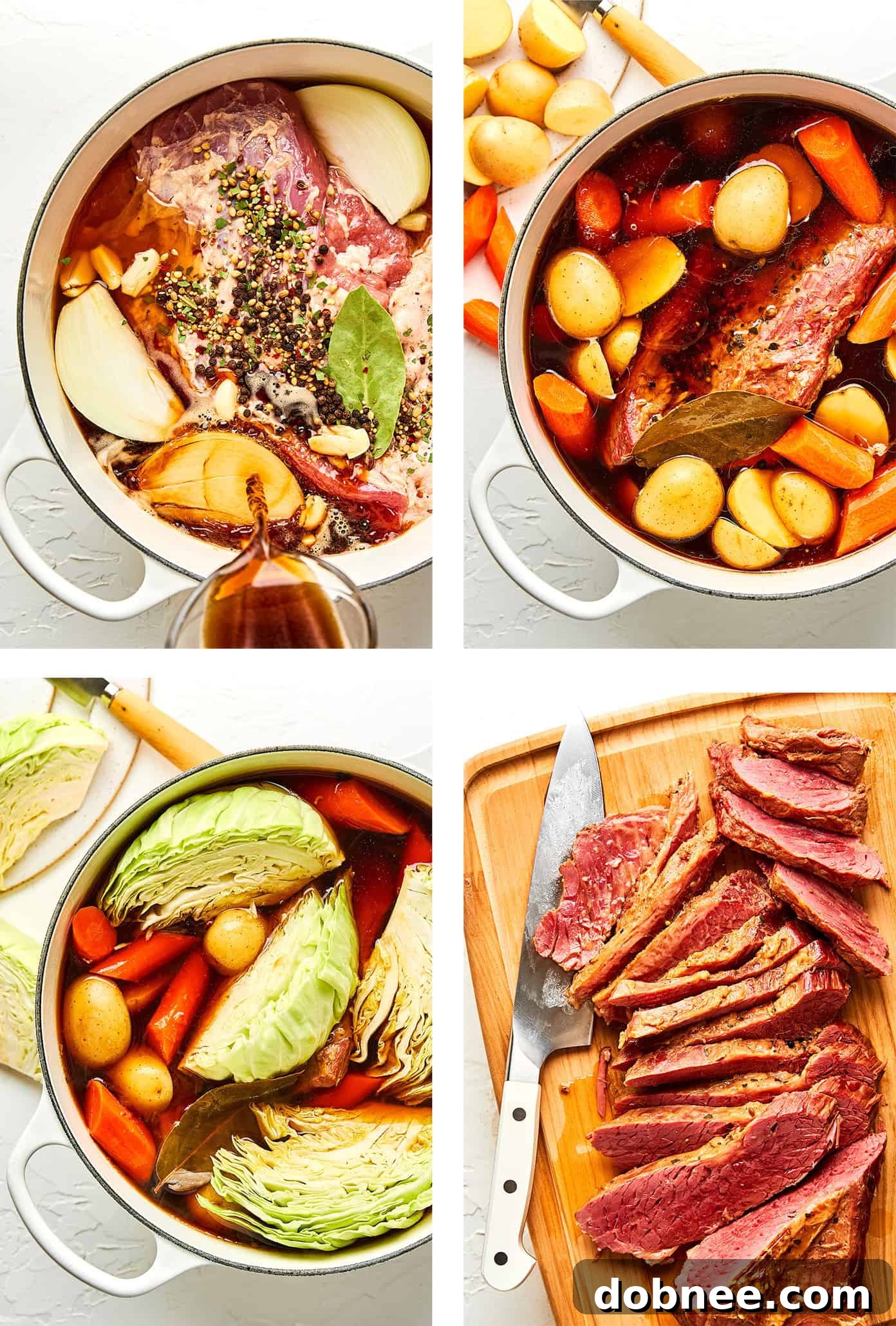
- Prepare the Corned Beef: Begin by thoroughly rinsing the corned beef brisket under cold running water to remove any excess curing brine, which can make the finished dish too salty. Pat the brisket completely dry with paper towels. Place the brisket, fat side up, into a large Dutch oven or a sturdy stockpot.
- Add Aromatics and Liquid: Arrange the halved (or quartered) yellow onion and smashed garlic cloves around the brisket in the pot. Open the spice packet that came with your corned beef and sprinkle its contents evenly over the meat. Add the bay leaf and black peppercorns to the pot. Carefully pour in the beef stock and Irish stout (or additional beef stock, if preferred), ensuring the liquid mostly covers the brisket.
- Simmer Low and Slow: Bring the contents of the pot to a gentle boil over medium-high heat. As soon as it reaches a boil, immediately reduce the heat to low, cover the pot tightly, and allow it to simmer gently for approximately 2½ to 3 hours. The corned beef should become very tender and easily pierced with a fork. Skim off any foam that rises to the surface throughout the cooking process.
- Incorporate Potatoes and Carrots: After the initial simmering period, add the halved potatoes and large carrot chunks to the pot. Submerge them in the simmering liquid as much as possible to ensure even cooking. Re-cover the pot and continue to simmer for an additional 25–30 minutes, or until the vegetables are nearly tender.
- Season the Broth for Vegetables: Before adding the cabbage, take a moment to taste the broth. Since corned beef is pre-salted, the broth is likely already quite savory. Stir in about ½ teaspoon of freshly cracked black pepper. Add a small pinch of kosher salt only if you feel it’s truly necessary, adjusting to your preference.
- Add the Cabbage: Carefully nestle the thick cabbage wedges into the pot, ensuring they are partially submerged in the broth. Cover the pot once more and simmer for 15–20 minutes. The cabbage should be tender but still vibrant green and not mushy.
- Rest the Corned Beef: Once cooked, transfer the tender corned beef brisket from the pot to a clean cutting board. Tent it loosely with aluminum foil and allow it to rest for 10–15 minutes. This crucial step helps the meat reabsorb its juices, making it more tender and flavorful.
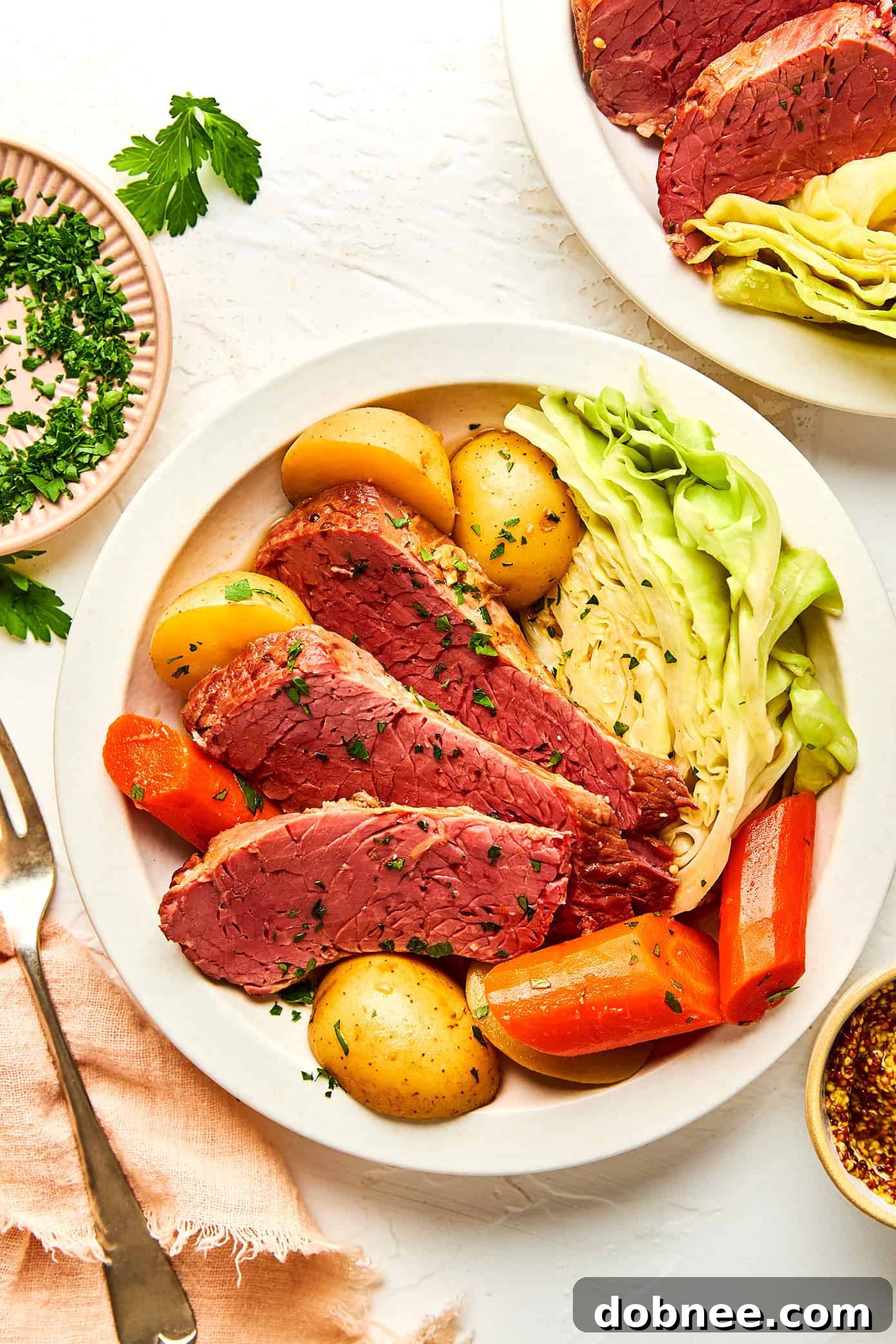
- Slice and Serve: After resting, slice the corned beef thinly against the grain for maximum tenderness. If desired, remove and discard the cooked onion and garlic from the pot. Serve the sliced corned beef alongside the cooked potatoes, carrots, and cabbage, generously spooning some of the hot, flavorful broth over everything. Garnish with finely-chopped fresh parsley and serve with a side of whole-grain Dijon mustard, if you wish.
Notes
Slow Cooker (Crock-Pot) Instructions: Place rinsed corned beef, onion, garlic, spices, beef stock, and beer (or extra beef stock) in the slow cooker. Cook on low for 8–9 hours or on high for 4–5 hours until beef is very tender. Add potatoes and carrots during the last 2 hours. Incorporate cabbage wedges during the final 45–60 minutes of cooking, ensuring vegetables are tender before serving.
Pressure Cooker (Instant Pot) Instructions: Combine rinsed corned beef, onion, garlic, spices, beef stock, and beer in the Instant Pot. Lock the lid and cook on High Pressure for 90 minutes. Allow a 15-minute natural pressure release before carefully quick releasing any remaining pressure. Transfer corned beef to a cutting board and tent with foil. Add potatoes and carrots to the pot, seal the lid, and cook on High Pressure for 3 minutes, followed by a quick release. Stir in cabbage wedges and cook on High Pressure for 1–2 minutes, then perform an immediate quick release.