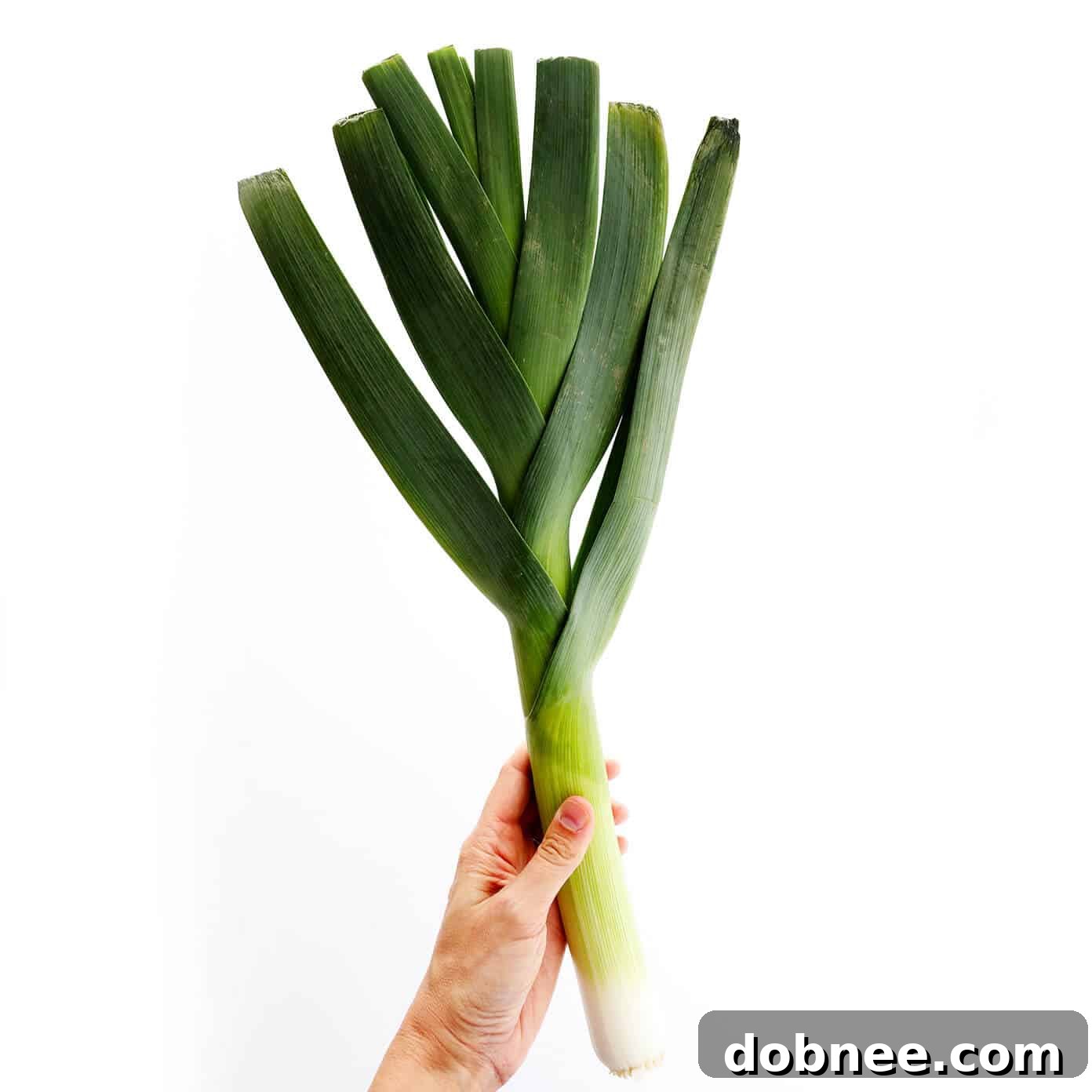
Unlock the secrets to perfectly prepared leeks with this comprehensive guide! Discover how to select, store, and master the art of cutting leeks, complete with a quick video tutorial and essential cooking tips.
Hello culinary enthusiasts! We’re back with another highly requested tutorial that aims to demystify one of the kitchen’s most versatile, yet often intimidating, vegetables: fresh leeks. Many of us didn’t grow up with leeks being a staple in our family kitchens, leading to a common set of questions when encountering them in the produce aisle.
If you’ve ever found yourself wondering, “What exactly makes a good leek?”, “Are they just giant green onions?”, “Which parts are edible, and how should I cook them?”, then this guide is crafted specifically for you. The good news is that leeks are not only incredibly easy to prepare once you know the basics, but they are also wonderfully delicious and capable of transforming everyday dishes into gourmet experiences.
Leeks boast a distinctive flavor profile: a milder, more delicate onion taste combined with uniquely herbaceous, slightly sweet, and wonderfully savory notes. This makes them an exceptional ingredient that pairs harmoniously with almost any herb and possesses a magical ability to add incredible depth and complexity to a wide array of recipes. My personal appreciation for leeks has grown exponentially since moving to Spain, where they are practically ubiquitous – even found in convenience stores! This abundance, coupled with their significantly lower price point compared to the US, has led me to incorporate them into my cooking more than ever. Consequently, you can expect to see them featured prominently in upcoming recipes on the blog, making this tutorial incredibly timely and relevant.
So, let’s dive in and explore everything you need to know about this fantastic allium, from selecting the freshest specimens to proper storage, various cooking methods, and, crucially, the most effective way to cut them.
Mastering the Leek: A Step-by-Step Cutting Guide & Video Tutorial
Watch this concise video to see my preferred and most efficient method for preparing fresh leeks. It’s a game-changer for anyone new to cooking with this delightful vegetable!
How To Select the Freshest Leeks:
Choosing high-quality leeks is the first step towards a delicious meal. When you’re at the market, keep these key indicators in mind:
- Look for Ample White and Light Green Sections: The most tender and flavorful parts of a leek are typically the white and pale green portions. While the dark green leaves have their uses (which we’ll discuss), the more white and light green, the better for most culinary applications. Avoid leeks where these sections are minimal or discolored.
- Avoid Yellowing or Browning: Fresh leeks should exhibit vibrant white and green hues. Any signs of yellowing, browning, or wilting indicate that the leek is past its prime and will likely have a diminished flavor and tougher texture.
- Ensure Crispness and Firmness: Gently squeeze the leek. It should feel firm and crisp to the touch, not soft, rubbery, or mushy. A firm leek signifies good hydration and freshness, whereas a limp or flabby one suggests it has lost moisture and might be old. Minor blemishes are acceptable, but significant bruising or soft spots should be avoided.
- Consider Seasonality: While often available year-round, leeks are at their peak season from October through May in many regions. Purchasing leeks during their peak season often guarantees the best flavor, texture, and price. Always check with your local grocer or farmer’s market for regional variations in seasonality.
Optimal Storage for Leeks:
Proper storage is essential to extend the freshness of your leeks and ensure they’re ready when you are. Follow these simple steps:
- Keep Them Dry: Before storing, ensure your leeks are thoroughly dry. Excess moisture can accelerate spoilage.
- Use a Plastic Bag: Place the dry leeks in a loose plastic bag or a reusable produce bag. This helps to retain moisture and prevent them from drying out or wilting.
- Refrigerate in the Crisper Drawer: The crisper drawer of your refrigerator is designed to maintain optimal humidity levels for vegetables. Store your bagged leeks here.
- Duration: Depending on their initial freshness, leeks can last for up to two weeks when stored correctly. Always give them a quick visual inspection and sniff test before use to ensure they are still good.
Preparing and Cooking Leeks:
Before you embark on any culinary adventure with leeks, the most critical first step is always thorough cleaning. Leeks grow in sandy soil, and dirt has a notorious habit of finding its way into the many delicate layers. This makes proper washing absolutely non-negotiable for an enjoyable eating experience. As demonstrated in the video, a good rinse is paramount.
Once your leeks are meticulously cleaned, you’ll want to trim them. Start by cutting off and discarding the very end of the leek, which consists of the tough root base. Next, separate the dark green leaves on top. While generally not consumed directly due to their fibrous texture, these dark green parts are packed with flavor and can be incredibly useful! Don’t discard them just yet – they are fantastic for enriching stocks, broths, or even infusing flavor into various soups. You can also freeze these dark green sections for later use, making them a zero-waste kitchen hero.
Now, the pale white and light green sections are the star of the show and ready for your preferred preparation method. Here are some popular ways to enjoy them:
- Enjoy Them Raw: Like their onion relatives, raw leeks possess a pungent, assertive flavor. However, when very thinly sliced, they transform into a delightful and elegant garnish. Sprinkle them over soups, salads, roasted vegetables, meats, or fish for a fresh, zesty bite. They also add a wonderful crunch and subtle oniony flavor when mixed into green salads, creamy dips, or homemade salad dressings.
- Sauté Them to Perfection: This is arguably the most common and versatile way to cook leeks. Slice them as you would onions – into half-moons or rings – and sauté gently in butter or olive oil until softened and translucent. Sautéed leeks form an excellent aromatic base for countless dishes, from quiches and frittatas to pasta sauces and casseroles. If you continue to sauté them over low heat for an extended period, leeks will caramelize beautifully, developing a deep, sweet, and nutty flavor that is truly irresistible, much like caramelized onions.
- Roast for Enhanced Sweetness: Roasting brings out an incredible natural sweetness in leeks, making them a fantastic side dish or ingredient for warm salads. You can roast leeks whole, halved lengthwise, or sliced into thicker rounds. Simply toss them with olive oil, salt, and pepper, and roast until tender and slightly charred. This method concentrates their flavor and creates a wonderfully tender texture.
- Braise for Tenderness: Braising leeks in a small amount of liquid (like broth or wine) until fork-tender yields a luxurious, melt-in-your-mouth side dish. This gentle cooking method retains their delicate flavor and creates a comforting texture.
- Incorporate into Soups and Stews: Leeks are a quintessential ingredient in many classic soups and stews, providing a savory depth and subtle sweetness. Think of potato and leek soup, or using them as a base for chicken or vegetable stock.
- Grill for Smoky Flavor: Halved leeks, brushed with olive oil and seasoned, can be grilled until tender with appealing char marks. This imparts a smoky, slightly sweet flavor perfect for summer BBQs.
The Nutritional Powerhouse: Health Benefits of Leeks
Beyond their delightful flavor and versatility, leeks are also incredibly nutritious. They are a rich source of essential vitamins and minerals, including Vitamin K, Vitamin A (in the form of beta-carotene), Vitamin C, iron, and manganese. Leeks are also high in dietary fiber, which aids in digestion and promotes gut health. Furthermore, they contain powerful antioxidants and sulfur-containing compounds that contribute to their anti-inflammatory and detoxifying properties. Incorporating leeks into your diet is a delicious way to boost your overall health and wellness.
Leeks Around the Globe: A Culinary Journey
Leeks hold a prominent place in various cuisines worldwide, showcasing their adaptability and beloved flavor. In French cooking, they are a fundamental component, famously featured in classics like Vichyssoise (a creamy potato and leek soup) and as an aromatic base for many sauces and stews. Welsh cuisine celebrates the leek as its national emblem, often featuring it in hearty soups, stews, and traditional dishes like Welsh Rarebit. In many parts of Europe, including the Mediterranean, leeks are cherished for their ability to elevate simple dishes, often paired with fish, poultry, or roasted vegetables. Their mild oniony flavor makes them a less overpowering alternative to onions or garlic, making them perfect for dishes where a delicate touch is desired.
Favorite Leek Recipes to Inspire You:
Ready to put your newfound leek preparation skills to the test? Here are some fantastic recipes that highlight the incredible flavor and versatility of leeks:
- Cabbage, Sausage and Potato Soup | Gimme Some Oven – A hearty and comforting soup where leeks add a sweet, savory depth.
- 30-Minute Creamy Mushroom and Leek Chicken Breasts | FoodieCrush – Quick, elegant, and infused with the delicate flavors of leeks and mushrooms.
- Creamy Leek and Pancetta Pappardelle For Two| A Beautiful Plate – A decadent pasta dish featuring the harmonious pairing of creamy leeks and salty pancetta.
- Leek and Potato Pan Roast | Cotter Crunch – A simple yet flavorful side dish where roasted leeks shine alongside tender potatoes.
- Roasted Leek and Broccoli Quinoa Salad with Almonds | Simply Quinoa – A healthy and vibrant salad benefiting from the sweetness of roasted leeks.
- Cauliflower and Leek Soup | Salt and Lavender – A creamy and warming soup, perfect for showcasing the mild, earthy notes of leeks.
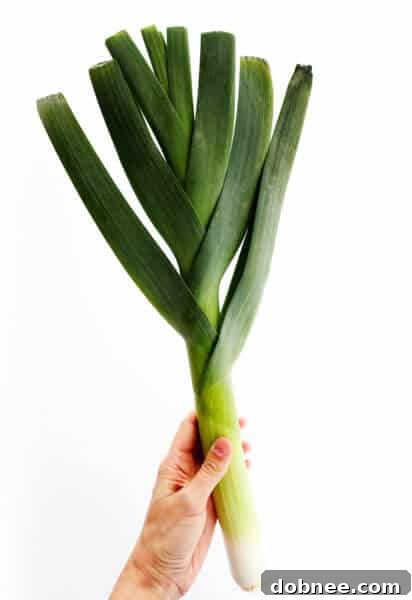
How To Cut Leeks
Prep Time: 5 minutes
Total Time: 5 minutes
Yield: 1 serving 1x
Description
Learn the best method for how to clean and cut fresh leeks for any recipe, ensuring a delicious and grit-free experience every time.
Ingredients
Scale
- 1 large leek, or 2 medium leeks
- Fresh, cold water for rinsing
- A clean cutting board and sharp knife
Instructions for Perfectly Clean and Cut Leeks
- Initial Rinse and Preparation: Begin by thoroughly rinsing the entire leek under cold running water to remove any visible surface dirt. Gently pat it dry with a clean cloth or paper towel, then lay it flat and stable on your cutting board.
- Trim and Separate: Use a sharp chef’s knife to carefully cut off and discard the tough, fibrous root end of the leek. Next, slice off the dark green leafy tops. While these dark green sections are too tough for most dishes, save them! They are packed with flavor and make an excellent addition to homemade vegetable or chicken broths, adding a subtle, savory depth. You can freeze them for later use.
- Halve the Leek: Take the remaining white and light-green stalk. Carefully make a single, precise vertical slice down the center, dividing it completely in two lengthwise. This exposes the inner layers where grit often hides.
- Slice According to Your Recipe: Now, place the flat, cut side of each leek half down on your cutting board for stability. You can then slice the leek into various shapes:
- Half-Moons: For most recipes like sautés, soups, or stir-fries, thinly slice the leek halves crosswise to create beautiful half-moon shapes of your desired thickness.
- Julienne Strips: For a more elegant presentation in salads, garnishes, or quick sautés, julienne the leek into thin, matchstick-like strips.
- Rings: If using smaller leeks or a specific aesthetic is desired, you can also slice the whole leek into rings before halving and cleaning, then proceed to clean as described in the next step.
- Final Thorough Cleaning (Crucial Step): Transfer all the cut leek pieces into a large bowl filled with clean, cold water. Using your fingers, gently swish and separate the leek pieces to ensure that any hidden dirt or sand dislodges from between the layers. You will often see sediment settling at the bottom of the bowl.
- Rinse and Drain: Carefully scoop the clean leeks out of the water, leaving the sediment behind. Place them into a colander and give them one final rinse under cold running water. Shake the colander well to drain off as much excess water as possible, or pat dry with paper towels.
- Ready for Use or Storage: Your perfectly cleaned and cut leeks are now ready to be used immediately in your favorite recipes. If you’re not using them right away, transfer them to an airtight container and refrigerate for up to 3 days.