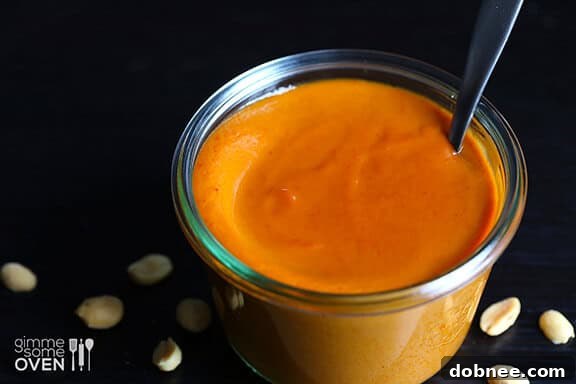
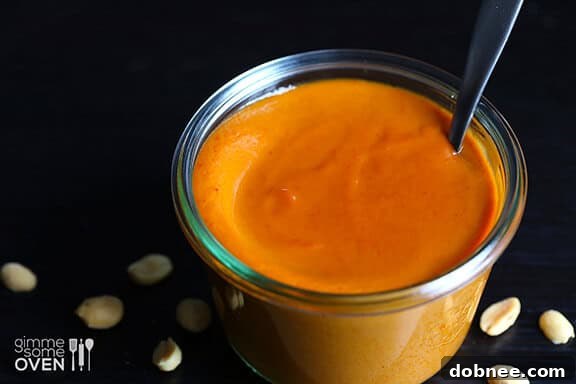
The Ultimate Homemade Thai Peanut Sauce: A Flavorful Journey to Your Kitchen
Are you, like me, utterly captivated by the rich, creamy, and undeniably delicious flavors of Thai peanut sauce? It’s a culinary staple that seems to effortlessly elevate any dish, transforming a simple meal into an exotic delight. For years, the convenience of store-bought jars kept me content, serving as my secret weapon for whip-up weeknight stir-fries, vibrant Asian salads, succulent chicken satay, and countless other peanut-infused creations. My obsession knew no bounds, and I found myself constantly seeking new ways to incorporate this versatile sauce into my cooking.
However, a nagging thought persisted: could a homemade version truly surpass its store-bought counterparts? The idea of crafting this beloved sauce from scratch, with fresh ingredients and a personalized touch, became an irresistible challenge. After much experimentation and a few delightful trials, I am thrilled to share a recipe that is not just good, but ridiculously good – a game-changer that will forever alter your perception of what Thai peanut sauce can be. It’s a recipe that yields a sauce far superior to any jarred variety I’ve ever tasted, bursting with vibrant flavors, rich in texture, yet perfectly balanced and never overpowering. Best of all, it requires minimal effort and comes together in just a few minutes, promising a heavenly concoction ready to enhance your favorite dishes.
So, for all my fellow peanut sauce enthusiasts out there, prepare to embark on a culinary adventure. This homemade Thai peanut sauce recipe is about to become your new kitchen essential. Get ready to ditch the jars and embrace the unparalleled taste of fresh, homemade goodness!
Why Homemade Thai Peanut Sauce is a Must-Try
While the allure of convenience is strong, opting for a homemade Thai peanut sauce offers a multitude of benefits that elevate your dining experience to new heights. Once you try this recipe, you’ll understand why it’s worth the minimal effort:
- Unmatched Freshness and Flavor: Store-bought sauces, while convenient, often contain preservatives and artificial flavors that dull the natural vibrancy of the ingredients. By making your own, you control the quality and freshness of every component, resulting in a sauce that is brighter, more aromatic, and undeniably delicious. The difference is truly remarkable, akin to tasting fresh produce versus canned.
- Control Over Ingredients: Concerned about added sugars, excessive sodium, or specific allergens? Crafting your own sauce gives you complete control. You can adjust the sweetness, saltiness, and spice levels to perfectly suit your palate and dietary preferences. This recipe uses natural ingredients, free from the mysterious additives often found in commercial products.
- Cost-Effective: Believe it or not, making your own peanut sauce is often more economical in the long run. The core ingredients are pantry staples, and a single batch yields a generous amount, saving you money compared to continuously buying small, expensive jars.
- Customization Opportunities: This recipe provides a fantastic base, but the real magic lies in its adaptability. Want more heat? Add extra sriracha or chili flakes. Craving a zingier profile? Boost the lime or vinegar. Prefer a stronger garlic or ginger kick? Freshly grated or minced additions are your friends. The possibilities for personalization are endless, allowing you to tailor the sauce to any dish or mood.
- Sense of Accomplishment: There’s a unique satisfaction that comes from preparing something truly delicious from scratch. Presenting a meal with a homemade sauce, knowing every ingredient that went into it, adds an extra layer of pride and enjoyment to your cooking and dining experience.
Essential Ingredients for a Perfect Peanut Sauce
The beauty of this Thai peanut sauce lies in its straightforward ingredients, each playing a crucial role in creating its complex and harmonious flavor profile. Understanding these components will help you appreciate the magic behind this delightful condiment:
- Coconut Milk (Full-Fat or Light): The foundation of our sauce, coconut milk provides a luxurious creaminess and a subtle, sweet tropical undertone. Full-fat coconut milk will yield a richer, thicker sauce, while light coconut milk offers a lighter alternative without compromising too much on flavor. Choose a good quality brand for the best results.
- Thai Red Curry Paste: This vibrant paste is a powerhouse of flavor, bringing authentic Thai spices, aromatics, and a touch of heat. It’s a blend of red chilies, lemongrass, galangal, kaffir lime zest, and other spices, providing that unmistakable Southeast Asian essence. Don’t skip this; it’s key to the sauce’s authenticity.
- Natural Creamy Peanut Butter: The star of the show! Opt for natural, unsweetened creamy peanut butter where the only ingredients are peanuts and maybe a touch of salt. Avoid hydrogenated oils or excessive sugar, as these can negatively impact the flavor and consistency of your sauce. The nutty richness is paramount.
- Soy Sauce: A fundamental umami enhancer, soy sauce adds depth and savory saltiness. Use regular soy sauce, or opt for tamari for a gluten-free version. It balances the sweetness of the sugar and the creaminess of the peanut butter.
- Sugar: A touch of sugar (white granulated is specified here, but brown sugar or even maple syrup can work for variations) is essential to balance the savory, spicy, and acidic notes. It rounds out the flavors and contributes to the sauce’s appealing viscosity.
- White Vinegar: Providing a tangy counterpoint, white vinegar brightens the sauce and cuts through its richness. Rice vinegar is another excellent option for a slightly milder, more authentic Asian flavor. The acidity is crucial for a well-rounded sauce.
- Water: Used to thin the sauce to the desired consistency. You might adjust the amount slightly based on the thickness of your peanut butter and coconut milk, aiming for a pourable but still substantial sauce.
- Sesame Oil: Aromatic sesame oil is added at the very end to preserve its delicate flavor. It imparts a distinctive nutty aroma that is characteristic of many Asian dishes, adding a final layer of complexity.
- Optional Add-ins: Don’t hesitate to personalize! Sriracha hot chili sauce for extra spice, grated fresh ginger for warmth and zest, or minced garlic for a pungent kick can all be wonderful additions.
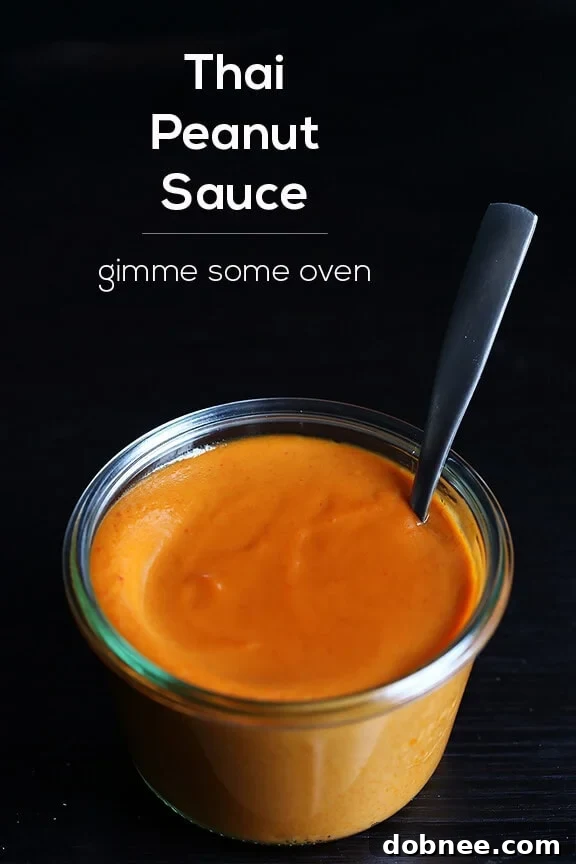

Thai Peanut Sauce
Prep Time: 5 minutes
Cook Time: 10 minutes
Total Time: 15 minutes
Yield: 3 cups 1x
Description
A quick and simple recipe for a flavorful Thai peanut sauce that is incredibly versatile, perfect for everything from stir-fries and chicken satay to vibrant Asian salads and dipping fresh vegetables.
Ingredients
- 1 (13.5 ounce) can coconut milk (full-fat is standard, but you can also use “light”)
- 1/4 cup Thai red curry paste
- 1 cup natural (unsweetened) creamy peanut butter
- 3 Tbsp. soy sauce
- 1/3 cup sugar
- 2 Tbsp. white vinegar
- ½ cup water
- 1/4 tsp. sesame oil
- (optional add-ins: sriracha hot chile sauce, grated fresh ginger, and/or minced garlic)
Instructions
- Combine all ingredients except sesame oil in a medium saucepan. Whisk constantly as you bring the mixture to a very gentle boil over medium heat.
- Reduce the heat to low and allow the sauce to simmer for 3-5 minutes, continuing to whisk occasionally to prevent scorching at the bottom of the pot.
- Remove the saucepan from the heat, stir in the sesame oil, and let the sauce cool for at least 5 minutes. As it cools, the sauce will naturally thicken to a perfect consistency.
- Serve your delicious homemade Thai peanut sauce immediately, or transfer it to a sealed container for refrigeration. It will keep well for up to 1 month in the fridge, or can be frozen for up to 3 months.
Notes
Recipe adapted from She Simmers, a fantastic resource for authentic Thai cooking.
Mastering the Art of Thai Peanut Sauce: Tips for Success
Creating this irresistible Thai peanut sauce is simple, but a few expert tips can ensure your batch turns out perfectly every time, allowing you to tailor it to your exact preferences:
- Whisk Consistently: The initial step of whisking all ingredients (except sesame oil) over heat is crucial. This prevents the coconut milk from separating and ensures all the components, especially the peanut butter and curry paste, are fully incorporated into a smooth, homogenous mixture.
- Prevent Scorching: As the sauce simmers, the sugars and peanut butter can easily stick to the bottom of the pan and scorch, leading to a burnt taste. Keep the heat low and continue to whisk or stir frequently, especially during the simmering stage. A heavy-bottomed saucepan can also help distribute heat more evenly.
- Adjust Consistency: The sauce will thicken considerably as it cools. If you prefer a thinner sauce for dressing salads, you can add a little more water or coconut milk, one tablespoon at a time, until you reach your desired pourable consistency. For a thicker dipping sauce, a bit less water might be ideal initially.
- Taste and Adjust: This is perhaps the most important tip! Everyone’s palate is different, and the intensity of ingredients like curry paste and soy sauce can vary. Before removing from heat, taste the sauce.
- Too bland? Add a pinch more salt (or soy sauce) and perhaps a dash more curry paste.
- Not sweet enough? Stir in a bit more sugar.
- Lacking tang? A splash more vinegar or a squeeze of fresh lime juice will brighten it up.
- Want more heat? A dash of sriracha or a pinch of red pepper flakes can be stirred in.
- Embrace Fresh Ginger and Garlic: If you enjoy the pungent aroma and sharp kick of fresh ginger and garlic, don’t hesitate to mince a clove or two of garlic and grate a teaspoon of fresh ginger into the sauce along with the other ingredients. They add an incredible layer of authentic flavor.
Serving Suggestions: More Than Just a Dip!
The versatility of homemade Thai peanut sauce is truly astounding. Beyond its classic pairings, this savory, sweet, and tangy delight can transform an array of dishes. Here are just a few ideas to inspire your culinary creativity:
- Classic Chicken or Tofu Satay: The quintessential pairing! Use it as a marinade for skewers before grilling, then serve generously on the side for dipping.
- Stir-Fries: Elevate any vegetable or protein stir-fry. Toss cooked noodles or rice with your stir-fry ingredients and a generous coating of warm peanut sauce for a quick, flavorful meal.
- Asian Salads and Noodle Bowls: Thin it slightly with a bit more water or lime juice to create an incredible dressing for crisp green salads, crunchy cabbage slaws, or cold noodle bowls topped with fresh vegetables and grilled chicken or shrimp.
- Spring Rolls and Summer Rolls: It’s the ultimate dipping sauce for fresh or fried spring rolls, adding a burst of flavor to every bite.
- Vegetable Dip: Forget boring dips! This sauce is fantastic with raw veggies like cucumber sticks, carrot sticks, bell pepper strips, and broccoli florets.
- Sandwich and Wrap Spread: Spread a thin layer inside chicken wraps, veggie sandwiches, or even on a burger for an unexpected Asian twist.
- Marinade: Use it as a marinade for chicken, pork, or firm tofu before grilling, baking, or pan-frying. The flavors infuse beautifully into the protein.
- Drizzle over Roasted Vegetables: A drizzle of warm peanut sauce over roasted sweet potatoes, broccoli, or Brussels sprouts can turn a simple side dish into something extraordinary.
- Peanut Noodles: Toss hot or cold noodles with this sauce, adding some chopped peanuts, cilantro, and green onions for a quick and satisfying meal.
Storing Your Homemade Peanut Sauce for Future Enjoyment
One of the many advantages of making a larger batch of this Thai peanut sauce is its excellent shelf life. Proper storage ensures you can enjoy its fantastic flavor for weeks or even months to come, making meal prep a breeze.
- Refrigeration: Once the sauce has cooled completely to room temperature, transfer it to an airtight container. A glass jar with a tight-fitting lid works perfectly. Store it in the refrigerator for up to one month. Over time, the sauce may thicken further; simply whisk in a tablespoon or two of warm water or coconut milk to reach your desired consistency before serving.
- Freezing: For longer storage, this sauce freezes beautifully. Pour the cooled sauce into freezer-safe containers or even ice cube trays for convenient portioning. Once frozen solid, you can transfer the cubes to a freezer bag. It will keep well in the freezer for up to three months. To use, simply thaw in the refrigerator overnight or gently reheat on the stovetop over low heat, stirring occasionally. Again, you may need to add a splash of water or coconut milk to restore its original texture.
Having a stash of homemade Thai peanut sauce in your fridge or freezer means you’re always just moments away from adding incredible flavor to any meal. It’s a true culinary convenience that brings gourmet taste to your everyday cooking.
Conclusion: Elevate Your Meals with This Irresistible Sauce
Say goodbye to the mediocre, artificial flavors of store-bought alternatives and embrace the vibrant, authentic taste of homemade Thai peanut sauce. This recipe is more than just a condiment; it’s an invitation to explore a world of flavors, to customize, and to truly savor the joy of cooking from scratch. Its ease of preparation belies its incredible depth of flavor, making it a powerful tool in any home cook’s arsenal.
Whether you’re drizzling it over a fresh salad, coating tender chicken skewers, or tossing it with a medley of stir-fried vegetables, this sauce promises to deliver an unforgettable taste experience. So go ahead, gather your ingredients, take a few minutes in the kitchen, and prepare to fall even deeper in love with the magic of Thai peanut sauce. Your taste buds (and your family) will thank you!