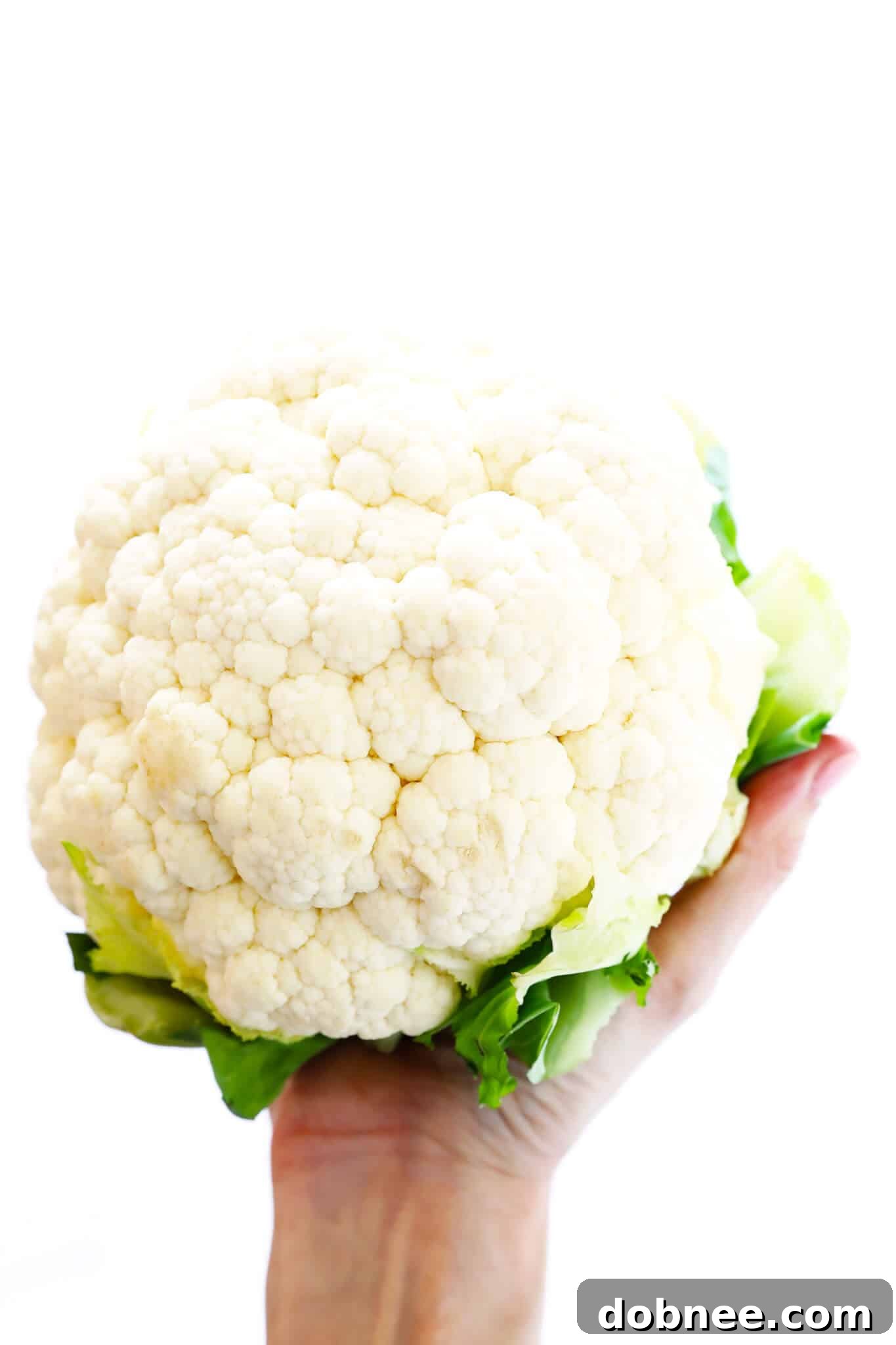
Discover the secrets to effortlessly preparing fresh cauliflower! This ultimate guide provides step-by-step instructions on how to cut cauliflower, essential tips for selecting the perfect head, proper storage techniques, and a wealth of culinary ideas to make this versatile vegetable shine in your kitchen.
Mastering Cauliflower: Your Ultimate Guide to Cutting, Selecting, Storing, and Cooking
Cauliflower, once a humble staple, has transformed into a culinary superstar, gracing tables and menus across the globe with its incredible versatility and health benefits. From low-carb alternatives to creamy purees, this cruciferous vegetable has earned its place as a favorite among home cooks and professional chefs alike. However, for many, tackling a whole head of cauliflower can seem a bit daunting. Fret not! This comprehensive guide is designed to demystify the process, offering clear, concise instructions on how to confidently cut cauliflower, along with expert advice on selection, storage, and inspiring ways to incorporate it into your meals.
Whether you’re a seasoned chef or a first-timer eager to explore the wonders of cauliflower, you’ll find everything you need right here. We’ll delve into the qualities of a fresh head, the best methods to keep it crisp, and a myriad of delicious cooking techniques that will have you enjoying this fantastic vegetable in no time. Get ready to elevate your culinary skills and make cauliflower a regular, delightful presence in your diet!
Why Cauliflower Has Become a Culinary Star
The rise of cauliflower from a basic side dish to a celebrated ingredient is nothing short of remarkable. Its mild flavor and adaptable texture make it an ideal canvas for a variety of dishes, easily taking on the flavors of accompanying ingredients. Beyond its culinary flexibility, cauliflower boasts an impressive nutritional profile, packed with vitamins C and K, folate, and powerful antioxidants. It’s also low in calories and carbohydrates, making it a popular choice for those following keto, paleo, or other health-conscious diets.
Its ability to mimic other foods has further cemented its popularity. Cauliflower can be riced as a grain substitute, mashed into a creamy potato alternative, or even cut into thick “steaks” for a hearty plant-based meal. Parents often laud its subtle taste, making it an excellent vegetable to discreetly add to sauces, casseroles, or baked goods for an added nutritional boost without altering the dish’s appeal. This adaptability is precisely why learning how to properly prepare and utilize fresh cauliflower is an invaluable skill for any home cook.
Choosing the Perfect Head of Fresh Cauliflower
The foundation of any great cauliflower dish begins with selecting a fresh, high-quality head. Knowing what to look for at the market can significantly impact the taste, texture, and longevity of your vegetable. Here’s a detailed guide to help you pick the best cauliflower every time:
- Color and Appearance: For traditional white cauliflower, look for florets that are bright white or creamy white, without any significant brown spots or yellowing. While small blemishes are natural, widespread discoloration can indicate spoilage. If you’re opting for purple, green, or orange varieties, ensure the color is vibrant and uniform throughout the head.
- Firmness and Density: Gently squeeze the head of cauliflower. It should feel firm and dense, with florets tightly packed together. Avoid any heads that feel soft, spongy, or loose, as these are signs of an older or deteriorating vegetable.
- Leaves: Don’t overlook the leaves! The outer leaves should be crisp, green, and vibrant, clinging tightly to the head. Wilted, yellowing, or browning leaves suggest the cauliflower has been sitting for too long and is losing its freshness.
- Absence of Spots or Mold: Inspect the entire head, including between the florets, for any signs of mold, mildew, or excessive wetness. These are clear indicators that the cauliflower is past its prime and should be avoided.
- Weight: A good quality head of cauliflower will feel heavy for its size, signaling ample moisture content and dense florets.

Optimal Storage for Maximum Freshness
Once you’ve brought your perfect head of cauliflower home, proper storage is key to maintaining its freshness and extending its shelf life. Incorrect storage can lead to rapid spoilage, making your culinary efforts short-lived. Follow these simple steps to keep your cauliflower crisp and ready for use:
- Remove Plastic Wrapping: Most grocery stores sell cauliflower tightly wrapped in plastic. While this protects it during transport, it can trap moisture and accelerate spoilage once at home. Immediately remove any plastic wrapping.
- Wrap Loosely in Paper Towels: Wrap the entire head of cauliflower loosely in one or two dry paper towels. This helps to absorb excess moisture and prevent condensation, which can lead to mold growth.
- Place in a Perforated Plastic Bag: After wrapping in paper towels, place the cauliflower in a loosely sealed or perforated plastic bag. Avoid airtight bags, as the vegetable needs to breathe. If you don’t have a perforated bag, you can poke a few small holes in a regular plastic bag.
- Refrigerate: Store the wrapped cauliflower in the crisper drawer of your refrigerator. This environment provides the ideal balance of humidity and cold to keep it fresh.
- Expected Shelf Life: When stored correctly, a fresh head of cauliflower can last anywhere from 4 to 7 days, sometimes even up to 10 days, depending on its initial freshness.
- Pre-cut Florets: If you’ve already cut your cauliflower into florets, store them in an airtight container or a sealed plastic bag lined with a paper towel. They will typically last 3-4 days in the refrigerator.
Essential Tools for Cutting Cauliflower
Before diving into the cutting process, gather a few basic kitchen tools. You won’t need anything fancy, just standard items that ensure a safe and efficient experience:
- Sharp Chef’s Knife: A good quality, sharp chef’s knife is crucial. A sharp knife is safer than a dull one, as it requires less force and is less likely to slip.
- Cutting Board: A sturdy, non-slip cutting board will provide a stable surface for your cauliflower.
- Bowl: A large bowl is helpful for collecting the florets as you cut them, keeping your workspace tidy.
Step-by-Step Guide: How to Cut Cauliflower into Perfect Florets
Learning the proper technique for cutting cauliflower not only makes the process easier but also ensures you get the most usable florets from your head. Follow these simple steps for perfectly prepped cauliflower every time:
1. Prepare Your Workspace
Place your cutting board on a stable surface. Give your cauliflower a quick rinse under cool water to remove any dirt or debris, then pat it dry with a clean towel.
2. Remove the Outer Leaves
Lay the cauliflower on its side. Using your sharp chef’s knife, carefully trim off the large, green outer leaves that surround the head. You can discard these, or if they are tender, you can save them for other dishes like stir-fries or stocks.
3. Locate and Trim the Core
Flip the cauliflower so the stem end is facing up. You’ll see the firm, central core. Carefully cut around the core in a cone shape, removing it entirely. Be mindful not to cut too deeply into the florets themselves at this stage. Removing the core will allow the florets to separate much more easily.
4. Separate the Florets
Once the core is removed, the florets will naturally begin to loosen. You can now use your hands to gently pull apart the larger sections of cauliflower. For tighter florets, make small cuts into the main stem branches to detach them. Aim for florets that are roughly uniform in size for even cooking, or adjust based on your recipe’s needs.
5. Trim and Size the Florets
Examine each floret. If any are too large, carefully cut them down into smaller, bite-sized pieces. Trim any remaining tough stem sections from the florets. The goal is to have pieces that are easy to eat and will cook evenly. For roasting, aim for 1-inch florets; for stir-fries, slightly smaller might be better. If you’re making cauliflower rice, you can rough-chop the florets further before pulsing them in a food processor.
6. Optional: Preparing Cauliflower Steaks or Rice
If you’re aiming for cauliflower steaks, skip step 3 and instead slice the entire head vertically into 1-inch thick “steaks” after removing the outer leaves. For cauliflower rice, simply cut the florets into manageable pieces, then pulse them in a food processor until they resemble grains of rice.
How To Cut A Head of Cauliflower | 1-Minute Video Tutorial
Visual learners, rejoice! Sometimes, seeing is believing. Watch this quick, step-by-step video tutorial to observe the techniques described above in action. It’s an excellent way to reinforce your understanding and ensure you’re confidently cutting cauliflower like a pro.
Beyond Cutting: Unleashing Cauliflower’s Culinary Potential
Once you’ve mastered the art of cutting cauliflower, a world of culinary possibilities opens up. Its mild taste makes it a superb ingredient for a wide range of cooking methods and flavor profiles. Here are some of the most popular and delicious ways to cook your fresh cauliflower florets:
Roasting
Perhaps the most popular method, roasting cauliflower brings out its natural sweetness and creates a tender interior with crispy, caramelized edges. Simply toss florets with olive oil, salt, pepper, and your favorite spices (garlic powder, paprika, cumin all work wonderfully) and roast at a high temperature (around 400°F / 200°C) until tender and golden brown. Roasted cauliflower is excellent as a side dish, added to salads, or incorporated into grain bowls.
Mashing
For a lighter, low-carb alternative to mashed potatoes, mashed cauliflower is unbeatable. Steam or boil your florets until very tender, then drain thoroughly. Mash them with butter, cream cheese, garlic, and seasonings until smooth and creamy. It’s surprisingly decadent and a fantastic way to increase your vegetable intake.
Ricing
Cauliflower rice has become a staple in many health-conscious kitchens. After cutting your florets, pulse them in a food processor until they resemble grains of rice. You can then sauté it with a little oil and seasonings, use it as a base for stir-fries, or incorporate it into burritos and bowls for a healthy grain substitute.
Soups and Sauces
Cauliflower’s creamy texture when cooked down makes it an excellent thickener for soups and sauces. It can add body and nutrients without a heavy flavor. Think creamy cauliflower soup, or even adding it to cheese sauces for mac and cheese to boost nutrition and lighten the dish.
Grilling and Steaks
For a unique twist, try grilling cauliflower florets or thick-cut cauliflower “steaks.” Brush them with olive oil and spices, then grill until tender with beautiful char marks. This method imparts a smoky flavor that is incredibly delicious and satisfying, perfect for summer barbecues.
Delicious Cauliflower Recipes to Try
Now that you’re an expert in preparing cauliflower, it’s time to put your skills to the test with some truly delicious recipes. These dishes highlight the versatility of cauliflower and offer something for every palate:
- Creamy Cauliflower Soup: A comforting and velvety soup, perfect for a chilly evening. This recipe uses cauliflower to create a rich texture without heavy cream, making it both indulgent and healthy.
- Roasted Cauliflower & Lentil Tacos (Cookie + Kate): A vibrant and flavorful vegetarian taco option that combines perfectly spiced roasted cauliflower with hearty lentils for a satisfying meal.
- General Tso’s Cauliflower (Pinch of Yum): A brilliant plant-based take on the classic Chinese American dish. Crispy cauliflower florets are tossed in a sweet and savory General Tso’s sauce, creating an irresistible meal.
- Garlic Chili Pasta with Roasted Cauliflower (Minimalist Baker): A simple yet incredibly flavorful pasta dish featuring tender roasted cauliflower florets infused with garlic and a hint of chili for a delightful kick.
- Cauliflower Nuggets (SkinnyTaste): A healthier twist on chicken nuggets, these crispy cauliflower bites are seasoned perfectly and baked until golden, making them a family-friendly favorite.
- Skillet Cauliflower Mac and Cheese (Foodie Crush): Elevate your comfort food with this rich and creamy mac and cheese, where cauliflower is cleverly incorporated to add nutrients and a lovely texture.

Tips for Maximizing Flavor
To truly make your cauliflower dishes sing, keep these final tips in mind:
- Don’t Overcook: Overcooked cauliflower can become mushy and develop a sulfurous smell. Aim for tender-crisp in most preparations.
- Season Generously: Cauliflower loves bold flavors. Don’t be shy with salt, pepper, garlic, onion powder, and other spices.
- High Heat for Roasting: For that perfect crispy exterior, roast your cauliflower at a high temperature (400-425°F or 200-220°C).
- Pat Dry Before Cooking: Especially for roasting or frying, ensure your florets are completely dry. Excess moisture will steam the cauliflower instead of allowing it to brown and crisp up.
- Experiment with Acid: A squeeze of lemon juice or a splash of vinegar after cooking can brighten the flavor of many cauliflower dishes.
Conclusion
Cauliflower is more than just a vegetable; it’s a versatile, nutritious, and delicious ingredient that deserves a regular spot in your kitchen. By following this guide, you now possess the knowledge and confidence to select the freshest heads, store them optimally, and expertly cut them into perfect florets. Furthermore, with a host of cooking methods and inspiring recipes at your fingertips, you’re well-equipped to unlock cauliflower’s full potential. So go ahead, grab a head of this amazing cruciferous vegetable, and start creating culinary masterpieces!