For far too long, this post has been tucked away in my drafts folder, awaiting its moment to shine. After years of passionately sharing culinary insights and even more years navigating the vibrant world of single living, I’ve amassed a wealth of experience and invaluable tips on a topic that often sparks both challenge and creativity: cooking for one.
The concept of cooking for a single person frequently draws laments. Many single individuals perceive it as a depressing chore, not worth the effort, or even more costly than dining out. And while I’ll be the first to acknowledge that these sentiments can occasionally ring true, my journey has led me to a profound appreciation for the art of solo cooking. In fact, it’s something I genuinely look forward to.
Let’s be honest, there are undeniable perks to preparing meals just for yourself. You gain the freedom to cook exactly what your heart desires, precisely when the craving strikes. There’s no need to meticulously cater to others’ dietary preferences, unique cravings, or specific needs. Imagine an epic dance party in your pajamas, Taylor Swift blasting, a glass of red wine in hand, while you whip up egg drop soup for the third consecutive night – all without a single worry about who might be watching, or, dare I say, judging. It’s a liberating space to experiment with novel dishes and ingredients, to hone new culinary skills at your own pace. And should a culinary experiment tragically fail (hopefully not literally in flames!), you bear sole responsibility for the outcome, sparing others from a ruined dinner!
Ultimately, the experience of cooking for one is entirely what you make it. Given the choice, I wholeheartedly embrace an approach that is fun, empowering, and, above all, delicious.
However, any single person will confirm that cooking for one is a vastly different endeavor compared to preparing meals for two, or a family of three, four, five, or six. This unique scenario introduces its own set of unexpected challenges across various aspects: grocery shopping, maintaining a well-stocked kitchen, meticulous meal planning, effectively scaling recipes, and more. Today, I’m excited to share my top 10 strategies designed to make cooking for one not just manageable, but also more affordable, incredibly tasty, and genuinely inspiring.
If you have additional tips or burning questions on this subject, please don’t hesitate to share them in the comments below. Let’s foster a robust discussion and collectively enhance our solo cooking journeys. Furthermore, mark your calendars for my upcoming “Single Serving Saturday” series, where I’ll be unveiling a plethora of delicious single-serving recipe suggestions. Many delightful ideas are already in the pipeline!
Now, let’s dive into the world of cooking for one!
1. Master the Art of Meal Planning
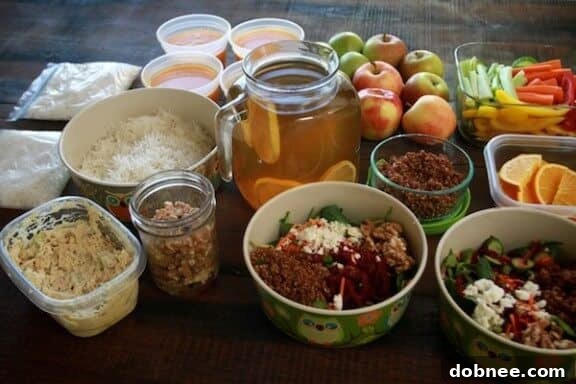
While this might seem like the most obvious piece of advice, its effectiveness warrants constant reiteration: dedicate time to meticulously plan your meals in advance. This means strategizing before you even step foot in the grocery store.
As an inherently impulsive cook, I confess this is often a personal challenge. Yet, every time I commit to meal planning, the results are undeniably transformative. I consistently prepare more delicious, fresh, and wholesome meals when I plan ahead, drastically reducing instances of resorting to a cold bowl of cereal out of desperation. I save significant amounts of money at the grocery store by avoiding those “maybe-I’ll-use-this-ingredient-this-week” impulse buys. Having a clear plan and the necessary ingredients readily available also ensures I dedicate the required time to cook, rather than giving up and ordering takeout. An added bonus? Pre-planning allows me to thoughtfully incorporate leftovers into future meals, minimizing food waste.
Truly, advanced planning is the secret ingredient to becoming a more accomplished and efficient cook.
However, for meal planning to be genuinely successful, it must be realistic and tailored to your lifestyle. If you dislike rigid planning, focus instead on stocking your kitchen with versatile, high-quality staples that enable spontaneous cooking. If dining out with friends is a regular enjoyment, consider planning just 1-3 homemade dinners per week, intentionally preparing extra portions for next day’s lunches or for freezing. For those with unpredictable work schedules, opt for meals with ingredients that boast a longer shelf life or can be frozen, rather than relying heavily on fresh produce that perishes quickly. If your weekdays are too hectic for cooking, designate a “batch cooking” day on Sunday to prepare several meals that can be refrigerated or frozen for the week ahead. The key is to find a system that seamlessly integrates into your unique routine.
The good news is that the landscape of meal planning resources is constantly evolving, with new apps, websites, and tools emerging daily to offer assistance. So, make a plan – and remember, there are fantastic food blogs (like this one!) brimming with creative ideas to inspire you. Now, get cooking!
2. Leverage the Power of Bulk Bins and the Deli Counter
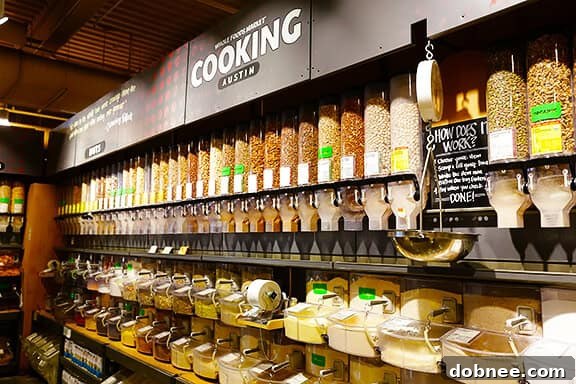
I cannot stress this tip enough: invest time in becoming intimately familiar with the bulk bins at your preferred grocery stores, and then utilize them enthusiastically! Bulk bin pricing is almost always comparable to, or even more economical than, purchasing ingredients in full-sized, pre-packaged quantities. The true genius lies in the ability to buy precisely the amount you need, eliminating waste and reducing costs.
In a similar vein, explore the offerings at the deli counter! I’ve encountered countless single individuals who are unaware that they can request a single chicken breast instead of a four-pack, or a quarter-pound of shrimp rather than a full frozen pound, or – my personal favorite – just a few slices of their favorite artisanal cheese instead of an entire wedge. When you’re cooking for one, the deli counter is your invaluable ally.
Beyond portion control, cultivate a friendly relationship with the staff behind the counter. They are often fantastic resources, offering excellent recommendations on ingredients for specific recipes, guidance on preparing different cuts of meat, or insights into the freshest items and best deals of the week. They can also assist with preparation, such as deboning a fish fillet, skinning poultry, or trimming excess fat from a steak. Keep an eye out for weekly deli specials – they often present fantastic money-saving opportunities!

3. Avoid Overbuying Perishable Produce
Before diving into this tip, I must admit this is another area where I often struggle. The produce section of a grocery store feels like a wonderland to me – magical, inspiring, and bursting with vibrant colors, making me want to acquire everything in sight. However, years of experience have taught me a crucial lesson: resist this urge whenever possible. Unless fresh produce can be frozen or canned immediately, it is typically the quickest item in your kitchen to spoil.
Even if you don’t meticulously plan every single meal for the week, at the very least, try to strategize your produce purchases and consciously resist the temptation to overbuy. Remember, the alluring produce section will patiently await your return next week. Focus on buying versatile produce that can be used in multiple dishes or in smaller quantities, such as a single bell pepper or a handful of spinach, rather than bulk bags that may go to waste.
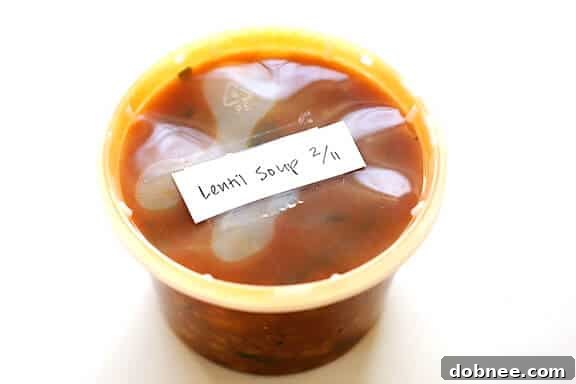
4. Maximize Your Freezer’s Potential
Your freezer is an indispensable asset for solo cooking. Fill it with intelligently prepared leftovers, ensuring you always have a convenient, homemade meal option. Stock it with ingredients that can be quickly reheated, such as a variety of frozen produce (think mixed vegetables, berries for smoothies), pre-portioned cooked proteins (shredded chicken, carnitas, tofu), and staple grains or baked goods like pita bread or pizza crusts.
And yes, embrace pre-packaged frozen foods! There’s absolutely no judgment here for a delicious frozen pizza, a comforting pint of ice cream, or a hearty soup that can be warmed up in mere minutes. These options provide fantastic convenience when time or motivation is low.
The freezer truly is your culinary companion. Educate yourself on which of your favorite foods and ingredients freeze well, and make a conscious effort to keep them on hand. From personal experience, a well-stocked freezer plays a pivotal role in promoting healthier eating habits, helping you resist impulse cravings for unhealthy snacks, or avoiding unnecessary and often costly takeout orders.
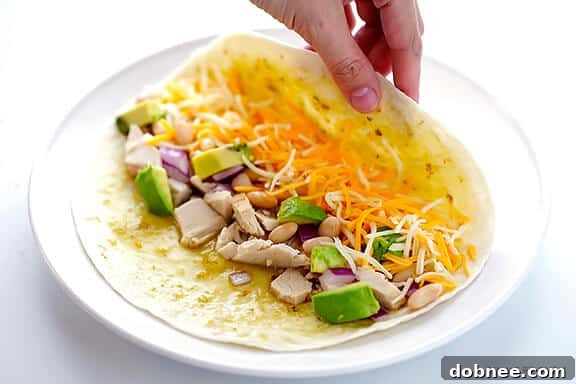
5. Master the Art of Leftover Reinvention
Some individuals genuinely love leftovers, and if that describes you, more power to your palate! However, I confess to often finding them monotonous, repetitive, and occasionally frustrating – particularly when I wish I had someone to help consume them. If you share this sentiment, my advice is wonderfully simple: reinvent them!
Consider this: if you prepare roasted chicken with a medley of vegetables for dinner, transform those leftovers into savory quesadillas, a gourmet panini, or a comforting soup the following day. If your dinner consisted of a vibrant green salad, store the dressing and onions separately, then blend the remaining greens and fruit into a refreshing green smoothie for breakfast. Should you indulge in a hearty chili for dinner, the next day, simply bake a potato and top it generously with the leftover chili for a completely different, satisfying meal.
Admittedly, repurposing your leftovers requires a touch more creativity, time, and forethought. But if you’re not a fan of eating the same meal repeatedly, getting imaginative with how you can re-imagine them for a second or even third iteration is a game-changer. I guarantee this approach will make leftovers far less annoying and much more enjoyable.
6. Consider Investing in a Toaster Oven and Other Small Appliances
I am utterly convinced that a toaster oven is the single most brilliant kitchen investment a single person can make. It is, hands down, the quickest and most efficient way to bake, roast, or toast an array of single-serving recipes.
For instance, imagine you have frozen cookie dough (a fantastic strategy from Tip #4!). A toaster oven allows you to bake just one or two cookies, satisfying your sweet tooth without the temptation of a full dozen. Need to reheat a slice of pizza? The toaster oven will return it to crispy perfection, a stark contrast to the often soggy results from a microwave. Craving roasted vegetables, a perfectly baked piece of fish, or a gourmet slice of avocado toast? The toaster oven emerges victorious every time!
These versatile appliances typically range from $30 to $200 and have evolved significantly in design, now offering sleek and attractive options. Choose your favorite (here’s a highly recommended model) and make this transformative investment in your solo cooking journey.
Other highly beneficial small appliance investments for cooking for one include: a quality set of glass storage containers for meal prep and leftovers, a compact single-serve blender ideal for smoothies and sauces, and a versatile grill pan, perfect for crafting delicious paninis or indoor grilling single portions of meat and vegetables.
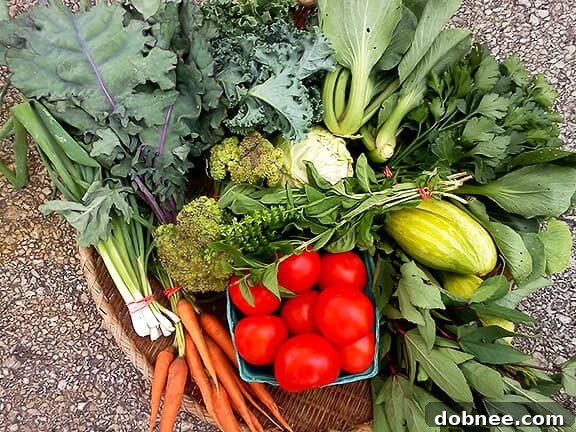
7. Embrace the Power of Sharing: Groceries and Leftovers with Friends
Do you ever find yourself wanting to participate in a CSA (Community Supported Agriculture) share, shop at bulk retailers like Costco, or simply purchase certain groceries in quantities that you can’t possibly consume before they spoil? The solution is beautifully simple: find a friend or a group of friends, and put that kindergarten lesson to good use – share!
Sharing groceries is an excellent strategy, allowing you to access a wider variety of foods and take advantage of bulk pricing, which can be significantly more cost-effective. Furthermore, if you’re someone who doesn’t particularly enjoy eating leftovers, finding a friend with whom you can share – or even better, swap – your extra portions is a game-changer. You can exchange meals a day or two after cooking, ensuring variety for both parties. For an even more engaging approach, carve out a Sunday afternoon to cook a few different meals together with a friend, then divide the spoils. This not only introduces you to new recipes but also prevents the monotony of eating the same dish multiple times.
8. Develop the Skill of Scaling Down Recipes
Having worked in recipe development for many years, I can confidently state that the vast majority of recipes are formulated to yield at least 2-4 servings. This means if you discover a recipe you adore in a blog, magazine, or on a culinary show, preparing it as written will likely leave you with a substantial amount of leftovers. While this can be ideal if you appreciate leftovers (especially if they can be frozen), if you prefer not to have excess food, it’s crucial to learn how to effectively scale a recipe down to a single serving.
This involves mastering basic culinary math. (A helpful hint: Google is an excellent resource for quick conversions; simply type queries like “divide 1 cup by 6” or “how many tablespoons is 1/6 cup?”). It also requires understanding how to portion various ingredients accurately. For example, if a recipe calls for half an egg, simply whisk a whole egg and then divide it, or consider purchasing liquid egg whites to avoid waste. Furthermore, learning to find smart substitutions can prevent unnecessary purchases; for instance, you can easily make homemade buttermilk with milk and lemon juice or vinegar, instead of buying an entire carton.
Admittedly, some recipes are inherently challenging to scale down to a single serving, especially intricate baked goods or dishes requiring specific ratios. And often, it is indeed more economical to cook on a larger scale and enjoy the leftovers. However, for those committed to preparing more single-serving meals, rest assured that with a bit of practice and ingenuity, it is absolutely achievable.
9. Curate a Personal List of Go-To Single-Serving Recipes
Even better than learning to scale recipes, create a curated list of your absolute favorite single-serving “go-to” recipes. Ideally, these dishes should fall into the “quick and easy” category, utilize healthier, seasonal ingredients, and can be prepared with items you typically keep stocked in your pantry and fridge. Having this personal repertoire makes spontaneous solo cooking effortless and enjoyable. Some of my personal favorite go-to single-serving options include:
- Breakfast: A fluffy omelette or perfectly cooked eggs in any style, a vibrant granola/yogurt/berry parfait, a refreshing smoothie, or a hearty breakfast skillet.
- Lunch: A gourmet panini or any classic sandwich, a cheesy quesadilla, or a generously portioned, fresh green salad.
- Dinner: A simple protein (chicken, fish, tofu) paired with seasonal vegetables, either stir-fried or roasted in the toaster oven/main oven, seasoned to your liking; a quick gnocchi or pasta marinara; or customizable tacos.
- Snacks: Perfectly popped popcorn (especially a creative seasoned version), a thoughtful pairing of cheese and fruit, or creamy hummus with fresh crudités.
- Dessert: A square or two of quality chocolate, a small scoop of indulgent ice cream, a single-serving fruit cobbler or galette, or a couple of pre-frozen cookies.
- Drinks: A small batch of iced tea steeped in a mason jar, infused water (an excellent way to use up leftover fruit or herbs), a single bottle of craft beer, a glass of wine (consider box wine like BotaBox if you won’t finish a full bottle quickly to prevent waste), or a thoughtfully crafted cocktail (which are typically single-serving already).

10. Most Importantly: Infuse Fun into Cooking for One!
If you’re among the significant percentage of adults who are single, please understand that cooking for one absolutely does not sentence you to a monotonous diet of cold cereal, instant ramen, or microwave-only meals (yes, there’s even a real book dedicated to it). That sounds utterly miserable! Cooking should be an experience filled with joy, creativity, and pleasure. And I firmly believe this principle applies whether you’re preparing a feast for a crowd or a delightful meal for your wild and wonderful self. So, embark on an exciting journey of experimentation and discover what truly makes solo cooking an enjoyable endeavor for you. As my friend Michelle wisely puts it, aim for “ultimately fun.”
For me, “fun” means curating excellent playlists that allow me to jam out while I’m creating a culinary masterpiece. It means embracing the use of my most beautiful dishes for serving, or, without apology, reaching for paper plates when the thought of doing dishes is simply unbearable. Fun means always having eggs and chicken broth on hand, enabling me to whip up a comforting egg drop soup at a moment’s notice. It means a freezer brimming with homemade soups for winter evenings, vibrant pestos and marinaras to savor in summer, and a bountiful supply of green smoothie ingredients ready to blend year-round. Fun can also mean enjoying half my meal at the kitchen table with a captivating book, cozying up on the couch for a movie, or taking my plate outside to soak in the evening sun after a long day. And let’s be realistic – “fun” also includes balancing cooking for one with the joy of cooking for a crowd, as entertaining and hosting loved ones remains a cherished activity.
The bottom line is simple: the more enjoyment you derive from any activity in life, the more inclined you’ll be to do it. Cooking is no exception.
So, make your solo meals delicious, infuse them with fun, and get busy cooking for one! Cheers, friends!