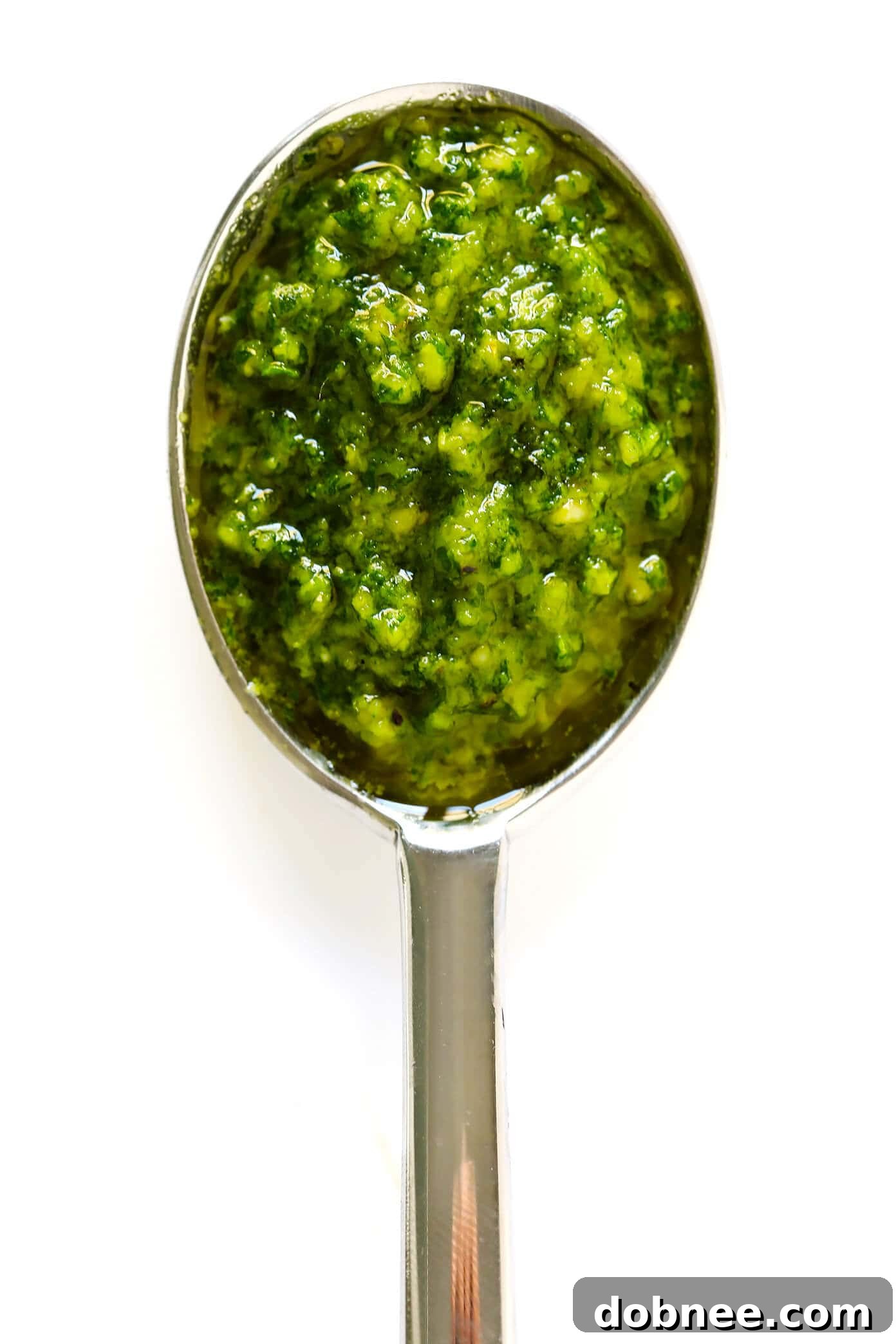
The Ultimate Basil Pistachio Pesto: An Easy Homemade Recipe
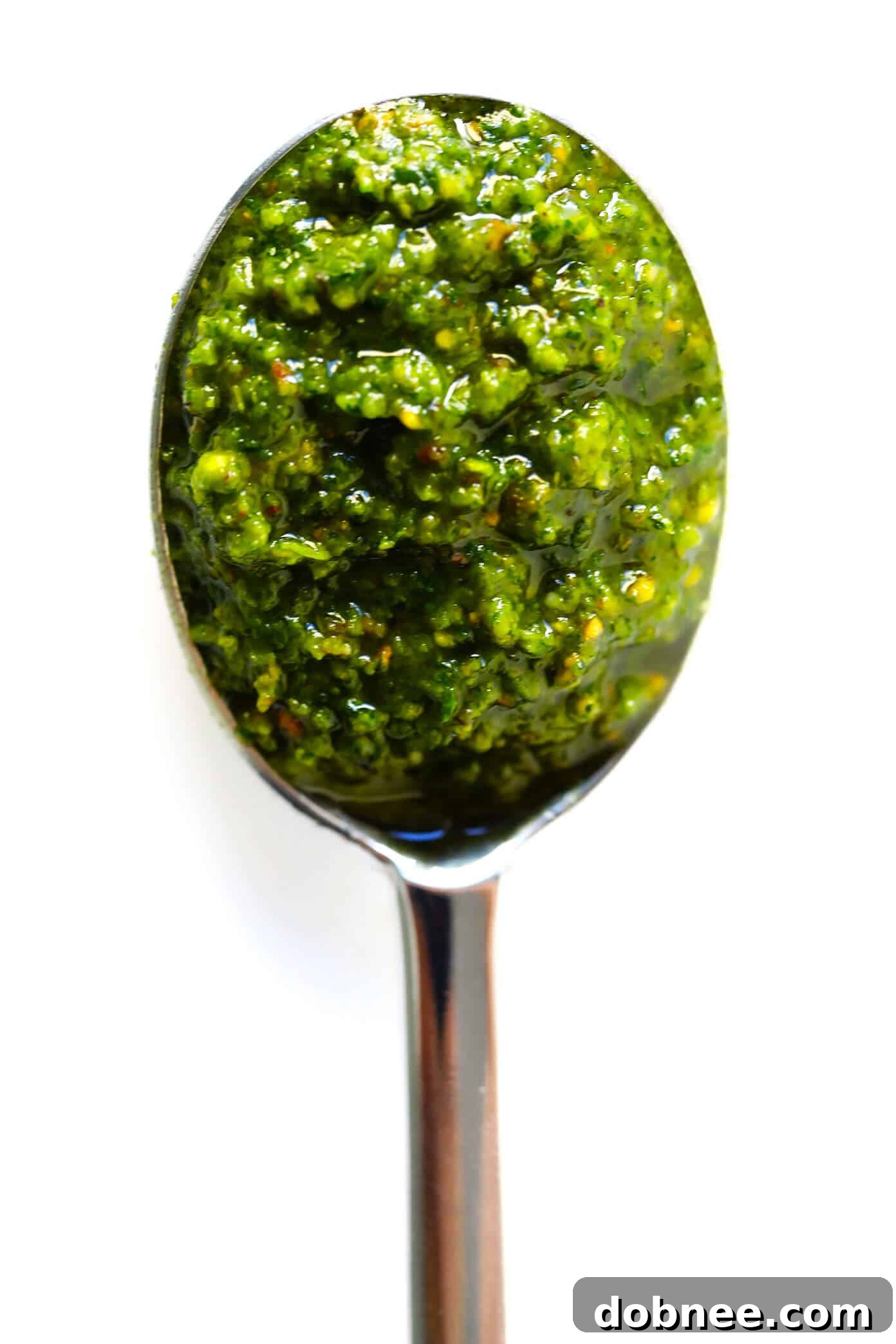
Welcome to fresh basil season – a glorious time when kitchens across the globe fill with the irresistible aroma of vibrant green leaves! For many, this marks the official beginning of pesto-making marathons, transforming abundant basil into a versatile sauce ready to be tossed, scooped, drizzled, and stirred into an endless array of dishes. While traditional basil pesto often features pine nuts, we invite you to embark on a delightful culinary adventure this season by swapping them out for something truly special: pistachios.
Those charming little green nuts are more than just a snack; they are a game-changer in the world of pesto. Pistachios harmonize exquisitely with the classic ingredients of basil pesto, infusing it with an additional layer of sweet, rich, and subtly nutty flavor that will have everyone clamoring for a second serving. Whether you’re making a quick weeknight dinner or preparing for a gathering, this easy pistachio pesto recipe is a revelation. It’s incredibly quick to prepare, infinitely adaptable to various dietary needs (including a simple vegan conversion), and supremely delicious. Get ready to elevate your meals with this fresh, homemade delight!
Crafting the Perfect Pistachio Pesto: Essential Ingredients
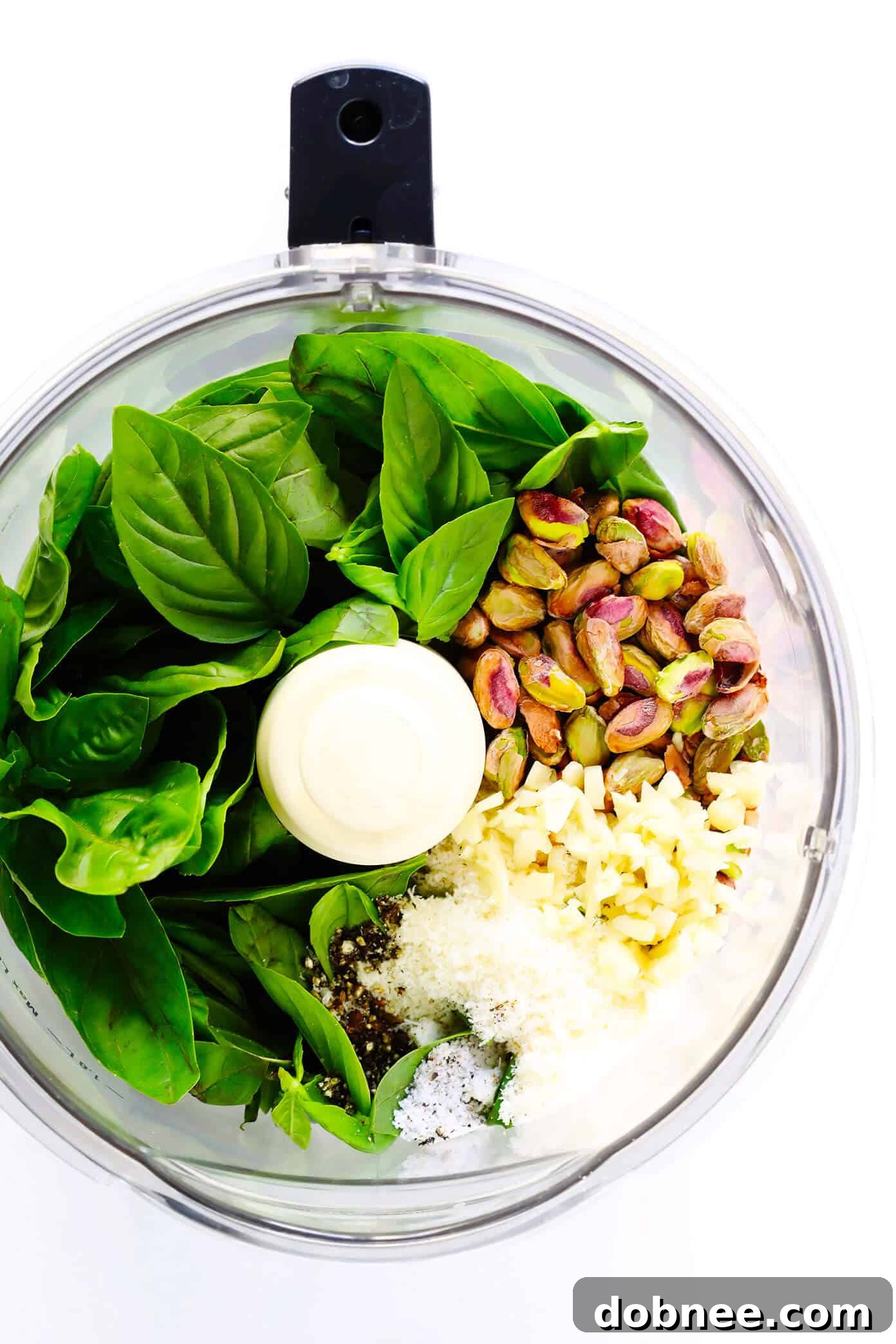
Creating this exceptional basil pistachio pesto requires a handful of simple, fresh ingredients. The quality of each component truly shines through in the final product, so choose wisely for the most vibrant flavor.
- Fresh Basil Leaves: The heart and soul of any pesto, fresh basil brings its distinctive sweet, peppery, and slightly minty notes. For accurate measurement, lightly pack the leaves into your measuring cup. Opt for vibrant, unblemished leaves for the best flavor and aroma.
- Shelled Pistachios: This is our secret weapon! Unlike the more common pine nuts, pistachios introduce a unique sweetness and a slightly different texture, enriching the pesto without overpowering the basil. Ensure you use shelled pistachios to save time, though removing shells only takes a few minutes if yours come unshelled.
- Parmesan Cheese: Freshly grated Parmesan delivers a salty, umami-rich depth that balances the other ingredients beautifully. While pre-grated cheese can be a time-saver, freshly grated offers superior flavor and texture. If using pre-grated, you might need a little more to achieve the same intensity. For a vegan alternative, nutritional yeast is an excellent substitute.
- Garlic: A non-negotiable for pesto, garlic adds a pungent, aromatic kick. Adjust the amount to your personal preference – some prefer a mild hint, while others crave a bolder garlic presence.
- Extra Virgin Olive Oil: The binding agent that transforms chopped ingredients into a luscious sauce. A high-quality extra virgin olive oil is crucial here, contributing a fruity, peppery note and a smooth texture. Its flavor is a significant component of the pesto, so choose one you genuinely enjoy.
- Salt and Black Pepper: These seasonings are vital for bringing out the full potential of your pesto. Many underestimate the importance of proper seasoning in pesto, so be sure to taste and adjust frequently. A good pinch of sea salt and freshly cracked black pepper will elevate all the other flavors.
Step-by-Step Guide: How to Make Homemade Pistachio Pesto
Making homemade pistachio pesto is surprisingly simple, especially with the help of a food processor or blender. In just minutes, you can transform fresh ingredients into a vibrant, flavorful sauce. Follow these steps for perfect pesto every time:
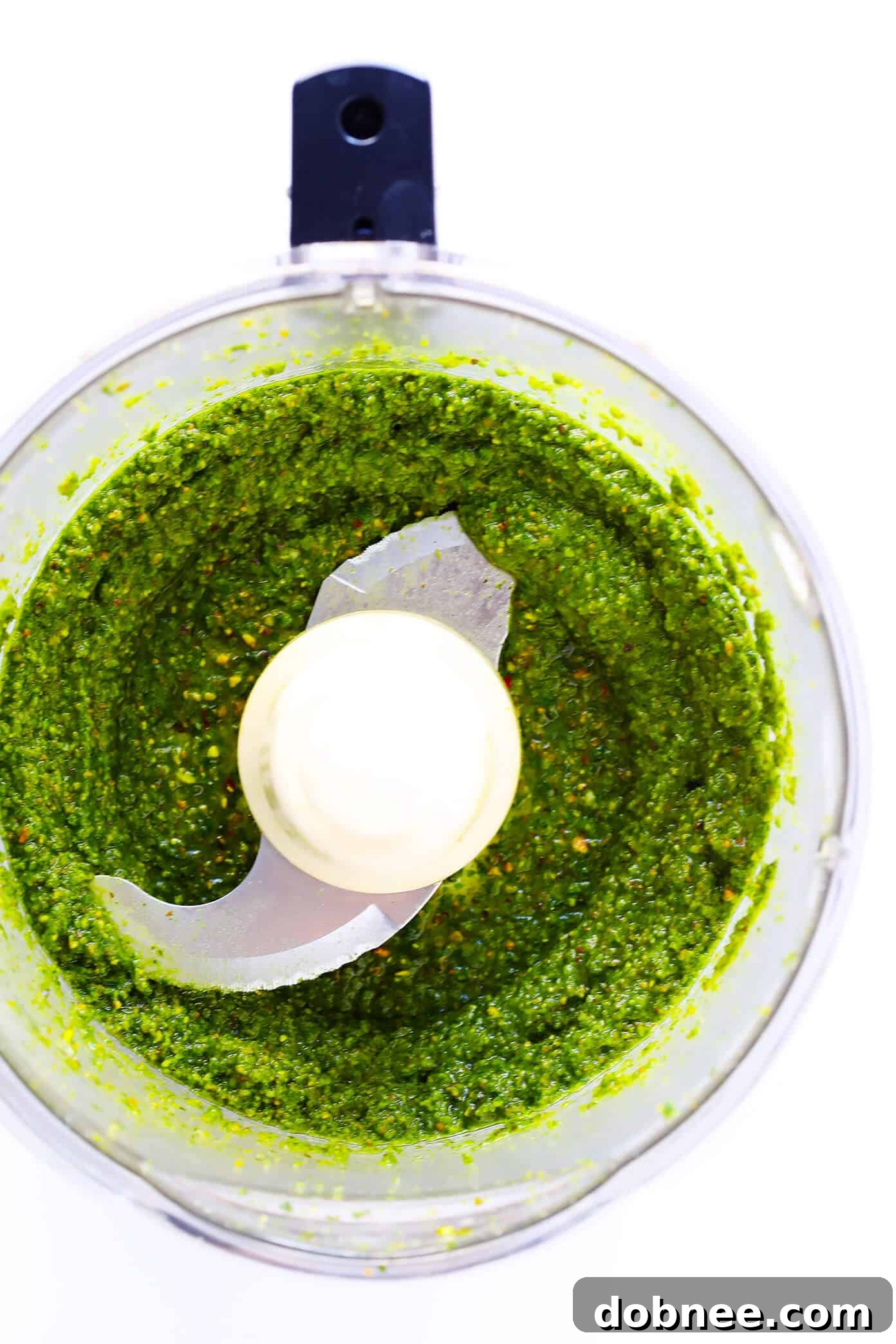
- Combine Dry Ingredients: Begin by adding the fresh basil leaves, shelled pistachios, grated Parmesan cheese, garlic cloves, sea salt, and black pepper into the bowl of your food processor or blender. Pulse these ingredients together in short bursts. The goal here is to finely chop and combine everything evenly, creating a coarse, crumbly mixture. Avoid over-processing at this stage, as you want to maintain some texture before adding the oil.
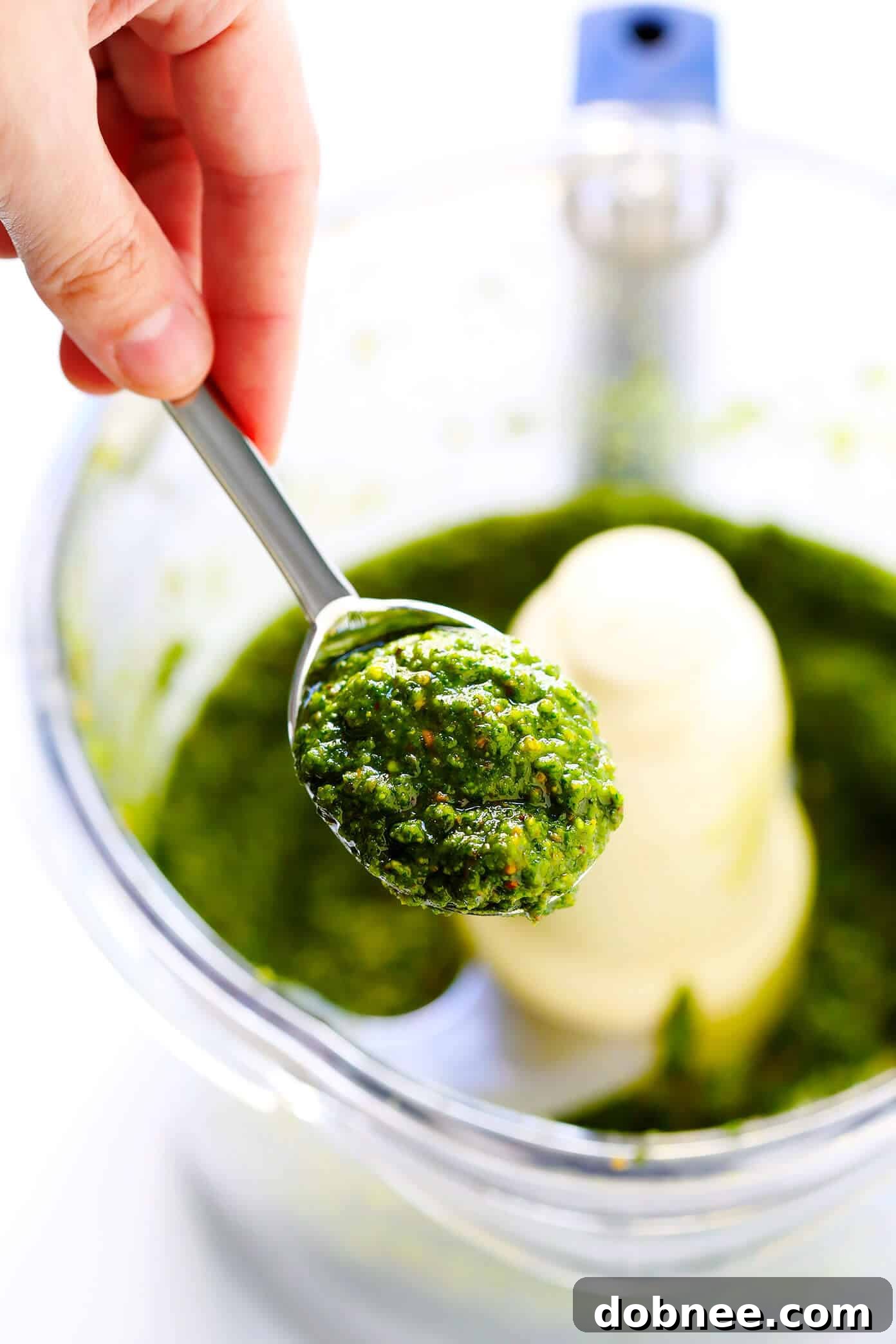
- Slowly Incorporate Olive Oil: Once your dry ingredients are finely chopped, with the food processor or blender still running on a low setting, slowly drizzle in the extra virgin olive oil. The key to a smooth, emulsified pesto is to add the oil gradually. This allows the oil to properly bind with the other ingredients, creating that signature creamy consistency. Continue to puree until the mixture is smooth and well-combined. You might need to stop occasionally to scrape down the sides of the bowl with a spatula, ensuring all ingredients are evenly blended. If you find your pesto is too thick for your preference, you can thin it out by adding a tablespoon or two of extra olive oil or even a little water until it reaches your desired consistency.
- Taste and Adjust Seasoning: This is a crucial step! Scoop a small amount of pesto onto a spoon, or use a piece of bread or a veggie stick for a taste test. Assess the flavor – does it need more salt? A little more pepper to enhance the spice? Perhaps an extra clove of garlic for a bolder kick, or a few more basil leaves for heightened freshness? Don’t be shy about adjusting the seasoning until the pesto perfectly suits your palate. You can also add more Parmesan for extra savory depth.
- Serve Immediately or Store: Your homemade basil pistachio pesto is now ready to enjoy! Serve it immediately with your favorite dishes, or prepare it for later use. This fresh, vibrant sauce is a fantastic addition to countless meals and stores wonderfully.
Pesto Recipe Variations: Customize Your Creation
One of the many joys of making pesto at home is its incredible flexibility. This basil pistachio pesto recipe serves as a fantastic foundation, but feel free to get creative and experiment with different ingredients to tailor it to your taste or dietary needs. Here are a few ideas to inspire your next batch:
- Swap in Different Greens or Herbs: While basil is classic, you can easily substitute or combine it with other leafy greens and herbs. Try baby arugula for a peppery bite, fresh spinach for a milder, earthier flavor, vibrant parsley, or even cilantro for a more unique twist. A mix of basil and spinach can create a lovely balance.
- Experiment with Different Nuts: If pistachios aren’t on hand, or if you simply want to try something new, a variety of nuts work wonderfully in pesto. Walnuts offer a robust, earthy flavor, pecans provide a buttery richness, and almonds give a subtle sweetness. For a nut-free option, roasted pumpkin seeds (pepitas) or sunflower seeds are excellent choices, offering a similar texture and a delicious toasted note.
- Make it Vegan Pesto: Transforming this recipe into a delicious vegan pesto is simple! Omit the Parmesan cheese and, in its place, add 3 to 5 tablespoons (to taste) of nutritional yeast. Nutritional yeast provides a cheesy, umami-rich flavor that beautifully mimics Parmesan, making it an ideal substitute for those avoiding dairy.
- Add a Touch of Heat: For those who enjoy a little kick, incorporating a few pinches of crushed red pepper flakes into your pesto adds a delightful warmth. Start with a small amount and increase to your preferred level of spice.
- Brighten with Citrus: A squeeze of fresh lemon juice can brighten the entire pesto, adding a zesty tang that cuts through the richness of the oil and nuts. Add it at the end, along with your final seasoning adjustments.
- Introduce Roasted Vegetables: For an extra layer of flavor and complexity, consider adding a handful of sun-dried tomatoes (oil-packed or rehydrated) or roasted red peppers to your pesto. These ingredients add a smoky, sweet, and tangy dimension that pairs wonderfully with the fresh basil.
Limitless Possibilities: Ways To Use Pistachio Pesto
Once you’ve made a batch of this vibrant basil pistachio pesto, you’ll find countless ways to incorporate its fresh, aromatic flavor into your meals. Its versatility makes it a kitchen staple, capable of transforming simple ingredients into extraordinary dishes. Here are some of our favorite applications:
- Pasta or Gnocchi Sauce: The most classic use! Toss your freshly cooked pasta or tender gnocchi with a generous dollop of pistachio pesto for an incredibly quick, flavorful, and satisfying meal. You can thin it with a little pasta water for a creamier consistency.
- Dipper for Fresh Veggies or Bread: Serve it as an elegant appetizer or a simple snack. A bowl of pesto with crisp crudités (carrots, celery, bell peppers) or crusty artisan bread is always a crowd-pleaser.
- Mixed into Mashed Potatoes: For a unique twist on a comfort food classic, stir a few tablespoons of pesto into your mashed potatoes. It adds an herbaceous depth and a beautiful green hue, reducing the need for extra butter.
- Salad Dressing: Thin out the pesto with a bit of extra olive oil, water, or even a splash of white wine vinegar, and toss it with your favorite mixed greens, tomatoes, cucumbers, and other salad components for a gourmet dressing.
- Pizza or Crostini Sauce: Ditch the traditional red sauce and spread a layer of pistachio pesto on your pizza dough or crostini. Top with fresh mozzarella, cherry tomatoes, and a sprinkle of basil for a fresh, summery pie or appetizer.
- Soup Garnish: A swirl of pesto on top of a hearty minestrone, a creamy tomato soup, or a rustic vegetable soup adds a burst of fresh flavor and a beautiful visual appeal.
- Protein or Veggie Sauce: Pesto is an excellent finishing sauce for nearly any grilled or roasted protein. Drizzle it over chicken, fish (especially salmon or cod), steak, or tofu. It also pairs wonderfully with almost every kind of cooked vegetable – roasted asparagus, grilled zucchini, steamed green beans, or baked potatoes. It’s particularly delightful with summer BBQ dishes.
- Sandwich or Wrap Spread: Elevate your everyday sandwich or wrap by spreading a thin layer of pesto instead of mayonnaise or mustard. It adds a gourmet touch and a burst of flavor.
- Marinade: Use pesto as a quick marinade for chicken, shrimp, or vegetables before grilling or roasting. The olive oil helps tenderize, and the herbs infuse a fantastic flavor.
Storing Your Homemade Pistachio Pesto: Tips for Freshness
One of the best aspects of homemade pesto is its ability to be stored, allowing you to enjoy its fresh flavors long after you’ve made it. Proper storage ensures your pesto remains vibrant and delicious, ready to elevate your next meal.
How To Refrigerate Pesto:
To keep your pesto fresh in the refrigerator, transfer it to an airtight container. It will typically stay fresh for up to 3 days. To maximize its freshness and prevent browning (which can occur when basil is exposed to air), there are a couple of excellent tricks:
- Olive Oil Layer: Pour a thin layer of extra virgin olive oil directly over the surface of the pesto in the container. This creates a seal that prevents air from reaching the pesto, thereby minimizing oxidation and preserving its bright green color and flavor.
- Plastic Wrap Contact: Alternatively, you can press a piece of plastic wrap directly onto the surface of the pesto, ensuring there are no air bubbles trapped underneath. This achieves a similar protective barrier.
Always ensure the container is tightly sealed before refrigerating.
How To Freeze Pesto:
Pesto freezes exceptionally well, making it perfect for preparing in larger batches and enjoying throughout the year. Freezing allows you to capture the peak freshness of basil season.
- Batch Freezing: If you plan to use large quantities, you can freeze pesto in larger freezer-safe containers or bags. Just ensure there’s minimal air exposure.
- Ice Cube Tray Method (Recommended): For maximum versatility and convenience, freezing pesto in ice cube trays is a brilliant method. This allows you to portion out small, single-serving amounts of pesto, which are perfect for individual meals or adding a flavor boost to various dishes.
- Spoon the pesto into the compartments of an ice cube tray.
- Freeze until solid (this usually takes a few hours).
- Once frozen, pop the pesto cubes out of the tray and transfer them to a freezer-safe bag or airtight container.
- Label the bag or container with the date and store in the freezer for up to 3-6 months.
When you’re ready to use frozen pesto, simply thaw the desired number of cubes in the refrigerator overnight, or at room temperature for a shorter period. You can even add them directly to warm pasta or sauces, where they will melt and integrate beautifully.
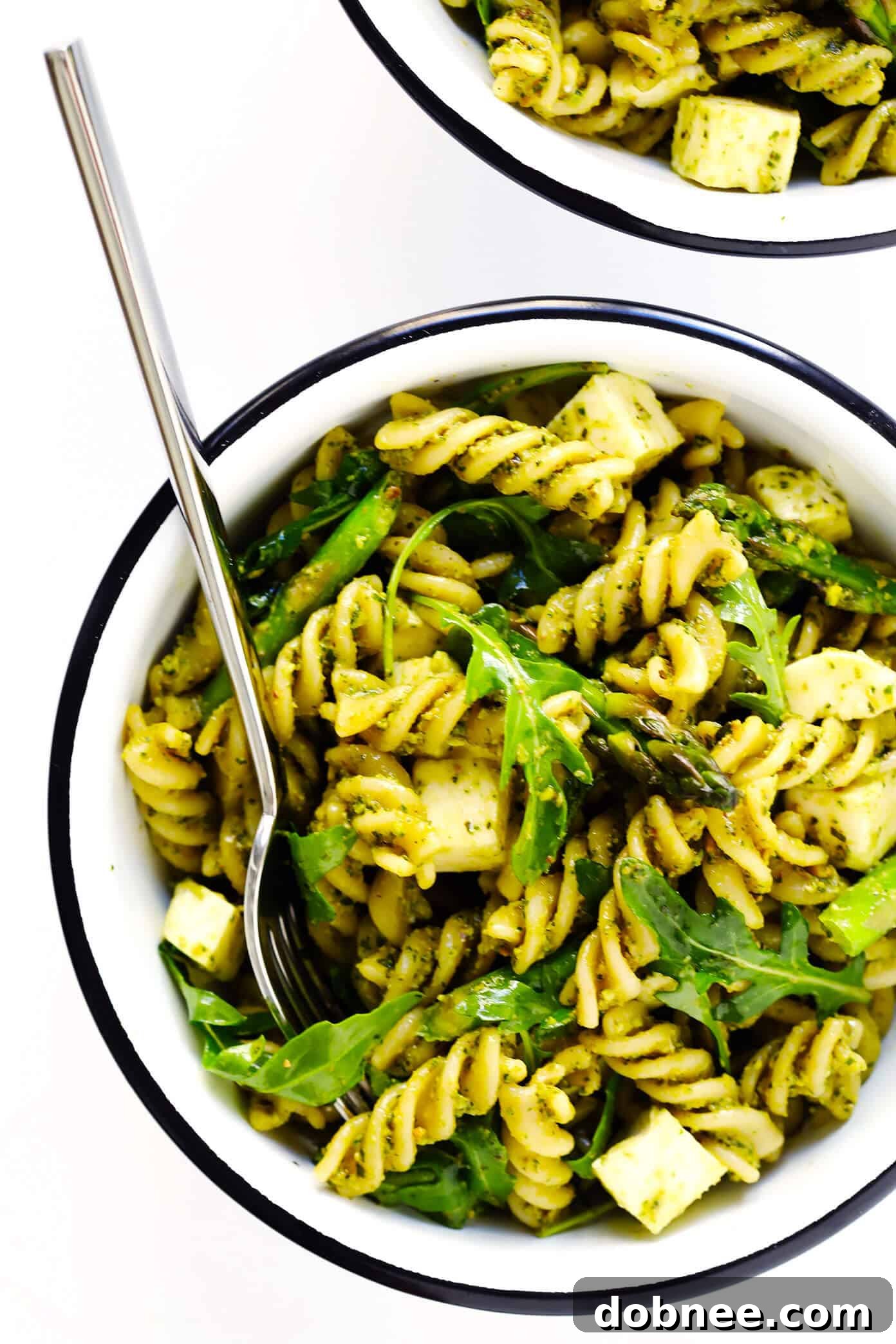
Enjoy, everyone! This homemade basil pistachio pesto is sure to become a cherished recipe in your culinary repertoire.
Pistachio Pesto Recipe
-
Prep Time: 5 minutes -
Total Time: 5 minutes -
Yield: About 1.5 cups
Description
This simple basil pistachio pesto recipe is easy to make in the blender or food processor, and loaded up with the best fresh flavors! See notes above for possible ingredient substitutions and variations.
Ingredients
Scale
- 3 cups lightly-packed fresh basil leaves
- 1/2 cup freshly grated Parmesan (or nutritional yeast for vegan)
- 1/3 cup shelled pistachios
- 3 cloves garlic
- 1 teaspoon sea salt
- 1/2 teaspoon freshly-cracked black pepper
- 1/2 cup extra-virgin olive oil
Instructions
- In a food processor or blender, pulse the basil, Parmesan (or nutritional yeast), pistachios, garlic, salt, and pepper together until finely-chopped and well combined.
- With the food processor or blender still running, slowly drizzle in the olive oil until it is completely incorporated and the mixture is smooth. Pause if needed to scrape down the sides, then pulse again. If the pesto is too thick, thin it with a tablespoon or two of extra olive oil or water.
- Taste and adjust seasoning as needed. Serve immediately, or refrigerate in a sealed container for up to 3 days, or freeze for up to 3 months for longer storage.