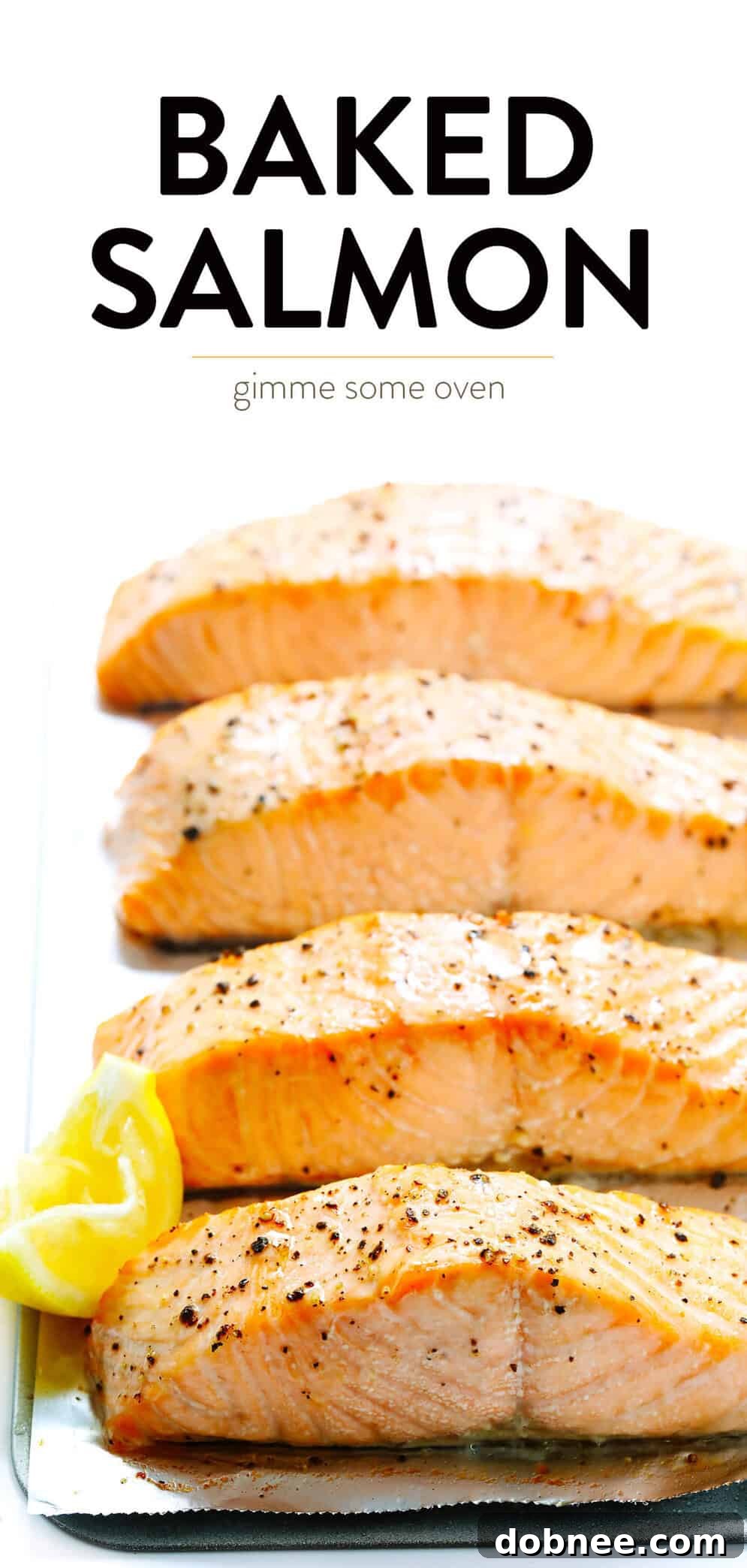
Discover how to create the most perfectly baked salmon in your oven with these expert tips. This easy-to-customize baked salmon recipe is ready in under 15 minutes, offering a healthy and delicious meal that’s simple enough for any weeknight.
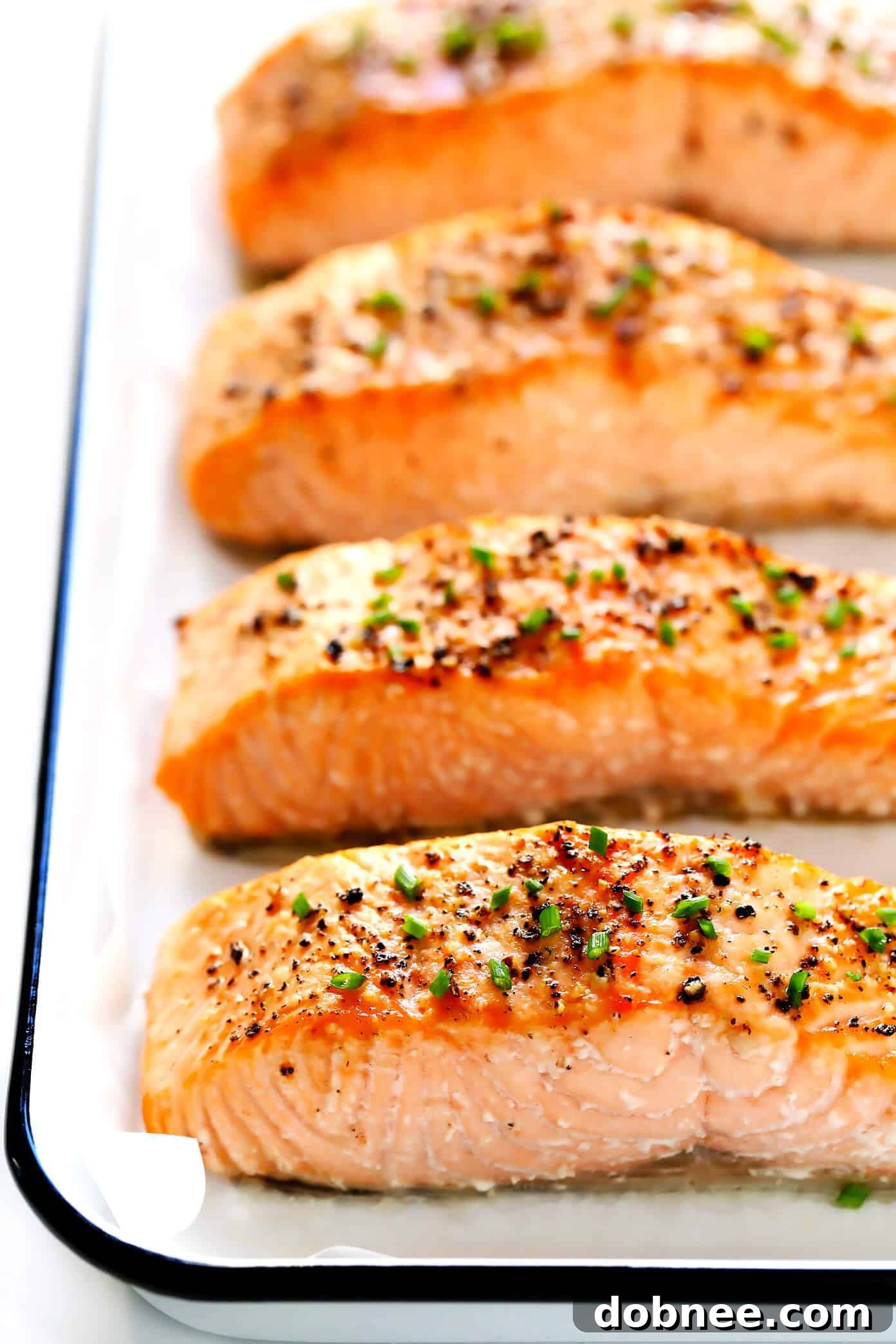
The Ultimate Guide to Perfectly Baked Salmon in Your Oven
Embark on a culinary journey to master the art of baking salmon, a staple in healthy and convenient cooking. Following our popular series on baked proteins like chicken breast, steak, pork chops, and shrimp, we’re now focusing on one of the ocean’s most cherished offerings: salmon.
Salmon consistently ranks as a top request, and for excellent reasons. It’s not only incredibly delicious and widely available, but it’s also a powerhouse of nutrition, loaded with high-quality protein, essential omega-3 fatty acids, and vital vitamins. Its rich, buttery flavor profile makes it incredibly versatile, pairing beautifully with an endless array of seasonings and sauces. Among the many ways to prepare this magnificent fish, baking it in the oven stands out as my absolute favorite method for its simplicity, consistency, and delicious results.
While I’ve previously shared fantastic recipes for honey mustard salmon and garlic lover’s salmon, both conveniently baked in foil, today we’re returning to the fundamentals. This guide will teach you how to achieve classic, perfectly baked salmon fillets on their own. With a few straightforward techniques, you’ll be able to create salmon that boasts a deliciously crispy exterior and a moist, tender, and flaky interior. Whether you prefer it simply seasoned or dressed with your favorite sauce, you’ll be amazed at how effortlessly elegant this dish can be.
So, let’s dive into the details and master the art of baking salmon!
Discover the Magic of Oven-Baked Salmon
Oven-baked salmon is a true culinary gem, offering a perfect blend of convenience, nutrition, and gourmet flavor. It’s an ideal choice for busy weeknights, special occasions, or whenever you crave a meal that’s both satisfying and good for you. The high heat of the oven seals in moisture, resulting in a succulent interior, while also providing an opportunity to develop a delightful crust on the outside, especially if cooked skin-side down.
One of the greatest advantages of baking salmon is its versatility. It acts as a blank canvas, eagerly absorbing the flavors of various herbs, spices, and marinades. From vibrant Mediterranean spices to zesty lemon-dill combinations or rich, savory glazes, the possibilities are limitless. Moreover, baking is a largely hands-off cooking method, allowing you to prepare side dishes or simply relax while your oven does most of the work.
Beyond its culinary appeal, salmon is a nutritional powerhouse. It’s an excellent source of lean protein, crucial for muscle repair and growth. Furthermore, it’s packed with omega-3 fatty acids, particularly EPA and DHA, which are vital for heart health, brain function, and reducing inflammation. Regular consumption of salmon can contribute to a balanced diet, supporting overall well-being. By following this guide, you’ll not only learn to cook salmon perfectly but also unlock the full potential of this healthy and delicious fish.
Essential Ingredients and Tools for Your Baked Salmon Recipe
To create a truly exceptional baked salmon dish, starting with quality ingredients and having the right tools on hand makes all the difference. Here’s what you’ll need for your next culinary masterpiece:
Selecting the Best Salmon Fillets
- Quality Matters: When purchasing salmon, always prioritize good quality. I highly recommend seeking out wild-caught and sustainably harvested varieties, such as Pacific or Alaskan salmon. These typically offer a richer flavor and superior texture compared to many farmed options. Look for fillets with bright, shiny, moist flesh and silvery skin. Avoid any fish that smells overly “fishy”; fresh salmon should have a mild, clean scent reminiscent of the ocean.
- Skin-On Advantage: Even if you don’t plan to eat the skin, I strongly advise buying skin-on salmon fillets. The skin acts as a natural barrier, helping to protect the delicate flesh from drying out during cooking. It also helps the fish hold its shape and prevents it from sticking to the baking surface. After cooking, the skin often crisps up beautifully and can be easily removed before serving if preferred.
Beyond the Salmon: Oils and Seasonings
- High-Heat Oil: A good quality oil is essential for ensuring your salmon doesn’t stick and helps create a lovely sear. I prefer using avocado oil due to its high smoke point and neutral flavor, but other high-heat oils like canola or grapeseed oil also work well. Olive oil can be used, but be mindful of its lower smoke point compared to avocado oil.
- Classic Seasoning Blend: For a universally appealing baked salmon, a simple yet effective seasoning blend is key. My go-to combination includes a generous sprinkle of garlic powder, kosher salt (or a seasoned salt blend for extra depth), and freshly cracked black pepper. This trio enhances salmon’s natural flavors without overpowering them.
- Fresh Enhancements: To elevate your dish even further, consider a squeeze of fresh lemon juice after baking. The acidity brightens the flavors and complements the richness of the salmon beautifully. A sprinkle of fresh herbs like dill, parsley, or chives also adds a touch of freshness and aromatic complexity.
Must-Have Kitchen Tools
- An Instant-Read Thermometer: This is arguably the most crucial tool for perfectly cooked salmon. Fish can go from perfectly done to dry and overcooked in a matter of seconds. An instant-read thermometer ensures 100% accuracy, taking the guesswork out of cooking. I recommend either:
- Dual-probe wireless meat thermometer: Excellent for monitoring internal temperature directly in the oven without opening the door, especially useful for larger cuts or multiple pieces.
- Instant-read cooking thermometer: A versatile and affordable option that provides quick temperature readings. Just remember to insert it into the thickest part of the fish after removing it from the oven.
- A Fish Spatula: Designed with a thin, flexible blade, a fish spatula is indispensable for gently lifting and transferring delicate salmon fillets without breaking them. It glides effortlessly under the fish, ensuring your beautifully cooked salmon makes it to the plate intact. A sturdy, wide spatula will also work if a specialized fish spatula isn’t available.
- Baking Sheet and Foil: A reliable baking sheet lined with aluminum foil is essential for easy cleanup and preventing sticking. Alternatively, an oven-safe, non-stick skillet, such as a cast-iron pan, can provide an even crispier skin.
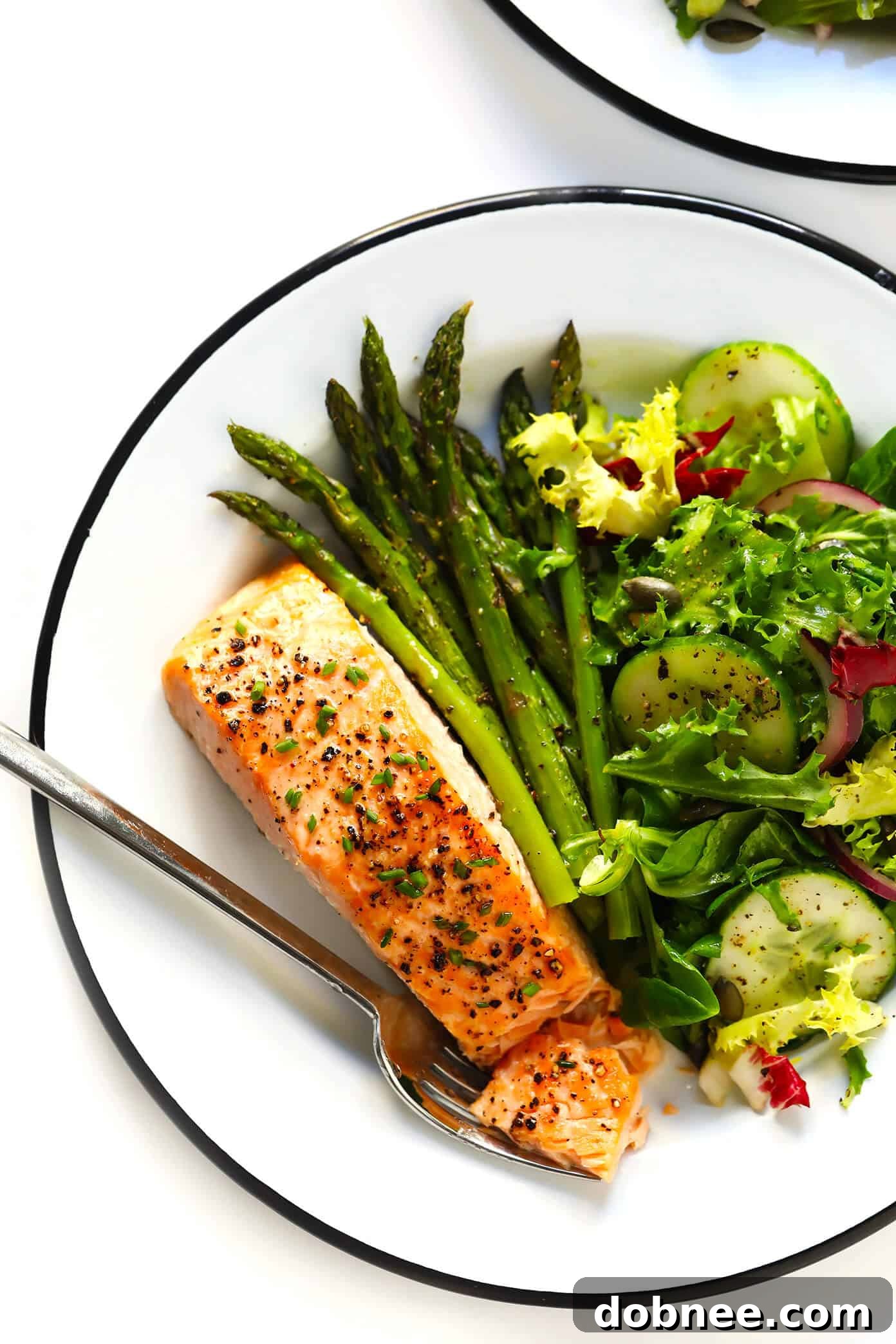
Step-by-Step Guide: How to Bake Salmon to Perfection
Achieving perfectly baked salmon is simpler than you might think. Follow these steps for consistently moist, flavorful, and flaky results every time:
Preparing Your Salmon for Baking
- Bring Salmon to Room Temperature: This crucial first step promotes even cooking. Remove your salmon fillets from the refrigerator and let them rest on the counter for 15-30 minutes before baking. This allows the fish to gradually come closer to room temperature, ensuring that the interior cooks at a similar rate to the exterior, preventing overcooked edges and an undercooked center.
- Preheat Oven and Prepare Baking Surface: While your salmon is coming to temperature, preheat your oven to a high temperature of 450°F (230°C). High heat is key to achieving a beautifully crispy exterior and a quick, efficient cook. Line a baking sheet with aluminum foil for easy cleanup, or if you prefer a crispier skin, use an oven-proof, non-stick skillet like a cast iron pan.
Seasoning and Placement
- Pat Dry: Before seasoning, thoroughly blot the salmon fillets dry on all sides with paper towels. Removing excess moisture is vital for achieving that desirable crispy skin and ensuring seasonings adhere properly.
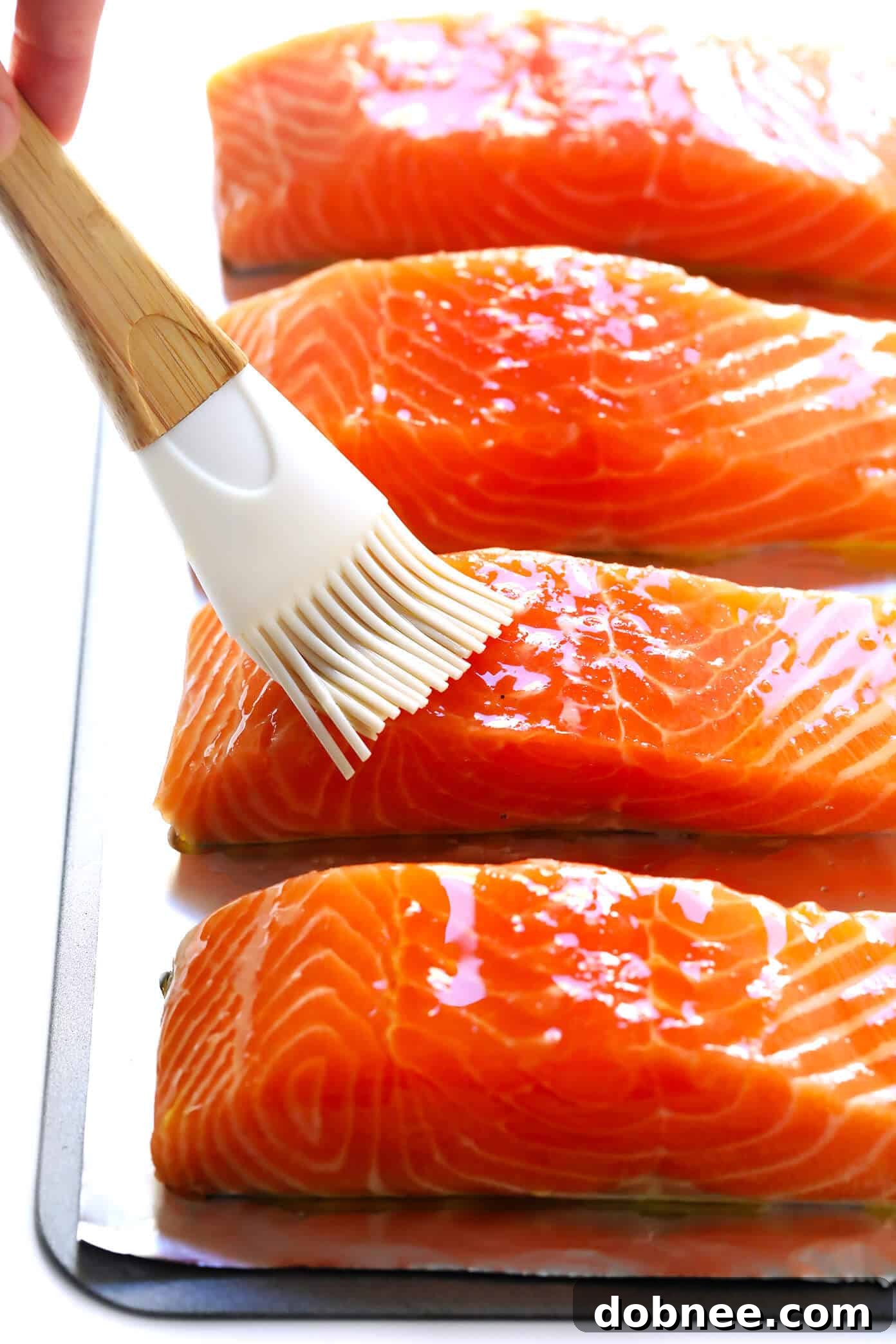
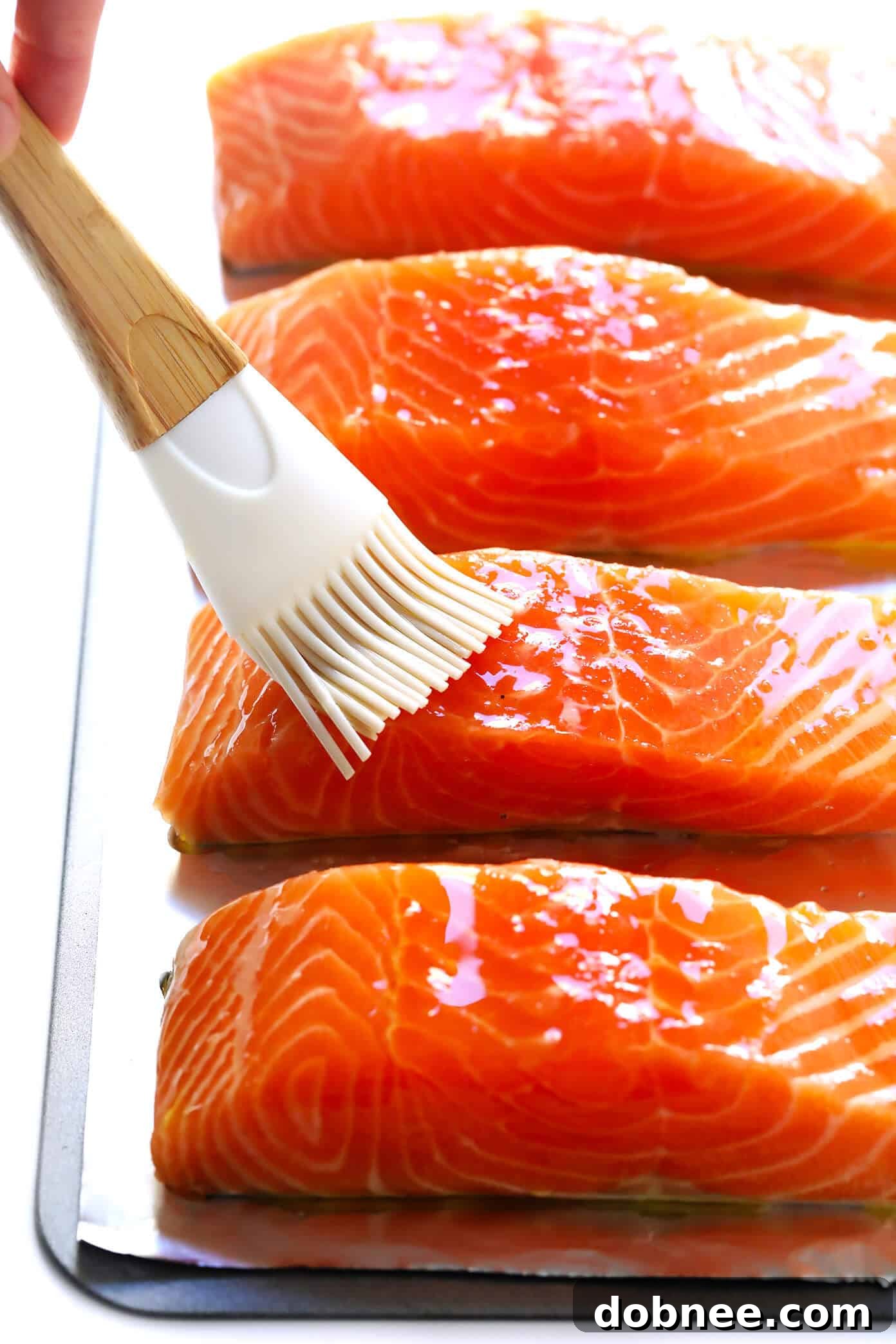
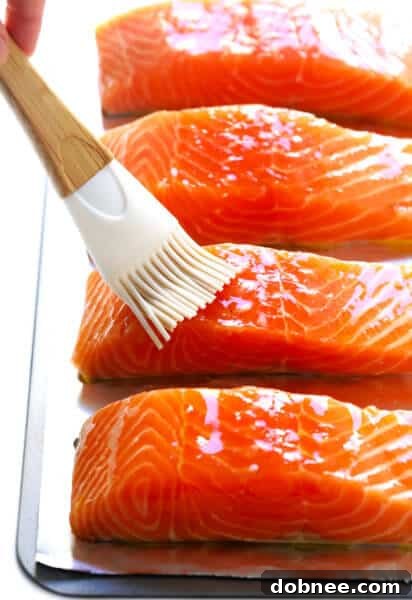
- Oil and Season: Place the dried salmon fillets skin-side-down on your prepared baking sheet or skillet. If any ends of your salmon fillets are noticeably thinner than the rest, gently fold them under to create a more uniform thickness. This helps ensure the entire fillet cooks evenly without the thin parts drying out. Brush all sides of the salmon (except the bottom, which is skin-side down) with your chosen high-heat oil. Then, generously sprinkle with your desired dry seasonings. For a classic flavor, I recommend a blend of garlic powder, kosher salt, and freshly cracked black pepper.
The Baking Process
- Bake to Perfection: Transfer the baking sheet or skillet to the preheated oven. Bake until the internal temperature of the salmon reaches 135-140°F (57-60°C). The cooking time will vary based on the thickness of your fillets, typically around 4-6 minutes per half-inch of thickness. For accurate results, always measure the temperature in the thickest part of the fillet using your instant-read thermometer. Alternatively, you can test for doneness by inserting a fork or knife into the thickest part and gently twisting; the fish should be opaque throughout and flake easily.
Resting and Serving Your Delicious Salmon
- Rest and Finish: Once cooked to your desired doneness, immediately remove the pan from the oven. Carefully transfer the salmon fillets to a clean serving plate. You can choose to serve it with the skin on or easily remove it by sliding your fish spatula just above the skin. Finish each fillet with a generous squeeze of fresh lemon juice, which brightens the flavors. If desired, sprinkle with fresh herbs like chopped dill, parsley, or chives, or drizzle with your favorite finishing sauce. Serve warm and savor the deliciousness!
Once cooked, leftover baked salmon can be stored in an airtight container in the refrigerator for up to 2 days. For longer storage, it can be frozen for up to 3 months.
Advanced Tips for the Best Oven-Baked Salmon
Even though baking salmon is straightforward, a few advanced tips can elevate your dish from good to truly exceptional. These techniques address common concerns and help you achieve restaurant-quality results at home.
Preventing Dry Salmon
The cardinal rule for moist salmon is simple: don’t overcook it! Salmon cooks quickly, and even a minute or two too long can turn tender flesh into dry, chalky protein. This is where your instant-read thermometer becomes your best friend. Aim for an internal temperature of 135-140°F (57-60°C) for medium-rare to medium, remembering that the fish will continue to cook slightly after it’s removed from the oven (carryover cooking). Cooking with the skin on also provides a natural protective layer, sealing in moisture.
Achieving Crispy Skin
Crispy salmon skin is a delightful textural contrast to the tender flesh. To achieve it:
- Pat it DRY: This cannot be stressed enough. Excess moisture is the enemy of crispiness. Use paper towels to blot both sides of the fillet, especially the skin, until it feels completely dry.
- High Heat is Key: Baking at 450°F (230°C) allows the skin to crisp up quickly.
- Use Oil: A thin layer of high-heat oil on the skin helps conduct heat and encourages browning.
- Consider a Cast Iron Skillet: If you own one, cooking salmon in a cast iron skillet that’s been preheated in the oven can create an incredibly crispy skin due to its superior heat retention and direct contact with the surface.
- No Flipping: For baked salmon, generally avoid flipping the fillet. Keep the skin side down on the hot baking surface to maximize its exposure to the heat.
Storage and Reheating Baked Salmon
Proper storage ensures your delicious leftovers remain safe and tasty. Store cooked salmon in an airtight container in the refrigerator for up to two days. For longer-term storage, cooked salmon can be frozen for up to three months. To thaw, transfer it to the refrigerator overnight.
Reheating salmon can be tricky, as it tends to dry out easily. Here are the best methods:
- Oven: Preheat your oven to a low temperature, around 275°F (135°C). Place salmon on a baking sheet, cover loosely with foil, and heat for 10-15 minutes, or until just warmed through. This gentle heat prevents drying.
- Air Fryer: For a quick reheat that can revive some crispiness, set your air fryer to 300°F (150°C) and cook for 3-5 minutes, or until heated through.
- Microwave (Use with Caution): While possible, the microwave is generally not recommended as it can quickly dry out the fish and give it an unpleasant texture. If you must use it, reheat on a low power setting in short bursts (30 seconds at a time) until just warm.
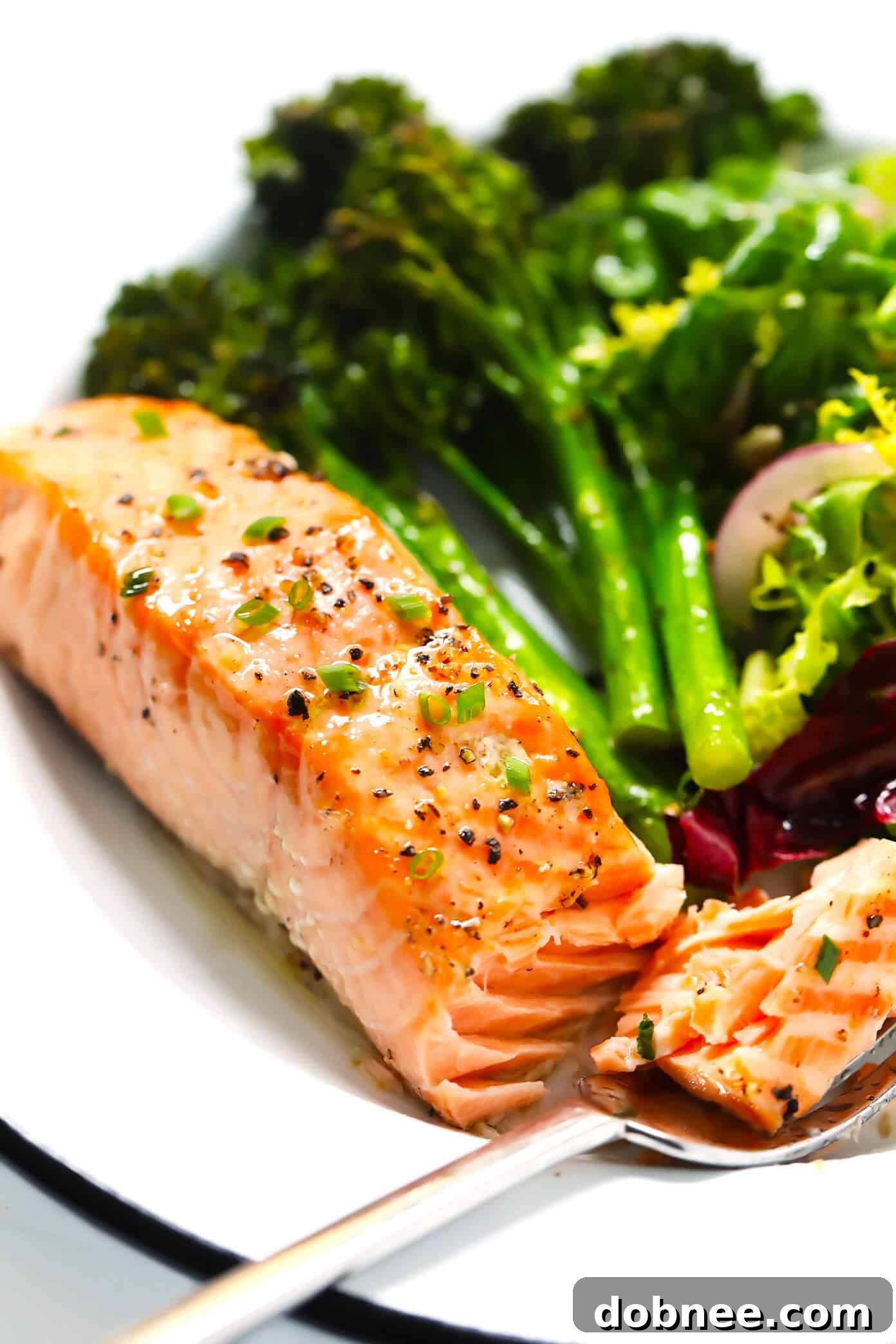
Frequently Asked Questions About Baking Salmon (Salmon FAQ)
Is salmon skin safe to eat?
Absolutely! Salmon skin is not only safe to eat but also incredibly delicious and highly nutritious, especially when crisped up during cooking. It contains a high concentration of omega-3 fatty acids, just like the flesh, and offers a pleasant textural contrast. While you are welcome to pass on it if you prefer, I strongly recommend cooking salmon with the skin on, as it helps prevent the fish from drying out. You can easily remove the skin after cooking by sliding a fish spatula just above it.
How do I prevent salmon skin from sticking to the foil or pan?
To prevent sticking, ensure two things: first, that the salmon skin is completely dry before placing it on the baking surface; second, that you’ve lightly oiled the foil-lined baking sheet or non-stick skillet. A high cooking temperature (like 450°F) also helps create a quick sear that releases the skin more easily. If using foil, a light coating of cooking spray or oil on the foil itself helps tremendously.
Can I cook my salmon more or less than the recipe says? What’s the ideal internal temperature?
Yes, cooking salmon to your preferred doneness is entirely possible. Different people have different preferences, from rare to well-done. I personally enjoy my salmon slightly less cooked, taking it out of the oven when it reaches an internal temperature of 135-140°F (57-60°C). However, for food safety, the FDA recommends cooking salmon to an internal temperature of 145°F (63°C), measured in the thickest part of the fillet. Keep in mind that salmon will continue to cook a bit after being removed from the oven (this is called carryover cooking), so if you pull it out at 140°F, it will likely reach 145°F as it rests.
Can I use frozen salmon for this recipe?
Yes, you can certainly use frozen salmon fillets. However, it’s crucial to thaw them completely before baking. The best way to do this is by transferring the frozen salmon to the refrigerator overnight. If you’re short on time, you can thaw individually vacuum-sealed fillets in a bowl of cold water (changing the water every 30 minutes) for about 1-2 hours. Baking partially frozen salmon will result in uneven cooking.
How do I know my salmon is fully cooked without a thermometer?
While a thermometer is the most accurate method, you can also check for doneness visually. Insert a fork or knife into the thickest part of the salmon fillet and gently twist it. The flesh should be opaque throughout and flake easily. If it still looks translucent or resists flaking, it needs a few more minutes in the oven.
Creative Seasoning and Sauce Ideas for Baked Salmon
While a simple salt, pepper, and garlic powder mix is a fantastic starting point for baked salmon, its mild flavor makes it incredibly adaptable to a variety of seasoning profiles. Don’t hesitate to experiment and make this recipe truly your own! Here are some ideas to inspire your next salmon creation:
Dry Rubs and Spices
- Mediterranean Blend: Combine dried oregano, thyme, paprika, a touch of cumin, and a pinch of red pepper flakes for a fragrant, savory profile. Serve with a dollop of Greek yogurt or tzatziki.
- Asian-Inspired Rub: Mix ginger powder, garlic powder, a hint of white pepper, and a dash of five-spice powder. A sprinkle of sesame seeds before baking adds a nice texture.
- Smoky Chipotle: For a touch of heat and smoky depth, use a blend of chipotle powder, cumin, onion powder, and a pinch of brown sugar. Perfect with a side of corn salsa.
- Lemon-Herb: Beyond just lemon, incorporate fresh or dried dill, parsley, and chives with your salt and pepper for a classic, bright flavor.
Marinades that Elevate Flavor
Marinating salmon for up to 30 minutes before baking can infuse it with incredible flavor and moisture. Avoid marinating for too long (more than an hour) as the acid in some marinades can start to “cook” the delicate fish.
- Honey-Garlic-Soy: A sweet and savory blend of soy sauce (or tamari), honey, minced garlic, and a splash of rice vinegar.
- Lemon-Dill: Fresh lemon juice, finely chopped fresh dill, olive oil, salt, and pepper create a bright and herbaceous marinade.
- Balsamic Glaze: Balsamic vinegar, a touch of maple syrup or brown sugar, minced garlic, and olive oil reduce into a rich, tangy glaze during baking.
Finishing Sauces
A finishing sauce added after baking can completely transform your salmon dish. Drizzle, dollop, or serve on the side!
- Pesto: A spoonful of classic basil pesto adds a vibrant, fresh, and nutty flavor.
- Creamy Dill Sauce: Whisk together Greek yogurt or sour cream with fresh dill, lemon juice, a touch of Dijon mustard, salt, and pepper.
- Fresh Salsa: A bright and chunky salsa made with diced tomatoes, red onion, cilantro, jalapeño, and lime juice offers a refreshing contrast.
- Compound Butter: Melt a pat of herbed butter (e.g., lemon-garlic-parsley butter) over the hot salmon for an instant flavor boost.
Perfect Pairings: Side Dishes for Baked Salmon
Completing your baked salmon meal with complementary side dishes enhances the overall dining experience. Here are some of my favorite pairings that are easy to prepare and truly delicious:
- Everyday Salad or Our Family’s Favorite Salad: A crisp, fresh green salad offers a light and refreshing counterpoint to the richness of salmon. The vibrant flavors and textures cleanse the palate beautifully.
- Scalloped Potatoes, The Best Baked Potatoes, or Baked Sweet Potato Fries: For heartier options, starchy sides like creamy scalloped potatoes, fluffy baked potatoes, or sweet and savory sweet potato fries provide satisfying comfort and absorb the salmon’s flavors.
- Roasted Asparagus or Perfect Roasted Brussels Sprouts: Roasted vegetables are simple, flavorful, and nutrient-rich. Their slight char and tender texture pair wonderfully with baked salmon, adding essential vitamins and fiber.
- Berry Fruit Salad or Winter Fruit Salad: A fresh fruit salad can provide a sweet and tangy finish to your meal, offering a light and healthy dessert option that complements the main course.
Explore More Baked Protein Recipes
If you’ve enjoyed mastering baked salmon, be sure to explore other fantastic baked protein tutorials on our blog. Expanding your repertoire of oven-cooked meals is a great way to simplify healthy eating:
- Baked Chicken Breasts: Achieve consistently juicy and tender chicken every time.
- Baked Pork Chops: Learn the secrets to flavorful, non-dry pork chops.
- Baked Tofu: A fantastic plant-based protein option that’s surprisingly delicious and versatile.
- Baked Steak (How To Cook Steak In The Oven): Get that perfect sear and ideal doneness for steak without the grill.
- Baked Shrimp (The Easiest Way To Cook Shrimp!): Quick, effortless, and always delicious shrimp.
Enjoy creating these wonderful dishes!
Print Recipe
Baked Salmon
- Prep Time: 5 minutes
- Cook Time: 10 minutes
- Total Time: 15 minutes
- Yield: 4 servings
Description
This baked salmon recipe is easy to customize with your favorite seasonings, and only takes about 15 minutes from start to finish.
Ingredients
Scale
- 4 salmon fillets, skin-on (about 6-8 ounces each)
- 2 tablespoons high-heat oil, such as avocado oil or canola oil
- Kosher salt and freshly-cracked black pepper
- Fresh lemon wedges
Instructions
- Let salmon rest on the counter for 15-30 minutes, until they have (at least mostly) come to room temperature.
- Heat oven to 450°F. Line a baking sheet with aluminum foil (or use an oven-proof non-stick skillet).
- Blot the salmon fillets dry on all sides with paper towels. Place the salmon skin-side-down the prepared baking sheet (or skillet). If the ends of the salmon fillets are really thin, just tuck them under a bit for even cooking.
- Brush the salmon on all sides (except the bottom) with oil. Sprinkle each fillet with a generous pinch of salt and black pepper, along with any other dry seasonings you prefer.
- Bake until the internal temperature of the salmon reaches 135-140°F*, about 4-6 minutes per half inch of thickness (measured by the thickest part of the fillet). You can also test for doneness by inserting a fork or knife in the salmon and twisting it a bit; the fish should be opaque and flake easily.
- Remove pan from the oven and transfer the salmon to a clean serving plate, either with the skin or leaving the skin behind. Sprinkle each fillet with a good squeeze of lemon juice, plus any extra fresh herbs or sauce that you prefer. Then serve warm and enjoy!
Notes
*The FDA recommends cooking salmon to an internal temperature of 145°F, measured in the thickest part of the salmon fillets. The salmon will continue to cook a bit more once it has been removed from the oven, so I would pull it out of the oven once it reaches an internal temperature of 140°F. Or if you like your salmon a bit less cooked (as I do), I would recommend pulling it out at 135°F.
Recipe slightly adapted from Better Homes & Gardens.
Conclusion: Your New Go-To Healthy Dinner
And there you have it—a comprehensive guide to baking the most delicious and perfectly cooked salmon right in your own oven. This method is not only incredibly easy and quick, making it ideal for any night of the week, but it also delivers a meal that’s packed with flavor and essential nutrients. With crispy skin and a moist, flaky interior, your baked salmon will impress without demanding hours in the kitchen.
From selecting the finest fillets to mastering the perfect cooking temperature and exploring endless seasoning possibilities, you now have all the knowledge and tips to confidently prepare this healthy and versatile fish. Don’t forget to experiment with different rubs, marinades, and sauces to truly make this dish your own. Whether served with a simple salad or hearty roasted vegetables, baked salmon is a meal that truly satisfies.
So go ahead, give this baked salmon recipe a try. You’ll quickly discover why it’s a favorite and likely become your new go-to for a healthy, effortlessly elegant dinner. Happy cooking!