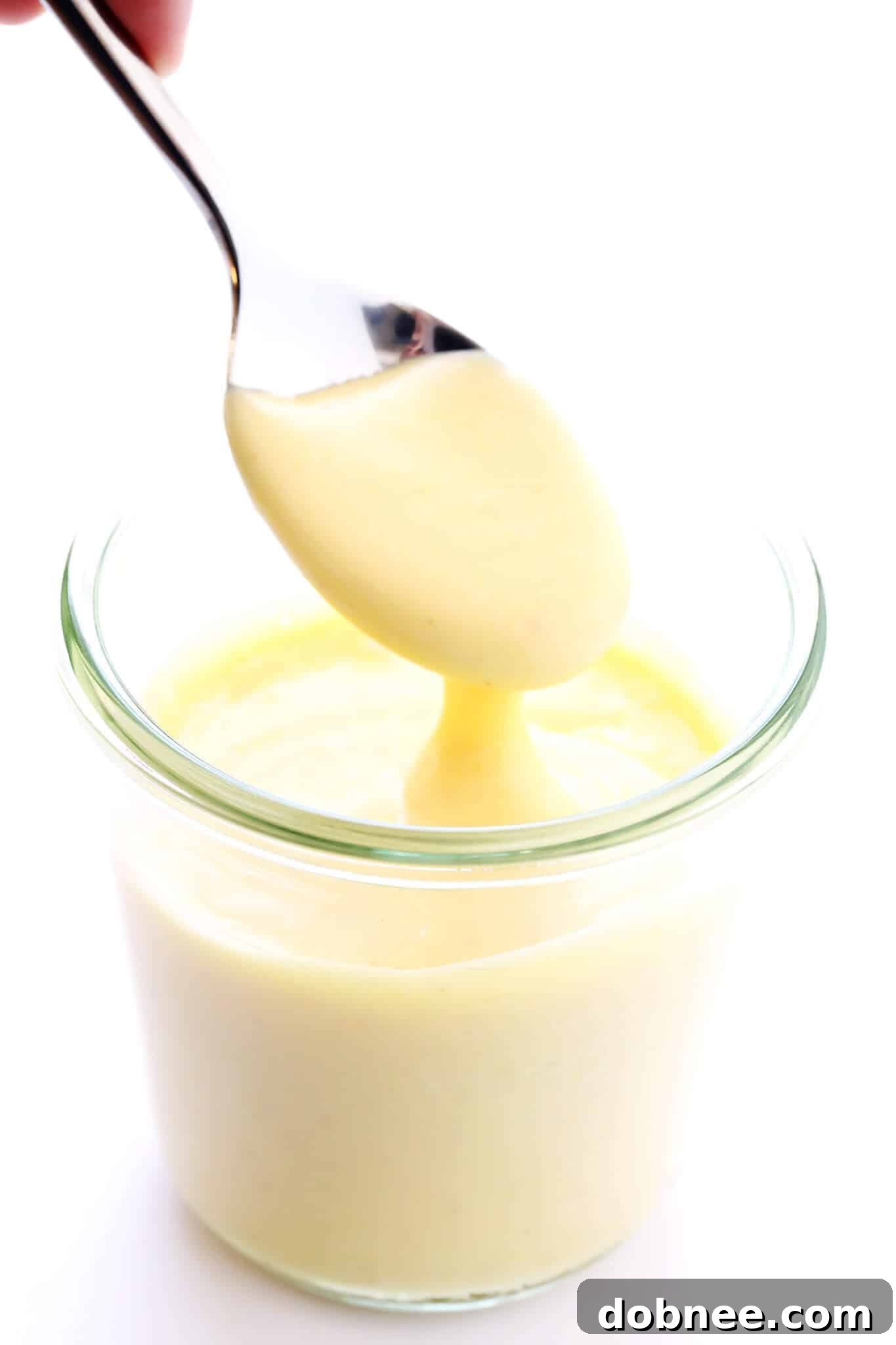
Transform your meals with the ultimate easy Hollandaise Sauce recipe – whipped up perfectly in your blender!
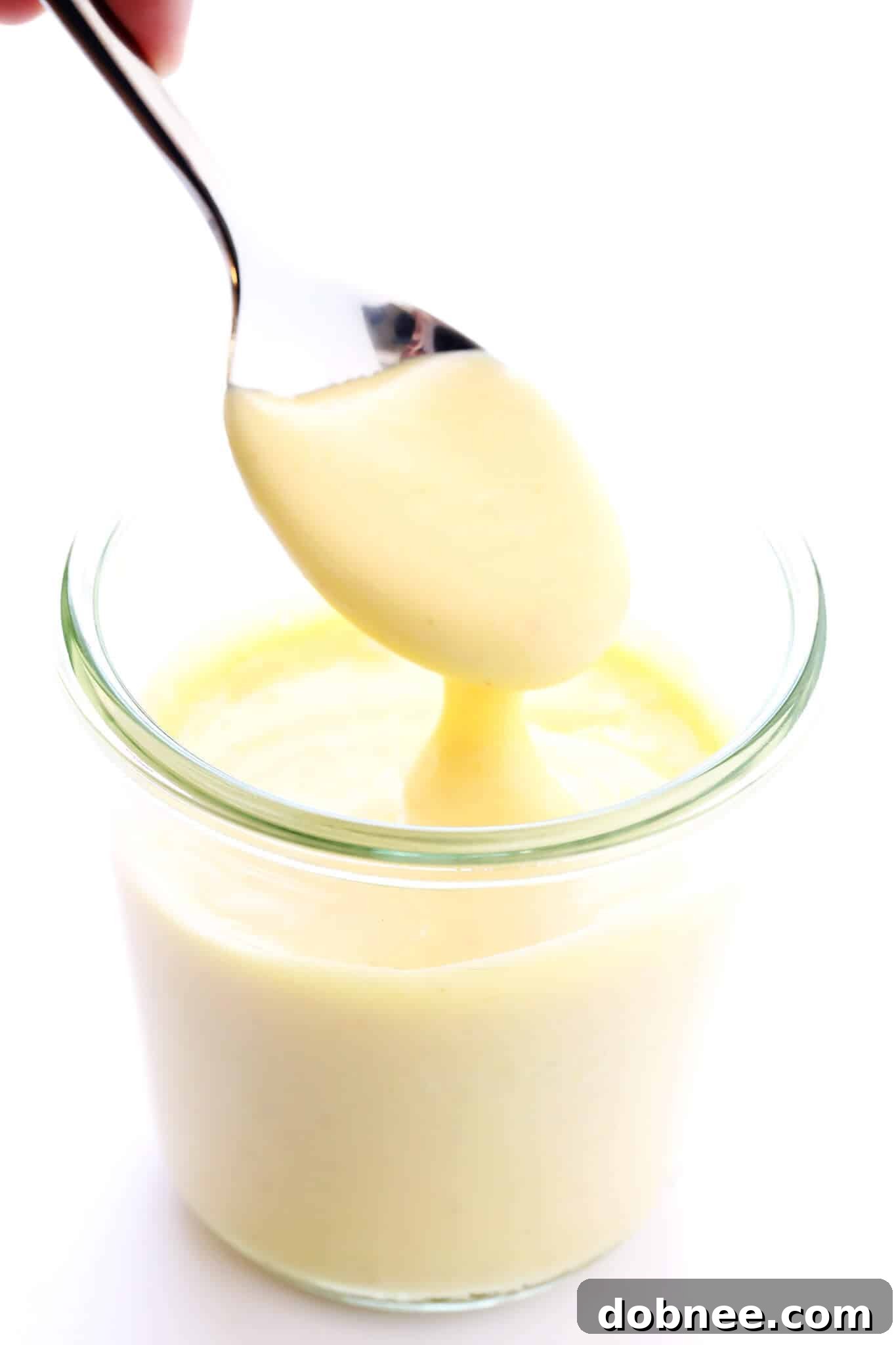
Effortless Blender Hollandaise Sauce: A 5-Minute Culinary Marvel
Imagine a rich, velvety, and lusciously smooth sauce that instantly elevates any dish from simple to spectacular. That’s Hollandaise sauce, a cornerstone of French haute cuisine, often perceived as challenging to prepare. But what if we told you that creating this culinary masterpiece could be incredibly easy, remarkably quick, and entirely foolproof? Welcome to the revolution of Blender Hollandaise Sauce!
Forget the intimidating double boilers, the endless whisking, and the anxiety of a ‘broken’ sauce. Our innovative method leverages the power of your everyday blender to deliver a classic Hollandaise in less than five minutes. This isn’t just a convenience; it’s a culinary revelation for home cooks who yearn for gourmet flavors without the fuss. With just five simple ingredients and a few swift pulses, you’ll produce a perfectly emulsified, golden sauce ready to crown your Eggs Benedict, generously drizzle over steamed asparagus, or transform any roasted vegetable into a decadent side dish.
Get ready to impress yourself and your guests with this unbelievably simple, yet undeniably sophisticated, Hollandaise. It’s time to demystify this creamy French classic and bring its luxurious taste to your table with unparalleled ease. Let’s make some!
Understanding Hollandaise: A Brief Journey into French Gastronomy
Before we dive into its swift creation, let’s take a moment to appreciate the sauce itself. Hollandaise is one of the five original “mother sauces” of French haute cuisine, celebrated for its delicate balance of rich butter, bright tangy lemon, and the subtle warmth of egg yolks. Its exact origins are a subject of culinary debate, with some theories tracing it back to the Dutch, hence its name, while others firmly claim it as a truly French invention. Regardless of its lineage, Hollandaise has firmly established its position as a beloved condiment, most famously starring in the iconic breakfast dish, Eggs Benedict.
Traditionally, Hollandaise is a labor of love, meticulously prepared by gently whisking egg yolks with a reduction of vinegar or lemon juice over a bain-marie (double boiler). Warm melted butter is then gradually incorporated, drop by drop, until a thick, creamy emulsion forms. This delicate process demands patience, a light touch, and precise temperature control – factors that historically deterred many aspiring home chefs. Yet, when executed successfully, the result is an airy, velvety sauce that coats the palate with its luxurious, slightly acidic, and undeniably buttery flavor, truly a testament to classic culinary technique.
The Blender Method: Your Shortcut to Flawless Hollandaise
The traditional approach, while deeply satisfying, can be time-consuming and daunting for beginners. This is precisely where the modern blender steps in as your culinary hero. The high-speed blades of a blender create an incredibly stable emulsion with minimal effort, dramatically reducing the risk of your sauce ‘breaking’ (separating into its constituent fat and liquid components).
Here’s why the blender method is an absolute game-changer for anyone wanting to make Hollandaise:
- Unrivaled Speed: From gathering ingredients to a finished, glorious sauce, you’re looking at under 5 minutes. Say goodbye to prolonged whisking sessions over a hot stove.
- Astonishing Simplicity: This method completely eliminates the need for a double boiler and the intricate temperature management of the egg yolks. The residual heat from the melted butter is perfectly sufficient to gently cook the yolks and initiate the emulsification process.
- Consistent Perfection: Blenders are masters at creating smooth, uniform textures. You’ll achieve a perfectly emulsified, glossy Hollandaise with reassuring consistency every single time.
- Remarkably Foolproof: The continuous, vigorous motion of the blender blades makes it significantly more challenging for the sauce to separate compared to manual whisking. It actively forces the fats and liquids to bind.
- Effortless Cleanup: Typically, you’ll only need one blender pitcher and one small saucepan for melting butter – minimizing post-cooking chores.
This streamlined approach genuinely democratizes Hollandaise, making it accessible and enjoyable for cooks of all skill levels. It’s an indispensable technique for elevating everyday meals or transforming special brunch occasions into memorable feasts with minimal stress.
The Building Blocks: Essential Ingredients for Your Perfect Hollandaise
A sauce as refined as Hollandaise relies on a few high-quality, fresh ingredients. For this blender version, we keep it wonderfully simple, allowing the core flavors to truly shine:
- Butter (3/4 cup / 12 tablespoons): This is undeniably the star of our show, providing the rich, luxurious body of the sauce. We highly recommend using unsalted butter, which gives you complete control over the final seasoning. The fat in the butter is absolutely crucial for forming the stable emulsion. While clarified butter is often favored in traditional Hollandaise to prevent separation, regular melted unsalted butter works perfectly in the blender method thanks to its powerful emulsifying action.
- Large Egg Yolks (3): These are the natural emulsifying agents. The proteins within the yolks possess a remarkable ability to bind with both the fat from the butter and the water from the lemon juice, creating that beautifully stable, creamy sauce. They also contribute significantly to the sauce’s characteristic golden hue and deep, rich flavor. Always opt for fresh, high-quality large eggs for the best results.
- Fresh Lemon Juice (1 tablespoon): Lemon juice provides the essential tanginess and acidity that expertly cuts through and balances the richness of the butter and egg yolks. This acidic component is not just for flavor; it also plays a vital role in aiding the emulsification process. Always choose fresh lemon juice over bottled alternatives for the brightest, most vibrant taste.
- Kosher Salt (1/2 teaspoon): Salt is a fundamental flavor enhancer that brings out and amplifies all the other delicious elements in the sauce. Kosher salt is generally preferred for its pure taste and larger crystals, which can be easier to measure accurately compared to fine table salt. Remember, you can always adjust the amount to your personal preference at the end.
- Pinch of Cayenne Pepper: This ingredient is optional but comes highly recommended by chefs. A small pinch of cayenne pepper adds a very subtle warmth and a barely perceptible peppery kick that brightens the sauce without making it overtly spicy. It’s a classic, nuanced addition that rounds out the Hollandaise flavor profile beautifully.
With these few, carefully chosen ingredients, you are truly just moments away from crafting a sophisticated and truly impressive sauce!
Step-by-Step Guide: Crafting Your Flawless Blender Hollandaise
Follow these meticulously detailed steps for a perfect Hollandaise sauce, achieving restaurant-quality results every single time:
- Melt the Butter with Care: In a small, heavy-bottomed saucepan, gently melt 3/4 cup (equivalent to 12 tablespoons) of butter over medium-low heat. The objective here is to melt it until it is just liquid and completely smooth, taking extreme care not to allow it to boil, brown, or separate into foam and solids. Once fully melted, immediately remove the saucepan from the heat. Crucially, let the melted butter cool undisturbed for precisely 2 minutes. This brief cooling period is absolutely essential because butter that is too hot will quickly scramble the delicate egg yolks and prevent the necessary emulsification from occurring. It should feel warm to the touch, but not searingly hot.
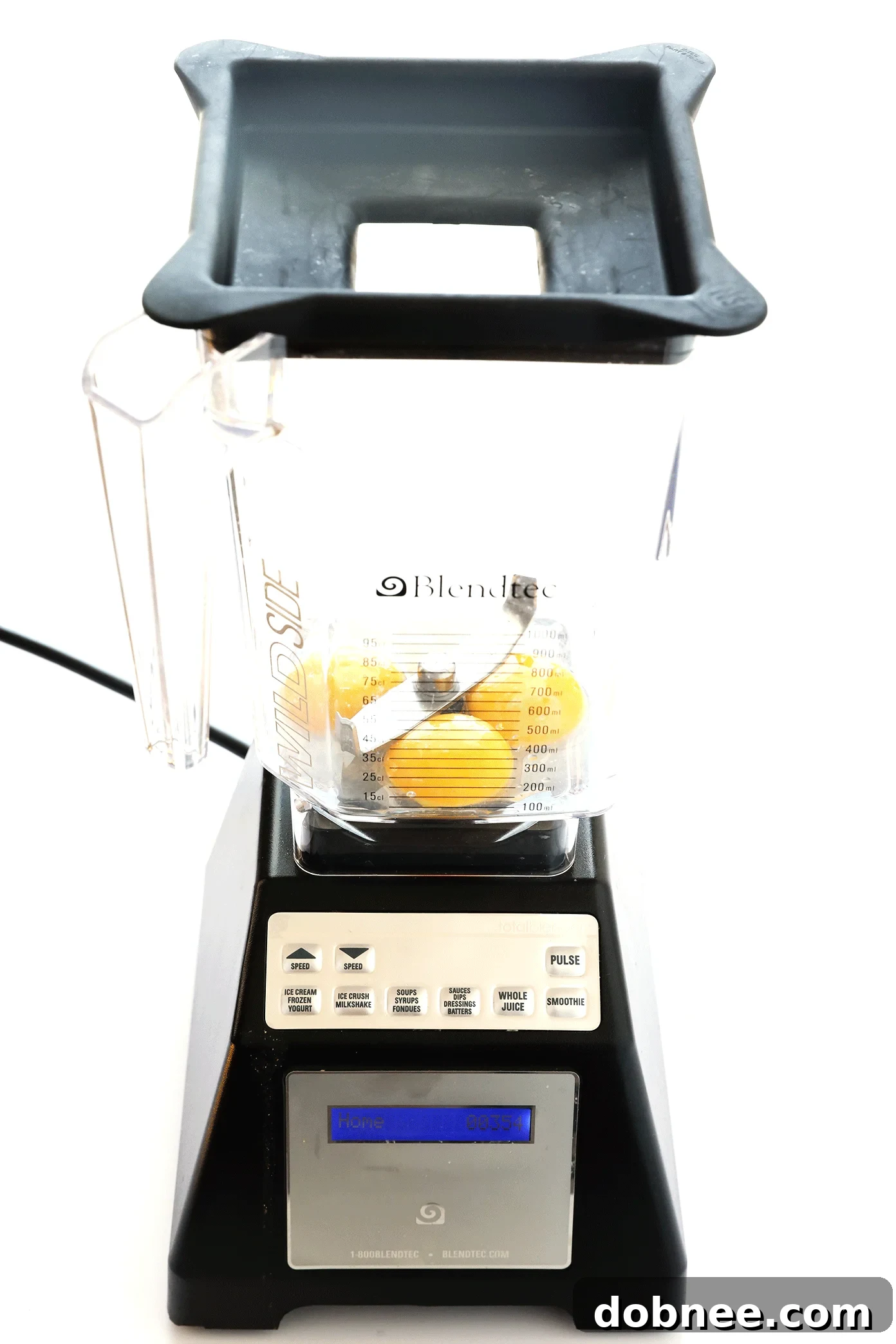
- Assemble the Base Ingredients: While your melted butter is cooling to the perfect temperature, carefully add the 3 large egg yolks, 1 tablespoon of fresh lemon juice, 1/2 teaspoon of Kosher salt, and your pinch of cayenne pepper (if you’ve chosen to include it) into the pitcher of your blender. These ingredients will form the essential acidic and savory foundation of your Hollandaise sauce. Ensure the blender lid is securely fastened.
- Execute the Initial Blend: Begin blending the egg yolk mixture on medium-high speed for approximately 10 seconds. This initial pulse is important as it thoroughly combines all the base ingredients and introduces a small amount of aeration, preparing them perfectly for the subsequent emulsification process with the butter.
- The Critical Emulsification – Slowly Stream in Butter: This is arguably the most critical step in creating a successful Hollandaise. Reduce your blender speed to medium-low. While the blender is running continuously and smoothly, very slowly and with unwavering steadiness, begin pouring approximately half of the warm melted butter into the egg mixture. You will typically use the small, removable cap opening in the blender lid for this. The butter must enter the mixture in a thin, consistent stream – imagine a delicate drizzle rather than large, uncontrolled splashes. This gradual addition allows the egg yolks ample time to bind with the fat and create a stable emulsion.
- Evaluate Consistency and Complete the Process: After you have streamed in roughly half of the butter, stop the blender. Carefully lift the lid and visually inspect the consistency of your sauce. It should be visibly thickening, appearing smooth, homogenous, and creamy – not separated into distinct layers of butter and liquid. If it looks perfectly emulsified, restart the blender on medium-low speed and continue to slowly stream in the remaining melted butter until the Hollandaise reaches your preferred thickness and richness. For a slightly thinner sauce, you might not incorporate all the butter; for a thicker, more luxurious sauce, ensure all the butter is fully blended in. (Should the sauce become too thick, you can easily thin it by blending in 1 to 2 tablespoons of boiling water, as detailed in our troubleshooting section below.)
- Refine Flavor – Taste and Adjust Seasoning: Once all the butter is incorporated and the sauce has reached your preferred consistency, it’s time for the crucial taste test. This is your opportunity to fine-tune the flavors to perfection. Add a tiny bit more lemon juice if you desire a sharper tang, another pinch of salt to brighten and enhance its overall taste, or a dash more cayenne for an extra subtle kick. Blend briefly after each adjustment to ensure the new seasoning is thoroughly integrated.
- Serve Immediately for Best Results: Hollandaise sauce is undeniably at its absolute best when enjoyed fresh and warm. As soon as you’ve finished preparing and seasoning it, immediately transfer it to your chosen serving vessel and present it without delay.
Expert Tips for a Foolproof Blender Hollandaise
While the blender method is remarkably forgiving, mastering a few key nuances will consistently guarantee perfect, restaurant-quality results:
- Butter Temperature is Crucial: Reiterate the importance of warm, not scalding, melted butter. If your butter is too hot, it will cook the egg yolks too quickly, leading to a scrambled texture rather than a smooth emulsion. If you accidentally overheat it, simply let it rest off the stove for a few extra minutes until it’s comfortably warm but not steaming. For an even more refined and stable sauce, you can opt to use clarified butter, though it’s not strictly necessary with the blender’s powerful emulsifying action.
- The Art of the Gradual Stream: The slow, steady drizzle of butter is perhaps the most critical element for successful emulsification. If you pour the butter in too quickly, the fats won’t have adequate time to bind effectively with the egg yolks, almost certainly causing your sauce to ‘break’ or separate. Maintain a consistent, thin stream, allowing the blender to do its work.
- Blender Speed Optimization: Beginning with a medium-high speed for the initial egg yolk mixture helps to thoroughly combine and aerate the ingredients. Subsequently reducing to a medium-low speed during the butter incorporation phase is key for maintaining a controlled and stable emulsification process, preventing over-aeration or separation.
- Troubleshooting a “Broken” Sauce – Don’t Panic!: If your Hollandaise sauce separates, appears grainy, or simply refuses to come together, do not despair – it’s often salvageable! This typically occurs if the butter was too hot, or if it was added too quickly. To attempt a rescue, pour the broken sauce into a separate bowl. In your clean blender (or if you can clean it quickly), add 1 to 2 teaspoons of boiling water or a fresh egg yolk. Blend this on low for a few seconds. Then, very slowly and steadily, re-stream the broken sauce back into the blender while it’s running on low speed. More often than not, it will magically come back together into a smooth emulsion.
- Adjusting Sauce Consistency: If your Hollandaise sauce turns out too thick for your preference, simply whisk in a teaspoon or two of hot water (even boiling water works well) until it reaches your desired silky consistency. Conversely, if it’s too thin, you may need to add a touch more warm melted butter, streaming it in very slowly as before, or add another egg yolk to introduce more emulsifying power.
- Seasoning is Key to Flavor Balance: Hollandaise is a relatively simple sauce, making the precise balance of salt and lemon juice paramount to its flavor. Don’t be afraid to taste and adjust. A little extra lemon can significantly brighten an overly rich sauce, while a touch more salt can awaken and bring out its full, complex flavor profile.
Creative Ways to Enjoy Your Versatile Hollandaise
While Hollandaise is famously (and rightly so!) paired with Eggs Benedict, its culinary versatility extends far beyond the brunch table. Here are some delectable ideas to inspire your culinary creations:
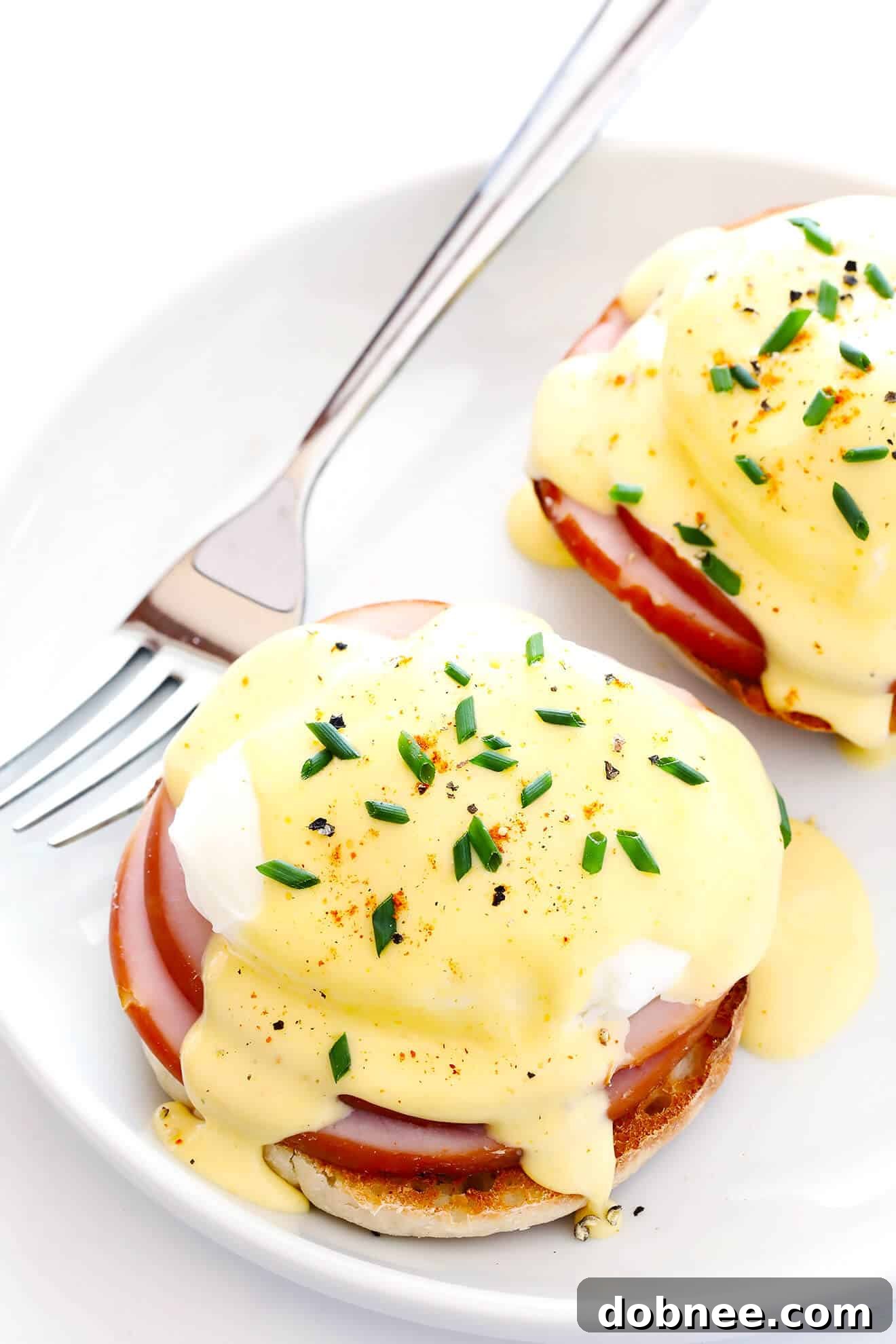
- The Quintessential Eggs Benedict: The absolute classic pairing! Serve generously over perfectly poached eggs, tender Canadian bacon (or traditional ham), and toasted English muffins.
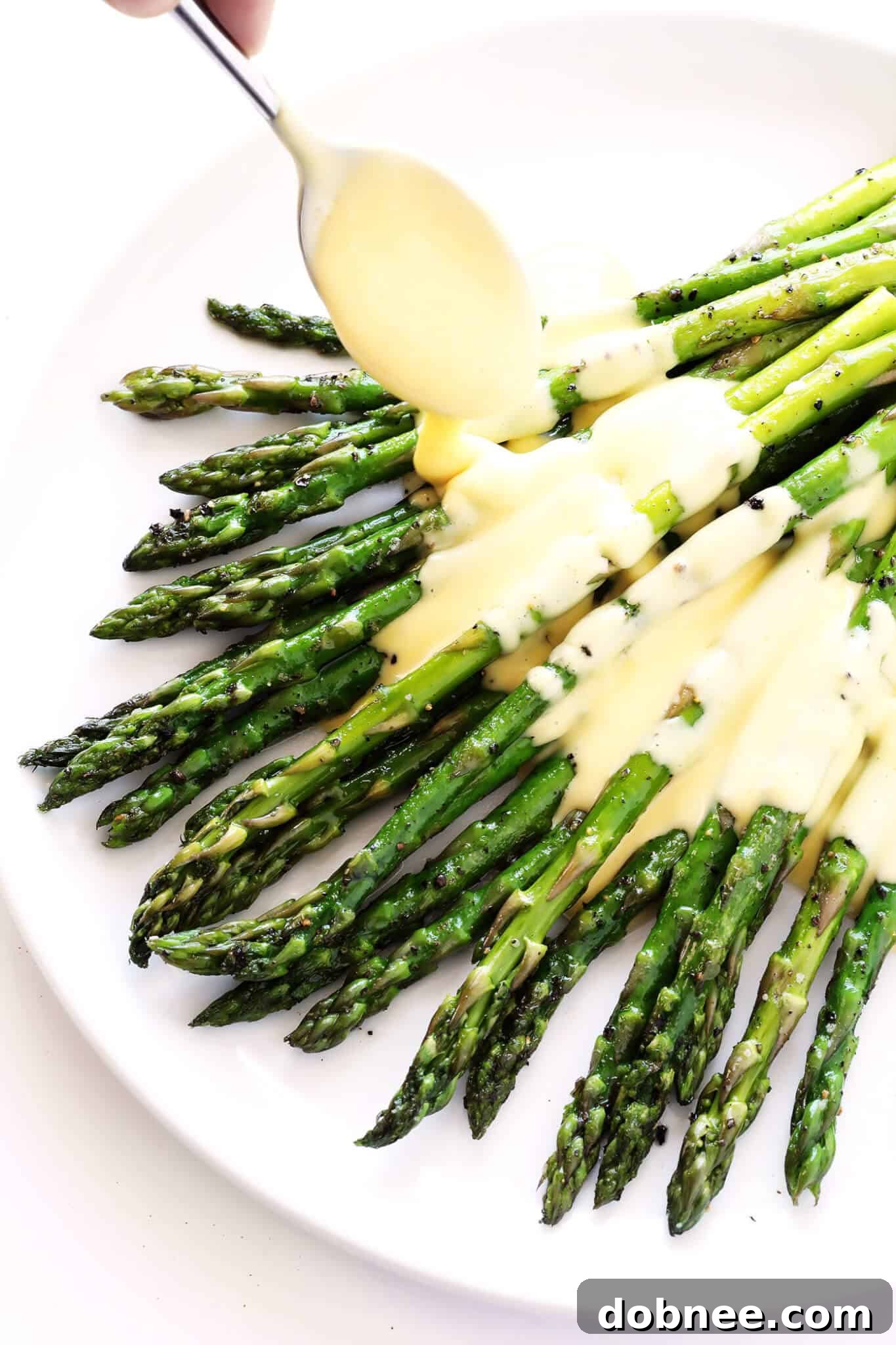
- Elevate Everyday Vegetables: Drizzle a generous spoonful over steamed or roasted asparagus, tender broccoli florets, crisp green beans, braised artichokes, or blanched new potatoes. It instantly transforms humble vegetables into a luxurious and irresistible side dish.
- Seafood Perfection: A dollop of warm Hollandaise is an exquisite complement to a variety of seafood. Pair it with flaky pan-seared salmon, delicate baked cod, succulent grilled shrimp, or sweet steamed crab legs. The rich sauce beautifully enhances the subtle, delicate flavors of seafood.
- Sophisticated Steak or Poultry Topper: Offer it alongside a perfectly cooked steak for an authentic French bistro experience, or spoon it over roasted chicken breast, pan-fried chicken cutlets, or even turkey for an unexpectedly elegant touch.
- Beyond Benedict Brunch Upgrades: Expand your breakfast and brunch repertoire! Try Hollandaise on Eggs Florentine (with sautéed spinach), Eggs Royale (with smoked salmon), or even just simple scrambled eggs for a truly gourmet twist on a morning staple.
- Unexpected Sandwich & Burger Enhancer: For a delightful surprise, add a spoonful to a breakfast sandwich, a gourmet burger, or a warm open-faced turkey sandwich. It introduces a creamy, tangy element that’s surprisingly delicious.
Flavorful Variations and Exciting Enhancements
Feel empowered to experiment with your Hollandaise to perfectly suit your personal palate and dish pairings:
- Béarnaise Sauce: This is Hollandaise’s elegant cousin! To transform your Hollandaise into Béarnaise, finely mince some shallots, fresh tarragon, and chervil. Add these herbs and shallots to the egg yolk mixture before blending, and consider a splash of white wine vinegar reduction for an even more authentic flavor profile. Béarnaise is exceptional with steak.
- A Zesty Citrus Twist: For a different aromatic dimension, substitute a portion of the lemon juice with fresh lime juice, or grate in a tiny hint of orange zest at the end.
- Herbaceous Infusion: For a fresh, vibrant kick, blend in finely chopped fresh chives, dill, or parsley just before the final seasoning. These herbs pair wonderfully with both eggs and seafood.
- Elevate the Spicy Kick: If you prefer more heat, increase the amount of cayenne pepper slightly, or add a tiny dash of your favorite hot sauce to the mixture for an extra layer of warmth.
- Dijon Hollandaise: For a sharper, more complex, and wonderfully savory flavor profile, whisk in a teaspoon of good quality Dijon mustard with the egg yolks before blending. This adds a fantastic depth.
Optimal Storage and Reheating Guidelines for Hollandaise Sauce
Unfortunately, Hollandaise sauce, in its traditional and even blender form, does not store or reheat well. It is an emulsion, which means it is inherently unstable once cooled and reheated, tending to separate and lose its smooth, velvety texture. The beauty of the rapid blender method is that it makes immediate preparation and serving entirely feasible.
- Immediate Service is Paramount: Always plan to prepare your Hollandaise sauce as the very last step just before you intend to serve your meal. This ensures you enjoy it at its peak freshness and perfect texture.
- Short-Term Holding Strategy: If you absolutely must hold your Hollandaise for a very brief period (e.g., up to 30 minutes), transfer it to a pre-warmed thermos or a heat-proof bowl placed over a very gentle bain-marie (a bowl resting over a pot of barely warm, not hot, water). Whisk it occasionally to maintain its consistency. It is crucial not to let the sauce get too hot, as excessive heat is a primary cause of separation.
- Avoid Refrigeration at All Costs: Refrigerating Hollandaise sauce is strongly not recommended. When cold, the butter fats will solidify, causing the emulsion to irrevocably break. Attempting to reheat it from a cold, separated state is almost always futile.
Your Quick Route to Culinary Excellence Awaits!
With this brilliant blender method, the days of fearing Hollandaise sauce are officially and triumphantly over. You now possess the invaluable secret to effortlessly creating a restaurant-quality sauce in the comfort of your own kitchen, all in a matter of mere minutes. This simple yet powerful recipe empowers you to add an unmistakable touch of French elegance, richness, and unparalleled flavor to virtually any dish, transforming ordinary meals into extraordinary culinary experiences.
So, gather your fresh ingredients, fire up your blender, and prepare to delight in the rich, creamy, and vibrantly flavored wonders of homemade Hollandaise. It’s truly time to elevate your home cooking and savor every luxurious, buttery bite with confidence and joy!
Blender Hollandaise Sauce Recipe
Prep Time: 5 minutes
Total Time: 5 minutes
Yield: 4 servings 1x
Description
Learn how to make classic, rich, and creamy Hollandaise sauce the extra-easy way – in your blender! Perfect for Eggs Benedict, asparagus, and more, this recipe comes together in under 5 minutes with just 5 simple ingredients.
Ingredients
Scale
- 3/4 cup (12 tablespoons) unsalted butter, more or less as needed
- 3 large egg yolks
- 1 tablespoon fresh lemon juice
- 1/2 teaspoon Kosher salt
- pinch of cayenne pepper
Instructions
- Melt the Butter: Heat 3/4 cup (12 tablespoons) of unsalted butter in a small saucepan over medium-low heat until it is just melted and fully liquid. Be careful not to let it boil or brown. Once melted, immediately remove from heat and let it cool for exactly 2 minutes. This cooling time is essential to prevent scrambling the egg yolks and ensure proper emulsification.
- Combine Base Ingredients: While the butter cools, add the 3 large egg yolks, 1 tablespoon of fresh lemon juice, 1/2 teaspoon of Kosher salt, and a pinch of cayenne pepper into the pitcher of your blender. Secure the lid firmly.
- Initial Blend: Blend the egg yolk mixture on medium-high speed for about 10 seconds. This step ensures all the ingredients are well combined and slightly aerated, preparing them for the next stage of emulsification.
- Emulsify with Butter: Reduce the blender speed to medium-low. While the blender is running continuously, very slowly and steadily pour approximately half of the warm melted butter into the egg mixture through the small opening in the blender lid. Aim for a thin, consistent stream. This gradual addition is crucial for creating a stable emulsion.
- Check Consistency and Finish: Stop the blender and check the sauce. It should be visibly thickening, appearing smooth and creamy, not separated into layers. If it looks well emulsified, restart the blender on medium-low and slowly stream in the remaining melted butter until the Hollandaise reaches your desired consistency. For a thinner sauce, you might not use all the butter; for a thicker one, incorporate all butter. If it becomes too thick, you can thin it with 1-2 tablespoons of boiling water, blended in.
- Taste and Adjust Seasoning: Taste the Hollandaise sauce. Adjust the seasoning as needed by adding a little more fresh lemon juice for tang, salt for flavor enhancement, or cayenne for a subtle kick. Blend briefly after each addition to ensure it’s thoroughly combined.
- Serve Immediately: Transfer the freshly made Hollandaise sauce to a serving bowl and serve immediately with your favorite dishes. This sauce is best enjoyed fresh and warm and does not store well for later use.