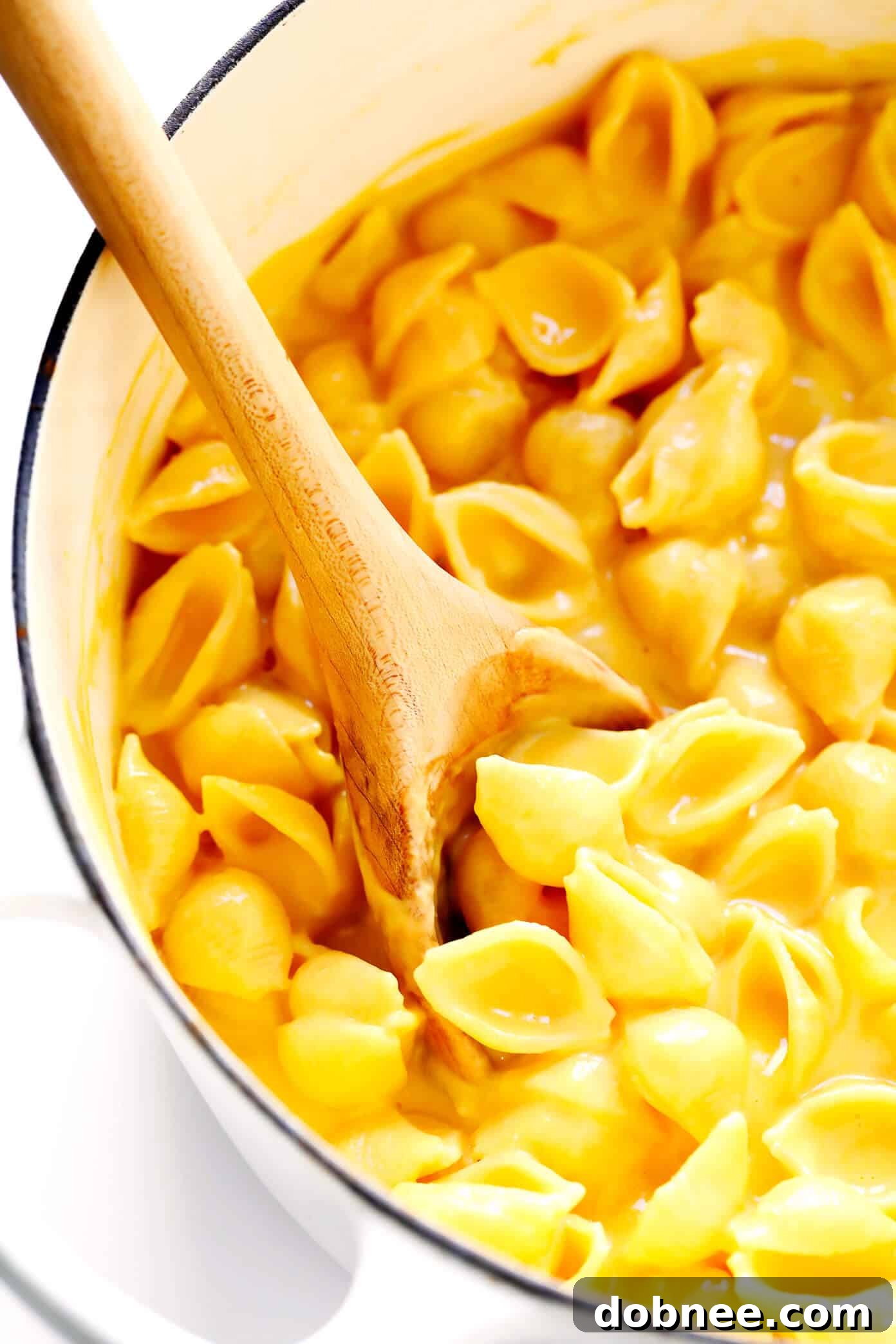
This healthier Butternut Squash Mac and Cheese recipe offers a delightful twist on a classic comfort food, packed with nutritious squash, incredibly easy to prepare in just 30 minutes, and wonderfully creamy, cheesy, and satisfying.
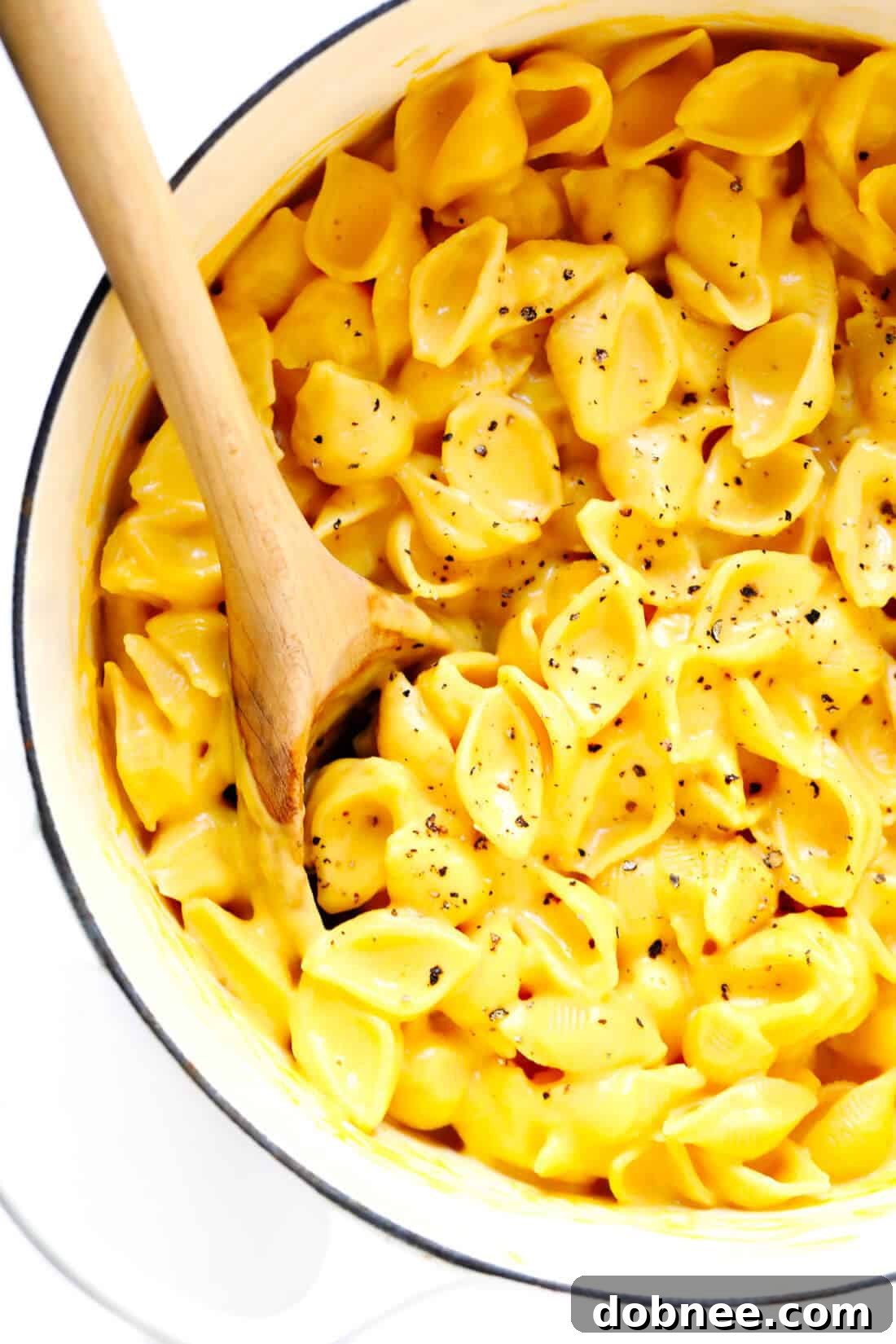
Cozy & Creamy Butternut Squash Mac and Cheese: A Healthier 30-Minute Delight
As the leaves begin to turn and a crispness fills the air, there’s nothing quite like a warm, comforting meal to mark the start of autumn. This Butternut Squash Mac and Cheese is the perfect celebration of the season, blending the rich, earthy flavors of fall with the timeless appeal of a beloved classic. Forget heavy, guilt-laden macaroni and cheese; this recipe is a fresh, healthier take that doesn’t skimp on flavor or creamy texture.
I’ve been perfecting this recipe throughout the season, and I’m thrilled to share what I believe is the ideal balance. What makes it truly special? A generous pound of vibrant butternut squash is cleverly incorporated into the sauce, contributing a subtle nutty sweetness that beautifully complements the savory, cheesy base. This isn’t just a healthy addition; it’s a foundational flavor that elevates the entire dish.
The Secret to a Healthier, Creamier Mac and Cheese
Achieving a luxurious, silky sauce without relying on heavy cream or excessive cheese was my primary goal, and I’m delighted with the results. By using wholesome milk as the base and a carefully selected, potent sharp cheddar cheese, we create a sauce that feels incredibly indulgent. The key is to choose a good quality sharp cheddar, as its robust flavor means you need less to achieve that satisfying cheesy taste. The butternut squash also plays a crucial role in the texture, transforming into a velvety puree that adds body and richness, allowing for a lighter overall dish.
For an extra touch of autumnal sophistication, I highly recommend a quick sauté of fresh sage leaves. This takes just two minutes but adds a fragrant, crispy garnish and infuses the sauce with an additional layer of aromatic flavor. Of course, this recipe is incredibly versatile. Feel free to incorporate other seasonal vegetables like roasted broccoli, sautéed mushrooms, or even a protein like chicken, bacon, or sausage for a heartier meal. Fresh herbs like rosemary or thyme, or a sprinkling of toasted walnuts or pepitas, can also add delightful texture and taste.
While this dish stands wonderfully on its own, it pairs beautifully with a simple fresh green salad or some perfectly roasted broccoli. The butternut squash cheese sauce is undeniably rich and comforting, making it an excellent way to utilize leftover butternut squash, whether raw, canned, or pre-roasted. And for parents, this recipe offers a clever and delicious method to introduce more vegetables onto the plates of even the most discerning mac-and-cheese-loving kids!
Ready to dive into this wholesome and delicious fall favorite? Let’s get cooking!
Essential Ingredients for Butternut Squash Mac and Cheese
Crafting this easy and healthy butternut squash macaroni and cheese requires a few simple, high-quality ingredients that come together to create an unforgettable meal:
- Pasta: The foundation of any good mac and cheese! Choose your favorite type and shape. Whether you prefer classic elbow macaroni, shells, ziti, or even a whole-wheat or gluten-free alternative, any pasta will work beautifully here. Aim for about one pound.
- Butter (or Olive Oil): Used for sautéing the aromatics. Butter adds a lovely richness, but olive oil is a perfectly suitable substitute for a dairy-free or lighter option.
- Garlic: Freshly minced garlic is crucial for a depth of savory flavor. The recipe calls for 3 large cloves, but don’t hesitate to add more if you’re a true garlic enthusiast – it only enhances the dish.
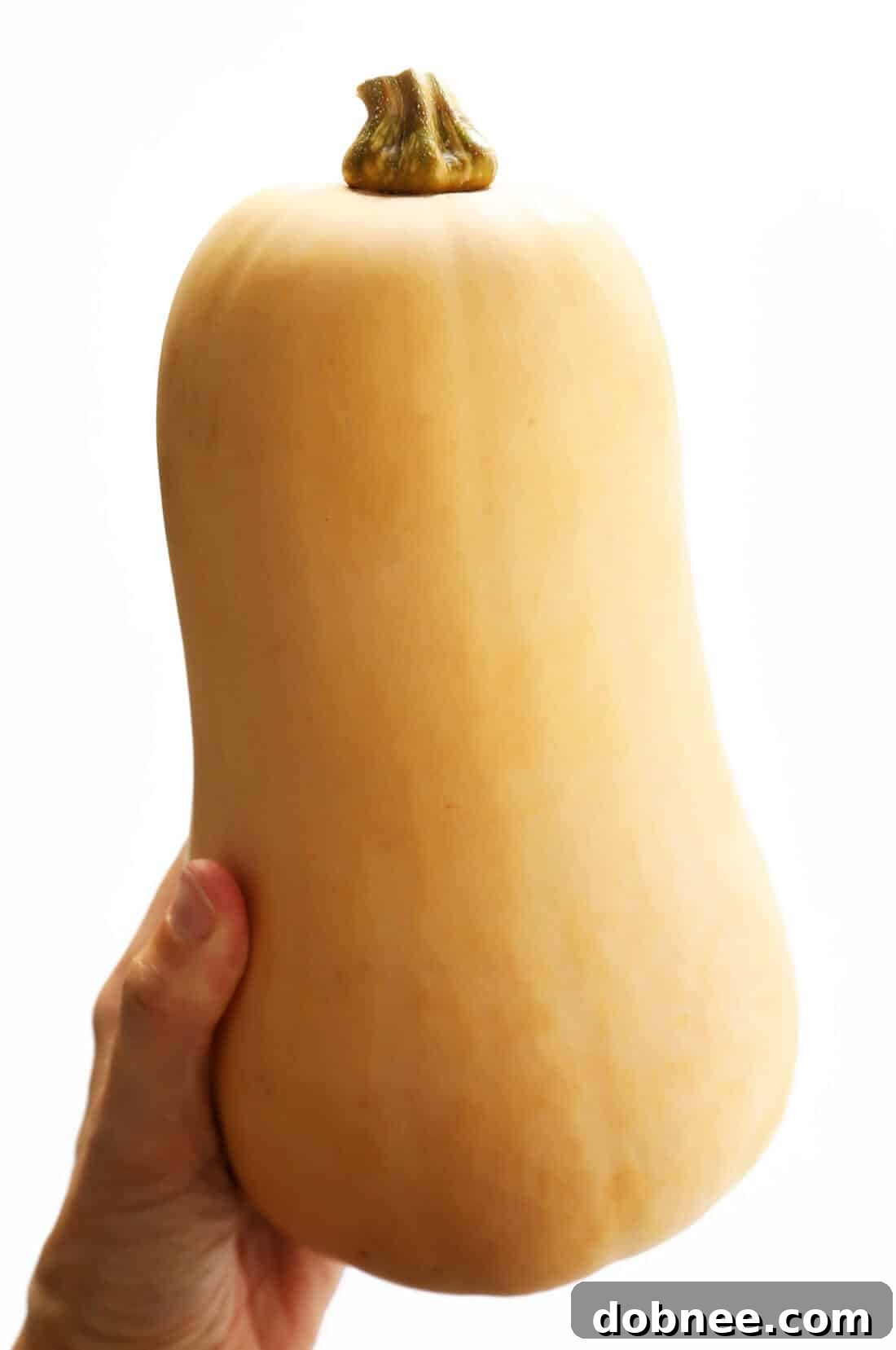
- Butternut Squash: The star ingredient! You’ll need about one pound of butternut squash, which translates to roughly 4 cups diced. This can be raw (peeled, seeded, and diced into small, even cubes), pre-roasted (cubes or puree), or even canned butternut squash puree. Using pre-cooked squash will significantly reduce your prep time.
- Vegetable Stock: Provides a flavorful liquid base for simmering the squash and creating the sauce. Chicken stock can be used interchangeably if that’s what you have on hand.
- Milk: For the creamy sauce, whole milk is recommended for its richness, but lighter cow’s milk (like 2% or 1%) or even half-and-half can be used. For a plant-based version, plain almond milk or oat milk work wonderfully, just ensure they are unsweetened.
- Good-Quality Sharp Cheddar Cheese: Since we’re using a smaller quantity of cheese in this healthier recipe, it’s vital to choose a high-quality, flavor-packed sharp cheddar. An extra-sharp white cheddar offers a sophisticated tang. Always buy a block of cheese and grate it yourself; pre-shredded cheeses often contain anti-caking agents that can hinder smooth melting and result in a clumpy sauce.
- Salt and Pepper: Essential seasonings to enhance all the flavors. Fine sea salt and freshly cracked black pepper will bring out the best in the squash and cheese.
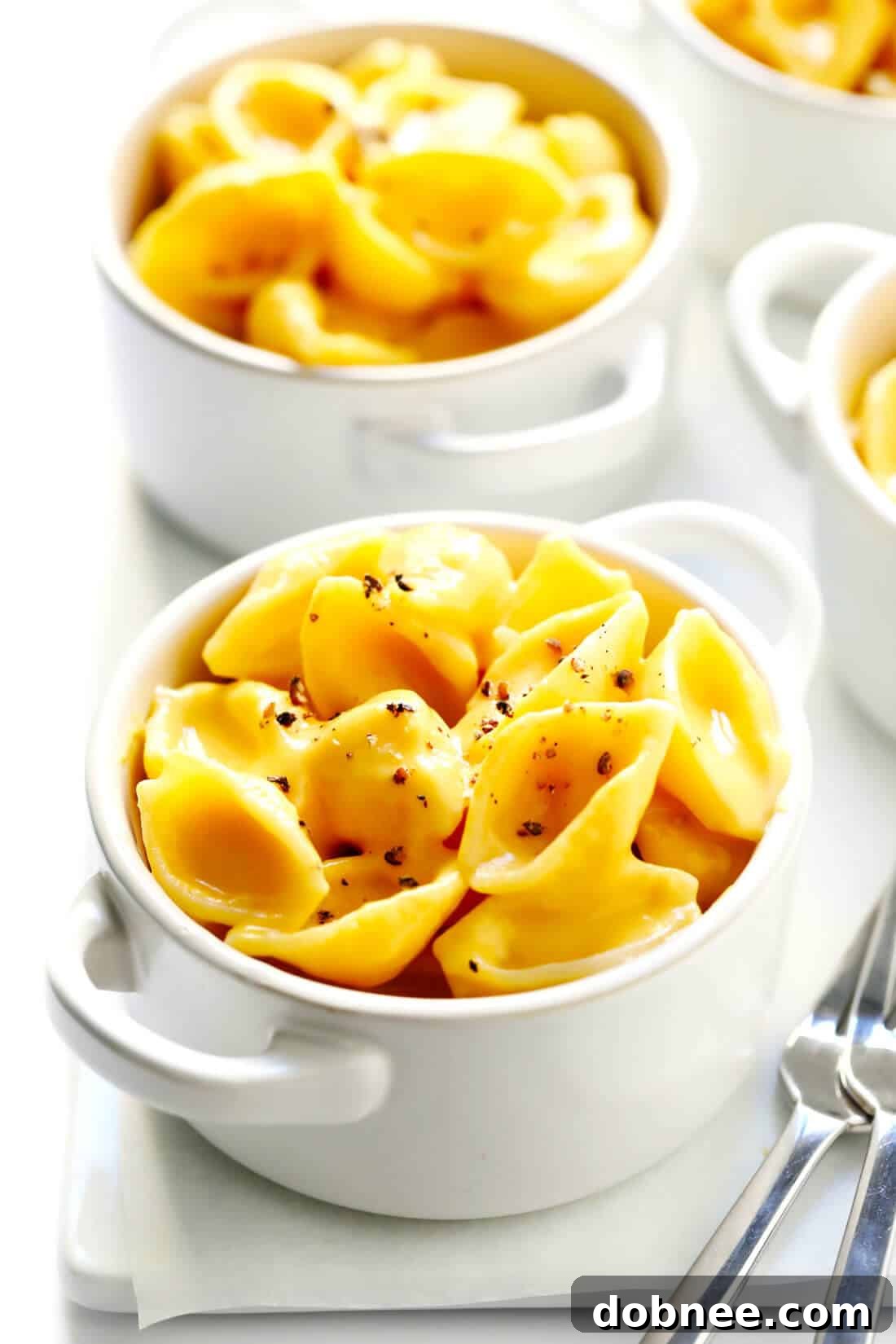
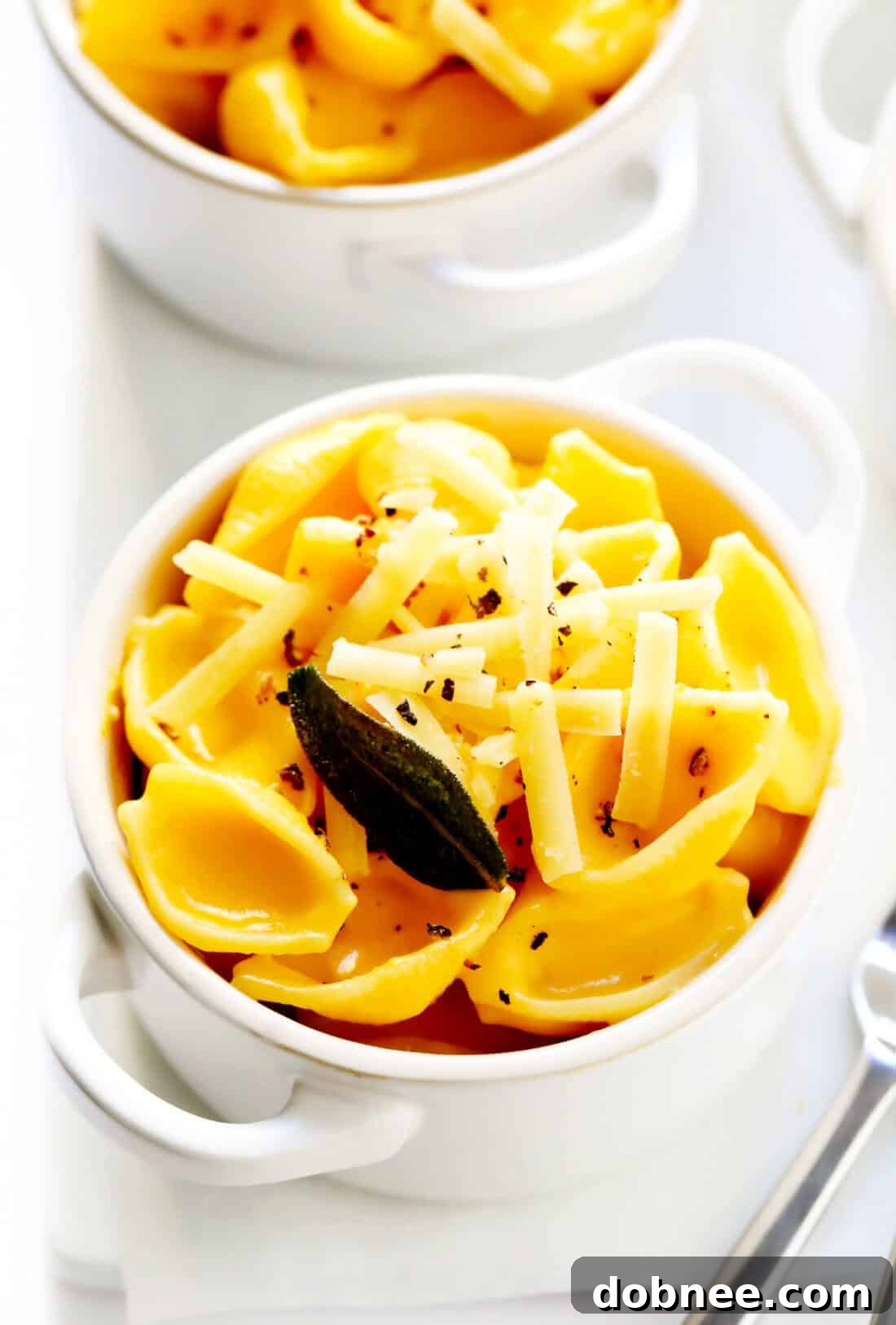
- Fresh Sage Leaves (Optional but Recommended): If fresh sage is available, a quick sauté until crispy adds an aromatic, earthy note and a delightful textural contrast. These crispy leaves also make a beautiful garnish. While the recipe is delicious without it, this small step truly elevates the dish.
Detailed ingredient amounts and step-by-step instructions are provided in the comprehensive recipe card below.
Making Your Healthy Butternut Squash Mac and Cheese: A Step-by-Step Guide
This recipe is designed for ease and efficiency, ensuring you have a delectable meal on the table in just about 30 minutes. Here’s how we’ll bring this creamy butternut squash mac and cheese to life:
- Prepare the Pasta: Begin by bringing a large pot of generously salted water to a rolling boil. For optimal timing, I suggest waiting until you’ve started pureeing the squash (step 4) before adding the pasta. This ensures everything finishes around the same time. Remember to reserve at least one cup of the starchy pasta water before draining; it’s a secret weapon for adjusting sauce consistency later!
- Crisp the Sage (Optional): If you’re using fresh sage, melt the butter (or heat the oil) in a separate large sauté pan. Add the sage leaves and cook for just 1-2 minutes until they become fragrant and delightfully crispy. Carefully remove the sage leaves to a plate lined with a paper towel and set them aside to use as a garnish later.
- Build the Butternut Squash Base: In the same sauté pan with the remaining butter (or oil), add the minced garlic and sauté for about 1 minute until fragrant, being careful not to burn it. Next, add the diced butternut squash and vegetable stock to the pan. Bring the mixture to a gentle simmer, then reduce the heat to medium-low, cover the pan, and allow the squash to cook for approximately 10 minutes, or until it is fork-tender and easily mashed. Stir occasionally to prevent sticking.
- Create the Creamy Sauce: Carefully transfer the tender squash mixture from the sauté pan into a blender. Pour in the milk and give it a quick stir. When blending hot liquids, safety is paramount: I highly recommend slightly opening the cap on the blender lid (or removing the center cap and covering with a kitchen towel) to allow excess steam to escape. Pulse the mixture until it is completely smooth and creamy, ensuring no chunks of squash remain.
- Finish the Cheese Sauce: Return the silky butternut squash puree back to your sauté pan over medium-high heat. Add the shredded sharp cheddar cheese and stir continuously until the cheese has fully melted and is incorporated into the sauce, creating a smooth, luscious cheese sauce. Taste the sauce and season generously with fine sea salt and freshly cracked black pepper to your preference. (A good starting point is about 1 teaspoon of salt and 1/2 teaspoon of black pepper.)
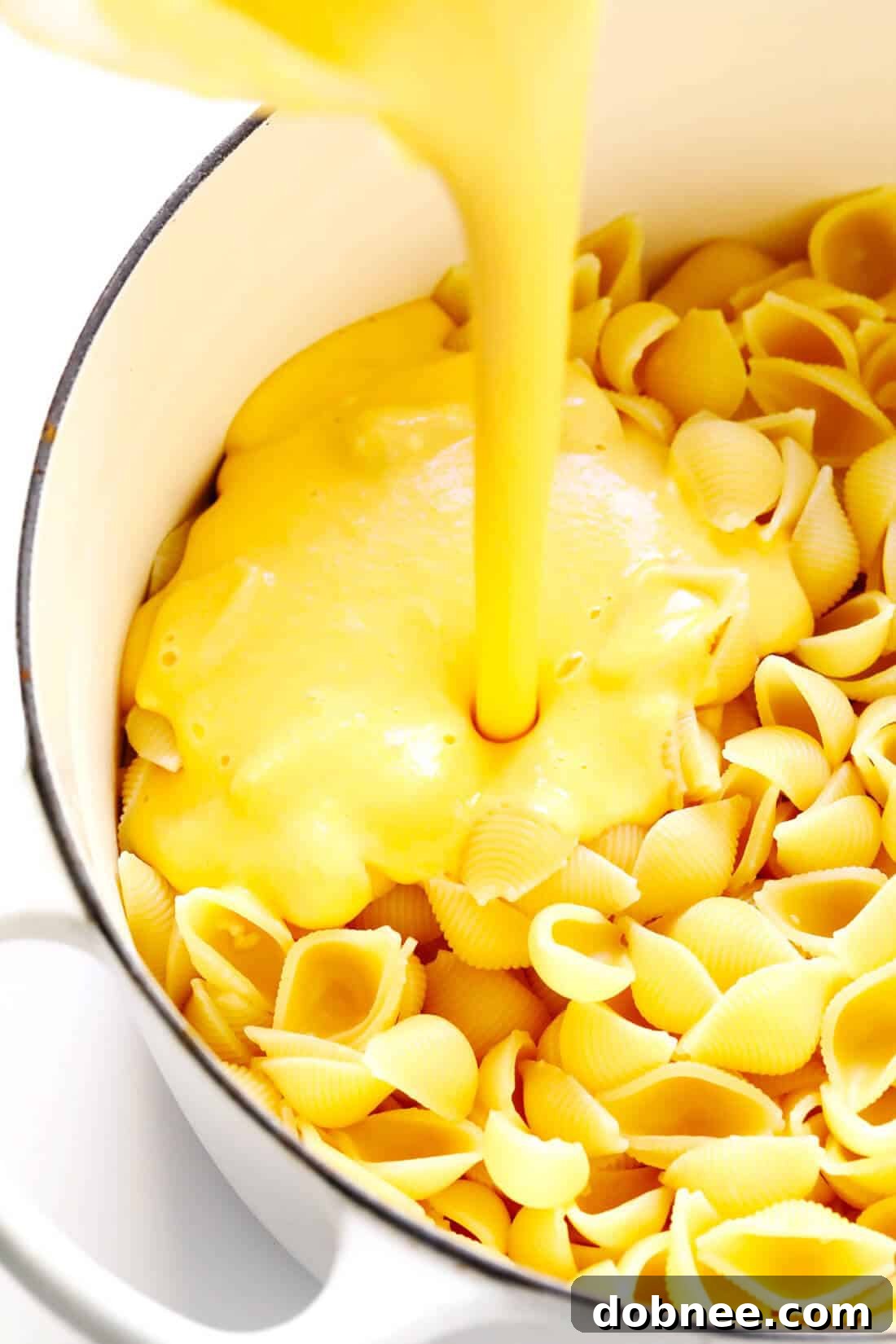
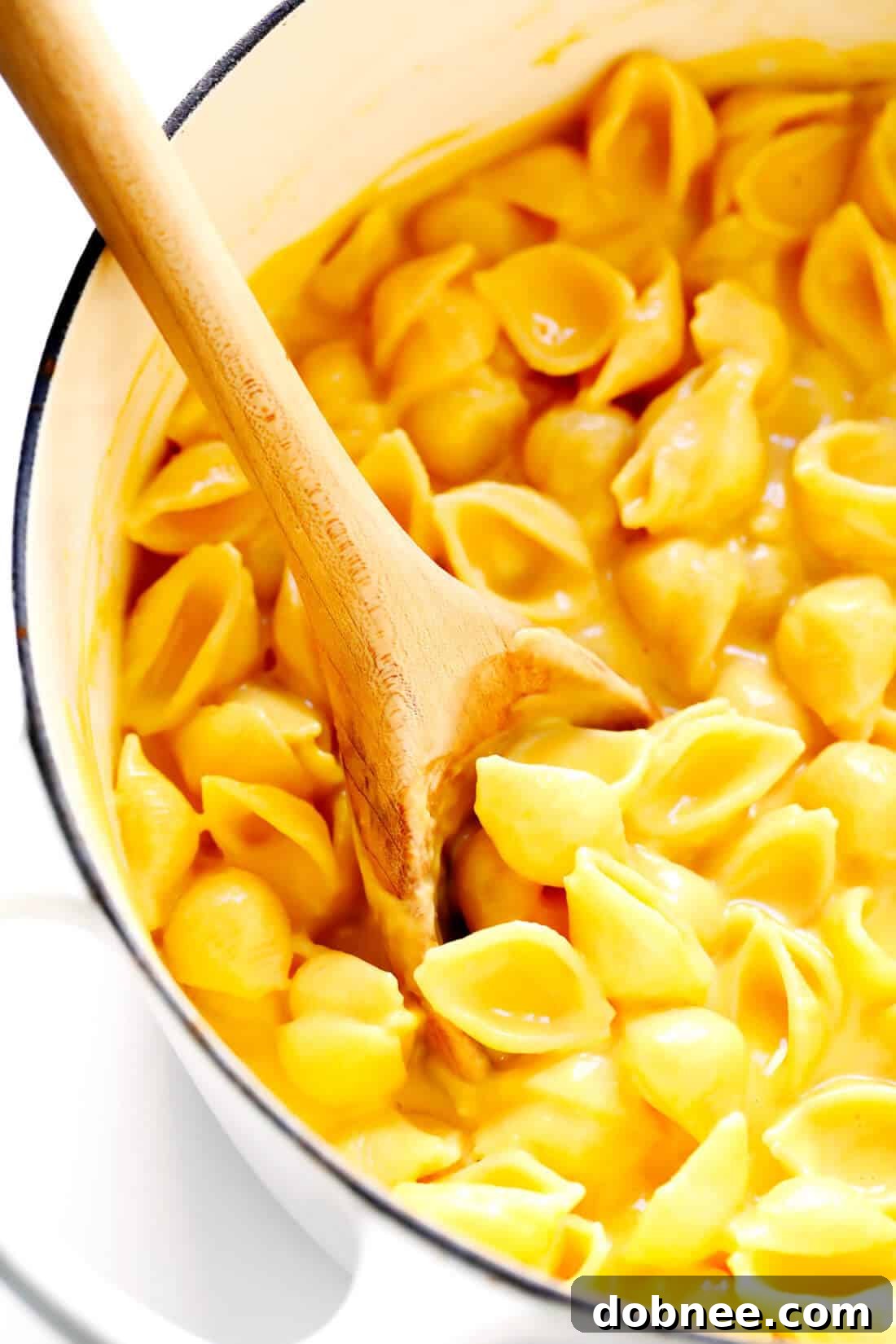
- Combine and Serve: Once your pasta is perfectly al dente and drained, return it to the large stockpot. Pour the warm butternut cheese sauce over the pasta and toss everything together until every piece of pasta is evenly coated in the rich, creamy sauce. If you find the sauce to be a bit too thick for your liking, gradually stir in some of that reserved starchy pasta water, a tablespoon at a time, until it reaches your desired consistency. Serve immediately, garnished with those delightful crispy sage leaves if you prepared them.
Creative Variations to Elevate Your Butternut Squash Mac and Cheese
This butternut squash mac and cheese recipe is wonderfully adaptable, serving as an excellent blank canvas for your culinary creativity. Feel free to experiment with these additions to make it uniquely yours:
- Boost with Protein: For a more substantial meal, consider adding cooked protein. Shredded chicken, browned ground beef or turkey, crispy bacon bits, sliced sausage, or even pan-seared steak strips would all be fantastic additions to this creamy dish.
- Sneak in Extra Veggies: Enhance the nutritional value and texture by folding in additional cooked vegetables. Steamed broccoli florets, roasted cauliflower, sweet peas, tender asparagus spears, sautéed mushrooms, caramelized onions, or colorful bell peppers would all complement the flavors beautifully.
- Infuse with Fresh Herbs: Beyond sage, other fresh herbs can add wonderful aromatics. Try simmering a sprig of fresh rosemary or thyme with the butternut squash, or even adding a bay leaf during the cooking process for a deeper savory note.
- Experiment with Seasonings: A touch of Dijon mustard can add a subtle tang and deepen the cheese flavor. A pinch of Old Bay seasoning offers a unique, savory kick, while a tiny grating of fresh nutmeg can truly enhance the sweetness of the squash and the richness of the cheese. Smoked paprika also works wonders.
- Add a Crunchy Topping: For textural contrast, sprinkle some toasted nuts or seeds just before serving. Toasted walnuts, pecans, pistachios, almonds, pepitas (pumpkin seeds), or pine nuts would all provide a delightful crunch and extra flavor. You could also add toasted breadcrumbs for a classic mac and cheese topping.
- Explore Different Cheeses: While sharp cheddar is classic, don’t shy away from experimenting with other cheeses. Gruyère offers a nutty, complex flavor, while smoked gouda would impart a rich, smoky depth. A sprinkle of freshly grated Parmesan cheese always adds a delicious umami boost.
- Make it Gluten-Free: The butternut squash cheese sauce is naturally gluten-free. Simply ensure you use certified gluten-free pasta, and you’ll have a wholesome and safe meal for those with gluten sensitivities.
- Spice it Up: For those who love a little heat, a pinch of red pepper flakes stirred into the sauce or a dash of hot sauce just before serving can add a welcome zing.
Perfect Pairings: What to Serve with Butternut Squash Mac and Cheese
Mac and cheese, especially this healthier butternut squash version, is a complete meal on its own, but it truly shines when paired with complementary sides that add freshness, crunch, or balance. Here are some excellent recommendations:
- A Crisp Green Salad: A light, fresh salad provides a wonderful counterpoint to the richness of the mac and cheese. My Everyday Salad or a seasonal Feel-Good Fall Salad with vinaigrette dressing would be perfect choices. The acidity and freshness cut through the creamy sauce, refreshing the palate.
- Roasted Vegetables: Roasted vegetables caramelize beautifully, bringing out their natural sweetness and offering a delicious textural contrast. Consider Roasted Broccoli, Roasted Cauliflower, or Roasted Brussels Sprouts. Their slight bitterness or earthy notes pair exceptionally well with the sweet and savory mac and cheese.
- Fresh Fruit: For a simple, refreshing side, serve some crisp sliced apples or juicy pears, especially in the fall. Berries or grapes also offer a delightful burst of sweetness and acidity.
- Garlic Bread or Crusty Baguette: While the pasta provides carbs, a side of warm garlic bread or a crusty baguette is perfect for soaking up any extra sauce.
- Light Protein: If you want to add a side protein without mixing it into the mac and cheese, a simple grilled chicken breast or baked salmon fillet can complete the meal.
- A Sweet Finish: End your comforting meal with a delightful dessert. These Healthy Peanut Butter Cookies are always a crowd-pleaser and a fantastic way to satisfy a sweet craving without overdoing it.
More Irresistible Mac and Cheese Recipes to Try
If this butternut squash creation has ignited your love for mac and cheese, you’ll be happy to know there are endless possibilities! Here are a few more inspiring mac and cheese recipes to add to your culinary repertoire:
- The Best Stovetop Mac and Cheese: A classic, quick, and incredibly creamy stovetop version for purists.
- Broccoli Chicken Mac and Cheese: A hearty and complete meal featuring tender chicken and vibrant broccoli.
- Roasted Vegetable Mac and Cheese: Packed with savory roasted veggies for a comforting and nutritious twist.
- Gnocchi Mac and Cheese: A unique take using pillowy gnocchi instead of traditional pasta, offering a delightful texture.
Butternut Squash Mac and Cheese Recipe Card
Butternut Squash Mac and Cheese
- Prep Time: 25 mins
- Cook Time: 5 mins
- Total Time: 30 mins
- Yield: 6-8 servings
Description
This healthier Butternut Squash Mac and Cheese recipe is made with lots of good-for-you squash, it’s easy to make in just 30 minutes, and it’s SO cozy and creamy and delicious. See notes above for possible ingredient add-ins.
Ingredients
- 2 tablespoons butter (or olive oil)
- 12 fresh sage leaves (optional)
- 3 large cloves garlic, minced
- 1 pound (about 4 cups) diced butternut squash*
- 1 1/2 cups vegetable stock (or chicken stock)
- 1 pound uncooked pasta (I used shells)
- 2 cups whole milk
- 8 ounces good-quality sharp cheddar cheese, shredded*
- fine sea salt and freshly-cracked black pepper, to taste
Instructions
- Bring a large pot of generously-salted water to a boil.
- Meanwhile, heat the butter in a separate large sauté pan until melted. Add the sage leaves (if using) and sauté for 1-2 minutes until crispy. Transfer the sage leaves to a separate plate and set aside.
- Add the garlic and sauté for 1 minute, stirring occasionally. Then add in the butternut squash and vegetable stock and stir to combine. Continue cooking until the stock reaches a simmer. Reduce heat to medium-low, cover and cook for 10 minutes, stirring occasionally, until the squash is tender and mashes easily with a fork.
- Transfer the squash mixture to a blender. Add in the milk and give the mixture a quick stir. Then very carefully (I recommend slightly opening the cap on the blender lid, so that excess steam can escape) pulse the mixture until smooth.
- Add the pasta to the boiling water and cook according to package instructions until al dente. Reserve 1 cup of the starchy pasta water for later. Then drain the pasta.
- While the pasta is cooking, return the butternut squash mixture back to the sauté pan over medium-high heat. Add in the shredded cheddar cheese, and stir until it has melted into the sauce.
- Taste and season the sauce with salt and pepper as needed. (I used about 1 teaspoon salt and 1/2 teaspoon black pepper.)
- Then once the pasta is drained, return it to the stockpot. Pour the butternut cheese sauce on top of the pasta, and toss to combine. If the sauce is too thick, add in some of the hot starchy pasta water to thin it out.
- Serve warm, garnished with the crispy sage leaves if desired.
Notes
*Butternut squash options: The recipe above is written for raw butternut squash. But if you happen to have pre-cooked butternut squash or canned butternut squash on hand, you can use it to save yourself some time! You will need 1 pound of cooked squash, which is about 2 cups mashed cooked squash or one (15-ounce) can of butternut squash. Just stir it into the garlicky butter, skip the step where you cook it for 10 minutes, and transfer the butternut mixture straight to the blender and continue on with the recipe as written.
*Shredding the cheese: I highly recommend purchasing a block of cheese and then shredding it yourself. This will help the cheese to melt well. (Pre-shredded cheeses are often made with an added coating that can cause clumping when added to a sauce.)
Storage & Reheating: Leftover mac and cheese can be stored in an airtight container in the refrigerator for up to 3-4 days. To reheat, gently warm on the stovetop over low heat, adding a splash of milk or vegetable stock to help loosen the sauce and restore its creamy texture. You can also microwave individual portions, stirring occasionally.
Make Ahead Tips: The butternut squash sauce can be made a day in advance and stored in the refrigerator. Reheat gently before combining with freshly cooked pasta. This can cut down on prep time significantly.