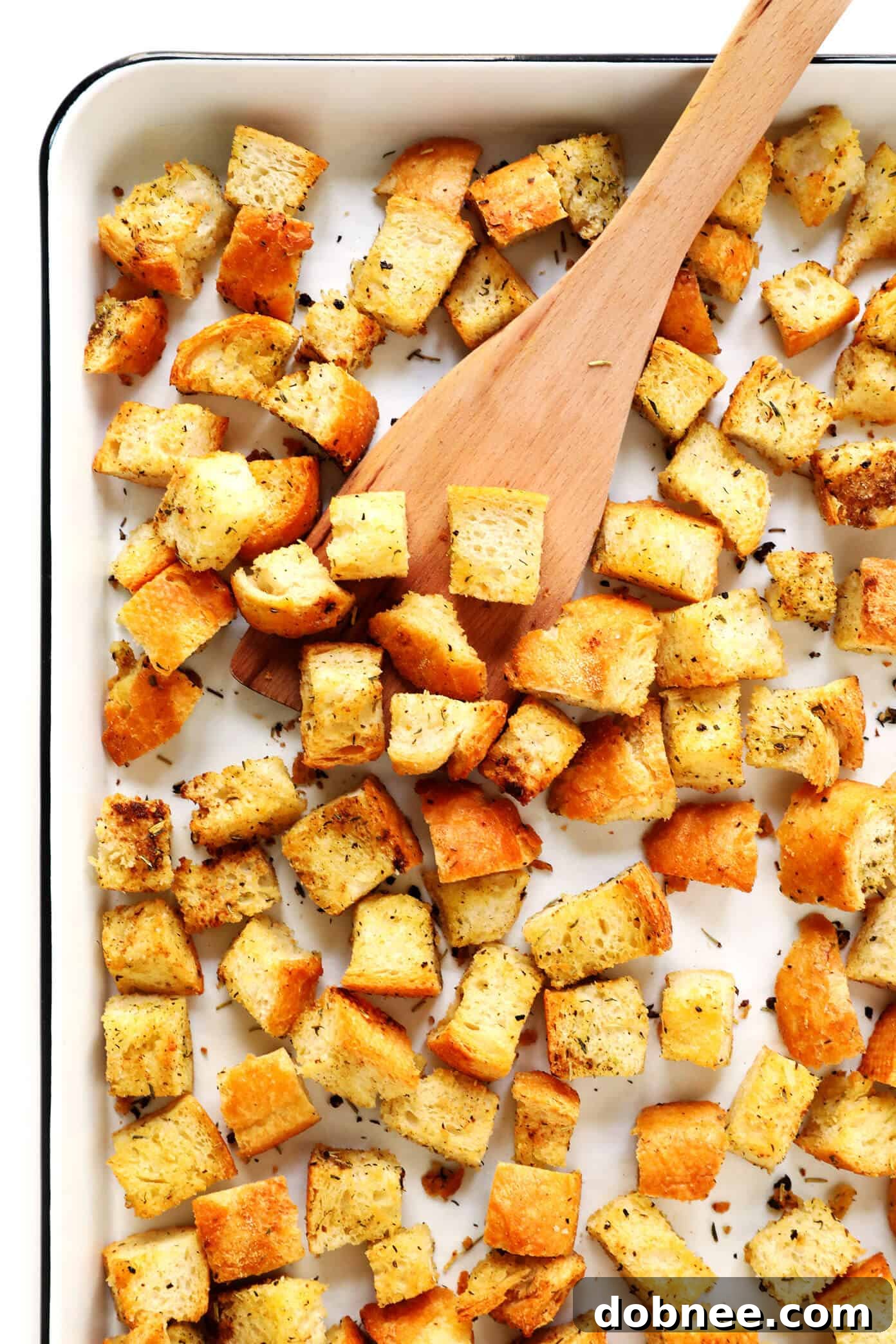
Mastering the Art of Homemade Croutons: Your Ultimate Guide
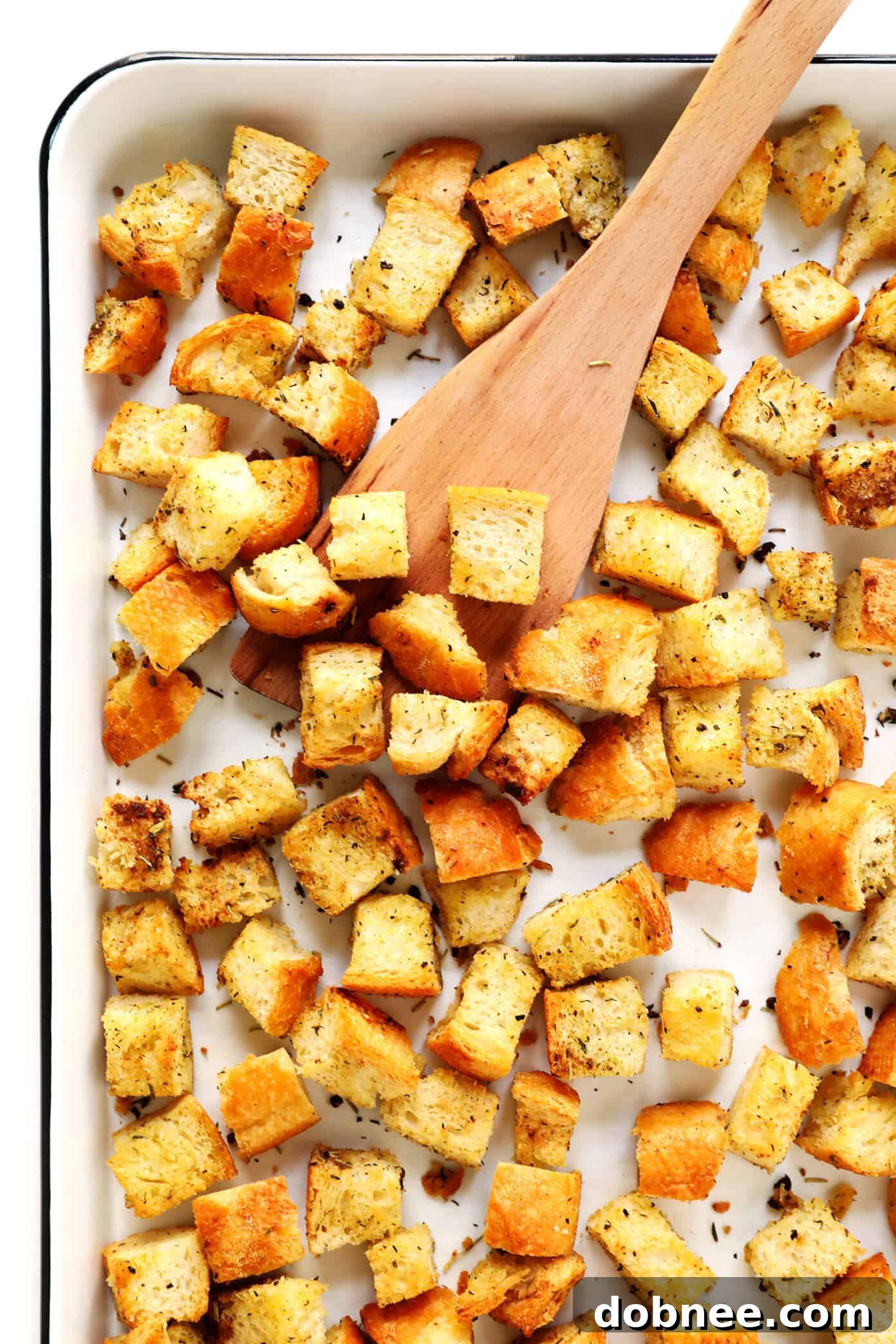
Do you often find yourself with leftover bread, perhaps a stale loaf or a baguette that’s seen better days? Before you toss it, consider this: you’re holding the secret to creating the most delectable homemade croutons. Forget those store-bought, often bland and overly processed versions. Crafting your own croutons from scratch is an incredibly simple, rewarding, and deeply satisfying culinary endeavor.
Homemade croutons are not just superior in taste and texture; they offer a canvas for endless customization. Whether you prefer them large and chewy or small and extra crispy, subtly seasoned or bursting with bold flavors, this easy croutons recipe allows you to tailor them to your exact preference. They are the perfect accompaniment to a crisp garden salad, a hearty bowl of soup, or even as a delightful, crunchy snack. Plus, it’s a fantastic way to minimize food waste and elevate everyday meals without much effort. Let’s transform that forgotten bread into golden, crunchy perfection!
Why Homemade Croutons Are a Game-Changer
There’s a significant difference between a bag of store-bought croutons and a batch lovingly made in your own kitchen. Once you experience the unparalleled taste and texture of homemade, you’ll never look back. Here’s why:
- Unmatched Flavor and Freshness: Store-bought croutons often carry a generic, sometimes artificial, taste due to preservatives and mass-production methods. Homemade croutons, however, are infused with the fresh flavors of real bread, high-quality olive oil, and your chosen herbs and spices, resulting in a vibrant, authentic taste that complements any dish.
- Superior Texture: Say goodbye to rock-hard, tooth-shattering croutons. When you make them yourself, you control the crispiness. You can bake them to a delightful golden crunch that still retains a slight chewiness, or turn up the crisp factor for a firmer bite, all without the dryness often found in commercial varieties.
- Complete Customization: This is where homemade truly shines. From the type of bread you use to the blend of seasonings, every aspect is under your command. Craving garlic and Parmesan? Done. A hint of spicy paprika? Easy. Mediterranean herbs? Absolutely. The possibilities are limitless, allowing you to perfectly match your croutons to your meal.
- Economical and Waste-Reducing: Leftover bread, especially day-old or slightly stale loaves, is ideal for croutons. Instead of letting it go to waste, you can transform it into a gourmet topping, saving money and contributing to a more sustainable kitchen. It’s a brilliant hack for using up bread that might otherwise be discarded.
- Healthier Control: When you bake your own croutons, you dictate the quality of ingredients. You can choose healthier oils, control the amount of salt, and avoid artificial flavors, colors, or preservatives often found in packaged foods. This gives you peace of mind and a healthier snack or meal topping.
Embracing homemade croutons is more than just cooking; it’s about embracing quality, creativity, and conscious consumption in your kitchen.
Homemade Croutons Ingredients: Simple, Yet Flavorful
One of the beauties of making croutons at home is the simplicity of the ingredient list. You only need a few pantry staples, and the rest is up to your imagination. Here are the core components:
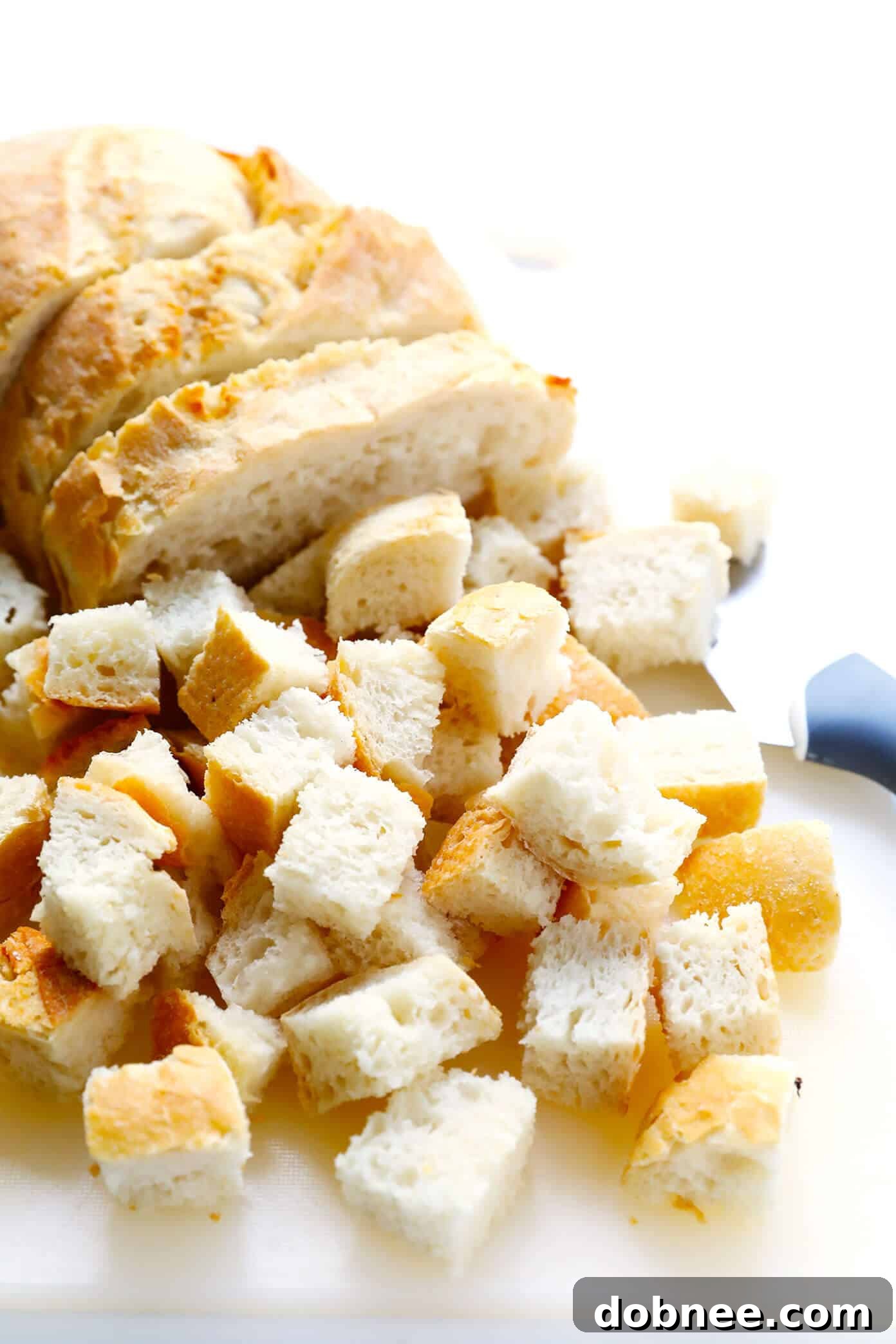
- Bread: The foundation of your croutons. While any bread can work, day-old or slightly stale bread is actually preferred. Its drier texture absorbs the oil and seasonings better, leading to a crispier finish.
- Best Choices: Sourdough, baguette, ciabatta, country-style loaves, challah, or even hearty sandwich bread.
- Experiment: Don’t shy away from whole wheat, rye, or even gluten-free bread options. Each will lend a unique flavor and texture profile to your croutons. The key is uniform sizing for even cooking.
- Olive Oil: This provides the rich flavor and helps achieve that irresistible golden crispness.
- High-Quality Extra Virgin Olive Oil: Recommended for the best flavor, especially since it’s a prominent ingredient.
- Alternatives: Melted butter (for a richer, classic taste), avocado oil, or even a neutral vegetable oil can be used. Consider flavored oils like garlic-infused olive oil for an extra layer of taste.
- Seasonings: This is where you can truly make the croutons your own. A basic trio of garlic powder, salt, and black pepper is a fantastic starting point, but feel free to explore!
- Essential Trio: Garlic powder, sea salt, and freshly ground black pepper are non-negotiable for a savory base.
- Herbaceous Blends: Italian seasoning, Herbes de Provence, dried oregano, thyme, rosemary, or a sprinkle of fresh chopped parsley.
- Spicy Kick: A pinch of red pepper flakes, cayenne pepper, or a dash of paprika can add warmth.
- Cheesy Goodness: Grated Parmesan cheese (add towards the end of baking to prevent burning), nutritional yeast for a dairy-free cheesy flavor.
- Smoky Undertones: Smoked paprika or a hint of cumin for depth.
- Onion Power: Onion powder complements garlic beautifully.
The beauty of this simple list is its flexibility. Feel empowered to mix and match seasonings based on what you’re serving the croutons with, or simply what you’re craving!
Crafting Perfect Croutons: A Step-by-Step Guide
Making homemade croutons is incredibly straightforward. Follow these simple steps to achieve golden, crispy perfection every time:
- Prepare Your Workspace and Preheat Oven: Begin by preheating your oven to 375°F (190°C). This ensures the oven is at the correct temperature for even cooking once your croutons are ready. Line a large baking sheet with parchment paper. Parchment paper prevents sticking and makes cleanup a breeze, ensuring your croutons don’t bake directly onto a potentially sticky surface.
- Dice Your Bread Uniformly: The secret to evenly cooked croutons lies in consistent sizing. Use a sharp serrated knife to cut your bread into cubes of your desired size, typically ¾-inch to 1-inch. You can also tear the bread into rustic chunks by hand for a more artisanal look. Regardless of the method, aim for pieces that are roughly the same size so they crisp up simultaneously. If some pieces are significantly smaller or larger, they will cook unevenly, leading to burnt small pieces or soft large ones.
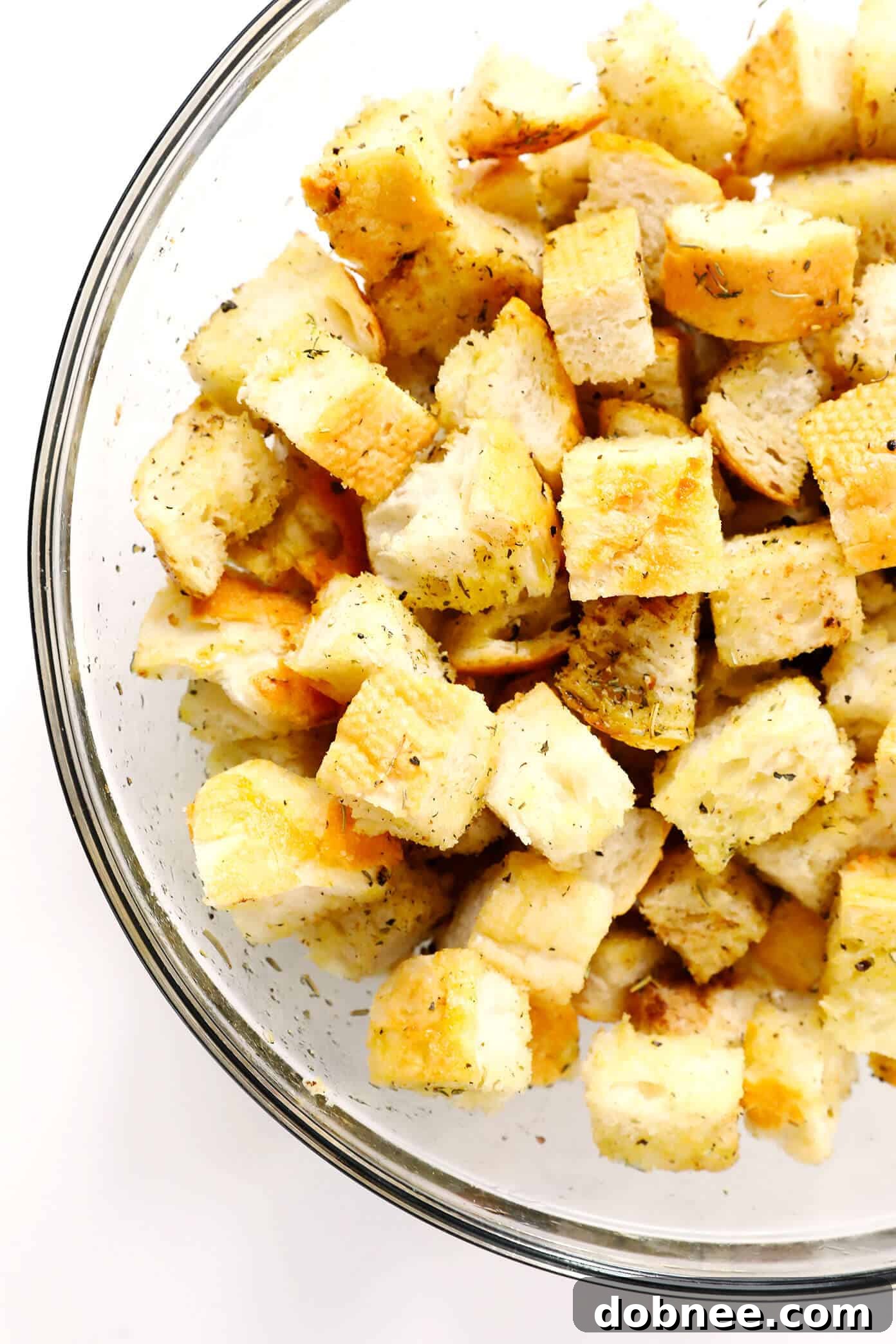
- Season and Coat with Oil: Transfer your diced bread into a large mixing bowl. Drizzle the olive oil generously and evenly over the bread cubes. Then, sprinkle your chosen seasonings – garlic powder, salt, pepper, and any other herbs or spices – over the oiled bread. Use your hands or a large spatula to gently toss the bread until every single cube is lightly coated with both oil and seasonings. This thorough coating is crucial for developing that desirable crispy texture and rich flavor. Don’t be afraid to get your hands in there for the best distribution.
- Spread Onto a Baking Sheet: Turn the seasoned bread cubes out onto your prepared baking sheet. Spread them out into a single layer, ensuring that the croutons are not overcrowded. Overcrowding can lead to steaming instead of toasting, preventing them from becoming truly crispy. If you have too many bread cubes for one sheet to be in a single layer, use a second baking sheet.
- Bake Until Golden and Crispy: Place the baking sheet in your preheated oven. Bake for approximately 15-20 minutes, or until the croutons are golden brown and wonderfully crispy. Midway through the baking time (around 8-10 minutes), carefully remove the sheet from the oven and use a spatula to flip the croutons. This helps ensure all sides brown evenly and develop a consistent crunch. Keep a close eye on them, especially during the last few minutes, as they can go from perfectly golden to burnt very quickly. If they start browning too fast but aren’t crispy enough, you can slightly lower the oven temperature and continue baking for a few more minutes.
- Cool Completely and Store: Once the croutons have reached your desired level of crispiness and color, remove them from the oven. Allow them to cool completely on the baking sheet before serving or storing. Cooling is a vital step as it allows the croutons to fully crisp up and firm. Once cooled to room temperature, they are ready to be enjoyed! Store any leftover croutons in an airtight container at room temperature for up to 1-2 weeks. For longer storage, you can even freeze them.
With these steps, you’re well on your way to a continuous supply of the most delicious homemade croutons!
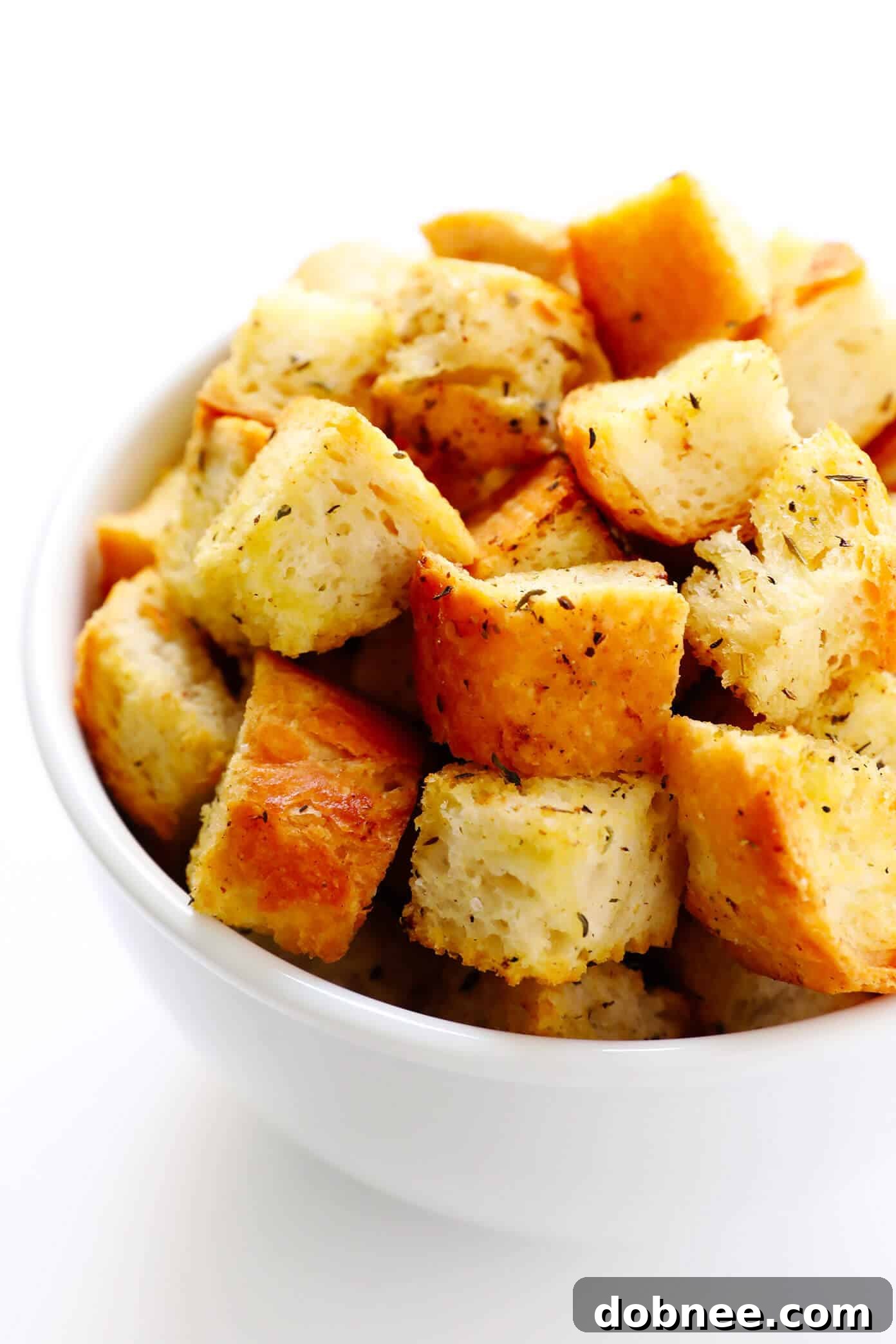
Creative Ways to Enjoy Your Homemade Croutons
Once you’ve mastered the art of making homemade croutons, you’ll find countless ways to incorporate them into your meals. Their versatile crunch and savory flavor can elevate a wide array of dishes. Here are some of our favorite creative applications:
- Elevate Your Salads: This is arguably the most classic use. Homemade croutons are essential for a truly exceptional Caesar salad, adding both texture and a burst of flavor. They also enhance simple garden salads, Cobb salads, or any fresh green salad, turning an ordinary dish into something special.
- Perfect Soup Companions: A bowl of soup, whether creamy or broth-based, is incomplete without a handful of crispy croutons. They’re particularly delightful with hot tomato soup, creamy mushroom soup, French onion soup, or a chilled gazpacho. The croutons slowly soften as they absorb the soup’s liquid, creating a delightful textural contrast.
- Casseroles and Stuffings: Give your baked dishes an extra layer of flavor and crunch. Sprinkle crushed or whole croutons over casseroles like macaroni and cheese, green bean casserole, or savory bread puddings before baking for a golden, crispy topping. They can also be incorporated into homemade stuffings during the holidays, adding richness and depth.
- Savory Snacks: Don’t underestimate the power of plain (or extra seasoned!) croutons as a standalone snack. They’re a much healthier and tastier alternative to potato chips. Keep a bowl on hand for munching, or serve them with your favorite dips like hummus or a creamy spinach dip.
- Breakfast and Brunch Boost: Add a surprising crunch to your morning meals. Sprinkle smaller crouton pieces over scrambled eggs, omelets, or even avocado toast for an unexpected textural element that takes breakfast to the next level.
- Transform into Breadcrumbs: If you find yourself with an abundance of croutons, or simply need breadcrumbs for another recipe, they can easily be transformed. Simply pulse them in a food processor until they reach your desired consistency – from coarse to fine – or place them in a bag and crush with a rolling pin. These homemade breadcrumbs are far more flavorful than store-bought varieties and perfect for coating chicken, binding meatballs, or topping gratins.
- Dessert Croutons (Yes, Really!): For an unconventional treat, toss bread cubes with melted butter, cinnamon, and a touch of sugar. Bake until golden and use them to top fruit crisps, ice cream, or even a warm apple compote for a surprising sweet crunch.
With homemade croutons in your arsenal, every meal can benefit from that irresistible crunch and burst of savory flavor. Experiment with different seasonings and uses to discover your new favorite way to enjoy them!

Tips for Perfection and Delicious Variations
Achieving the perfect crouton every time is easier with a few expert tips and a willingness to experiment with flavors. Here’s how to elevate your homemade crouton game:
Tips for Perfect Croutons:
- Don’t Waste Stale Bread: As mentioned, slightly stale bread is your best friend here. The drier texture means less moisture to cook out, resulting in a quicker, crispier crouton. If your bread is very fresh, you can lightly toast the cubes in a dry pan for a few minutes before adding oil and seasonings, or let them air dry for a few hours.
- Uniformity is Key: Whether you dice with a knife or tear by hand, strive for pieces of similar size. This ensures even cooking and prevents some croutons from burning while others remain soft.
- Even Coating: Take your time to toss the bread cubes thoroughly with oil and seasonings. Every surface should have a light coating to ensure maximum crispness and flavor. Using your hands is often the most effective method for this.
- Avoid Overcrowding: Always spread your bread cubes in a single layer on the baking sheet. If they’re piled on top of each other, they will steam rather than toast, leading to soggy, chewy croutons instead of crispy ones. Use multiple baking sheets if necessary.
- Watch Closely Towards the End: Croutons can go from perfectly golden to burnt quite quickly. Keep a watchful eye on them, especially during the last 5-7 minutes of baking. Ovens vary, so your exact baking time might differ from the recipe.
- Cool Completely for Maximum Crispness: It’s tempting to dig in right away, but allowing croutons to cool completely at room temperature is crucial. As they cool, they firm up and become extra crispy.
- Storage Matters: Once cooled, store your homemade croutons in an airtight container at room temperature. This will keep them fresh and crispy for up to a week. Avoid refrigerating, as the moisture can make them soft.
Delicious Flavor Variations:
While the basic garlic and herb blend is a classic, don’t hesitate to get creative with your seasonings:
- Cheesy Garlic Croutons: Add a tablespoon or two of grated Parmesan or Pecorino Romano cheese during the last 5 minutes of baking. The cheese will melt and crisp up, adding an incredible umami boost.
- Spicy Chili-Lime Croutons: Toss with chili powder, a pinch of cayenne pepper, and a squeeze of fresh lime juice after baking for a zesty kick. Perfect for Mexican-inspired salads or chili.
- Rosemary-Thyme Croutons: Finely chop fresh rosemary and thyme leaves and toss them with the bread and oil. Fresh herbs impart a more potent and aromatic flavor than dried ones in this context.
- Smoky Paprika Croutons: Incorporate smoked paprika for a deep, earthy, and slightly smoky flavor. Excellent for topping hearty stews or roasted vegetable dishes.
- Italian Herb Blend: Beyond just Italian seasoning, add dried oregano, basil, and a touch of red pepper flakes for a robust, traditional Italian profile.
- Everything Bagel Croutons: Sprinkle with “everything bagel” seasoning mix for a savory, oniony, garlicky crunch with sesame seeds.
- Sweet Cinnamon Sugar Croutons: For a dessert topping, toss bread cubes with melted butter, cinnamon, and sugar. Bake until golden. These are wonderful over fruit crumbles, yogurt, or ice cream.
Experimentation is the key to discovering your favorite crouton flavors. Don’t be afraid to mix and match seasonings based on your mood or the dish you’re preparing. Enjoy the process of creating these delicious, crunchy gems!
Enjoy, everyone! We hope this comprehensive guide empowers you to make the best homemade croutons you’ve ever tasted, adding a delightful crunch and burst of flavor to all your favorite dishes.
Print Recipe
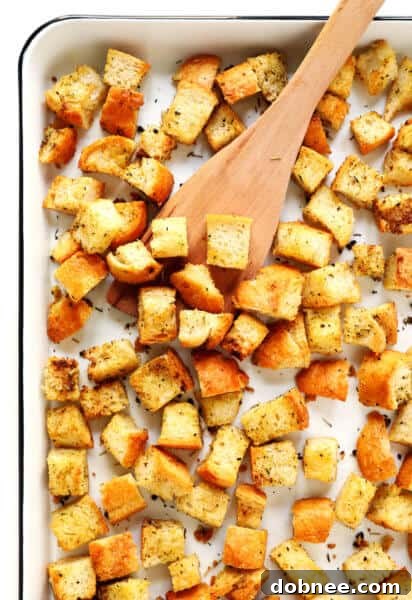
How To Make Homemade Croutons
- Prep Time: 5 minutes
- Cook Time: 20 minutes
- Total Time: 25 minutes
- Yield: 4 –6 cups
Description
Learn how to make homemade croutons from scratch with this simple, customizable croutons recipe.
Ingredients
- 1 loaf of bread (about 12 ounces), cut into 3/4-inch cubes
- 1/4 cup olive oil
- 2 teaspoons Italian seasoning, homemade or store-bought
- 1 teaspoon garlic powder
- 3/4 teaspoon fine sea salt
- 1/2 teaspoon black pepper
Instructions
- Preheat oven to 375°F. Line a large baking sheet with parchment paper; set aside.
- In a large bowl, evenly drizzle the olive oil over the bread chunks. Then evenly sprinkle the Italian seasoning, garlic powder, salt and pepper over the bread. Toss gently until well-combined.
- Spread the bread cubes out in a single layer on a baking sheet.
- Bake until golden, turning once halfway through cooking in order to brown all sides of the croutons. Cooking time will depend on the thickness of the cubes, so watch to be sure that they do not burn. (Mine generally take between 15-20 minutes.)
- Remove from oven, and let cool completely. Use immediately, or store in an air-tight container for up to 1 week.
Notes
*Recipe updated in July 2018.