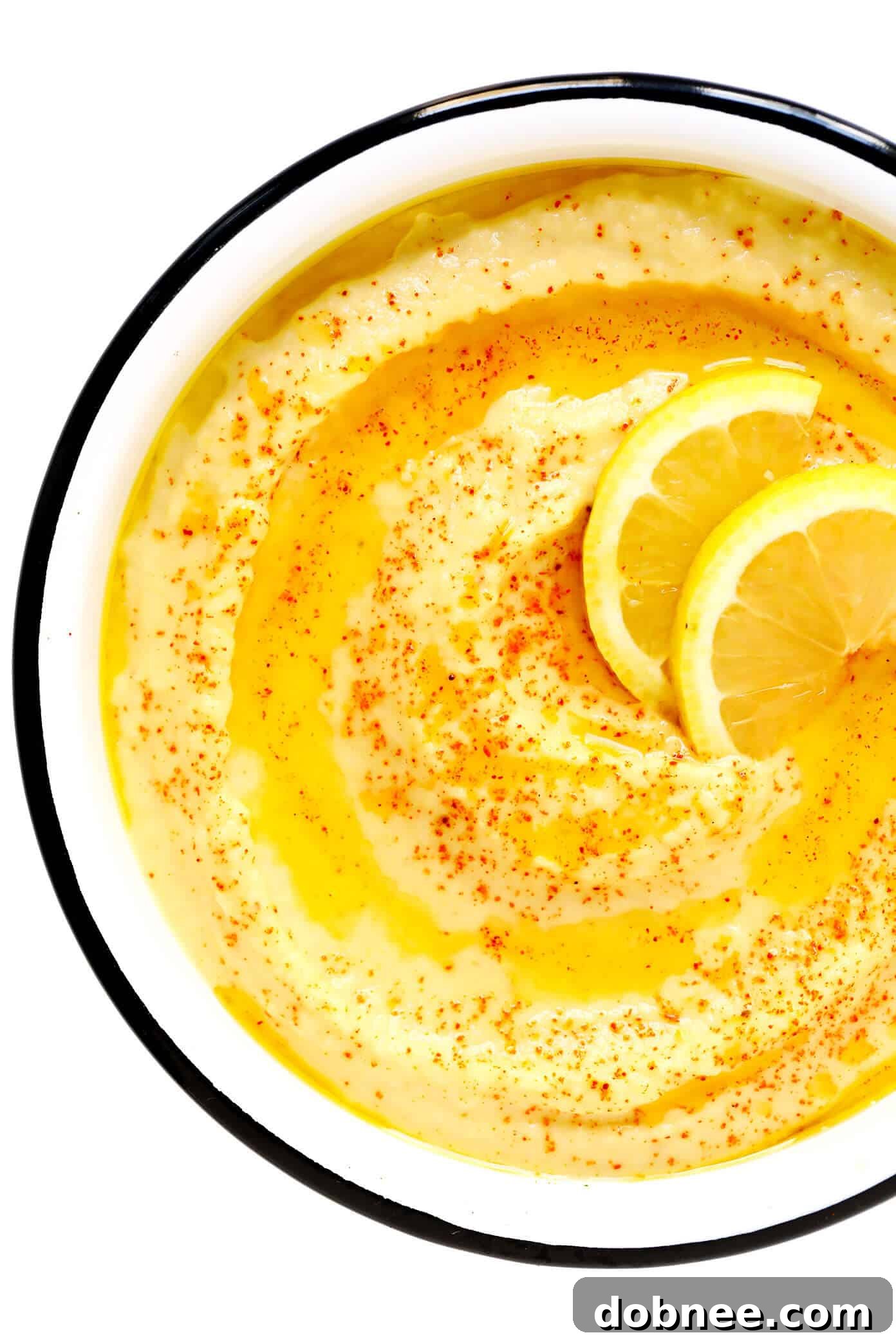
Discover the refreshing, zesty flavors of traditional Greek Fava (Yellow Split Pea Dip), a versatile and healthy dish perfect for any occasion. This simple recipe captures the essence of Mediterranean cuisine, making it an ideal appetizer or side to pair with pita bread and your favorite dippers.
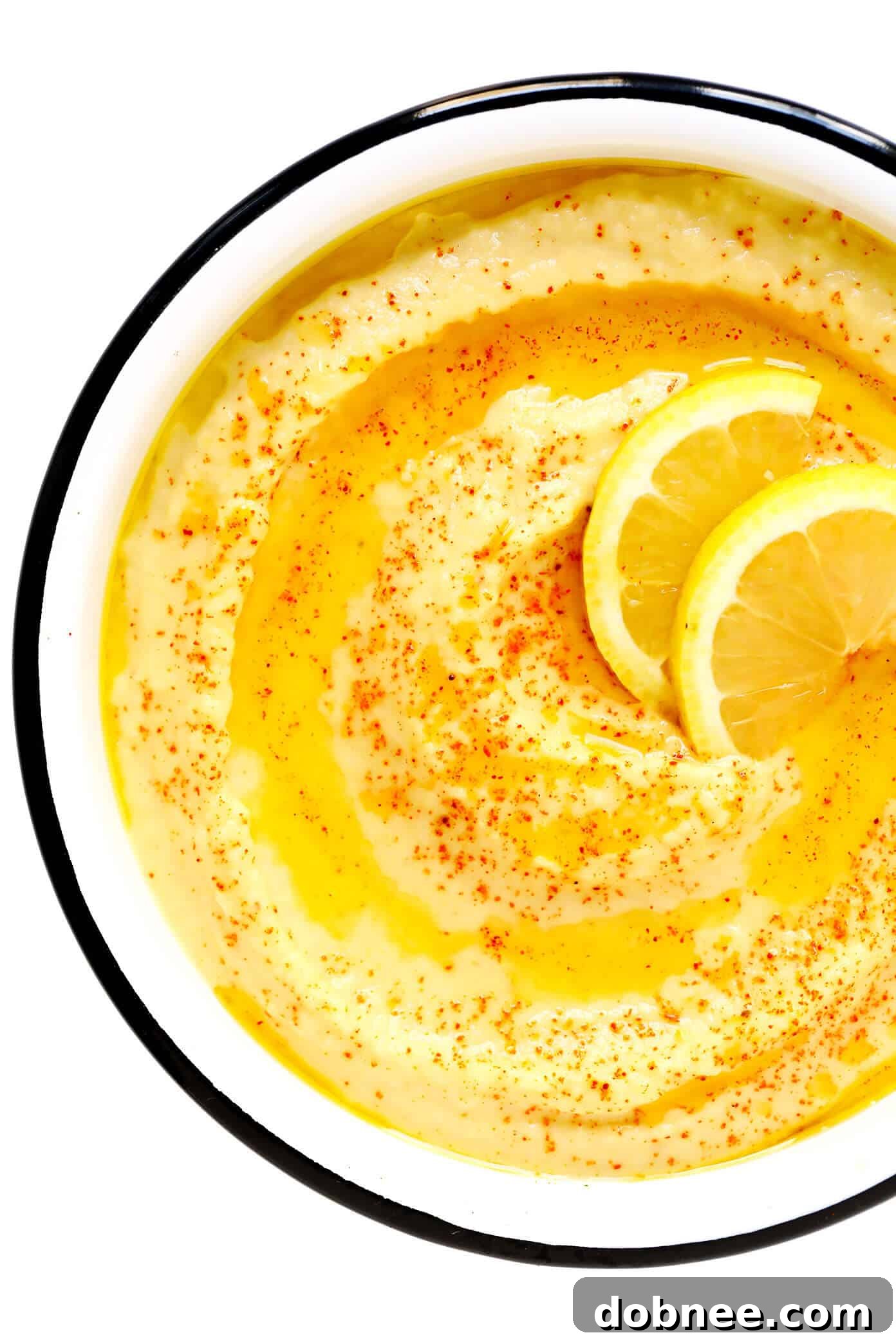
Stepping into the vibrant culinary world of Greece, one quickly falls in love with its rich tapestry of flavors, especially the beloved mezze. These small dishes, often shared amongst friends and family, form the heart of Greek dining. Among the many delights, the array of dips holds a special place, each offering a unique taste of the Mediterranean. From the creamy coolness of tzatziki to the fiery kick of tirokafteri, the smoky depth of melizanosalata (eggplant dip), the pungent allure of skordalia (garlic dip), and the universally adored hummus, Greek dips are a feast for the senses. Yet, for many, the crowning jewel of these culinary treasures is the famous Santorini specialty: Fava.
Often misunderstood due to its name, Greek fava is not, in fact, made from fava beans (also known as broad beans). The Greek word fáva (φάβα) specifically refers to yellow split peas. These particular legumes are famously cultivated on the volcanic island of Santorini, where the unique soil and climate impart a distinctive sweetness and earthy flavor. This makes them the star ingredient in this effortlessly delightful yellow split pea dip, a dish that has captivated palates worldwide.
The first encounter with authentic Greek fava often sparks a moment of revelation. Its taste profile is a remarkable blend – bright, lemony, and wonderfully earthy, reminiscent of a comforting lentil soup, yet transformed into a smooth, elegant dip. This unique combination is precisely what makes fava so appealing. Traditionally, fava is prepared by simmering yellow split peas with simple aromatics like onion and garlic, then puréeing the mixture with generous amounts of high-quality olive oil and fresh lemon juice. The result is a dip that is not only light and irresistibly flavorful but also naturally gluten-free and vegan, making it a perfect choice for various dietary preferences. Its simplicity in preparation belies its profound depth of flavor, making it a favorite for home cooks and seasoned chefs alike.
For fellow dip enthusiasts and lovers of wholesome, flavorful dishes, delving into the creation of Greek fava is an absolute must. It’s an opportunity to bring a piece of Santorini’s culinary heritage into your own kitchen, offering a refreshing alternative to more common dips and spreads. Its robust yet delicate profile makes it incredibly versatile, ready to elevate any meal or gathering.
Crafting Authentic Greek Fava: Essential Ingredients
Recreating the magic of Greek fava at home begins with selecting the right ingredients. While some traditionalists advocate for the most minimalist approach—just yellow split peas, onion, and olive oil—exploring a few complementary additions can truly elevate the dip’s complexity and aroma. After delving into various Greek cookbooks and experimenting with different flavor combinations, these carefully selected ingredients consistently yield a harmonious and deeply satisfying fava dip:
- Premium Olive Oil: The cornerstone of Mediterranean cuisine, olive oil plays a crucial role. It’s used for sautéing the aromatics, stirred into the puréed dip to achieve an incredibly silky texture and rich mouthfeel, and finally, drizzled generously on top for presentation and an extra layer of flavor. Opt for a good quality extra virgin olive oil for the best results.
- Red Onion: While yellow onion can be used, red onion is frequently preferred in traditional fava recipes. Its subtle sweetness beautifully complements the earthiness of the split peas, adding a nuanced depth to the dip. Thinly sliced red onion also makes for a visually appealing garnish.
- Fresh Garlic: An indispensable aromatic, garlic infuses the dip with its distinctive pungent and savory notes. Adjust the quantity to your personal preference; a little more can intensify the flavor profile beautifully.
- Yellow Split Peas: The undisputed star of this dish. Traditionally simmered in water, yellow split peas transform into a creamy base. For an added layer of savoriness, you might consider using vegetable stock instead of water, though this is a non-traditional twist. Ensuring your split peas are well-rinsed before cooking is key.
- Thoughtful Seasonings: A simple yet effective blend often includes a bay leaf for a delicate herbal backdrop, ground cumin for warmth and earthy notes, and fine sea salt to enhance all the flavors. For a smoky touch, a sprinkle of smoked paprika on top after serving is highly recommended. Other popular herbs that work wonderfully include dried oregano, thyme, or rosemary, offering delightful variations to the classic profile.
- Bright Lemon Juice: Freshly squeezed lemon juice is vital. It introduces a refreshing zest and acidity that cuts through the richness of the olive oil and balances the earthy flavors of the split peas, making the dip wonderfully vibrant. Start with the suggested amount and add more to achieve your desired level of lemony brightness.
- Creative Topping Ideas: Beyond the essential drizzle of olive oil and a dash of smoked paprika or dried oregano, consider garnishing your fava with thinly sliced or minced red onion, briny Kalamata olives, or tangy capers. These additions not only enhance the visual appeal but also contribute contrasting textures and flavors.
A Step-by-Step Guide to Preparing Creamy Greek Fava Dip
Creating this delicious Greek Fava dip is a straightforward process that yields incredibly rewarding results. Follow these steps to achieve a perfectly smooth, flavorful, and authentic dip:
- Sauté the Aromatics: Begin by heating 1 tablespoon of olive oil in a large saucepan over medium-high heat. Add the diced red onion and sauté gently for about 5 minutes, stirring occasionally, until it begins to soften and become translucent. Next, add the minced garlic to the pan and continue to sauté for another 1-2 minutes, stirring frequently, until the garlic becomes fragrant and lightly golden. Be careful not to burn the garlic, as this can impart a bitter taste to your dip.
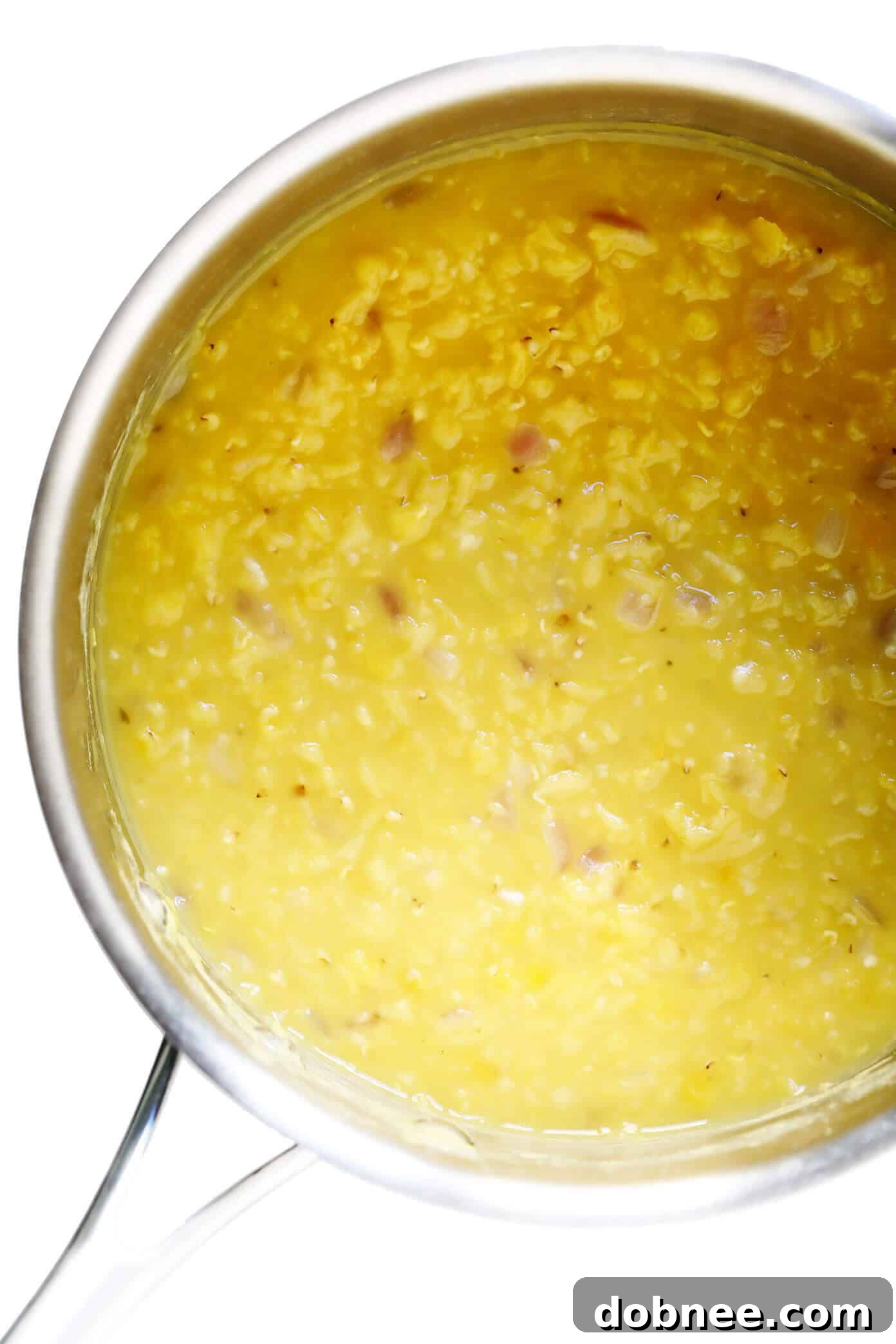
- Simmer to Perfection: Pour the water into the saucepan, then add the rinsed and drained yellow split peas, a bay leaf, fine sea salt, and ground cumin. Stir all the ingredients together thoroughly to combine. Bring the mixture to a gentle simmer over medium-high heat. Once simmering, reduce the heat to medium-low, cover the saucepan (or partially cover to allow some steam to escape), and let it cook for 20-25 minutes. Continue simmering until the yellow split peas are completely tender and easily mashable. They should have absorbed most of the liquid and become very soft.
- Achieve a Silky Purée: Carefully remove the bay leaf from the cooked split pea mixture; its purpose is purely for flavoring during the simmer. For the smoothest consistency, use an immersion blender directly in the saucepan to purée the mixture until it is completely smooth and creamy. If you don’t have an immersion blender, you can carefully transfer the fava in batches to a traditional blender or a food processor. When using a conventional blender for hot liquids, remember to vent the cap on the lid to allow steam to escape and prevent pressure buildup. Alternatively, for a more rustic texture, you can simply mash the mixture vigorously with a fork until desired smoothness is reached.
- Season and Refine: Remove the saucepan from the heat. Stir in the fresh lemon juice and the remaining 2 tablespoons of olive oil until well combined and glossy. Now is the crucial moment to taste the dip. Adjust the seasoning as needed, adding more salt or lemon juice to achieve the perfect balance of flavors. Remember that fava will thicken considerably as it cools, so don’t be alarmed if it seems a bit loose when warm.
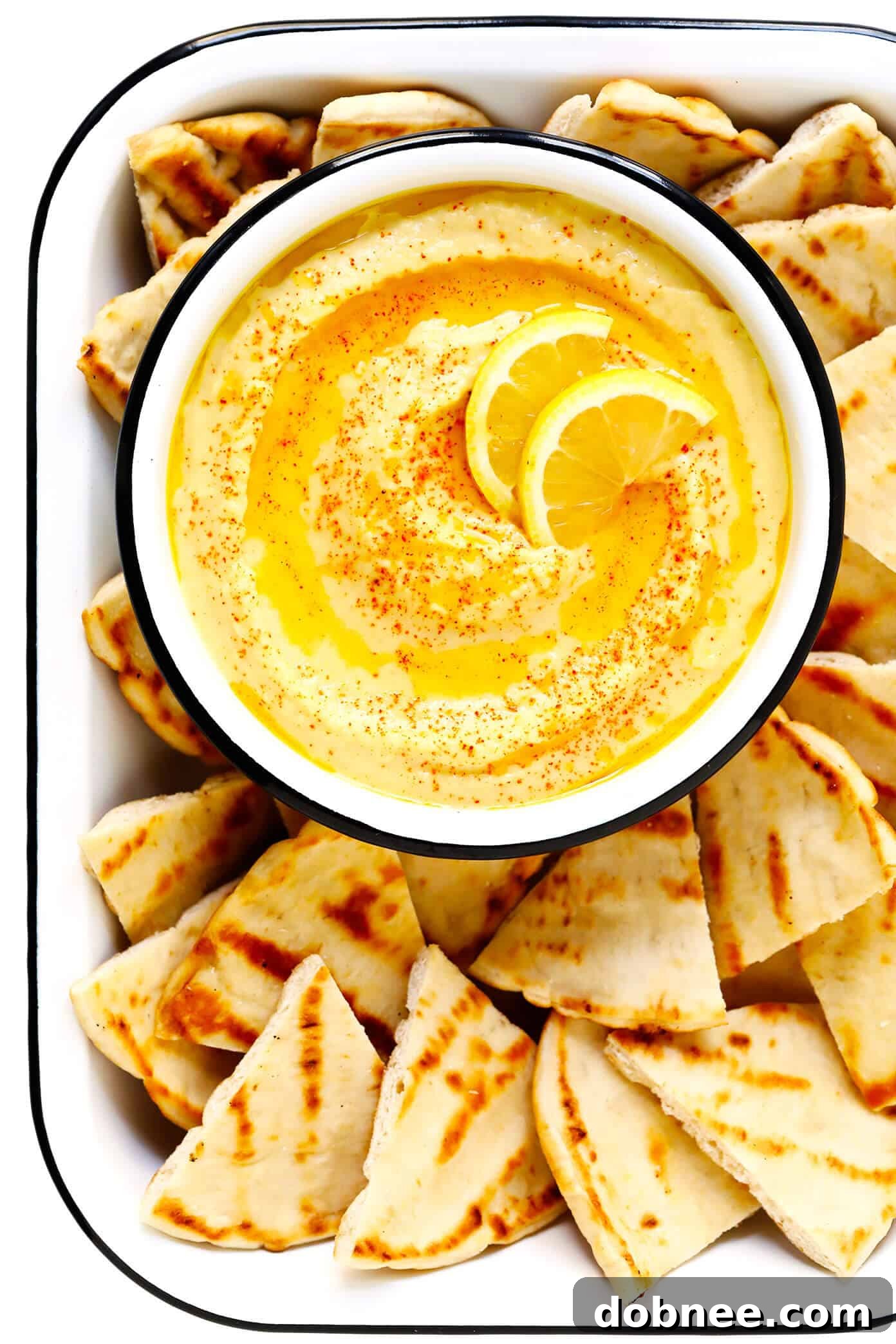
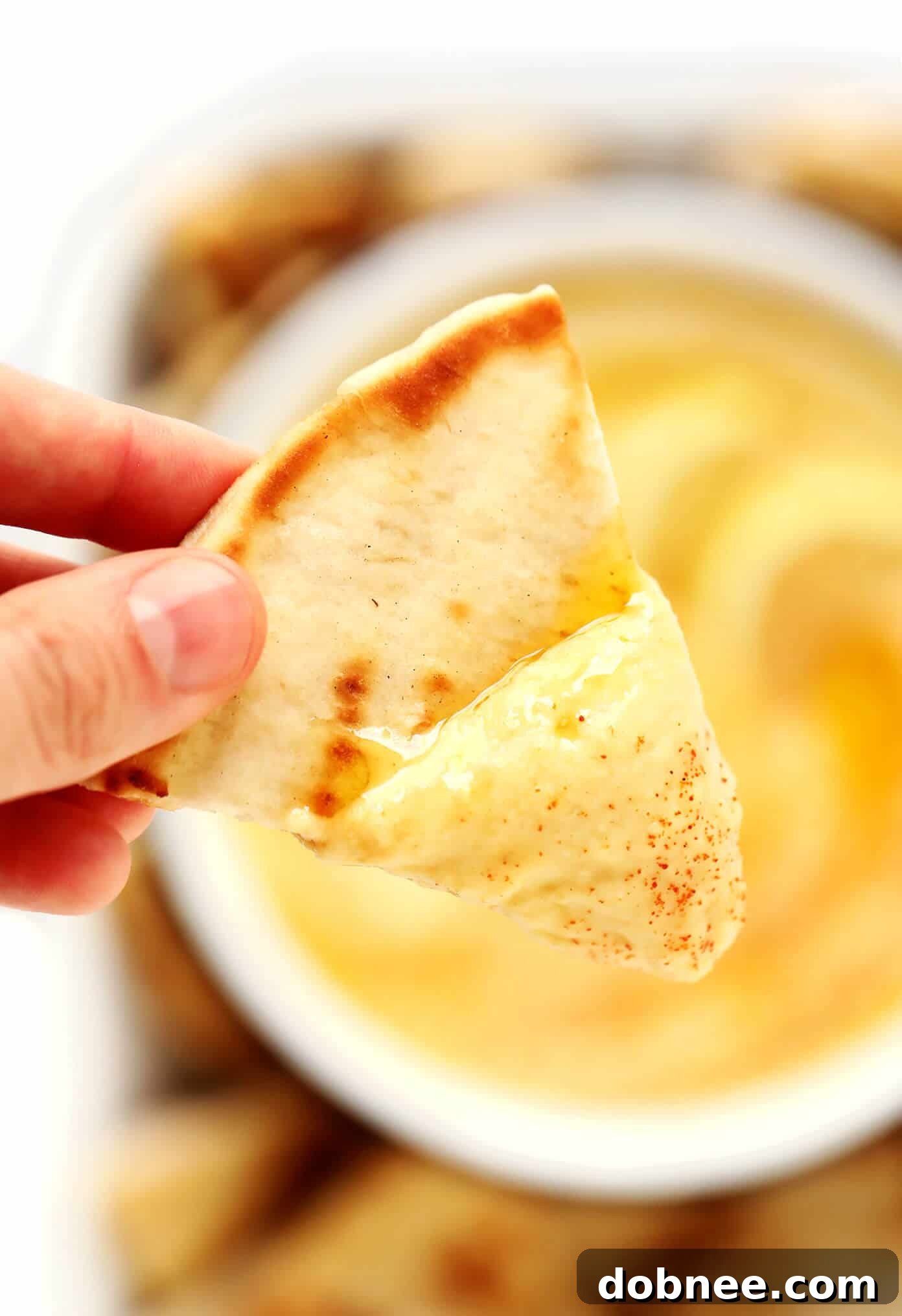
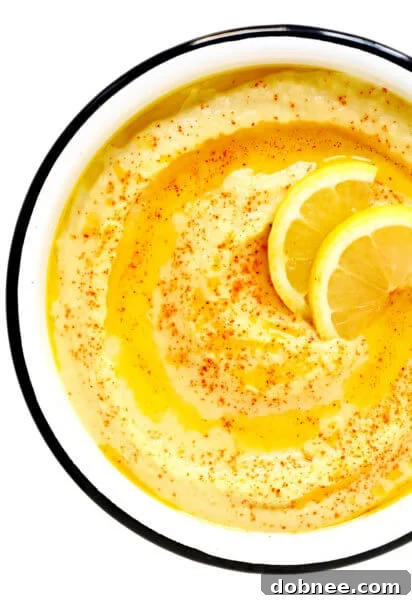
- Serve and Enjoy: Transfer the freshly prepared fava dip to a serving bowl. Garnish generously with a pinch of smoked paprika for color and a hint of smoky flavor, and add any other preferred toppings such as a final drizzle of olive oil, thinly sliced red onion, Kalamata olives, or capers. Serve immediately with warm pita bread, crusty bread, fresh vegetables, or your favorite crackers. Leftovers can be stored in an airtight container in the refrigerator for up to 3-4 days, and the flavors often deepen overnight.
Enhancing Your Greek Fava: Creative Variations and Expert Tips
While the classic Greek Fava recipe is delightful on its own, its versatility allows for numerous modifications to suit individual tastes and preferences. Feel free to adjust ingredient amounts or experiment with these suggestions to make the dip uniquely yours:
- Amplify the Olive Oil: For an exceptionally rich and creamy fava, consider increasing the amount of olive oil. Traditional Greek fava sometimes incorporates two or even three times the amount of olive oil found in this recipe, resulting in a luxurious texture and intensified flavor. This addition contributes significantly to the dip’s characteristic smoothness and satiety.
- Explore Herb and Spice Combinations: While the cumin and smoked paprika blend offers a wonderful warmth, the world of Greek herbs is vast and inviting. Many regions in Greece favor other aromatic profiles. Experiment by adding dried oregano (perhaps in place of cumin), fresh thyme, or a hint of rosemary during the simmering stage. A sprinkle of fresh parsley or dill as a garnish can also brighten the flavors and add a refreshing contrast.
- Vary the Texture: For those who prefer a less uniform consistency or want to simplify the process, puréeing by hand is a viable option. While an immersion blender or food processor will yield the smoothest, silkiest result, you can achieve a delightfully rustic texture by mashing the cooked split peas vigorously with a fork or a potato masher. The dip will still be incredibly flavorful, just with a slightly more substantial bite, offering a charming homemade feel.
- Add a Touch of Sweetness: For an extra layer of depth, some cooks like to caramelize a small portion of the red onion before adding it to the simmering split peas. This deepens the sweetness and complexity, providing a lovely counterpoint to the lemon and savory notes.
- Spicy Kick: If you enjoy a touch of heat, finely diced red chili or a pinch of red pepper flakes can be added along with the garlic during sautéing, or sprinkled on top as a garnish. This offers a pleasant contrast to the cool, creamy dip.
More Beloved Dip Recipes to Explore
If you’ve fallen in love with the vibrant flavors of Greek Fava and are seeking more irresistible dips to add to your culinary repertoire, look no further. Here are some other fantastic recipes that are sure to become new favorites:
- Classic Hummus
- Smoky Baba Ganoush
- Authentic Guacamole
- The Best Restaurant-Style Salsa
- Skinny Buffalo Chicken Dip
- Spicy Greek Feta Dip (Tirokafteri)
- Slow Cooker Spinach Artichoke Dip
Print Recipe
Greek Fava Dip
Author: Ali
Prep Time: 10 mins
Cook Time: 30 mins
Total Time: 40 mins
Yield: 4 to 6 servings
Description
This Greek Fava (Yellow Split Pea Dip) recipe is full of zesty lemony flavors and is perfect for dipping or spreading.
Ingredients
- 3 tablespoons olive oil, divided
- 1 small red onion, peeled and diced
- 3 cloves garlic, minced
- 2 1/4 cups water
- 1 cup yellow split peas, rinsed and drained
- 1 bay leaf
- 1 teaspoon fine sea salt
- 1/2 teaspoon ground cumin
- 2 tablespoons lemon juice
- topping ideas: smoked paprika, extra drizzle of olive oil, sliced (or minced) red onion, Kalamata olives, and/or capers
Instructions
- Sauté the onion and garlic. Heat 1 tablespoon olive oil in a large saucepan over medium-high heat. Add the red onion and sauté for 5 minutes, stirring occasionally. Add the garlic and sauté for 1-2 minutes, stirring frequently, until fragrant.
- Simmer. Add the water, yellow split peas, bay leaf, salt, cumin and stir to combine. Continue cooking until the mixture reaches a simmer. Then reduce the heat to medium-low and simmer for 20-25 minutes, until the yellow split peas have completely softened.
- Purée. Discard the bay leaf. Then, using an immersion blender, purée the mixture until smooth.
- Season. Remove saucepan from heat. Stir in the lemon juice and remaining 2 tablespoons olive oil until combined. Then taste the dip, and season with extra salt and/or lemon juice if needed. The fava will thicken considerably as it cools.
- Serve. Garnish with a pinch of smoked paprika and any other preferred toppings, then serve and enjoy! Leftovers can be refrigerated in a sealed container for up to 3-4 days.
Notes
Yellow split peas: While standard yellow split peas work well, for an authentic taste, you might seek out fava from Santorini’s PDO (Protected Designation of Origin). These specific split peas are known for their unique flavor profile. A link to genuine Greek fava from Santorini can be found here, offering a taste of true tradition.
Alternate seasoning: To explore different aromatic profiles, try substituting the cumin with dried oregano during the simmering phase. As a fresh garnish, a sprinkle of finely chopped fresh parsley can add a beautiful color and a vibrant, herbaceous note, deviating from the smoked paprika topping.
Blending options: Achieving a perfectly smooth fava is key. An immersion blender is convenient for blending directly in the pot. Alternatively, you can carefully transfer the hot mixture in two batches to a traditional blender (remembering to vent the lid to allow steam to escape) or a food processor. For a more rustic, textured dip, simply mash the cooked split peas by hand with a sturdy fork or potato masher.