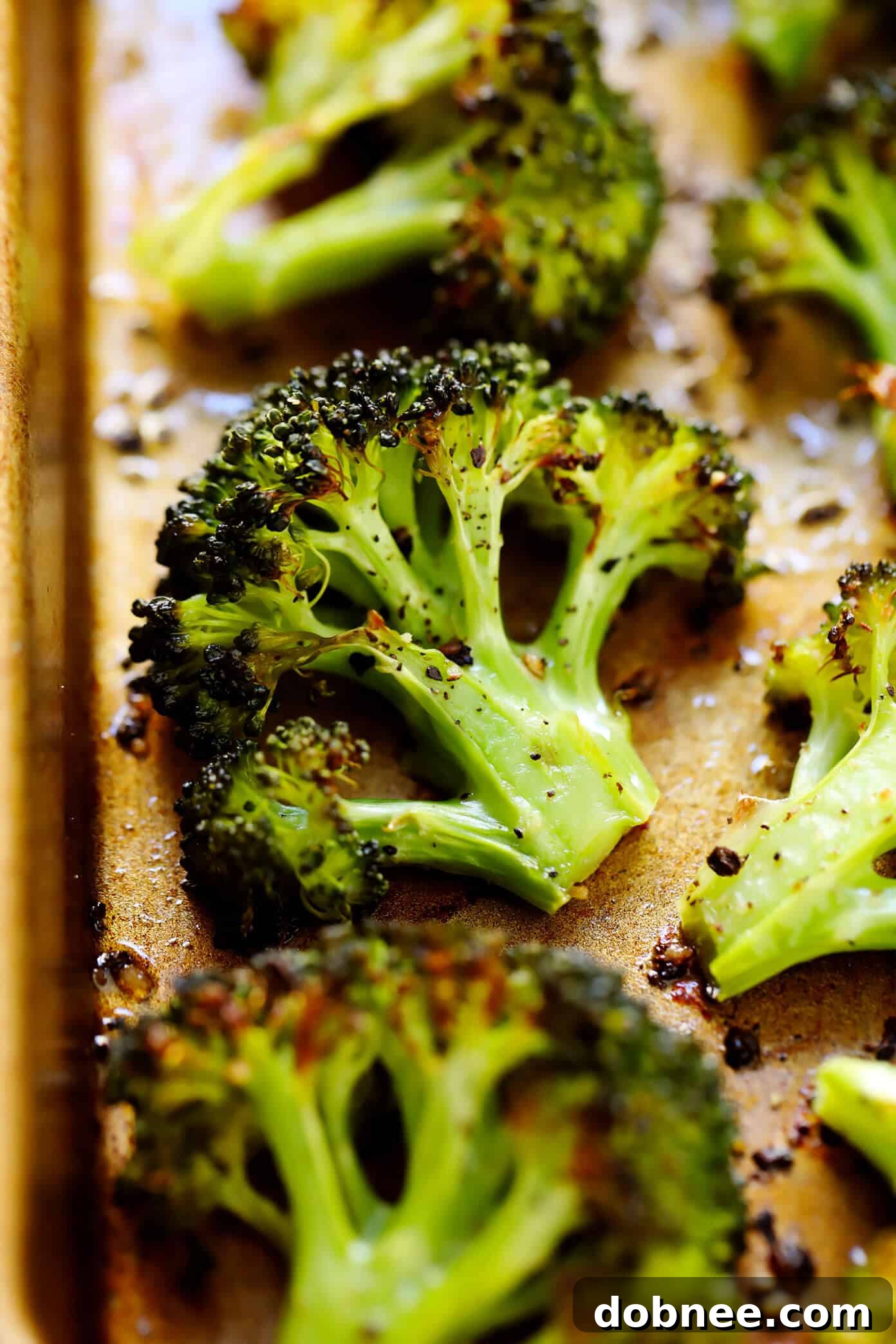
Discover the secret to perfectly roasted broccoli: crispy, tender, and incredibly flavorful. This comprehensive guide shares the best methods, simple ingredients, and creative seasoning ideas to transform your broccoli into a culinary delight.
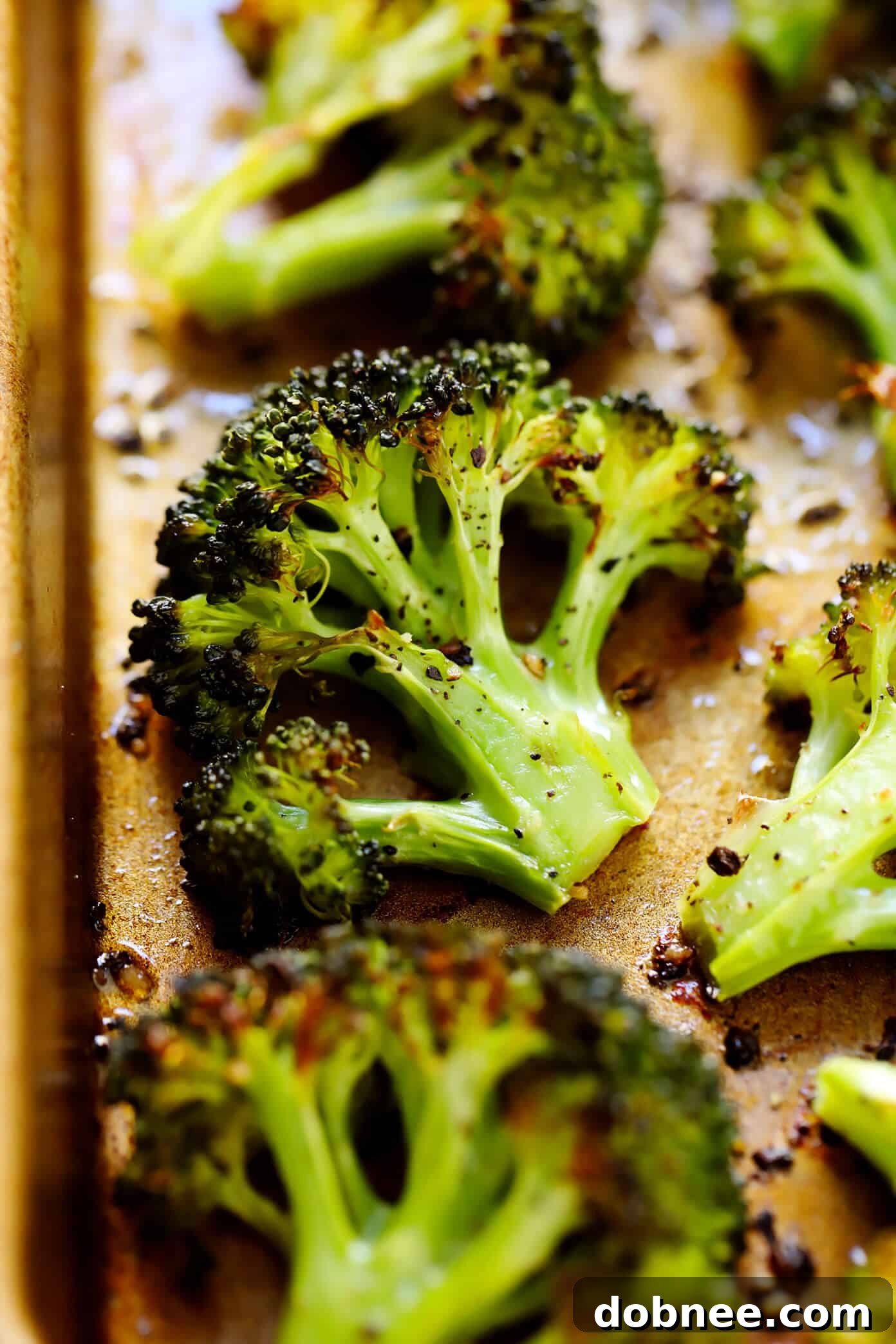
Mastering Roasted Broccoli: Your Guide to Crispy Perfection
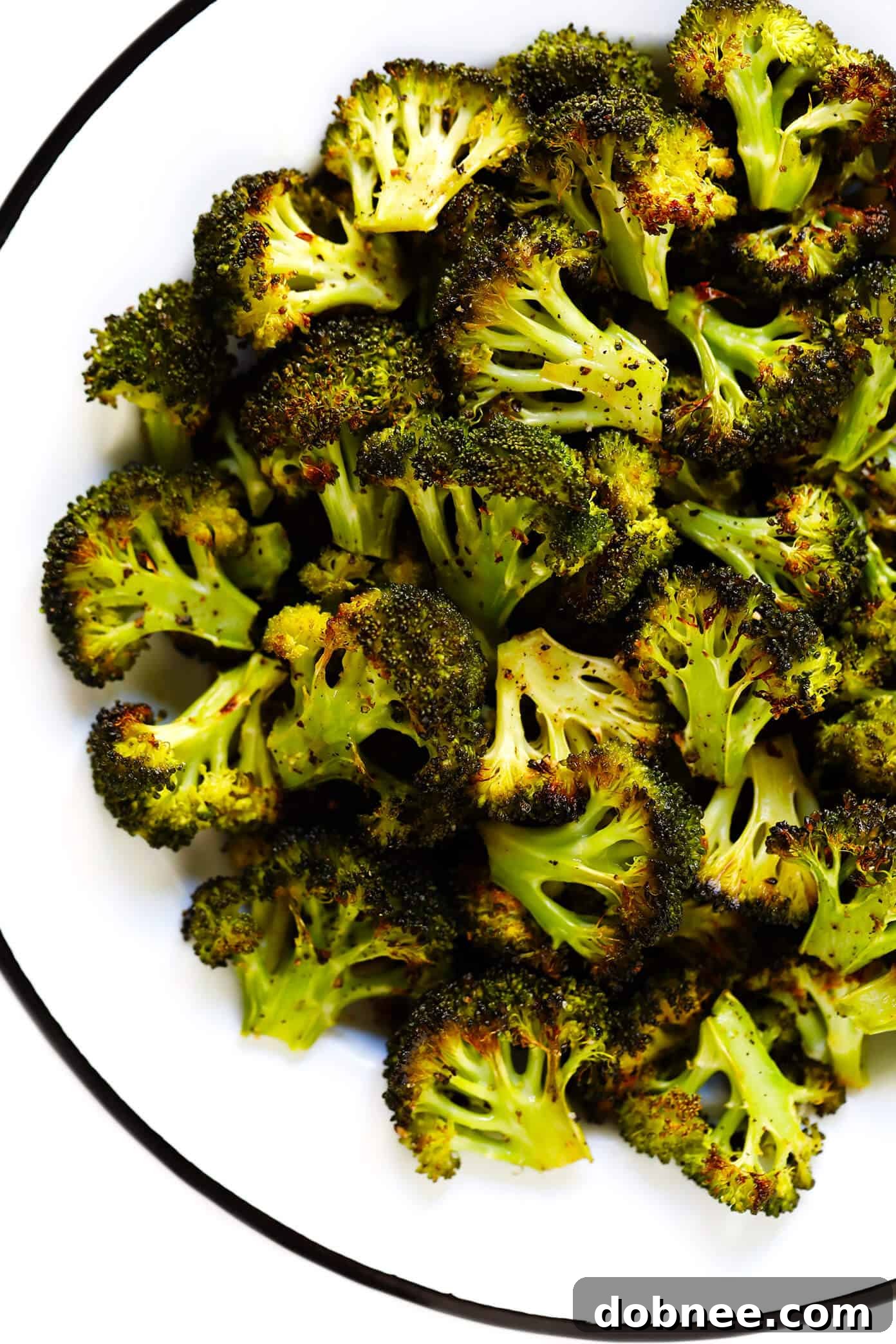
If you’ve ever thought broccoli was just “okay,” prepare to have your mind (and taste buds) completely changed. Today, we’re diving deep into my absolute favorite way to prepare this versatile vegetable: roasting it. While raw or steamed broccoli might leave some feeling indifferent, the magic that happens in a hot oven transforms humble florets into irresistible, bite-sized morsels of pure deliciousness. Imagine the delightful crunch of slightly charred edges mingling with the sweet, tender, and caramelized notes of the stems – that’s roasted broccoli at its peak.
Beyond its incredible flavor and texture, perfectly roasted broccoli is a nutritional powerhouse. Packed with fiber, essential vitamins like C and K, and vital nutrients, it’s a dish you can feel fantastic about serving frequently. Whether enjoyed as a simple, satisfying side dish or incorporated into a more complex meal, oven-roasted broccoli is not just healthy, but genuinely exciting. In our home, it’s practically a staple, disappearing from the baking sheet almost as fast as we can make it!
The best part? Achieving this culinary perfection is surprisingly simple. While our go-to method involves just olive oil, sea salt, and freshly cracked pepper – a combination that’s always a winner – the versatility of roasted broccoli truly shines with endless seasoning possibilities. We’ll explore a variety of delicious twists below, ensuring you can customize your roasted broccoli to suit any palate or meal. So, whether you’re a lifelong broccoli enthusiast or an aspiring admirer, get ready to discover why roasting is the ultimate way to enjoy this fantastic brassica. It might just become your new favorite vegetable preparation!
Why Roasted Broccoli is a Culinary Game-Changer
For many, the idea of eating broccoli might conjure images of bland, overcooked green florets. But roasting takes broccoli to an entirely new level, unlocking flavors and textures that other cooking methods simply can’t achieve. Here’s why roasted broccoli deserves a permanent spot in your culinary repertoire:
- Unrivaled Texture: High-heat roasting creates beautifully crispy, slightly charred florets while keeping the stems tender with a delightful caramelized sweetness. This contrast is key to its appeal, transforming the vegetable into something truly addictive.
- Enhanced Flavor Profile: The Maillard reaction, which occurs during high-heat roasting, transforms the natural sugars in broccoli. This process develops a deeper, nuttier, and sweeter flavor that is far more complex and appealing than that of steamed or boiled versions.
- Incredibly Easy Preparation: With minimal prep and hands-on time, roasting is one of the most straightforward ways to cook broccoli. Most of the work is done by the oven, leaving you free to focus on other aspects of your meal, making it perfect for busy weeknights.
- Nutrient Retention: While some cooking methods can diminish nutrient content, roasting with minimal water helps retain many of broccoli’s beneficial vitamins, minerals, and antioxidants, maximizing its health benefits.
- Exceptional Versatility: Roasted broccoli pairs well with virtually any main course – from delicate fish to hearty meats or vegetarian dishes. Its neutral yet delicious base can be seasoned in countless ways to match different cuisines and dietary preferences, making it an incredibly adaptable side dish.
Selecting and Preparing Your Broccoli for Roasting
The journey to perfectly roasted broccoli begins with selecting the freshest ingredients and preparing them correctly. Careful selection and proper cutting techniques are crucial for ensuring even cooking and achieving those coveted crispy edges and tender centers. Here’s what you need to know:
How to Choose the Best Broccoli:
When you’re at the grocery store or farmer’s market, look for heads of broccoli that exhibit the following characteristics:
- Vibrant Green Florets: The color should be a deep, rich green. Avoid any heads with significant yellowing, which indicates the broccoli is past its prime and may have a bitter taste or mushy texture. Brown spots are also a sign of spoilage.
- Firm Stalk: The stalk should feel firm and strong, not limp, bendy, or woody. A healthy, robust stalk is a good indicator of the overall freshness and quality of the broccoli.
- Tight Florets: The individual florets should be tightly packed together, not spread out or blooming. Florets that are starting to flower signify older broccoli and can be less flavorful.
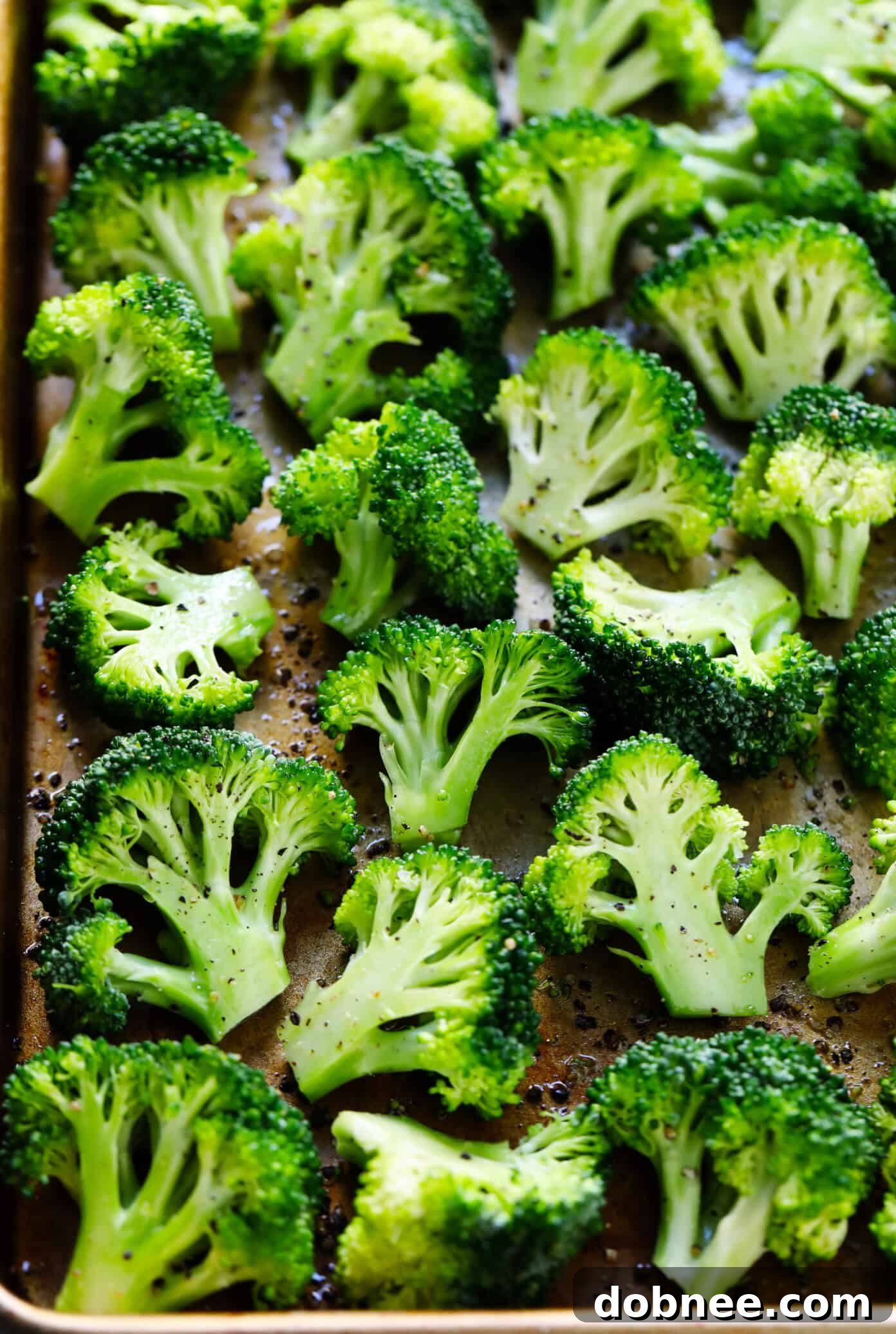
How to Cut Broccoli for Optimal Roasting:
Once you bring your fresh broccoli home, give it a thorough rinse under cool running water to remove any dirt or debris. Proper cutting is absolutely crucial for even cooking and achieving those coveted crispy edges:
- Remove the Main Stalk: Begin by cutting off the main, thick stalk close to where the florets branch out. While we won’t be using the main stalk in this particular roasting recipe, it’s a versatile part of the vegetable – excellent for soups, stir-fries, or even peeled and eaten raw! However, for roasting florets, focusing on these tender tops ensures consistent texture.
- Separate into Bite-Sized Florets: Use a sharp chef’s knife to carefully separate the larger florets into smaller, bite-sized pieces. Aim for pieces that are roughly uniform in size, ideally around 1 to 2 inches. This uniformity is paramount for ensuring all pieces cook at the same rate and reach the desired crisp-tender consistency simultaneously.
- Halve Larger Florets Lengthwise for Extra Crispiness: For an extra boost of caramelization and crispiness, I highly recommend halving any larger florets lengthwise. This strategic cut creates a flat surface that will make direct contact with the hot baking sheet. This direct contact promotes beautiful browning and a slightly richer, sweeter flavor on those edges, taking your roasted broccoli to the next level.
Essential Ingredients for Perfectly Roasted Broccoli
The beauty of this recipe lies in its elegant simplicity. You don’t need a long list of exotic or expensive ingredients to create something truly spectacular. For our basic, utterly delicious roasted broccoli, you will only need three core components that work in harmony to bring out the best in the vegetable:
- Broccoli Florets: The star of our dish. As detailed above, ensure they are fresh, vibrant, and cut into uniform, bite-sized pieces. Approximately 1 to 1.5 pounds of broccoli will generally yield 4-6 generous servings, making it perfect for family meals or meal prep.
- Olive Oil: A good quality olive oil is absolutely essential. It not only helps the broccoli crisp up beautifully but also ensures even cooking and helps seasonings adhere. I typically opt for a traditional refined olive oil for roasting vegetables, rather than extra-virgin olive oil. This is because refined olive oil has a higher smoke point, which is crucial for the high temperatures we’ll be using, preventing the oil from burning and imparting an unpleasant taste. However, feel free to use any high smoke point cooking oil you prefer and trust, such as avocado oil or grapeseed oil.
- Sea Salt and Freshly-Cracked Black Pepper: These humble yet mighty seasonings are the foundational backbone of flavor. A generous pinch of fine sea salt is vital for enhancing the broccoli’s natural sweetness and bringing all the flavors into balance. Freshly-cracked black pepper adds a pungent warmth and, for me, an irresistible textural crunch that elevates every bite, making the dish feel more gourmet.
These simple ingredients combine to create a foundational flavor that is incredibly satisfying on its own, yet perfectly sets the stage for any additional seasonings or exciting variations you might wish to explore later in the process.
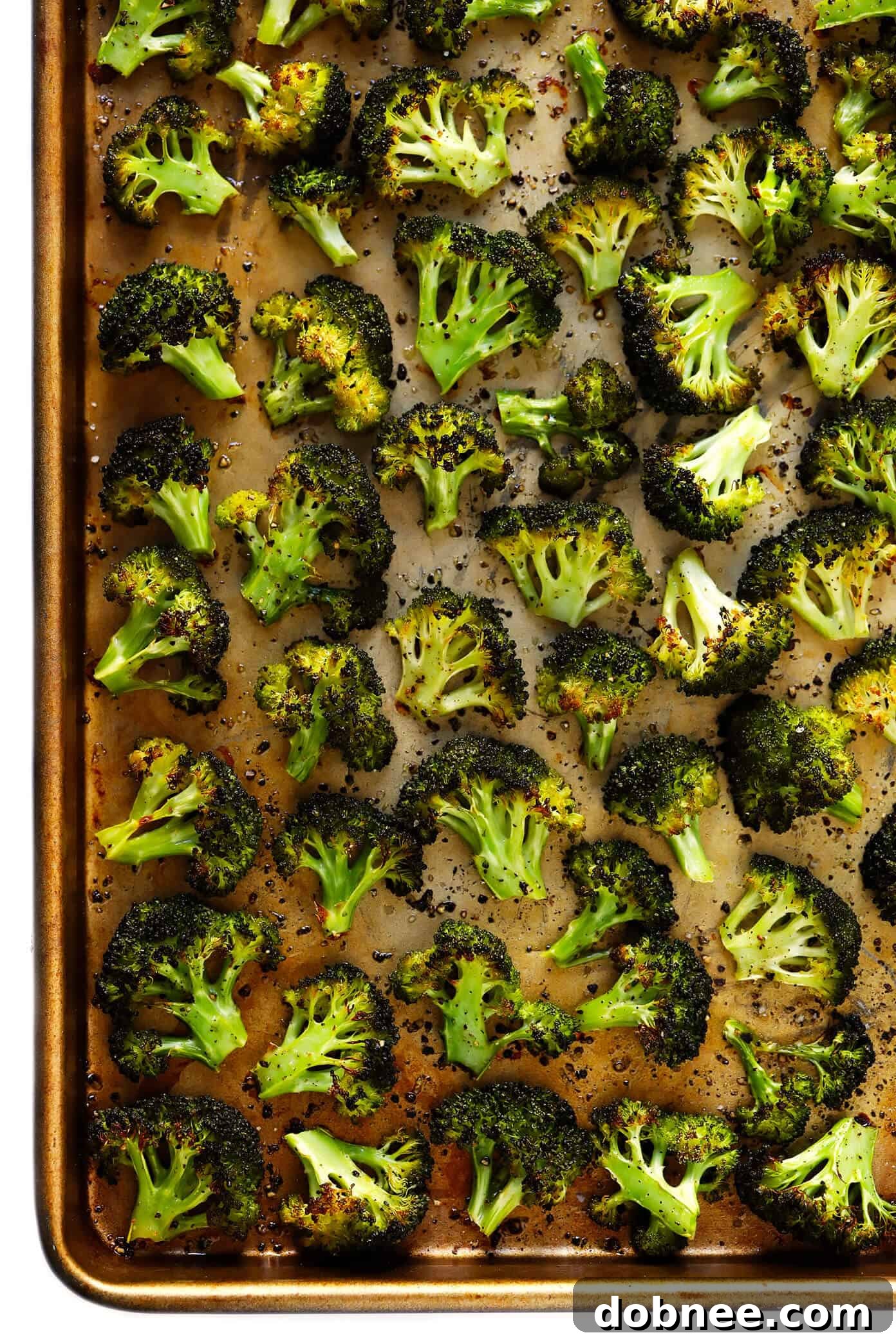
The Ultimate Method: How To Roast Broccoli to Crispy Perfection
The secret to achieving perfectly roasted broccoli – that ideal balance of beautifully crispy, caramelized edges and tender-but-not-mushy stems – lies in one crucial factor: high heat. Your oven needs to be preheated to a sizzling 450°F (230°C) for this recipe. This high temperature ensures rapid cooking, excellent browning through the Maillard reaction, and prevents the broccoli from steaming or drying out. Here’s a simple, step-by-step guide to mastering the art of oven-roasted broccoli:
- Preheat Oven & Prepare Baking Sheet: Begin by preheating your oven to a robust 450°F (230°C). As the oven heats up, prepare your baking sheet. Line a large, rimmed baking sheet with parchment paper for easy cleanup and to prevent sticking. Parchment paper is highly recommended here, but double-check its temperature rating to ensure it can withstand high heat. If your parchment paper isn’t rated for such high temperatures, you can instead lightly mist your baking sheet with a high-heat cooking spray.
- Toss with Oil and Season Generously: Spread the prepared broccoli florets evenly across the baking sheet. Drizzle them generously with your chosen olive oil. Using your clean hands or a spatula, toss the florets directly on the baking sheet until they are uniformly coated in oil. This practical step saves you from washing an extra mixing bowl! After tossing, ensure the broccoli is spread back into a single, even layer across the entire baking sheet. If you halved your florets lengthwise, arrange them cut-side down for maximum direct contact with the hot pan, promoting superior caramelization. Finally, season everything evenly and generously with a good pinch or two of fine sea salt and freshly-cracked black pepper. Don’t be shy with the seasoning; it makes all the difference in flavor.
- Roast to Perfection: Carefully slide the baking sheet into the preheated oven. Roast for approximately 15 to 20 minutes. The exact cooking time can vary slightly depending on the size of your florets and your oven’s specific calibration. It’s crucial to keep a close eye on the broccoli during the last few minutes of roasting. You’re looking for florets with deliciously slightly charred, crispy edges and tender stems that still offer a slight bite. If your florets are smaller, they will naturally cook faster, so adjust your cooking time accordingly to prevent burning and ensure optimal texture.
- Final Seasoning and Serve: Once the broccoli has reached your desired level of crispness and tenderness, carefully remove the baking sheet from the oven. Taste a floret and adjust seasonings as needed, adding more salt or pepper if desired to enhance the flavor. Serve immediately while warm to best enjoy the crispy texture and rich, roasted flavor. While roasted broccoli is best enjoyed fresh from the oven, leftovers can be stored and reheated using the tips provided below.
This method consistently delivers perfectly cooked roasted broccoli, making it an ideal healthy and incredibly delicious side dish for any meal. The high heat ensures a beautiful crispness without turning the broccoli mushy, creating an addictive texture that even the most skeptical eaters will love.
Unlock New Flavors: Creative Variations for Roasted Broccoli
While basic roasted broccoli with just salt and pepper is undeniably delicious, its true magic lies in its remarkable adaptability. This recipe serves as a perfect canvas for a wide array of flavors, allowing you to tailor it to your personal preferences or to complement any cuisine. Here are some of my favorite ways to elevate your roasted broccoli and discover exciting new taste sensations:
- Lemony Fresh: A squeeze of fresh lemon juice immediately after roasting adds a bright, zesty counterpoint to the rich, caramelized flavors of the broccoli. Lemon pairs beautifully with green vegetables, enhancing their natural freshness and making them even more vibrant and appealing.
- Cheesy Indulgence: For a savory and comforting treat, sprinkle your hot roasted broccoli with cheese. Fine grated Parmesan cheese is a classic choice, offering a salty, nutty bite that melts slightly into the florets. For something richer, try sharp cheddar, crumbled feta, or even creamy burrata added right after the broccoli comes out of the oven. Most cheeses melt best when added off-heat, using the residual warmth of the broccoli, unless you’re using a cheese specifically designed to withstand high oven temperatures without burning.
- Spicy Kick: If you love a bit of heat, crushed red pepper flakes are your best friend. Simply sprinkle your desired amount over the roasted broccoli once it’s finished cooking. For a more integrated warmth, a pinch of cayenne pepper or a dash of your favorite hot sauce can be tossed with the oil before roasting.
- “Everything Bagel” Bliss: For a trendy and incredibly flavorful twist, sprinkle your hot roasted broccoli generously with Everything Bagel Seasoning. The blend of toasted sesame seeds, poppy seeds, dried garlic, dried onion, and sea salt adds an addictive savory crunch and complex aroma that truly transforms the dish into something special.
- Italian Herb Garden: Beyond Parmesan, infuse your broccoli with an authentic Italian flair. Toss the florets with a few teaspoons of dried Italian seasoning (a fragrant blend of oregano, basil, thyme, and rosemary) along with the olive oil before roasting. For added texture and a buttery richness, sprinkle with toasted pine nuts after the broccoli has finished cooking.
- Asian-Inspired Sesame Ginger: For an umami-rich and aromatic experience, grate or mince about an inch of peeled fresh ginger and toss it with the broccoli florets and olive oil before roasting. Once cooked, drizzle with a small amount of toasted sesame oil (remember, a little goes a long way with this potent oil!) for an intense nutty aroma. For extra visual appeal and crunch, sprinkle with toasted sesame seeds just before serving.
- Garlic Lover’s Dream: For those who adore garlic, mince 2-3 cloves of fresh garlic and toss them with the broccoli and olive oil before roasting. Be mindful that garlic can burn quickly at high temperatures, so if you prefer a milder garlic flavor or are concerned about burning, add it during the last 5-7 minutes of roasting. Alternatively, sprinkle with garlic powder before roasting for a more subtle flavor.
- Smoky Paprika Punch: A teaspoon of smoked paprika tossed with the broccoli and oil before roasting imparts a beautiful smoky depth and a vibrant reddish hue. If you enjoy a touch of heat, hot paprika can be used to add a mild warmth as well.
Experiment with these suggestions or unleash your creativity to create your own unique combinations. Roasted broccoli is remarkably forgiving and shines with almost any flavor profile you introduce, making it a fun and rewarding vegetable to cook.
Serving Suggestions: Beyond a Simple Side Dish
While roasted broccoli makes an outstanding side dish on its own, its robust flavor, appealing texture, and nutritional value allow it to integrate beautifully and creatively into a wide range of meals. Don’t limit yourself to just a side; let roasted broccoli become a star ingredient! Here are some inspiring ways to serve this versatile vegetable:
- A Standalone Side: The most straightforward and often most satisfying way to enjoy roasted broccoli. It pairs effortlessly and deliciously with almost any main course, from grilled chicken breasts or baked salmon to roasted beef or a hearty lentil loaf.
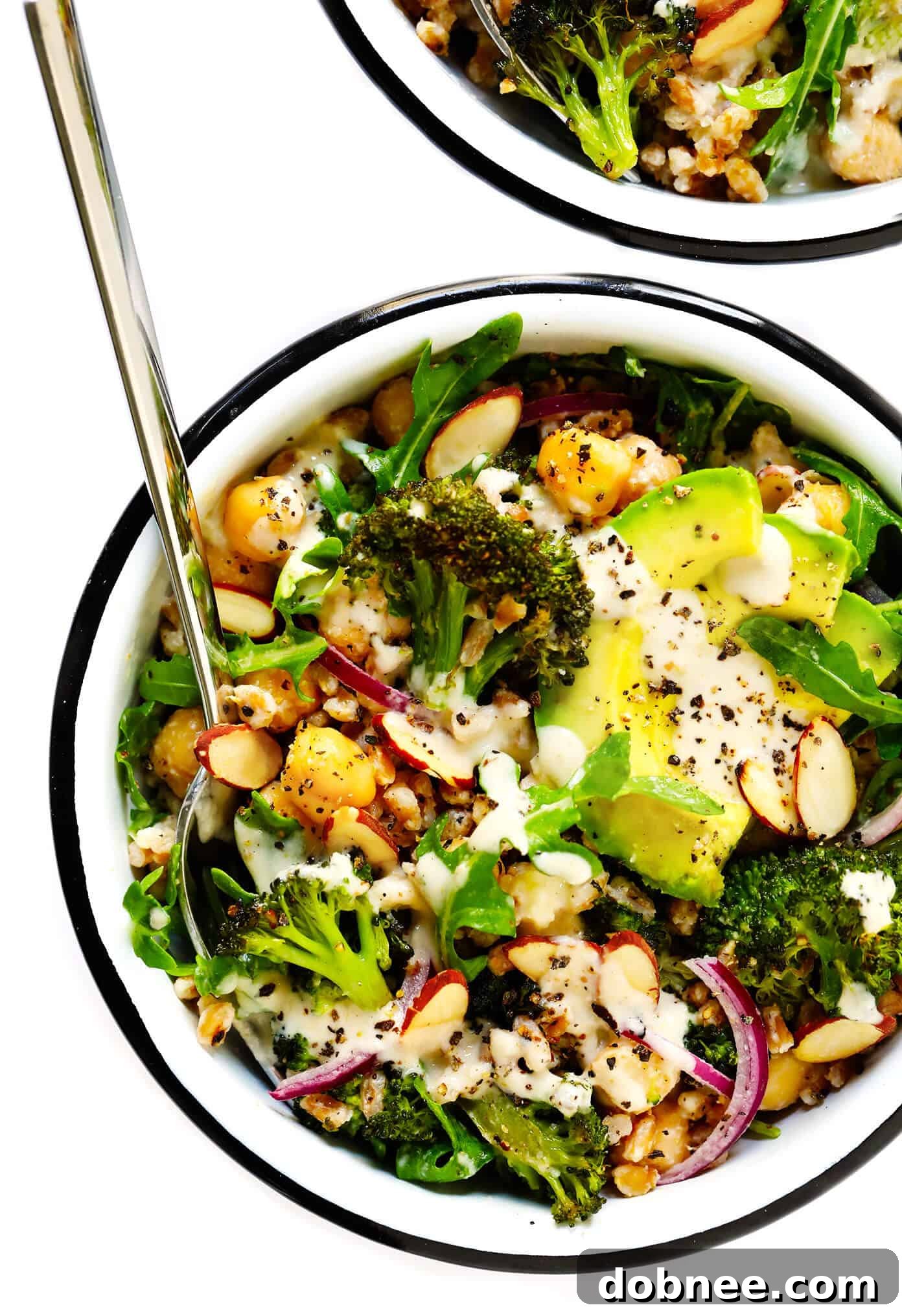
- Elevate Your Salads and Grain Bowls: Add cooled or still-warm chopped roasted broccoli to your favorite green salads, pasta salads, or vibrant grain bowls (like quinoa or farro bowls) for an extra layer of texture, flavor, and nutrition. Its hearty texture stands up well to dressings.
- Pasta Perfection: Toss roasted broccoli with your favorite pasta, a light sauce (such as olive oil and garlic, a creamy pesto, or a simple marinara), and perhaps some grated Parmesan or crumbled goat cheese for a quick, satisfying, and nutritious vegetarian meal.
- Savory Pizza Topping: Spread finely chopped roasted broccoli over homemade or store-bought pizza crusts for a flavorful and healthy alternative to traditional toppings. It pairs exceptionally well with ricotta, mozzarella, and a touch of red pepper flakes.
- Tacos and Wraps: Incorporate chopped roasted broccoli into vegetarian tacos, burritos, or wraps for a delightful crunch, earthy flavor, and added nutritional boost. It’s a great way to bulk up your plant-based meals.
- Hearty Soups and Stews: Stir roasted broccoli into creamy broccoli cheese soup, a hearty lentil stew, or a vibrant vegetable minestrone just before serving. This adds a wonderful texture and a deep, roasted flavor that elevates the entire dish.
- Breakfast & Brunch Brilliance: Incorporate finely chopped roasted broccoli into quiches, frittatas, or savory omelets for a nutritious and flavorful breakfast, brunch, or even light dinner option.
- Casserole Component: Elevate classic casseroles, such as a cheesy chicken and rice bake or a potato gratin, by folding in roasted broccoli instead of plain steamed broccoli. The roasted flavor adds depth and complexity to comforting dishes.
Nutritional Powerhouse: The Health Benefits of Broccoli
Beyond its incredible taste and culinary versatility, broccoli stands out as one of the healthiest vegetables you can incorporate into your diet. This vibrant green cruciferous vegetable is packed with an impressive array of vitamins, minerals, and beneficial compounds. Roasting not only makes it delicious but also helps preserve many of its fantastic health benefits, ensuring you get the most out of every bite:
- Rich in Essential Vitamins: Broccoli is an excellent source of Vitamin C, a powerful antioxidant vital for immune system support, collagen production, and skin health. It’s also abundant in Vitamin K, which is crucial for blood clotting and plays a significant role in maintaining strong, healthy bones. Furthermore, it provides good amounts of Vitamin A (in the form of beta-carotene, important for vision), folate (essential for cell growth and function), and several B vitamins.
- Fiber-Packed for Digestive Health: High in dietary fiber, broccoli is a champion for digestive health. Fiber aids in regular bowel movements, prevents constipation, promotes a healthy gut microbiome, and helps maintain stable blood sugar levels. Additionally, the fiber content contributes to feelings of fullness and satiety, which can be particularly beneficial for weight management.
- Potent Antioxidant Properties: This green powerhouse is loaded with a variety of antioxidants, including flavonoids and carotenoids, which combat oxidative stress in the body. These antioxidants help protect cells from damage caused by free radicals, potentially reducing the risk of chronic diseases such such as heart disease and certain cancers.
- Anti-Inflammatory Compounds: Broccoli contains unique compounds, most notably sulforaphane, which have powerful anti-inflammatory effects. Chronic inflammation is linked to numerous health issues, and incorporating foods rich in anti-inflammatory agents like broccoli can contribute significantly to overall health and wellness.
- Supports Bone Health: With its impressive content of Vitamin K, calcium, and phosphorus, broccoli is a superb vegetable for supporting strong, healthy bones and reducing the risk of osteoporosis. These nutrients work synergistically to maintain bone density and integrity.
By regularly enjoying perfectly roasted broccoli, you’re not just treating your taste buds to a delicious and satisfying dish; you’re fueling your body with a wealth of essential nutrients and protective compounds that contribute to long-term health and vitality.
Troubleshooting & FAQs for Achieving Perfect Roasted Broccoli
Even with a seemingly simple recipe, questions can arise or minor issues might occur. Here are answers to some common queries and troubleshooting tips to ensure your roasted broccoli is always a resounding success:
- Why is my roasted broccoli soggy instead of crispy?
- Insufficient Heat: The most common culprit. Ensure your oven is fully preheated to the recommended 450°F (230°C). Lower temperatures will steam the broccoli rather than roast it. An oven thermometer can help verify your oven’s true temperature.
- Overcrowding the Pan: If you pile too much broccoli onto a single baking sheet, the moisture released from the vegetables gets trapped, causing them to steam instead of roast. Use two baking sheets if necessary to ensure a single, even layer of florets with some space between them. Air circulation is key for crispiness.
- Excessive Oil: While oil is necessary for browning and flavor, too much can also hinder crisping. A light, even coating is ideal; the broccoli should be glistening, not swimming in oil.
- My broccoli is burning before it’s tender. What happened?
- Florets are Too Small: Very small florets cook much faster than larger ones. If your florets are particularly tiny, adjust your cooking time accordingly, starting to check for doneness around 10-12 minutes.
- Oven Hot Spots or Too High: Some ovens have uneven heating or might run hotter than their dial indicates. An oven thermometer can confirm the actual temperature. If you suspect hot spots, rotate the baking sheet halfway through cooking.
- Cooked Too Long: High heat cooks quickly. Always keep a close eye on the broccoli, especially towards the end of the cooking time, and remove it as soon as the edges are charred and the stems are tender.
- Can I use frozen broccoli for roasting?
While fresh broccoli yields the best results for maximum crispiness, you can certainly roast frozen broccoli. However, it tends to be softer and less crispy due to its higher water content. For the best results with frozen broccoli, spread it on the baking sheet straight from the freezer (do not thaw) and roast for a few extra minutes (20-25 minutes total). Ensure plenty of space between florets to allow the moisture to evaporate, promoting browning.
- How do I store and reheat leftover roasted broccoli?
Store leftover roasted broccoli in an airtight container in the refrigerator for up to 3-4 days. To reheat and restore some crispiness, spread it on a baking sheet and warm in a 350°F (175°C) oven for 5-10 minutes, or until heated through and re-crisped slightly. Microwaving will heat it, but it will not regain its crisp texture; it will likely become softer.

Roasted Broccoli Recipe
Rating: 5 out of 5 stars (based on 21 reviews)
- Prep Time: 5 mins
- Cook Time: 20 mins
- Total Time: 25 mins
- Yield: 4-6 servings
Description
This recipe outlines my go-to method for how to make perfectly roasted broccoli that is crispy, tender, and incredibly flavorful. Refer to the sections above for even more seasoning ideas and variations!
Ingredients
- 1 bunch of broccoli (about 1.5 pounds), with the florets cut into uniform, bite-sized pieces
- 2 tablespoons olive oil (refined or a high smoke point oil recommended)
- Sea salt, to taste
- Freshly-cracked black pepper, to taste
Instructions
- Preheat your oven to 450°F (230°C). Line a large, rimmed baking sheet with parchment paper, or mist lightly with cooking spray. Ensure your parchment paper is rated for high temperatures; if not, using cooking spray directly on the pan is a safer alternative.
- Spread the prepared broccoli florets evenly across the prepared baking sheet. Drizzle generously with olive oil and toss them directly on the pan until all florets are uniformly coated. Spread the broccoli back into a single, even layer, arranging any halved florets cut-side down for better caramelization. Season generously with sea salt and freshly-cracked black pepper.
- Roast in the preheated oven for approximately 15 to 20 minutes, or until the edges of the florets are slightly charred and crispy, and the stems are tender. Cooking time may vary based on floret size and oven calibration; monitor closely to prevent overcooking or burning.
- Remove from the oven, taste, and season with additional salt and pepper if needed. Serve immediately and enjoy your perfectly roasted broccoli!
Notes
Parchment Paper: Always check the temperature limit of your parchment paper. If it’s not designed for temperatures up to 450°F (230°C), it’s safer to just use cooking spray on your baking sheet to avoid potential issues or degradation of the paper at high heat.
Cooking Time: The exact cooking time will depend on the size of your broccoli florets and the specific calibration of your oven. Smaller florets will cook faster, so begin checking for doneness around the 12-minute mark to prevent overcooking or burning. For best results, ensure florets are spread in a single layer without overcrowding the pan; this promotes roasting rather than steaming.
Customization: Don’t hesitate to try the various seasoning suggestions mentioned earlier in the article, such as a squeeze of lemon juice, a sprinkle of Parmesan cheese, or a dash of red pepper flakes after roasting!