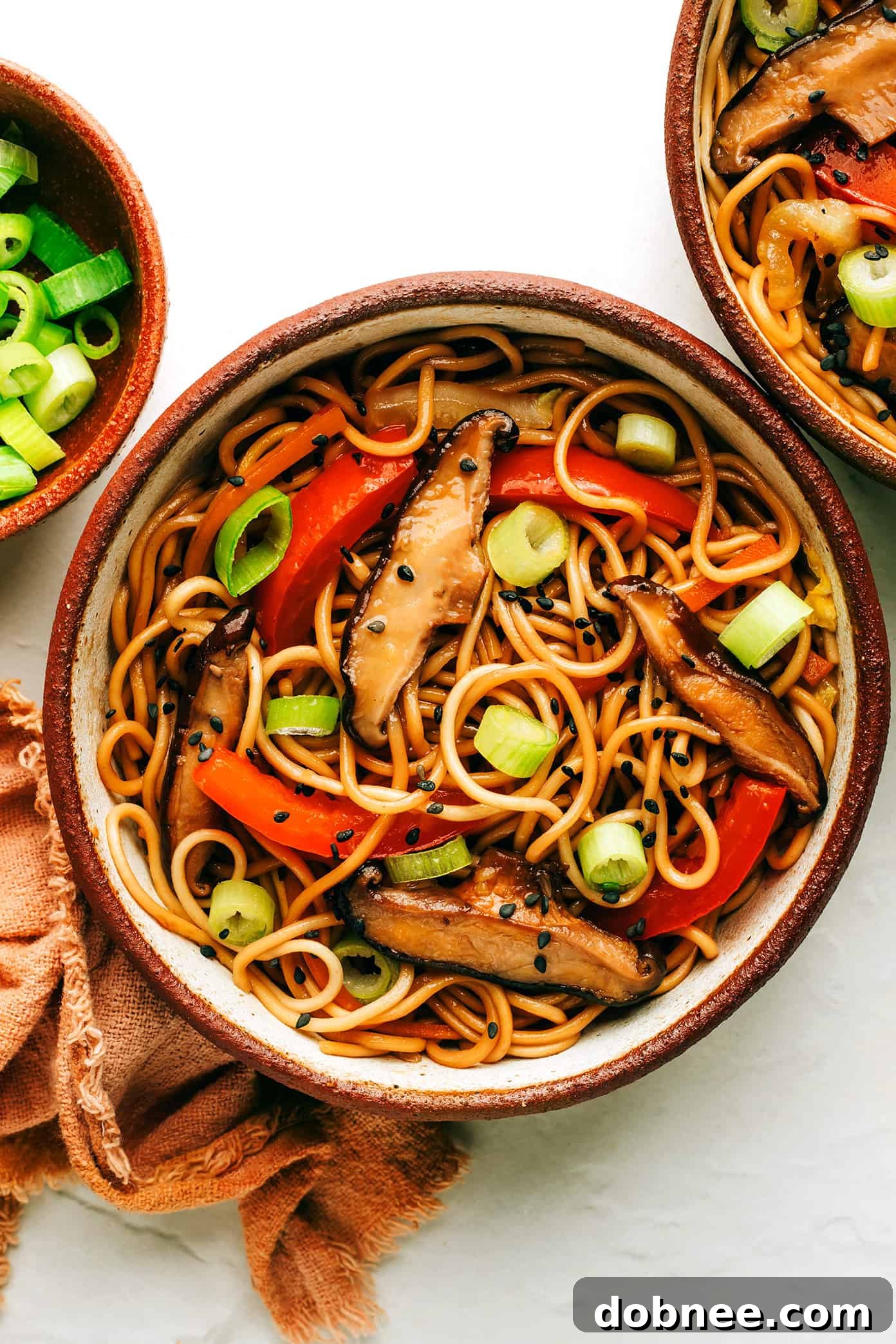
Welcome to the ultimate guide for crafting the perfect homemade Chow Mein! This beloved Chinese-inspired dish, famous for its savory stir-fried noodles and vibrant medley of vegetables, is not only incredibly delicious but also surprisingly easy to prepare. In less than 30 minutes, you can create a satisfying meal that rivals your favorite takeout, tossed in an irresistible, umami-rich stir-fry sauce. Whether you’re a seasoned cook or new to Asian cuisine, this recipe is designed for simplicity without sacrificing authentic flavor. Get ready to transform everyday ingredients into a culinary masterpiece that will impress your family and friends.
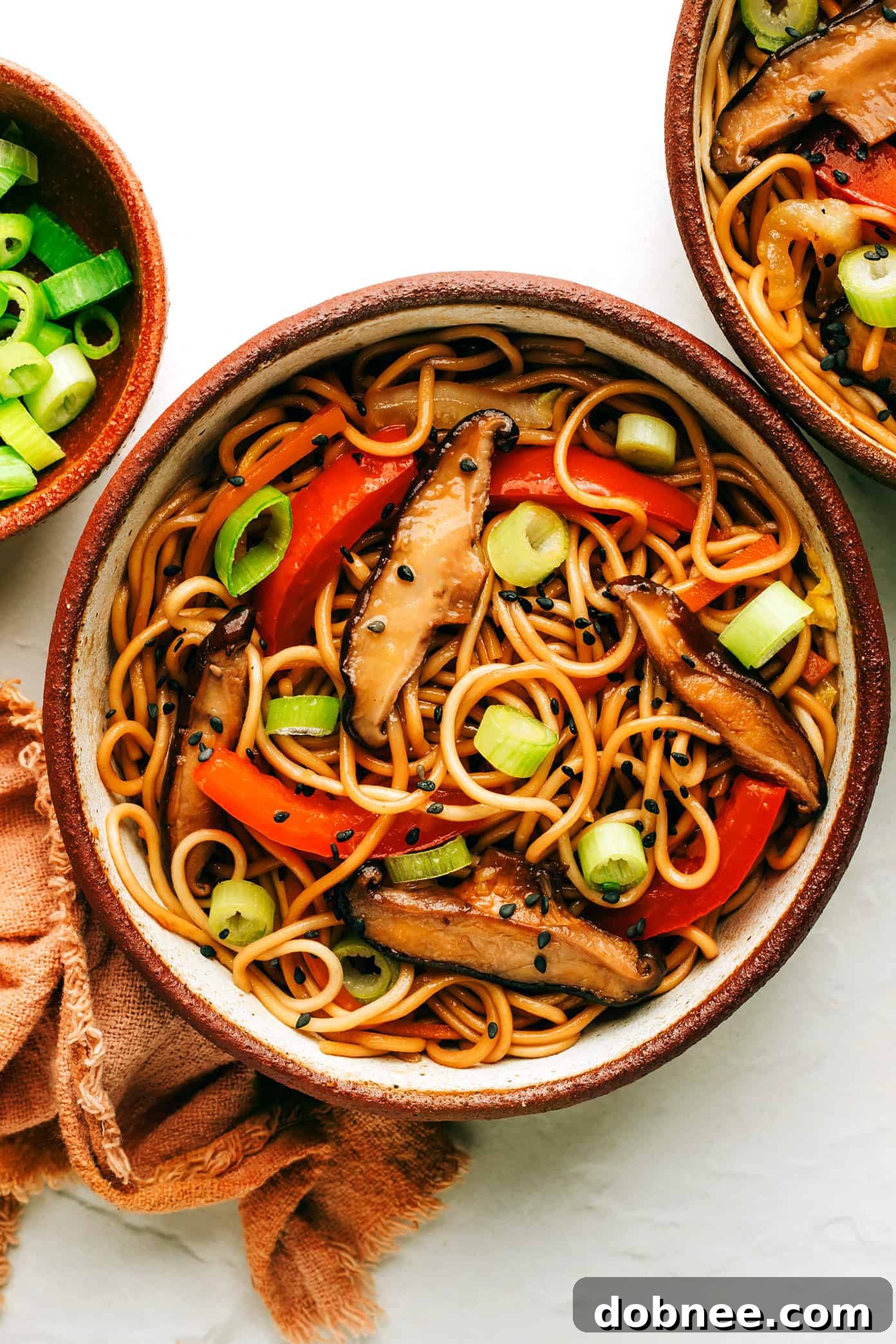
Chow Mein: A Quick Culinary Journey
Chow Mein, meaning “stir-fried noodles,” is a cornerstone of Chinese cuisine, beloved worldwide for its comforting texture and savory taste. This dish is incredibly versatile, adaptable to various preferences and ingredients, making it a perfect candidate for a quick and satisfying meal any day of the week. Our recipe focuses on delivering authentic flavors with minimal effort, ensuring a delicious outcome every time. Forget the lengthy prep and complicated steps; we’re bringing you a streamlined approach to a classic dish that will quickly become a staple in your kitchen.
Mastering Your Chow Mein Ingredients
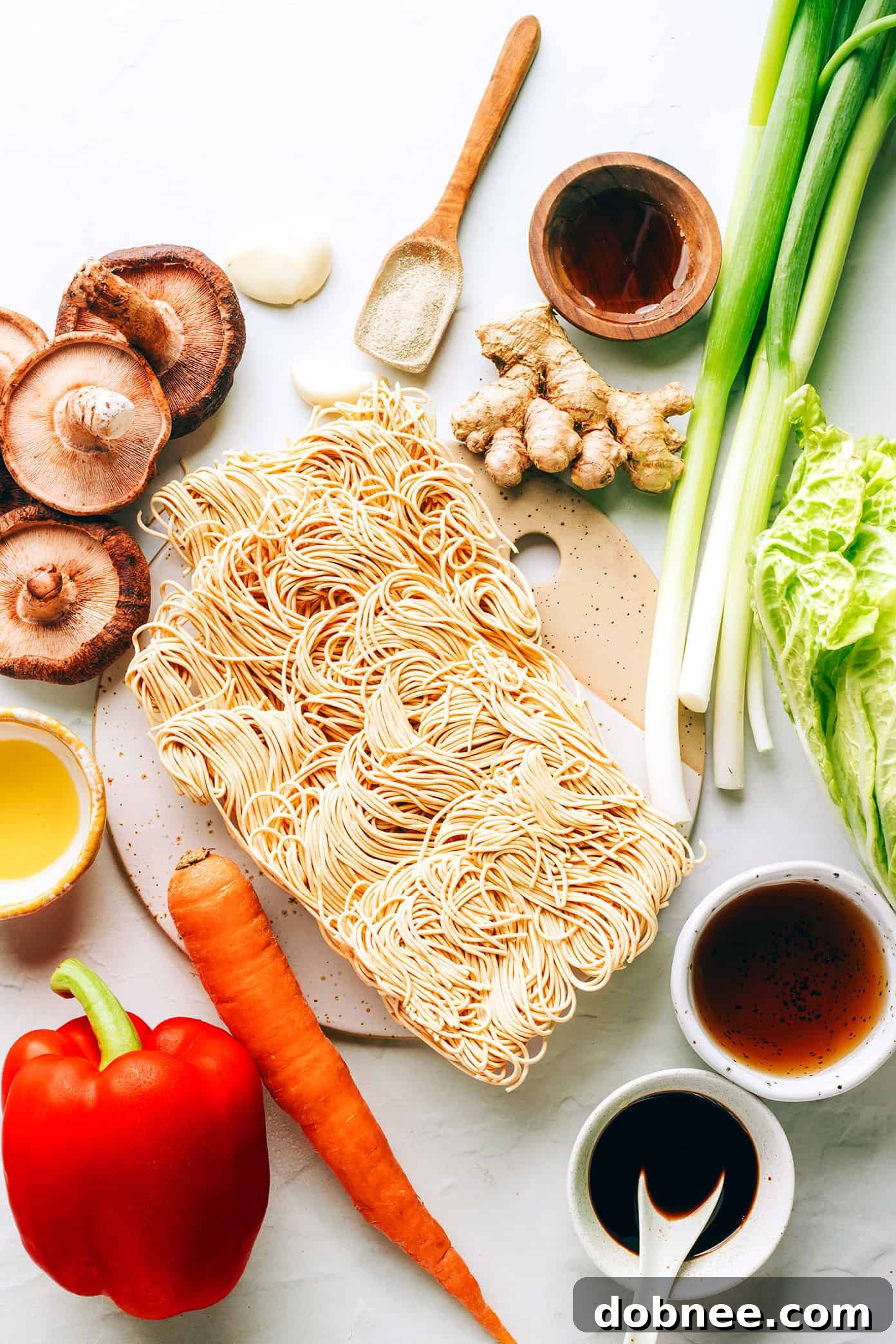
Crafting the perfect Chow Mein starts with understanding the core ingredients. While this recipe is highly adaptable, a few key components lay the foundation for an authentic and flavorful dish. Here’s a detailed look at what you’ll need and some helpful tips for making the best choices:
- Chow Mein Noodles: The star of the show! For genuine Chow Mein, I highly recommend using dried Chinese egg noodles. These are typically labeled as “chow mein noodles,” “stir-fry noodles,” or “lo mein noodles” in most Asian grocery stores and even mainstream supermarkets. Look for the long, thin variety, and be careful not to confuse them with the short, crispy canned chow mein noodles (like these), which are more often used as a salad topping. If you can find fresh Chinese egg noodles, either steamed (which are ready to add) or unsteamed (requiring pre-cooking just shy of al dente), they offer an even better texture. In a pinch, any type of egg noodles, rice noodles, or even standard spaghetti can work, though they won’t provide the traditional taste and texture, they will still make a delicious meal.
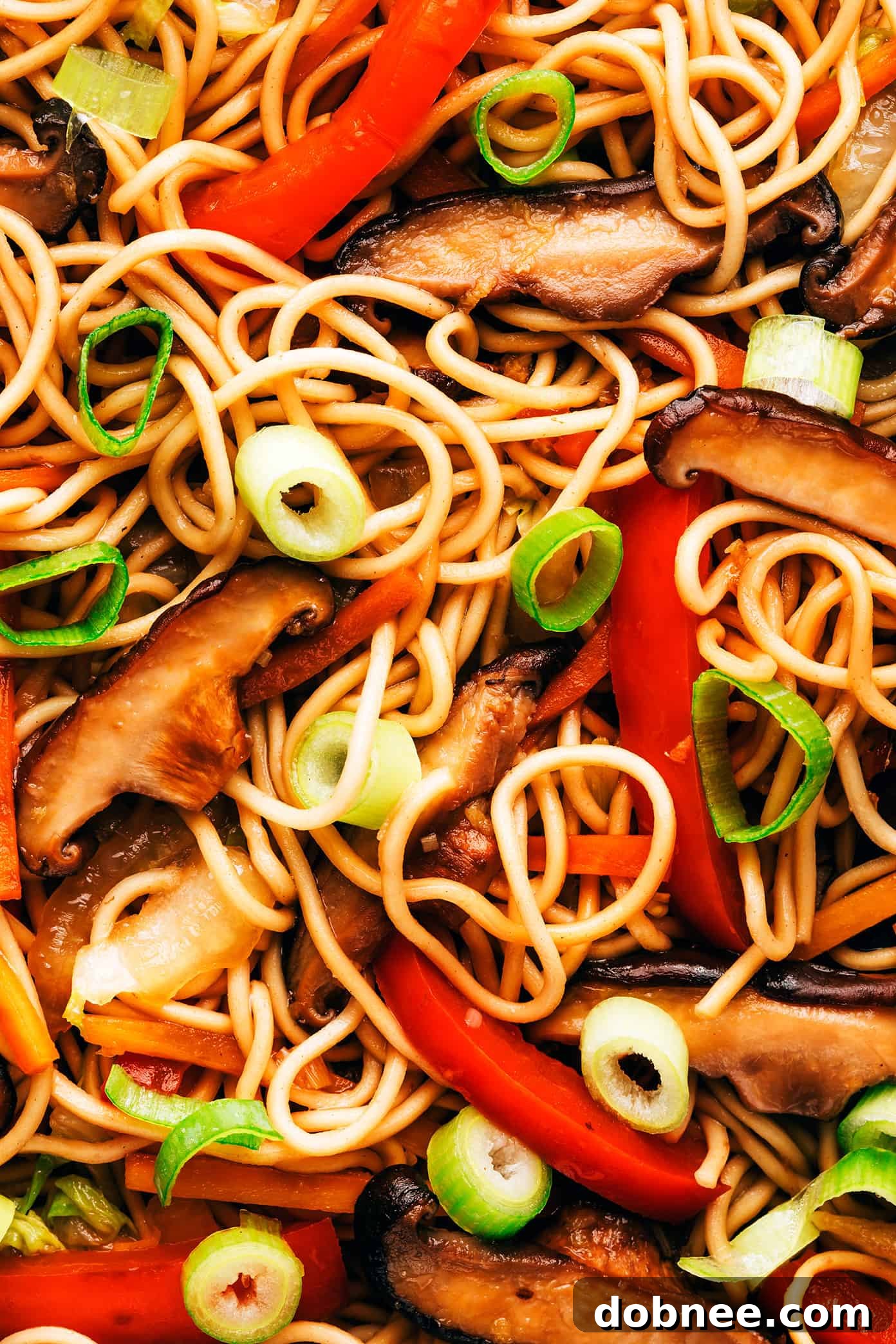
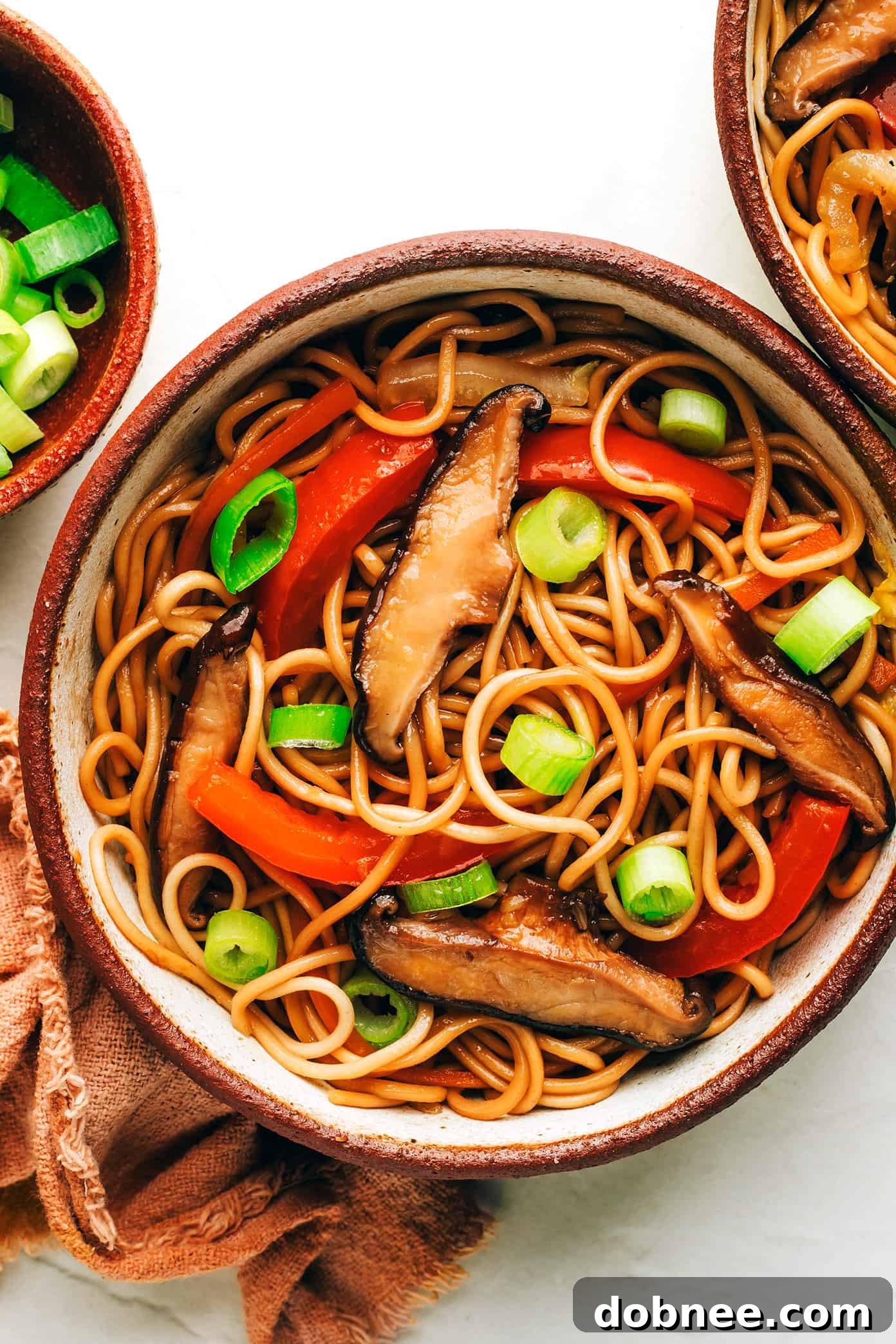
- Assorted Vegetables: This is where your creativity can truly shine! Almost any stir-fry friendly vegetable can be incorporated. I encourage you to check your refrigerator’s crisper drawer first and use up any leftover veggies you have. For the photos in this recipe, I opted for a simple, colorful combination of sliced carrots, red bell pepper, and earthy shiitake mushrooms. Other excellent choices include broccoli florets, snap peas, green beans, bean sprouts, bok choy, or zucchini. The goal is a vibrant mix that adds both flavor and nutritional value.
- Leafy Greens: To add freshness and bulk, I typically include a generous amount of chopped Napa cabbage. Its tender leaves wilt beautifully in a stir-fry. Feel free to substitute with any other type of green cabbage you prefer, or for ultimate convenience, a pre-bagged cole slaw mix works wonderfully. Baby spinach, kale, or collard greens are also excellent alternatives that cook down quickly.
- Aromatics (Garlic and Ginger): These two ingredients are non-negotiable for elevating the flavor profile of your Chow Mein. Using plenty of fresh garlic and ginger will impart a pungent, spicy, and incredibly aromatic base to your dish. If fresh ginger isn’t available, a good quality ground ginger can be substituted (about 1 teaspoon for every tablespoon of fresh ginger).
- Scallions (Green Onions): Scallions offer a subtle onion flavor and a beautiful garnish. We’ll use the white parts for sautéing with the other vegetables, adding depth, and reserve the vibrant green tops for a fresh, crisp finish, sprinkling them over the finished dish just before serving.
- The Essential Stir-Fry Sauce: The sauce ties all the flavors together. My go-to is a simple yet potent 5-ingredient blend:
- Low-sodium soy sauce: For salty, umami depth.
- Oyster sauce: Provides a unique sweet, savory, and slightly briny flavor. A vegan option is available if needed.
- Shaoxing wine: Often labeled as Chinese cooking wine, this rice wine is crucial for authentic flavor. If unavailable, mirin, dry sherry, sake, or a sweeter white wine can be used. For an alcohol-free alternative, vegetable stock or a splash of apple juice will work.
- Toasted sesame oil: A small amount adds a wonderfully nutty aroma.
- White pepper: A generous pinch (or a few cracks of black pepper) provides a subtle, characteristic warmth and depth often found in Chinese cuisine.
Essential Tips for Perfect Homemade Chow Mein
While the full recipe is outlined below, here are some invaluable tips to ensure your Chow Mein turns out perfectly every time: mastering these techniques will elevate your stir-frying game and guarantee a delicious, restaurant-quality meal.
- Ingredient Preparation is Key (Mise en Place): Stir-frying is a fast-paced cooking method, so speed and efficiency are paramount. Before you even turn on the heat, ensure all your ingredients—sauce mixed, vegetables chopped, garlic and ginger minced, scallions sliced—are prepped and ready to go. This “mise en place” approach prevents frantic scrambling and ensures even cooking.
- Optimize Your Time with Multi-tasking: To save precious minutes, consider boiling your noodles concurrently with stir-frying your vegetables. As soon as the noodles are ready, use tongs to transfer them directly from the boiling water to your hot wok or skillet. This continuous workflow keeps everything moving efficiently. Just be vigilant with your noodle timing to avoid overcooking.
- Achieve the Perfect Sear with High Heat: The hallmark of a great stir-fry is beautifully seared, crisp-tender vegetables, not steamed ones. This requires a very hot pan or wok. Don’t be shy with the heat; crank it up to high. A scorching hot surface ensures the veggies cook quickly and develop a desirable char and flavor.
- Prevent Overcooked Noodles: Most noodle package instructions aim for a fully al dente or even slightly soft noodle. For Chow Mein, you want the noodles to be just under al dente – still a little chewy. They will finish cooking and absorb the delicious sauce when combined with the stir-fry. Start tasting them a minute or two before the package recommended time, and drain them when they’re still firm to the bite.
- Taste and Adjust Seasoning: Before serving, always taste your Chow Mein. This is crucial for balancing the flavors. You might find it needs an extra splash of soy sauce for saltiness, a drizzle more sesame oil for nuttiness, or another pinch of white pepper for that characteristic warmth. Don’t hesitate to adjust to your personal preference.
Endless Customization: Chow Mein Recipe Variations
One of the greatest joys of making Chow Mein at home is its incredible adaptability. This recipe serves as a fantastic base, inviting you to customize it with your favorite proteins, vegetables, and dietary preferences. Here are some popular variations to inspire your next batch:
- Add a Protein Boost: Transform this vegetarian base into a hearty meal by adding your preferred protein. Common choices include:
- Chicken Chow Mein: Thinly sliced chicken breast or thigh.
- Beef Chow Mein: Marinated flank steak or sirloin.
- Pork Chow Mein: Tender pork loin or shoulder.
- Shrimp Chow Mein: Quick-cooking shrimp.
- Tofu Chow Mein: Firm or extra-firm tofu, pressed and cubed, then pan-fried until golden.
For best results, sauté your chosen protein separately until nearly cooked through, then remove it to a clean plate. Add it back into the wok with the noodles and sauce for the final minute of cooking to ensure it’s perfectly integrated and doesn’t overcook.
- Expand Your Veggie Palette: Don’t limit yourself to the suggested vegetables. Chow Mein is a perfect vehicle for a wide array of stir-fry-friendly veggies. Consider adding:
- Asparagus spears
- Fresh bean sprouts (add at the very end for crunch)
- Baby bok choy, quartered
- Broccoli florets
- Julienned carrots
- Crisp green beans
- Sliced onions (yellow or red)
- Snow peas or snap peas
- Zucchini ribbons or slices
Aim for a variety of colors and textures, and cut them into similar sizes for even cooking.
- Experiment with Different Noodles: While traditional Chinese egg noodles are ideal, don’t be afraid to try other options if you can’t find them or simply prefer something different.
- Fresh Chinese egg noodles: Available in some Asian markets, these can be steamed or unsteamed and offer a fantastic fresh texture.
- Other egg noodles: Broader, flatter egg noodles can also work.
- Rice noodles: Offer a different texture and are naturally gluten-free.
- Pasta noodles: Spaghetti or linguine can be a surprisingly good substitute in a pinch, just ensure they are cooked al dente initially.
Remember that non-traditional noodles will slightly alter the classic Chow Mein experience but will still result in a delicious stir-fry.
- Make it Gluten-Free: To create a delicious gluten-free Chow Mein, ensure all your ingredients are certified gluten-free. Specifically, opt for gluten-free tamari instead of soy sauce, and seek out a gluten-free oyster sauce (or a mushroom-based vegetarian alternative). Also, select certified gluten-free noodles, such as rice noodles or certain brands of gluten-free pasta.
- Vegetarian or Vegan Chow Mein: This recipe is easily made vegetarian or vegan. Simply ensure you use a vegan “oyster” sauce, which is typically mushroom-based and delivers a similar umami depth. For protein, tofu or tempeh are excellent choices, or you can focus on a greater variety of vegetables.
- Spice It Up: If you appreciate a fiery kick, adding some heat to your Chow Mein is highly recommended. Incorporate chili garlic sauce or Sriracha directly into the stir-fry sauce to taste. You can also garnish individual servings with red pepper flakes or a drizzle of spicy chili oil.
More Favorite Stir-Fried Noodle Recipes
If you’ve fallen in love with the convenience and flavors of stir-fried noodles, there’s a whole world of delicious dishes to explore! Here are a few more of my top recommendations for noodle stir-fries that are equally satisfying and perfect for expanding your culinary repertoire:
- Sesame Noodles: A delightful cold or warm dish featuring a nutty sesame sauce, often with crisp vegetables.
- Pad Thai: Thailand’s iconic stir-fried rice noodle dish, known for its harmonious balance of sweet, sour, salty, and spicy flavors.
- Thai Drunken Noodles (Pad Kee Mao): Broad rice noodles stir-fried with protein, vegetables, and a spicy, savory sauce – perfect for those who enjoy a bit of heat.
- Japchae (Korean Noodle Stir-Fry): A vibrant and flavorful Korean dish made with sweet potato starch noodles (glass noodles), often featuring beef and an array of colorful vegetables.
- Beef Chow Fun: Wide, flat rice noodles stir-fried with tender beef, bean sprouts, and a savory sauce, offering a satisfying chewy texture.
Each of these recipes offers a unique flavor experience and demonstrates the incredible versatility of noodles in Asian cuisine. Enjoy your culinary adventures!
Print Recipe Card
Easy Homemade Chow Mein
Author: Ali
Prep Time: 15 mins
Cook Time: 10 mins
Total Time: 25 mins
Yield: 2 to 4 servings 1x
Description
This quick and easy Chow Mein recipe delivers an incredibly satisfying meal in under 30 minutes. Featuring perfectly stir-fried noodles and crisp vegetables coated in a rich, flavorful sauce, it’s easily customizable with your favorite proteins like chicken, beef, shrimp, or tofu. It’s the ideal dish for a speedy weeknight dinner that tastes just like your favorite takeout!
Ingredients
Scale
For the Stir-Fry:
- 6 ounces dried Chinese egg noodles* (often labeled “chow mein,” “lo mein,” or “stir-fry noodles”)
- 2 tablespoons peanut oil (or high-smoke point oil like olive oil, canola, or vegetable oil)
- 4 cups mixed stir-fry friendly vegetables (such as 1 sliced red bell pepper, 1 julienned carrot, and 8 ounces sliced shiitake mushrooms. See notes for other suggestions.)
- 4 scallions, thinly sliced (white and green parts separated for different stages of cooking)
- 3 cups shredded green cabbage (Napa cabbage is preferred, or use regular green cabbage or a bag of cole slaw mix)
- 3 large cloves garlic, minced (about 1 tablespoon)
- 1 tablespoon freshly grated ginger
For the Delicious Stir-Fry Sauce:
- 3 tablespoons oyster sauce* (use vegan oyster sauce for vegetarian/vegan)
- 3 tablespoons Shaoxing wine* (or mirin, dry sherry, sake, or vegetable stock for non-alcoholic)
- 4 tablespoons low-sodium soy sauce (use tamari for gluten-free)
- 2 teaspoons toasted sesame oil
- A generous pinch of ground white pepper (or freshly cracked black pepper)
- Optional additions: chili garlic sauce or Sriracha, to taste, for a spicy kick.
Instructions for Perfectly Stir-Fried Chow Mein
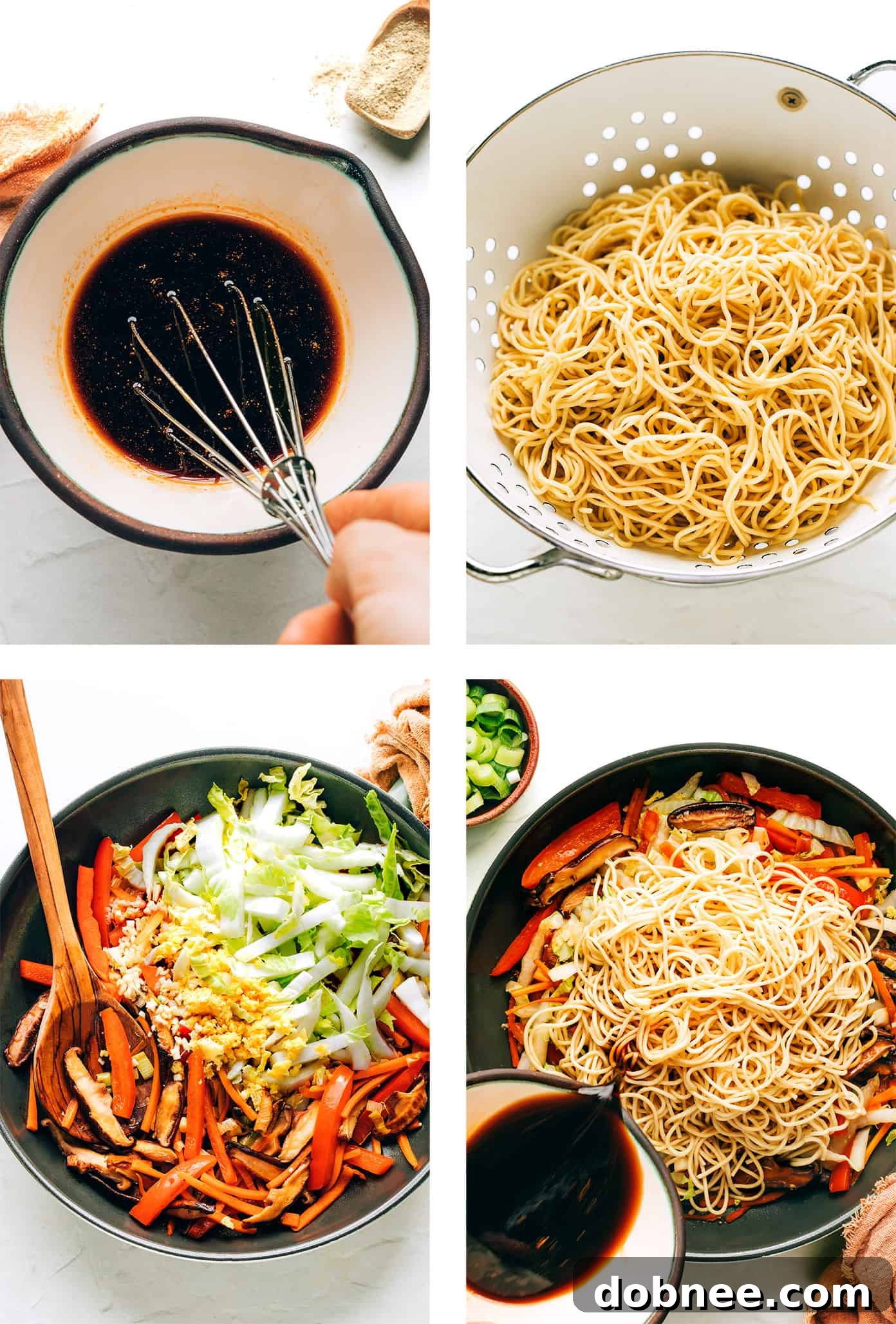
- Prepare the Flavorful Stir-Fry Sauce: In a small bowl, combine all the sauce ingredients: oyster sauce, Shaoxing wine (or your chosen substitute), low-sodium soy sauce, toasted sesame oil, and a generous pinch of white pepper. Whisk them thoroughly until well combined and homogenous. Alternatively, for ease, you can shake them vigorously in a small mason jar with a lid. Set this sauce aside, as it will be added quickly later in the cooking process.
- Par-Boil the Noodles to Perfection: Bring a large pot of generously salted water to a rolling boil. Add your chosen chow mein noodles and cook them until they are just a minute or so shy of al dente. This means they should be mostly cooked but still have a slight, pleasant chewiness. Remember, they will continue to cook and absorb flavor in the stir-fry. Overcooked noodles will become mushy. Once par-boiled, transfer the noodles immediately to a colander, rinse them briefly with lukewarm water to prevent sticking, and drain thoroughly. Set them aside until ready to incorporate into the sauté pan.
- Sauté Your Vibrant Vegetables: Heat the peanut oil (or other high-smoke point oil) in a large non-stick skillet or a wok over high heat. Once the oil is shimmering, add your prepared mixed vegetables (carrots, bell pepper, mushrooms, etc.) along with the white parts of the sliced scallions. Stir-fry for 2 to 3 minutes, tossing occasionally, until the vegetables are crisp-tender and slightly charred, retaining a bit of their bite. Next, add the shredded cabbage, minced fresh ginger, and minced garlic. Continue to sauté for another 2 minutes, stirring frequently, until the cabbage has softened and the garlic and ginger are intensely fragrant.
- Combine Noodles and Sauce: Once your vegetables are perfectly cooked, add the par-boiled noodles directly into the sauté pan with the vegetables. Pour the prepared stir-fry sauce evenly over the noodles and vegetables. Using tongs or two spatulas, toss the mixture continuously for 1 to 2 more minutes, ensuring the noodles are thoroughly coated in the sauce and reach a perfect al dente texture, finishing their cooking in the flavorful sauce.
- Taste and Adjust Seasoning: Before serving, take a small taste of your Chow Mein. This is your chance to perfect the flavor profile. If it needs more saltiness, add an extra splash of soy sauce. For a deeper, spicier warmth, sprinkle in more white pepper. Feel free to adjust to your personal preference – I often find myself adding a little more of both for an extra punch!
- Serve Immediately and Enjoy: Transfer the hot Chow Mein to serving bowls. Garnish generously with the reserved green parts of the sliced scallions, which add a fresh, crisp onion flavor and a pop of vibrant color. Serve immediately while hot and fresh to enjoy the best texture and taste. This dish is fantastic on its own or as a side with other Asian-inspired meals.
Recommended Equipment for This Recipe
Chow Mein Noodles
Shop Now →
Oyster Sauce
Shop Now →
Shaoxing Wine (Chinese Cooking Wine)
Shop Now →
Recipe Notes for Success
Noodle Selection: For an authentic Chow Mein experience, I highly recommend using traditional Chinese egg noodles. These are typically marketed as “chow mein noodles,” “stir-fry noodles,” or “lo mein noodles” in most grocery stores. It’s crucial to select the long, thin variety and avoid the short, crunchy canned noodles (like these), which, despite sharing a similar name, are primarily used as a salad topping or garnish rather than the main noodle for stir-frying.
Understanding Shaoxing Wine: Often labeled as “Chinese cooking wine,” Shaoxing wine is a fermented rice wine that imparts a distinct, aromatic, and slightly sweet flavor profile to this dish. Its inclusion is highly recommended for achieving an authentic taste that truly enhances the overall depth of the stir-fry. If Shaoxing wine is not readily available in your pantry, suitable substitutes include mirin (a Japanese sweet cooking wine), dry sherry, or sake. For those who prefer not to cook with alcohol, vegetable stock or even a small splash of apple juice can be used as non-alcoholic alternatives, though they will slightly alter the traditional flavor.
Customizing Spice Levels: If you appreciate a culinary kick and enjoy your noodles with some heat, integrating a spicy element into this Chow Mein recipe is straightforward and highly recommended. Simply add your desired amount of chili garlic sauce or Sriracha directly into the stir-fry sauce mixture. Start with a small amount and taste as you go to achieve your preferred level of spiciness.
Storage and Reheating: Leftover Chow Mein can be stored in an airtight container in the refrigerator for up to 3-4 days. To reheat, gently warm in a skillet over medium heat with a splash of water or broth to loosen the noodles and prevent them from drying out, or microwave until heated through. The flavors often deepen overnight!