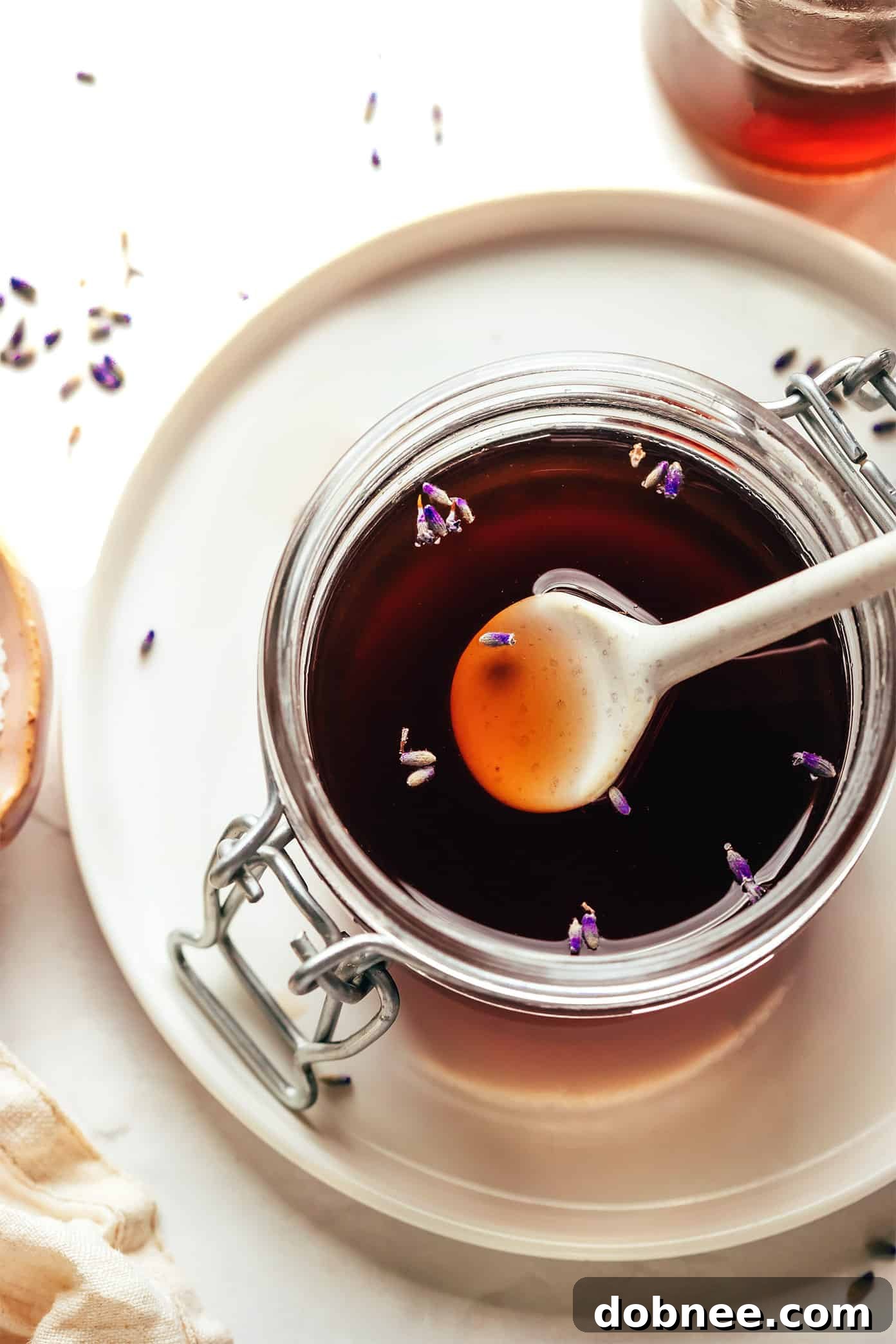
Discover the magic of homemade lavender syrup, a simple 3-ingredient recipe that unlocks a world of culinary delights, from fragrant lattes and refreshing cocktails to exquisite baked goods and beyond. Elevate your everyday with this versatile floral infusion!
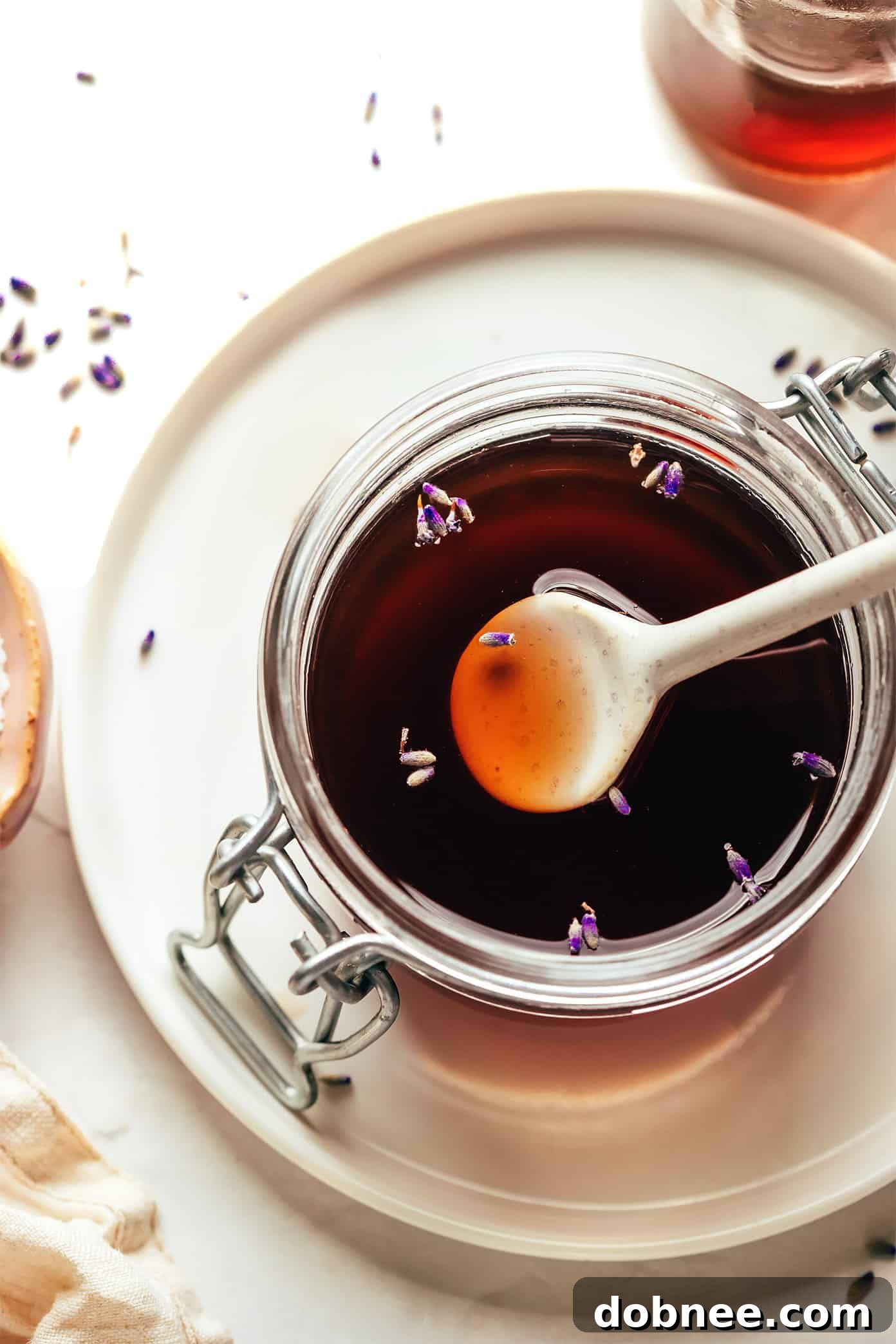
The enchanting aroma and subtle flavor of lavender have truly transformed our kitchen this past year. What began as a simple quest to recreate a beloved neighborhood coffee shop’s lavender iced latte at home quickly blossomed into a delightful routine. Crafting a quick batch of homemade lavender simple syrup has become a cherished weekly ritual, not just for its cost-saving benefits but for the sheer joy it brings. As we experimented, we discovered that this fragrant syrup is incredibly versatile, adding a sophisticated floral note to an astonishing array of dishes and beverages far beyond just coffee.
Imagine infusing your favorite cocktails with a delicate hint of springtime – a lavender gin fizz or a lavender mojito, for instance, offers a refreshing twist that will impress any guest. A splash of lavender syrup can elevate a classic glass of lemonade, iced tea, or even sparkling water into an artisanal refreshment. For baking enthusiasts, the possibilities are equally thrilling: whisk it with powdered sugar to create a beautiful lavender glaze for cakes and scones, or whip it into heavy cream for an ethereal lavender whipped cream that adds a touch of elegance to any dessert. The beauty of this syrup also lies in its adaptability; you can easily customize it with different sweeteners or infuse it with complementary flavors like rose, mint, vanilla, or lemon, creating endless variations to suit your palate. The culinary journey with lavender syrup is truly boundless and incredibly fun!
While the creative options are vast, our go-to remains a foundational 3-ingredient lavender simple syrup, crafted with dried culinary lavender buds, granulated sugar, and water. This classic recipe is foolproof and delivers consistently delicious results. However, below you’ll find a wealth of ideas and tips to inspire you to craft your own perfect version of this delightful syrup, whether you stick to the basics or venture into more complex flavor profiles.
So, let’s gather some high-quality culinary-grade dried lavender and embark on this simple yet rewarding culinary adventure. I assure you, once you discover the ease and versatility of homemade lavender syrup, you’ll wonder how you ever lived without it!
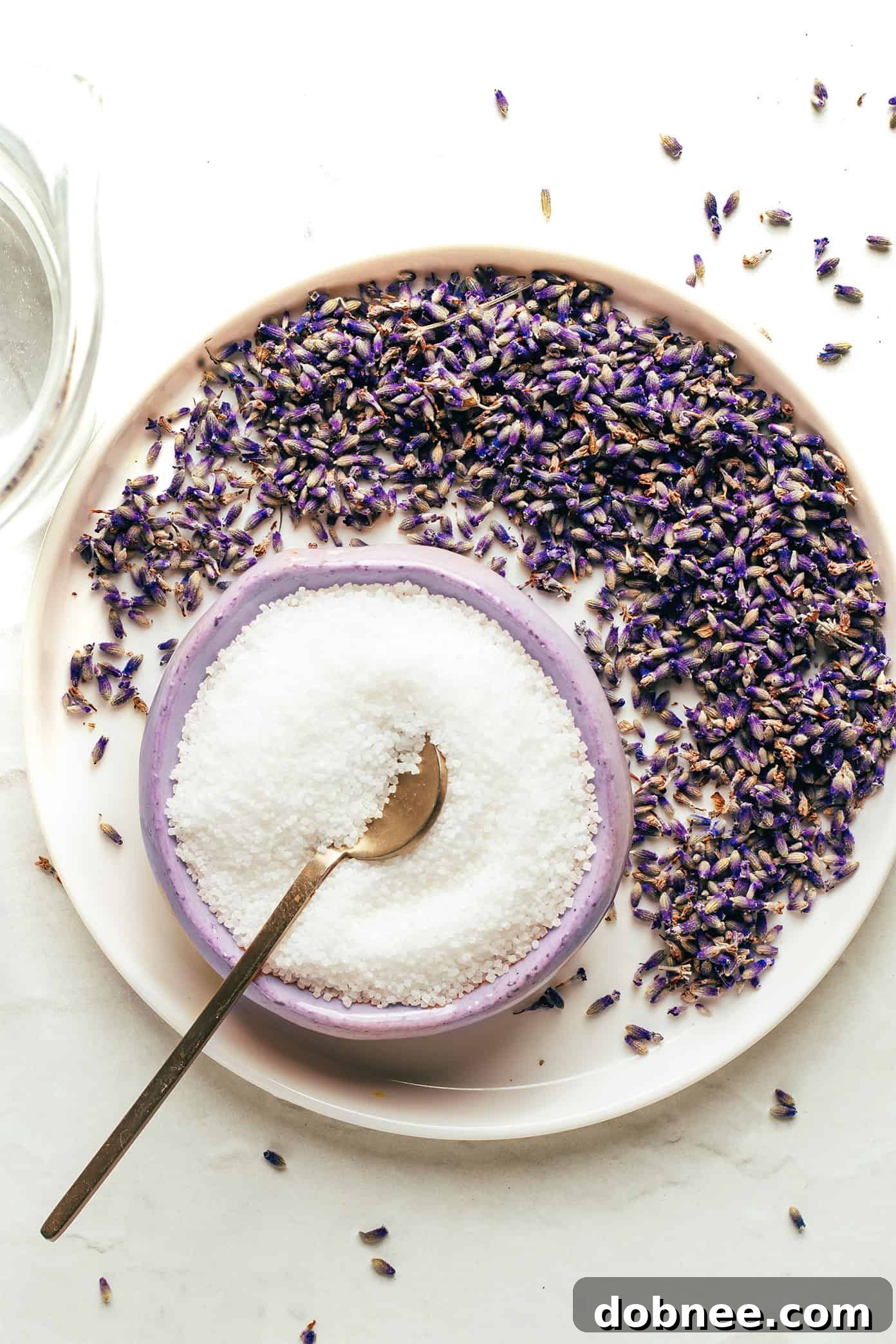
Essential Ingredients for Homemade Lavender Syrup
Making your own lavender simple syrup requires just three core ingredients, each playing a vital role in creating that perfect floral infusion. Here’s a closer look at what you’ll need and why each component matters:
- Culinary-Grade Dried Lavender: This is arguably the most crucial ingredient. When cooking with lavender, it is paramount to use culinary-grade dried lavender. Not all species of lavender flowers are suitable for consumption, and non-culinary varieties might contain pesticides or other chemicals. Culinary lavender (most commonly Lavandula angustifolia, or English lavender) is specifically grown and processed for food use, ensuring both safety and optimal flavor. Its flavor profile is sweet, slightly floral, and less camphor-like than ornamental varieties. Over the past year, I’ve consistently used this organic culinary lavender from Amazon and have been delighted with its quality and consistent results. You can often find culinary lavender in specialty spice shops, organic markets, or online.
- Sweetener: The classic choice for simple syrup is white granulated sugar. It provides a clean sweetness that allows the delicate lavender flavor to shine without interference, resulting in a beautiful clear syrup. However, the world of sweeteners is vast, and you’re encouraged to experiment! For a deeper, more nuanced flavor, try cane sugar or even light brown sugar. Honey can lend a rich, warm undertone, transforming your syrup into a lavender honey elixir. Maple syrup offers a distinct earthy sweetness that pairs surprisingly well with lavender. If you’re looking for low-carb or sugar-free options, sweeteners like erythritol or stevia can also be used, though they may slightly alter the syrup’s consistency and shelf life. Adjust quantities to achieve your desired level of sweetness and be mindful that alternative sweeteners can sometimes introduce their own unique aftertaste.
- Water: Plain water serves as the base for our syrup, dissolving the sugar and acting as the medium for the lavender infusion. While tap water is generally fine, using filtered water can prevent any unwanted mineral tastes from influencing the delicate lavender flavor, especially if your local tap water has a strong chlorine or mineral content. The quality of your water can subtly impact the final taste of your syrup, so consider using the best quality water available to you for optimal results.
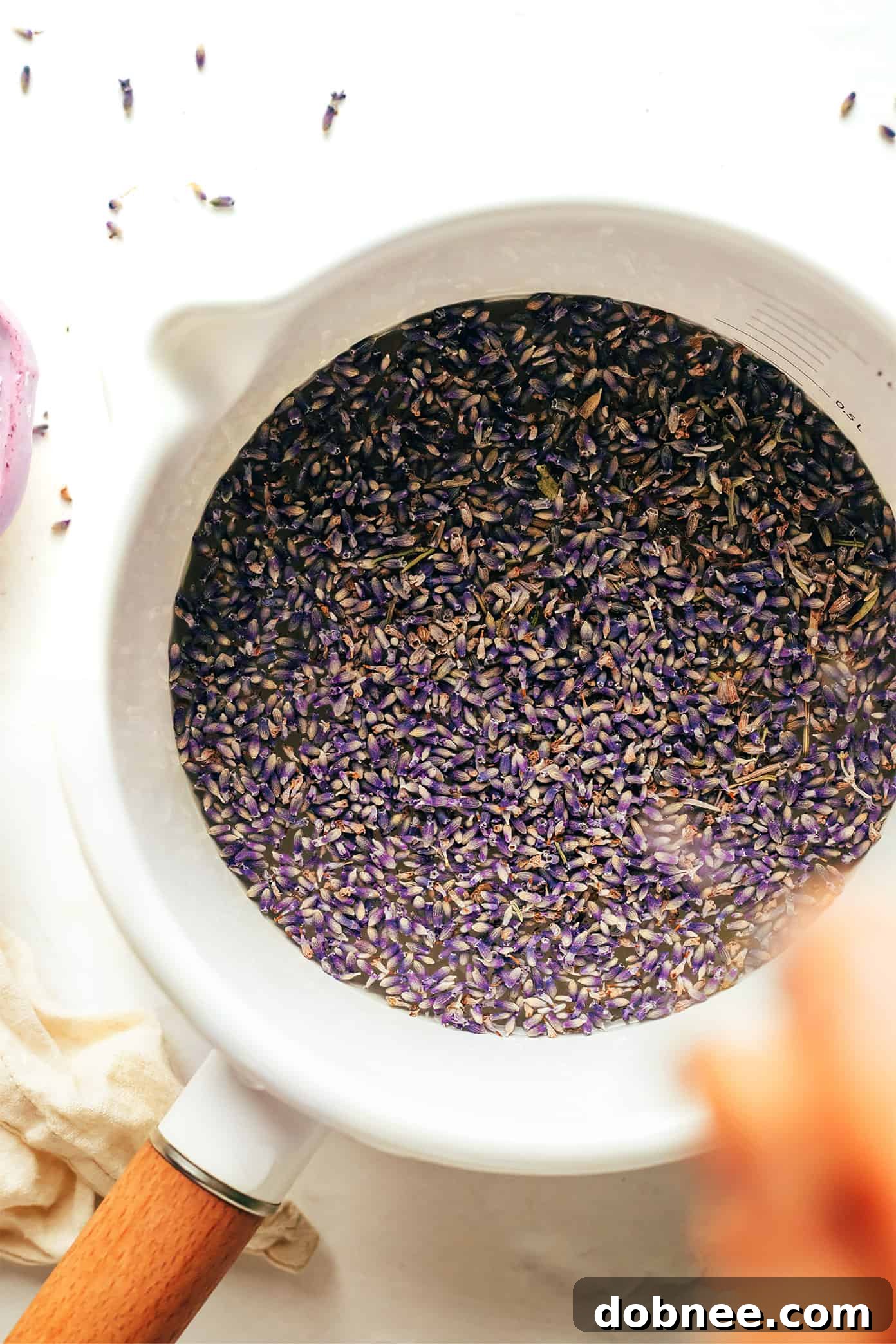
Expert Tips for Crafting Perfect Lavender Simple Syrup
While the process of making lavender syrup is straightforward, a few key tips can help you achieve the best possible flavor and consistency. Detailed instructions are provided in the recipe card below, but keep these insights in mind for a truly exceptional homemade syrup:
- Always Use Culinary-Grade Lavender: We cannot emphasize this enough. As mentioned in the ingredients section, only culinary-grade lavender should be used for consumption. Ornamental lavender can contain pesticides that are not safe to ingest and often has a much stronger, more camphoraceous (medicinal) scent and taste, which can make your syrup bitter or unpleasant. Always double-check labels when purchasing lavender for cooking to ensure it’s food-safe.
- Adjust Lavender Amount to Taste: The recipe below provides a balanced starting point for lavender flavor. However, personal preference varies greatly. For your first batch, follow the recipe precisely. Then, once you’ve tasted the cooled syrup, decide if you prefer a stronger or milder lavender presence. If you desire a more intense floral note, increase the amount of dried lavender buds by a teaspoon or two in your next batch. For a subtler flavor, reduce the quantity slightly. It’s an easy adjustment to make!
- Avoid Over-Steeping the Lavender: This is a critical tip for preventing bitterness. Lavender, especially when steeped for extended periods or at very high temperatures, can release compounds that contribute an undesirable bitter or soapy flavor. Our recipe suggests a 15-minute steeping time, which is typically sufficient to extract the lovely floral notes without overdoing it. If you wish for an even stronger lavender flavor, it’s far better to increase the initial amount of lavender buds (as per the tip above) rather than extending the steeping time. Think of it like tea – you wouldn’t steep a strong tea bag for an hour!
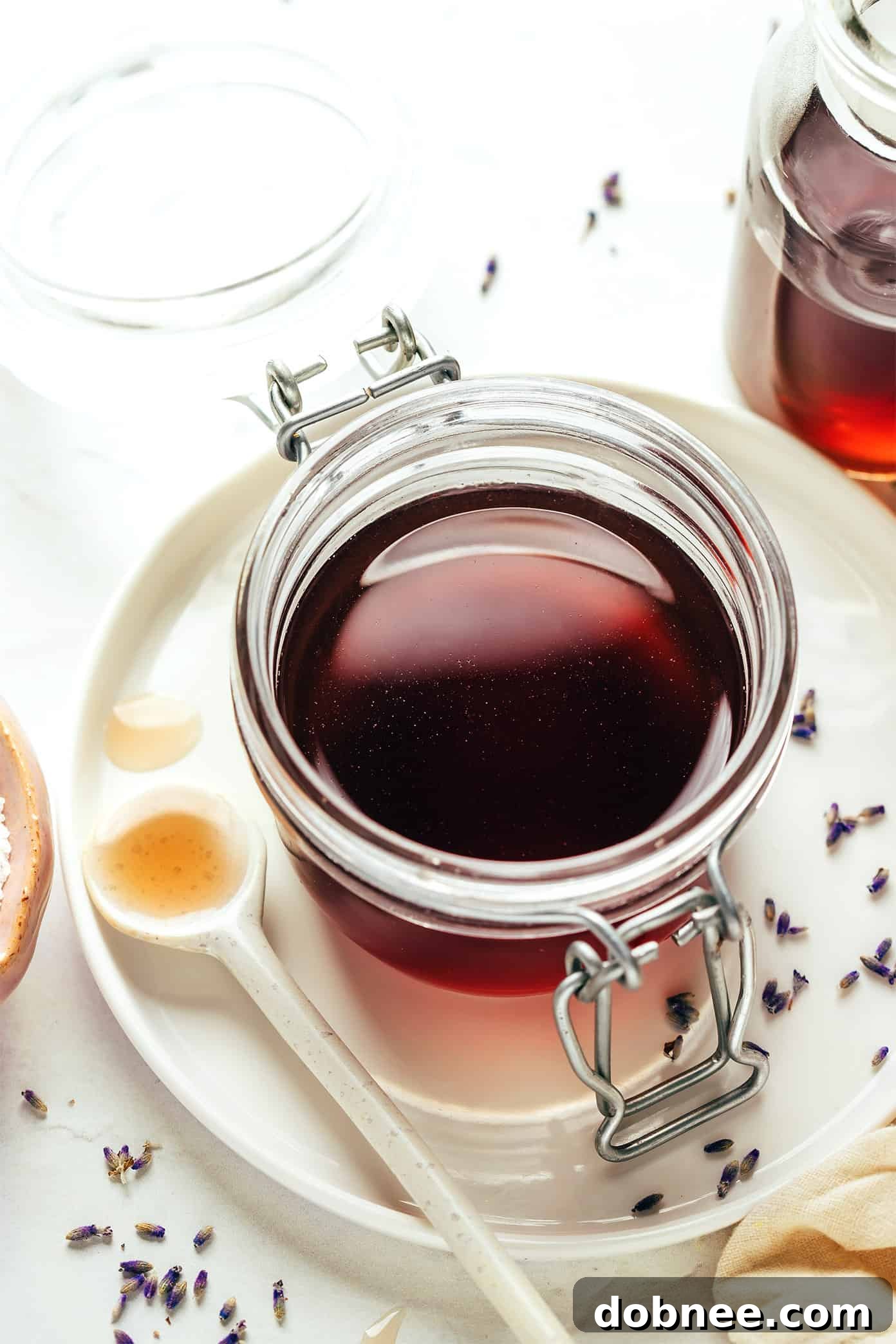
- Proper Storage is Key: Once cooled, transfer your homemade lavender syrup to an airtight, heat-safe jar or bottle. Store it in the refrigerator. Properly stored, lavender syrup can last for up to 2-3 weeks. Always check for any signs of mold or off-smell before using, though this is rare if stored correctly.
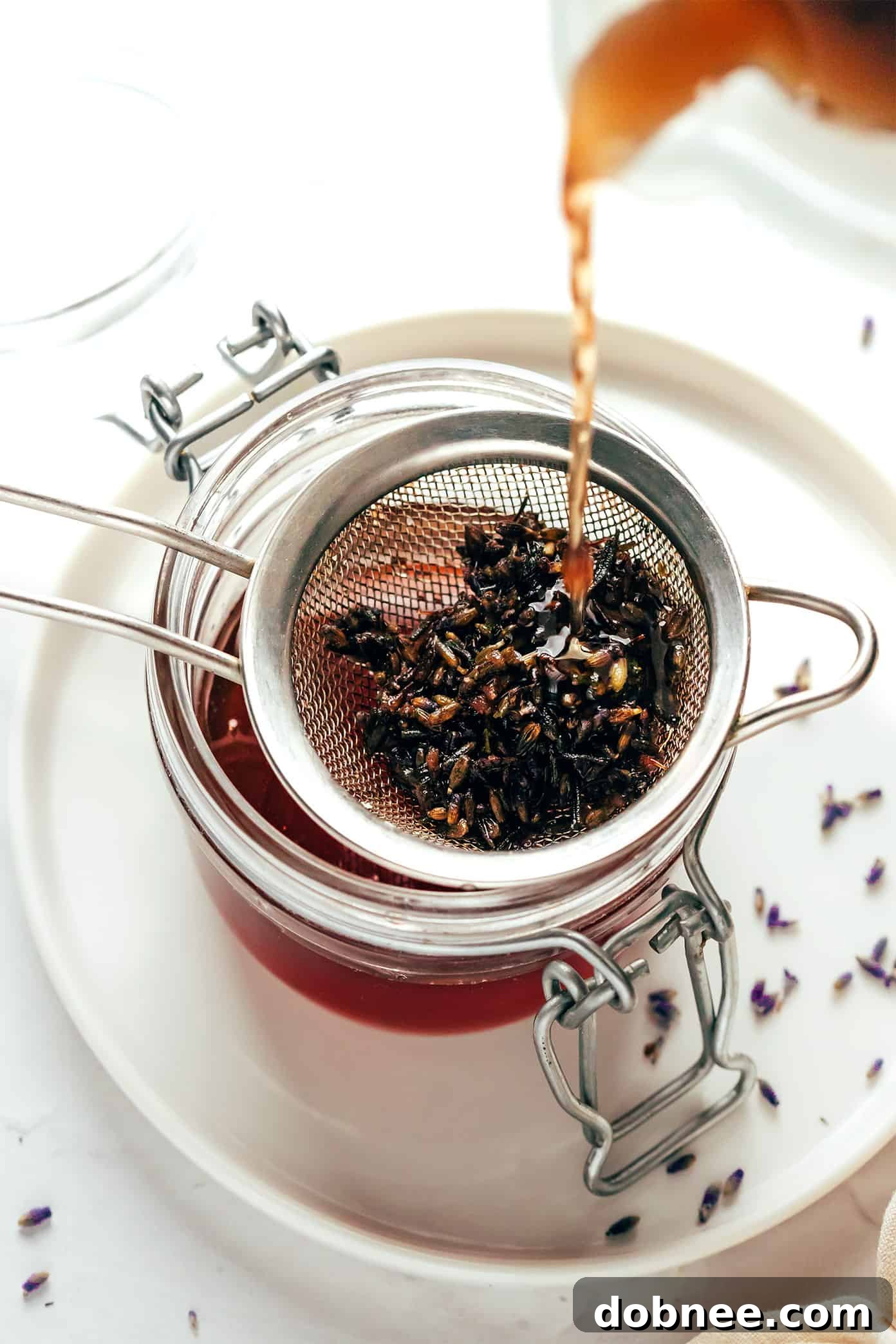
- Troubleshooting Cloudiness: Sometimes, your syrup might appear slightly cloudy. This is usually harmless and can be due to tiny particles of lavender that passed through the strainer or slight variations in sugar crystallization. If you prefer a perfectly clear syrup, you can strain the mixture a second time through a fine-mesh sieve lined with cheesecloth or even a paper towel.
Creative Lavender Syrup Variations to Explore
The beauty of a simple syrup recipe lies in its adaptability. Once you’ve mastered the basic lavender syrup, you can easily tweak it to create unique flavor profiles that are truly your own. Here are a few delightful variations to inspire your culinary creativity:
- Use a Different Sweetener: Beyond white granulated sugar, consider cane sugar for a slightly more rustic sweetness, honey for a richer, more complex aroma, or even maple syrup for an autumnal twist. For a less processed option, try agave nectar. Each sweetener will impart its own subtle characteristics to the final syrup, allowing you to fine-tune it to your preference.
- Add Vanilla for a Harmonious Blend: A dash of pure vanilla extract (or even a vanilla bean pod steeped with the lavender) creates a wonderfully comforting and aromatic lavender vanilla syrup. The warmth of vanilla perfectly complements lavender’s floral notes, making it ideal for lattes, creams, and baked goods.
- Infuse with Lemon for Brightness: Lavender and lemon are a match made in heaven! Add a splash of fresh lemon juice or a few strips of lemon zest (removed before straining) to the steeping syrup to create a vibrant, citrusy lavender lemon syrup. This variation is particularly refreshing in iced teas, sparkling water, and lemonade.
- Incorporate Fresh Mint for Zest: For a truly invigorating experience, infuse fresh mint leaves alongside the lavender. The cool, crisp notes of mint elevate the floral lavender, resulting in a lavender mint syrup that is fantastic in mojitos, iced green tea, or any beverage needing a refreshing lift.
- Blend with Rose for Romantic Aroma: To create an incredibly elegant and romantic syrup, infuse culinary-grade dried rose petals along with the lavender. The combination yields a delicate and highly aromatic lavender rose syrup, perfect for special occasion cocktails, French macarons, or even a sophisticated tea party.
- Explore Other Herb and Spice Pairings: Don’t limit yourself! Consider infusing other herbs like rosemary or thyme for an earthy depth, or spices like a tiny pinch of cardamom or a star anise pod for an exotic touch. Just remember to start with small amounts and taste as you go to avoid overpowering the lavender.
Delightful Ways to Use Your Homemade Lavender Syrup
The versatility of homemade lavender syrup is truly remarkable, allowing you to add a unique floral twist to a multitude of culinary creations. Here are some of my favorite and most creative ways to incorporate this fragrant syrup into your everyday and special occasion dishes:
- Lavender Cocktails: Transform your home bar into an artisan mixology station! Use lavender syrup as a sophisticated sweetener in classic cocktails. Imagine a refreshing lavender mojito, a fragrant lavender martini, a bubbly lavender gin fizz, or even a unique lavender margarita. It pairs exceptionally well with gin, vodka, and light rum.
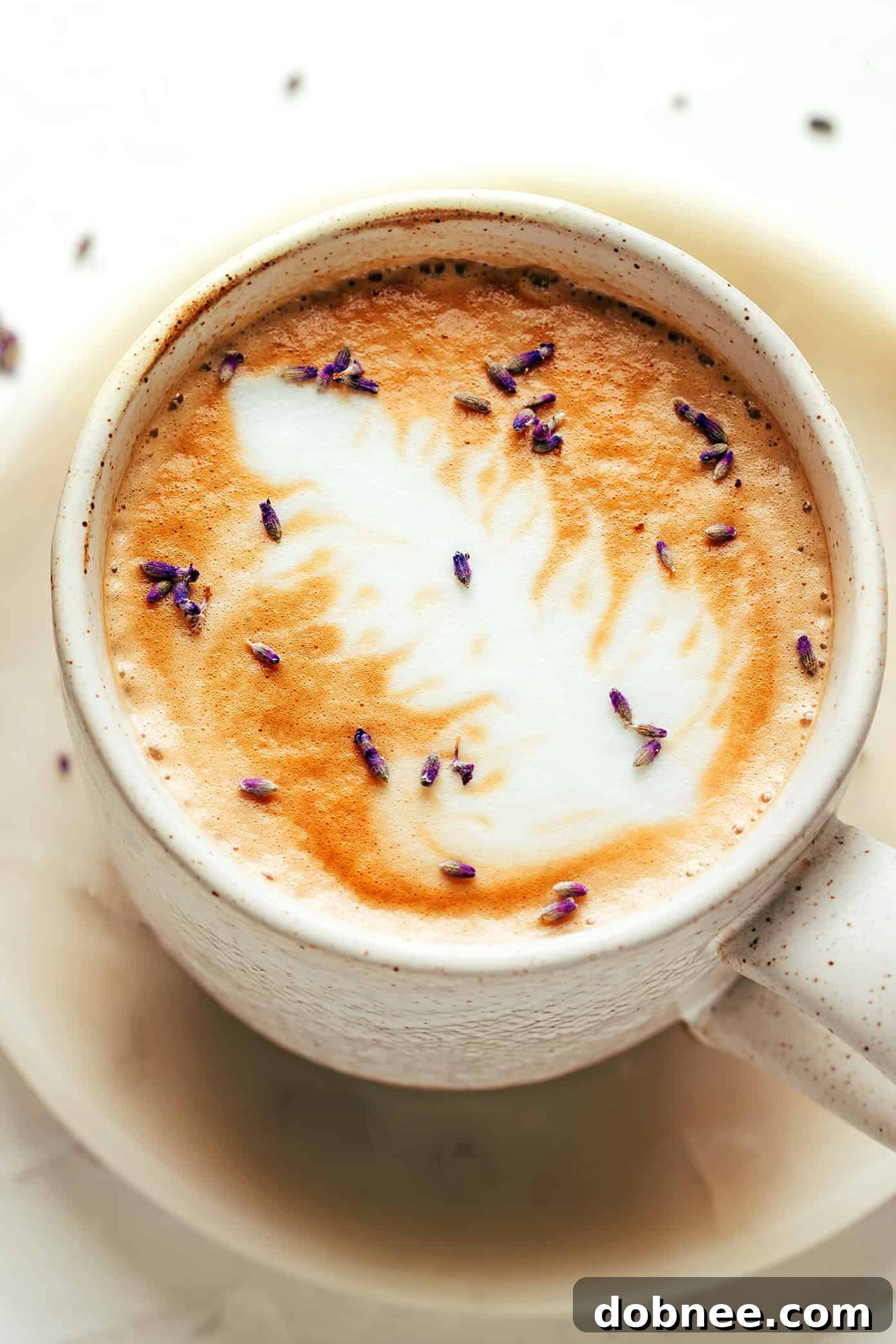
- Lavender Latte: This is where my lavender journey began! Add a tablespoon or two (or to taste) of lavender syrup to your hot or iced coffee lattes. The floral notes complement the rich coffee beautifully, creating a soothing and aromatic beverage that feels like a spa treatment in a mug.
- Lavender Lemonade: Elevate a simple glass of lemonade, whether homemade or store-bought, with a delightful splash of lavender syrup. The sweetness and floral essence perfectly balance the tartness of the lemon, resulting in an incredibly refreshing and visually appealing drink.
- Lavender Iced Tea: Infuse your favorite iced tea (black, green, or herbal) with the delicate flavor of lavender syrup for a truly unique and calming beverage. It’s a wonderful alternative to plain sugar, adding an extra layer of flavor complexity.
- Lavender Sorbet or Ice Cream: A drizzle of lavender syrup into your fruit sorbet mixture before freezing, or into your homemade ice cream base, creates a wonderfully aromatic and subtly flavored frozen treat. It pairs exceptionally well with berry or lemon-based desserts.
- Lavender Baked Goods: Incorporate lavender syrup directly into your batter or dough for baked goods like scones, cakes, muffins, or even shortbread cookies. The floral notes are particularly complementary to blueberries, lemons, and white chocolate, adding an unexpected layer of gourmet flavor.
- Lavender Glaze: For a quick and elegant finish, whisk a tablespoon or two of lavender syrup with powdered sugar until you reach a smooth, pourable consistency. Drizzle this exquisite lavender glaze over lemon loaf cakes, simple sugar cookies, or fresh fruit tarts for a touch of sophistication.
- Lavender Whipped Cream: Replace some of the sugar in your homemade whipped cream recipe with lavender syrup. This creates an ethereal, subtly floral whipped cream that is perfect for topping berry desserts, hot chocolate, or even a slice of pie.
- Dressings and Marinades: Add a unique twist to your culinary creations by incorporating lavender syrup into salad dressings, especially vinaigrettes, or use it in marinades for poultry or pork. The floral notes can add an unexpected depth of flavor.
- Dessert Enhancer: Beyond baked goods, a hint of lavender syrup can elevate panna cotta, custards, fruit salads, or even simple yogurt parfaits. It’s a secret ingredient for transforming ordinary desserts into extraordinary experiences.
Homemade Lavender Simple Syrup
Author: Ali
Prep Time: 20 mins
Cook Time: 10 mins
Total Time: 30 mins
Yield: 2 cups 1x
Description
This simple and elegant homemade lavender syrup is incredibly easy to prepare with just 3 ingredients. Perfect for adding a fragrant floral touch to everything from gourmet lattes and sophisticated cocktails to refreshing lemonades, iced teas, and a wide array of baked goods. Elevate your drinks and desserts effortlessly!
Ingredients
Scale
- 1 cup granulated white sugar
- 1 cup water (filtered water recommended for best flavor)
- 1/4 cup dried lavender buds (ensure they are culinary grade)
Instructions
- Simmer. In a small saucepan, combine the granulated sugar and water. Place the saucepan over high heat and stir frequently. Continue stirring until the mixture reaches a gentle simmer and all the sugar has completely dissolved, ensuring a smooth syrup base. This usually takes about 5-7 minutes.
- Steep. Once the sugar has dissolved and the mixture is simmering, immediately remove the pan from the heat. Stir in the culinary-grade dried lavender buds. Allow the mixture to steep for precisely 15 minutes. This steeping time is crucial for extracting the optimal lavender flavor without introducing any bitterness.
- Strain and Store. Carefully pour the infused syrup through a fine-mesh strainer* into a clean, heat-safe jar or bottle. Discard the spent lavender buds. Let the syrup cool completely to room temperature before covering it tightly. Refrigerate the lavender syrup for up to 2-3 weeks for optimal freshness and flavor.
Equipment
Dried Culinary Lavender
Buy Now →
Fine Mesh Strainer
Buy Now →
Pint Mason Jar
Buy Now →
Notes
Straining the Lavender: For a perfectly clear and smooth lavender syrup, especially if you notice any fine, grainy bits after the initial strain, consider lining your fine-mesh strainer with a piece of cheesecloth or a clean paper towel. This extra step ensures all the tiny lavender particles are removed, resulting in a beautifully translucent syrup. Also, remember that the steeping time is critical; for a stronger flavor, increase the amount of lavender, not the steeping time, to avoid bitterness.