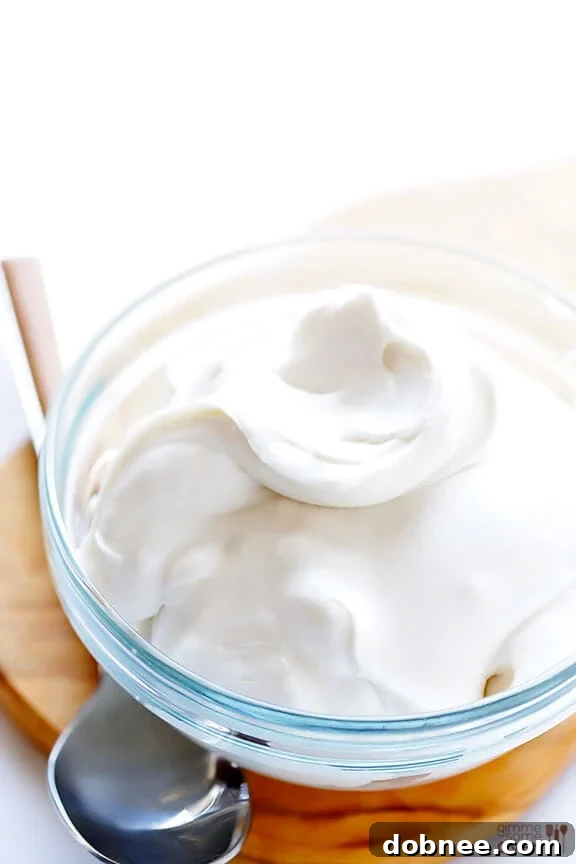
The Ultimate Guide to Making Fluffy Homemade Coconut Whipped Cream (Dairy-Free & Vegan!)
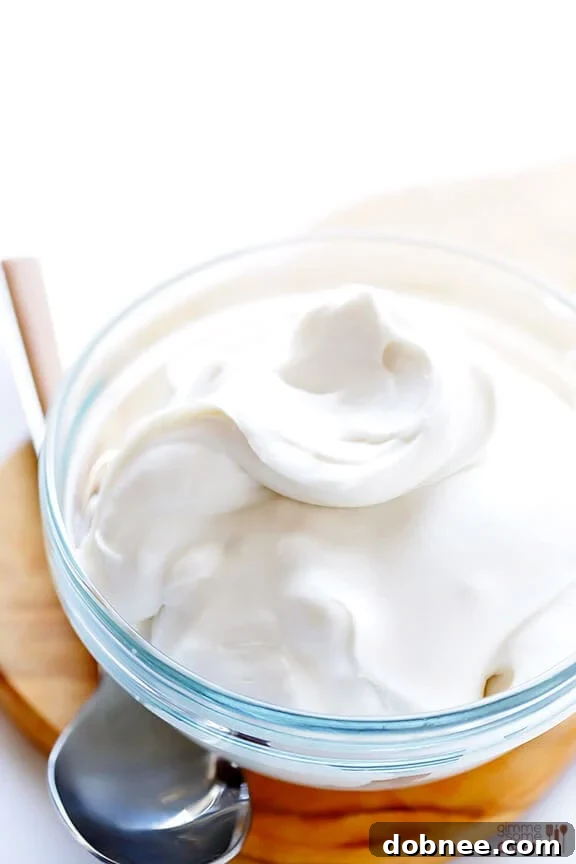
In today’s diverse culinary landscape, navigating various dietary needs and preferences can be a delightful challenge. Whether you’re hosting a gathering, celebrating a birthday, or simply preparing a comforting meal, understanding what your loved ones can and cannot eat has become more important than ever. From vegan and vegetarian to gluten-free and dairy-free, the list of dietary considerations continues to grow, making versatile recipes a true kitchen essential.
As someone who enjoys cooking for friends and family, I’ve come to appreciate the beauty of adaptable ingredients. It’s truly special to whip up someone’s favorite dessert or bring over a dish that caters perfectly to their specific tastes and requirements. However, keeping track of every individual’s preferences can sometimes feel like a daunting task. That’s where culinary innovations like coconut whipped cream come into play, offering a delicious and inclusive solution that everyone can enjoy.
Coconut whipped cream has transcended being just a “trendy” dairy-free alternative; it’s become a reliable staple in many kitchens, including my own. Its appeal is broad: vegans adore it, those with dairy intolerances cherish it, and even traditional whipped cream enthusiasts often find themselves reaching for a second spoonful. Despite its growing popularity, I realized I hadn’t shared my go-to method for making this delightful topping. So, for all those eager to master this simple yet transformative recipe, here’s a comprehensive tutorial to guide you.
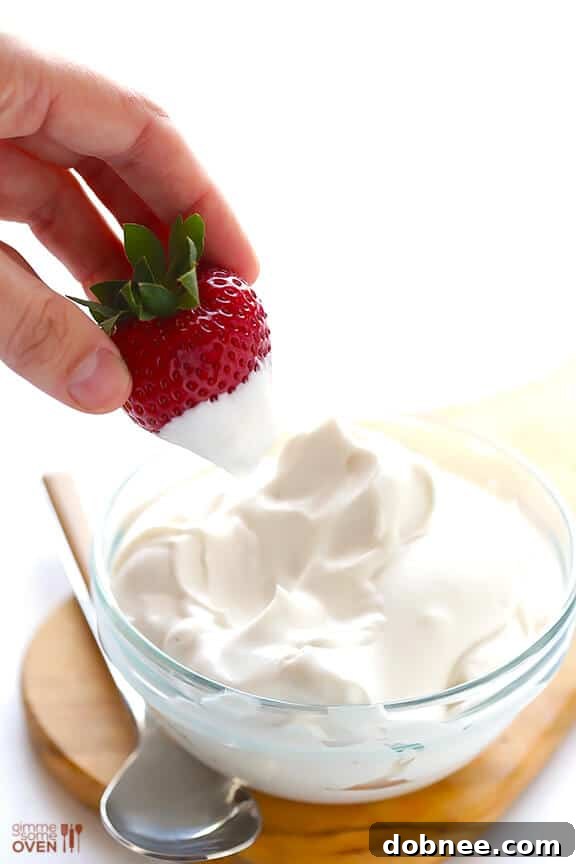
Understanding Coconut Whipped Cream: What to Expect
Before diving into the recipe, it’s important to set realistic expectations. Coconut whipped cream, while incredibly delicious and versatile, is an alternative to traditional dairy-based whipped cream. It doesn’t mimic the taste or texture *exactly*, but it offers a fantastic substitute with its own unique charm.
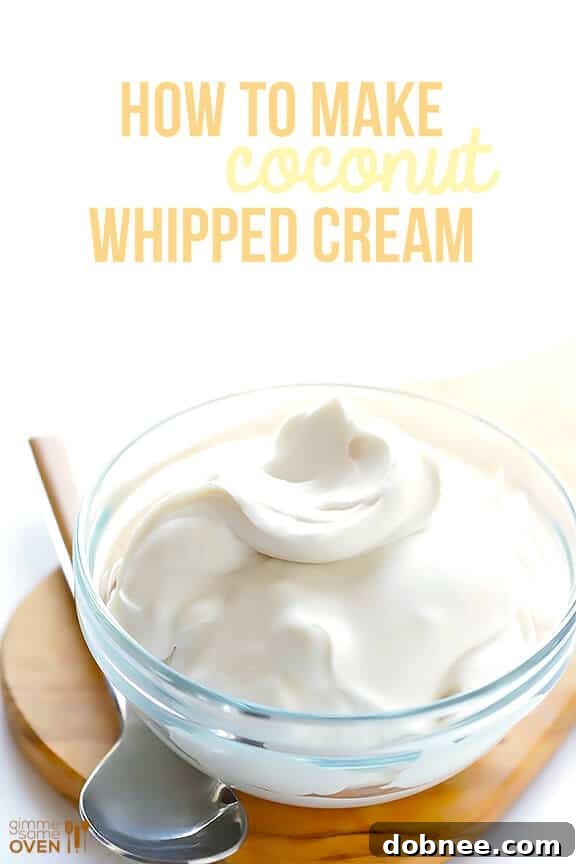
You’ll notice a subtle, delightful coconut flavor, which I personally find adds an exotic touch to desserts. While it may not always form the super-stiff peaks that dairy cream can achieve, it certainly whips up into a wonderfully light, airy, and creamy consistency. It’s sweet, rich with a hint of vanilla (if added), and perfectly capable of fulfilling most of your whipped cream desires.
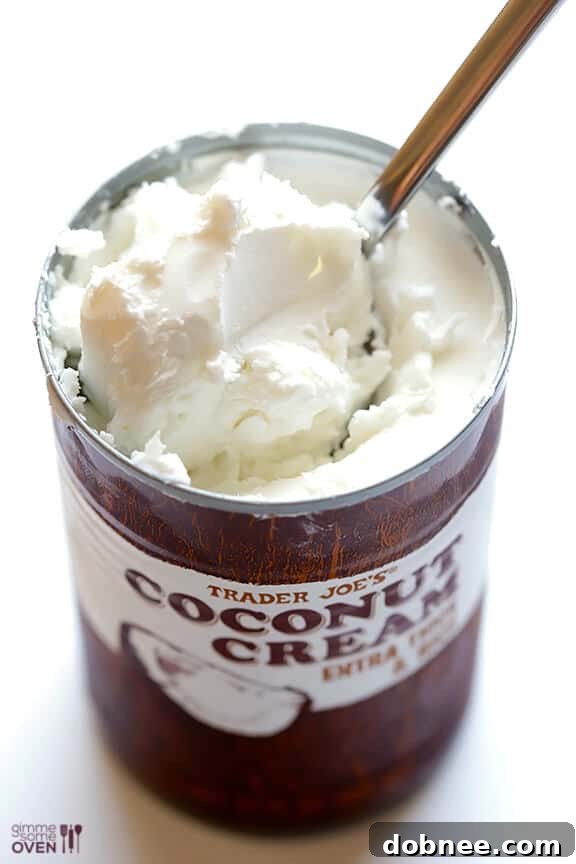
The Secret to Success: Choosing the Right Coconut Base
The foundation of exceptional coconut whipped cream lies in selecting the correct type of coconut product. There are two primary avenues you can take: using full-fat canned coconut milk or opting for pre-made coconut cream. Each has its nuances, and understanding them is key to achieving a perfectly fluffy result.
1. Using Full-Fat Canned Coconut Milk
This is the most common method, but it comes with specific requirements to ensure success:
- Full Fat is Non-Negotiable: For coconut whipped cream to work, you absolutely *must* use full-fat coconut milk. Look for it in cans, not the thinner, refrigerated cartons often found in the dairy section (which are typically designed for drinking). “Lite” or reduced-fat versions simply won’t have enough fat content to whip properly.
- Avoid Guar Gum (If Possible): While not always a deal-breaker, some brands with high concentrations of guar gum (a thickening agent) can make it harder for the cream to separate and whip effectively. Experiment with brands to find what works best for you.
- Refrigeration is Crucial (18-24 Hours): This step cannot be skipped. Placing your can of full-fat coconut milk in the refrigerator for at least 18 to 24 hours (or even longer) is essential. The cold temperature causes the thick, solid coconut cream to separate and rise to the top, leaving the thinner coconut water at the bottom. This separation is what allows you to scoop out the cream for whipping.
- How to Separate the Cream: Once thoroughly chilled, gently remove the can from the fridge without shaking or tipping it. Open the can and use a spoon to carefully scoop out the thick, solid layer of coconut cream. The coconut water at the bottom can be saved for smoothies, soups, or other recipes – don’t discard it! Only the solid cream is used for whipping.
- Recommended Brands for Consistency: Not all coconut milk brands are created equal when it comes to whipping. Look for brands known for good separation and high-fat content. Common successful brands include Whole Foods 365, Native Forest, and Natural Value. Thai Kitchen can be inconsistent but sometimes works well. Experimentation may be necessary to find your favorite.
2. Using Canned Coconut Cream
Increasingly available in stores, canned coconut cream offers a convenient shortcut:
- Pre-Separated Convenience: Coconut cream cans contain mostly the thick, solid cream, with minimal (or no) coconut water. This means less work separating components, saving you a step.
- Still Requires Refrigeration: Just like with coconut milk, you still need to refrigerate canned coconut cream overnight (at least 18-24 hours) for optimal whipping and maximum fluffiness. The chilling process is vital for the fat globules to solidify and structure.
- Concentration Note: Cans of pure coconut cream often yield a higher volume of thick cream compared to the cream scooped from a can of coconut milk. Typically, one can of coconut cream is equivalent to the cream from about two cans of coconut milk. If you’re using a recipe designed for coconut milk, you might need to adjust the amount of sweetener and vanilla accordingly, usually doubling them if substituting one can of coconut milk with one can of coconut cream.
- Popular Brands: Trader Joe’s and Whole Foods 365 often carry reliable brands of coconut cream.
A Word of Caution: Brand Inconsistency
This is arguably the most crucial piece of advice for any aspiring coconut whipped cream maker: brand consistency is not guaranteed. Unfortunately, the world of coconut milk and cream can be a bit unpredictable. Different brands can yield vastly different results, and sometimes, even two cans of the *exact same brand* might perform differently. Some might whip beautifully, while others unexpectedly flop.
This variability can be due to changes in manufacturing processes, subtle recipe adjustments by brands over time, or natural differences in coconut batches. Don’t let this deter you! If your first attempt isn’t perfect, it’s very likely not your fault. Try a different brand or another can before giving up. Persistence often pays off in finding a brand that consistently works for you.
Step-by-Step Instructions for Fluffy Perfection
Essential Tools You’ll Need:
- One chilled (14-ounce) can of full-fat coconut milk or coconut cream
- A metal or glass mixing bowl (chilled)
- Electric mixer with a whisk attachment
- Powdered sugar (or your preferred sweetener)
- Vanilla extract
- Spoon
The Whipping Process:
- Chill Your Equipment: For best results, place your metal or glass mixing bowl and the whisk attachment in the freezer for 5-10 minutes before you begin. Keeping everything as cold as possible significantly helps the coconut cream to whip up light and airy. If you’re using a plastic bowl, this step isn’t mandatory, but cold equipment always gives an edge.
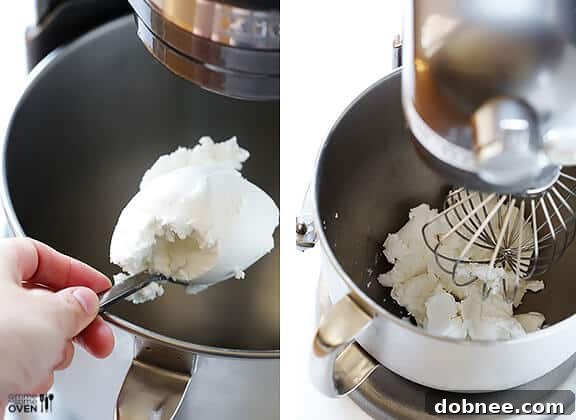
- Prepare the Coconut Cream: Gently retrieve your thoroughly chilled can of coconut milk or cream from the refrigerator. Avoid shaking or tilting it to maintain the separated layers. Open the can and carefully scoop out only the thick, solid coconut cream into your pre-chilled mixing bowl. Leave any liquid (coconut water) behind.
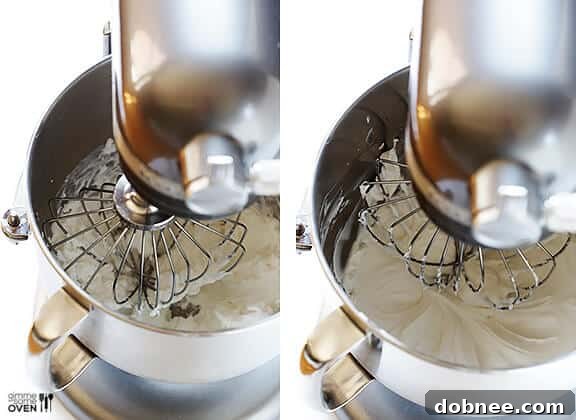
- Whip Until Fluffy: Attach the whisk to your electric mixer. Begin whipping the coconut cream on medium speed. Continue for about 1 to 2 minutes, or until the cream starts to lighten in color and becomes noticeably fluffy. You’ll see soft peaks beginning to form.
- Add Sweetener and Flavor: At this point, add your desired sweetener. Powdered (confectioner’s) sugar is often preferred for its fine texture, which dissolves smoothly and maintains a creamy consistency. However, granulated sugar, honey, or agave can also be used; adjust to taste. I highly recommend adding a splash of vanilla extract—it enhances the flavor beautifully and can help mask any pronounced coconut taste for those who are wary. For an extra touch, consider a tiny pinch of salt to balance the sweetness.
- Final Whip: Continue beating the mixture until all ingredients are well blended and the whipped cream reaches your desired consistency – light and fluffy with soft to medium peaks. Be careful not to over-whip, as it can sometimes become grainy.
Serving and Storage Tips
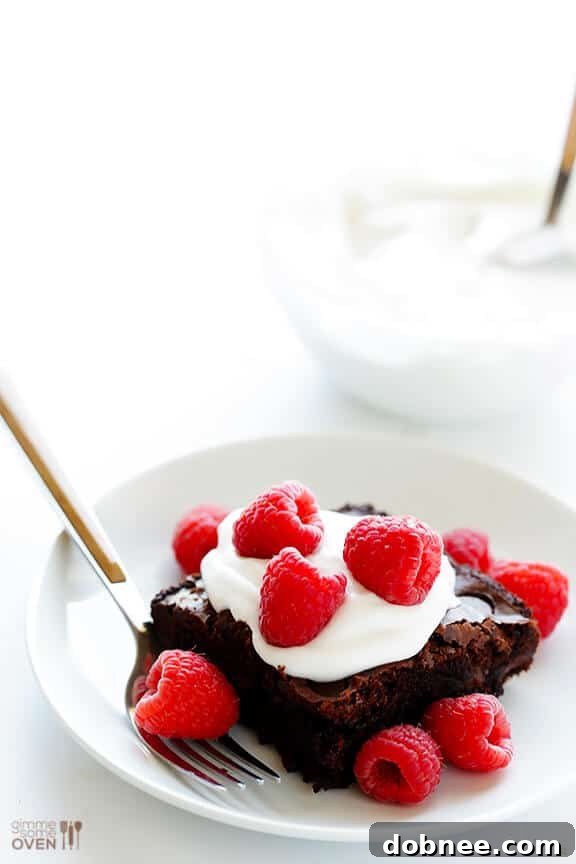
Once your coconut whipped cream is perfectly fluffy, it’s time to enjoy!
- Best Served Immediately: For the absolute best texture and freshness, coconut whipped cream is ideal when served right after making it.
- Storage: If you have leftovers or need to prepare it in advance, transfer the whipped cream to an airtight container and store it in the refrigerator. It will hold well for about 3-5 days.
- Re-whipping: It’s common for coconut whipped cream to firm up significantly in the fridge due to the solidified coconut fat. Don’t worry if it becomes too stiff! Simply remove it from the refrigerator and give it a quick re-whip with your electric mixer until it regains its light and fluffy consistency.
And there you have it! A truly versatile, delicious, and inclusive topping that will elevate any dessert or beverage. Experiment with different flavorings like cocoa powder for a chocolate version, a hint of almond extract, or even a touch of citrus zest to make it your own.
Coconut Whipped Cream
Prep Time: 5 minutes
Total Time: 5 minutes
Yield: About 1.5 cups 1x
Description
Learn how to make rich, fluffy, and perfectly sweet coconut whipped cream with this simple tutorial. An ideal dairy-free and vegan alternative to traditional whipped cream!
Ingredients
Scale
- 1 (14 ounce) can full-fat coconut milk (or pure coconut cream), refrigerated for at least 24 hours
- 1–3 tablespoons powdered sugar (adjust to taste; see notes below for other sweetener options)
- 1 teaspoon vanilla extract, store-bought or homemade
Instructions
- First, place your mixing bowl (preferably metal or glass) and the whisk attachment in the freezer for 5-10 minutes to ensure they are thoroughly chilled.
- When you are ready to make the coconut whipped cream, carefully remove the chilled mixing bowl and whisk from the freezer. Then, retrieve the can of coconut milk or cream from the refrigerator, being careful not to shake or tip it. Open the can and use a spoon to gently scoop out the thick, solidified layer of coconut cream that has risen to the top, transferring it into your chilled mixing bowl. Discard or save the remaining coconut water for another use.
- Using the whisk attachment, beat the coconut cream on medium speed for 2-4 minutes. Continue whipping until the cream becomes light, airy, and fluffy, and small peaks begin to form.
- Add your chosen sweetener (powdered sugar, honey, agave, etc.) and the vanilla extract to the whipped coconut cream. Continue beating on medium speed until all the ingredients are well incorporated and the cream reaches your desired sweetness and consistency.
- Serve the coconut whipped cream immediately for the best texture. If not using right away, transfer it to a sealed container and refrigerate. If it becomes too firm in the refrigerator, simply re-whip it for a minute or two until it returns to a light and fluffy consistency before serving.
- *Sweetener Note: The ideal level of sweetness is entirely up to your preference, and the natural sweetness of coconut milk can vary by brand. I recommend starting with 1 tablespoon of powdered sugar and adding more to taste. Powdered sugar is generally recommended for the smoothest texture, but granulated sugar, honey, or agave are also viable options. Be aware that the texture of liquid sweeteners might slightly alter the final consistency of the whipped cream.
Notes
Please note that consistency can vary significantly between different brands and even different batches of coconut milk/cream. Factors like guar gum content or changes in manufacturing processes can affect whipping success. If your first attempt doesn’t yield perfectly fluffy results, don’t be discouraged! Try another brand or a different can. Finding a reliable brand may require a bit of experimentation.
Common Questions & Troubleshooting
Why didn’t my coconut whipped cream get fluffy?
This is the most common issue, and it almost always comes down to one of two things: not cold enough or not enough fat. Ensure your coconut milk/cream has been refrigerated for a full 24 hours, ideally in the coldest part of your fridge. Also, verify that you used *full-fat* canned coconut milk and not “lite” or carton varieties. Shaking the can before chilling can also hinder separation. If you tried everything and it still didn’t whip, it might be an inconsistent batch or a brand that doesn’t perform well for whipping; try a different brand next time.
Can I use a hand whisk instead of an electric mixer?
While technically possible, it will require significant arm strength and patience to achieve the desired fluffiness. An electric mixer (handheld or stand mixer) with a whisk attachment is highly recommended for best results and ease.
What if my coconut whipped cream is too soft?
If it’s too soft, it likely needs more chilling time (either the can itself or the bowl/whisk). You can try returning the bowl to the freezer for 10-15 minutes, then re-whipping. Sometimes, a pinch of cream of tartar (about 1/4 teaspoon) can help stabilize it, but generally, proper chilling is the key.
Creative Ways to Enjoy Coconut Whipped Cream
This versatile topping isn’t just for vegan desserts; it’s a fantastic addition to a wide array of dishes! Here are some ideas:
- Dessert Topping: Spoon generously over fruit salads, berry crumbles, pies, cakes, or puddings. It’s especially delicious with anything chocolate or fruit-based.
- Hot Beverages: Swirl a dollop into your morning coffee, hot chocolate, or a chai latte for a luxurious, dairy-free treat.
- Breakfast & Brunch: Elevate your pancakes, waffles, or French toast with a light, creamy finish. It’s also wonderful on oatmeal or smoothie bowls.
- Fruit Tarts & Parfaits: Use it as a base for elegant fruit tarts or layer it with granola and fresh fruit for a delightful parfait.
- Savory Pairings: While less common, a hint of coconut whipped cream can surprisingly complement certain spicy or exotic savory dishes, adding a cooling, creamy element.
Final Thoughts
Making homemade coconut whipped cream is a rewarding experience that opens up a world of dairy-free and vegan dessert possibilities. While it requires a little patience for chilling and careful selection of ingredients, the results are well worth the effort. Its creamy texture, subtle coconut flavor, and adaptability make it a beloved choice for everyone, regardless of dietary restrictions.
Don’t be afraid to experiment with different brands and tweak the sweetness and flavorings to suit your palate. Once you master this simple recipe, you’ll have a delightful, versatile topping at your fingertips, ready to transform ordinary dishes into extraordinary treats. So grab a can of full-fat coconut milk and join the party – your taste buds (and your friends!) will thank you!