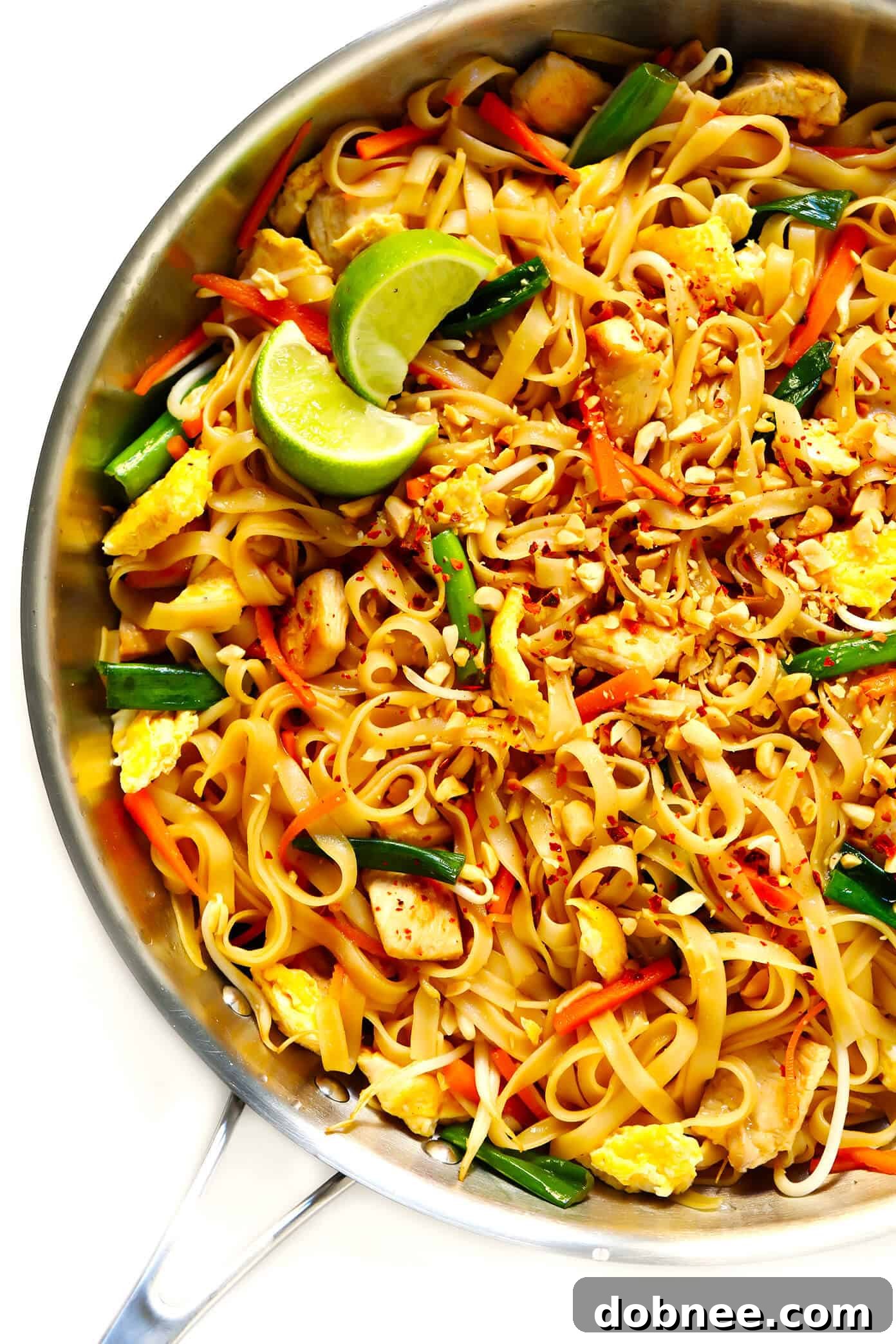
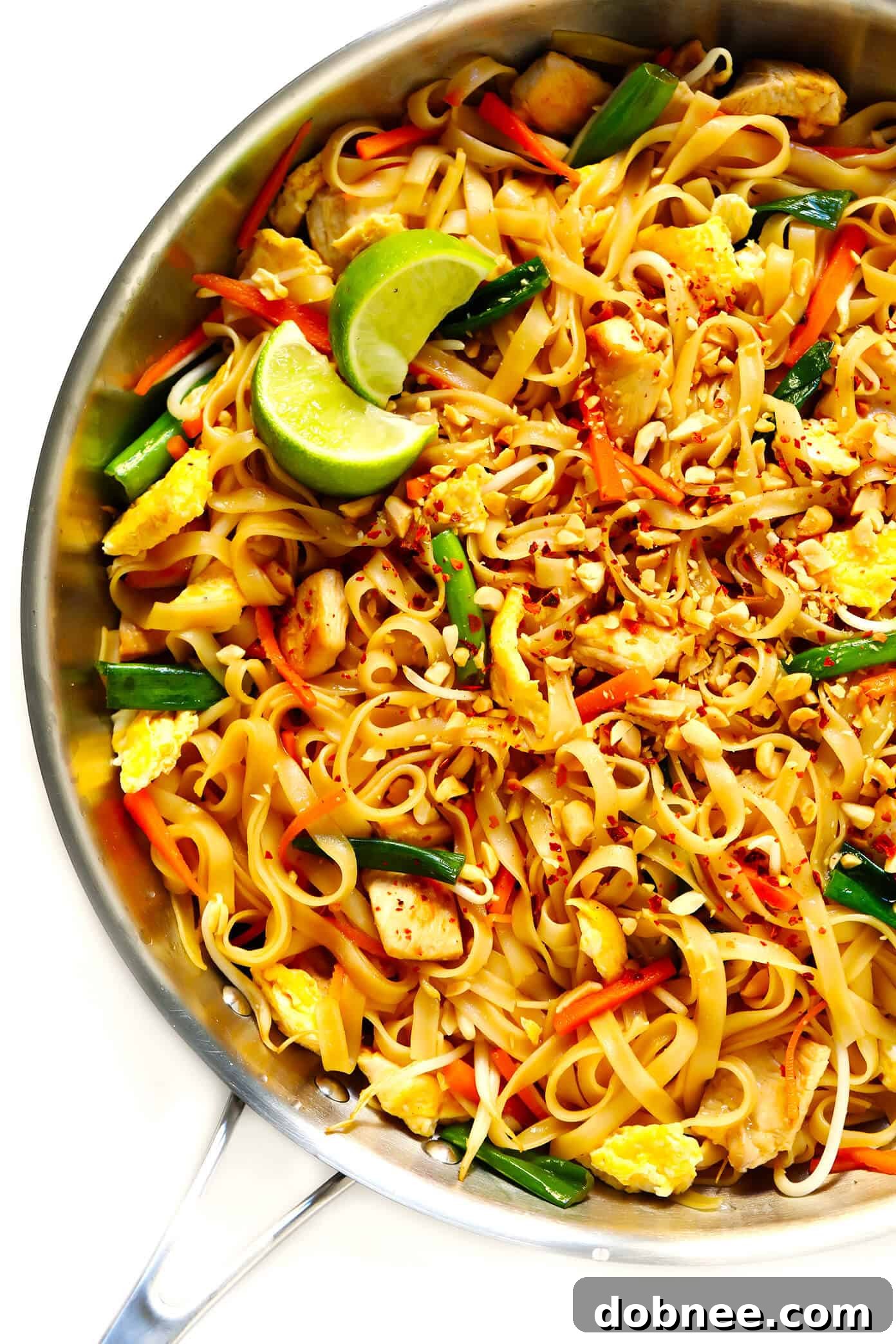
Experience the Magic of Homemade Pad Thai: Your Go-To Recipe
Few dishes capture the vibrant essence of Thai cuisine quite like Pad Thai. This iconic stir-fried noodle dish, celebrated for its irresistible balance of sweet, sour, salty, and spicy flavors, has charmed palates worldwide. While often enjoyed in bustling restaurants or as a beloved takeout treat, the good news is that crafting an incredibly delicious and customizable Pad Thai right in your own kitchen is surprisingly simple. Forget long waits and expensive bills – prepare to impress your taste buds with a homemade version that’s fresh, flavorful, and perfectly suited to your preferences.
This comprehensive guide will walk you through creating a restaurant-quality Pad Thai from scratch. We’ll delve into the history of this national dish, highlight essential ingredients, provide a detailed step-by-step cooking process, and explore various customization options, from protein choices to spice levels. Whether you’re a seasoned cook or a kitchen novice, get ready to master the art of Pad Thai and bring the authentic taste of Thailand to your dinner table.
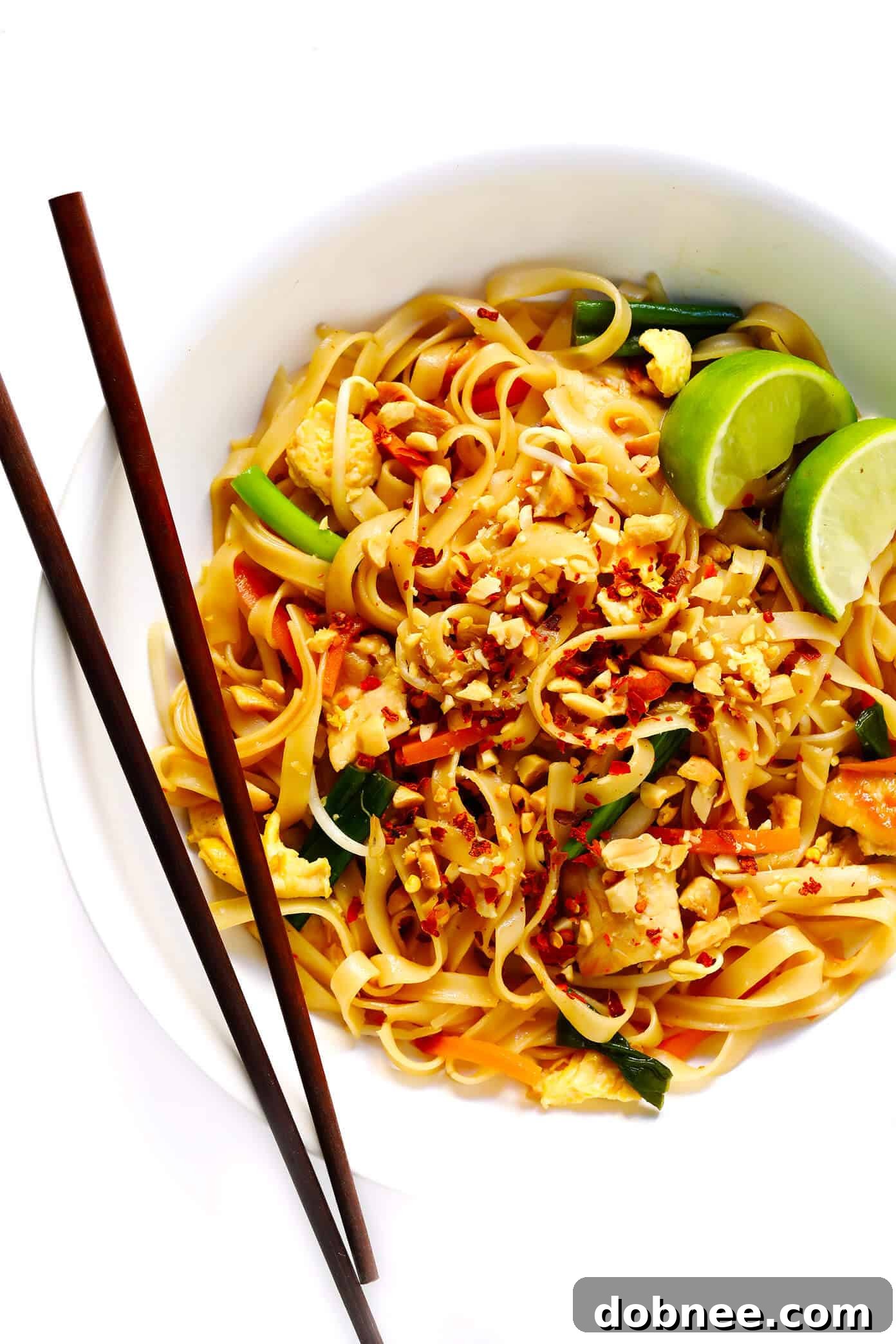
A Journey Through Time: The Fascinating History of Pad Thai
While Pad Thai feels like an ancient culinary staple, its origins are surprisingly modern, dating back less than a century. This beloved dish emerged in Thailand during a period of significant national change, making it a relatively new addition to the country’s rich gastronomic tapestry.
The creation of Pad Thai is widely attributed to Plaek Phibunsongkhram, Thailand’s prime minister in the 1930s and 40s. During this era, Phibunsongkhram embarked on a mission to foster a sense of national identity and pride among the Thai people. One key initiative involved promoting a new national dish that would not only embody the unique flavors of Thai cuisine – a harmonious blend of sweet, sour, salty, and spicy – but also utilize rice noodles, which were a more economical staple during wartime rice shortages.
Some historians suggest that a nationwide competition was held to encourage chefs to invent such a dish. Others propose that the dish evolved organically from existing noodle stir-fries, adapted to meet the prime minister’s vision and address the practicalities of the time. Regardless of the exact circumstances, Pad Thai quickly gained popularity across Thailand, becoming a symbol of national unity and culinary innovation. It spread from street food stalls to home kitchens, eventually making its way onto international menus, where it has become one of the most recognized and adored Thai dishes globally. Its evolution reflects Thailand’s dynamic history, demonstrating how food can be a powerful tool for cultural expression and national identity.
Why Make Pad Thai at Home? Unlocking Freshness and Customization
While ordering Pad Thai from your favorite Thai restaurant is always a treat, preparing it at home offers a multitude of benefits that elevate the experience. Here’s why homemade Pad Thai should be on your culinary radar:
- Unrivaled Freshness: You control the quality and freshness of every ingredient, from crisp bean sprouts to succulent shrimp. This translates to a brighter, more vibrant flavor profile that often surpasses takeout versions.
- Ultimate Customization: This is where homemade truly shines. Want more chicken? Less spice? Extra veggies? Prefer tofu or beef? You have the freedom to tailor every aspect of the dish to your exact preferences and dietary needs.
- Dietary Control: For those with allergies or specific dietary requirements (gluten-free, vegan), making Pad Thai at home allows you to easily substitute ingredients, such as using tamari for soy sauce or a vegan fish sauce alternative.
- Speed and Convenience: Once you have your ingredients prepped (mise en place!), Pad Thai comes together remarkably quickly, often in under 45 minutes. It’s a perfect solution for a flavorful weeknight meal that’s faster and healthier than ordering in.
- Cost-Effective: Making a large batch of Pad Thai at home is typically more economical than purchasing individual servings from a restaurant, especially when feeding a family.
- The Joy of Cooking: There’s immense satisfaction in creating a delicious, complex dish from scratch. The aroma filling your kitchen and the taste of your own creation are incredibly rewarding.
Embrace the adventure of home cooking and discover the fresh, balanced flavors of your very own Pad Thai masterpiece.
Essential Ingredients for Your Perfect Homemade Pad Thai
Creating a truly memorable Pad Thai begins with understanding its core components. While flexibility is a hallmark of this dish, certain ingredients are non-negotiable for achieving that signature flavor. Here’s a breakdown of what you’ll need for the stir-fry and the all-important sauce:
For the Stir-Fried Noodles:
- Thin Rice Noodles: The foundation of any great Pad Thai. Look for dried flat rice noodles, often labeled “rice stick noodles.” While thin versions are traditional, any width will work. Proper preparation (soaking, not overcooking) is key to their chewy texture.
- Protein of Choice: This recipe primarily focuses on chicken, but Pad Thai is incredibly versatile. Common alternatives include shrimp, beef (thinly sliced steak), pork (thinly sliced chops), or extra-firm tofu for a vegetarian option. You can also combine proteins.
- Fresh Vegetables: The crispness of fresh vegetables provides essential texture and nutrients.
- Bean Sprouts: A quintessential Pad Thai ingredient, offering a delightful crunch.
- Shredded Carrots: Add a touch of sweetness and vibrant color.
- Green Onions (Scallions): Sliced into 1-inch pieces, they contribute a mild oniony freshness.
- Minced Garlic: Provides an aromatic base for the stir-fry.
- Eggs: Briefly scrambled into the stir-fry, eggs add richness and another layer of protein. They can be omitted for a vegan version.
- Cooking Oil: A neutral oil with a high smoke point, like vegetable or canola oil, is ideal for stir-frying.
- Optional Toppings: These elevate the dish, adding extra flavor and texture.
- Chopped Peanuts: Essential for a crunchy texture and nutty flavor.
- Fresh Lime Wedges: A squeeze of fresh lime juice just before serving brightens all the flavors.
- Crushed Red Pepper Flakes: For those who enjoy an extra kick of heat.
For the Signature Pad Thai Sauce:
The sauce is the heart and soul of Pad Thai, delivering its complex balance of sweet, tangy, and savory notes. Mastering this component is crucial.
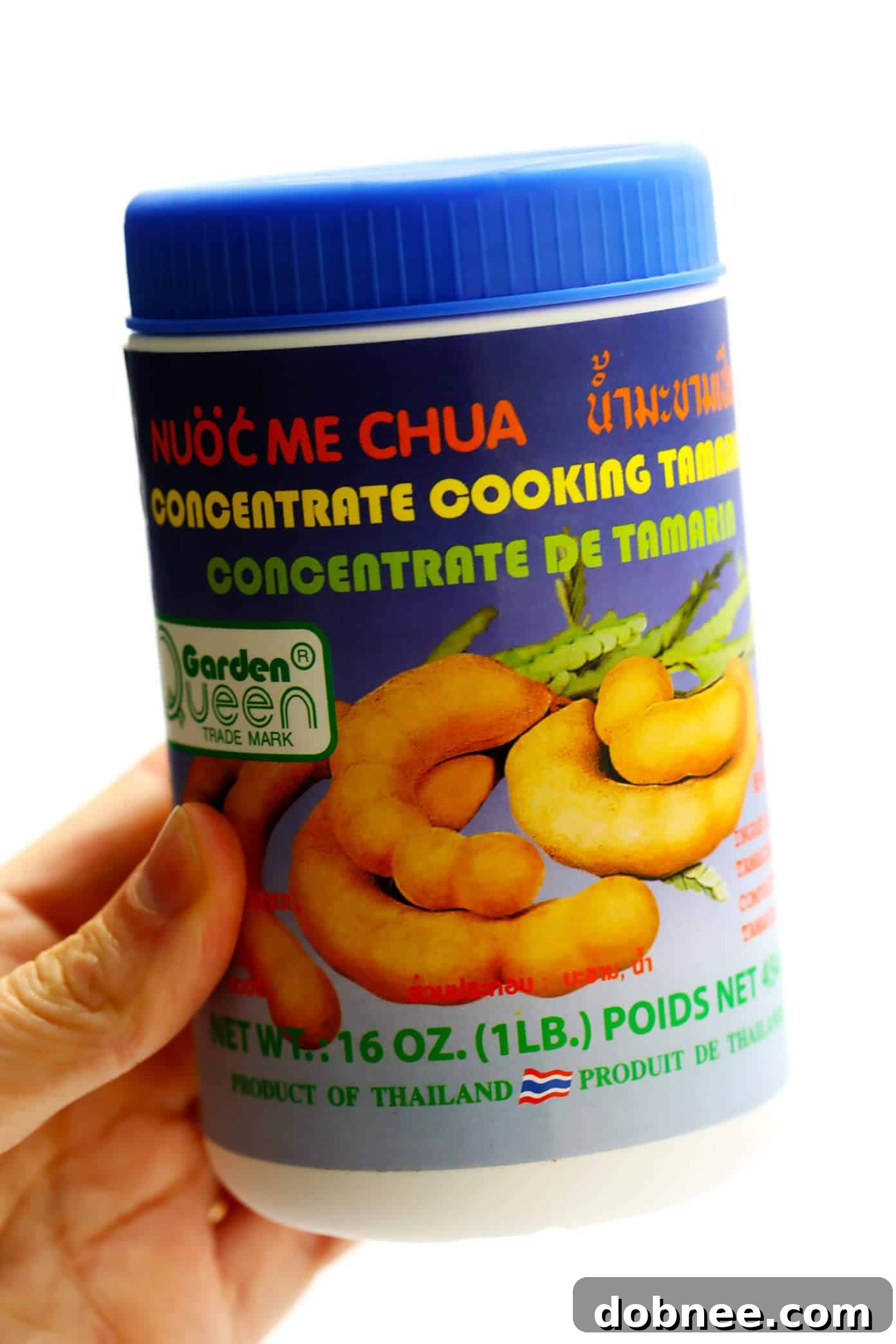
- Tamarind Concentrate: This is the star ingredient! Tamarind provides the characteristic fruity tang that defines authentic Pad Thai. It’s paramount to use a Thai brand of tamarind concentrate, as Indian varieties have a different flavor profile and potency. You can often find it online or in the international aisle of larger grocery stores. Avoid using ketchup as a substitute, as it fundamentally alters the flavor.
- Brown Sugar (or Palm Sugar): Traditionally, palm sugar is used for its subtle caramel notes. However, light brown sugar is an excellent and readily available substitute, providing the necessary sweetness to balance the tang of the tamarind. Coconut sugar can also be used.
- Fish Sauce: This savory ingredient is crucial for adding depth and a distinct umami flavor. Use a good-quality brand for the best results. For a vegan version, look for a plant-based “fish sauce” alternative or increase the soy sauce and lime juice slightly.
- Soy Sauce: Contributes additional salty and umami notes. For a gluten-free Pad Thai, substitute with tamari.
- Fresh Lime Juice: Reinforces the tangy profile and adds a bright, zesty finish to the sauce.
- Crushed Red Pepper Flakes: Allows you to control the heat level. Adjust to your preference, from a mild warmth to a fiery kick.
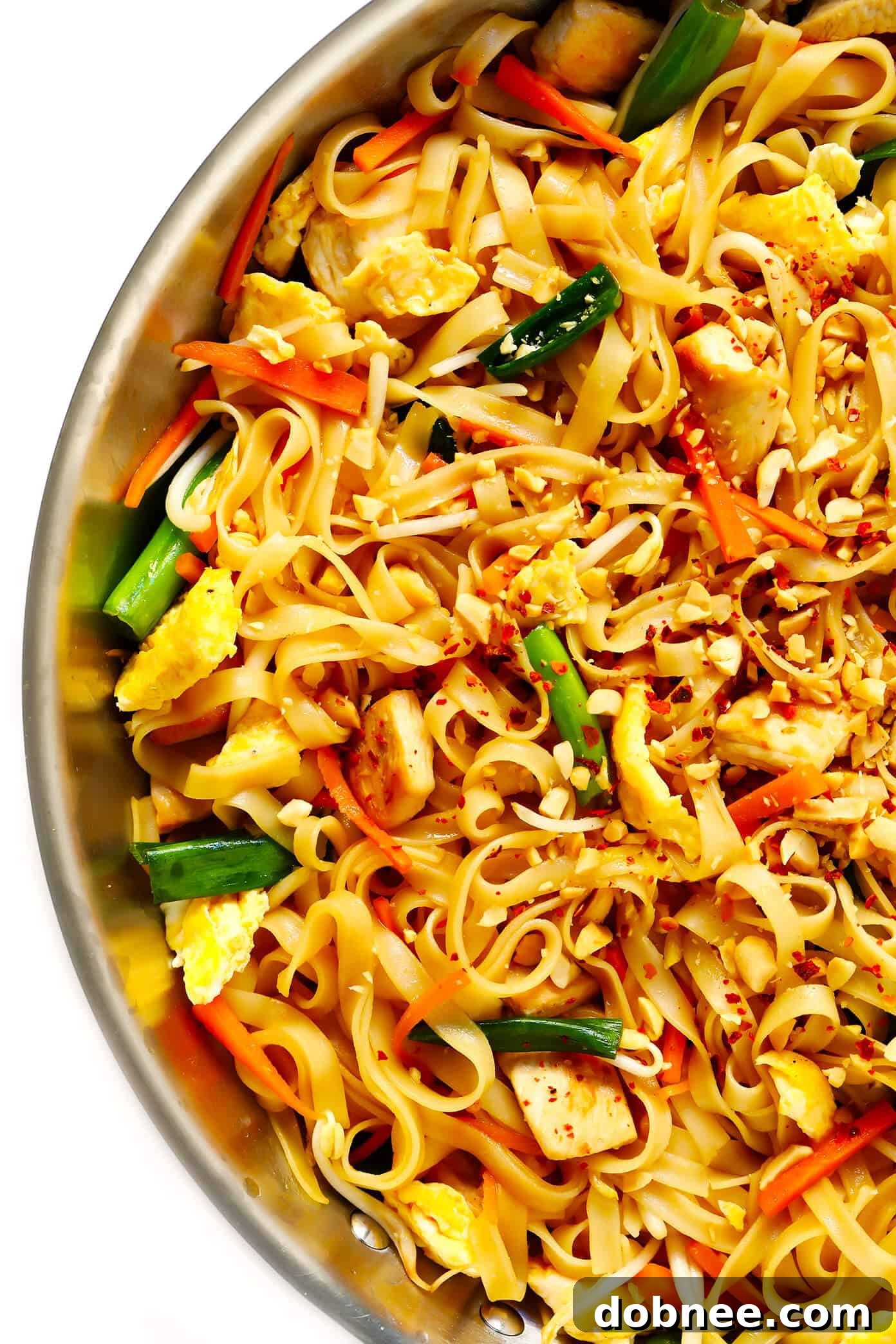
Step-by-Step Guide: How to Cook the Best Homemade Pad Thai
Creating Pad Thai might seem intimidating, but by breaking it down into manageable steps, you’ll find it’s a straightforward and enjoyable process. The key is to have all your ingredients prepped and ready before you start cooking – this is known as “mise en place” and is vital for stir-frying success.
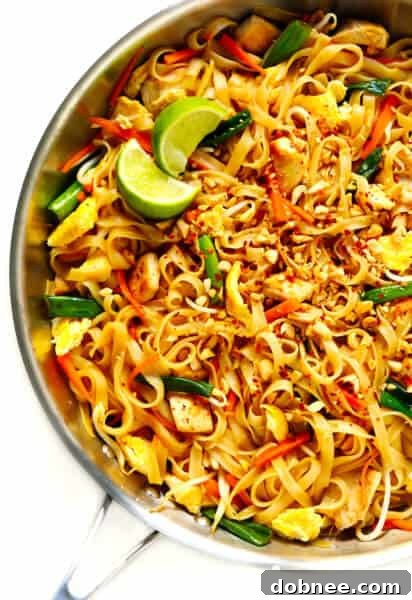
Pad Thai Recipe
- Prep Time: 20 minutes
- Cook Time: 25 minutes
- Total Time: 45 minutes
- Yield: 4-6 servings
Description
This homemade Pad Thai recipe is easy to make, tossed with a fresh and sweet and tangy sauce, and customizable with whatever protein, veggies, and spice level you prefer. (Chicken, steak, pork, shrimp, tofu and veggie-only options included below.)
Ingredients
Pad Thai Ingredients:
- 10 ounces thin rice noodles
- 3 tablespoons oil, divided
- 1 pound boneless skinless chicken breasts, thinly sliced and cut into bite-sized pieces
- 1 cup fresh bean sprouts
- 1/2 cup shredded carrots
- 4 cloves garlic, minced
- 3 eggs, whisked
- 3 green onions, sliced into 1-inch pieces
- Toppings: lots of chopped peanuts, extra crushed red pepper flakes, fresh lime wedges
Sauce Ingredients:
- 1/3 cup packed brown sugar
- 1/4 cup fish sauce
- 2 tablespoons tamarind concentrate (please see note below regarding brand and potency)
- 2 tablespoons soy sauce
- juice of 1 fresh lime
- 1/4 teaspoon crushed red pepper flakes (or more/less to taste)
Instructions
- Prepare the Sauce: In a medium bowl, whisk all sauce ingredients (brown sugar, fish sauce, tamarind concentrate, soy sauce, lime juice, and crushed red pepper flakes) together until thoroughly combined. You can also shake them in a mason jar. Set aside.
- Cook the Noodles: Bring a large pot of water to a boil. Cook the rice noodles according to package instructions until al dente – they should be tender but still have a slight chew. Drain the noodles immediately in a colander and rinse briefly with cold water to stop the cooking process and prevent them from clumping. Toss lightly with 1 tablespoon of oil to keep them from sticking while you prepare the other components.
- Cook the Protein (Chicken): Heat 1 tablespoon of oil in a large sauté pan or wok over high heat. Add the thinly sliced chicken and stir-fry for 3-5 minutes, tossing occasionally, until it is fully cooked through and lightly browned. Using a slotted spoon, transfer the cooked chicken to a clean plate and set aside.
- Sauté the Vegetables: Add the remaining 1 tablespoon of oil to the same pan. Add the bean sprouts, shredded carrots, and minced garlic. Sauté for about 2 minutes, stirring frequently, until the vegetables are crisp-tender.
- Scramble the Eggs: Push the sautéed vegetables to one side of the pan to create an empty space. Pour the whisked eggs into the empty side and scramble them until cooked through, breaking them into small pieces.
- Combine All Ingredients: Return the cooked chicken to the pan with the eggs and vegetables. Add the cooked and prepared rice noodles and the reserved Pad Thai sauce. Finally, add the sliced green onions. Toss everything together vigorously until all ingredients are evenly coated in the sauce. This should take about 1-2 minutes. Remove the pan from the heat immediately to prevent the noodles from overcooking or becoming mushy.
- Serve Immediately: Transfer the Pad Thai to serving plates. Garnish generously with plenty of chopped peanuts, a sprinkle of extra crushed red pepper flakes (if you desire more heat), and a fresh lime wedge for squeezing. Enjoy your homemade Pad Thai!
Notes
Tamarind Concentrate: The potency and flavor of tamarind concentrate can vary significantly between brands. This recipe specifies 2 tablespoons, which was an adjustment from an earlier version to achieve a balanced, tangy flavor. For the best and most authentic taste, prioritize a Thai brand of tamarind concentrate. Indian varieties tend to be more concentrated and have a distinct flavor, which may require you to adjust the amount used. If you prefer a sweeter sauce, reminiscent of many American-Thai restaurant versions, consider increasing the brown sugar to 1/2 cup or more, to taste.
Customizing Protein Options:
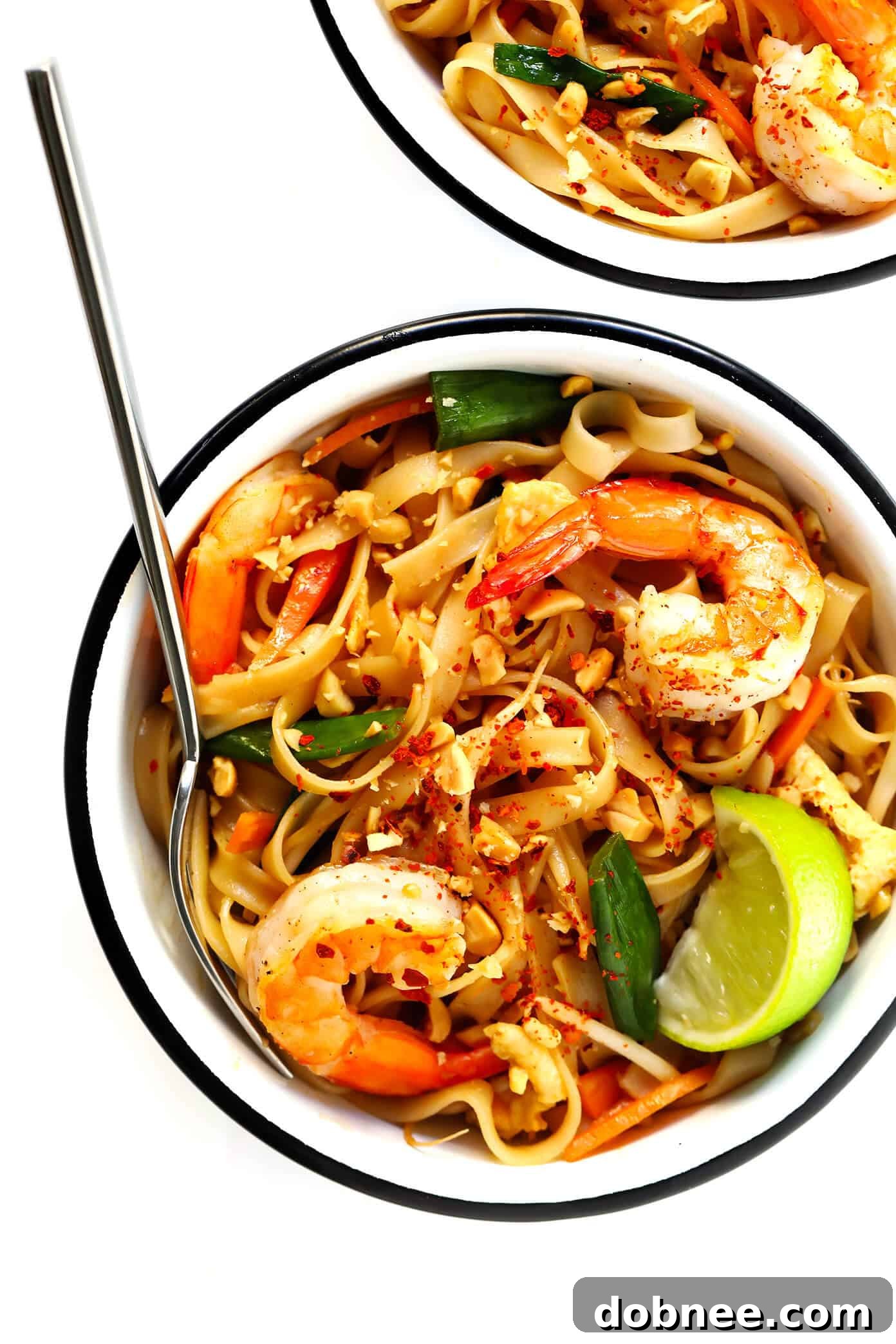
- Shrimp Pad Thai: Season 1 pound of large shrimp (peeled and deveined) with salt and pepper. Sauté them in 1 tablespoon of oil over high heat for 1-2 minutes, stirring occasionally, until they turn bright pink and are fully cooked. Transfer to a clean plate and set aside, adding them back in Step 6.
- Beef Pad Thai: Thinly slice 1 pound of lean steak (such as sirloin or flank steak) against the grain into bite-sized pieces. Season with salt and pepper. Sauté in 1 tablespoon of oil over high heat for 3-4 minutes, stirring occasionally, until browned on all sides. Transfer to a clean plate and set aside, adding it back in Step 6.
- Pork Pad Thai: Thinly slice 1 pound of lean boneless pork chops into bite-sized pieces. Season with salt and pepper. Sauté in 1 tablespoon of oil over high heat for 3-4 minutes, stirring occasionally, until browned on all sides. Transfer to a clean plate and set aside, adding it back in Step 6.
- Tofu Pad Thai (Vegetarian/Vegan): Slice 1 (14-ounce) block of extra-firm tofu into 1/4-inch slices. Press the tofu between paper towels for at least 30 minutes to remove excess moisture. Cut the pressed tofu into bite-sized pieces. Season with salt and pepper. Cook the tofu in 1 tablespoon of oil in a non-stick pan in a single layer for 2 minutes without disturbing it. Flip and cook for another 1-2 minutes until lightly browned and crispy. Transfer to a clean plate and set aside, adding it back in Step 6. For a completely vegan dish, omit the eggs and use a vegan fish sauce substitute or additional lime juice/soy sauce to taste.
Tips for Success: Achieving Pad Thai Perfection
Making great Pad Thai at home is all about technique and organization. Follow these tips to ensure your dish is a resounding success:
- Mise en Place is Key: “Mise en place” (everything in its place) is critical for stir-fries. Have all your ingredients – noodles cooked, sauce mixed, protein sliced, vegetables chopped, and eggs whisked – ready and within reach before you start cooking. The actual stir-frying process is very fast.
- Don’t Overcook Your Noodles: Rice noodles can quickly turn mushy. Cook them just until al dente, and rinse them immediately with cold water to halt the cooking. A quick toss with a little oil prevents them from sticking.
- Use High Heat: Stir-frying requires high heat to achieve that desirable “wok hei” (breath of the wok) and to ensure ingredients cook quickly without becoming watery. If your pan isn’t hot enough, the ingredients will steam rather than fry.
- Don’t Overcrowd the Pan: Cook your protein in batches if necessary, especially if you’re using a standard sauté pan rather than a wok. Overcrowding lowers the pan’s temperature and prevents even cooking, leading to steamed instead of beautifully browned ingredients.
- Taste and Adjust the Sauce: Before adding the sauce to the noodles, taste it. Thai cuisine is all about balance. If it’s too sweet, add more lime juice or fish sauce. Too sour? Add a pinch more sugar. Too salty? A touch more lime can help.
- Serve Immediately: Pad Thai is best enjoyed fresh off the wok. The noodles and vegetables are at their prime texture when hot. Have your garnishes ready and serve as soon as it’s mixed.
- Don’t Be Afraid to Experiment: Once you’ve mastered the basic recipe, feel free to get creative with other vegetables or even different types of seafood. The beauty of homemade Pad Thai is its adaptability.
Customizing Your Pad Thai: Endless Possibilities
One of the greatest joys of homemade Pad Thai is the freedom to tailor it precisely to your taste and dietary needs. Here are more ways to customize this delightful dish:
- Sweetener Alternatives: While brown sugar is a fantastic and accessible choice, if you can find palm sugar in an Asian market, it offers a more authentic, subtly caramel flavor. Agave nectar or maple syrup can also work in a pinch for a slightly different sweetness profile.
- Spice Level: The crushed red pepper flakes in the sauce offer a base level of heat. For a milder dish, reduce or omit them. For a spicier kick, add more to the sauce or sprinkle extra fresh chili slices or sriracha directly onto your finished plate.
- Make it Vegetarian or Vegan:
- For Vegetarian: Utilize tofu (as detailed in the notes) or simply add extra vegetables as your main protein. The eggs can be kept.
- For Vegan: In addition to using tofu, ensure you substitute the fish sauce with a high-quality vegan “fish sauce” alternative, or use a combination of extra soy sauce (or tamari), lime juice, and a pinch of seaweed powder for a similar umami depth. Omit the eggs entirely.
- Gluten-Free Version: Making this dish gluten-free is straightforward. Simply replace traditional soy sauce with gluten-free tamari. All other ingredients are naturally gluten-free.
- Add More Veggies: Feel free to toss in other quick-cooking vegetables like bell peppers (thinly sliced), snow peas, broccoli florets, or even finely chopped cabbage during the vegetable stir-frying step. Ensure they are cut into small pieces for even cooking.
- Garlic Chives for Authenticity: If you’re looking to get closer to a traditional Thai street food experience, try adding garlic chives instead of green onions. Slice them into 1-inch pieces and add about 1 cup to the stir-fry alongside the green onions or as a substitute. They offer a delicate garlicky-onion flavor.
Serving Suggestions and Storage
Pad Thai is a complete meal on its own, but a few thoughtful touches can make the serving experience even better.
- Garnishes Galore: Always serve with a generous sprinkle of chopped roasted peanuts, a fresh lime wedge (or two!) for squeezing over the top, and extra crushed red pepper flakes for those who want more heat. Fresh cilantro or a few sprigs of mint can add a lovely herbaceous note.
- Pairing: While it’s a meal in itself, Pad Thai pairs wonderfully with a simple side salad dressed with a light vinaigrette, or a refreshing glass of iced Thai tea or coconut water to complement the rich flavors.
- Storage: Leftover Pad Thai can be stored in an airtight container in the refrigerator for up to 3-4 days. The noodles may absorb more sauce and soften slightly, but the flavors will often deepen.
- Reheating: To reheat, gently warm the Pad Thai in a wok or large skillet over medium heat, adding a splash of water or a little extra lime juice if it seems too dry. You can also microwave it, though stir-frying often yields better texture. Avoid overcooking, as the noodles can become gummy.
Embrace Your Inner Chef: The Joy of Homemade Pad Thai
Making Pad Thai at home is more than just cooking a meal; it’s an adventure in flavor, a journey into Thai culture, and a rewarding experience for any home cook. With its vibrant colors, enticing aromas, and complex yet harmonious taste, Pad Thai truly satisfies on every level. By following this guide, you’ve unlocked the secrets to crafting a dish that rivals your favorite restaurant, all while enjoying the benefits of fresh, customizable ingredients. So gather your tools, prepare your ingredients, and immerse yourself in the delightful process of creating your very own perfect plate of Pad Thai. It’s time to taste the incredible difference that homemade makes!