There’s a special kind of magic in a homemade pie. The aroma filling your kitchen, the anticipation of that first slice, and the sheer delight of a flaky, golden crust cradling a luscious filling. Yet, for many home bakers, this idyllic scene is often marred by a common, frustrating adversary: pie crust shrinkage. You spend time meticulously rolling, crimping, and shaping your dough, only for it to pull away from the edges, slump into the pan, or become tough and dense during baking. It’s a universal baking challenge that can deflate the spirits of even the most seasoned pastry chefs.
Having recently plunged into a mega baking session, creating four glorious pies with my family, the topic of pie crust behavior was a lively discussion point. Why do they shrink? What makes them so temperamental? And, most importantly, how can we prevent this common culinary heartbreak? Drawing from years of baking experience and responding to similar questions from fellow pie enthusiasts, I’ve compiled a comprehensive guide with 7 indispensable tips designed to help you achieve perfectly stable, shrink-free pie crusts, every single time. Say goodbye to uneven edges and hello to beautiful, bakery-worthy results!
No one wants a shrunken pie crust after all that effort. So, without further ado, let’s dive into these essential techniques that will transform your pie baking experience.
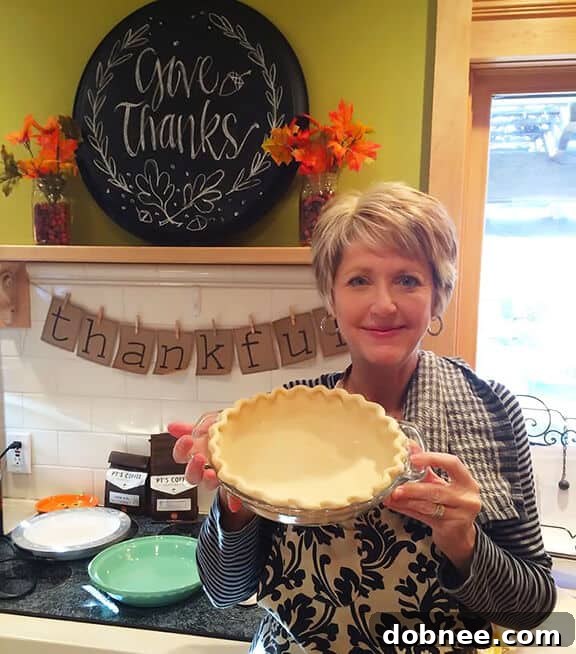
1. Don’t Forget to Give Pie Crust Time to “Rest”
Perhaps the most critical, yet often overlooked, factor in preventing pie crust shrinkage is adequate resting time for the dough. Think of your pie dough as a living entity; when you mix and roll it, the gluten strands develop and become taut. Gluten, a protein composite found in wheat, provides structure and elasticity. If these strands are overworked or rushed, they will snap back like an overstretched rubber band when exposed to heat, causing your crust to shrink dramatically. Resting allows the gluten to relax, preventing this natural retraction and ensuring a tender, flaky crust that holds its shape beautifully.
There are three pivotal stages where your pie crust dough absolutely needs to rest:
- After Mixing the Dough: Once you’ve combined your ingredients and gently brought the dough together into a cohesive mass, shape it into a flat disk. This flat shape allows for more even chilling. Wrap the disk tightly in plastic wrap and place it in the refrigerator for at least 30 minutes, or even up to an hour. This initial rest is crucial for hydrating the flour, chilling the fat, and most importantly, allowing the gluten to begin its relaxation process after the initial mixing.
- After Rolling Out the Dough: Once you’ve retrieved your chilled dough and rolled it out to the desired thickness and size, resist the urge to immediately transfer it to your pie plate. Instead, gently fold the dough (or roll it loosely around your rolling pin) and let it rest on a cool surface for about 5 to 10 minutes. This short rest allows the gluten, which has just been stretched and manipulated during rolling, to relax once more before it’s draped into the pan. This step significantly reduces the tension that could lead to shrinkage during baking.
- After Adding the Filling (Optional, but Recommended): While less critical than the first two, an additional brief chill after filling your pie can offer an extra layer of protection against shrinkage. If you have an extra 10 to 15 minutes, refrigerate the assembled pie (with filling) before placing it in the oven. This final chill further solidifies the butter and relaxes any remaining gluten tension, promoting a more stable crust during the initial heat shock of baking.
2. Poke Holes and Use Pie Weights if Pre-Baking (Blind Baking)
When a recipe calls for pre-baking, or “blind baking,” a pie crust before adding the filling, it’s paramount to prevent the crust from puffing up or slipping down the sides of the pan. This happens because steam created from the moisture in the dough gets trapped underneath, causing bubbles and an uneven base. To counteract this, two simple techniques are your best friends:
First, use a fork to gently poke holes (or “dock”) across the bottom and sides of the raw pie crust. These perforations act as tiny vents, allowing steam to escape during baking. Don’t worry; the crust will expand slightly to fill these holes, ensuring a smooth surface while preventing unsightly air pockets.
Second, and equally important, is to weigh the crust down. Pie weights are specially designed ceramic or metal beads that distribute heat evenly and keep the dough pressed against the pan. If you don’t own official pie weights, inexpensive alternatives work wonderfully. Line the chilled, docked crust with parchment paper or aluminum foil, making sure it extends over the edges. Then, fill the lining with dried beans, uncooked rice, or even sugar (which can be reused for baking later, gaining a lovely caramel flavor). The weight of these fillers holds the crust in place, preventing it from bubbling up or shrinking down the sides of the pan. Bake as directed by your recipe, then carefully remove the weights and lining before continuing with the recipe.
3. Avoid Glass Pans if Possible
While elegant and convenient for showcasing a beautifully baked pie, glass pie plates can sometimes contribute to shrinkage and uneven baking for traditional butter or shortening-based crusts. The main reason is their surface: glass is significantly smoother and more slippery than metal or ceramic. This lack of friction means the raw dough has less to cling to, making it more prone to slipping down the sides as it bakes and shrinks.
Furthermore, glass conducts heat differently. It heats up slowly but retains heat very well, which can sometimes lead to an overcooked bottom crust before the edges are fully set, or vice versa. For flaky, tender pie crusts that require even cooking and firm adherence to the pan, I highly recommend opting for metal or ceramic pie plates. Metal pans (especially aluminum) heat up and cool down quickly, promoting a beautifully browned, crisp crust. Ceramic or stoneware pans offer excellent heat retention and a slightly textured surface, helping the dough hold its shape. While glass pans are perfect for no-bake graham cracker crusts or quiches where structural integrity is less of a concern, for your delicate, homemade pastry, consider reaching for a different material to ensure optimal results.
4. Don’t Overwork the Dough
This is a golden rule in pie crust making, especially when using a food processor or stand mixer. Overworking the dough is one of the quickest ways to develop excessive gluten, leading to a tough, inelastic crust that will inevitably shrink during baking. The goal of mixing pie dough is simply to bring the ingredients together until they just cohere, forming a shaggy mass. It’s okay, even desirable, if you still see small, pea-sized chunks of butter or fat distributed throughout the dough. These pockets of fat are what create those coveted flaky layers as they melt and release steam during baking.
When dough is overworked, the butter melts into the flour prematurely, and the gluten strands become too developed and strong. This makes the dough incredibly firm and difficult to roll out, and once in the oven, it will resist holding its shape, pulling back from the edges of the pan. Handle the dough as little as possible. Mix until just combined, pressing it together rather than kneading, and then move quickly to chilling. Gentle handling preserves the cold butter and prevents over-development of gluten, ensuring a tender, flaky, and stable crust.
5. Don’t Stretch the Dough to Fit the Pie Pan
Imagine stretching a rubber band and then letting it go – it snaps back to its original size. Your pie dough behaves in much the same way due to its elastic memory. If you roll out your dough and find it’s slightly too small for your pie plate, resist the temptation to stretch it to cover the edges. When you stretch the dough, you’re creating tension in the gluten strands. As the pie bakes and the heat relaxes the dough, that built-up tension will be released, causing the crust to dramatically shrink back from the sides of the pan, often resulting in an uneven, unsightly edge.
The solution is simple: ensure you roll your dough large enough from the start. Aim for a diameter that is at least 2-3 inches wider than your pie plate, allowing for plenty of overhang. This ensures you can gently drape the dough into the pan without any stretching or pulling. Gently ease the dough into the contours of the pan, making sure it settles snugly without being forced. If your dough is too small, it’s better to re-roll it (with minimal handling) or patch it with an extra piece of dough rather than stretching it. A properly sized, unstretched dough will retain its shape beautifully through the baking process.
6. Leave a Little Room Around the Edges
Building on the principle of not stretching the dough, it’s wise to give your pie crust a small buffer zone around the edges. Even with the most careful handling, some minimal shrinkage is a natural part of the baking process as moisture evaporates and gluten contracts slightly. To account for this, aim to make your pie crusts *slightly* larger than their intended finished size. This means leaving an extra ½ to ¾ inch of dough hanging over the edge of your pie plate after you’ve gently placed it in. This overhang provides a margin for error, allowing for slight retraction without the crust pulling completely away from the pan.
Once you’ve got this overhang, you can then proceed to trim and crimp your edges. Whether you’re creating a decorative fluted edge or a simple fork crimp, having that extra dough gives you flexibility. It ensures that even if the dough retracts a tiny bit, your beautiful crimping will remain intact and connected to the rim of the pie plate, preventing any gaps between the crust and the filling. This small act of generosity with your dough pays off with a perfectly framed, professional-looking pie.
7. Use Low Baking Temperatures if Possible
The temperature at which you bake your pie crust can significantly impact shrinkage. High heat causes the gluten in the dough to contract rapidly and tighten up quickly. This rapid contraction can lead to a more pronounced shrinkage, especially if the dough hasn’t been adequately rested (as discussed in Tip #1).
If your recipe allows for it, opting for a “low and slow” baking approach, particularly during the initial phase of pre-baking, can be highly beneficial. Baking at a moderate temperature, around 350°F (175°C), allows the crust to set more gently and evenly, giving the gluten more time to relax before it fully firms up. This slower baking process encourages the butter to melt gradually, creating steam for flakiness, while minimizing the aggressive gluten contraction that causes shrinkage. However, many recipes call for higher temperatures, especially to achieve a golden-brown finish or to quickly set the crust before adding a filling. If your recipe requires higher temperatures, don’t worry! Simply ensure you’ve diligently followed the other six tips, as they will provide a robust defense against shrinkage even in a hotter oven. The combination of proper resting, minimal handling, and appropriate pan usage will minimize the impact of higher heat on your crust’s stability.
Mastering the art of a perfect pie crust, one that’s beautifully flaky and holds its shape without shrinking, is incredibly rewarding. It boils down to understanding the science behind the dough and treating it with patience and care. By incorporating these seven simple yet powerful tips into your baking routine – prioritizing rest, using proper techniques for blind baking, choosing the right tools, and handling your dough gently – you’ll be well on your way to creating stunning, shrink-free pies that will impress every time. Happy baking!
For more comprehensive guidance on crafting the perfect pastry, be sure to explore my detailed recipe and photo tutorial on How To Make A Pie Crust. And don’t forget to check out some of my favorite pie recipes on the site for delicious inspiration!
Do you have any personal tips or tricks for preventing pie crusts from shrinking? Share your wisdom in the comments below!