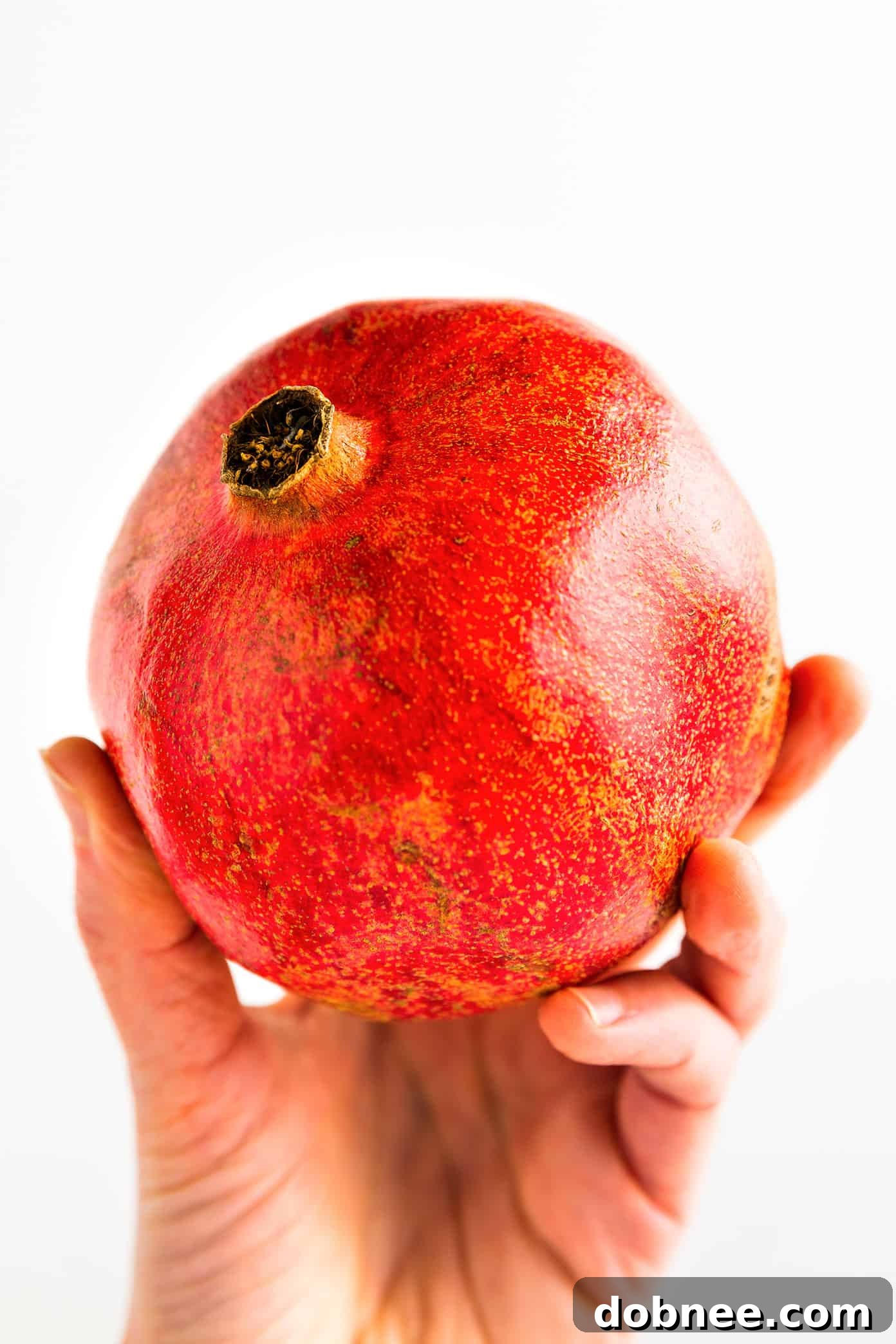
Mastering the Pomegranate: Two Easy, Mess-Free Methods to Open and De-Seed
Unlock the vibrant beauty and delicious flavor of pomegranates with this step-by-step guide and comprehensive tips for success.
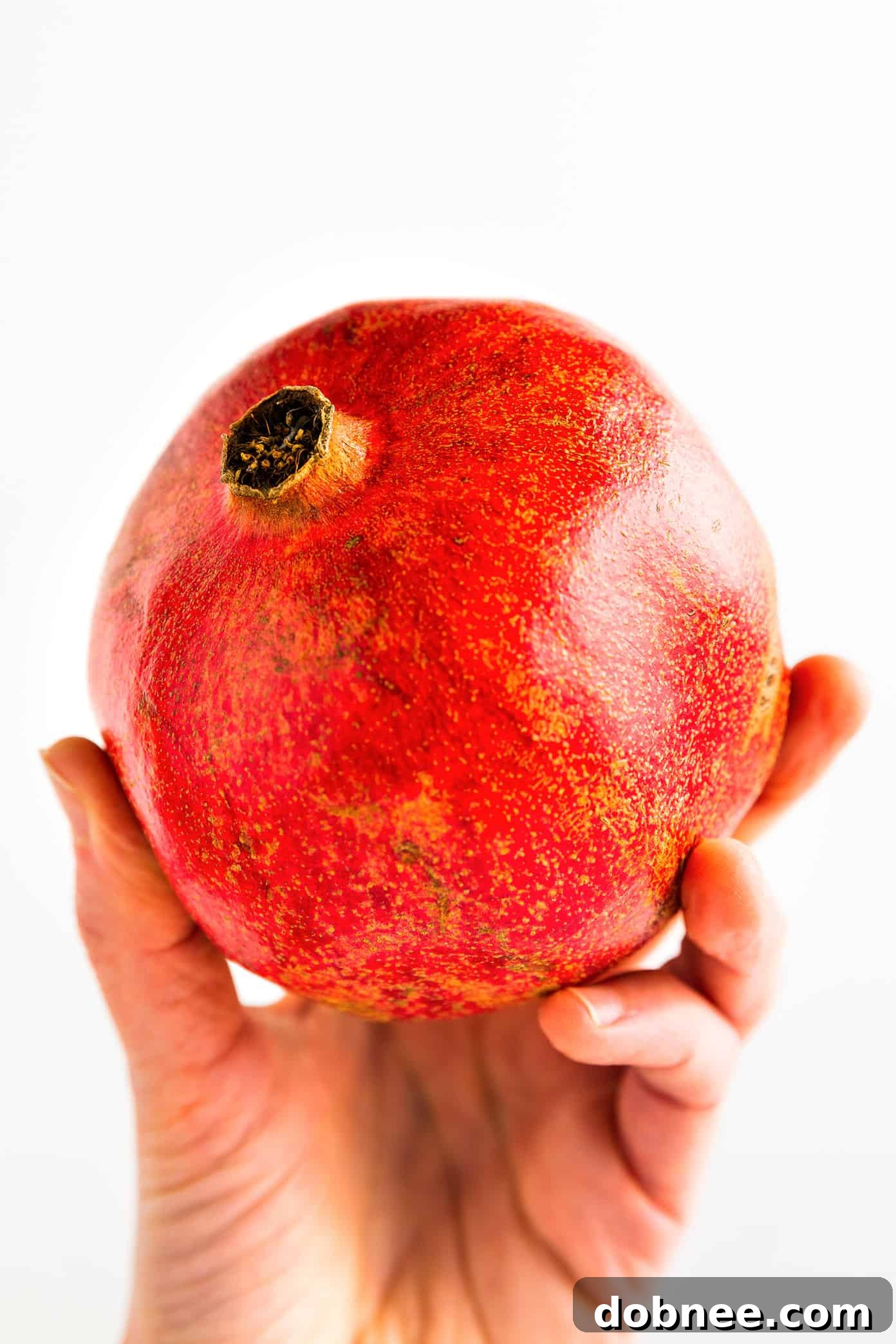
Pomegranates, often hailed as “gems of the fruit kingdom,” are truly a delight for both the eyes and the palate. Their jewel-toned arils (the edible seeds) burst with a sweet-tart flavor and are packed with incredible health benefits. However, many people shy away from this magnificent fruit due to its reputation for being tricky and messy to open. If you’ve ever found yourself battling a pomegranate, ending up with red juice splattered across your kitchen and clothes, you’re not alone. But what if we told you there are simple, fool-proof ways to easily extract those precious arils without the fuss? This comprehensive guide reveals not just one, but two incredibly effective methods to open and de-seed a pomegranate, ensuring a clean and rewarding experience every time.
During their brief seasonal window, pomegranates become a staple in many kitchens, and for good reason! These succulent arils can transform an ordinary dish into an extraordinary culinary experience. Imagine sprinkling them over a fresh salad, adding a vibrant crunch to your morning yogurt, mixing them into a homemade salsa, or using them to garnish tacos, cocktails like sangria, or even desserts like ice cream. And for many, the ultimate pleasure is simply popping these juicy arils straight from the bowl, enjoying them as a naturally sweet and healthy snack. Their versatility is unmatched, making them a must-have ingredient when in season.
While their enchanting appeal is undeniable, the process of extracting the arils can be a bit intimidating. The goal here is to get all those delicious, nutritious arils out of their tough shell and into your bowl or recipe, all while keeping the vibrant red juice where it belongs – inside the fruit until you’re ready to enjoy it. Let’s dive into these methods and transform your pomegranate preparation from a chore into an enjoyable task!
Why Pomegranates Deserve a Spot in Your Kitchen
Beyond their aesthetic appeal and delightful taste, pomegranates are nutritional powerhouses. Originating from the Middle East, these ancient fruits have been cultivated for thousands of years and are revered for their health benefits. They are rich in antioxidants, particularly punicalagins, which are responsible for more than half of the pomegranate’s antioxidant activity. These compounds help combat free radicals, reduce inflammation, and may protect against various chronic diseases.
Furthermore, pomegranates are an excellent source of Vitamin C, Vitamin K, folate, and potassium, contributing to immune health, bone strength, and overall well-being. Their fiber content also supports digestive health. Incorporating pomegranates into your diet, whether in their raw form or as juice, is a fantastic way to boost your nutrient intake and add a refreshing zest to your meals. Don’t let the initial challenge deter you from enjoying these incredible fruits!
Choosing the Perfect Pomegranate
Before you begin the de-seeding process, selecting a ripe pomegranate is crucial for the best flavor and juiciest arils. Look for pomegranates that are heavy for their size, as this indicates a higher juice content within the arils. The skin should be firm, taut, and glossy, without any soft spots or blemishes. A ripe pomegranate often has a slightly flattened, angular shape rather than being perfectly round. The color can range from bright red to reddish-brown, depending on the variety, but generally, a deeper, richer color suggests ripeness. Avoid pomegranates with cracked or shriveled skin, as these might be overripe or dry inside.
The Secret to Mess-Free Pomegranate Preparation: Water Immersion
The single most important tip for successfully de-seeding a pomegranate without creating a red splash zone is to perform the majority of the process underwater. Pomegranate juice is notoriously potent and can easily stain clothing, countertops, and cutting boards. By submerging the fruit in water, you effectively contain the juice, allowing the arils to separate cleanly from the rind and membrane without spraying everywhere. This simple trick makes all the difference, transforming a potentially messy task into a remarkably tidy one.
To begin, gather your tools: a large mixing bowl, a sharp kitchen knife, and a cutting board. Fill the large bowl about two-thirds full with cool water. And most importantly, remember to thoroughly wash the outside of your pomegranate before cutting. Since parts of the outer skin will eventually be submerged in water with the arils, ensuring it’s clean is a vital step for hygiene.
Method 1: The Submerge and Separate Technique
This method is perhaps the most gentle and precise way to extract pomegranate arils, minimizing any potential mess and ensuring you get every last seed.
- Prepare the Pomegranate: First, ensure your large bowl is filled with water. Wash the outside of the pomegranate thoroughly to remove any dirt or debris.
- Initial Cut: Place the pomegranate firmly on a cutting board. Using a large, sharp kitchen knife, carefully make a vertical cut down the middle of the fruit, splitting it into two halves.
- Score Along Ridges: Observe the inside of the pomegranate halves. You’ll notice natural ridges or membranes that divide the arils into segments. Use your knife to carefully score (lightly cut through the outer skin only) along these white membranes on the outside of each pomegranate half. Do not cut too deep, just enough to break the skin.
- Submerge and Open: Take one pomegranate half and completely submerge it in the bowl of water. While underwater, gently pry the fruit open, spreading it into a flower-like shape. The scoring marks will help it open along the natural divisions.
- Separate the Arils: With your fingers, carefully separate the arils from the white pith and rind. The arils will sink to the bottom of the bowl, while the lighter pith and membrane pieces will float to the surface. Gently work your way through the entire half, ensuring all arils are released.
- Repeat and Collect: Repeat the process with the second pomegranate half.
Method 2: The Water Bath and Wooden Spoon Tap
This method is often quicker and can be quite satisfying, especially if you have a larger pomegranate or prefer a more hands-off approach to separation.
- Prepare the Pomegranate: As with Method 1, fill your large bowl with water and thoroughly wash the pomegranate.
- Initial Cut: Place the pomegranate firmly on a cutting board and use a sharp kitchen knife to carefully make a vertical cut down the middle, splitting it into two halves.
- Position Over Water: Hold one pomegranate half, arils-side-down, directly over the bowl of water. Your hand should cradle the fruit to prevent the arils from scattering prematurely, but allow space for them to fall into the water.
- Tap and Release: Take a sturdy wooden spoon or a similar heavy utensil and firmly tap the outside skin of the pomegranate half. Continue tapping all over the skin. You’ll notice the arils will begin to loosen and drop directly into the water below. The water will help cushion their fall and prevent any juice from splattering.
- Clear the Rind: Keep tapping until most of the arils have fallen out. You might need to gently pry open some sections or use your fingers to encourage stubborn arils to release.
- Repeat and Collect: Repeat the process with the second pomegranate half.
Post-De-seeding Care and Storage
Once you’ve used either method to separate the arils:
- Clean the Arils: You’ll notice that the vibrant red arils will sink to the bottom of the bowl, while most of the white pith and rind pieces will float. Carefully remove and discard all the floating pieces of rind and membrane. Use your fingers to gently sift through the arils at the bottom, ensuring no tiny bits of pith remain stuck to individual seeds. This step is crucial for the best eating experience.
- Strain and Dry: Once clean, use a fine-mesh strainer or colander to drain the water from the arils. You can gently pat them dry with a paper towel if you plan to use them immediately in dishes where excess moisture might be an issue.
- Storage: Pomegranate arils are best when used fresh. However, if you have leftovers, they can be stored in a sealed airtight container in the refrigerator for up to 3 days. For longer storage, you can freeze them! Spread the arils in a single layer on a baking sheet and freeze until solid. Then transfer them to a freezer-safe bag or container, where they will keep for up to 3 months. Thawed arils might be slightly softer but are still perfect for smoothies, sauces, or baking.
Delicious Ways to Enjoy Your Fresh Pomegranate Arils
Now that you’ve mastered the art of de-seeding, the culinary possibilities are endless!
- Salads: Add a pop of color and a burst of flavor to green salads, fruit salads, or grain salads.
- Breakfast: Sprinkle over oatmeal, yogurt parfaits, cereal, or smoothie bowls for an antioxidant boost.
- Desserts: Garnish cakes, tarts, ice cream, sorbets, or even chocolate bark.
- Drinks: Muddle them into cocktails, mocktails, sparkling water, or use them as an elegant ice cube addition.
- Savory Dishes: Pair them with roasted vegetables (like Brussels sprouts or butternut squash), sprinkle over hummus, or add to couscous and rice dishes. They also complement various meat dishes, particularly poultry and lamb.
- Snacks: Simply enjoy them on their own for a healthy, refreshing bite.
Troubleshooting and Tips
- Stubborn Arils: If some arils refuse to release, gently press the rind from the outside while submerged in water. Sometimes a deeper score along the ridges can also help.
- Dealing with Stains: If juice does get on your clothes, tackle the stain immediately with cold water and a stain remover. For cutting boards, a paste of baking soda and water can often lift red stains.
- Child-Friendly Option: The wooden spoon tapping method is great for involving older children in the kitchen, making it a fun activity.
With these two easy-to-follow methods, opening and de-seeding a pomegranate no longer needs to be a daunting task. You’re now equipped with the knowledge to confidently enjoy this magnificent fruit, adding its incredible flavor and health benefits to your everyday meals. Say goodbye to the mess and hello to the vibrant, juicy arils that await inside!