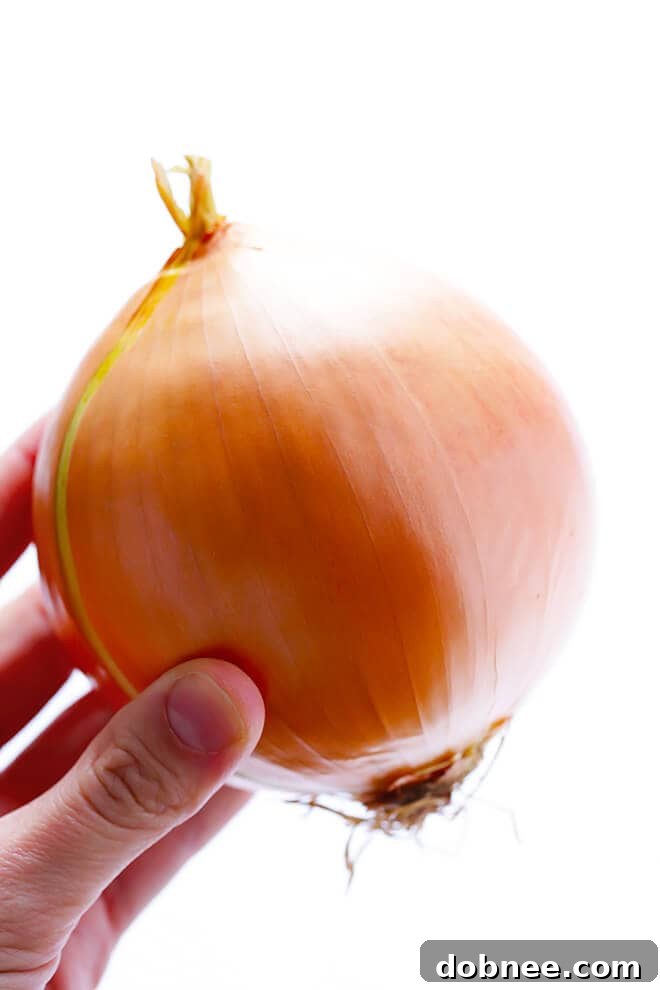
Unlock the secret to safely and efficiently dicing an onion with our comprehensive guide!
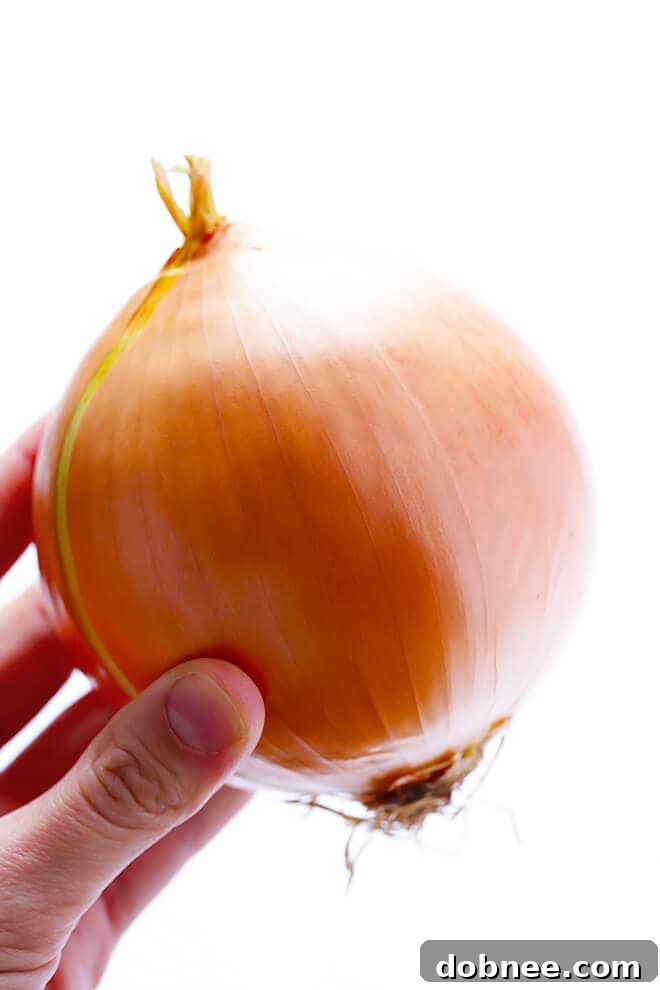
Welcome to a culinary cornerstone that will transform your kitchen experience: mastering the art of dicing an onion. For many home cooks, this seemingly simple task can be a source of frustration, tears, and even minor accidents. We’ve all been there – struggling with a slippery onion, a less-than-sharp knife, or simply unsure of the best technique. But fear not! This guide is designed to empower you with the knowledge and confidence to dice an onion safely, efficiently, and with consistently perfect results, every single time.
Onions are truly the unsung heroes of countless savory dishes. They form the aromatic foundation for soups, stews, sauces, stir-fries, and so much more. Achieving a uniform dice is not just about aesthetics; it ensures even cooking and consistent flavor distribution throughout your meal. Beyond the culinary benefits, proper dicing technique is paramount for safety. A firm grip, a sharp knife, and a systematic approach are your best defenses against those regrettable trips to the first-aid kit, ensuring your precious fingers stay safe in the kitchen.
In this comprehensive tutorial, we’ll go beyond just demonstrating the cuts. We’ll delve into how to select the freshest onions, the best ways to store them to prolong their life, and explore the myriad of delicious possibilities they offer in your cooking. Our primary focus, however, will be on breaking down the dicing process into simple, repeatable steps. You’ll learn the method that professional chefs rely on to maintain control, minimize waste, and produce beautiful, even dice, ensuring that every piece of that onion, even those last few tricky bits, contributes perfectly to your dish. Let’s master this essential skill together!
The Essential Guide to Dicing an Onion Safely and Efficiently
Dicing an onion doesn’t have to be a tear-inducing chore. With a clear method and a bit of practice, you’ll be slicing and dicing like a pro in no time. This section will walk you through the precise steps, ensuring both safety and perfectly diced results. While we can’t provide a live video, these instructions are designed to mimic a step-by-step visual tutorial, making the process easy to follow.
Tools You’ll Need for Dicing:
- Sharp Chef’s Knife: This is arguably your most important tool. A sharp knife is safer than a dull one because it requires less force to cut, reducing the chance of slips and accidents. Ensure your knife is honed or sharpened before you begin.
- Stable Cutting Board: A non-slip cutting board is crucial for safety. Place a damp cloth or paper towel underneath if your board tends to slide on your countertop. This provides a secure surface for confident chopping.
- Fresh Onion: Select an onion that is firm and free of sprouts or blemishes (more on selection below).
Step-by-Step Professional Dicing Method:
- Prepare the Onion: Begin by placing the onion on your stable cutting board. Using your sharp chef’s knife, carefully slice off the top (stem end) of the onion, about half an inch down. It’s important to leave the root end intact, as this is a critical step that will hold the onion layers together during the dicing process.
- Halve the Onion: Stand the onion on its now-flat cut end. Carefully slice the onion in half lengthwise, cutting straight down from the top cut towards the root end. Place both halves cut-side down on the board for the next step.
- Peel the Outer Layers: Remove the papery outer skin from each onion half. You may also need to peel away one or two layers of the actual onion flesh if they appear too tough, dry, or discolored. You want to expose the fresh, clean layers of the onion.
- Make Horizontal Slices (Without Cutting Through the Root): Take one onion half and place it cut-side down on your board. Using your non-dominant hand, hold the onion firmly at the root end, pressing it gently to keep all layers secure. With your dominant hand and a sharp knife, make several horizontal cuts parallel to the cutting board. Start from the top (where you removed the stem) and cut almost all the way to the root, but explicitly do not cut through the root. The number and proximity of these cuts will determine how fine you want your dice; more cuts closer together yield a finer dice.
- Make Vertical Slices (Creating a Grid): Now, turn the onion half so that the horizontal slices you just made are perpendicular to your knife’s path. Still holding the root end firmly with your non-dominant hand, make vertical slices downwards. These slices should be parallel to the initial lengthwise cut you made when halving the onion. Again, cut almost all the way to the root but not through it. The spacing of these vertical cuts will also influence the size of your final dice.
- Dice the Onion: For the final dicing action, turn the onion so that the root end is away from you. Begin slicing downwards, perpendicular to both your previous sets of cuts (the horizontal and vertical slices). As you slice, beautiful, evenly diced pieces of onion will effortlessly fall onto your cutting board. Continue this motion, working your way methodically towards the root end.
- Handle the Root End: Once you get very close to the root end, you’ll be left with a small, intact piece of onion. This piece can be tricky to dice safely due to its small size and the remaining root. You can either discard this piece, or if it’s large enough and you feel confident, make a few final, careful cuts to dice it, always prioritizing safety as the piece diminishes.
And there you have it! A perfectly diced onion, ready to elevate your culinary creations. This systematic approach ensures maximum control over your knife, consistent dice size, and significantly reduces the risk of injury. Practice makes perfect, so don’t be discouraged if your first few attempts aren’t flawless. Focus on safety and consistency, and you’ll soon become an onion-dicing expert, adding efficiency and precision to your cooking.
How to Select the Perfect Onion: Freshness Matters
The quality of your dish often starts with the quality of your ingredients. When it comes to onions, choosing the right one can significantly impact its flavor, texture, and storage life. Here’s what to look for when selecting fresh onions at the market, ensuring you bring home the best possible produce for your culinary needs:
- Firmness and Skin Condition: Always pick onions that feel firm and heavy for their size. A soft, squishy, or spongy onion is a clear sign that it’s past its prime, has begun to rot internally, or has been stored improperly. The outer skin should be thin, papery, and dry. Avoid onions with thick, moist, or torn skin, as this can indicate excessive moisture exposure, rough handling, or potential spoilage underneath. A healthy, tight skin is a good protective barrier.
- Even Color and Absence of Blemishes: A fresh and healthy onion will exhibit an even, vibrant color that is characteristic of its variety (e.g., bright yellow, pure white, or deep red). Look out for any yellowish spots, dark patches, mold, or significant bruises on the exterior. These are red flags, suggesting damage, spoilage, or fungal growth that could penetrate the edible layers.
- No Sprouts or Green Shoots: Carefully inspect both ends of the onion. The presence of green sprouts or shoots emerging from the top is a definitive indicator that the onion has started to grow. While still technically edible, sprouted onions often have a reduced shelf life, a tougher core, and a milder, sometimes slightly bitter flavor as their stored sugars convert to energy for growth. Choose onions with no visible signs of sprouting.
- Odor Check: A fresh, whole onion should have a mild, characteristic onion smell. A strong, overly pungent, or off-putting odor before you’ve even cut into it can sometimes indicate spoilage or that the onion is going bad.
By keeping these simple yet effective tips in mind, you’ll consistently bring home onions that are ripe, flavorful, and ready to enhance your cooking, ensuring a better foundation for all your recipes.
Optimal Onion Storage: Keeping Them Fresh Longer
Once you’ve successfully selected the best onions from the market, proper storage becomes paramount to maximizing their shelf life and maintaining their optimal flavor and texture. Unlike some produce that thrives in the refrigerator, onions prefer specific conditions to stay fresh for weeks, or even months, without spoiling. Here’s how to store them effectively:
- Cool, Dry, and Dark Place: The ideal storage environment for whole, unpeeled onions is a cool (ideally around 45-55°F or 7-12°C), dry, and dark pantry, cellar, or cupboard. Light, especially direct sunlight or bright ambient light, can encourage sprouting and greening, which alters the onion’s flavor and texture. High humidity, on the other hand, can lead to mold growth and accelerate spoilage.
- Ensure Good Air Circulation: Crucially, avoid storing whole onions in plastic bags or airtight containers. Onions need to breathe! Poor air circulation traps moisture around the bulbs, which dramatically accelerates sprouting and rot. Instead, use mesh bags, open-weave baskets, or simply place them loosely in a well-ventilated pantry drawer. This allows air to circulate freely around each onion.
- Keep Away from Potatoes: This is a common but easily avoidable mistake. Onions and potatoes should never be stored together. Both vegetables release gases that can accelerate spoilage in the other. Onions release ethylene gas, which can cause potatoes to sprout much more quickly, while potatoes release moisture that can make onions rot and become soft. Always store them in separate locations to preserve the freshness of both.
- Refrigeration (for cut onions only): Whole, unpeeled onions should generally not be refrigerated. The cold, humid environment of the fridge can quickly turn them soft and mushy, and shorten their shelf life. However, once an onion is cut or peeled, its protective outer layers are compromised. In this case, store cut onions in an airtight container or tightly wrapped in plastic wrap in the refrigerator for up to 7-10 days. Be mindful that even with a tight seal, their pungent odor can sometimes transfer to other foods in the fridge.
Following these simple storage guidelines will ensure your onions remain firm, flavorful, and ready for your next culinary adventure for an extended period, reducing food waste and ensuring consistent quality in your cooking.
The Versatility of Onions: How to Cook Them
Onions are truly a culinary chameleon, capable of transforming their flavor and texture depending on how they are prepared. From sharp and pungent when raw to deeply sweet and complex when caramelized, they are an indispensable ingredient in virtually every cuisine around the globe. Their adaptability is one of the many reasons they are so beloved. Here are some of our favorite and most common ways to harness the magic of this humble yet mighty vegetable:
- Eat Them Raw: When thinly sliced, finely minced, or diced, raw red onions, in particular, offer a crisp texture and a pungent, zesty bite that can instantly brighten up a variety of dishes. They are perfect for adding a refreshing crunch and a pop of vibrant color to fresh green salads, sandwiches, wraps, burgers, tacos, and homemade salsas or chutneys. The sharp, invigorating flavor of raw onion provides a fantastic contrast to rich, creamy, or fatty ingredients.
- Sauté Them: This is arguably the most common, fundamental, and versatile way to cook onions, forming the aromatic backbone of countless dishes. Sautéing onions involves cooking them over medium heat with a little oil or butter until they soften and become translucent, or lightly golden. This process gently mellows their raw pungency and gradually brings out their natural sweetness. Sautéed onions are the essential base for stir-fries, omelets, scrambled eggs, curries, pilafs, and almost any savory sauce, soup, or stew, providing a foundational layer of flavor.
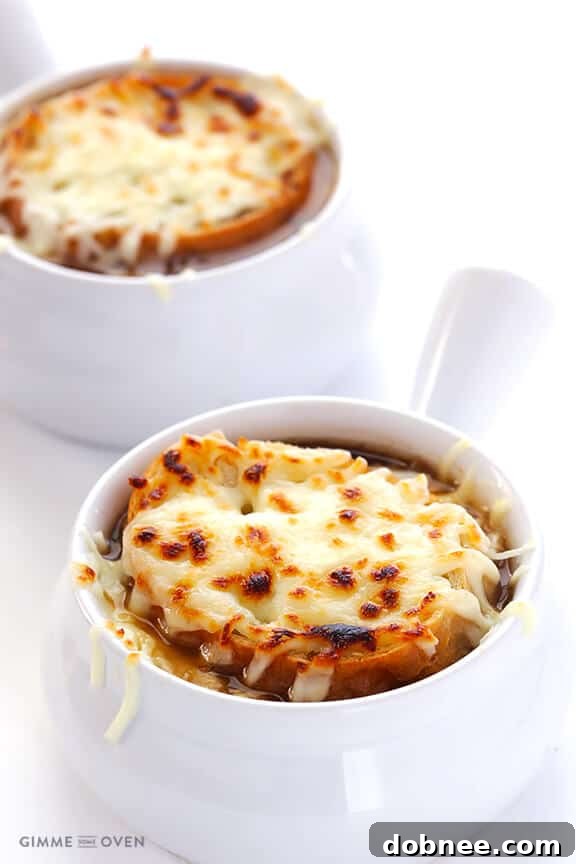
- Caramelize Them: Caramelizing onions is a slow cooking process that profoundly transforms their sharp, sulfurous compounds into rich, deep, and intensely sweet, almost jam-like flavors. Cooked over low heat for an extended period (typically 30-45 minutes or even longer), onions slowly break down, release their sugars, and brown beautifully, resulting in a gorgeous golden-brown color and a soft, spreadable consistency. They are absolutely essential for classic dishes like French Onion Soup, gourmet burgers, pizzas, tartes, and serve as a decadent topping for steaks or bruschetta. This technique requires patience but the resulting flavor payoff is immense and irreplaceable.
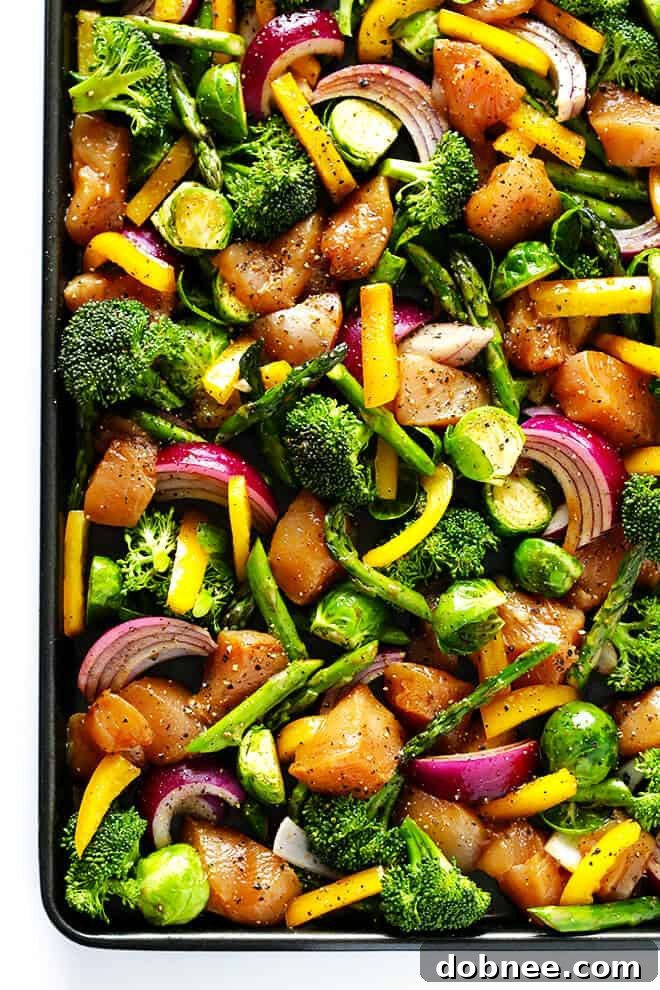
- Roast Them: Roasting onions, whether whole, halved, or cut into wedges, brings out a profound sweetness and tenderness, similar to caramelization but with a distinct, smoky edge from the oven’s dry heat. When roasted alongside other vegetables, root vegetables, or meats, they absorb and contribute flavors beautifully. The high heat of the oven caramelizes their exterior, creating delicious browned edges and a soft, melt-in-your-mouth interior. Roasted onions make a fantastic side dish, a flavorful addition to sheet pan meals, or can be pureed into savory soups and sauces for added depth and complexity.
- Fry Them: While not covered in our dicing tutorial specifically, frying onions (think crispy fried onion rings or delicate crispy fried onion garnishes) creates an entirely different, incredibly satisfying texture and flavor profile. Deep-fried until golden and crispy, they become a delightful crunchy garnish for casseroles, green bean bakes, or a standalone appetizer or snack.
Each method unlocks a different aspect of the onion’s character, proving its indispensable and incredibly versatile role in the culinary world, enriching dishes with its unique contribution.
Elevate Your Meals: Favorite Onion-Infused Recipes
Now that you’re an expert in selecting, storing, and dicing onions, it’s time to put your newly honed skills to delicious use! Onions are such fundamental building blocks of flavor that they star, often subtly, in a vast array of beloved recipes. Here are some of our favorite dishes where the humble onion truly shines, contributing essential flavor, aroma, and texture to create unforgettable meals:
- Classic French Onion Soup: This iconic soup is perhaps the ultimate testament to the transformative power of onions. Their deep, sweet, and complex flavor, achieved through meticulous caramelization, is the absolute heart and soul of this comforting dish, perfectly complemented by rich beef broth, a crusty bread crouton, and melted Gruyère cheese.
- The BEST Fried Rice: Diced onions are a crucial aromatic in fried rice, providing a foundational layer of savory sweetness and a pleasant textural contrast to the fluffy rice, scrambled eggs, and other vegetables. They create a delicious base that elevates the entire dish.
- White Chicken Chili: Onions, often sautéed until tender and translucent, contribute essential depth, a subtle sweetness, and a robust aromatic profile that beautifully balances the spices, creamy broth, and hearty chicken and beans in this comforting chili.
- 30-Minute Beef Stroganoff: Finely diced or thinly sliced onions are typically sautéed as one of the first steps in creating Beef Stroganoff. They form a delicate yet flavorful and aromatic base, adding a crucial layer of sweetness and complexity that defines this rich, creamy, and savory classic, complementing the tender beef and mushroom sauce.
- Mediterranean Pasta Salad: Raw red onions, thinly sliced or finely minced, play a vital role in this refreshing salad. Their vibrant, piquant crunch and beautiful color provide a sharp, invigorating contrast that cuts through the richness of feta cheese and briny olives, making the salad incredibly bright and flavorful.
As you can see, a well-diced onion is not just an ingredient; it’s the beginning of something delicious. Happy cooking!

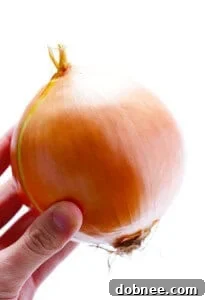
How To Dice An Onion
Prep Time: 5 minutes
Total Time: 5 minutes
Yield: 1-2 medium onions
Description
Learn the professional and safe method for dicing an onion with this easy-to-follow tutorial, ensuring even cuts and minimal fuss.
Ingredients
- 1-2 medium onions
- A sharp chef’s knife
- A stable cutting board