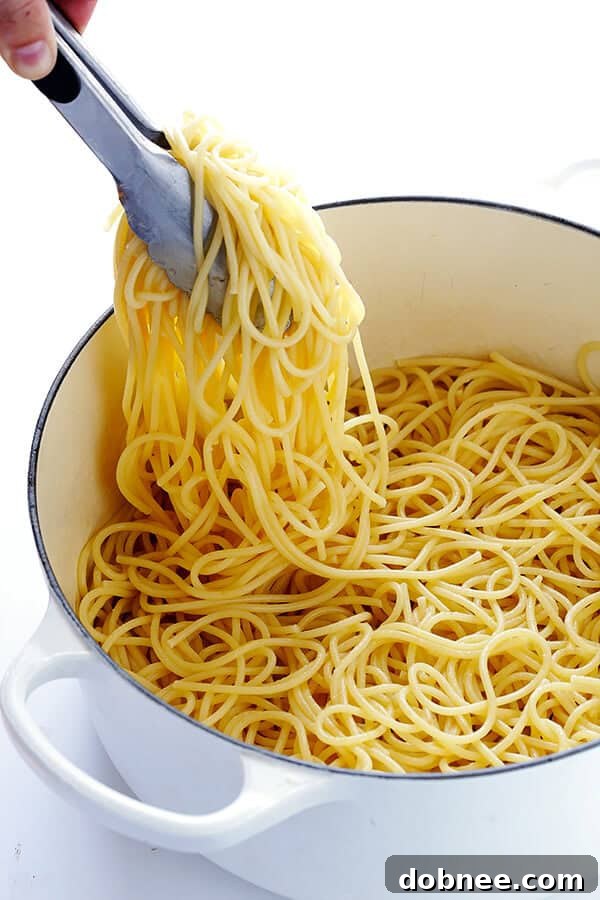
The Ultimate Guide to Perfectly Salting Your Pasta Water for Unforgettable Flavor
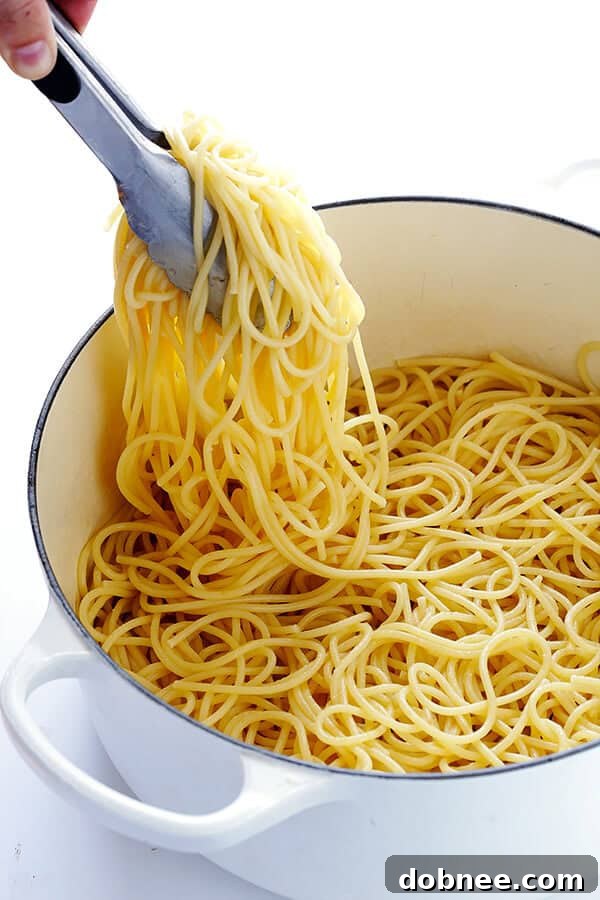
For any true pasta enthusiast, achieving that authentic, restaurant-quality taste at home often feels like chasing a culinary ghost. Many people wonder why their homemade pasta dishes, despite using premium ingredients and beloved recipes, never quite match the robust, deep flavor of a meal enjoyed in a fine Italian trattoria. The truth is, the secret to elevating your pasta from merely good to absolutely extraordinary lies not solely in the sauce or the specific pasta shape, but in a fundamental and often overlooked step: properly salting your pasta water.
This isn’t just a recommendation; it’s a cornerstone technique in Italian cooking that can transform your dishes and impress your palate. This comprehensive guide will demystify the art of salting pasta water, providing you with a clear, actionable formula, a deeper understanding of its crucial role, and essential tips to perfect your pasta every time. Prepare to unlock a new dimension of flavor!
Why Salting Your Pasta Water is Absolutely Essential for Flavor
When pasta boils, it’s not just cooking; it’s actively absorbing water, expanding and softening to reach that desirable al dente texture. This critical window during the cooking process is the only opportunity you have to season the pasta itself from the inside out. Imagine baking a loaf of bread: you’d incorporate salt into the dough, not just sprinkle it on top of the plain, finished loaf. The same principle applies to pasta.
A common mistake among home cooks is either skipping this step entirely or adding a negligible pinch of salt, often out of a fear of over-salting or ingesting too much sodium. However, this oversight invariably leads to bland pasta that relies entirely on the sauce for flavor. While a delicious sauce is undoubtedly important, it should enhance and complement a well-seasoned pasta, not compensate for a lack of foundational flavor within the pasta itself. Properly salted water infuses every strand and shape with a subtle, savory base, creating a foundational layer of flavor that allows your sauce to truly shine and ensures a more balanced, enjoyable eating experience.
It’s important to understand that the amount of salt actually absorbed by the pasta is surprisingly small—typically only a tiny fraction of a teaspoon per serving. The vast majority of the salt remains in the cooking water, which is later discarded. So, while you might add a significant amount of salt to the pot, your pasta won’t become a sodium bomb; instead, it will be perfectly seasoned, making a monumental difference to the overall taste.
The Golden Ratio: Your Formula for Perfectly Salted Pasta Water
While culinary opinions on the exact ratio of salt to water can vary slightly, and personal experimentation is always encouraged to find your perfect preference, there’s a widely accepted starting point that yields consistently excellent results. This easy-to-remember formula is **1:1:4**, representing:
1 pound of pasta : 1 tablespoon salt : 4 quarts (16 cups) water
Let’s delve into each component to understand the nuances and ensure you achieve culinary perfection every time.
1. Pasta: 1 Pound of Any Shape or Type
This formula is designed for approximately one pound of any dry, uncooked pasta. It’s incredibly versatile, working perfectly whether you’re cooking traditional semolina pasta, whole wheat varieties, or gluten-free alternatives. One pound is a common serving size, typically feeding 3-4 people, making this a practical and widely applicable ratio for most home cooking scenarios.
2. Salt: The Unsung Flavor Catalyst
The type of salt you choose can significantly impact the measurement due to differences in crystal size and density. Here’s how to adjust for the most common types:
- Table Salt or Fine Sea Salt: These salts have a finer, more compact crystal structure, meaning more sodium by volume. For these, **1 level tablespoon** is generally sufficient.
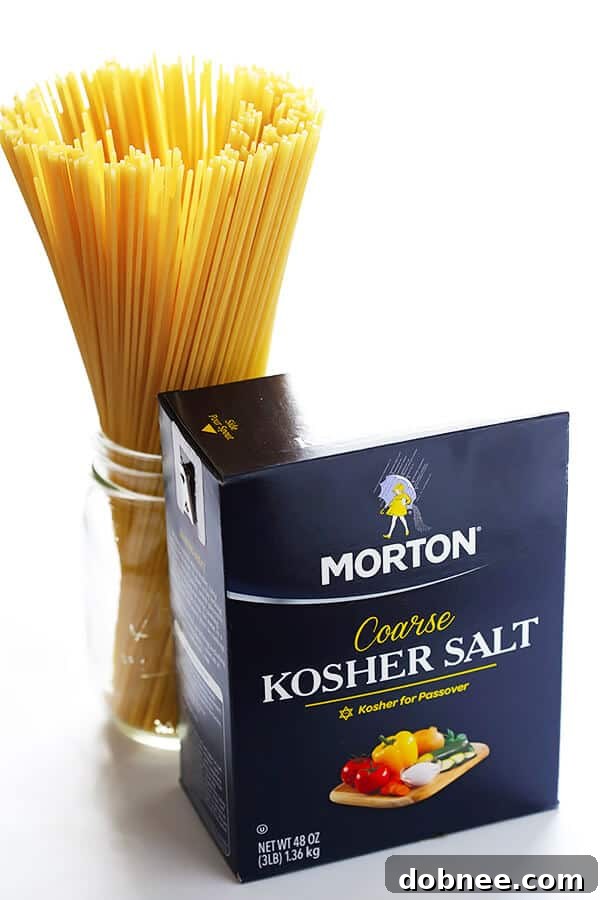
- Kosher Salt (My Recommendation): Kosher salt features larger, flakier crystals, making it less dense than table salt. For this reason, I highly recommend using **1 heaping tablespoon** (approximately 1.5 tablespoons). Its larger crystals also dissolve beautifully in hot water without clouding the solution.
Pro Tip for Salt Enthusiasts: If you enjoy your pasta on the saltier side, feel free to experiment! Begin by adding an additional half to a full tablespoon of salt and adjust to your taste in future batches. The ultimate goal is to discover your perfect flavor balance.
3. Water: 4 Quarts (16 Cups) for Optimal Cooking Conditions
Using an ample amount of water is just as critical as the salt itself. Four quarts, or 16 cups, of water is roughly half the capacity of a standard large stockpot and is the recommended volume for cooking one pound of pasta. This generous volume serves several crucial purposes:
- Prevents Sticking: A large quantity of water allows the pasta to move freely and circulate, effectively preventing it from clumping together and ensuring each piece cooks evenly.
- Maintains Temperature: Adding pasta to a large pot of vigorously boiling water minimizes the temperature drop. This helps the water return to a boil faster, ensuring consistent cooking and a better texture.
- Dilutes Starch: A greater volume of water helps dilute the starch released by the pasta during cooking, preventing it from becoming overly sticky or gummy.
Step-by-Step Guide to Cooking Perfectly Seasoned Pasta
- Bring Water to a Rolling Boil: In a large stockpot, bring the recommended 4 quarts (16 cups) of water to a vigorous, rolling boil over medium-high heat. The water should be bubbling intensely, indicating sufficient heat.
- Add the Salt: Once the water has reached a rolling boil, stir in the appropriate amount of salt. Ensure it fully dissolves before proceeding. Many Italian chefs often suggest the water should taste “like the sea” – a noticeable brininess that is salty but not unpleasant.
- Add Pasta and Cook to Al Dente: Carefully add your 1 pound of dry pasta to the boiling, salted water. Stir occasionally, particularly during the initial few minutes, to prevent the pasta from sticking to itself or the bottom of the pot. Cook the pasta according to the package directions, or until it reaches the desired “al dente” consistency—meaning it should be firm to the bite, yet tender, and not mushy. If the water threatens to boil over, you can slightly reduce the heat.
- Drain and Serve Immediately: Once cooked to perfection, drain the pasta thoroughly using a colander. Remember, the objective is well-seasoned pasta, not salty pasta water on your plate. Serve immediately with your favorite pasta recipe or sauce.
Beyond the Basics: Advanced Tips for Pasta Perfection
Don’t Rinse Your Cooked Pasta
Unless your recipe specifically calls for it (such as a cold pasta salad), avoid rinsing your cooked pasta under cold water. The thin, starchy layer that naturally clings to the pasta after draining is crucial for helping your sauce adhere properly. Rinsing washes away this starchy goodness, leading to a less cohesive and less flavorful dish where the sauce struggles to cling.
Reserve Some Pasta Water
This is a culinary secret employed by countless Italian chefs! Before draining all of your pasta water, scoop out about 1 to 2 cups into a mug or small bowl. This cloudy, starchy, and salty water is often referred to as “liquid gold” for sauces. A tablespoon or two added to your sauce can work wonders: it helps to emulsify the sauce, creating a richer, silkier texture, and helps the sauce cling beautifully to the pasta. It also contributes an extra layer of subtle seasoning, binding the entire dish together.
Avoid Adding Oil to Pasta Water
It’s a common misconception that adding a splash of olive oil to pasta water prevents sticking. In reality, oil floats on top of the water and doesn’t genuinely interact with the pasta itself. Furthermore, it can sometimes create a slick coating on the pasta, which might actually prevent your delicious sauce from adhering properly later on. Using a generous volume of water and stirring occasionally are far more effective methods for preventing pasta from sticking.
Addressing Sodium Concerns with Confidence
It is perfectly natural to be mindful of sodium intake in your diet. However, as previously explained, pasta absorbs only a very small amount of the salt present in the cooking water. The overwhelming majority of the salt remains dissolved in the water that is ultimately discarded. For individuals managing their sodium intake, the significant flavor benefits derived from properly salted pasta water often outweigh the minimal amount of absorbed salt. This technique makes the overall dish more satisfying and can even reduce the perceived need for excessive seasoning elsewhere. If you have specific dietary restrictions or health concerns related to sodium, always consult with a healthcare professional for personalized advice.
By confidently embracing this simple yet powerful technique, you will unlock a new level of culinary excellence in your homemade pasta dishes. Bid farewell to bland noodles and say hello to perfectly seasoned, utterly delicious pasta, ready to be paired with your favorite sauces and enjoyed to the fullest. Give it a try, and prepare to truly taste the difference!
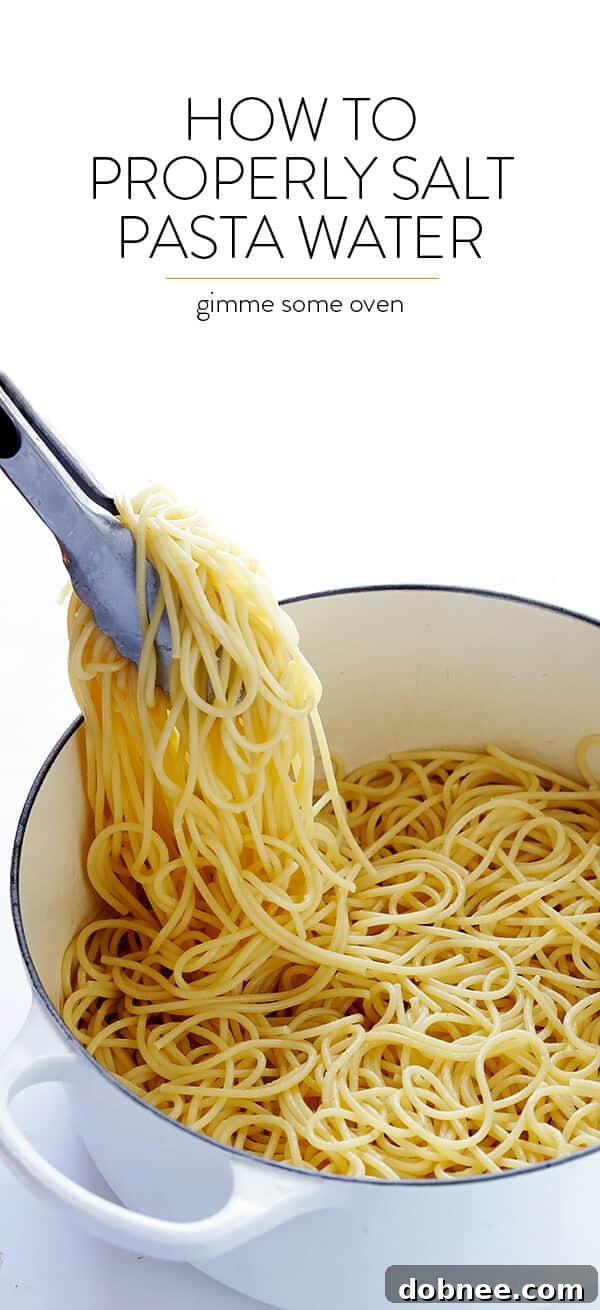
Recipe: How To Properly Salt Your Pasta Water
Master the art of perfectly seasoned pasta with this straightforward 1:1:4 formula. It’s the secret to elevating your pasta’s flavor profile!
Prep Time: 5 minutes
Cook Time: 10 minutes
Total Time: 15 minutes
Yield: 4 servings
Ingredients
- 4 quarts (16 cups) water
- 1 tablespoon regular table salt (or 1.5 tablespoons Kosher salt)
- 1 pound (uncooked) dry pasta
Instructions
- In a large stockpot, bring the water to a vigorous, rolling boil over medium-high heat. Stir in the salt until it fully dissolves.
- Add the pasta and cook it according to the package directions, stirring occasionally, until the pasta is al dente. Reduce heat slightly if water threatens to boil over.
- Carefully drain off the excess water using a colander.
- Serve immediately, incorporating into your favorite pasta recipe or sauce.
Notes
- For those who prefer a saltier pasta, feel free to increase the salt quantity by 1/2 tablespoon per batch until you discover the amount that perfectly suits your taste.
We’d love to see your perfectly seasoned pasta! Tag @gimmesomeoven on Instagram and use the hashtag #gimmesomeoven.