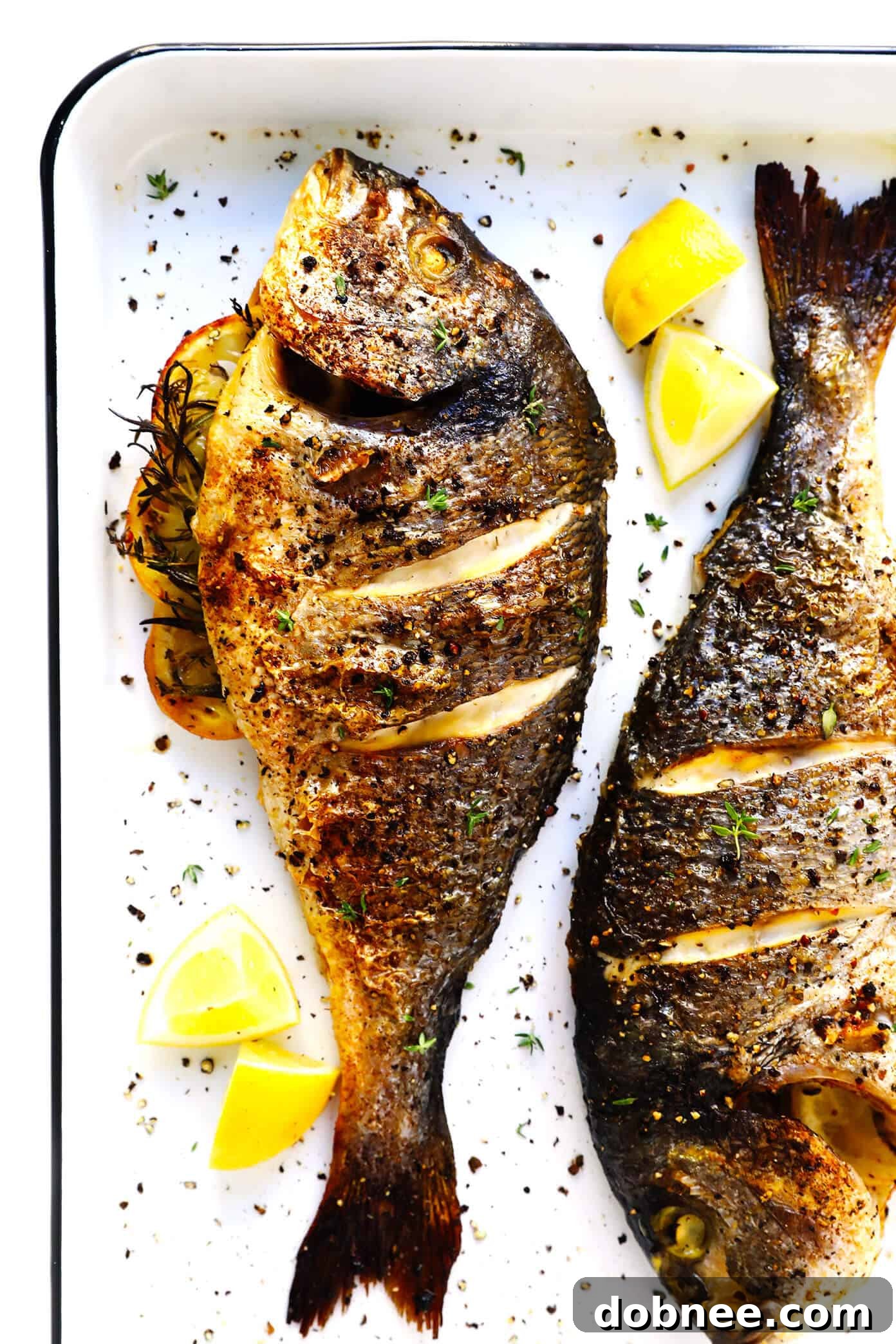
Discover the secret to perfectly roasted whole fish in your oven. This comprehensive guide simplifies the process, making it incredibly easy and unbelievably delicious. No intimidation required!
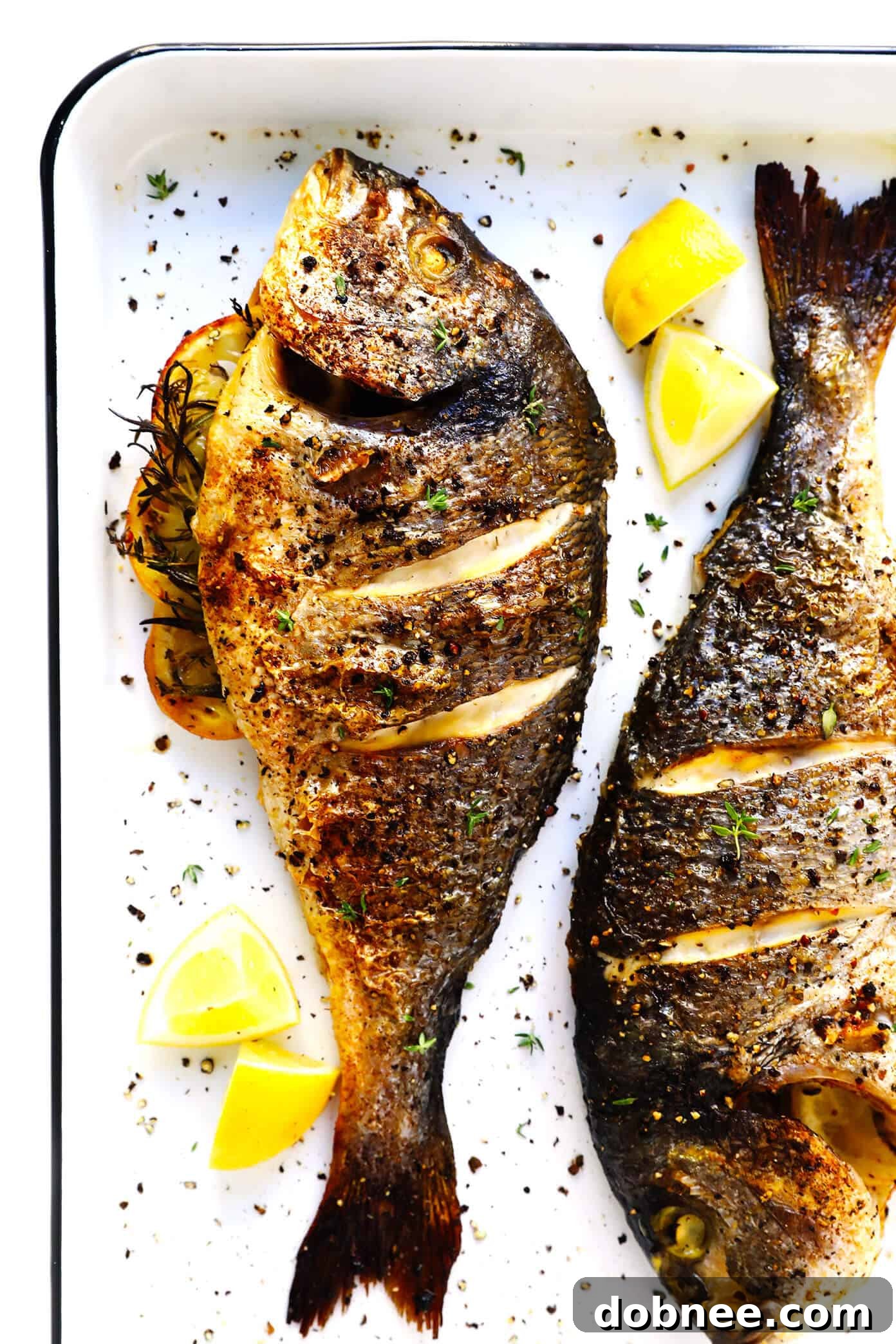
Friends, prepare yourselves for a culinary adventure that promises to revolutionize your dinner routine. Today, we’re diving deep into the surprisingly simple and incredibly rewarding world of cooking a whole fish. Forget everything you thought you knew about the complexity of preparing an entire fish; this guide is designed to demystify the process and equip you with the confidence to create a stunning, flavorful meal right in your own kitchen.
I’ve received numerous requests for a detailed, step-by-step tutorial on this very topic, and for good reason. My own journey with whole fish began shortly after moving to Spain, where “fish night” is a cherished tradition. Like many of you, I initially felt intimidated by the prospect of cooking a whole fish. The sheer sight of it at the market, complete with head and tail, seemed daunting. However, after countless visits to our local fishmonger and a friendly nudge from a helpful fish lady, I decided to tackle this culinary bucket-list item head-on. Months later, and after dozens of beautifully roasted fish, I can confidently say: we are absolutely hooked!
The truth is, roasting a whole fish in the oven is not only ridiculously easy, but it also yields a dish far superior in flavor and texture compared to fillets. The bone-in structure helps to keep the fish incredibly moist and juicy, while the skin crisps up beautifully, locking in all the delicious aromas. This method ensures your fish is perfectly cooked every single time – tender and flaky on the inside, with a wonderfully seasoned and crispy exterior. It’s a foolproof approach that guarantees an amazing result, making it a win-win for both novice and experienced cooks. What might feel novel and exciting to us as expats here, is simply how fish is traditionally prepared in Spain, showcasing its timeless appeal and inherent simplicity.
So, if you’ve ever yearned to try your hand at cooking a whole fish, now is the time. Seek out a friendly face at your local fresh fish counter, pick up a magnificent *pescado* or two, and let me guide you through the entire process. Cast aside any fears; I genuinely believe this will become one of your favorite healthy dinner recipes. You are going to love the incredible flavors and the impressive presentation that comes with mastering whole roasted fish.
How To Buy The Freshest Whole Fish:
Embarking on your whole fish journey begins at the fish counter. This step, which often causes the most apprehension, is actually quite straightforward once you know what to look for and what to ask. Building a good relationship with your fishmonger is key, as they are a wealth of knowledge and can help you select the best catch of the day. Here’s a detailed guide to ensure you bring home a truly fresh and delicious specimen:
- Identify Your Preferred Fish Species: For beginners, white-fleshed fish are highly recommended due to their mild flavor and firm texture, which makes them easier to handle and cook. Excellent choices include mahi-mahi, sea bass, branzino, or red snapper. These varieties are incredibly versatile and absorb seasonings beautifully, ensuring a delightful first experience.
- Scrutinize for Clear Signs of Freshness: The visual cues of a fresh fish are unmistakable. Pay close attention to these vital indicators:
- Eyes: The eyes should be clear, bright, and plump, almost bulging slightly. Avoid fish with cloudy, sunken, or dull eyes, as these are clear indicators of age.
- Flesh: The body of the fish should appear firm, shiny, and vibrant. When gently pressed with a finger, the flesh should spring back immediately, leaving no indentation. Soft, mushy, or discolored flesh suggests the fish is past its prime.
- Coloring: Look for consistent, natural coloring across the fish. Any browning around the edges or a fading of the natural hues could indicate exposure to air for too long.
- Gills: Lift the gill plate gently. The gills underneath should be bright pink or red and appear moist, almost glistening. Slimy, gray, or brown gills are a strong sign of an older fish.
- Perform the “Sniff Test”: While all fish will have a distinctive odor, a truly fresh fish should smell like the ocean – clean, briny, and fresh, rather than overwhelmingly “fishy” or ammonia-like. Trust your nose; if it smells unpleasant, move on.
- Engage with Your Fishmonger: This is perhaps the most crucial step for a beginner. Don’t hesitate to strike up a conversation with the fish counter staff. They are experts and can guide you to the freshest options available that day, often suggesting what’s in season or best for roasting. Explain what you’re looking for and ask for their recommendations.
- Request Professional Preparation for Roasting: This is the best news for anyone new to whole fish! You absolutely do not need to perform these tasks yourself. Kindly ask your fishmonger to scale, gut, and thoroughly rinse the fish for you. Specify that you plan to cook it whole in the oven, as this may influence how they prepare it. Some markets may also trim the fins and make a few shallow slits on the side of the fish, which aids in even cooking and flavor absorption. If they don’t, these are easy steps you can perform at home.
- Transport Your Fish Home Safely: Once prepared, your fish should be wrapped securely in butcher paper or a plastic bag, ready to be taken home. Ensure it stays cold during transport, especially if you have a long journey. Prompt refrigeration is key to maintaining freshness.
The Easiest Roasted Whole Fish Ingredients:
While the possibilities for seasoning roasted whole fish are endless, my favorite method is built on a foundation of simplicity and fresh, high-quality ingredients. This approach allows the natural flavor of the fish to shine through, complemented by classic aromatics. Here’s what you’ll need to create a truly memorable meal:
- Your Chosen Whole Fish: As discussed, aim for a fresh white-fleshed fish like mahi-mahi, sea bass, branzino, or red snapper. For optimal freshness and flavor, plan to cook your fish on the same day you purchase it. The size of your fish will determine the cooking time and how many it serves, so consider your party size when selecting.
- High-Heat Olive Oil: It’s crucial to use a regular, refined olive oil for roasting, rather than extra virgin olive oil. Extra virgin olive oil has a lower smoke point and can burn at the high temperatures required for roasting, leading to bitter flavors. Alternatively, any other high-heat oil such as avocado oil, grapeseed oil, or canola oil will work perfectly, as we’ll be cooking at a robust 450°F. The oil helps to crisp the skin and prevents sticking.
- Fresh Garlic: Garlic is a non-negotiable for its aromatic depth. You’ll want minced fresh garlic for stuffing inside the fish cavity, where it slowly infuses its rich flavor during cooking. Additionally, a touch of garlic powder on the outside skin contributes to a savory, seasoned crust.
- Bright Lemon: Lemon is a fish’s best friend, offering a burst of fresh, acidic flavor that cuts through the richness and brightens the overall taste. I recommend one whole lemon per fish: half sliced to stuff into the cavity for internal aroma, and the other half reserved for a finishing squeeze over the cooked fish, adding a zesty flourish right before serving.
- Fragrant Fresh Herbs: Herbs are essential for building a complex flavor profile. Rosemary and thyme sprigs are my go-to for stuffing into the fish cavity, as their earthy, piney notes beautifully complement white fish. Feel free to experiment with other favorites like parsley, dill, or oregano. The heat of the oven will release their essential oils, perfuming the fish from the inside out.
- Generous Salt and Pepper: Do not underestimate the power of proper seasoning! A liberal amount of sea salt and freshly-cracked black pepper, applied both inside and out, is vital. These simple seasonings elevate the fish’s natural taste and contribute significantly to its overall deliciousness. Don’t be shy – good seasoning is key to a truly flavorful dish.
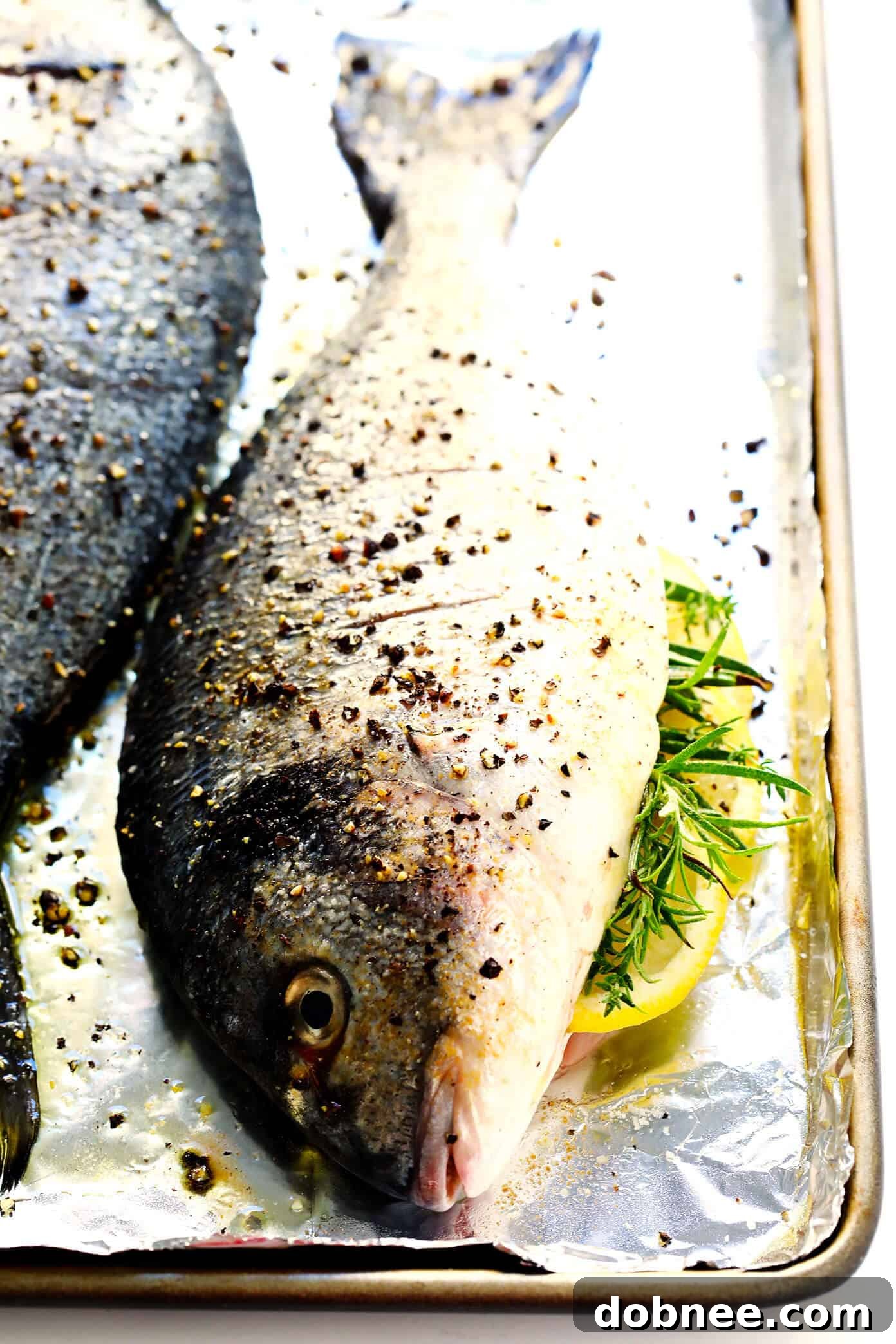
How To Prepare Your Whole Fish For Roasting:
With your fresh fish expertly scaled and gutted by your friendly fishmonger, the actual preparation at home becomes incredibly quick and effortless, taking only about 5-10 minutes. This minimal prep time ensures you get a delicious, healthy meal on the table without fuss. Follow these simple steps for a perfectly seasoned and ready-to-roast fish:
- Rinse and Thoroughly Pat Dry: Even after the fishmonger’s cleaning, it’s a good practice to give your fish one final, quick rinse under cold running water when you bring it home. This ensures any lingering scales or debris are removed. Immediately after rinsing, pat the fish absolutely dry with paper towels, both inside and out. A dry surface is crucial for achieving that desirable crispy skin during roasting. Once dry, transfer it to a foil-lined baking sheet for easy cleanup.
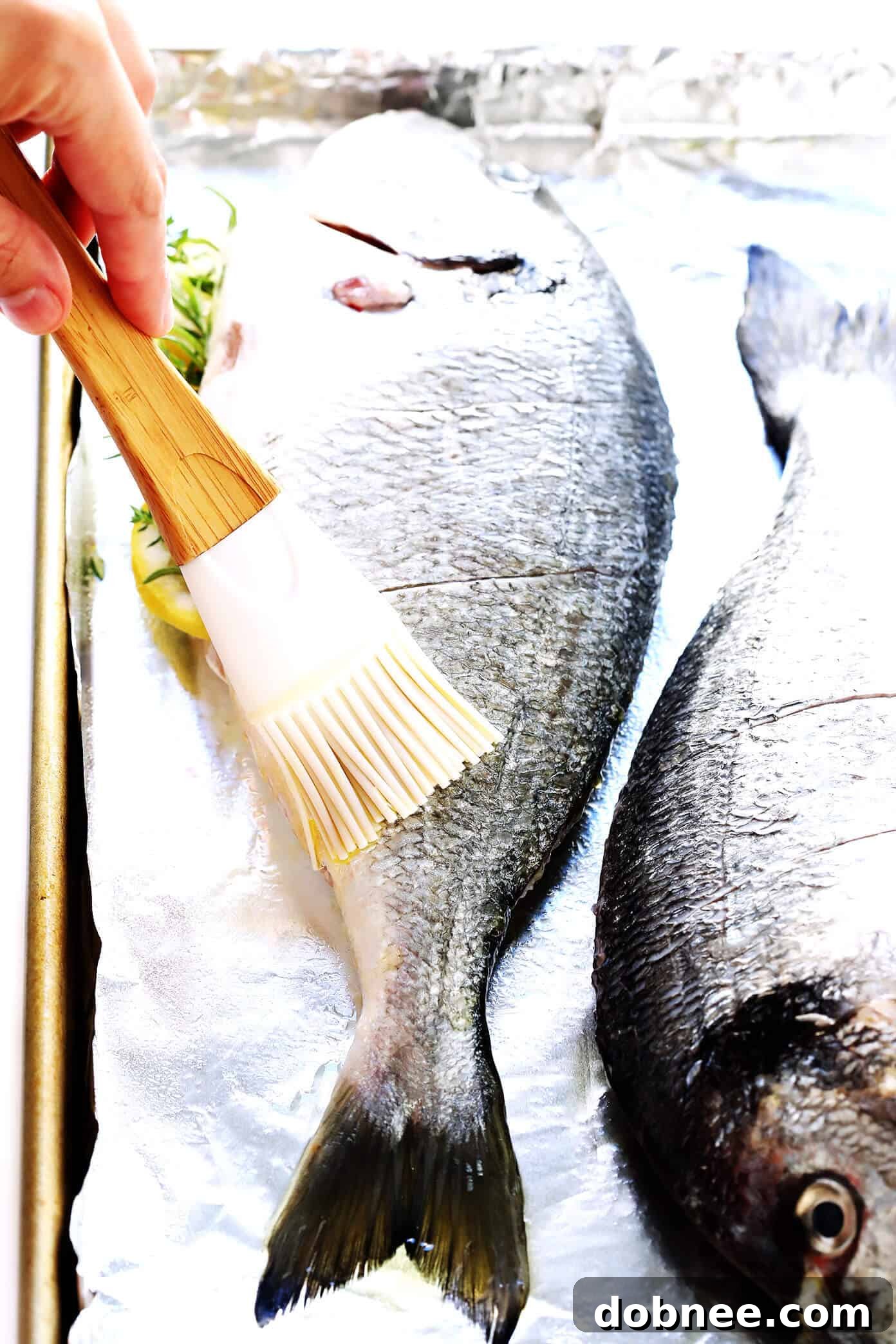
- Score the Fish (If Not Already Done): If your fishmonger hasn’t already done so, use a sharp knife to make several shallow, diagonal slits (about 1-inch apart) across the top side of the fish. These scores don’t need to be deep – just enough to cut through the skin. Scoring helps the heat penetrate more evenly, allows the seasonings to infuse deeply into the flesh, and contributes to an even crispier skin.
- Liberally Brush with High-Heat Oil: Using a pastry brush, generously coat both sides of the fish with your chosen high-heat oil. Don’t forget to work some of that oil into the slits you just cut, ensuring maximum flavor and crispness. Then, briefly brush some oil into the inner cavity of the fish as well. The oil acts as a flavor carrier and promotes browning, resulting in a beautifully golden and crispy exterior.
- Stuff the Cavity with Aromatic Goodness: This step is where much of the internal flavor develops. Fill the fish’s cavity with your chosen aromatics. For this recipe, I recommend a generous handful of fresh herb sprigs (like rosemary and thyme), thin slices from half a lemon, and minced fresh garlic. When adding the minced garlic, make sure it’s tucked all the way inside the cavity and not exposed. Exposed garlic can burn quickly at high oven temperatures, leading to an undesirable bitter taste.
- Season Generously, Inside and Out: Don’t be shy with your seasonings! This is vital for a truly flavorful whole fish. Sprinkle a generous amount of sea salt, freshly-cracked black pepper, and garlic powder over the entire exterior of the fish, ensuring it coats both sides and gets into the scored slits. Also, add a good pinch of salt and pepper to the inner cavity to season the flesh from within. Proper seasoning makes all the difference in the final taste.
And just like that, your beautifully prepared fresh fish is officially ready for the oven!
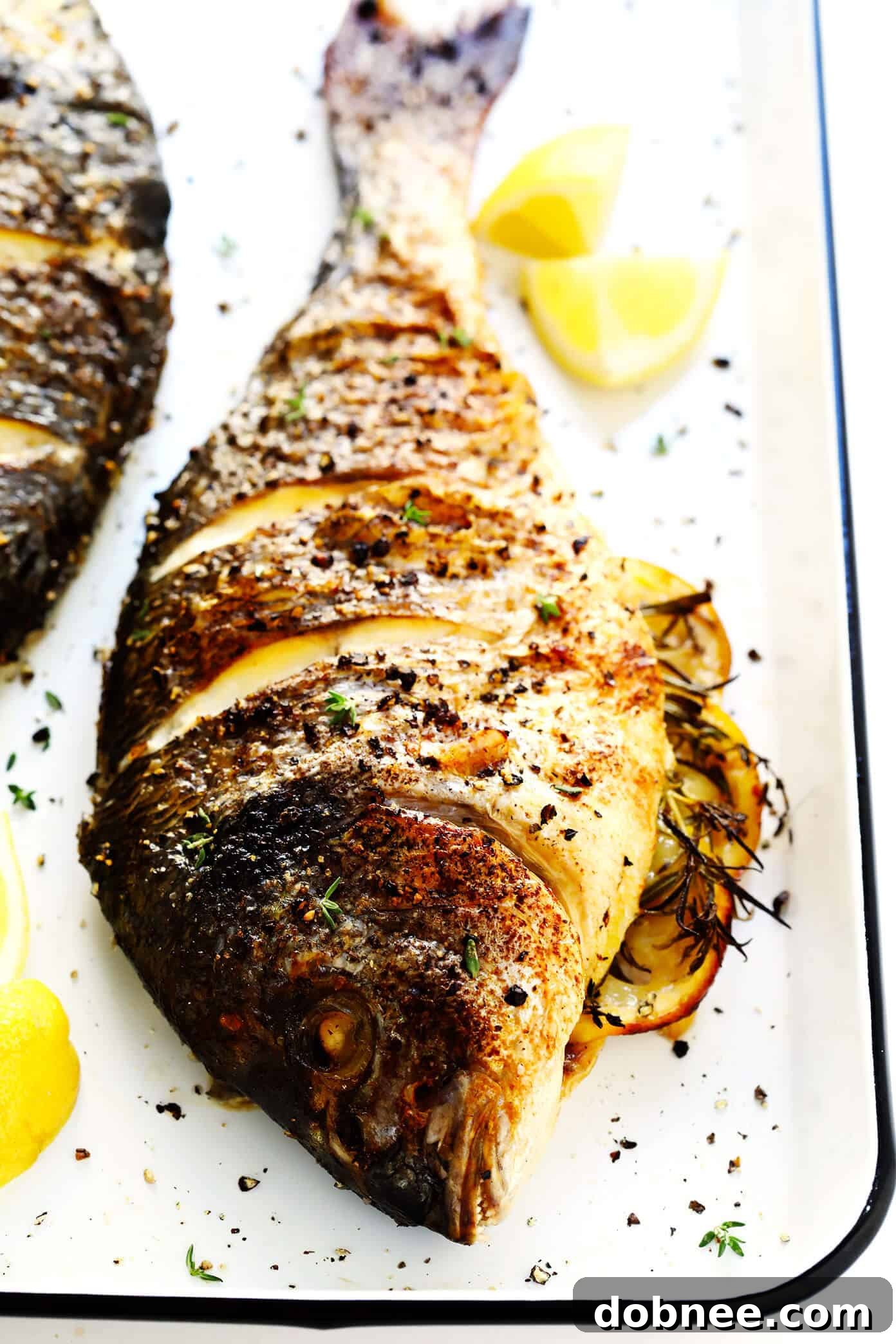
How To Roast Whole Fish In The Oven To Perfection:
For everyone wondering exactly how to achieve that perfectly cooked, juicy, and flavorful whole fish in the oven, you’re in for a treat – this part is astonishingly simple and incredibly effective. The key is high heat and precise timing, ensuring a crispy skin and tender, moist flesh every time.
- Roast at a High Temperature: Preheat your oven to a robust 450°F (230°C). This high heat is crucial for searing the exterior of the fish quickly, locking in moisture, and developing that wonderfully crispy skin. Place your prepared fish on the foil-lined baking sheet into the hot oven. Roast for approximately 18-20 minutes. The exact cooking time will depend on the thickness and size of your fish, so treat this as a guideline. A good rule of thumb is about 10 minutes per inch of thickness at its thickest point.
- Check for Doneness: The fish is perfectly cooked when it reaches an internal temperature of 145°F (63°C) at its thickest part. If you don’t have a meat thermometer, you can check for doneness by inserting a fork into the thickest part of the fish; the flesh should flake easily and appear opaque throughout. Avoid overcooking, as this can lead to dry, tough fish. Once cooked, carefully remove the baking sheet from the oven.
- Add a Final Burst of Lemon Juice: Immediately after removing the fish from the oven, take the reserved half of the lemon and squeeze its fresh juice evenly over the entire top of the baked whole fish. This burst of acidity not only enhances the flavor but also brightens the dish, cutting through any richness and adding a delightful freshness.
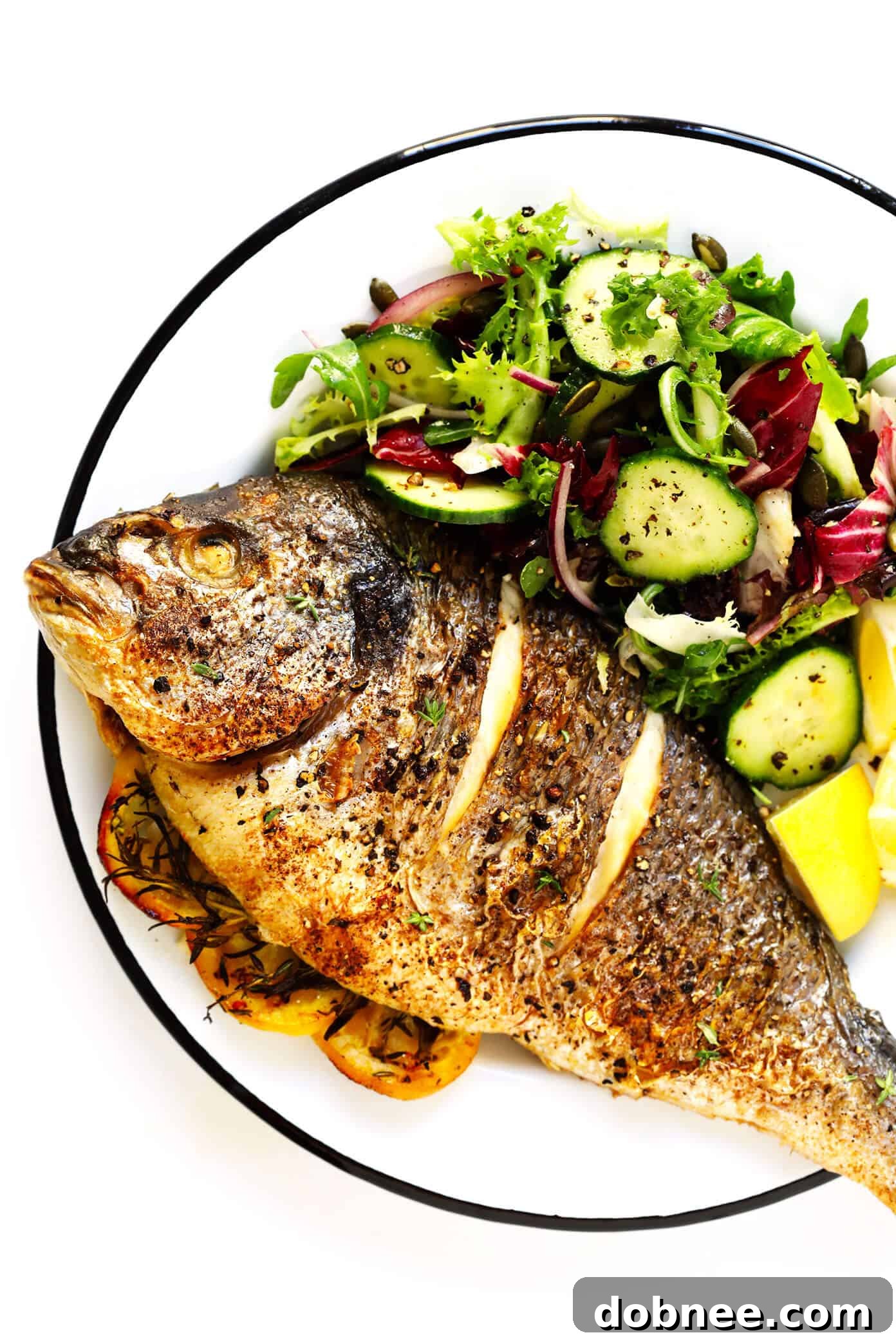
- Serve Immediately: For the best culinary experience, serve your roasted whole fish right away. The skin will be at its crispiest, and the flesh at its juiciest and most tender. Pair it with your favorite sides for a truly magnificent meal.
How To Confidently Eat a Whole Fish:
Eating a whole fish might seem daunting due to the bones, but it’s an enjoyable and surprisingly intuitive process. Most of the time, we simply dive in with a fork, carefully working our way around the bones. However, if you prefer a more structured approach, here’s a simple guide to help you navigate:
- Start with the Upper Fillet: Begin by eating the upper layer of the fish. Use your fork to gently separate the flesh from the backbone and ribs. Work from head to tail, being mindful of smaller bones along the top edge of the fish. Enjoy the succulent meat, placing any bones you encounter on a separate plate.
- Expose and Remove the Backbone: Once you’ve consumed the upper fillet, you’ll find the backbone exposed. Using your fork and perhaps a knife, gently lift the entire backbone (and often the attached ribs) away from the bottom fillet. This should come off relatively easily in one piece if the fish is properly cooked. Discard the backbone.
- Enjoy the Bottom Fillet: With the backbone removed, the delicious bottom fillet is now easily accessible and virtually bone-free. Continue to eat this section, again, being cautious of any small, stray bones that might remain.
- Flip (Optional): For larger fish, you might gently flip the entire fish to reveal the other side and repeat the process if desired, though often by this point, you’ve savored enough of the incredible flavor.
Honestly, there’s no single “wrong” way to eat a whole fish. It’s meant to be a hands-on experience, a little messy, and full of delightful discoveries (occasionally, those “little surprises” being a tiny bone or two). The key is to take your time, savor the incredible flavor, and most importantly, have fun with it! It’s a wonderfully interactive way to enjoy your meal.
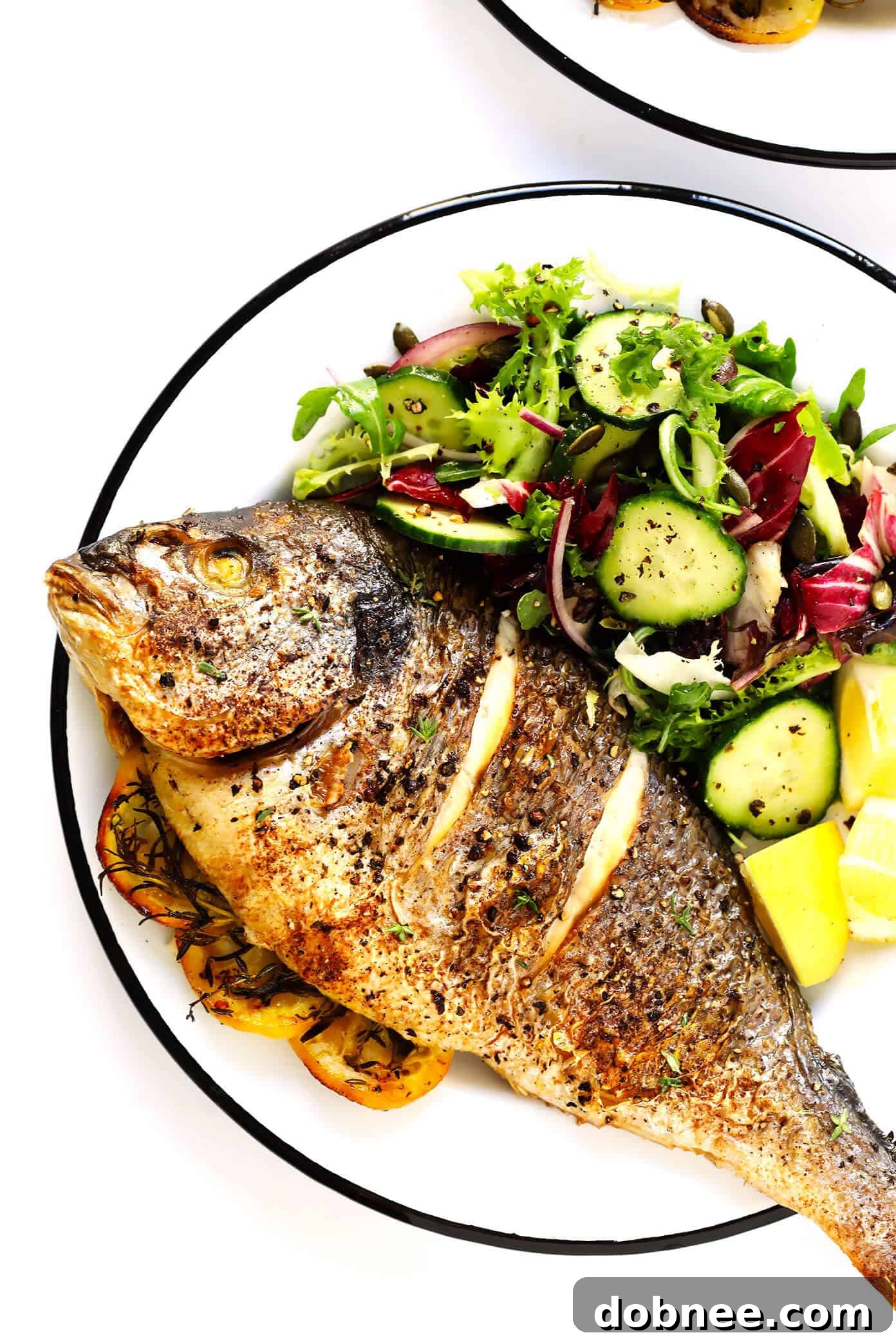
What To Serve With Whole Roasted Fish:
A perfectly roasted whole fish is a star on its own, but pairing it with complementary side dishes can elevate the meal to an unforgettable dining experience. Here are some of my favorite recipes and suggestions that beautifully complement the fresh flavors of baked whole fish, offering a balance of textures and tastes:
- Crisp Green Salads: A refreshing salad provides a wonderful contrast to the rich flavors of the fish. My favorite everyday salad recipe (often pictured above) with a light vinaigrette is always a hit. Alternatively, a traditional Greek salad with its vibrant tomatoes, cucumbers, olives, and feta offers a delicious Mediterranean touch. For something simple, a mixed greens salad with thinly sliced radishes and a lemon-herb dressing works wonders.
- Steamed or Roasted Vegetables: Choose vegetables that either cook quickly or can share oven space with the fish.
- For oven-friendly options, consider asparagus spears tossed with a little olive oil, salt, and pepper, roasted alongside the fish during the last 10-15 minutes.
- Broccolini or green beans, lightly steamed or quickly sautéed with a touch of garlic, maintain their crispness and provide a lovely green accompaniment.
- Steamed artichokes offer a unique, tender side that requires no oven space.
- Roasted root vegetables like small potatoes or carrots, pre-roasted until tender, can be finished with the fish for added convenience.
- Hearty Grains or Breads: To soak up all the delicious juices and complete the meal, consider a simple carbohydrate.
- Some good crusty bread is always a fantastic choice, perfect for dipping into any pan drippings or sauce.
- My honey beer bread offers a unique, slightly sweet and savory option.
- A light couscous salad, quinoa with fresh herbs, or a simple lemon-herb rice pilaf can also be excellent pairings.
- Light Sauces or Dips: While the fish is flavorful on its own, a light sauce can add another dimension. A simple lemon-dill sauce, a fresh salsa verde, or even a classic Greek tzatziki can complement the fish beautifully without overpowering it.
- A Fine Beverage: No perfect meal is complete without the right drink. A nice, crisp glass of dry white wine, such as Sauvignon Blanc, Pinot Grigio, or Albariño, is an ideal pairing, as its acidity and subtle fruit notes enhance the fish’s delicate flavors. For a non-alcoholic option, sparkling water with a slice of lemon or cucumber is wonderfully refreshing.
Each of these options is designed to create a balanced and memorable meal, allowing the star of the show – your beautifully roasted whole fish – to truly shine.
Insta Video Tutorial:
If you’re a visual learner and would like to see this recipe come to life, I created a video version for my “How-To Tuesdays” series on Instagram. It walks you through each step of the process, making it even easier to follow along. You can find it saved to my highlights here. Feel free to check it out for extra tips and a dynamic view of the cooking process!
Go Forth and Roast!
And there you have it, friends! If cooking a whole fish has been on your culinary bucket list, I sincerely hope this detailed guide has not only demystified the process but also ignited your excitement to try it. It’s an incredibly satisfying dish to prepare, offering unparalleled flavor and a truly impressive presentation that’s surprisingly simple to achieve.
I’m clearly a huge advocate for this method, and I truly believe that once you experience the ease and deliciousness of oven-roasted whole fish, you’ll wonder why you ever felt intimidated. Give it a try, experiment with your favorite seasonings, and don’t forget to report back on your experience! Wishing you the very best in your cooking endeavors, and may your “fish nights” be filled with joy and incredible flavor!
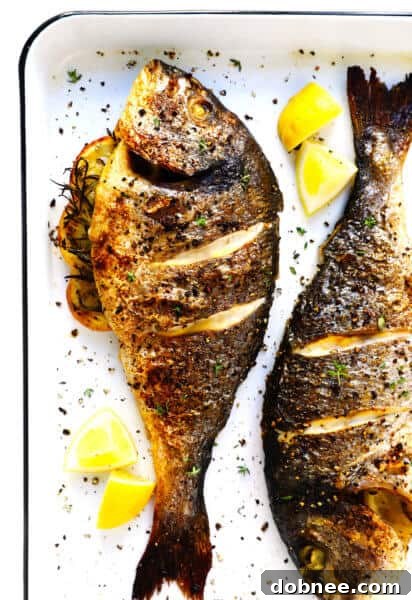
How To Cook A Whole Fish
Prep Time: 10 minutes
Cook Time: 18-20 minutes
Total Time: 28-30 minutes
Yield: 1 serving 1x
Description
An incredibly easy and delicious step-by-step tutorial for roasting a whole fish in the oven. Perfect for beginners, this method ensures juicy, flaky fish with crispy skin, seasoned with a simple blend of lemon, garlic, and fresh herbs. A healthy and impressive dinner option!
Ingredients
Scale
- 1 large whole fish (such as mahi-mahi, sea bass, branzino, or red snapper), scaled, gutted, and rinsed
- 1–2 tablespoons refined olive oil* (or other high-heat oil)
- 1 large clove garlic, peeled and finely minced
- 1 large lemon, halved
- a generous handful of fresh herbs (such as rosemary, thyme, or parsley sprigs)
- sea salt, freshly-cracked black pepper, and garlic powder (for seasoning)
Instructions
- Preheat your oven to 450°F (230°C). Line a rimmed baking sheet with aluminum foil or grease it lightly with cooking spray for easy cleanup.
- When ready to cook, give your prepared fish one final quick rinse under cold water, then thoroughly pat it dry with paper towels, both inside and out. Use a sharp knife to make shallow, diagonal slits (about 1-inch apart) across the top skin of the fish.
- Generously brush both sides of the fish with the refined olive oil, ensuring it gets into the scored slits. Briefly brush the inner cavity of the fish with oil as well.
- Slice one half of the lemon into thin rounds. Stuff these lemon slices, along with the minced garlic and fresh herb sprigs, into the cavity of the fish. Make sure the garlic is tucked in well and not exposed, to prevent burning.
- Season the outside of the fish generously with sea salt, freshly-cracked black pepper, and garlic powder. Don’t forget to add a pinch of salt and pepper to the inside cavity too.
- Roast the fish for 18-20 minutes, or until the internal temperature reaches 145°F (63°C) at its thickest part and the flesh flakes easily with a fork. Cooking time will vary depending on the specific size and variety of your fish.
- Carefully remove the fish from the oven. Take the remaining lemon half and squeeze its fresh juice evenly over the top of the perfectly baked fish.
- Serve your whole roasted fish immediately while hot, and enjoy the delicious results!
Notes
- Always use a regular, refined olive oil or any other high-heat oil (like avocado or grapeseed) for roasting, as extra virgin olive oil has a lower smoke point and can burn at 450°F.
- For maximum freshness and flavor, try to cook your whole fish on the same day you purchase it from the market.
- Don’t be afraid to ask your fishmonger for assistance with scaling, gutting, and rinsing the fish. They are experts and can make the process much easier for you!