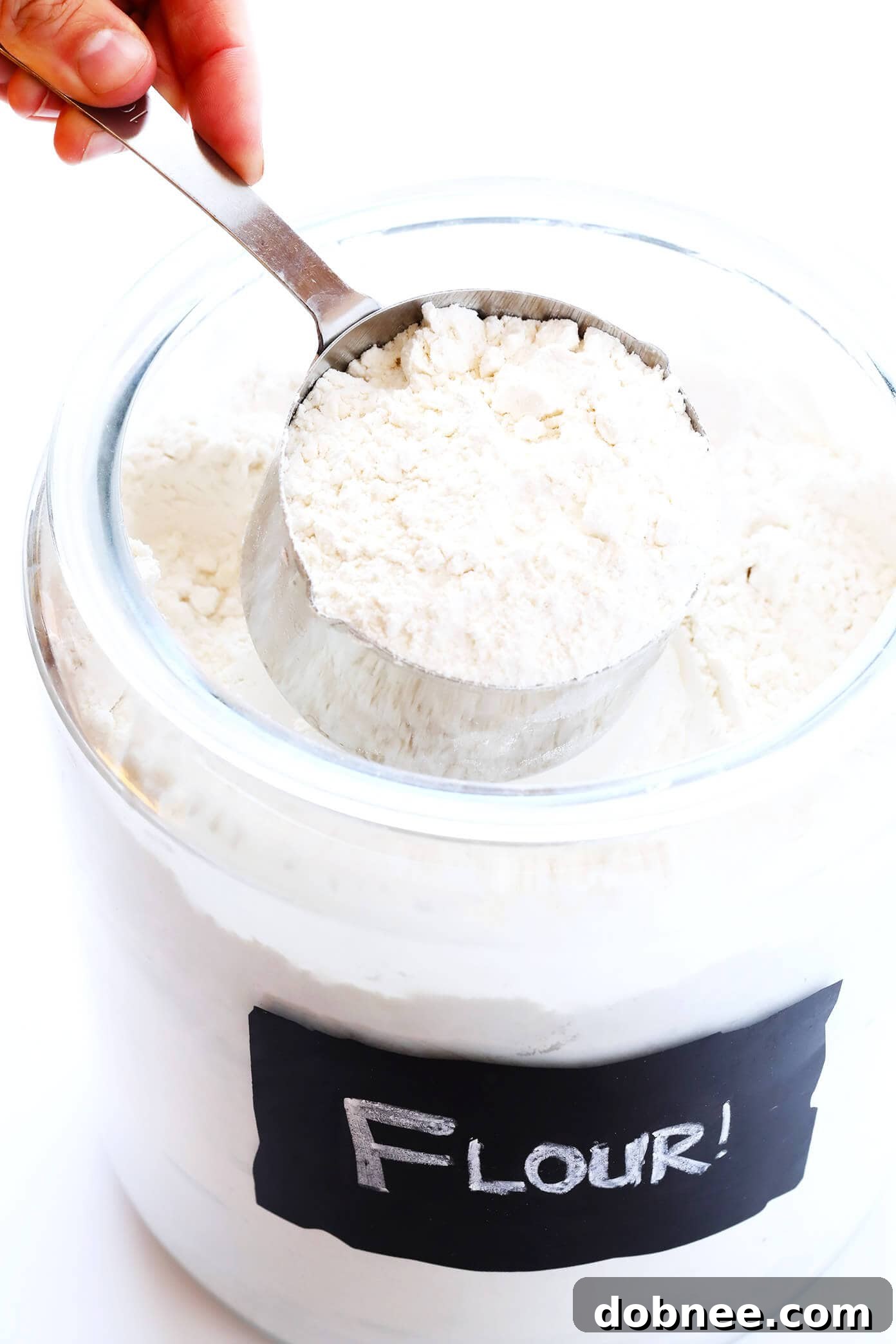
Unlock the secret to consistently perfect baked goods! Learn the precise techniques for measuring flour – both the methods to avoid and the best practices – to transform your baking accuracy.
Welcome, fellow bakers and culinary enthusiasts! Today, we’re diving into a fundamental skill that holds the power to elevate your homemade creations from good to absolutely glorious: correctly measuring flour. It might seem like a trivial detail, an intuitive step every home cook masters without a second thought. However, the seemingly simple act of measuring flour can, in fact, be one of the most common pitfalls in the kitchen, especially when it comes to baking.
Many of us, myself included, learned to cook through trial and error, picking up tips and tricks along the way. In this journey, some foundational techniques might have been overlooked, and proper flour measurement is often one of them. While many parts of the world rely on the precision of weight for measuring flour, standard practice in the United States often involves volume measurements using measuring cups. This difference creates a significant margin for error, as scooping flour directly from its container can inadvertently add a substantial amount of extra flour to your recipe—sometimes as much as 30% more than intended! This seemingly small oversight can dramatically alter the texture, taste, and overall success of your baked goods. Imagine a cake that’s dry and crumbly, cookies that are tough and don’t spread, or bread that’s dense and heavy. More often than not, the culprit is inaccurately measured flour.
Fear not, for this common baking dilemma is remarkably easy to remedy! By understanding the nuances of flour and employing simple, precise techniques, you can ensure your recipes turn out perfectly every time. With the holiday baking season often bringing ambitious culinary projects, now is the ideal time to master this essential skill. Let’s make a collective resolution to measure our flour the right way, ensuring every cake, cookie, and loaf of bread emerges from the oven exactly as it should: delicious and delightful. Here’s how you can achieve unparalleled accuracy in your baking.
The Critical Importance of Accurate Flour Measurement
Baking is often described as a science, and for good reason. It relies on precise chemical reactions between ingredients, where the ratios of fat, sugar, liquid, and leavening agents must be just right to achieve the desired texture and structure. Flour, being the primary structural component in most baked goods, plays an incredibly pivotal role. Its protein content forms gluten, which gives elasticity and strength, while its starches absorb moisture, contributing to tenderness and crumb structure. An excess of flour can lead to an overdevelopment of gluten or a depletion of available moisture, resulting in undesirable outcomes such as:
- Dry and Crumbly Texture: Too much flour absorbs too much liquid, leaving your cakes, muffins, or quick breads parched and crumbly.
- Tough and Dense Products: An abundance of flour can lead to a more developed gluten structure, making cookies tough, breads dense, and pastries less tender.
- Lack of Spread: In cookies, extra flour can prevent them from spreading properly, resulting in thick, cakey disks instead of thin, crisp, or chewy delights.
- Altered Leavening: The balance between flour and leavening agents (like baking powder or soda) can be disrupted, affecting how well your baked goods rise.
Understanding these potential pitfalls highlights why mastering flour measurement isn’t just about being meticulous; it’s about consistently achieving outstanding results and enjoying the satisfaction of perfectly executed recipes.
Common Mistakes to Avoid When Measuring Flour by Volume
When using measuring cups, several common habits can lead to an inaccurate flour measurement. It’s crucial to identify and eliminate these practices to ensure the proper amount of flour for your recipes. Here are the “don’ts” that contribute to over-measuring:
Don’t…
- Scoop Straight from the Flour Container: This is arguably the most common mistake. When you plunge your measuring cup directly into the bag or container of flour, you compact the flour significantly. This action can force a surprising amount of extra flour into the cup, making it much denser than it should be. The flour at the bottom of the container is already likely to be more compacted, exacerbating the issue.
- Tap the Measuring Cup on the Side of the Flour Container or Countertop to Level It Out: After scooping, some people tap the cup to settle the flour and create a flat surface for leveling. While it might seem like a good idea for tidiness, this action further compacts the flour, pushing more into the same volume and resulting in an over-measurement.
- Pack the Flour Down in the Measuring Cup: Similar to tapping, deliberately pressing or packing the flour into the measuring cup, even lightly, will drastically increase the amount of flour beyond what the recipe intends. This is the technique used for measuring brown sugar (which needs to be packed), but it’s detrimental for flour.
Each of these actions contributes to a denser packing of flour into the measuring cup, invariably leading to too much flour in your recipe. This excess can subtly sabotage your efforts, even if you follow all other steps perfectly.
The Correct Way to Measure Flour by Volume: The “Spoon and Level” Method
To counteract the common pitfalls, bakers around the world who use volume measurements have adopted the “spoon and level” method. This technique ensures that your flour remains light, airy, and at its proper density, giving you an accurate measurement every time. Here’s a detailed breakdown of the “dos”:
Do…
- Fluff the Flour in the Container Before Scooping It Out: This initial step is non-negotiable. Before you even touch your measuring cup, take a fork, a whisk, or a spoon and gently aerate the flour in its container. Stir it around to break up any compaction that has occurred during storage. This makes the flour light and fluffy, replicating its natural state and ensuring it’s not dense before you start measuring.
- Spoon the Flour Gently into Your Measuring Cup: Instead of scooping the measuring cup directly into the flour, use a separate spoon (a large serving spoon works well) to transfer the fluffed flour into your measuring cup. Spoon it in until the flour overflows slightly above the rim of the cup. Do not press, tap, or shake the cup at any point during this process. The goal is to keep the flour as light and loose as possible within the cup.
- Level the Flour Out with a Knife or Straight Edge: Once your measuring cup is gently overflowing with flour, use the flat back of a butter knife or any other straight edge (like an offset spatula or even a ruler) to level off the excess flour. Position the knife across the top rim of the measuring cup and simply sweep the excess flour away. Do this without pressing down on the flour in the cup. This method ensures that you have precisely the amount of flour that corresponds to the cup’s volume, at the proper, aerated density.
By following these steps, you guarantee that the flour is light and fluffy—both in its container and within your measuring cup—resulting in the correct amount of flour for your recipe. This small but significant change will yield noticeably improved results in your baking, leading to lighter, more tender, and perfectly textured baked goods.
The Gold Standard: Measuring Flour by Weight with a Kitchen Scale
While the “spoon and level” method significantly improves accuracy for volume measurements, the absolute best way to ensure precise flour measurement, preferred by professional bakers and many home cooks globally, is to weigh your flour using a digital kitchen scale. Measuring by weight eliminates all the variables associated with volume (compaction, density variations, type of flour) and provides an exact, reproducible measurement every single time. It’s truly the gold standard for baking accuracy.
Why Weighing Is Superior:
- Unmatched Accuracy: A gram of flour is always a gram of flour, regardless of how packed or fluffy it is. This consistency is impossible to achieve with volume measurements.
- Consistency: Your recipes will turn out the same way, batch after batch, because the flour quantity is always identical.
- Less Mess: No more mounds of flour on your counter after leveling!
- Faster: Once you get the hang of it, weighing is often quicker than meticulously spooning and leveling.
- Universal: Most professional recipes and recipes from countries outside the US use weight measurements, making it easier to follow them without conversion headaches.
How to Measure Flour Using a Kitchen Scale:
- Place Your Container on the Scale: Begin by placing the bowl or container you’ll be using to hold the flour directly onto your digital kitchen scale.
- Tare/Zero Out the Scale: Press the “tare” or “zero” button on your scale. This step subtracts the weight of the container, so the scale will only display the weight of the flour you add.
- Add Flour Gradually: Spoon or pour the flour directly into the container on the scale until you reach the desired weight specified in your recipe. Start by adding a larger amount, then slowly spoon in smaller increments until you hit the target. Most recipes will specify ounces or grams.
A reliable digital kitchen scale is a worthwhile investment for any serious baker. You can find excellent models for around $20-$30 that will last for years. I personally keep a compact kitchen scale readily accessible in my pantry and use it religiously for baking. It takes mere seconds to measure flour accurately by weight, and the peace of mind knowing your foundation ingredient is spot-on is priceless.
Common Flour Weight Equivalents:
Many recipes still list flour in cups, so it’s helpful to know the approximate weight equivalents. Keep in mind that these are averages, and specific brands or flour types can vary slightly. For most home baking, these conversions are perfectly adequate:
- 1 cup all-purpose flour = 4.25 ounces (approx. 120-125 grams)
- 1 cup whole wheat flour = 4 ounces (approx. 113 grams)
- 1 cup white whole wheat flour = 4 ounces (approx. 113 grams)
- 1 cup bread flour = 4.25 ounces (approx. 120-125 grams)
- 1 cup self-rising flour = 4 ounces (approx. 113 grams)
For maximum precision, if a recipe provides gram measurements, always use those over ounces. Grams offer finer increments and are globally preferred for their exactness.
Essential Tips for Baking Success
Beyond measuring flour, a few additional tips can further enhance your baking accuracy and overall results:
- Use Proper Measuring Tools: Always use dry measuring cups for dry ingredients (like flour, sugar, leavening agents) and liquid measuring cups for liquids (like water, milk, oil). Dry measuring cups are designed to be leveled off, while liquid measuring cups have a spout and measurements below the rim to be read at eye level.
- Temperature Matters: Ensure ingredients like butter, eggs, and milk are at room temperature if specified in the recipe. This allows them to emulsify better and create a smoother batter.
- Read the Recipe Thoroughly: Before you begin, read the entire recipe from start to finish. This helps you understand the steps, prepare all ingredients (mise en place), and avoid missing crucial instructions.
- Do Not Overmix: Once wet and dry ingredients are combined, mix only until just combined. Overmixing develops gluten too much, leading to tough baked goods.
Mastering the art of measuring flour is a game-changer for any baker. Whether you opt for the diligent “spoon and level” volume method or embrace the undeniable precision of a digital kitchen scale, taking these extra moments to ensure accuracy will profoundly impact the quality of your baked goods. Say goodbye to dry cakes and dense cookies, and hello to consistently perfect, delicious creations!
So, armed with this knowledge, go forth and bake with confidence. Happy measuring, and even happier baking!