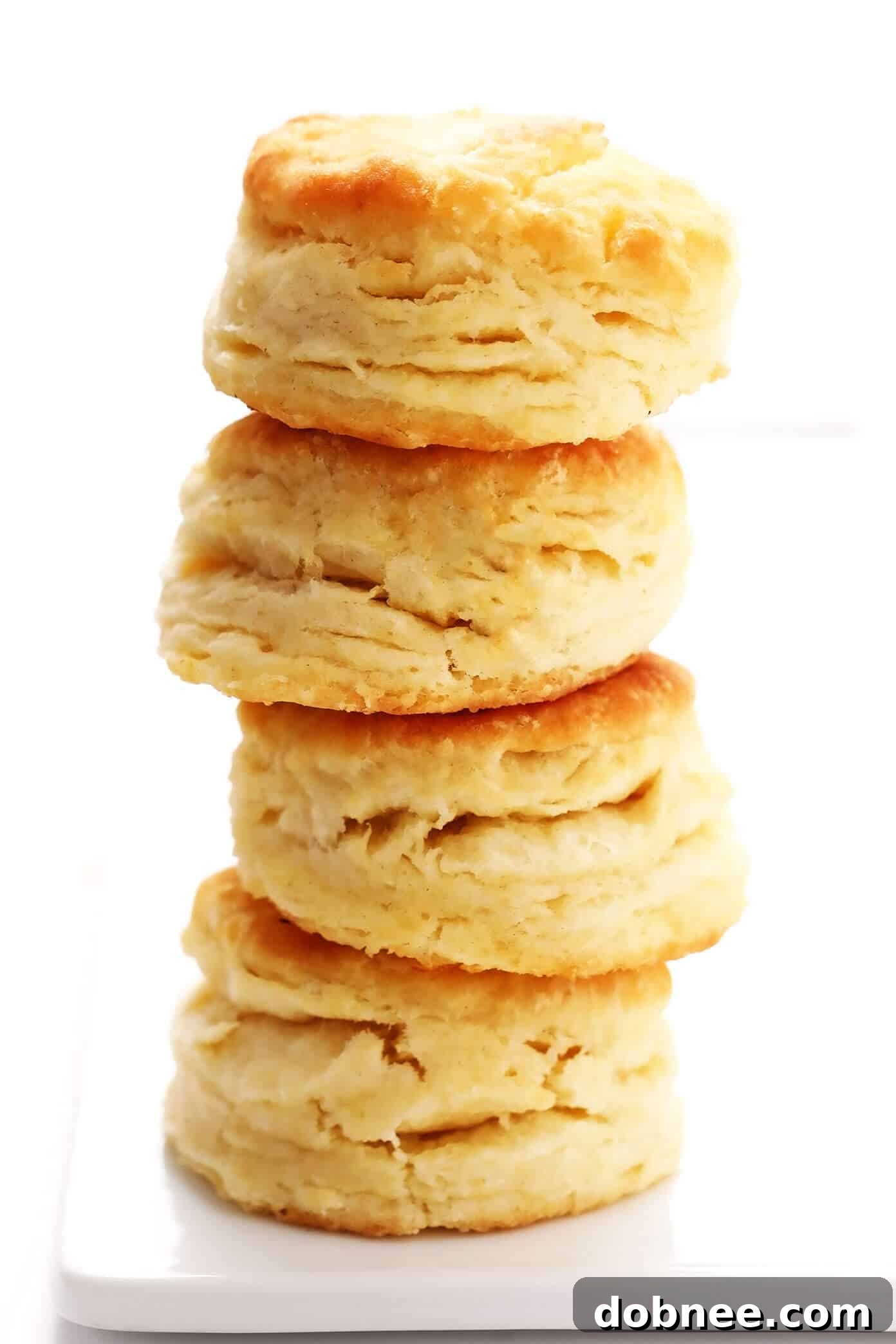
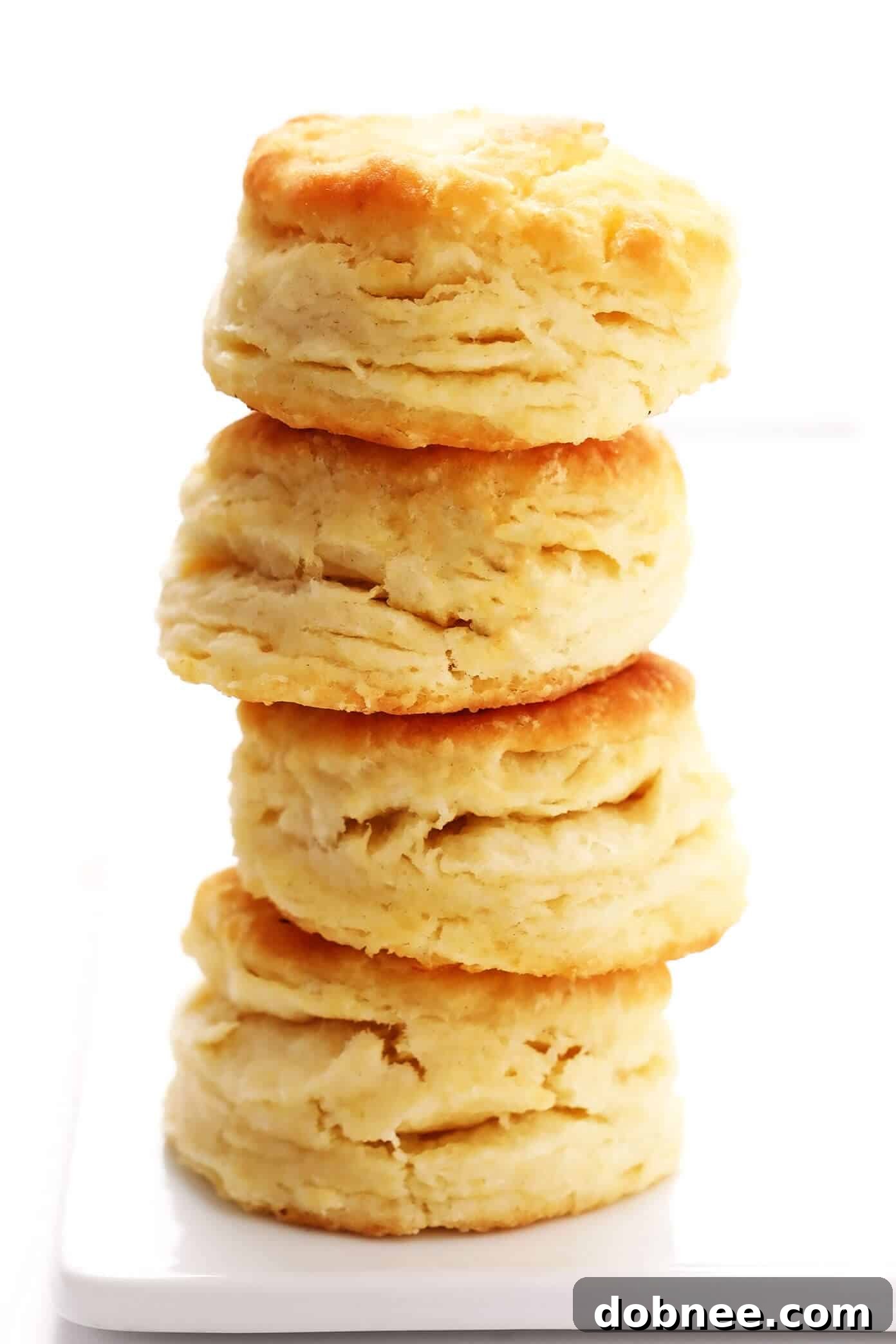
Discover the ultimate homemade buttermilk biscuit recipe – incredibly easy to make, delivering perfectly soft, tall, and flaky biscuits that are always wonderfully buttery and delicious. This is the only recipe you’ll ever need!
There’s nothing quite like the comforting aroma and taste of a freshly baked batch of buttermilk biscuits. A few weeks ago, I had a sudden, undeniable craving for crispy chicken fingers and warm, buttery biscuits. Living abroad in Barcelona for years, I hadn’t indulged in either, and the nostalgia hit hard. Impulsively, I stopped by our local KFC, eager to place an order. To my utter shock, after scanning the menu multiple times, I discovered that biscuits simply aren’t available at KFC locations here in Spain!
When I shared my surprise on Instagram, dozens of you from across the globe chimed in, confirming that KFCs in your international locales also don’t feature biscuits. We all agreed: this feels like a significant missed opportunity for KFC. Who wouldn’t adore those tender, buttery buttermilk biscuits? Regardless, this revelation quickly reminded me that if I truly wanted to satisfy my craving, I would have to whip up a batch myself. So, I grabbed some buttermilk on my way home, pulled up my time-tested favorite recipe, and got to baking. The moment those golden biscuits emerged from the oven, I was transported back. I had almost forgotten the sheer magic a warm pan of homemade buttermilk biscuits holds.
Indeed, when it comes to biscuits, nothing truly compares to a delicious homemade version. They offer a level of freshness, flavor, and texture that store-bought options simply can’t match. This particular recipe isn’t just my favorite; it’s also incredibly easy to master, even if you’re a novice baker. It relies on fundamental ingredients you likely already have in your pantry and comes together in just over 30 minutes from start to finish. The harmonious blend of rich, creamy butter and tangy buttermilk creates an unparalleled flavor profile, resulting in the most exquisite biscuits imaginable.
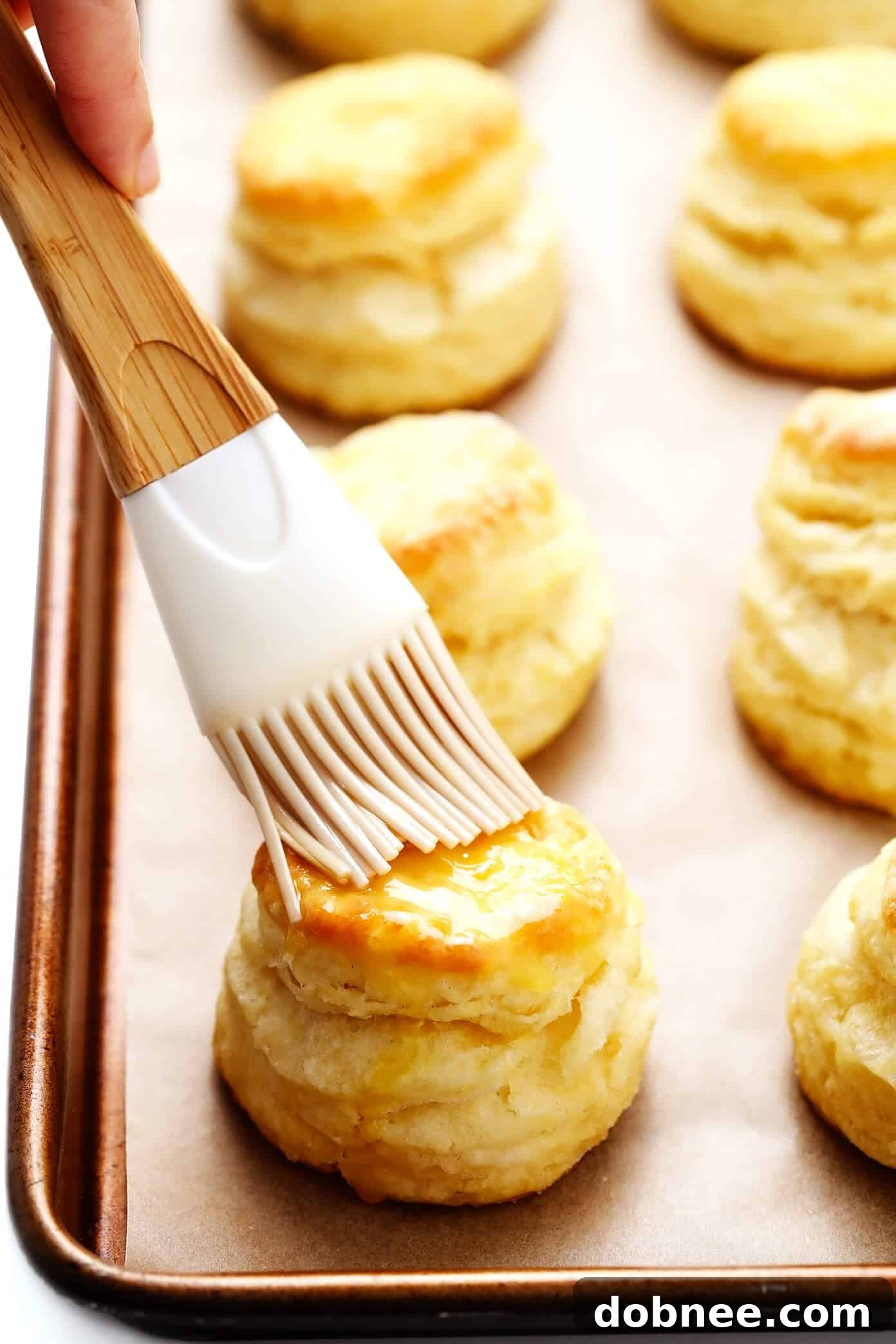
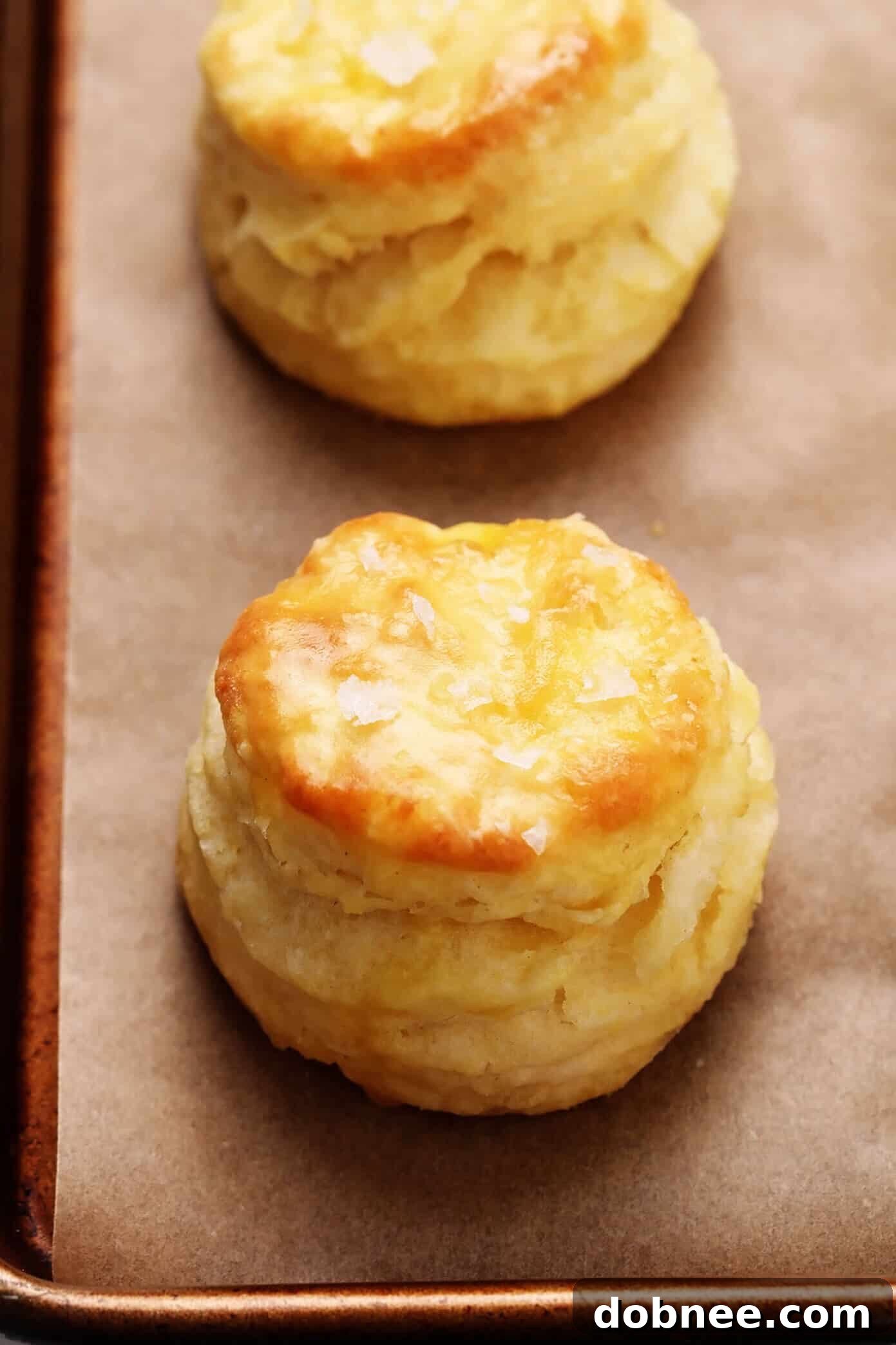
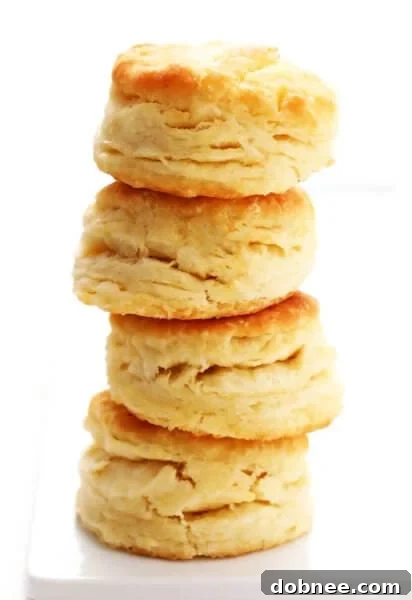
For an extra touch of indulgence, I highly recommend brushing them with a bit of melted butter immediately after they emerge from the oven, followed by a delicate sprinkle of flaky sea salt. This simple step elevates their taste and texture to new heights. The genius lies in the easy folding technique used in this recipe, which is key to achieving biscuits that bake up wonderfully soft and tall, effortlessly pulling apart into beautiful, distinct flaky layers when you break them open. It’s a technique that yields professional-looking results with minimal effort.
In essence, this homemade buttermilk biscuit recipe has consistently delivered perfection whenever a craving strikes. It’s wonderfully versatile, ideal for a hearty morning meal with sausage gravy or your favorite jam. It also serves as an excellent side dish for lunch or dinner, complementing a wide array of savory meals. Moreover, these biscuits can even be used as a delightful topping for classic comfort foods like chicken pot pie or various casseroles, adding a rustic, buttery crust. This recipe is simple, classic, and unfailingly delicious, making it a staple in my kitchen. If you’re searching for a dependable and utterly satisfying homemade biscuit recipe to add to your culinary repertoire, look no further. Bookmark this one, and let’s embark on a delightful baking adventure together!
Essential Buttermilk Biscuit Ingredients:
Crafting the perfect batch of homemade buttermilk biscuits begins with understanding the role of each ingredient. Before we dive into the detailed recipe below, here are a few crucial notes about the components that make these biscuits truly exceptional:
- All-Purpose Flour: For classic, tender buttermilk biscuits, standard all-purpose flour is my go-to choice. Accuracy is key in baking, so I highly recommend weighing your flour to ensure you have the precise amount specified in the recipe. This prevents a dense or dry biscuit.
- Baking Powder and Baking Soda: This dynamic duo is essential for creating extra-soft, light, and wonderfully tall biscuits. Baking powder provides the primary lift, while baking soda reacts with the acidic buttermilk to contribute additional rise and a delicate texture.
- Light Brown Sugar (Optional): I personally enjoy adding a subtle hint of sweetness to my biscuits, which light brown sugar perfectly provides. Any type of granular sugar or a touch of honey would also work beautifully. However, if you prefer a purely savory biscuit, feel free to omit the sweetener entirely.
- Salt: I developed this recipe using fine sea salt within the biscuit dough itself. Additionally, I suggest an optional sprinkle of flaky sea salt (or fine sea salt) over the baked biscuits before serving. This enhances the flavor and adds a delightful textural contrast. If you’re using iodized table salt, which is saltier by volume, I recommend using half the amount listed in the recipe to avoid over-salting.
- Cold Butter: This is perhaps the most critical ingredient for achieving tall, flaky biscuits. It is absolutely paramount that your butter is very, very cold. When cold butter pieces melt in the hot oven, they release steam, creating pockets of air that result in those desirable flaky layers. Ensure your butter is thoroughly chilled in the fridge before dicing it into 1/2-inch cubes and incorporating it into the dry ingredients. For even better results, if time permits, pop your diced butter into the freezer for 30 minutes before use to make it extra firm and cold. A touch of melted butter brushed on top after baking adds an incredible richness.
- Cold Buttermilk: Just like the butter, your buttermilk must be thoroughly chilled from the refrigerator before it’s added to the dough. I highly recommend using full-fat buttermilk for the richest flavor and best texture. However, low-fat buttermilk or even “homemade” buttermilk (created by mixing whole milk with a tablespoon of lemon juice or white vinegar and letting it sit for 5-10 minutes) will also work in a pinch. The acidity of the buttermilk reacts with the baking soda to help the biscuits rise and creates a tender crumb.
To make this easy biscuit recipe a breeze, I also recommend having the following essential equipment on hand:
- Pastry Cutter: A pastry cutter is invaluable for efficiently cutting the cold butter into the dry ingredients by hand, ensuring the butter remains in pea-sized chunks. Alternatively, two forks can be used, or for a quicker method, a food processor can pulse the butter and dry ingredients together.
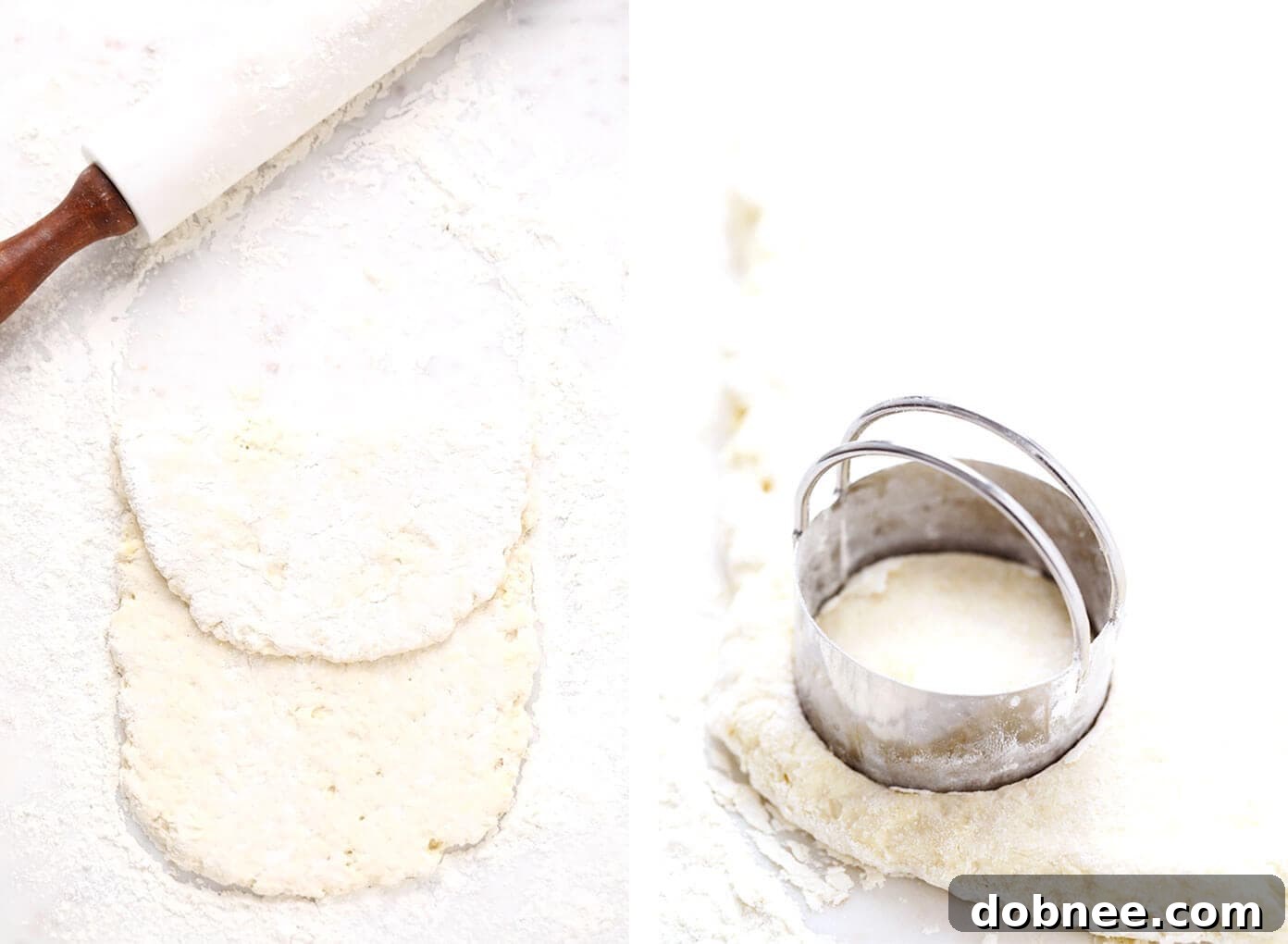
- Biscuit Cutter: I suggest using a 2 to 2.5-inch round biscuit cutter for perfectly shaped biscuits. Ideally, choose one with a handle to avoid twisting the cutter, which can seal the edges and inhibit rising. If you don’t have a biscuit cutter, don’t worry – you can simply roll the dough into a 9-inch square and cut it into 9 even squares.
- Rolling Pin: Using a rolling pin is preferable to patting the dough down with your warm hands, as it helps keep the dough (and critically, the butter within it) nice and chilled, which contributes to flakiness.
- Pastry Brush: This is perfect for generously brushing the warm, melted butter onto your biscuits as soon as they come out of the oven, adding that irresistible shine and buttery flavor.
7 Expert Tips for Baking the Best Buttermilk Biscuits:
While detailed instructions are provided in the recipe card below, taking a moment to review these crucial tips will ensure your homemade buttermilk biscuits are nothing short of perfectly soft, exquisitely flaky, impressively tall, and utterly EPIC. These are the secrets to biscuit perfection! ♡
- Keep Your Ingredients Cold, Cold, Cold: This cannot be emphasized enough. For the butter to remain extra-cold and not melt prematurely while you’re forming the biscuits – a key factor in achieving that coveted flaky perfection and impressive rise in the oven – it’s vital that the butter and all other ingredients stay as cold as possible before baking. Always ensure your butter and buttermilk are thoroughly chilled in the fridge until the very moment you add them to the recipe. Even better, consider placing your diced butter in the freezer for 30 minutes before using it for an extra chill. Once the butter is incorporated, work quickly, and try to minimize touching the butter with your warm hands. After forming the biscuits, let them chill in the fridge or freezer for 15 minutes before baking. This allows the butter to firm back up, preventing it from melting too quickly in the oven. It may seem meticulous, but keeping your butter frigid truly makes a remarkable difference in the outcome of this recipe!
- Aim for Pea-Sized Butter Chunks: When cutting (or mixing) the cold butter into your dry ingredients, the goal is to break it down into pieces roughly the size of small peas. Avoid overworking the butter and making the chunks too small. Larger, pea-sized butter pieces create more steam pockets as they melt in the oven, which is what gives biscuits their incredible lift and distinct, flaky layers. If the butter chunks are too tiny, your biscuits may bake up flatter and less flaky.
- Be Gentle with the Dough: Biscuit dough thrives on a light touch. When you’re rolling and folding the dough, handle it gently. Avoid pressing down excessively hard with your rolling pin. Overworking the dough develops the gluten too much, which can lead to tough, dense biscuits instead of light, tender ones.
- Don’t Over-Flour the Dough Between Folds: While you’ll naturally need to sprinkle a bit of extra flour on your work surface and rolling pin to prevent sticking during the folding and rolling process, be mindful not to add unnecessary amounts. Too much extra flour can dry out the dough, causing the delicate layers to separate excessively and potentially leading to your flaky biscuit layers “toppling over” a bit in the oven. Rest assured, even if they lean a little, they will still taste absolutely delicious!
- Avoid Twisting the Biscuit Cutter: When cutting out your biscuits, it’s crucial to press your biscuit cutter straight down and lift it straight up, without twisting. Twisting the cutter can “seal” the edges of the biscuit dough. This sealed edge prevents the layers from properly separating and rising as tall as they should, hindering that beautiful, flaky texture.
- Cut Biscuits into Squares (No Cutter? No Problem!): If you don’t own a round biscuit cutter, there’s no need to delay your biscuit-making plans. Simply roll out the dough into a roughly 9-inch square. Then, use a sharp knife or bench scraper to cut the dough into 9 equally-sized (approximately 3-inch) biscuit squares. These square biscuits will be just as delicious and flaky!
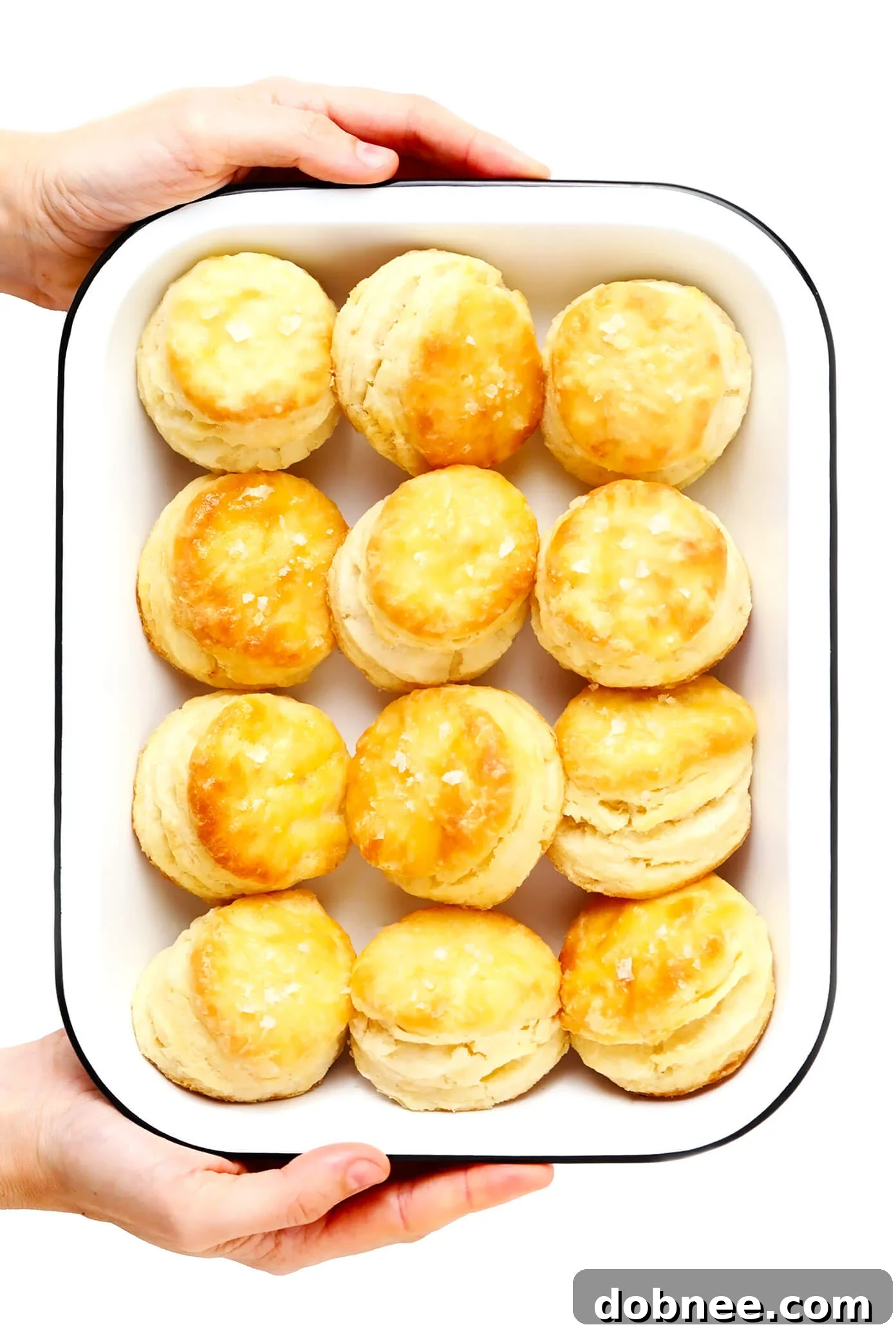
- Consider Your Preference: Crispy or Taller Biscuits: The way you arrange your biscuits on the baking sheet affects their final texture. If, like me, you prefer your biscuits to have deliciously crispy sides, arrange them evenly apart on the baking sheet, allowing ample space for air circulation. Conversely, if you desire taller biscuits with softer, less browned sides, place them close together on the baking sheet so they are touching. This arrangement encourages them to rise upwards rather than spread outwards. Another excellent option for soft-sided, tall biscuits is to bake them in a cast-iron skillet or a pie plate, where they can snuggle together.
More Essential Bread Recipes for Your Repertoire:
Once you’ve mastered these incredible buttermilk biscuits, you might find yourself eager to expand your baking skills. If you’re looking for more classic and comforting bread recipes to add to your collection, here are a few of my absolute favorites that I return to time and again. Each recipe is designed to be approachable and rewarding:
- 1-Hour Soft Dinner Rolls: Perfect for any meal, these rolls are incredibly tender and come together in just an hour.
- No-Knead Bread: An unbelievably easy and satisfying artisan-style bread that requires minimal effort but delivers maximum flavor and a gorgeous crust.
- Honey Beer Bread: A wonderfully moist and slightly sweet quick bread, perfect as a side or for sandwiches. The beer adds a subtle depth of flavor.
- Healthy Banana Bread: A lighter take on a classic, this banana bread is moist, flavorful, and a great way to use up ripe bananas.
- Spiced Pumpkin Bread: A seasonal favorite, this pumpkin bread is incredibly aromatic, moist, and perfect for fall breakfasts or desserts.
Homemade Buttermilk Biscuits
Author: Ali
Prep Time: 30 mins
Cook Time: 10 mins
Total Time: 40 mins
Yield: 8 to 10 biscuits 1x
Description
My absolute favorite homemade buttermilk biscuit recipe – designed for ease, yielding perfectly soft, magnificently tall, and beautifully flaky biscuits. They are consistently buttery and utterly delicious, making them a true comfort food staple.
Ingredients
Scale
- 2 cups (284 grams) all-purpose flour
- 1 tablespoon baking powder
- 1 tablespoon light brown sugar (optional, for a hint of sweetness)
- 1 teaspoon fine sea salt
- 1/4 teaspoon baking soda
- 6 tablespoons (85 grams) very cold butter*, diced into 1/2-inch cubes
- 1 cup cold buttermilk
- optional toppings: extra melted butter and flaky sea salt, for brushing and sprinkling after baking
Instructions
- Prepare Dry Ingredients: In a large mixing bowl, combine the all-purpose flour, baking powder, light brown sugar (if using), fine sea salt, and baking soda. Whisk briefly to ensure all ingredients are well distributed.
- Incorporate Cold Butter: Evenly sprinkle the diced, very cold butter over the dry ingredient mixture. Using a pastry cutter, two forks, or a food processor* (see notes below for shortcut), cut the butter into the dry ingredients. Continue until the mixture resembles coarse crumbs with visible pea-sized chunks of butter. This is crucial for flaky biscuits.
- Add Buttermilk: Pour the cold buttermilk into the mixture. Stir gently with a spoon or spatula until the dough is just combined and comes together. Be careful not to over-mix, as this can lead to tough biscuits. The dough will look shaggy.
- Shape the Dough: Lightly flour a clean work surface. Turn the dough out onto the floured surface. Use your hands to quickly gather and gently press the dough into a small, rough rectangle. Using a rolling pin, roll the dough out evenly until it is approximately 1/2-inch thick.
- Perform the Folds: Now, for the secret to flaky layers: fold the dough into thirds, like a letter or an envelope (bringing one-third up and over the middle, then the other third down and over). Rotate the dough 90 degrees. Repeat this folding and rotating process two more times, for a total of three folds. This layering technique builds incredible flakiness.
- Cut the Biscuits: Roll the dough out one last time into a rectangle roughly 10 x 5 inches and about 1/2-inch thick. Using a 2 to 2.5-inch biscuit cutter, firmly cut out 8 round biscuits. Press straight down without twisting the cutter to ensure the edges remain open for optimal rise and flakiness. Arrange the cut biscuits evenly on your prepared baking sheet.* If desired, gently gather the dough scraps, press them together (without overworking), and cut out 1 or 2 additional biscuits.
- Preheat Oven & Chill Biscuits: Preheat your oven to 450°F (232°C). While the oven heats, transfer the baking sheet with the formed biscuits to your freezer or refrigerator for 15 minutes. This final chill ensures the butter is very cold and firm, promoting a maximum rise.
- Bake to Golden Perfection: Once the oven reaches temperature, transfer the chilled biscuits to the hot oven. Bake for 10-12 minutes, or until the tops are beautifully golden brown and the biscuits have risen tall and flaky. Transfer the baking sheet to a wire rack. If you wish, immediately after baking, brush the warm tops of the biscuits with a little extra melted butter and sprinkle with a pinch of flaky sea salt for an added touch of indulgence.
- Serve Warm: Serve your homemade buttermilk biscuits warm, fresh from the oven, and savor every buttery, flaky bite! Enjoy them plain, with jam, or alongside your favorite savory dishes.
Equipment
Biscuit Cutters
Buy Now →
Pastry Brush
Buy Now →
Pastry Cutter
Buy Now →
Notes
Extra Chilling for Butter: For the absolute flakiest biscuits, if you have some extra time, I highly recommend placing your diced butter in the freezer for about 30 minutes before incorporating it into the dry ingredients. For an even greater advantage, you can also chill your flour in the freezer for about 15-20 minutes beforehand!
Food Processor Shortcut: If you own a food processor, you can use it for a quicker mixing method. Add the dry ingredients (flour, baking powder, light brown sugar, salt, and baking soda) to the food processor and pulse a few times to combine them. Then, scatter the cubed cold butter over the dry ingredients and pulse a few more times until the mixture forms coarse, pea-sized clumps. Transfer this mixture to a large mixing bowl, stir in the cold buttermilk until just combined, and then proceed with the recipe from step 4 (forming and folding the dough) as directed.
Arranging Biscuits for Desired Texture: The placement of your biscuits on the baking sheet influences their final texture. If you prefer biscuits with crispy, browned sides, similar to how I enjoy them, space them evenly apart on the baking sheet, allowing each biscuit to develop a crust. However, if you’re aiming for taller biscuits with softer, less crispy sides, arrange them side-by-side so they are touching on the baking sheet. This encourages them to rise upwards. Alternatively, baking them snuggled together in a cast-iron pan or a pie plate will also yield beautifully tall and soft-sided biscuits.
Recipe Source: This recipe has been very slightly adapted from a reliable source on Food.com, perfected over years of baking.