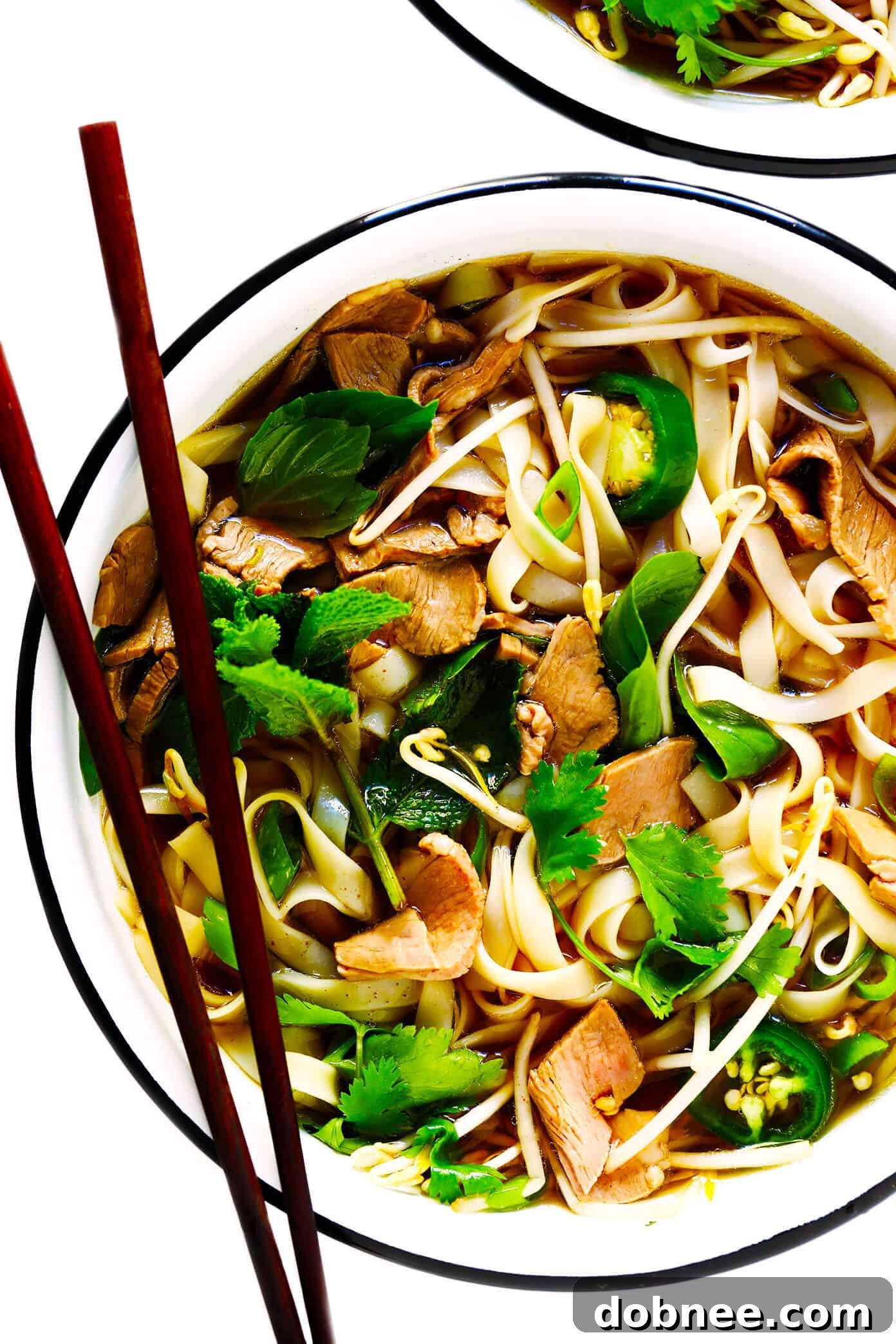
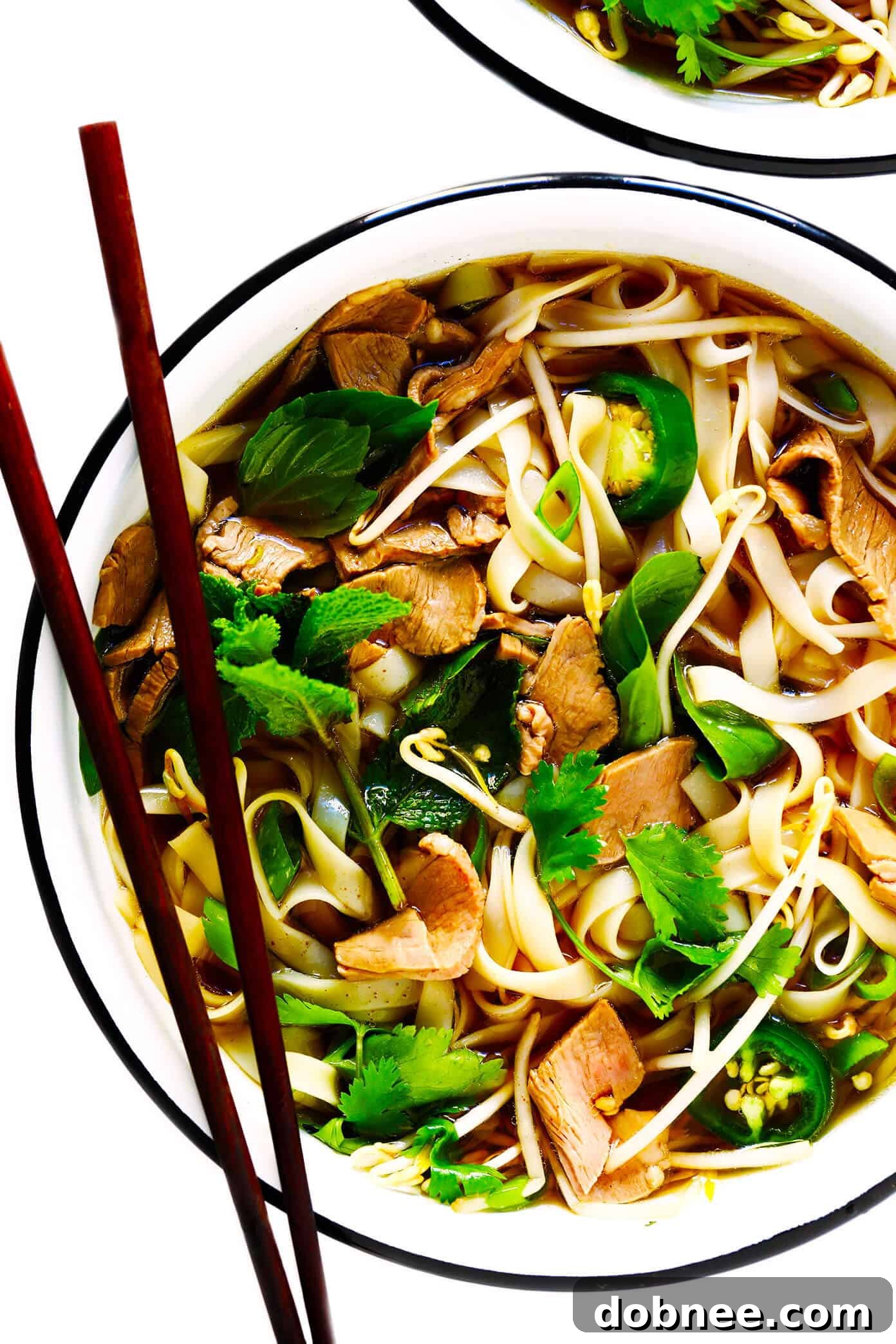
Mastering the Art of Vietnamese Pho: A Comprehensive Guide to Authentic and Vegan Recipes
Hello, culinary enthusiasts! Today, we’re diving deep into the world of Vietnamese Pho, an iconic soup celebrated globally for its complex flavors, aromatic broth, and comforting warmth. Pho is more than just a meal; it’s a culinary journey that reflects centuries of Vietnamese tradition and a delicate balance of fresh ingredients. We recently updated our beloved traditional Vietnamese Pho recipe, first shared back in 2013, to refine its authenticity and ease of preparation. Furthermore, recognizing the growing demand for plant-based options, we’ve also crafted a delightful and equally flavorful vegetarian and vegan Pho recipe, ensuring everyone can savor this exquisite dish.
Whether you’re a seasoned Pho connoisseur or a curious newcomer, this guide aims to equip you with the knowledge and inspiration to create a bowl of Vietnamese Pho that rivals your favorite restaurant. We’ll explore the history, the core components, and offer detailed insights into preparing both the classic meat-based versions and the vibrant plant-powered alternatives.
Traditional Pho (with Beef, Chicken, Pork or Shrimp)
The Origins and Enduring Appeal of Pho
Pho (pronounced “fuh”) is a staple of Vietnamese cuisine, recognized for its rich, clear broth, tender rice noodles, fresh herbs, and thinly sliced meat. Its origins are generally traced back to the early 20th century in northern Vietnam, heavily influenced by French culinary traditions (specifically the French pot-au-feu, a beef stew) and Chinese noodle dishes. Over time, Pho evolved into a distinctively Vietnamese dish, moving south and diversifying with regional variations, though always maintaining its core identity.
What gives Pho its universal appeal? It’s a harmonious blend of textures and tastes: the warmth of the broth, the chewiness of the noodles, the savory protein, and the refreshing crunch of fresh garnishes. It’s comfort food that simultaneously invigorates the senses, making it a beloved dish for any time of day.
Vegan Pho
The Heart of Pho: Crafting the Perfect Broth
The soul of any Pho lies in its broth. Achieving that signature depth of flavor requires patience and attention to detail. Both traditional and vegan broths rely on a careful selection of aromatics and a slow simmering process.
Traditional Beef Pho Broth: A Symphony of Flavors
For authentic beef Pho, the broth is paramount. It begins with quality beef bones – marrow bones, knuckle bones, and oxtail are ideal for yielding a rich, collagen-infused base. The process typically involves:
- Roasting Bones and Aromatics: Bones are often roasted first to develop deeper flavor and remove impurities. Alongside, aromatics like ginger and onions are charred, and whole spices such as star anise, cinnamon sticks, black cardamom pods, fennel seeds, and cloves are toasted. This step is crucial for unlocking their fragrant oils and adding complexity to the broth.
- Long Simmering: The roasted bones and toasted spices are then simmered for several hours (often 6-12 hours, or even overnight) to extract all their essence. This slow process allows the flavors to meld beautifully and the collagen to break down, resulting in a gelatinous, flavorful broth.
- Skimming and Seasoning: Throughout the simmering, impurities and excess fat are skimmed off to ensure a clear broth. Towards the end, the broth is seasoned with fish sauce (a non-negotiable for authentic flavor), a touch of rock sugar to balance the savory notes, and sometimes a pinch of salt. The balance of sweet, salty, savory, and aromatic is what makes the broth truly exceptional.
Flavorful Vegan Pho Broth: Plant-Based Perfection
Creating a vegan Pho broth that stands up to its traditional counterpart is entirely possible and equally delicious. The key is to build umami and depth using plant-based ingredients:
- Umami-Rich Vegetables: Mushrooms (shiitake, dried porcini, or cremini), kombu seaweed, and daikon radish are excellent for creating a savory, umami-packed base. Carrots, celery, and leeks also contribute to the broth’s body and sweetness.
- Aromatic Spices: The same toasted whole spices used in traditional Pho (star anise, cinnamon, cloves, cardamom, fennel seeds) are essential for the vegan version, providing that distinctive aromatic profile. Charred ginger and onions also contribute significantly to the flavor.
- Thoughtful Simmering: While it might not require the same extended simmering time as bone broth, a good vegan Pho broth benefits from at least 1-2 hours of gentle simmering to allow all the vegetable and spice flavors to fully infuse. Seasoning typically involves soy sauce or tamari, a touch of maple syrup or agave, and salt to taste.
The Perfect Bed: Rice Noodles
The choice and preparation of rice noodles (Banh Pho) are vital. Flat, wide rice noodles are traditional for Pho. They should be cooked just to al dente – soft but with a slight chew. Overcooked noodles can become mushy and compromise the texture of the soup. Typically, they are soaked in warm water then quickly blanched in boiling water right before serving, then rinsed with cold water to prevent sticking and stop further cooking.
Choosing Your Protein
Pho offers a delightful array of protein options, catering to different preferences.
Traditional Protein Choices:
- Beef: Thinly sliced raw beef (e.g., sirloin, eye of round) is a classic. It’s cooked instantly by the piping hot broth, ensuring tender results. Cooked beef options like brisket, flank steak, or meatballs are also popular.
- Chicken (Pho Ga): Shredded or sliced cooked chicken breast or thigh adds a lighter, yet equally satisfying, dimension.
- Shrimp (Pho Tom): Quickly cooked shrimp provides a sweet and delicate seafood option.
- Pork: While less common than beef or chicken, thinly sliced pork loin can also be a delicious addition.
Vegan Protein Choices:
- Tofu: Fried, baked, or silken tofu adds texture and absorbs the broth’s flavors beautifully.
- Mushrooms: Oyster mushrooms, king oyster mushrooms, or shiitake mushrooms provide a meaty texture and earthy flavor.
- Seitan: A great option for a heartier, chewy protein source.
- Vegetables: Blanched bok choy, spinach, bean sprouts, or thinly sliced carrots can add bulk and nutrition.
The Essential Garnishes: Freshness in Every Bite
Garnishes are not merely decorative; they are integral to the Pho experience, allowing each diner to customize their bowl to perfection. The contrast of fresh, crisp herbs against the hot, savory broth is truly sublime.
- Fresh Herbs: Thai basil (with its distinct anise-like flavor), fresh cilantro, and sometimes mint.
- Bean Sprouts: A generous handful adds a refreshing crunch.
- Lime Wedges: A squeeze of fresh lime brightens the broth and adds a tangy counterpoint.
- Chilies: Thinly sliced jalapeños or bird’s eye chilies for those who crave a spicy kick.
- Sauces: Hoisin sauce (sweet and savory) and Sriracha (spicy garlic sauce) are often served on the side for dipping meat or stirring into the broth.
- Other Additions: Sliced green onions, fried shallots, or thinly sliced white onions can also enhance the flavor profile.
Crafting Your Own Pho: A Step-by-Step Guide
Making Pho at home might seem daunting, but it’s a rewarding process. While the broth takes time, the assembly is quick, turning simple ingredients into an extraordinary meal. Below is a simplified guide, but for complete, detailed instructions, please refer to our full recipes linked throughout this article.
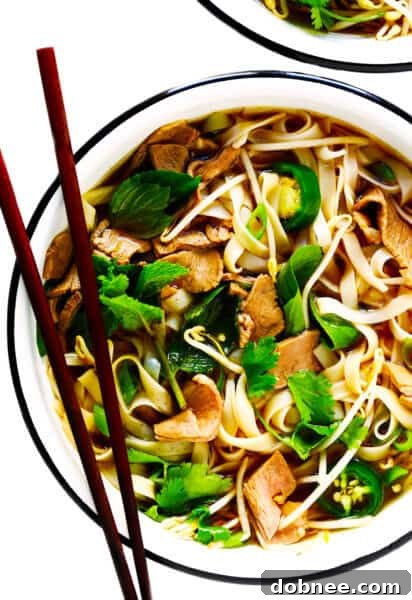
Vietnamese Pho Soup
Description
Full instructions for my updated recipes are available here: Traditional Pho or Vegan Pho. This overview provides a quick guide to assembling a delicious bowl of Pho after your broth and components are prepared.
Ingredients (General Components)
- High-quality beef or vegetable broth (prepared ahead)
- Fresh rice noodles (Banh Pho)
- Your choice of protein: thinly sliced raw beef, cooked brisket, shredded chicken, shrimp, fried tofu, or mushrooms
- Fresh garnishes: Thai basil, cilantro, mint, bean sprouts, lime wedges, sliced jalapeños or bird’s eye chilies, sliced green onions
- Optional sauces: Hoisin sauce, Sriracha
Instructions
- Prepare the Broth: If not already done, prepare your beef or vegan broth according to the detailed recipe instructions (see links above). Ensure it is piping hot just before serving.
- Cook the Noodles: Cook rice noodles according to package instructions until al dente. Drain immediately and rinse with cold water to prevent sticking and stop the cooking process. Drain well and set aside.
- Prepare Garnishes and Protein: Thinly slice any raw meat (like beef sirloin) and arrange it on a plate. Prepare all your desired fresh garnishes (wash herbs, slice chilies, quarter limes, etc.) and have them ready in individual serving bowls or a platter.
- Assemble Your Bowl: Place a generous portion of cooked rice noodles into a large serving bowl. Arrange your chosen protein (e.g., raw beef slices, cooked chicken, tofu) over the noodles.
- Ladle the Broth: Carefully ladle the steaming hot broth over the noodles and protein. The heat of the broth will gently cook the raw meat if you are using it.
- Garnish and Enjoy: Serve immediately with a platter of fresh garnishes on the side. Allow each diner to add their preferred herbs, sprouts, lime, and chilies to taste. Don’t forget the hoisin and Sriracha for an extra burst of flavor!
Health Benefits and Dietary Adaptations
Pho is not only delicious but can also be quite healthy. The broth, especially traditional beef Pho, is rich in collagen and minerals. Both versions are often low in fat (after skimming) and packed with vitamins from fresh herbs and vegetables. Rice noodles are naturally gluten-free, making Pho suitable for those with gluten sensitivities. Furthermore, the ability to customize ingredients makes it adaptable to various dietary needs, from low-carb options (less noodles, more veggies) to completely plant-based meals.
Tips for the Best Homemade Pho
- Quality Ingredients Matter: Invest in good quality bones for traditional Pho, and fresh, vibrant vegetables and herbs for both versions.
- Don’t Rush the Broth: Patience is key. The longer the simmer (within reason), the deeper the flavor profile.
- Taste and Adjust: Constantly taste your broth and adjust seasoning (fish sauce, sugar, salt) until it hits the perfect balance.
- Serve Piping Hot: Pho should always be served steaming hot to properly cook the raw meat and keep the noodles tender.
- Prep Ahead: Most components, especially the broth, can be made a day or two in advance, making assembly quick and easy.
Frequently Asked Questions About Pho
- What exactly is Pho?
- Pho is a traditional Vietnamese noodle soup consisting of a flavorful broth, banh pho rice noodles, herbs, and meat (typically beef or chicken), or plant-based alternatives.
- How do I eat Pho traditionally?
- Start by tasting the broth on its own. Then, add your desired garnishes (herbs, sprouts, chilies, lime) and sauces (hoisin, Sriracha). Use chopsticks to eat the noodles and meat, and a spoon for the broth.
- Can I make Pho ahead of time?
- Absolutely! The broth can be made 2-3 days in advance and stored in the refrigerator, or frozen for longer. Cook noodles and prepare garnishes fresh before serving.
- Is Pho healthy?
- Yes, Pho can be a very healthy meal. It’s often rich in nutrients from the broth and fresh ingredients, low in fat, and naturally gluten-free. The vegan version is packed with plant-based goodness.
- What if I don’t have all the traditional spices?
- While the specific whole spices (star anise, cinnamon, cloves, cardamom, fennel) are crucial for authentic flavor, you can find them in most Asian markets or well-stocked grocery stores. If you’re missing one or two, the broth will still be delicious, but try to get as many as possible for the best result.
Embrace the World of Homemade Pho
Whether you choose to embark on the journey of crafting a rich, traditional beef Pho or a vibrant, aromatic vegan Pho, the process of making this iconic Vietnamese soup at home is incredibly rewarding. It’s an experience that engages all your senses, from the fragrant spices filling your kitchen to the satisfying warmth of each spoonful. We encourage you to explore these recipes, customize them to your taste, and share the joy of homemade Pho with your loved ones. Don’t forget to visit our full recipe pages for detailed instructions and ingredient lists!