The Ultimate Guide to Homemade Flour Tortillas: Soft, Chewy, and Flavorful
Discover how to make the most irresistibly soft, chewy, and flavorful homemade flour tortillas with just 5 simple ingredients – no lard required!
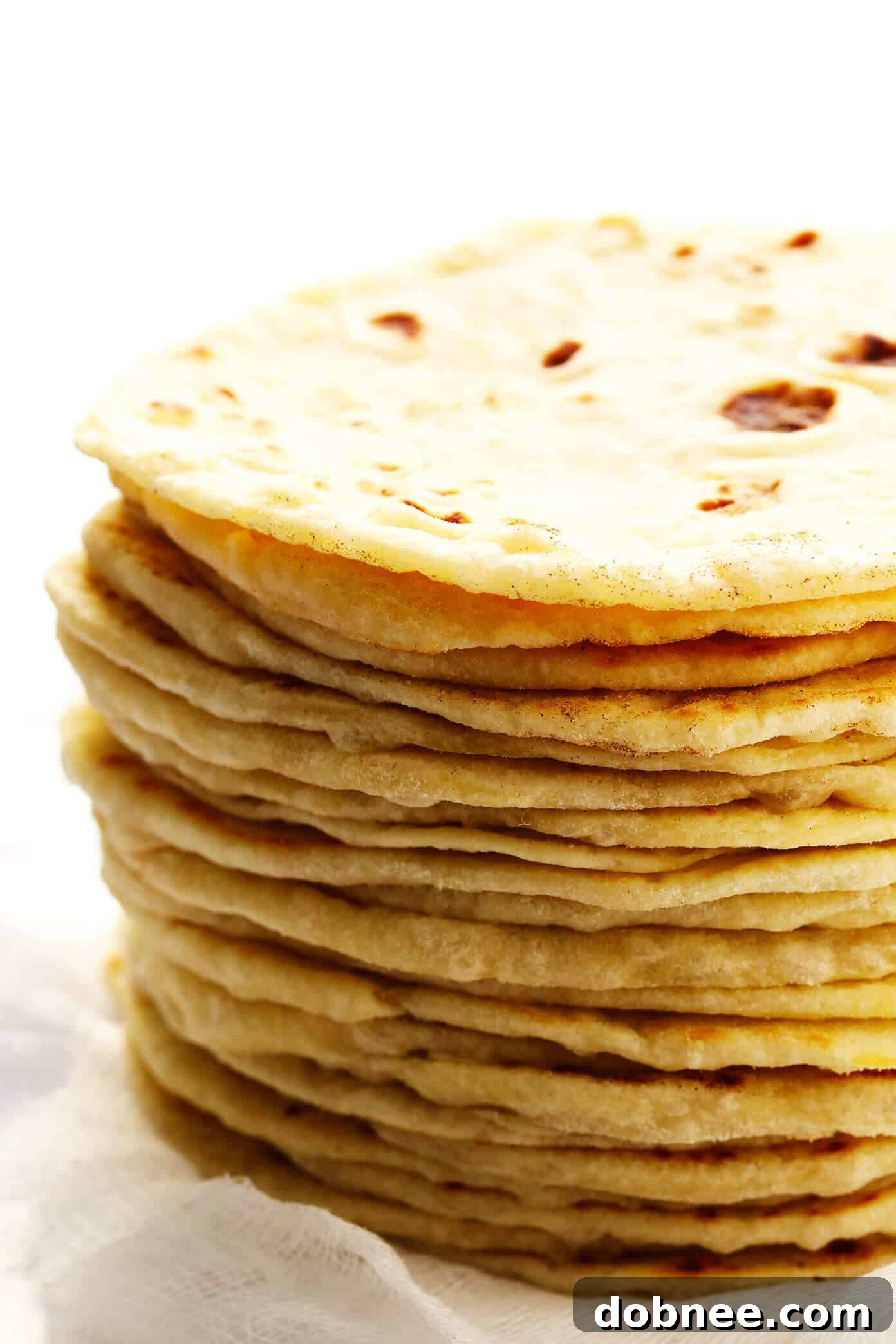
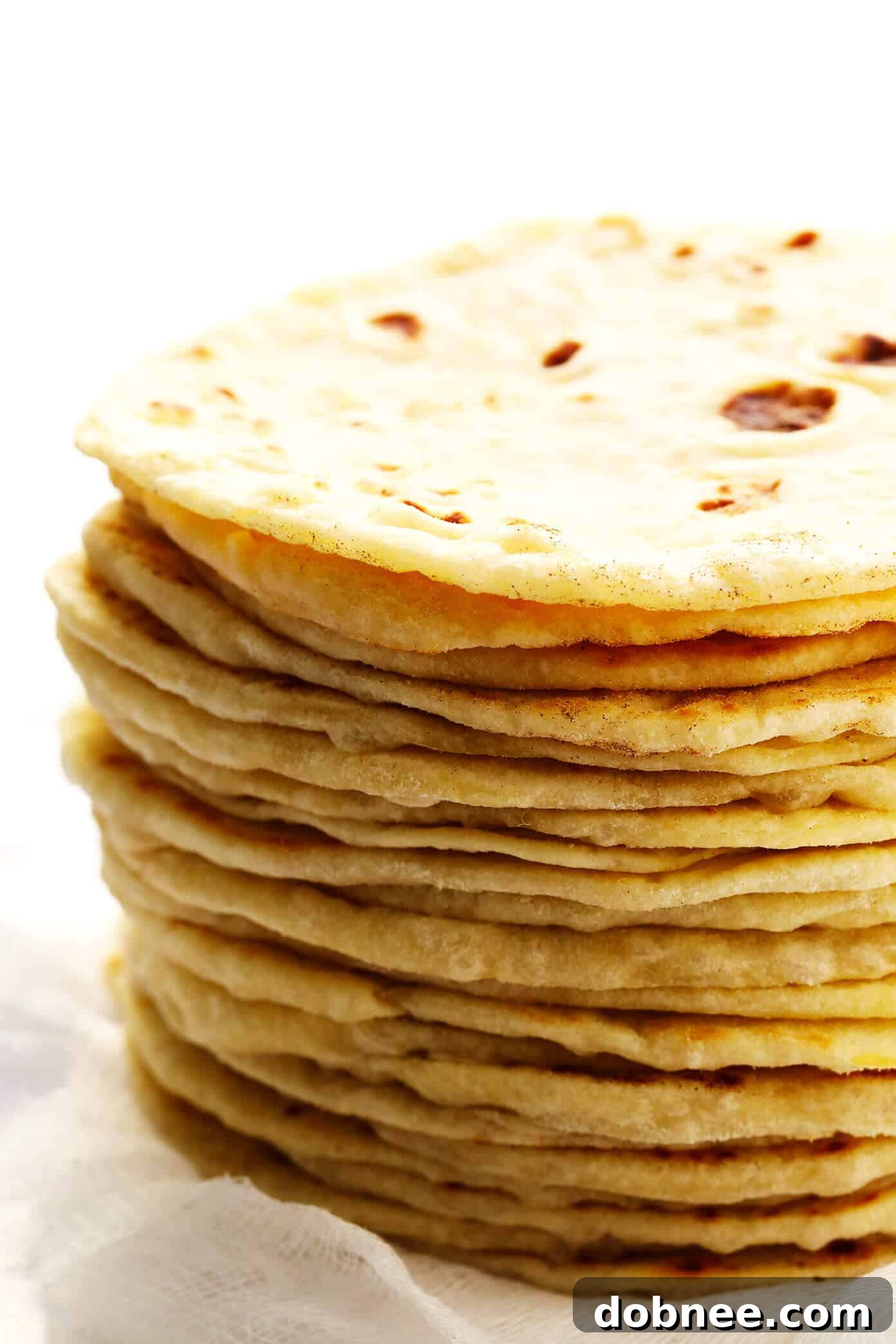
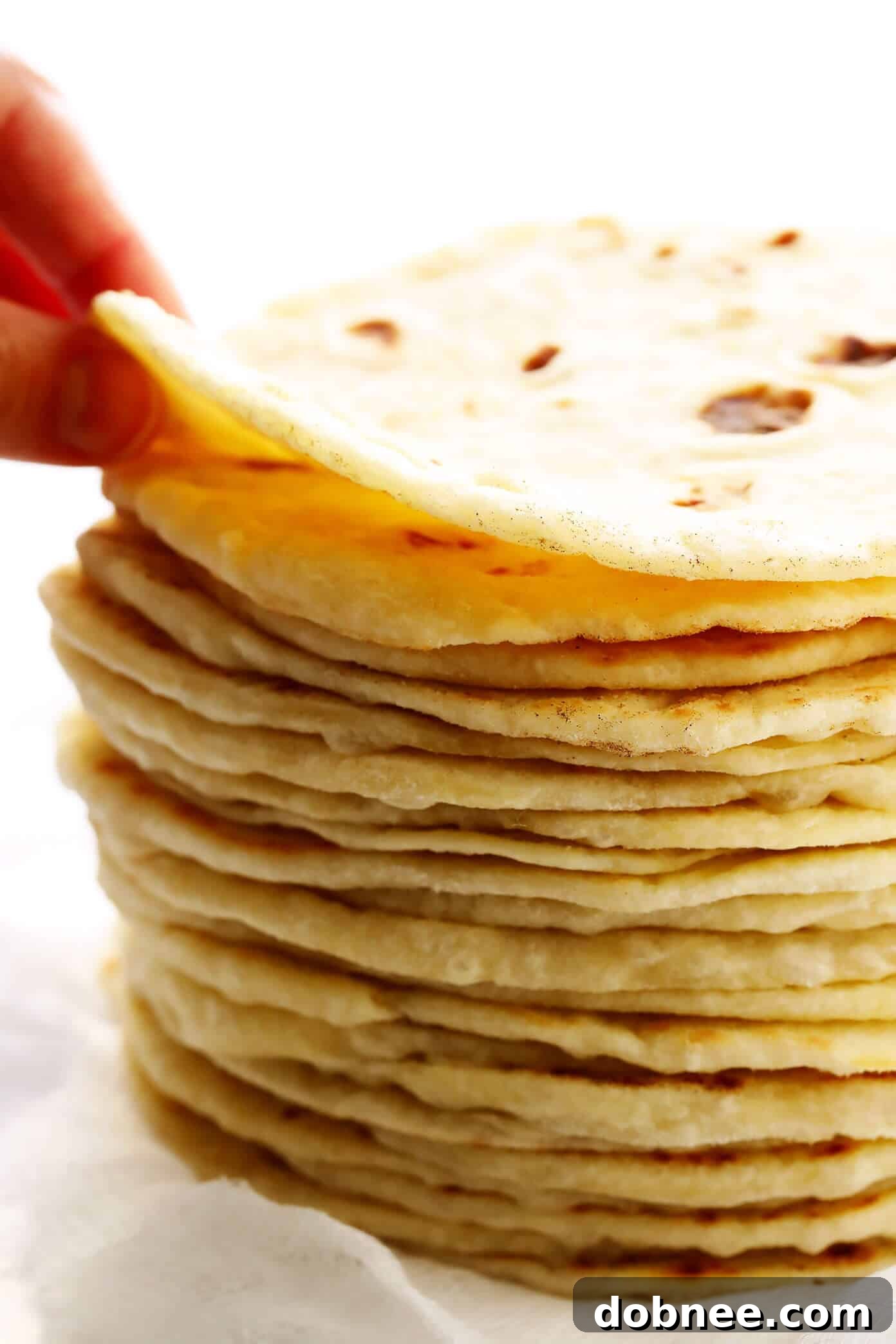
Get ready to elevate your culinary game with a new kitchen obsession: homemade flour tortillas. Once you experience the unparalleled freshness and superior taste of tortillas made from scratch, you’ll find it incredibly difficult to return to store-bought varieties. And why should you? Crafting your own batch of these delightful flatbreads is surprisingly simple, requiring only five everyday pantry staples and less than an hour of your time.
Forget complicated techniques, lengthy kneading, or the need for a stand mixer. All you truly need is a mixing bowl, a rolling pin, and a sauté pan to transform basic ingredients into a stack of warm, pliable tortillas. This recipe requires zero yeast, meaning no waiting for dough to rise, and the simple kneading process ensures a perfect texture without any fuss. In just over thirty minutes, you can enjoy the most life-changing, soft, and chewy flour tortillas, ready to enhance any meal.
One of the best features of this particular recipe is that it’s entirely lard-free and shortening-free. While these fats are traditionally used in many flour tortilla recipes, I’ve discovered an even better, plant-based alternative that delivers an incredibly satisfying chewy texture. This makes our homemade flour tortillas naturally vegan and suitable for a wider range of diets, offering a delicious win-win for everyone.
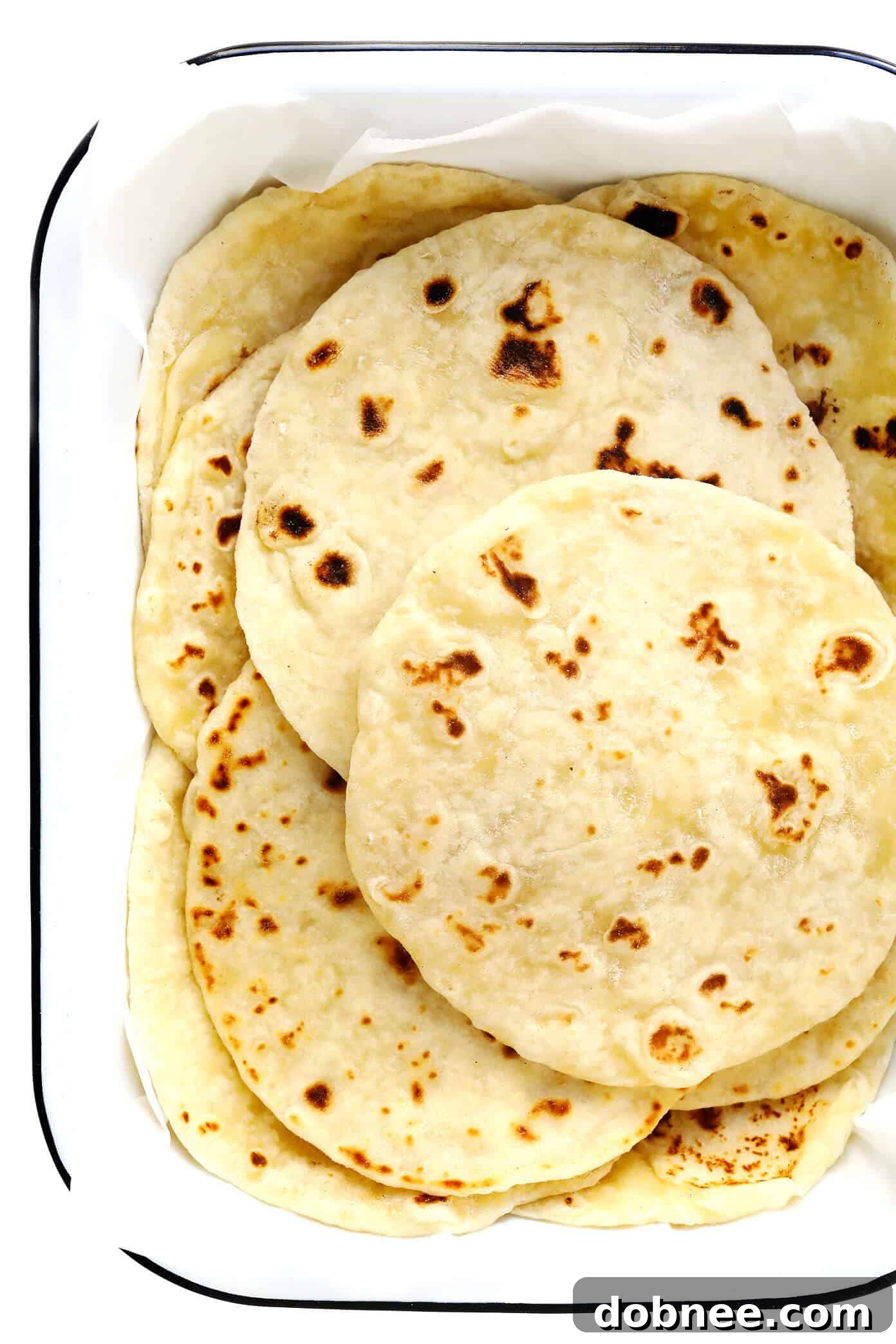
I personally love to roll my tortillas a little thicker, almost giving them the hearty chew of a warm naan bread. This extra thickness makes them wonderfully satisfying and perfect for holding substantial fillings. However, you have complete control over their size and thickness. Whether you prefer thin and delicate or robust and chewy, you can customize them to your liking. Below, you’ll also find helpful tips for ingredient substitutions in case your pantry is running low, along with comprehensive instructions for preparing the dough in advance, proper storage, and freezing any delicious leftovers.
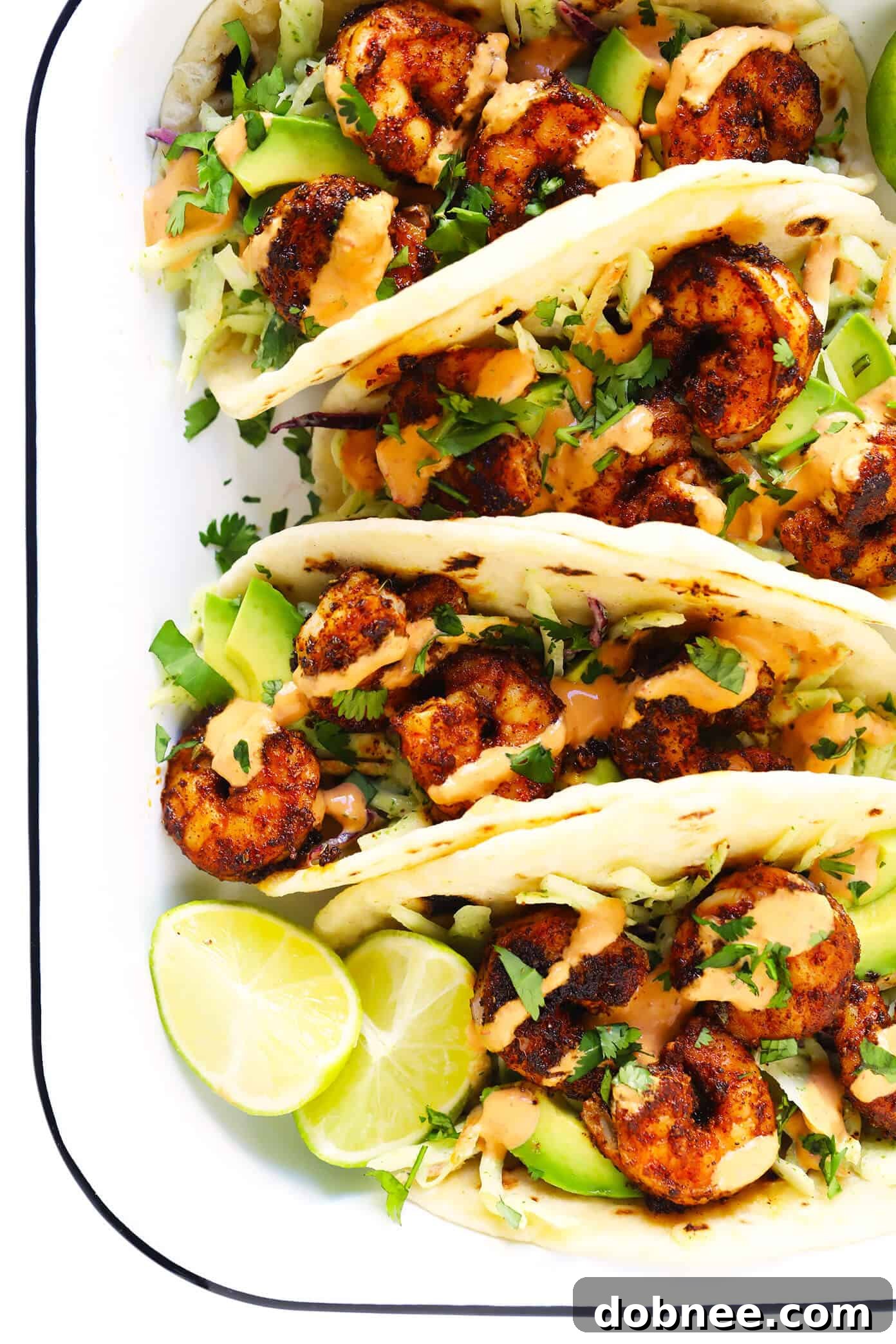
These versatile homemade tortillas are perfect for a multitude of dishes. Envision them wrapped around your favorite taco fillings for Taco Tuesday, rolled into hearty burritos, folded into cheesy quesadillas, or crisped up as tostadas. No matter how you choose to serve them, homemade tortillas are guaranteed to take your favorite recipes from great to absolutely extraordinary. Let’s dive in and make a batch!
See How Easy It Is to Make Flour Tortillas
While a video isn’t directly embedded here, imagine a quick, one-minute visual guide showcasing the simple steps to create these soft and flavorful flour tortillas from start to finish. It highlights the ease of mixing, kneading, rolling, and cooking, proving that homemade tortillas are well within reach for any home cook.
Essential Flour Tortilla Ingredients
Making a batch of incredible flour tortillas requires just five straightforward ingredients. The precise amounts are detailed in the full recipe card below, but here’s a breakdown of what you’ll need and why each component is crucial:
- All-Purpose Flour: This forms the foundational structure of our tortillas. I’ve found that standard all-purpose white flour yields beautifully tender results, offering a classic texture. For those seeking a slightly nuttier flavor and added fiber, white whole wheat flour is an excellent alternative that also works wonderfully in this recipe. While I haven’t personally experimented with gluten-free flours, I encourage you to try if you’re gluten-sensitive and share your results!
- Coconut Oil: This is the secret ingredient that replaces traditional lard or shortening, contributing to the tortillas’ fantastic chewiness and softness. After extensive testing, refined coconut oil emerged as the clear winner in our kitchen. Its flavor is remarkably subtle, ensuring your tortillas taste pure and authentic, without any noticeable coconut undertones. Crucially, it helps the tortillas maintain their soft and pliable texture even on the following day. If coconut oil isn’t your preference or readily available, don’t worry! Other options are discussed in the variations section below. Remember to use it at room temperature, not melted, for the best dough consistency.
- Baking Powder: A small amount of baking powder is essential for creating a light, airy texture and that characteristic slight puffiness when cooked. It acts as a leavening agent, giving the tortillas a tender lift.
- Fine Sea Salt: Salt is more than just a seasoning; it’s a flavor enhancer. Fine sea salt is crucial for bringing out the delicious, savory notes in your tortillas. If you only have table salt on hand, be sure to use a slightly lesser amount, as table salt tends to be finer and saltier by volume than sea salt.
- Hot Water: The temperature of the water plays a significant role in how the dough comes together. Hot water helps to hydrate the flour more effectively and also aids in melting the coconut oil evenly into the mixture. You’ll want the water to be hot to the touch, but not boiling, to ensure it doesn’t cook the flour or pose a burn risk.
How to Master Homemade Flour Tortillas: Step-by-Step Instructions
Making flour tortillas from scratch is a rewarding process. Here’s a detailed overview of each step to ensure your success (refer to the recipe card below for exact measurements):
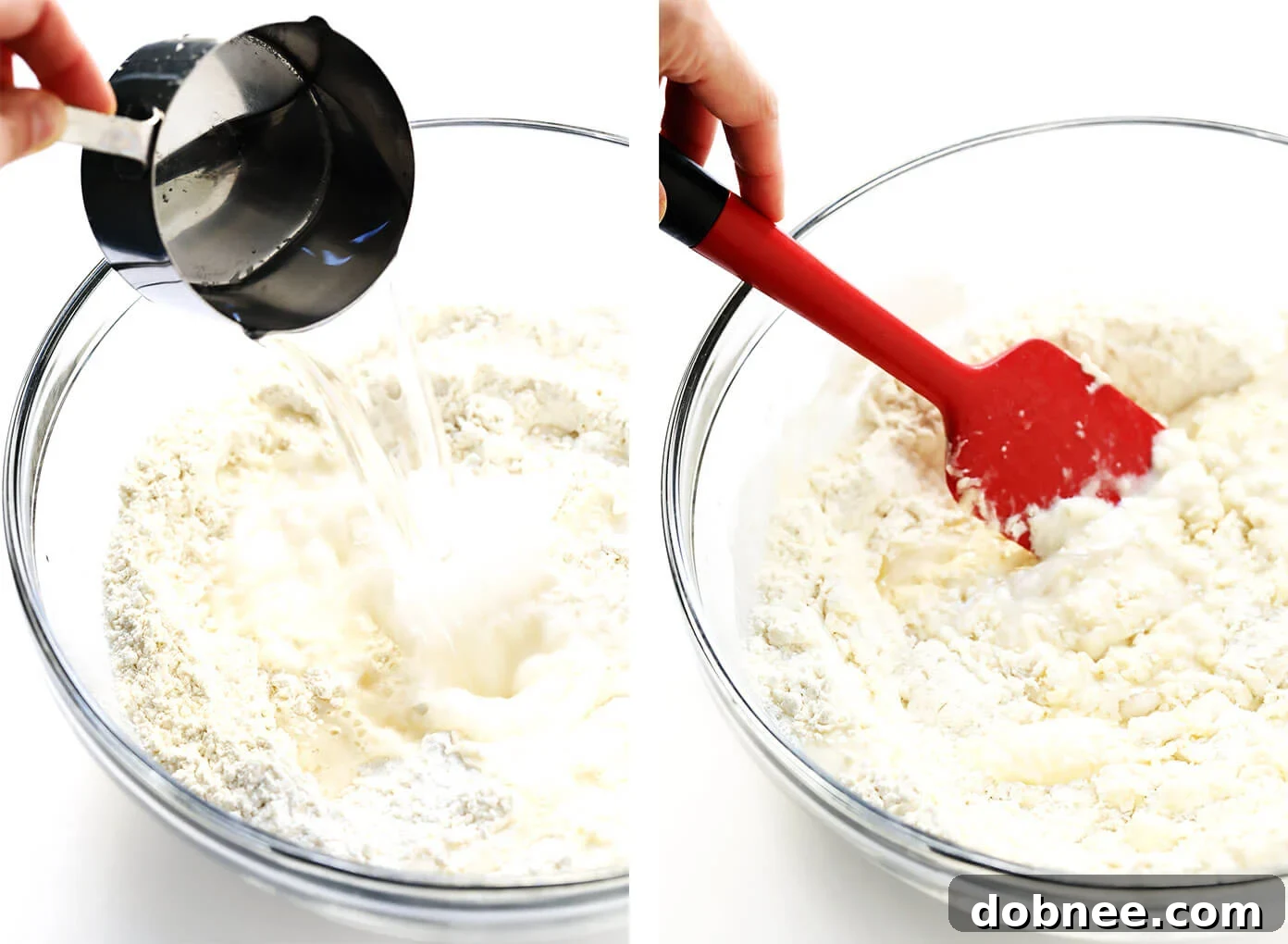
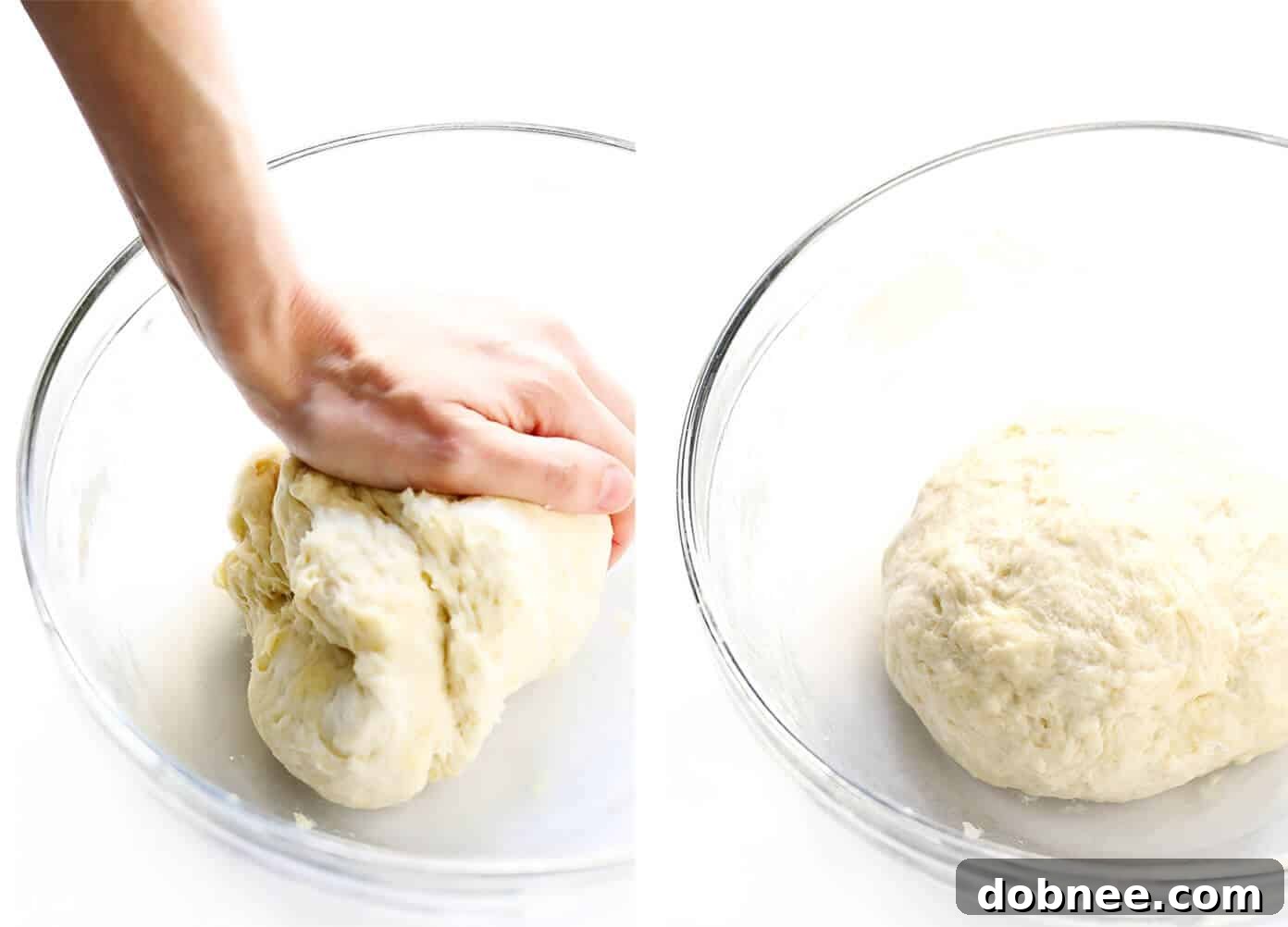
- Mix the Dry Ingredients and Form the Dough: Begin by combining the flour, sea salt, and baking powder in a large mixing bowl. Whisk them together briefly until they are well incorporated. Next, add the hot water and the room-temperature coconut oil. Use a rubber spatula or a sturdy spoon to stir the mixture. Continue mixing until a shaggy, somewhat crumbly dough starts to form.
- Knead the Dough for Smoothness: Once the dough starts to come together, transfer it from the bowl onto a lightly floured surface. Using your hands, knead the dough gently for about 1 to 2 minutes. The goal here is not an extensive gluten development, but rather to bring the dough into a cohesive, relatively smooth ball. Don’t worry if it’s not perfectly smooth; a slightly rustic texture is completely fine as long as it holds together well.
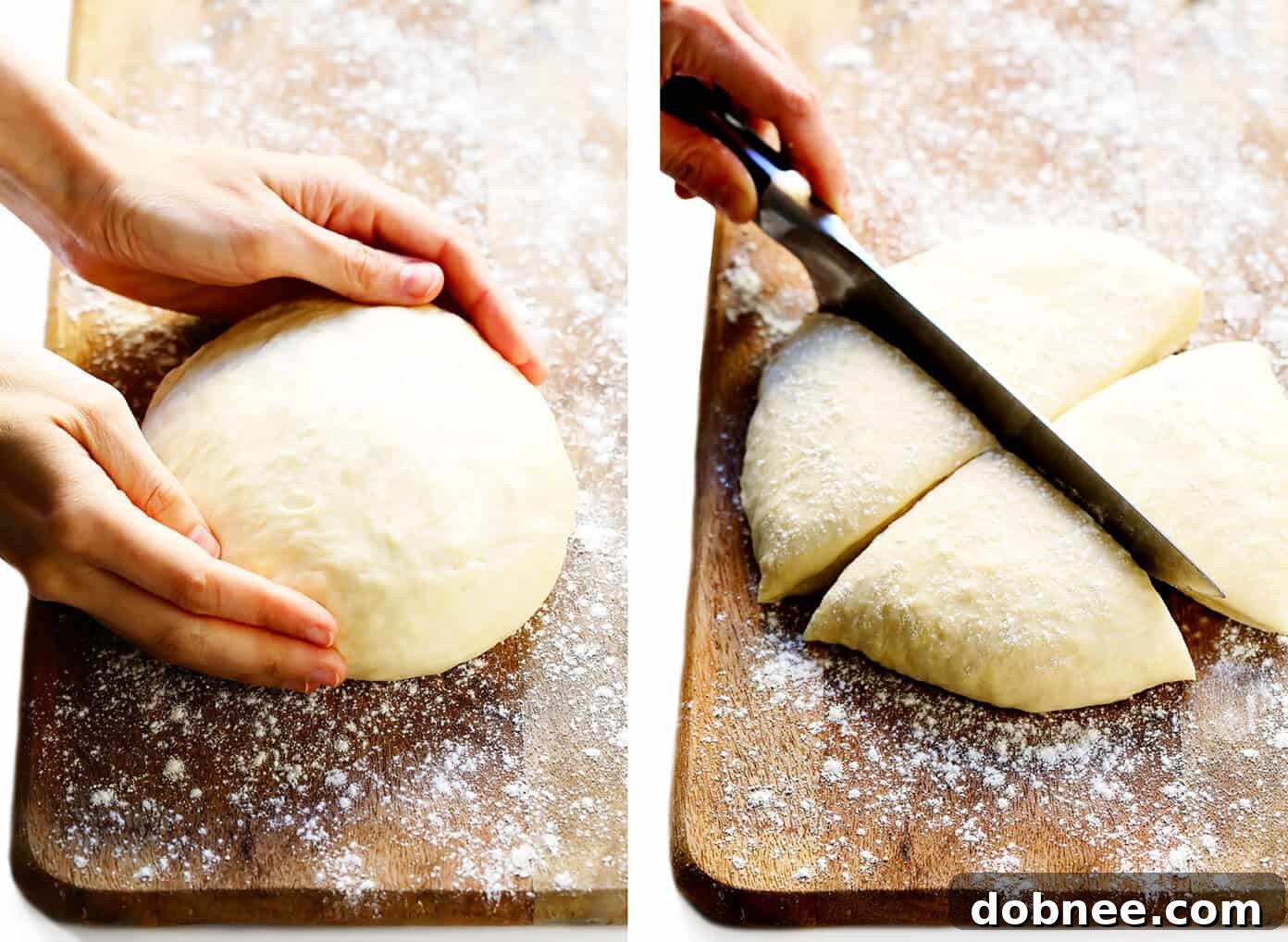
- Rest the Dough: Form the kneaded dough into a round ball and then lightly flatten it into an evenly thick disk. This resting period is crucial for relaxing the gluten in the flour, making the dough much easier to roll later. Cover the dough disk with a clean kitchen towel to prevent it from drying out, and let it rest at room temperature for at least 10 minutes. This short rest will significantly improve the elasticity and workability of the dough.
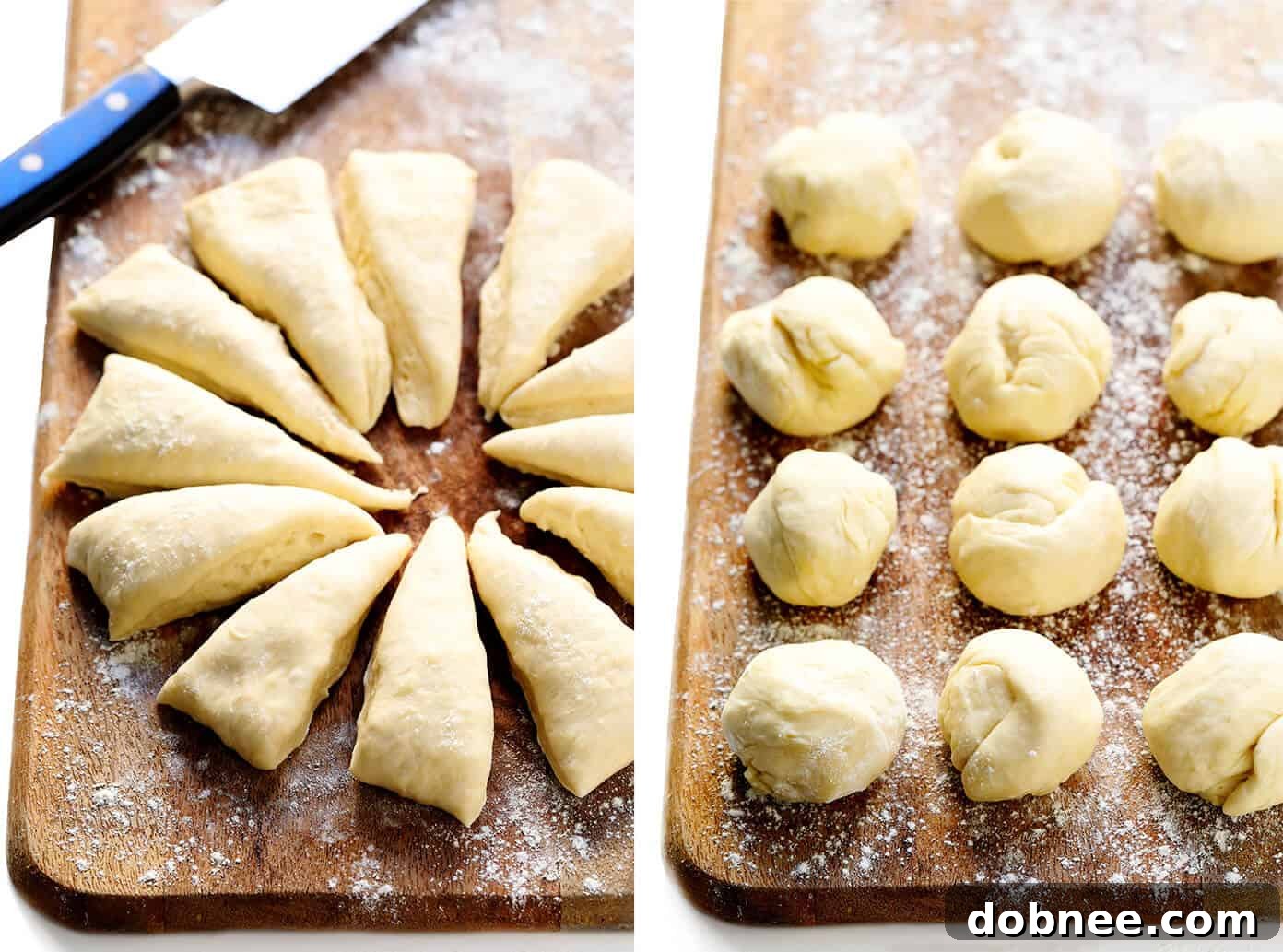
- Divide and Shape Dough Balls: Now comes the fun part of customizing your tortillas! For medium-thick, taco-sized tortillas (approximately 6 inches), I recommend using a knife to cut the dough into 12 equal wedges. Take each wedge and roll it between your palms to form a roughly shaped ball. The beauty of homemade tortillas is their individuality, so don’t stress about perfect uniformity. However, you can adjust the number of wedges to make thicker or thinner, or larger or smaller tortillas according to your preference.
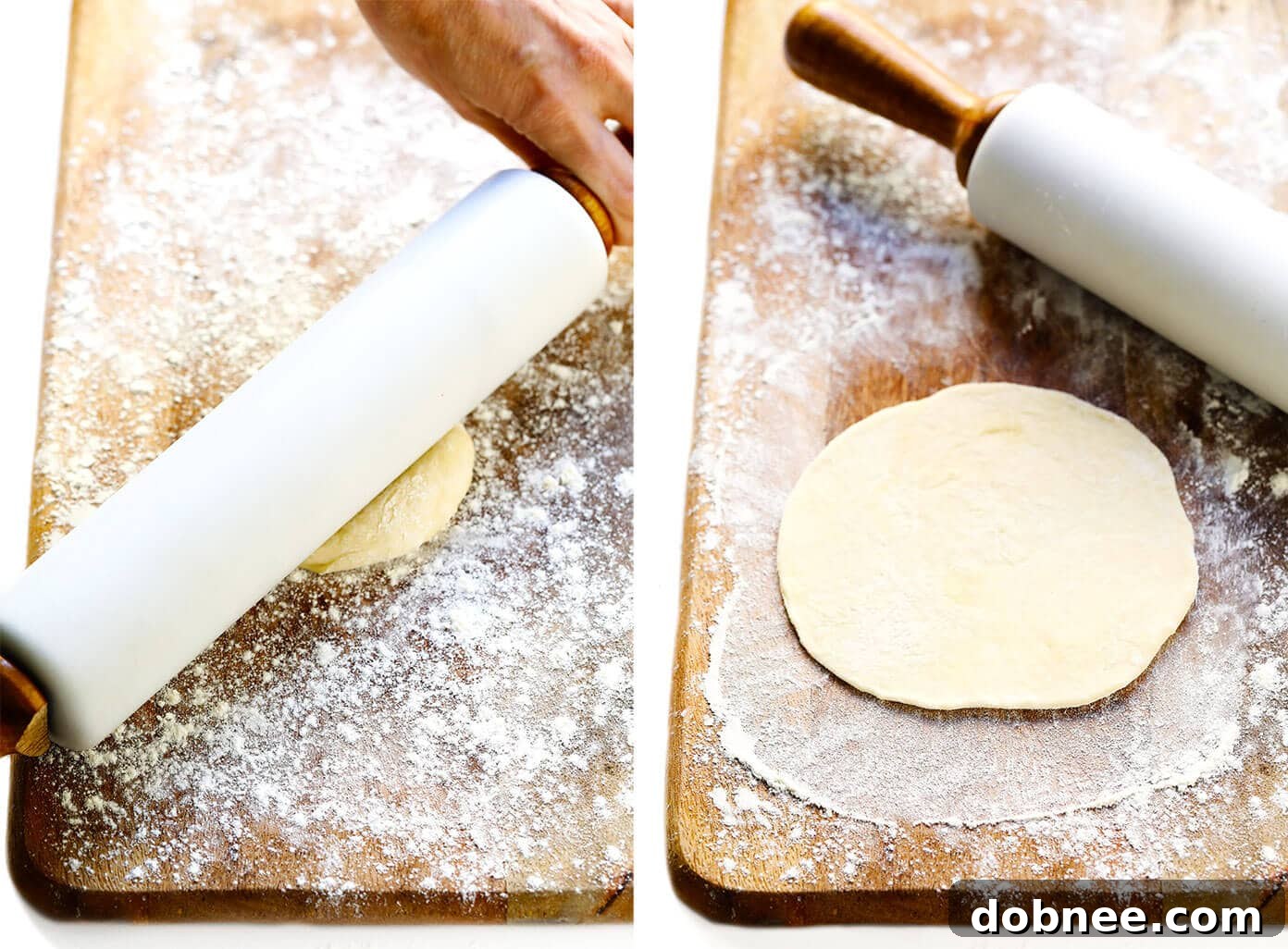
- Roll Out the Tortillas: This step can be done with a rolling pin on a lightly floured surface or with a tortilla press if you own one. If using a rolling pin, place a dough ball on your floured surface and roll it out evenly from the center outwards, rotating the dough frequently, until it reaches your desired thickness and size (e.g., a 6-inch diameter). Don’t worry if your tortillas aren’t perfectly round; they will still taste amazing!
- Cook the Tortillas to Perfection: Heat a cast-iron skillet or any heavy-bottomed sauté pan over medium-high heat. You don’t need to add any oil; the light flour coating on the tortillas should prevent sticking. Place one rolled tortilla into the hot pan and cook for 30-60 seconds. Keep an eye out for tiny bubbles appearing on the surface and/or golden-brown spots forming on the bottom. Once you see these signs, flip the tortilla and cook the second side for about 30 seconds, or until it also develops slight golden spots. If your skillet seems to be getting too hot and cooking the tortillas too quickly, simply reduce the heat slightly.
- Keep Warm and Serve: As each tortilla finishes cooking, transfer it to a clean plate or bowl. Immediately cover the stack with a clean dishtowel to trap the warmth and moisture, preventing them from drying out. A tortilla warmer is also an excellent tool for keeping them perfectly warm and pliable until serving. Repeat the cooking process with the remaining dough balls. To save time, I often roll out the next tortilla while one is cooking in the skillet. If rolling all tortillas at once before cooking, place a piece of parchment paper or a clean kitchen towel between each one to prevent them from sticking together. Always keep any waiting dough covered to prevent it from drying. Serve your homemade tortillas warm and enjoy their fresh, irresistible taste!
Customizing Your Homemade Tortillas: Creative Variations
This homemade flour tortilla recipe is wonderfully adaptable! Feel free to experiment with these variations to tailor the tortillas to your exact preferences:
- Adjusting Thickness:
- Thinner Tortillas: For lighter, more delicate tortillas, divide the dough ball into 16 wedges instead of 12. This will result in smaller, thinner tortillas that are perfect for lighter wraps or chips.
- Thicker, More Indulgent Tortillas: If you love a hearty, chewier tortilla (like me!), cut the dough ball into 8 wedges. These thicker tortillas will have a more substantial bite, akin to a soft flatbread, and are excellent for holding generous fillings without tearing.
- Changing Size: Don’t feel limited to a 6-inch tortilla. You can easily make larger or smaller ones by adjusting how many wedges you cut from the dough. For example, dividing the dough into 6 or 8 larger portions will allow you to roll out bigger, 10-12 inch tortillas suitable for large burritos. Conversely, dividing into more than 16 portions will yield mini tortillas, perfect for appetizers or small bites.
- Alternative Fats: While coconut oil is my preferred choice for its texture and neutral flavor, you can certainly experiment with other fats:
- Lard: This is the traditional fat used in many authentic flour tortilla recipes, known for producing incredibly tender and flavorful tortillas.
- Butter: For a rich, dairy-forward flavor and a tender crumb, unsalted butter can be a delicious substitute. Ensure it’s at room temperature for easy incorporation.
- Mild-Flavored Oils: Avocado oil or vegetable oil are excellent neutral options that will still provide the necessary fat for a soft, pliable tortilla without imparting strong flavors.
- Combination: Feel free to mix and match! A blend of butter and a neutral oil can offer the best of both worlds.
- Different Flours: Beyond all-purpose flour, you have options for varying the flavor and nutritional profile:
- White Whole Wheat Flour: As mentioned, this is a fantastic option for a slightly earthier taste and increased fiber content. It maintains a good texture for tortillas.
- Part Whole Wheat Flour: You could also try substituting a portion of the all-purpose flour with regular whole wheat flour for a bolder, nuttier flavor, though this may result in a slightly denser tortilla.
- Other Flours: While untested, adventurous bakers might experiment with a small percentage of other flours, such as cornflour for a very subtle masa flavor, though significant changes would likely require recipe adjustments.
Homemade Tortillas FAQ: Your Questions Answered
Here are answers to some of the most frequently asked questions about making flour tortillas, designed to help you achieve perfect results every time:
- Can I make this recipe with gluten-free flour?
I haven’t personally tested this recipe with gluten-free flours. Gluten-free baking often requires specific flour blends and binders (like xanthan gum) to achieve the right texture and elasticity. If you experiment with gluten-free alternatives, please share your experience; I’d love to hear how it turns out!
- Do I need to buy a tortilla press?
Absolutely not! While a tortilla press can be a fun gadget and speed up the process, it’s entirely optional. I don’t own one myself due to limited kitchen space, and I find a standard rolling pin works perfectly well to create beautifully thin and round tortillas. Practice makes perfect, and you’ll quickly get the hang of it.
- Can I make the dough in advance?
Yes, prepping ahead is a great time-saver! After you’ve mixed and kneaded the dough and allowed it to rest for 10 minutes, simply cover it tightly with plastic wrap to prevent it from drying out. You can then refrigerate the dough for up to 48 hours. When you’re ready to cook, let the dough sit at room temperature for about 15-20 minutes to take the chill off before rolling and cooking.
- What if the tortilla dough seems too wet or too dry?
Dough consistency can be influenced by humidity and specific flour types. If your dough feels too wet and sticky, add a tablespoon of flour at a time and knead it in until the dough reaches a soft, pliable, and non-sticky consistency. If it’s too dry and crumbly, add a teaspoon of hot water at a time until it comes together into a smooth ball.
- How do you get perfectly-round tortillas with a rolling pin?
The truth is, often you don’t – and that’s perfectly okay! After making countless tortillas, I can assure you that a slightly irregular or “wonky-shaped” tortilla tastes just as delicious as a perfectly round one. Embrace the rustic charm of homemade! If you strive for roundness, try to roll from the center outwards, rotating the dough a quarter turn after each roll to maintain an even shape.
- Do I need to grease the skillet before cooking?
No, there’s no need to grease your skillet. The light dusting of flour on the rolled tortillas should be sufficient to prevent them from sticking to a well-seasoned cast-iron pan or a non-stick sauté pan.
- What if residual flour left in the skillet starts to burn?
If you notice flour accumulating and starting to smoke or burn, simply remove the skillet from the heat. Use a dry paper towel or a clean dish towel to carefully wipe out any excess flour before placing the next tortilla in the pan. This prevents off-flavors from transferring to your tortillas.
- What if the tortillas bubble up while cooking?
Bubbling is a sign of a well-cooked tortilla! Those bubbles indicate that steam is forming between the layers of dough, creating that desirable puffiness and softness. However, if a bubble grows excessively large and prevents the rest of the tortilla from cooking evenly, gently press it down with a spatula to redistribute the heat and ensure even cooking.
- What should I make with these homemade tortillas?
The culinary possibilities are truly endless! These fresh, warm tortillas are perfect for:
- Tacos: Fill them with anything from classic carne asada to spicy shrimp or vegetarian black beans.
- Burritos: Wrap up rice, beans, meat, cheese, and salsa for a hearty meal.
- Quesadillas: Melt cheese and your favorite fillings between two tortillas until golden.
- Enchiladas: Roll them around fillings, top with sauce and cheese, then bake.
- Tostadas: Crisp them up in the oven or air fryer and top with fresh ingredients.
- Chilaquiles: Cut them into triangles, fry, and simmer in salsa.
- Wraps: A simple, fresh alternative to bread for sandwiches.
- Chips: Cut, fry or bake, and serve with salsa or guacamole.
Flour Tortillas Recipe
Rating: 4.9 from 80 reviews
- Prep Time: 15 mins
- Cook Time: 20 mins
- Total Time: 35 mins
- Yield: 12 tortillas
Print Recipe
Description
My favorite homemade flour tortillas are perfectly soft, chewy, thick, and flavorful — and easy to make with just 5 ingredients!
Ingredients
- 3 cups all-purpose flour
- 1 1/2 teaspoons fine sea salt
- 1 teaspoon baking powder
- 1 cup hot water
- 1/3 cup coconut oil (room temperature, not melted)
Instructions
- Mix the dough. Briefly stir together the flour, sea salt and baking powder together in a large mixing bowl until combined. Add the hot water and coconut oil and stir until a shaggy dough begins to form.
- Knead the dough. Turn the dough onto a floured surface, and use your hands to knead the dough for 1-2 minutes until it is fairly smooth.
- Rest the dough. Form the dough into a round ball and pat it down slightly so that it forms an evenly-thick disk. Cover with a clean kitchen towel and let the dough rest for 10 minutes.
- Form the dough balls. Use a knife to cut the dough into 12 equal wedges. Use your hands to roll a wedge into a roughly-shaped ball. Then use a rolling pin or a tortilla press to roll the dough ball out into a 6-inch tortilla.
- Cook the tortillas. Heat a cast-iron skillet or heavy-bottomed sauté pan over medium-high heat. Add the tortilla and cook for 30-60 seconds, until tiny little bubbles begin to appear on the surface and/or golden spots appear on the bottom of the tortilla. Flip and cook on the second side for about 30 seconds, or until the bottom is also slightly golden. Then transfer to a clean plate or bowl, cover with a clean dishtowel, and set aside. Repeat with the remaining dough balls. (I like to roll out the next tortilla while the current one is cooking, to save time.) Also, if the skillet seems to be getting too hot and cooking the tortillas too quickly, just reduce the heat.
- Serve. Serve warm and enjoy! I recommend keeping the tortillas covered with a dishtowel or stored in a tortilla warmer until they are served, so that they can stay warm and not dry out.
Recommended Equipment
- Baking Powder
- Coconut Oil
- Fine Sea Salt
- Rolling Pin (Optional, but useful)
- Tortilla Press (Optional)
- Cast Iron Skillet or heavy-bottomed sauté pan
- Tortilla Warmer (Optional, for serving)
- Large mixing bowl
- Rubber spatula or spoon
- Clean kitchen towels
Notes
Coconut oil: For a more subtle flavor, I recommend using refined coconut oil. However, unrefined coconut oil will also work beautifully and impart a slight coconut aroma if you enjoy it.
Stand mixer instructions: If you prefer to use a stand mixer, combine all ingredients in the mixing bowl as directed in step 1. Then, attach the dough hook and knead the dough on medium speed for 1-2 minutes for step 2.
Storage instructions: Cooked tortillas can be stored in an airtight container, such as a ziplock bag or a food storage bag, at room temperature for up to 3 days. For longer storage, they can be frozen for up to 3 months. When freezing, place a small piece of parchment paper between each tortilla to prevent them from sticking together. Thaw at room temperature or gently reheat in a dry skillet.