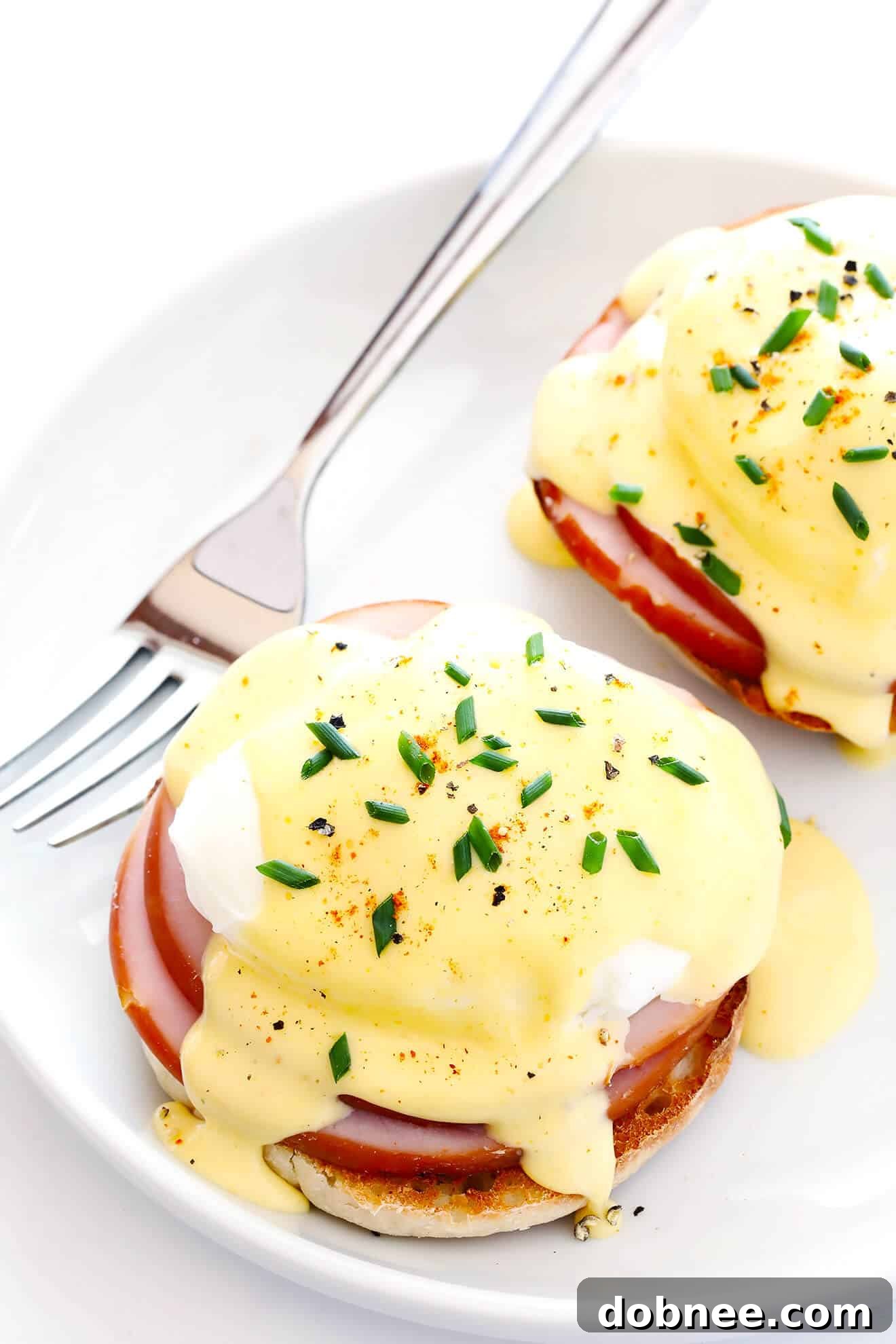
Unlock the secret to flawlessly poached eggs with our ultimate guide, featuring an easy step-by-step video tutorial and a comprehensive recipe!
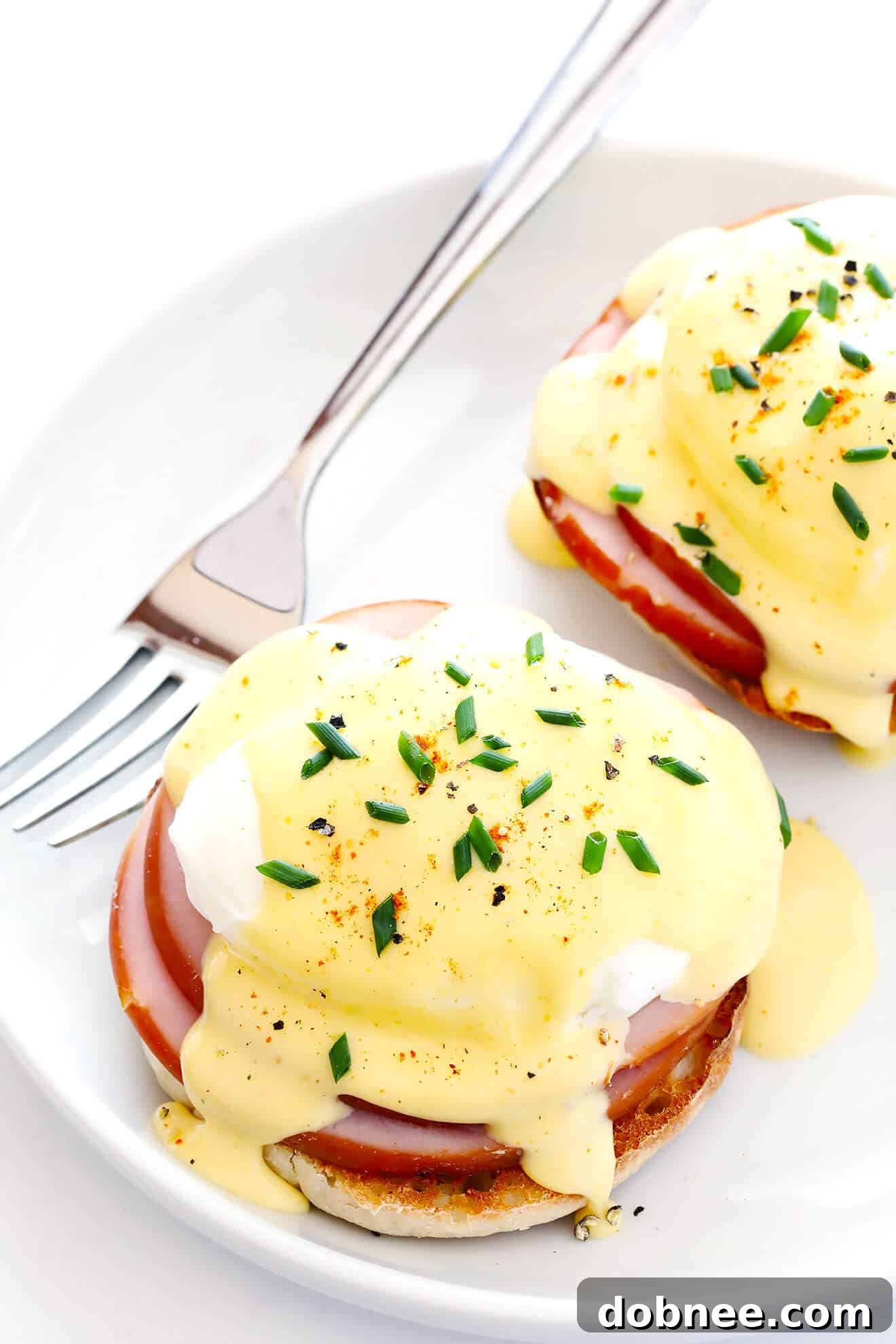
There’s an undeniable elegance and culinary charm to a perfectly poached egg. Its delicate, barely-set whites encasing a rich, runny yolk make it a staple in countless gourmet breakfasts and brunches, from classic Eggs Benedict to simple avocado toast. Yet, for many home cooks, achieving that ideal poached egg can seem like a daunting task, shrouded in mystery and myths. We’re here to demystify the process and equip you with the knowledge and techniques to create stunning poached eggs with confidence, every single time.
Whether you’re aiming to impress guests with a fancy brunch spread or simply elevate your everyday breakfast, mastering the art of poaching eggs is a fundamental cooking skill that yields incredibly rewarding results. This week, we’re diving deep into the wonderful world of eggs, exploring various preparations and techniques. To kick things off, we’re starting with what many consider the crown jewel of egg preparations: the perfectly poached egg. It’s a surprisingly simple process once you understand a few key principles, and we’re breaking it all down for you.
Forget the days of wispy egg whites dispersing into the water or overcooked yolks. With our expert tips and a little practice, you’ll be poaching like a pro in no time. This comprehensive guide will walk you through everything you need to know, from selecting the best eggs to the final delicate placement on your plate. Get ready to transform your breakfast game!
Mastering Poached Eggs: Your Essential 1-Minute Video Guide
While Eggs Benedict might be the ultimate showcase for a poached egg, it’s the flawlessly cooked egg itself that truly steals the show. The method of poaching often seems to intimidate home cooks, but it’s actually incredibly quick and easy when you follow these tried-and-true techniques. By paying attention to these simple details, you can ensure your poached eggs come out beautifully formed and delicious every single time, without the fuss.
- Opt for Fresh Eggs: This is perhaps the most crucial tip for perfect poaching. The age of an egg significantly impacts how its whites behave in water. Fresher eggs have thicker, more viscous whites that hold their shape better, resulting in a compact, oval poached egg. Older eggs tend to have thinner whites that spread and feather out more readily in the hot water. Always choose the freshest eggs possible for the best results; it makes a remarkable difference in the final appearance and texture.
- Incorporate a Splash of Vinegar: Adding a tablespoon of vinegar (we recommend a mild-tasting variety like rice vinegar or apple cider vinegar) to your poaching water is a game-changer. The acidity helps the egg whites to coagulate more quickly and firmly, preventing them from scattering and ensuring they wrap tightly around the yolk. Don’t worry about the taste – the small amount of vinegar is completely undetectable in the finished egg, but its effect on the texture is truly transformative.
- Create a Gentle Whirlpool: This is a favorite trick for achieving beautifully shaped poached eggs. Before gently adding your egg, use a spoon to stir the simmering water in a circular motion, creating a soft whirlpool. Carefully lower the egg into the center of this swirling water. The gentle centrifugal force helps to guide the egg whites to wrap snugly around the yolk as they begin to set, giving you that desirable, compact shape. Watch our video tutorial below to see this technique in action!
- Handle with Care: Gentleness is key when introducing the egg to the hot water. Instead of cracking the egg directly into the saucepan, which can cause it to break apart or spread unevenly, crack each egg individually into a small bowl or ramekin first. This allows you to inspect the egg for any shell fragments and, more importantly, to gently slide it into the simmering water. This small extra step makes a big difference in ensuring the egg maintains its integrity and shape throughout the poaching process.
- Monitor Cooking Time Closely: Overcooked poached eggs can quickly become rubbery, and the yolk loses its desirable runny texture. Set a timer and stick to it! For a classic runny yolk with set whites, 3-4 minutes is typically ideal. If you prefer a slightly firmer, jammy yolk, you might extend the cooking time by another 30 seconds to a minute. Understanding your desired doneness and cooking accordingly will ensure your eggs are perfect every time.
See? With these simple, actionable tips, poaching eggs becomes an incredibly straightforward and rewarding culinary endeavor. You absolutely have what it takes to master this technique and enjoy perfectly poached eggs whenever the craving strikes. Happy poaching!

How To Make Perfectly Poached Eggs
Prep Time: 1 minute
Cook Time: 3-4 minutes
Total Time: 4-5 minutes
Yield: 1 serving 1x
Description
Transform your breakfast or brunch with perfectly poached eggs! This easy-to-follow recipe and video tutorial will guide you through creating beautifully delicate eggs with runny yolks and tender whites. Ideal for topping avocado toast, salads, grain bowls, or as the star of a classic Eggs Benedict, learning how to poach eggs is a simple skill that elevates any meal. We’ll share all the essential tips and tricks to ensure success every time, even for beginners. Get ready to enjoy cafe-quality poached eggs in your own kitchen with minimal effort!
Ingredients
Scale
- 1 large fresh egg (for best results, ensure your eggs are as fresh as possible, ideally less than a week old)
- 1 tablespoon white vinegar (a mild-flavored vinegar like rice vinegar or apple cider vinegar works best to avoid any discernible taste)
- Salt and freshly ground black pepper, to taste
- Optional garnishes: chopped fresh chives, a sprinkle of paprika, or a dash of hot sauce for serving
Instructions
- Prepare the Egg: Gently crack a single fresh egg into a small bowl or ramekin. This allows for easier, more controlled placement into the poaching water and helps ensure the egg white remains intact without spreading too much. Set this bowl aside while you prepare your poaching water.
- Set Up Poaching Water: Fill a small saucepan with about 1 to 2 inches of water. The depth is important as it needs to be enough to fully submerge the egg without touching the bottom of the pan. Add the tablespoon of vinegar to the water. The vinegar helps the egg whites set more quickly and maintain their shape, preventing them from feathering excessively in the water.
- Create the Whirlpool: Bring the water to a gentle simmer over medium heat. You should see small bubbles forming at the bottom of the pan, but avoid a rolling boil. Once simmering, use a spoon to stir the water in a continuous circular motion, creating a gentle “whirlpool” in the center of the pan. Carefully and slowly lower the egg from the small bowl into the middle of this swirling water. The motion of the water will help the egg whites wrap tightly around the yolk as they begin to set. Refer to our video tutorial above for a clear visual demonstration of this technique.
- Poach to Perfection: Allow the egg to simmer gently for 3 to 4 minutes. For a classic runny yolk with fully set whites, 3 minutes is typically sufficient. If you prefer a slightly firmer, jammy yolk, extend the cooking time to 4 minutes. Be careful not to overcook, as this can lead to a rubbery white and a firm, less desirable yolk. The key is a delicate balance to achieve that perfect texture.
- Retrieve and Drain: Once cooked to your desired doneness, carefully remove the poached egg from the water using a slotted spoon. Gently lift it out and allow any excess water to drain off. If you desire a neater appearance, you can carefully trim any wispy, uneven edges of the egg white with a sharp knife or kitchen shears (this step is entirely optional but popular for presentation).
- Serve Immediately: Transfer the perfectly poached egg to your plate, serving it immediately. Season generously with a pinch of salt and freshly ground black pepper. Poached eggs are incredibly versatile and pair wonderfully with toast, avocado, sautéed greens, or as the crowning glory on dishes like Eggs Benedict. Enjoy your beautifully cooked creation!