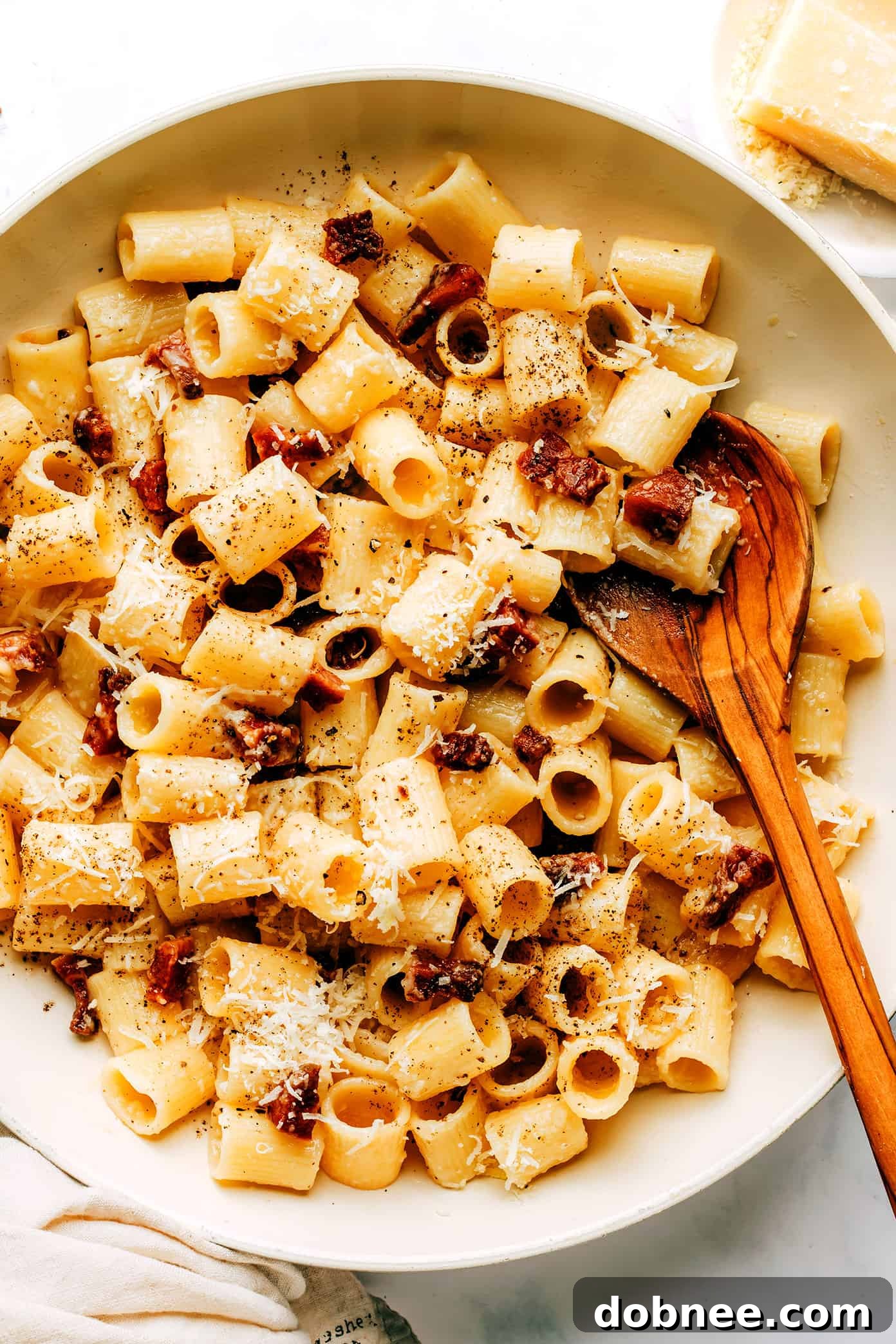
This classic pasta alla gricia recipe is incredibly easy to prepare with just three core ingredients and delivers an unbelievably rich and satisfying flavor profile. Discover the simple magic behind this authentic Roman staple.
For every devoted carbonara enthusiast out there, allow me to introduce you to its lesser-known but equally captivating cousin: pasta alla gricia. Often referred to as “Amatriciana bianca” (white Amatriciana) or “egg-free carbonara,” Gricia is a foundational Roman pasta dish that elegantly showcases the power of simplicity.
My own journey with pasta alla gricia began when I moved to Europe. Despite being a passionate admirer of the other three classic Roman pastas – Cacio e Pepe, Carbonara, and Amatriciana – I had somehow never encountered Gricia until seeing it frequently on authentic Italian menus. Intrigued by this seemingly simple dish, I was eager to delve into its culinary secrets. Many years and countless batches later, I can confidently say that pasta alla gricia has firmly established itself as one of my all-time favorite pasta dishes. Its understated elegance and profound flavors are truly captivating.
At its heart, pasta alla gricia is a testament to the Italian philosophy of using a few high-quality ingredients to create something extraordinary. It’s crafted solely from pasta, cured pork cheek (guanciale), and Pecorino Romano cheese. Yet, it transcends its basic components, achieving a remarkable depth that is nothing short of culinary perfection. The true star of this dish is undoubtedly guanciale, a cured pork cheek known for its intensely rich, salty, and savory flavor. When patiently rendered to a golden, delightfully chewy crisp, its rendered fat becomes the luxurious foundation of the sauce. This golden fat then masterfully emulsifies with starchy pasta water and finely grated Pecorino Romano cheese, forming a silky, glossy coating that clings perfectly to every strand of pasta. This delicate alchemy quickly reveals why pasta alla gricia has remained a beloved Roman specialty for over a thousand years. It’s a dish that promises comforting warmth, surprising layers of savory nuances, and an undeniable sense of tradition in every single bite. In our home, it’s a regular on the dinner rotation, a dish we simply can’t get enough of.
As with all four classic Roman pasta dishes, whose ingredient lists are famously short, the secret to success lies in mastering the proper techniques. Over the years, I’ve experimented with numerous alla gricia recipes, which often vary in subtle ways regarding ingredient ratios and the precise timing of pasta integration with the sauce. While I’m certainly no expert in Italian cooking, I have refined a specific ratio and method that consistently yields the best results for me. Today, I’m thrilled to share this perfected approach with you, ensuring your journey into making authentic pasta alla gricia is both rewarding and delicious.
What makes this particular pasta alla gricia recipe stand out is its ease of preparation – ready in approximately 30 minutes from start to finish – and its exquisite balance of richness. It achieves a wonderfully bacon-y flavor without ever being overly greasy, a common pitfall in less refined recipes. Crucially, it incorporates a few key steps designed to ensure the Pecorino Romano melts perfectly into a glossy, velvety sauce, rather than clumping or sticking to the pan – a truly tragic outcome for any pasta lover. For the most authentic and robust pork flavor, I cannot stress enough the importance of seeking out genuine Italian guanciale. Coupled with high-quality pasta and authentic Pecorino Romano cheese, these ingredients are pivotal for achieving the dish’s signature character. However, if traditional guanciale and Pecorino Romano are challenging to find in your area, I’ve included helpful substitution notes below, outlining how to use pancetta (or even good-quality bacon) and/or Parmesan cheese. While these alternatives won’t replicate the traditional profile exactly, they will still undoubtedly result in a very delicious meal.
Now, let’s roll up our sleeves and embark on making some truly unforgettable pasta together!
The Essence of Pasta alla Gricia: A Culinary Journey
While no video is embedded here, imagine a quick, vibrant montage showcasing the simple beauty of Gricia’s preparation.
Unveiling the Key Ingredients for Authentic Pasta Alla Gricia
Before diving into the full recipe, let’s take a closer look at the minimal yet mighty ingredients that form the backbone of this iconic Roman pasta. Understanding each component’s role is crucial to appreciating the magic of alla gricia.
- Guanciale: This cured pork cheek is the undeniable cornerstone of traditional pasta alla gricia. Its distinctive qualities – a rich, salty, and intensely porky flavor, coupled with a unique crisp-chewy texture when rendered – are absolutely phenomenal in this dish. Guanciale is typically seasoned with a black pepper rub; if yours isn’t, consider adding a touch more black pepper to the final dish for an extra aromatic kick. You’ll need to cut the guanciale into thick, bite-sized pieces, keeping in mind that these pieces will shrink considerably during cooking due to guanciale’s naturally high fat-to-meat ratio. As emphasized earlier, I strongly encourage you to source authentic Italian guanciale for the truest flavor. However, if it’s unavailable, high-quality pancetta or even regular bacon can serve as a substitute, though the flavor profile will shift (see substitution notes below for more detail).
- Pecorino Romano: This aged sheep’s milk cheese is a hallmark of Roman pasta dishes, celebrated for its sharp, tangy, and subtly grassy flavor. It’s a non-negotiable ingredient for an authentic gricia. As with any cheese destined for a creamy sauce, always finely-grate your Pecorino Romano by hand. Pre-grated cheeses often contain anti-caking agents that can prevent smooth melting, leading to a grainy or clumpy sauce. Weighing the cheese ensures you add the precise amount needed for perfect emulsification.
- Pasta: The choice of pasta shape is important for texture and sauce adherence. Traditionally, rigatoni and spaghetti (or bucatini) are the most common pasta shapes used in alla gricia. Rigatoni’s ridges and hollows are excellent for catching the rich sauce, while spaghetti and bucatini (a thicker, hollow spaghetti) provide a delightful slurp-factor. However, don’t feel limited – any good-quality pasta shape you have on hand that can hold a rich sauce will work beautifully. The key is quality.
- Salt and Freshly-Ground Black Pepper: These seemingly simple seasonings play a vital role. Fine sea salt is necessary, but use it judiciously; the guanciale and Pecorino Romano are inherently salty, so over-salting the pasta water or the final dish can easily happen. Freshly-ground black pepper, added generously, provides a crucial aromatic warmth and a subtle peppery bite that balances the richness of the pork and cheese, elevating the overall flavor complexity.
Essential Tips for Crafting the Perfect Pasta Alla Gricia
While the full step-by-step instructions for pasta alla gricia are detailed in the recipe card below, here are some invaluable tips and insights to ensure your dish turns out perfectly glossy, flavorful, and truly authentic:
- Read Through the Entire Recipe First: This recipe, though not overly complex, does involve a bit of quick multitasking once you start cooking. Taking a few minutes to read the entire recipe from start to finish beforehand will familiarize you with the flow, timing, and necessary steps, preventing any last-minute scrambling and ensuring a smooth cooking process.
- Finely-Grate the Cheese by Hand – It’s Non-Negotiable: This is perhaps one of the most critical tips for achieving a silky, emulsified sauce. Store-bought pre-grated cheeses almost always contain cellulose or other anti-caking agents designed to prevent clumping in the bag. Unfortunately, these agents also prevent the cheese from melting smoothly into a sauce, often resulting in a grainy or sticky texture. For the best flavor and a luxuriously glossy sauce, invest in a microplane or your preferred grater and finely-grate the Pecorino Romano just before you begin cooking.
- Utilize a Large Enough Sauté Pan: When it comes time to combine the pasta with the sauce, you’ll need ample room to toss everything thoroughly. A large sauté pan (at least 12-inch diameter) with high sides is essential. This generous space allows for even coating of the pasta and proper emulsification of the sauce. I also highly recommend using a non-stick sauté pan, which significantly helps prevent the cheese from sticking to the bottom – a common and frustrating issue – and makes for much easier cleanup.
- Have a Strainer or Tongs Ready: Efficiency is key when transferring pasta from boiling water to the sauce. A spider strainer (ideal for short pasta shapes like rigatoni) or sturdy tongs (perfect for long noodles like spaghetti or bucatini) are incredibly useful for directly transferring the pasta from the stockpot to the sauté pan. This method helps retain more starchy water on the pasta itself, contributing to a better sauce. If you don’t have these tools, be sure to scoop out at least 2-3 cups of starchy pasta water into a heatproof cup before draining the pasta in a colander. Then, immediately transfer the drained pasta to the sauté pan.
- Add Starchy Water As Needed: The “magic” in Roman pasta sauces often lies in the judicious use of starchy pasta water. Since the pasta will finish cooking directly in the sauce, it’s crucial to maintain enough liquid for the pasta to absorb and for the sauce to emulsify. Any time the sauce appears too dry or begins to cling too much to the pan during the final cooking steps, add a ¼ cup increment of the reserved starchy pasta water. This helps create that perfect glossy, creamy consistency and ensures the pasta cooks to a true al dente finish within the flavorful sauce.
Delicious Recipe Variations (Non-Traditional)
While the beauty of pasta alla gricia lies in its adherence to tradition, it’s always fun to explore non-traditional variations that can adapt the dish to different preferences or ingredient availability. Here are a few popular twists you might consider:
- Substituting Pancetta or Bacon for Guanciale: Both pancetta and bacon can be used as alternatives if guanciale is impossible to find, and they will still yield a delicious dish. However, it’s important to note that they will not provide the same depth of intense flavor or the characteristic crisp-chewy texture that guanciale offers. Guanciale boasts the highest fat-to-meat ratio and undergoes a longer, more specific curing process, resulting in its unique profile. Pancetta, a cured pork belly, is the next closest option, offering a milder, less complex flavor and a different texture, as it’s cured for a shorter period and often with different seasonings. Bacon, typically smoked pork belly, will introduce a distinctly smoky flavor that is not traditional for gricia but can be quite enjoyable if you prefer that profile. Regardless of your choice, ensure it’s a good quality product.
- Using Parmesan Instead of Pecorino Romano: Parmigiano-Reggiano cheese, while a superb Italian hard cheese, is not the traditional choice for alla gricia. It offers a nuttier, slightly less pungent flavor compared to the sharper, tangier Pecorino Romano. However, it can certainly work as a substitute if that’s what you have on hand or if you prefer its flavor profile. Many home cooks also enjoy using a mix of both cheeses to achieve a balanced flavor.
- Adding Crushed Red Pepper Flakes for a Kick: If you appreciate a touch of heat in your pasta, a pinch of crushed red pepper flakes can be a wonderful addition. Incorporate them into the rendered guanciale fat along with the black pepper to allow their flavor to bloom. While this isn’t a traditional ingredient in Roman gricia, the subtle warmth it adds complements the rich flavors beautifully.
- Making it Gluten-Free: To adapt this dish for gluten-free diets, simply opt for a high-quality gluten-free pasta. Many excellent brands are available today that offer a texture and cooking performance very similar to traditional wheat pasta, ensuring you don’t compromise on the gricia experience.
Pasta Alla Gricia FAQ: Delving Deeper into this Roman Gem
Beyond the recipe, there’s fascinating history and culinary context surrounding pasta alla gricia. Here are answers to some frequently asked questions that shed more light on this beloved Roman classic:
- How do you pronounce “gricia”? This Italian word is pronounced GREE-cha. Mastering the pronunciation adds a nice touch of authenticity when discussing this dish.
- What exactly is pasta alla gricia? Pasta alla gricia is one of the four revered classic Roman pasta dishes. It is traditionally made with just a few core ingredients: pasta, guanciale (cured pork cheek), Pecorino Romano cheese, and freshly-ground black pepper. Its simplicity belies its incredible depth of flavor.
- Where did pasta alla gricia originate? Pasta alla gricia originated in Lazio, the central Italian region that encompasses the city of Rome. It is deeply rooted in the culinary traditions of the shepherds and farmers of this region, reflecting their resourceful use of readily available ingredients.
- What does “gricia” mean in Italian? The exact origin and meaning of the term “gricia” are subjects of much historical debate and several captivating hypotheses. One theory suggests the dish is named after the small village of Griciano, nestled in the Lazio region, where it is said to have originated. Another popular hypothesis links the name to the “grici,” who were local food vendors or bakers in Rome, possibly associated with selling cured meats or bread from the area. A third, more evocative theory, proposes that the name refers to the distinctive charcoal-gray color left behind in the pan after the guanciale has been fried and rendered – a testament to its rustic origins. Each theory offers a glimpse into the rich tapestry of Roman culinary history.¹²
- How does alla gricia differ from carbonara and Amatriciana? Alla gricia is often called the “mother” of Carbonara and Amatriciana because it shares common core ingredients. It is similar to Carbonara, but crucially, it does not contain eggs, relying solely on guanciale fat, Pecorino, and starchy water for its creamy sauce. It is similar to Amatriciana, but it conspicuously omits tomatoes, making it a “white” version of the sauce. This fundamental difference in just one or two ingredients highlights the distinct character and historical evolution of these three iconic Roman pastas.
Print Recipe
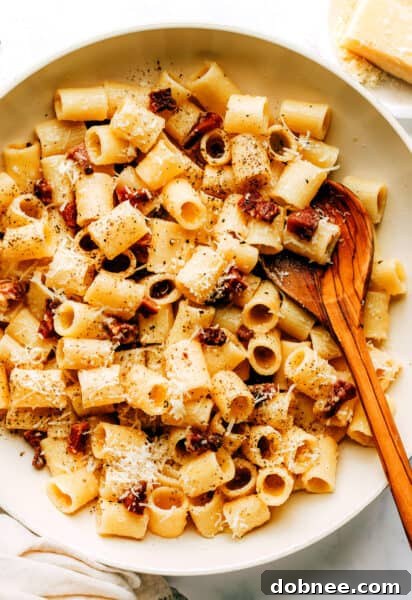
Pasta alla Gricia
- Author: Ali
- Prep Time: 5 mins
- Cook Time: 30 mins
- Total Time: 35 mins
- Yield: 4 servings
Description
This classic pasta alla gricia recipe is easy to make with 3 main ingredients and always tastes so decadent and flavorful.
Ingredients
- 8 ounces guanciale*
- fine sea salt and freshly-ground black pepper
- 12 ounces uncooked pasta (I used mezzi rigatoni)
- 2 ounces finely-grated Pecorino Romano
Instructions
- Cut the guanciale. Slice the guanciale into ¼-inch-thick slices. Then cut each slice into roughly ½ x 1-inch pieces. (Freezing the guanciale for 10 minutes beforehand can make it easier to cut.)
- Cook the guanciale. Heat a large sauté pan (preferably nonstick) over medium-low heat. Add the guanciale to the pan and cook, stirring and flipping occasionally, until the guanciale is golden brown and crispy and the fat has rendered, about 10 minutes. (Monitor closely to prevent burning.) Using a slotted spoon, transfer the cooked guanciale to a separate plate. Pour the remaining rendered fat into a heatproof measuring cup. Measure out ¼ cup and return it to the pan; discard any excess fat.
- Bloom the black pepper. Add 1 teaspoon freshly-ground black pepper to the hot guanciale fat in the pan, then turn off the heat. The residual heat will toast the pepper, enhancing its aroma.
- Boil the pasta. Meanwhile, fill a large stockpot about half full of water (approximately 3 quarts) and bring it to a rolling boil. Since the guanciale and cheese are both quite salty, there’s no need to generously salt the pasta water; simply stir in 1 tablespoon of salt. Add the pasta and cook for 8 minutes, stirring occasionally to prevent sticking.
- Emulsify the sauce. At the 6-minute mark of the pasta cooking time, carefully scoop up 1 ½ cups of the starchy pasta water and transfer it to the sauté pan with the guanciale fat and pepper. Turn the heat on the sauté pan to high to quickly bring this mixture to a boil. Gently stir to help the water emulsify with the fat as the sauce begins to reduce and thicken.
- Finish cooking the pasta. Once the pasta reaches the 8-minute mark (it will be slightly undercooked), use a spider strainer or tongs to immediately transfer the pasta directly to the sauté pan with the sauce. Continuously toss the pasta in the sauce for 3-5 minutes, allowing it to finish cooking and absorb the flavors, until the sauce has reduced, emulsified, and the pasta is perfectly al dente. Add an extra ¼ cup of the remaining starchy pasta water as needed if the sauce appears too dry at any point.
- Finish the pasta. Turn off the heat. Add the rendered guanciale back to the pan along with half of the finely-grated Pecorino Romano cheese. Toss gently but continuously to combine thoroughly. Stir in the remaining cheese and continue tossing gently until all the cheese has melted, creating a beautifully glossy and cohesive sauce. If the sauce seems too thick, add an extra few tablespoons of the reserved starchy pasta water to reach your desired consistency.
- Serve. Serve immediately, garnished with an extra sprinkle of Pecorino Romano cheese and a fresh twist of black pepper for maximum flavor.
Equipment
Spider Strainer
Buy Now →
Fine Grater
Buy Now →
Nonstick Pans
Buy Now →
Notes
Guanciale: Please refer to the detailed notes above regarding suitable pancetta or bacon substitution options if guanciale is unavailable.
Source: This recipe has been thoughtfully adapted from Serious Eats, with personal refinements for consistent results.