
This “Burnt” Basque Cheesecake recipe, known in Spain as ‘tarta de queso’, offers a uniquely light, incredibly creamy, and delightfully caramelized experience that is surprisingly easy and nearly foolproof to make!
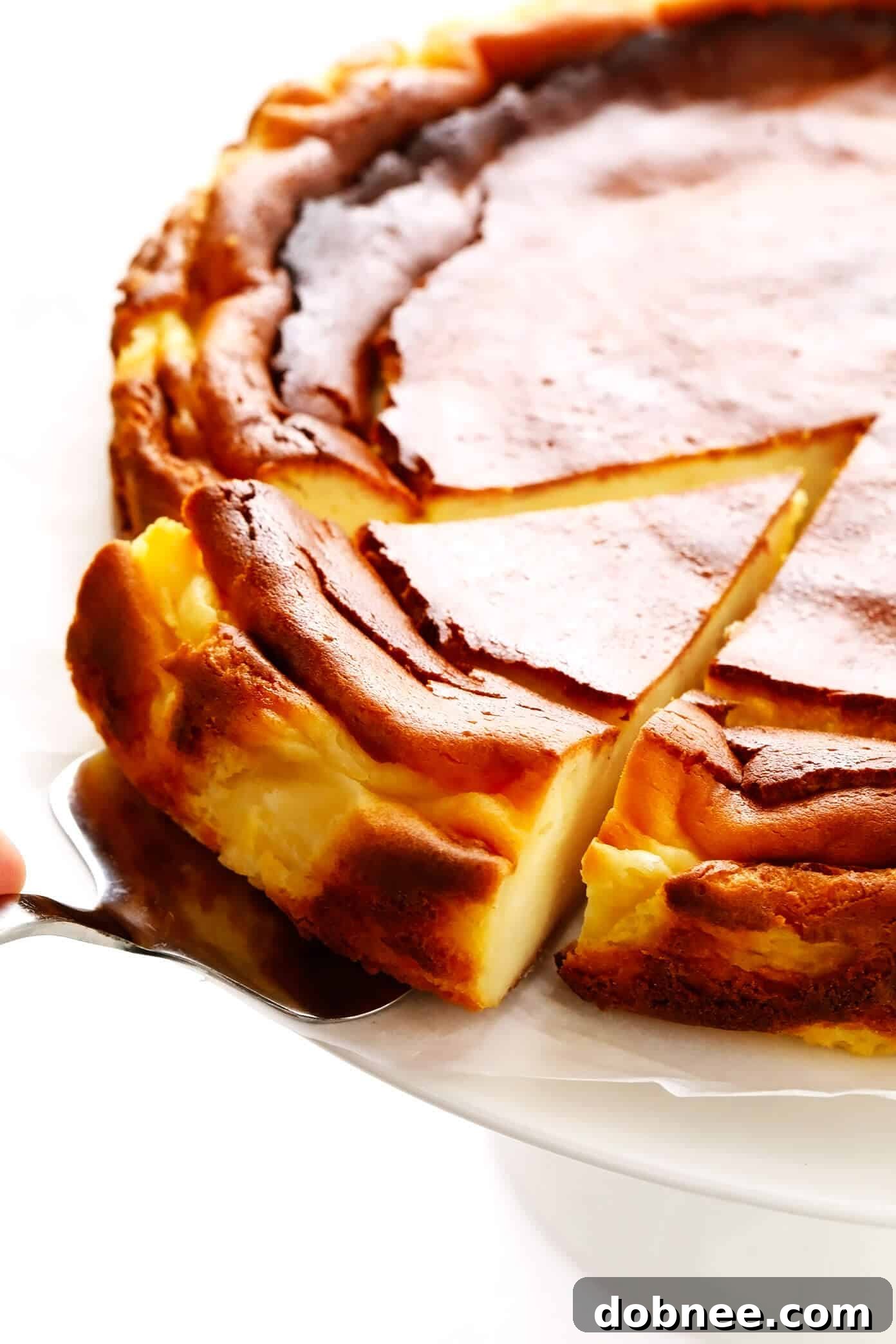
The “burnt” Basque cheesecake has taken the culinary world by storm, rapidly rising as a global food trend. However, long before its international acclaim, this distinctive dessert has been a cherished local favorite in Spain for decades, particularly in the gastronomic heart of the Basque Country. Its unconventional appearance and rich, decadent flavor have captivated palates worldwide, cementing its status as a must-try dessert.
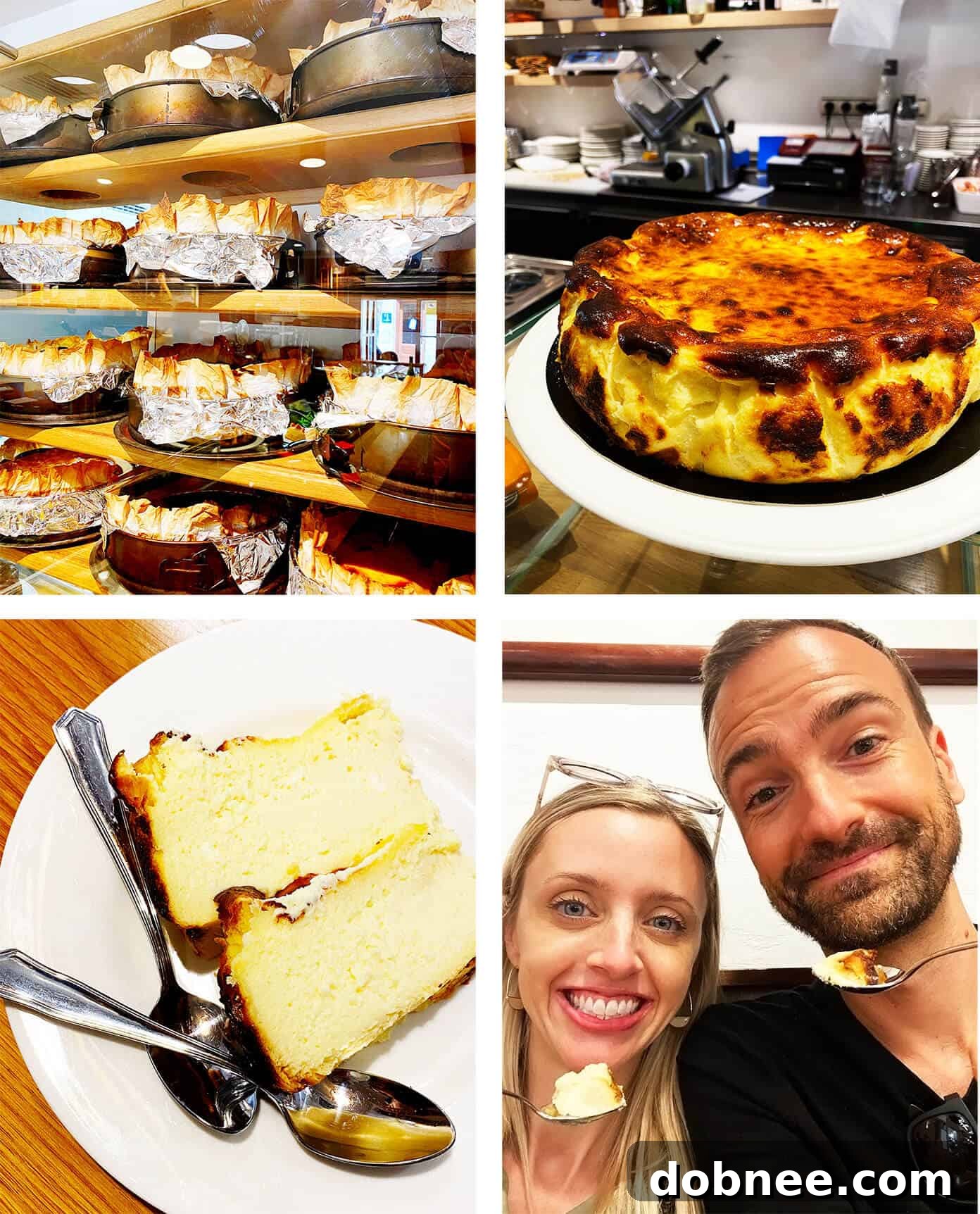
Our journey to discover the authentic Basque cheesecake led us to San Sebastián, a city renowned for its exceptional food scene. During a memorable weekend getaway, we savored an array of exquisite Basque pintxos, txuletas, and local wines. Yet, among all the culinary treasures, one recommendation stood out universally for the iconic tarta de queso: La Viña. This legendary restaurant is not just a destination; it’s the birthplace of the very cheesecake that inspired a global phenomenon.
The Genesis of a Culinary Icon: La Viña’s Basque Cheesecake
It was in the 1990s, within the cozy confines of La Viña, that chef-owner Santiago Rivera revolutionized the concept of cheesecake. Seeking a novel dessert for his menu, Chef Rivera dared to defy convention, creating a cheesecake that stood in stark contrast to its American counterparts. American-style cheesecakes are typically dense, uniformly baked, often featuring a pristine, crack-free surface and a cookie crust. Chef Rivera, however, reimagined the proportions and baking technique to create something entirely unique.
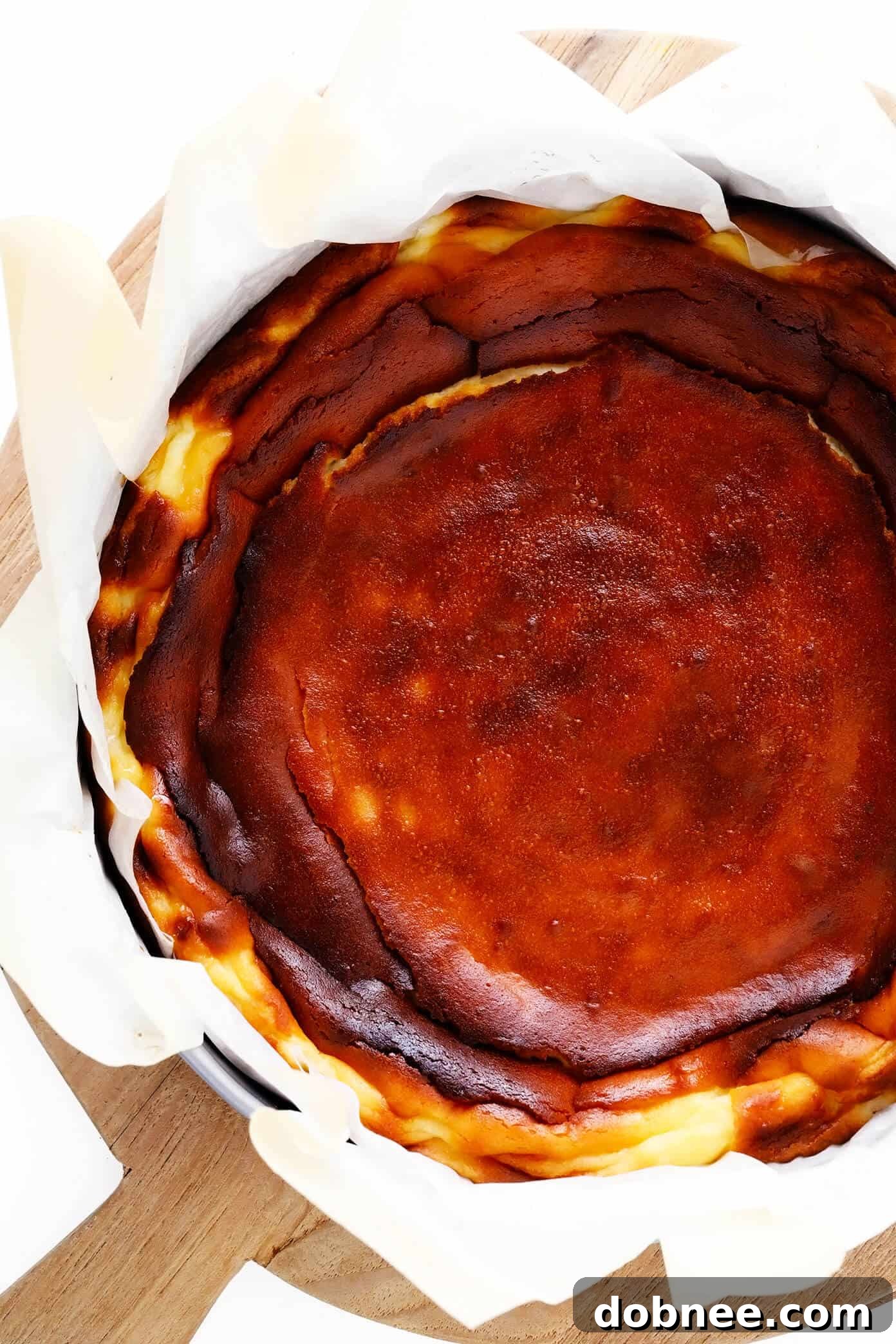
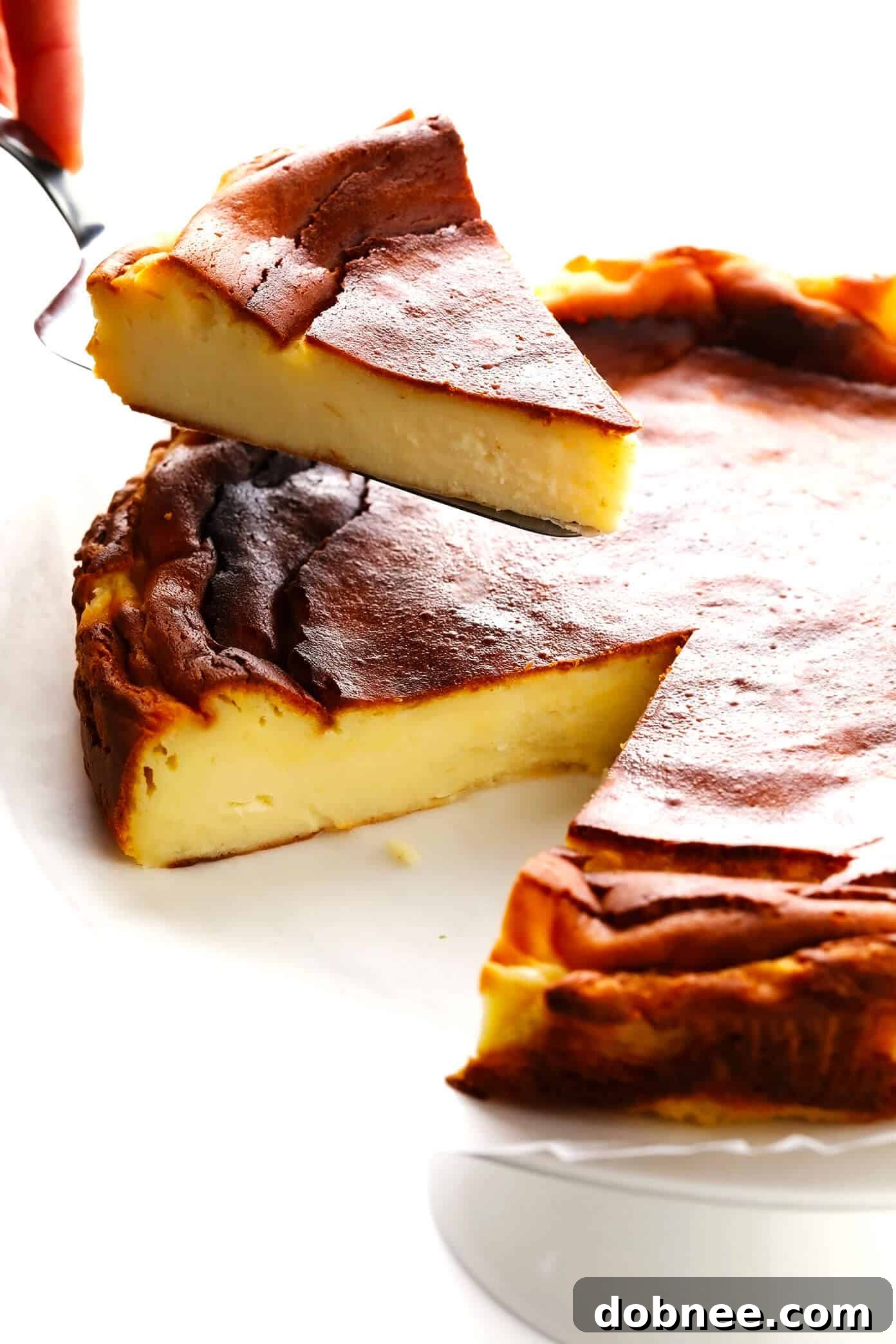
His creation, the Basque cheesecake, is celebrated for its ethereal lightness and irresistible creaminess. It’s baked without a crust, encased instead in crisp parchment paper that artistically ripples around its edges. Far from striving for perfection, this cheesecake proudly displays beautiful, natural cracks, and, most famously, boasts a gloriously “burnt” – or more accurately, deeply caramelized – exterior. This caramelization is not a flaw but its signature characteristic, imparting a complex flavor profile that sets it apart.
This stunning dessert challenges every traditional cheesecake rule and delivers an outrageously delicious experience. What makes it even more appealing for home cooks is its surprising simplicity. Crafted from a straightforward list of ingredients, it’s widely regarded as nearly foolproof. Chef Rivera, with remarkable generosity, shared his originaltarta de quesorecipe years ago, which simply calls for cream cheese, eggs, sugar, flour, and heavy cream. He openly encourages home bakers to personalize the recipe: “If you want salt, add salt; if you want vanilla, add vanilla; some people add lemon zest.” For a truly authentic Spanish serving experience, consider pairing your slice with a small glass of sherry, just as they do at La Viña.
Inspired by our friends in Spain, who are fervent admirers of this cheesecake, we’ve had the pleasure of tasting numerous variations and adapting Chef Rivera’s original recipe in our own kitchen. Our aim has been to perfect a version ideal for various gatherings and celebrations. So, for those eager to recreate this Spanish delight, here is our slightly tweaked, beloved interpretation of the tarta de queso. We particularly enjoy adding vanilla and a touch of sea salt, believing they elevate the flavor profile. But remember Chef Rivera’s philosophy: feel free to experiment and make this recipe truly your own! The beauty of Basque cheesecake lies in its rustic charm and the freedom it offers from the pursuit of baking perfection—a refreshing change in the world of precise dessert making.
Let’s embark on the delicious journey of making an authentic Basque cheesecake!
Mastering the “Burnt” Basque Cheesecake Recipe
While the allure of San Sebastián and La Viña’s storied history might seem intimidating, creating your own authentic “burnt” Basque cheesecake at home is surprisingly simple. This recipe guides you through each step to achieve that signature creamy texture and deeply caramelized top that has captured hearts worldwide. Whether you’re a seasoned baker or a curious beginner, this foolproof recipe promises a truly rewarding baking experience.
Essential Ingredients for Your Basque Cheesecake:
Before diving into the full recipe, let’s explore the key ingredients that give this Basque cheesecake its distinctive character. I’ve slightly adjusted Chef Rivera’s original recipe to perfectly fit a standard 8- or 9-inch springform pan, a common size in most home kitchens. (A 10-inch pan will also work, but expect a slightly thinner cheesecake and reduced baking time.)
- Cream Cheese: In Spain, this ingredient is affectionately referred to simply as “Philadelphia.” For optimal flavor, richness, and the signature creamy texture, always opt for full-fat cream cheese. It’s the backbone of this luxurious dessert, ensuring every bite is smooth and decadent.
- Granulated Sugar: Following Chef Rivera’s minimalist approach, basic white granulated sugar is all you need. Its fine crystals dissolve beautifully, contributing to the cheesecake’s tender crumb and, crucially, facilitating that exquisite caramelization on top.
- Eggs: Basque cheesecake is known for its slightly more custardy, ‘eggy’ profile compared to other cheesecakes. To strike a perfect balance—rich yet not overwhelmingly eggy—I’ve found that five large eggs yield the ideal creamy consistency without being too dense. Using room temperature eggs helps create a smoother batter.
- Vanilla Extract: While optional in the original, I highly recommend adding a touch of vanilla extract. Its warm, aromatic notes beautifully complement the richness of the cream cheese and the sweetness, adding an extra layer of complexity to the flavor profile.
- Heavy Cream: This is where you absolutely should not skimp on fat. Heavy whipping cream (or nata de montar if you’re in Spain, not nata de cocinar) is essential for achieving the exceptionally light and airy, yet profoundly creamy, texture characteristic of this cheesecake. Its high fat content ensures a luxurious mouthfeel that melts in your mouth.
- Sea Salt: A pinch of fine sea salt subtly enhances all the sweet flavors, providing a crucial balance. I also love to sprinkle flaky sea salt on individual slices just before serving. It offers a delightful textural contrast and a sophisticated touch. (If using iodized table salt, remember to halve the quantity.)
- All-Purpose Flour: A small amount of flour helps stabilize the cheesecake structure and contributes to its characteristic rise and fall during baking. This ensures the cheesecake achieves its impressive height and then settles into that rustic, beautifully cracked appearance.
Expert Tips for Making a Perfect “Burnt” Basque Cheesecake:
While the Basque cheesecake is forgiving, a few simple tips can elevate your baking and ensure a truly spectacular result. Over time, I’ve gathered these insights to help you achieve that perfect balance of rustic charm and sublime flavor:
- Ensure Room Temperature Ingredients: This is a non-negotiable step for a smooth, lump-free batter and an evenly baked cheesecake. Cream cheese, eggs, and heavy cream should all be at room temperature. This allows them to emulsify properly, creating a uniform mixture. Plan ahead, or for a quick shortcut, gently warm ingredients (e.g., place eggs in warm water, cream cheese on a warm counter).
- Select the Right Pan: Given that Basque cheesecake batter dramatically puffs up during baking, a pan with tall sides is essential to prevent overflow. I highly recommend using a 9-inch springform pan. Alternatively, an 8-inch pan will yield a thicker cheesecake requiring a slightly longer bake, while a 10-inch pan will result in a thinner cake with a shorter baking time.
- Sift the Flour: To achieve an incredibly smooth, silky cheesecake texture, sifting the flour into your batter is a crucial step. Use a fine-mesh strainer to ensure no lumps interfere with the delicate consistency of your dessert. This simple action makes a noticeable difference in the final product.
- Avoid Overmixing the Batter: Overmixing can incorporate too much air into the batter, potentially leading to a cakier, less creamy texture. Mix each ingredient on medium-low speed only until it is *just* combined. Scrape down the sides of the bowl frequently to ensure everything is evenly incorporated without overworking the mixture.
- Skip the Water Bath: Unlike traditional cheesecakes that often require a water bath for even baking and to prevent cracks, the Basque cheesecake thrives on a direct oven bake. Its signature rise, fall, and rustic cracks are part of its charm. Baking it on a sheet pan is a good precaution in case any batter decides to venture over the parchment paper’s edge during its dramatic rise.
- Monitor the Caramelization: Ovens vary, and so does the rate at which cheesecake tops brown. Keep a watchful eye on your cheesecake, especially during the last 15-20 minutes of baking. You’re aiming for a deep golden brown, almost charred appearance. If it starts to darken too quickly, loosely tent it with aluminum foil. If, after the center is set, it hasn’t reached your desired level of “burnt,” a very brief stint under the broiler (seconds, not minutes!) can achieve that perfect finish—but watch it *very* closely!
- Customize Your Consistency: Most authentic Basque cheesecakes found in Spain have a delightfully soft, almost molten center with a distinct jiggle when removed from the oven. If you prefer this creamy consistency, pull your cheesecake when the center still wiggles. For a firmer set, simply bake it for a few extra minutes. For an extra-soft, gooey center, reduce baking time slightly. The beauty is in personal preference!
- Embrace Imperfection: The defining characteristic of a Basque cheesecake is its rustic, perfectly imperfect appearance. Don’t stress about perfectly smooth batter or precisely pressed parchment paper. The charm lies in its unpretentious, homemade look. Rest assured, regardless of its appearance, it will taste absolutely phenomenal!
Creative Variations for Your Basque Cheesecake:
One of the joys of this “burnt” Basque cheesecake recipe, as encouraged by Chef Rivera himself, is the freedom to experiment. Feel empowered to adjust ingredient quantities to create a cheesecake that is creamier, sweeter, richer, or cheesier to your personal preference. Beyond these foundational tweaks, here are a few more exciting variations to explore:
- Gluten-Free Alternative: Making this cheesecake gluten-free is incredibly easy. Simply substitute the all-purpose flour with an equal amount of a 1-to-1 gluten-free flour blend. The result will be just as delicious and equally satisfying.
- A Zest of Citrus: For a bright, aromatic counterpoint to the rich creaminess, consider adding the zest of one lemon or orange to the batter. The citrus notes provide a refreshing lift and a wonderful fragrance that complements the caramelized flavors beautifully.
- Infuse with Bourbon: For those who appreciate a deeper, more sophisticated flavor, a bourbon-infused Basque cheesecake is a revelation. We’ve successfully made this by swapping 3 tablespoons of heavy cream for 3 tablespoons of good quality whiskey. The bourbon adds a subtle warmth and complexity that is utterly delicious.
- Tailor the Baking Time for Desired Texture: As mentioned in our tips, the baking time is key to your preferred consistency. For an extra-soft, almost molten center, bake for slightly less time. If you prefer a more firmly set, fully cooked cheesecake, extend the baking duration. Remember, you can always briefly use the broiler to achieve a darker top, or tent with foil to prevent over-browning.
- Enhance with Toppings: While traditional Basque cheesecake is often served unadorned to highlight its pure flavors, it’s a fantastic canvas for various toppings. A simple fruit sauce, a rich caramel drizzle, or a decadent chocolate sauce can add an extra layer of indulgence and visual appeal.
More Irresistible Cheesecake Recipes:
If you’ve fallen in love with the world of cheesecake and are eager to explore more delightful variations, here are a few of my personal favorites that offer diverse flavors and textures:
- Samoa Cheesecake
- Strawberry Nutella Cheesecake
- Lighter Blueberry Cheesecake
- Chocolate Almond Cheesecake
Basque Cheesecake (Tarta de Queso)
This “Burnt” Basque Cheesecake recipe is ultra-creamy and delicious, and so easy to make that it’s nearly foolproof!
- Author: Ali
- Prep Time: 15 mins
- Cook Time: 60 mins
- Total Time: 1 hour 15 mins
- Yield: 12 servings
Ingredients
- 2 pounds full-fat cream cheese, room temperature
- 1 1/3 cups white granulated sugar
- 5 large eggs, room temperature
- 1 1/4 cups heavy cream, room temperature
- 2 teaspoons vanilla extract
- 1 teaspoon fine sea salt* (plus optional flaky sea salt for topping)
- 1/4 cup all-purpose flour
Instructions
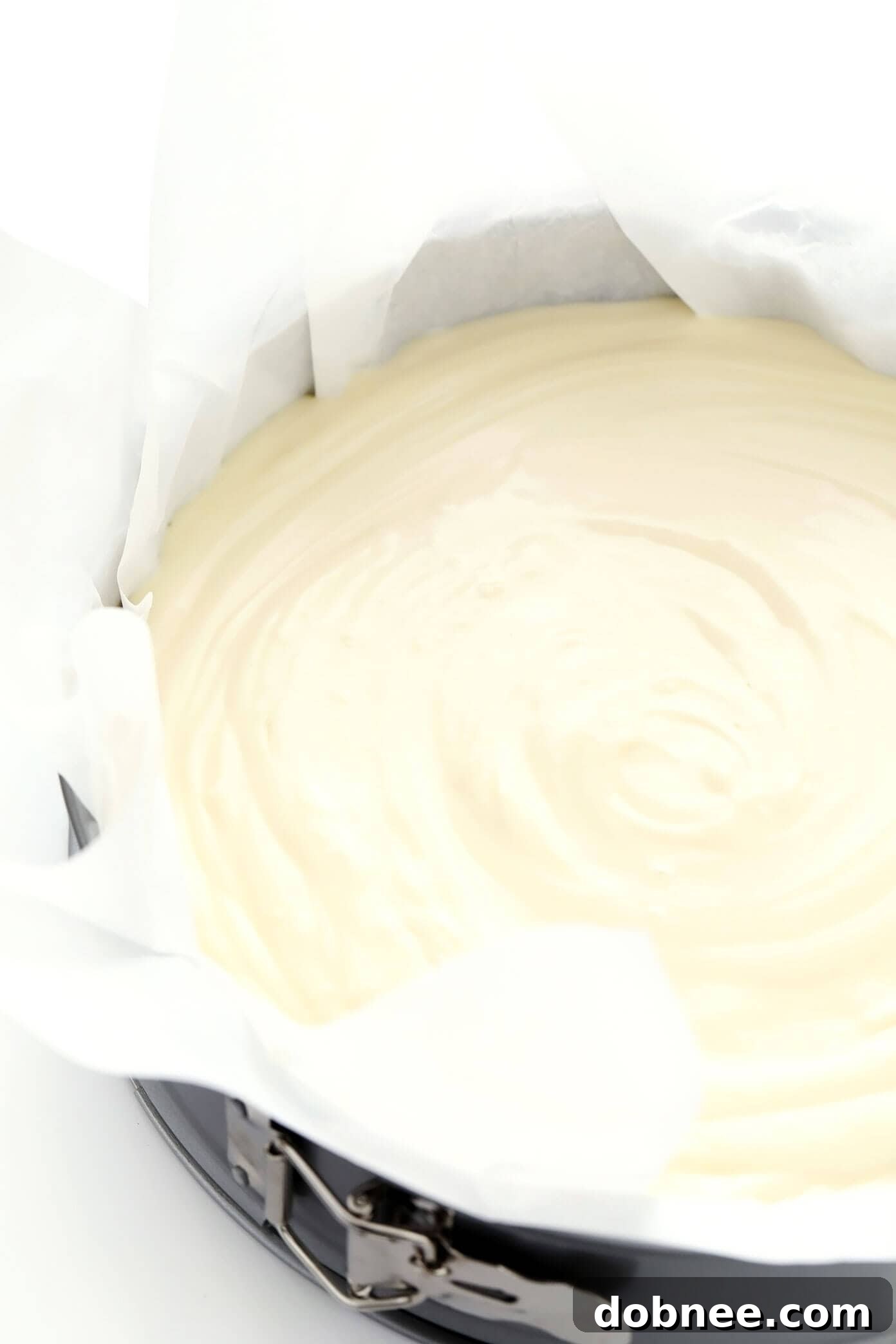
- Prep oven and springform pan. Heat oven to 400°F (200°C). Line a 9-inch springform pan with two large crisscrossed sheets of parchment paper, pleating and pressing the parchment into the bottom edges of the pan so that it extends straight up (not folded down) a few inches above the sides of the pan. Place the pan on a large baking sheet and set aside.
- Make the batter. Add the cream cheese and granulated sugar to a large mixing bowl. Use a handheld mixer (or a stand mixer with a paddle attachment) to beat the mixture on medium speed for 2 minutes, or until it is very smooth with no lumps remaining, scraping down the sides of the bowl as needed. Add the eggs one at a time, beating on medium-low speed until each egg is fully combined before adding the next. Add the heavy cream, vanilla extract, and fine sea salt, and mix on low speed until evenly combined. Then, sprinkle the all-purpose flour evenly over the batter (it helps to sift it through a fine-mesh strainer to prevent lumps) and mix on low speed until evenly combined, scraping down the sides of the bowl as needed.
- Bake. Carefully pour the prepared batter into the parchment-lined springform pan. Bake for 50 to 60 minutes, or until the top of the cheesecake has risen high, developed a deep golden brown, almost “burnt” appearance, and the center still has a slight jiggle. Keep a close eye on it during the last 15-20 minutes – if the top starts to brown too quickly or burn, gently lay a piece of aluminum foil over the cheesecake until it has finished cooking.
- Cool. Once baked, transfer the cheesecake in its pan to a wire baking rack and allow it to cool completely to room temperature. This gradual cooling process is essential for the cheesecake to set properly. At this point, you can also cover and refrigerate the cheesecake for up to 3 days if you prefer to serve it chilled.
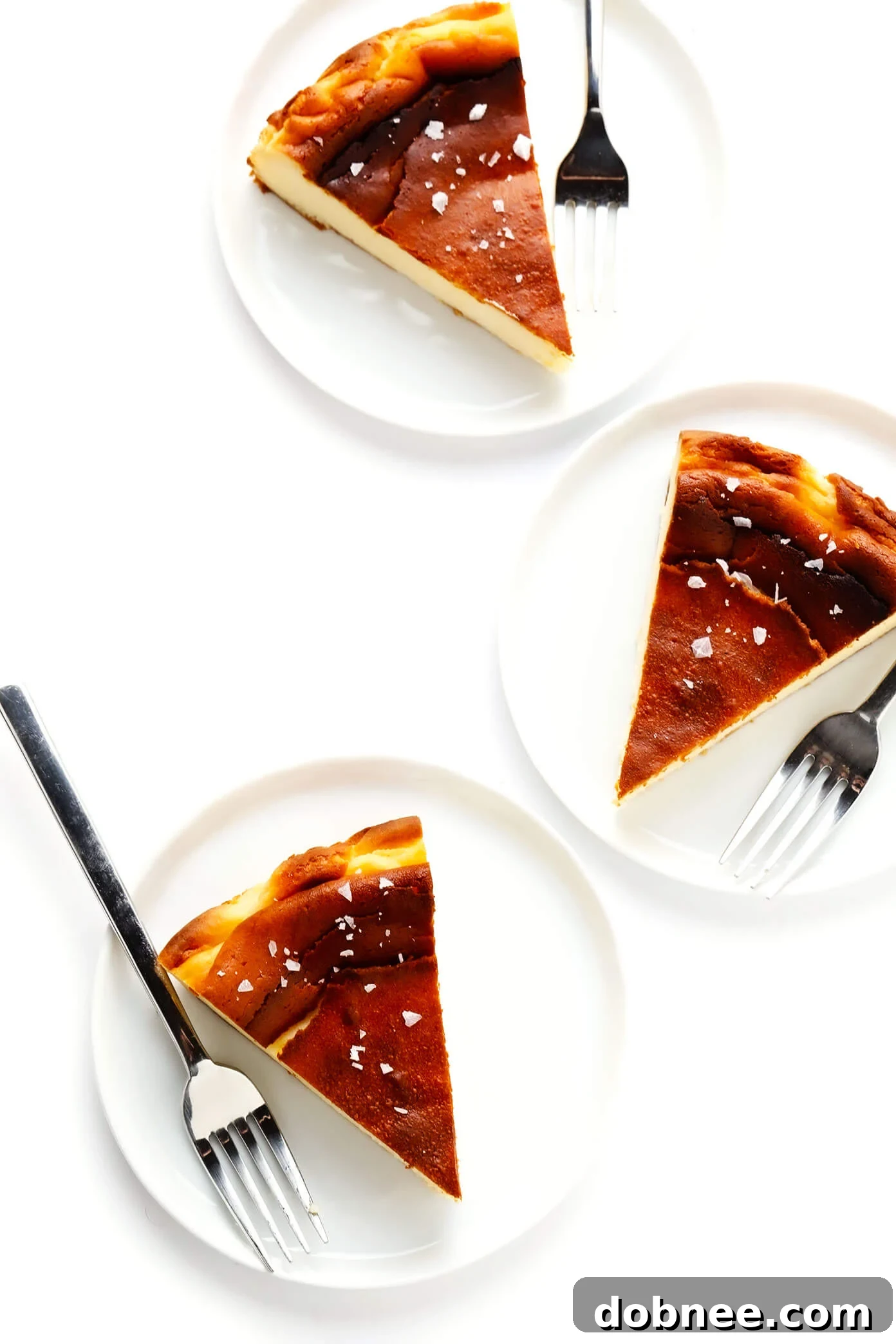
- Serve. When the cheesecake is no longer warm, carefully remove the sides of the springform pan. Gently peel back the parchment paper, allowing the rustic edges to shine. Cut your desired size slices. Serve as is, or for an extra flourish, sprinkle with a pinch of flaky sea salt just before enjoying!
Equipment
- 9-Inch Springform Pan
- Parchment Paper
- Vanilla Extract
Notes
- Salt: If you are using iodized table salt instead of fine sea salt, reduce the amount of salt by half to prevent over-salting.
- Pan options: This recipe is versatile! You can also bake it in an 8-inch springform pan, which will result in a thicker cheesecake requiring a slightly longer baking time. Alternatively, a 10-inch springform pan will yield a thinner cheesecake with a reduced baking time. Adjust accordingly based on your pan size.
- Source: Recipe slightly adapted from the original at La Viña and Bon Appetit.
Share Your Creation!
Did you make this delicious Basque Cheesecake? We’d love to see it! Tag @gimmesomeoven on Instagram and use the hashtag #gimmesomeoven.