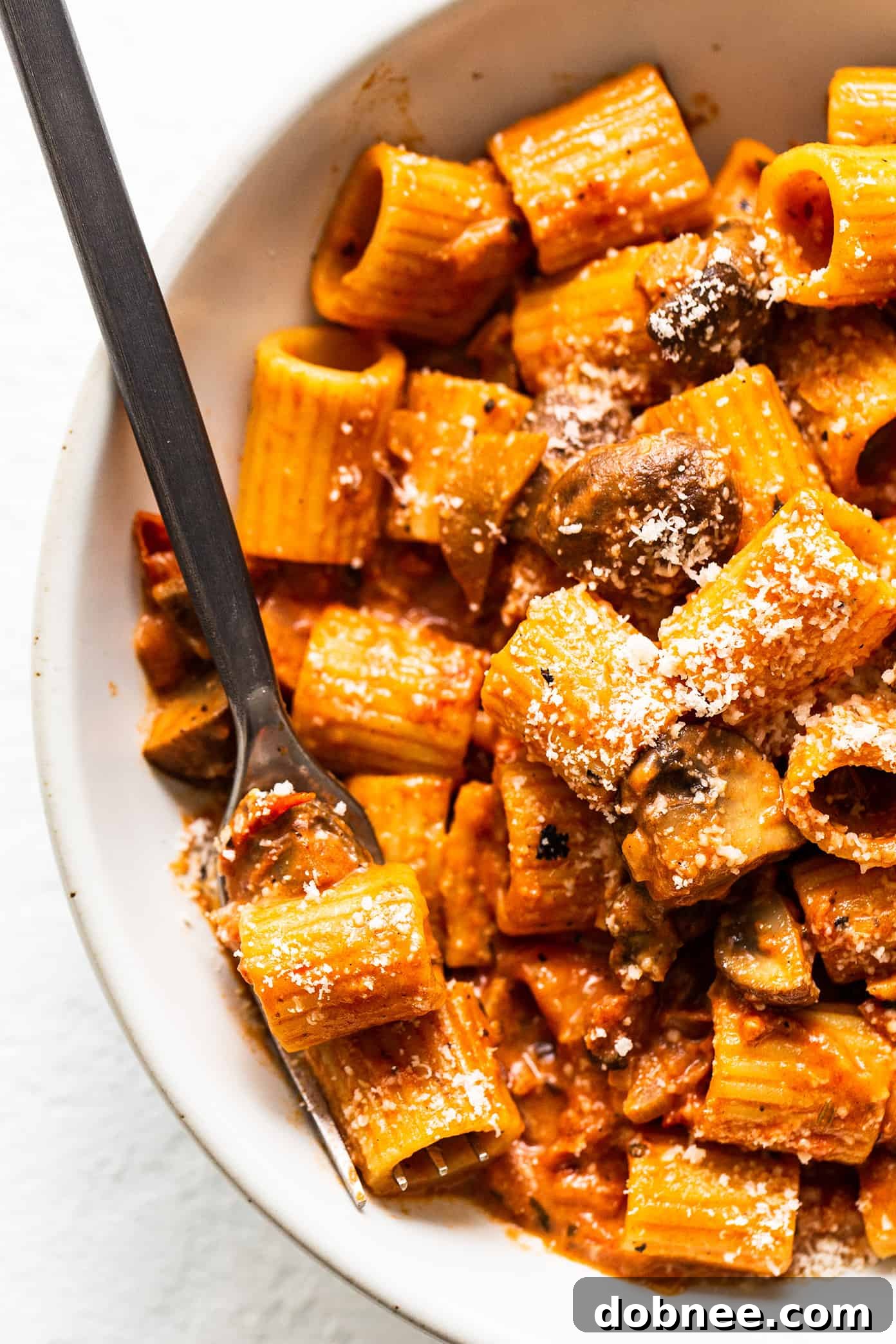
Pasta alla Boscaiola: A Hearty Taste of the Italian Forest
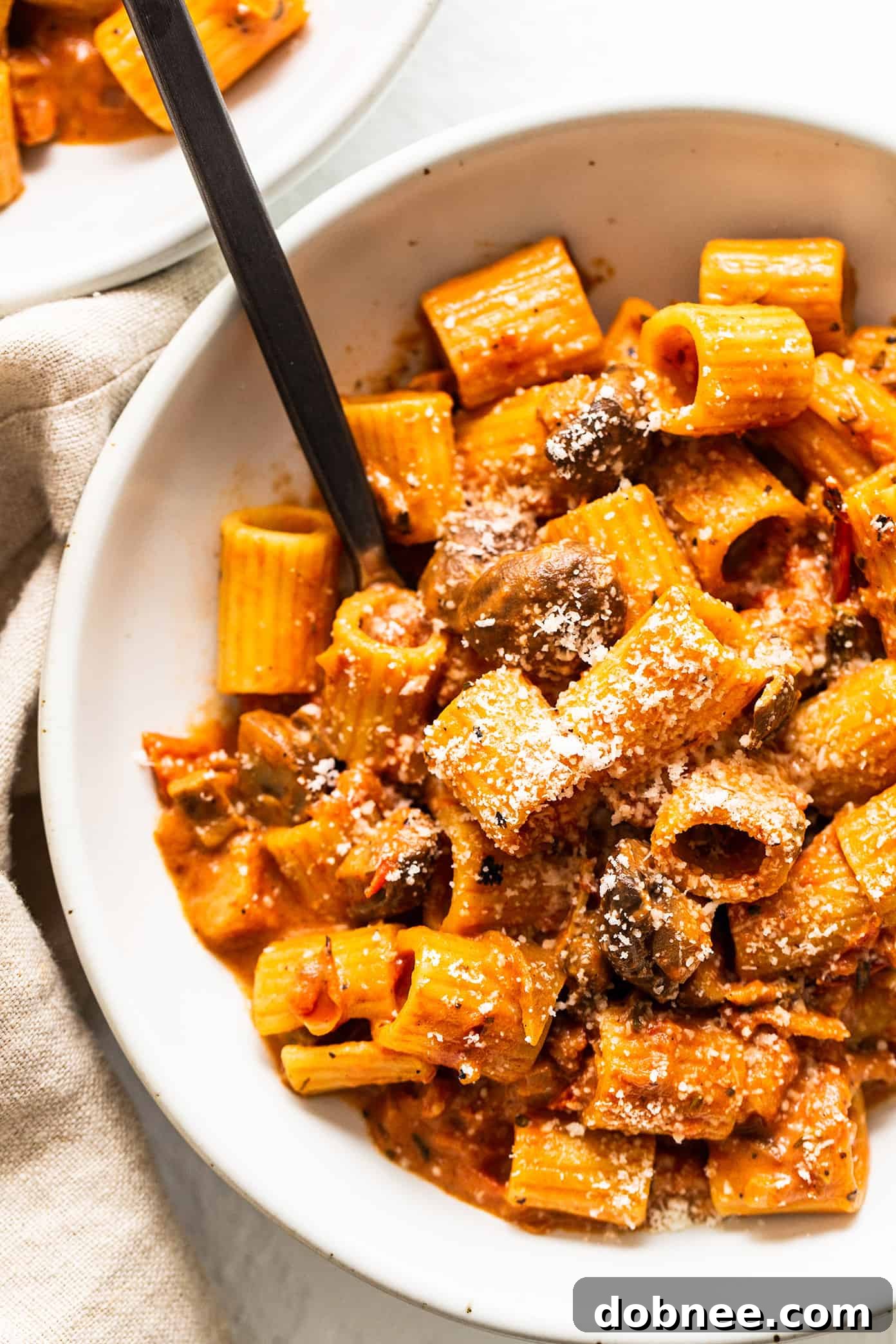
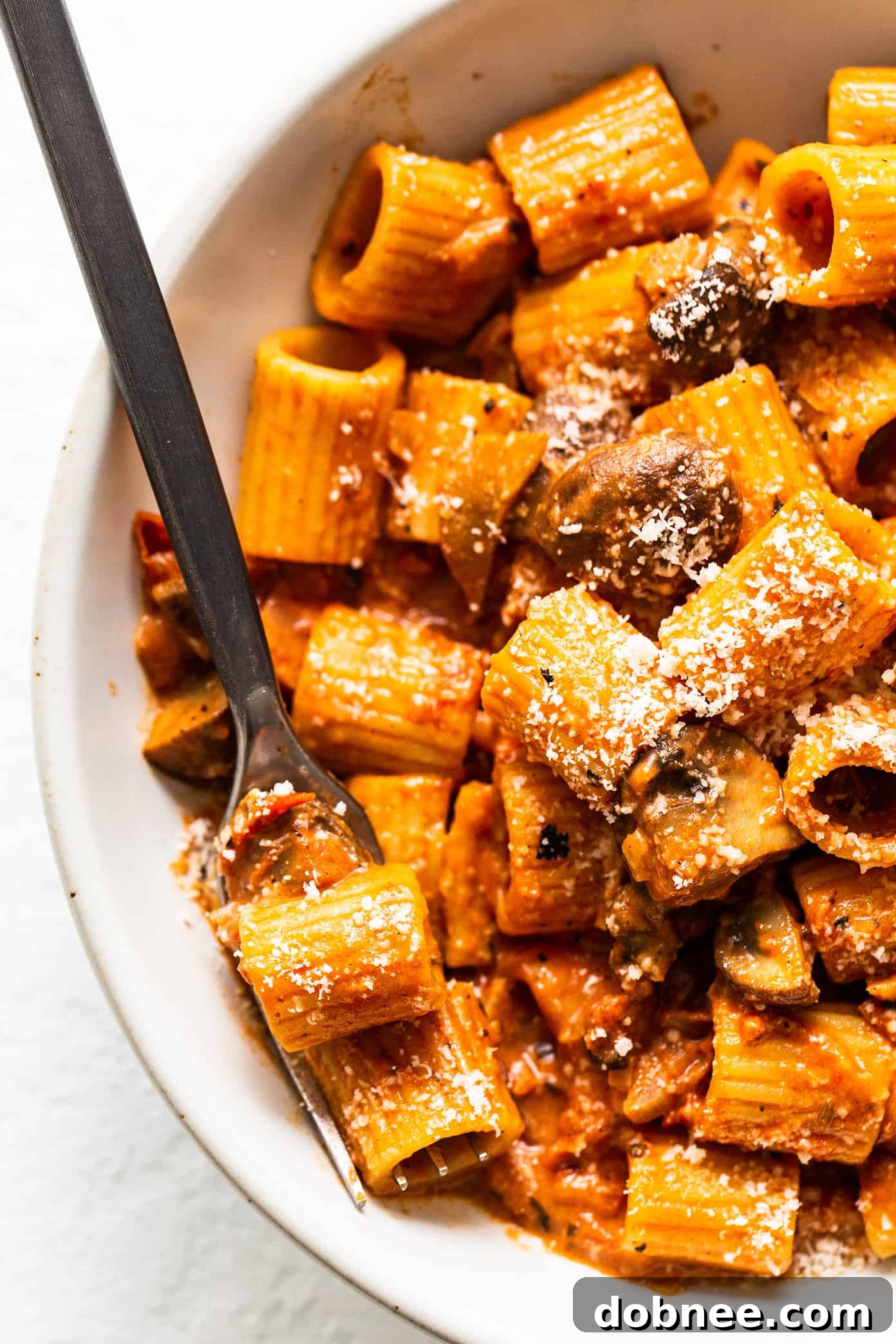
Discover Pasta alla Boscaiola, a beloved Italian comfort dish that brings the rich flavors of the forest to your table. This “woodsman-style pasta” features an irresistible blend of earthy mushrooms and savory bacon (or pancetta), all tossed in a silky garlic-herb tomato cream sauce. It’s a dish that’s deeply flavorful, wonderfully creamy, and undeniably satisfying.
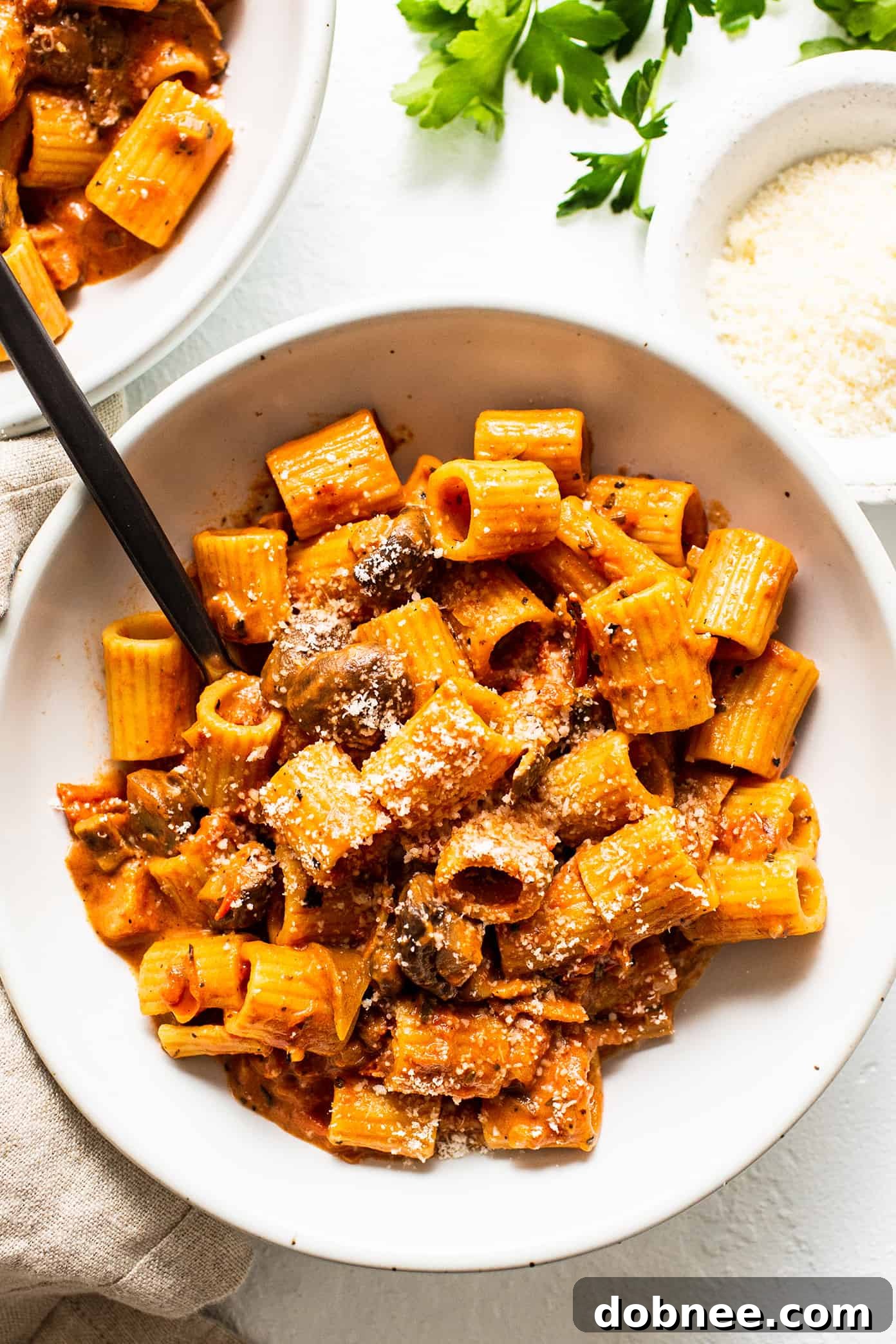
If you could combine the very best of rustic Italian cuisine into one incredible pasta dish, Pasta alla Boscaiola would undoubtedly be the masterpiece. This classic Tuscan recipe, whose name translates to “woodsman-style pasta,” encapsulates the essence of the Italian countryside with its robust ingredients and comforting warmth.
It was only a few years ago that I first encountered this culinary gem on the menu of a charming artisan pasta shop. The description alone – a rich medley of mushrooms (including the prized porcini), perfectly chewy diced pancetta, aromatic shallots and garlic, fragrant fresh rosemary and thyme, all enveloped in a luscious white wine tomato cream sauce and finished with a generous dusting of freshly-grated Parmesan – had me captivated. One savory, al dente bite was all it took; I was utterly smitten. This dish is unapologetically rich, indulgent, and brimming with profound mushroom flavor.
While countless regional variations of pasta alla boscaiola exist across Italy, each reflecting local produce and culinary traditions, the particular rendition I’m delighted to share with you today has become my absolute favorite. It strikes a perfect balance of earthy depth, smoky undertones, and creamy indulgence, making it the ultimate Italian comfort food for any occasion.
The Essence of Boscaiola: A Journey from Forest to Plate
The term boscaiola itself is derived from “bosco,” meaning “forest” in Italian, a fitting name for a dish historically inspired by the bounty foresters and woodcutters would bring home. Traditionally, boscaiola sauces are celebrated for their use of foraged mushrooms. However, for those of us living far from verdant forests or struggling to find fresh wild mushrooms year-round, this recipe offers a practical yet equally delicious alternative. My version thoughtfully incorporates readily available fresh baby bella mushrooms alongside dried porcini mushrooms.
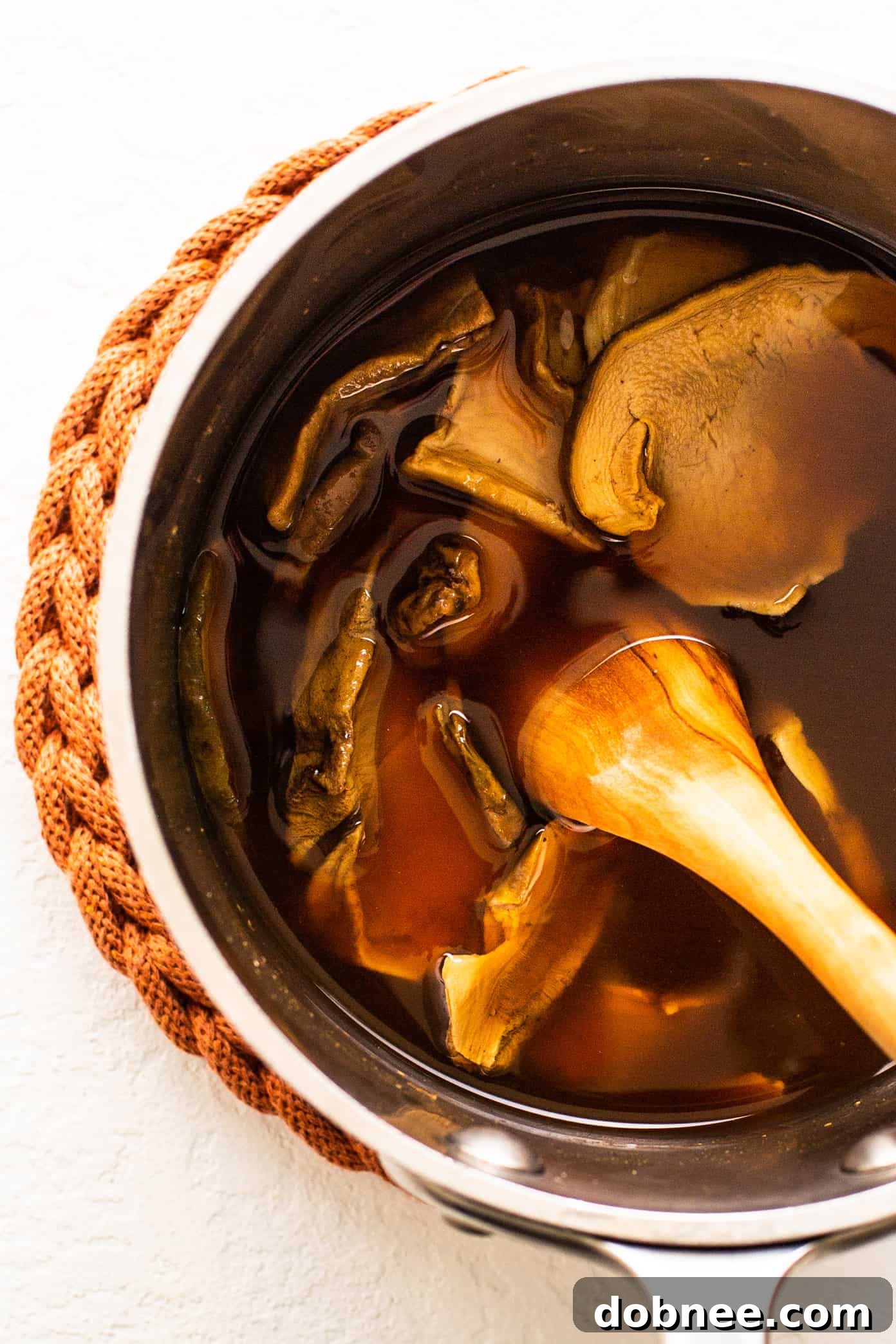
Using dried porcini isn’t just a convenience; it’s a secret weapon for intensifying the umami profile of this dish. When reconstituted in hot vegetable broth, these dried fungi release an incredible depth of flavor. Not only do we chop and add the softened porcini directly to the pasta, but the rich, mushroom-infused broth itself becomes an integral part of the sauce, layering profound earthy notes throughout. It’s a culinary hack that delivers an extraordinary taste experience.
Beyond the mushrooms, the choice of cured meat significantly impacts the dish’s character. I particularly adore the salty, slightly chewy texture of diced pancetta. However, thick-cut smoky bacon offers a delightful alternative for those who prefer a more pronounced smoky flavor, while Italian sausage introduces a spiced, hearty element. For those seeking a vegetarian option, simply omit the meat entirely; the rich mushroom and herb base ensures the dish remains incredibly flavorful and satisfying. I’ve included further variations and substitution tips below, covering everything from gluten-free options to traditional Italian add-ins. No matter how you choose to customize it, this Pasta alla Boscaiola promises to be a comforting and delicious addition to your home cooking repertoire.
Understanding Pasta alla Boscaiola: FAQs & Insights
Before we dive into the recipe, let’s explore some common questions and fascinating facts about this Italian classic:
- How do you pronounce boscaiola? Let’s get it right from the start! It’s pronounced boh-skahy-OH-lah in Italian. A quick listen to an online pronunciation guide can help perfect it.
- What does boscaiola mean? The name boscaiola translates to “woodcutter” or “lumberjack” (or historically, often referring to a woodcutter’s wife). The dish is said to have been inspired by the ingredients – particularly mushrooms, herbs, and vegetables – that these forest workers would gather and bring home. While regional interpretations vary widely today, the term boscaiola consistently signifies a sauce featuring mushrooms, often wild-foraged.
- Where did Pasta alla Boscaiola originate? This rustic pasta dish is believed to have originated in the forested regions of Tuscany and Emilia-Romagna in Italy. However, its popularity has led to countless adaptations found throughout the entire country.
- How do regional versions differ? While mushrooms are the constant in any Pasta alla Boscaiola, there is no single, universally standardized recipe across Italy. Variations can include the addition of fresh or sun-dried tomatoes, the presence or absence of cream, vegetables like peas or olives, different types of cured meats (pancetta, bacon, or various Italian sausages), and a myriad of local herbs. Each trattoria and family often has its own cherished version, making the discovery of boscaiola a delightful culinary adventure.
Essential Ingredients for Your Perfect Pasta alla Boscaiola
Crafting this incredible dish begins with selecting the right ingredients. Here’s a closer look at what you’ll need and why each component is vital:
- Fresh Mushrooms: I typically use easy-to-find baby bella mushrooms, which offer a lovely texture and earthy flavor. For an even more authentic “woodsman-style” experience, a mix of fresh wild mushrooms (if available and safely identified) would be absolutely spectacular, enhancing the forest-to-plate narrative.
- Dried Porcini Mushrooms: These are non-negotiable for a truly authentic and deeply flavorful boscaiola. One ounce of dried porcini delivers a concentrated, nutty, and intensely earthy flavor that fresh mushrooms alone cannot provide. Reconstituting them in hot broth not only softens them for chopping but also creates a liquid gold – a rich, umami-packed vegetable stock that we’ll integrate into our sauce, amplifying its depth.
- Vegetable Broth: Used primarily for rehydrating the porcini mushrooms and contributing to the sauce’s body. While vegetable broth is my preference, chicken or even beef stock can be used for a slightly different flavor profile.
- Pancetta (or Thick-Cut Bacon): Diced pancetta offers a salty, savory base and a delightful chew. If you prefer a smokier note, thick-cut bacon is an excellent substitute. For those who enjoy a spicier, more robust meat, Italian sausage (mild or hot) can also be a fantastic choice.
- Shallots and Garlic: These aromatic powerhouses form the backbone of the sauce’s flavor. Using a generous amount of finely-chopped shallots and garlic, sautéed in the rendered fat from the pancetta, creates a deeply fragrant and savory foundation.
- Fresh Herbs: Rosemary and thyme are classic companions to mushrooms, their woody, aromatic notes perfectly complementing the earthy flavors of the forest. Using fresh herbs makes a significant difference in the final taste.
- Seasonings: Crushed red pepper flakes add a subtle warmth, while fine sea salt and freshly-cracked black pepper are essential for balancing and enhancing all the flavors.
- Dry White Wine: A splash of dry white wine is used to deglaze the pan, lifting all those caramelized bits of flavor from the bottom. It adds a crucial layer of acidity and complexity to the sauce. If you prefer to avoid alcohol, a little extra broth combined with a touch of red wine vinegar can be a suitable alternative.
- Tomatoes: Our sauce base combines fire-roasted crushed tomatoes (for their slightly smoky, sweet depth) and concentrated tomato paste. This duo provides a rich, balanced tomato flavor without overpowering the other ingredients.
- Pasta: I used mezzo rigatoni, whose ridged tubes are excellent for catching and holding the creamy, chunky sauce. However, almost any short pasta shape – such as penne, rigatoni, farfalle, or even pappardelle – will work beautifully. Choose your favorite shape that stands up well to a hearty sauce.
- Heavy Cream: The finishing touch that transforms the sauce into its signature silky, luscious consistency. For a lighter touch, half-and-half can be used, though it will result in a slightly less rich sauce.
- Parmesan: No Italian pasta dish is complete without a generous grating of fresh Parmesan cheese over each serving. Its salty, umami-rich flavor is the perfect counterpoint to the creamy sauce.
Customizing Your Boscaiola: Recipe Variations & Tips
One of the beauties of Pasta alla Boscaiola is its adaptability. Feel free to adjust this recipe to suit your dietary needs or personal preferences:
- Make it Vegetarian: Easily convert this to a meat-free dish by simply omitting the pancetta. Instead, use a good quality olive oil or butter to sauté your vegetables and mushrooms, ensuring you build that foundational flavor. The dish remains incredibly delicious and hearty due to the mushrooms and creamy sauce.
- Gluten-Free Option: Substitute traditional pasta with your preferred gluten-free pasta variety. All other ingredients are naturally gluten-free, but always double-check labels to ensure no hidden gluten.
- Experiment with Meats: While pancetta is fantastic, many traditional versions feature ground Italian sausage (sweet or hot). This adds another layer of flavor and texture that is equally delicious. You could also try speck for a more intensely smoky, cured flavor.
- Alcohol-Free Cooking: If you prefer not to cook with wine, simply replace the dry white wine with an additional cup of vegetable broth and a splash (about 1-2 tablespoons) of red wine vinegar. The vinegar will provide the necessary acidity to brighten the sauce.
- Add Extra Vegetables: Traditional variations often include other vegetables like peas, finely diced carrots, celery, or even sun-dried tomatoes (which can be used in place of, or in addition to, the crushed tomatoes for a different tang). Olives can also add a briny, Mediterranean touch.
- Amplify Mushroom Flavor: For mushroom aficionados, consider increasing the amount of dried porcini mushrooms to 1.5 ounces for an even more intense umami boost. Additionally, incorporating a wider variety of fresh mushrooms beyond just baby bellas (such as cremini, shiitake, or oyster mushrooms) will add complexity to the mushroom profile.
- Spice Level: Adjust the amount of crushed red pepper flakes to your preference. For a milder dish, use less; for a more pronounced kick, increase the amount.
Crafting Your Pasta alla Boscaiola: Step-by-Step Recipe
This recipe is designed to be straightforward, allowing you to create a restaurant-quality meal in your own kitchen.
Yields: 4 to 6 servings | Prep Time: 20 minutes | Cook Time: 40 minutes | Total Time: 1 hour
Ingredients:
- 3 cups vegetable broth
- 1 ounce dried porcini mushrooms
- 6 ounces pancetta (or thick-cut bacon), finely diced
- 8 ounces baby bella mushrooms, quartered
- 3 shallots, finely chopped
- 5 cloves garlic, minced
- 2 tablespoons finely-chopped fresh rosemary
- 2 teaspoons fresh thyme leaves
- 1/2 teaspoon crushed red pepper flakes
- Fine sea salt and freshly-cracked black pepper, to taste
- 1 cup dry white wine
- 1 (15-ounce) can fire-roasted crushed tomatoes
- 3 tablespoons tomato paste
- 1 pound uncooked pasta (I recommend mezzi rigatoni or penne)
- 3/4 cup heavy cream
- Freshly-grated Parmesan, for topping
Instructions:
- Soften the Mushrooms: In a medium saucepan, combine the vegetable broth and dried porcini mushrooms. Bring the broth to a gentle simmer over high heat, then reduce the heat to low. Cover the saucepan and let it simmer for about 15 minutes, or until the porcini mushrooms are tender and rehydrated.
- Prepare Pasta Water: Meanwhile, fill a large pot with generously salted water and bring it to a rolling boil for your pasta.
- Fry the Pancetta: In a large, deep skillet or Dutch oven, cook the finely diced pancetta over medium-high heat. Stir occasionally for 3-5 minutes until the fat has rendered and the pancetta is crispy. Using a slotted spoon, transfer the cooked pancetta to a clean plate and set aside. Leave approximately 1.5 tablespoons of the rendered pancetta grease in the pan, discarding any excess. If you have less than 1.5 tablespoons, add a little olive oil.
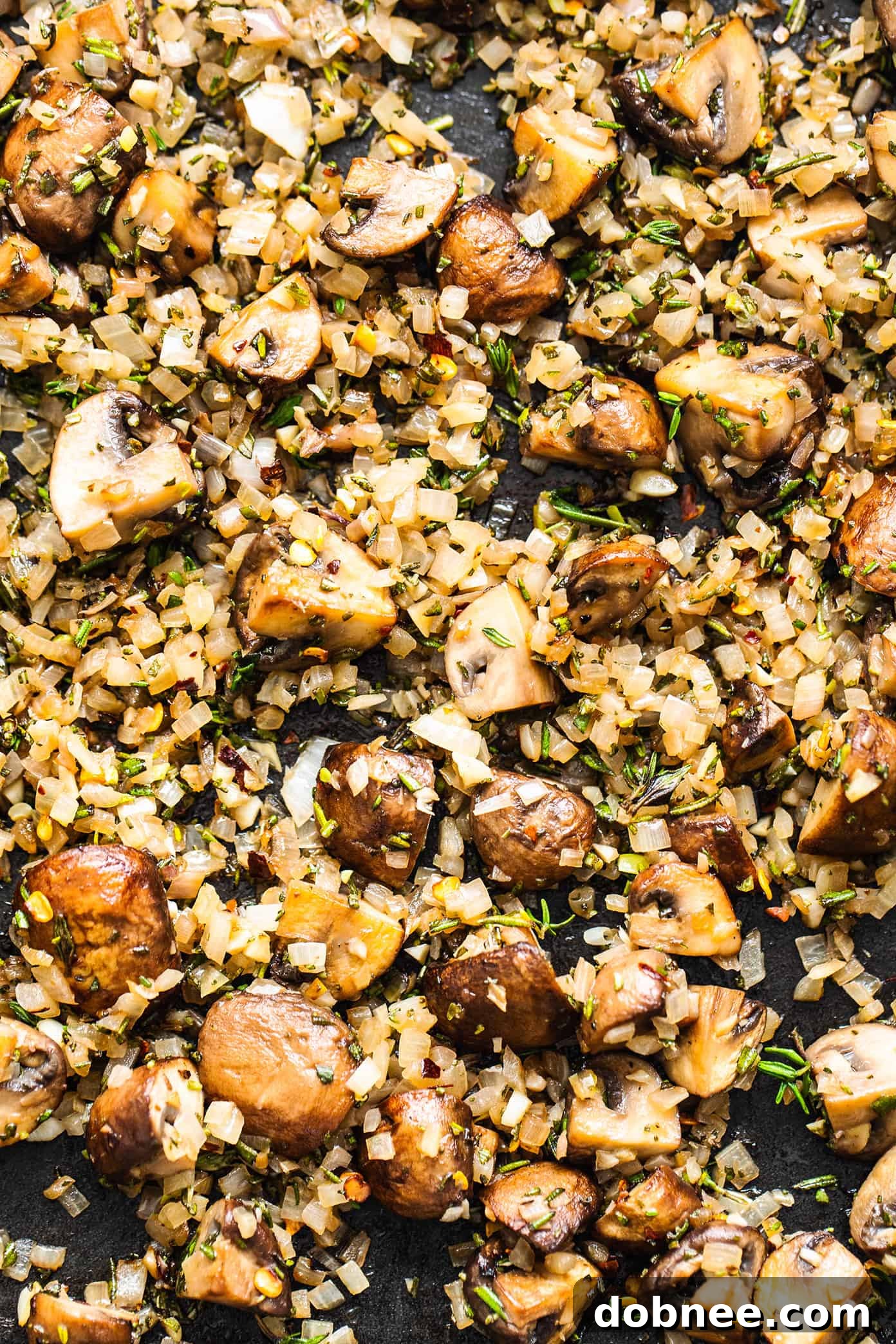
- Sauté the Aromatics and Mushrooms: Add the quartered baby bella mushrooms to the pan with the pancetta grease. Sauté, stirring occasionally, until they are beautifully browned and have released their moisture. Then, add the chopped shallots, minced garlic, fresh rosemary, fresh thyme, crushed red pepper flakes, and a few twists of black pepper. Continue to sauté for about 3 minutes, stirring frequently, until the shallots soften and the aromatics are fragrant.
- Build the Sauce Base: Gradually pour in the dry white wine, using a wooden spoon to scrape up any browned bits from the bottom of the pan – this is where much of the flavor resides! Stir in the crushed tomatoes and tomato paste, mixing until well combined. Return the cooked pancetta to the sauce.
- Chop and Add Porcini: Transfer the softened porcini mushrooms from the broth to a cutting board and roughly chop them into bite-sized pieces. Add the chopped porcini to the tomato sauce. Carefully measure and add 1 ½ cups of the porcini mushroom broth to the sauce. It’s crucial to filter this broth through a fine-mesh strainer to ensure no grit or silt from the dried mushrooms makes its way into your sauce.
- Simmer the Sauce: Reduce the heat to medium-low and allow the sauce to simmer gently for about 15 minutes. This simmering time allows the flavors to meld beautifully and the sauce to thicken slightly. This should roughly coincide with the pasta cooking time.
- Cook the Pasta: While the sauce simmers, add your chosen pasta to the boiling, salted water. Cook according to package directions until it is 1 minute shy of al dente. Before draining, reserve 1 cup of the starchy pasta water – this will be essential for adjusting the sauce consistency. Then, drain the pasta.
- Finish the Dish: Stir the heavy cream into the simmering tomato sauce until thoroughly combined and heated through. Transfer the drained pasta directly into the large skillet or Dutch oven with the sauce. Gently toss the pasta with the sauce for 1-2 minutes, allowing it to absorb the flavors and finish cooking to a perfect al dente texture. If the sauce appears too thick, add a few spoonfuls of the reserved starchy pasta water at a time until the desired consistency is achieved. Taste the pasta and sauce, then season with additional salt and pepper as needed.
- Serve Immediately: Ladle the hot Pasta alla Boscaiola into bowls. Garnish each serving generously with freshly-grated Parmesan cheese. Enjoy!
Recommended Equipment
Having the right tools can make all the difference in your cooking experience:
- Dried Porcini Mushrooms (for deep flavor)
- Crushed Red Pepper Flakes (for a hint of warmth)
- Dutch Oven or large, deep skillet (ideal for simmering the sauce)
- Fine-mesh strainer (for filtering porcini broth)
Recipe Notes & Inspiration
This recipe has been thoughtfully adapted from reputable culinary sources, including Serious Eats and Rachael Ray, combining their best elements with my personal favorite twists to create this irresistible version.
More Classic Italian Pasta Recipes to Explore
If you’ve fallen in love with the comforting flavors of Pasta alla Boscaiola, you’ll surely enjoy these other classic Italian pasta dishes that are staples in our home:
- Pasta Carbonara: A creamy, egg-based sauce with crispy guanciale or pancetta.
- Pasta Marinara: The timeless simplicity of a perfectly seasoned tomato sauce.
- Pasta Arrabbiata: A fiery tomato sauce with garlic, chilies, and herbs.
- Pasta Aglio e Olio: A deceptively simple yet incredibly flavorful pasta with garlic and olive oil.
We hope you enjoy preparing and sharing this delightful Pasta alla Boscaiola. It’s more than just a meal; it’s an invitation to savor the rich traditions of Italian cooking in your own kitchen.