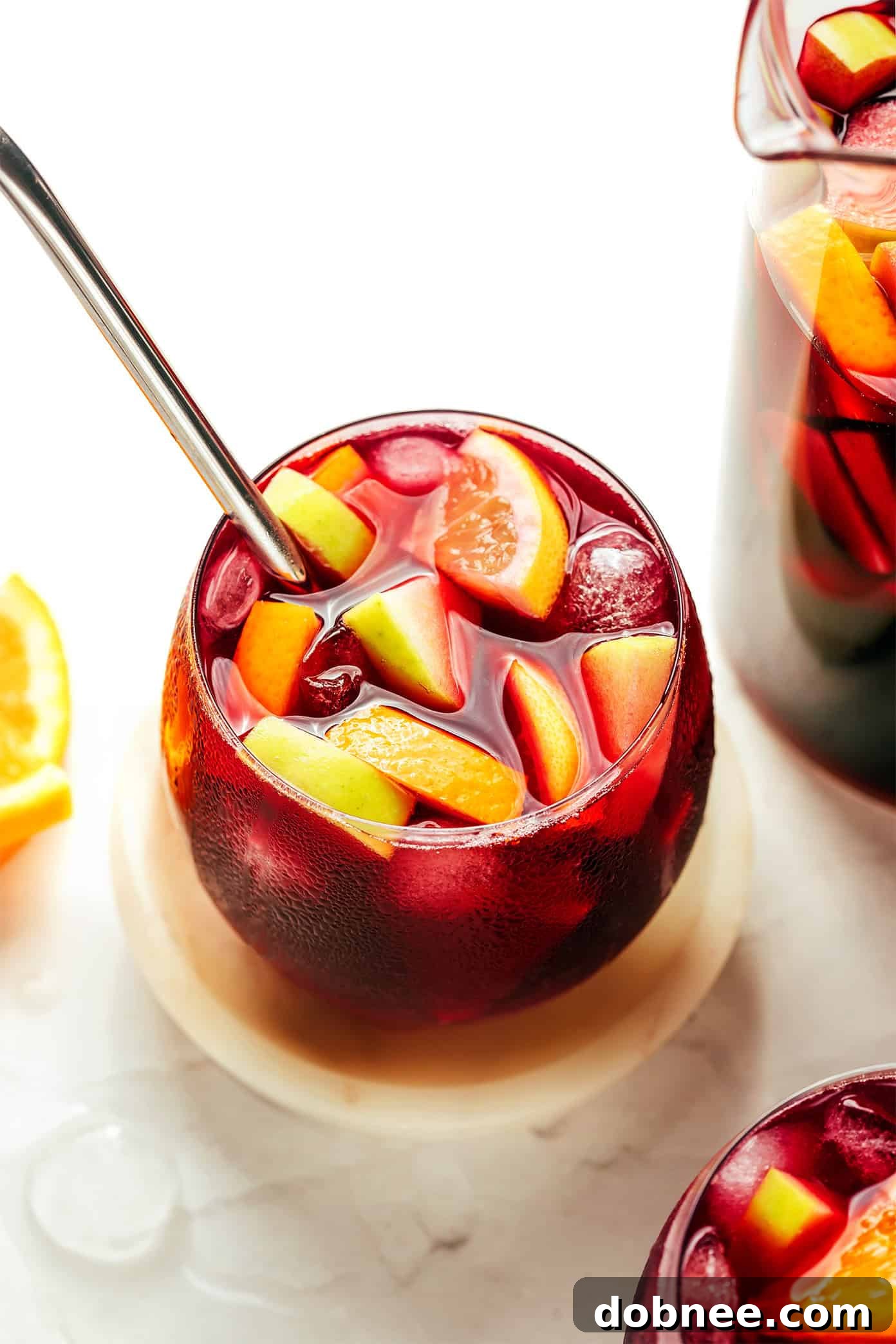
Mastering Authentic Spanish Sangria: The Ultimate Easy Recipe Guide
Uncover the secrets to crafting genuine Spanish sangria with this incredibly simple and versatile recipe. Requiring just a few minutes of preparation, it’s effortlessly customizable with your preferred wine and seasonal fruits, making it the perfect beverage for any gathering or celebration. Dive into the refreshing world of traditional Spanish flavors!
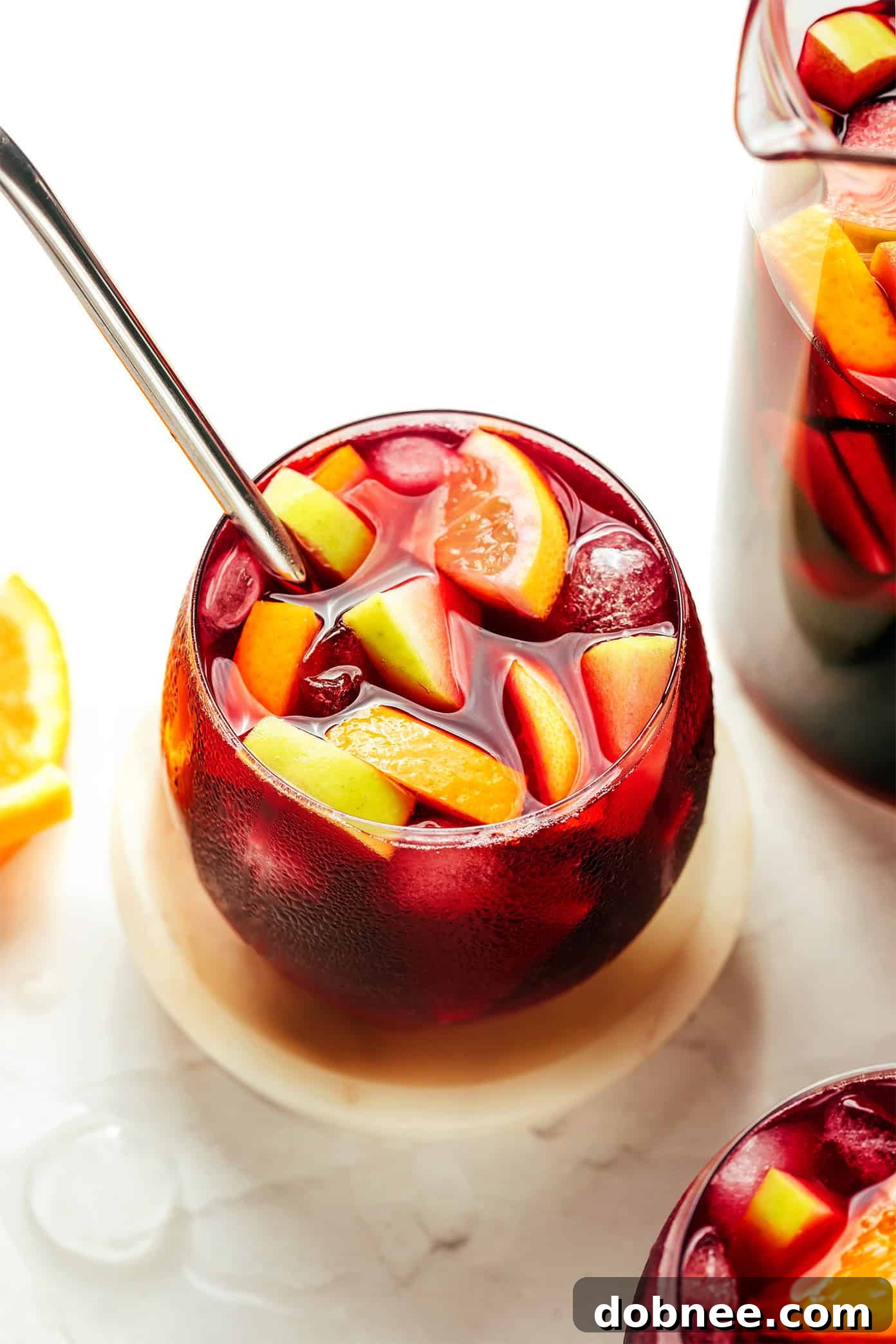
The Surprising Truth About Sangria in Spain
Ever since we made the move to Barcelona, I’ve been inundated with requests for an authentic Spanish sangria recipe. Yet, as many discover upon arrival, there’s a surprising reality: true locals here don’t actually consume much sangria. This fact often comes as a complete revelation to visitors and even to newcomers like us!
Walk into almost any restaurant or lively square across Spain, and you’ll quickly notice that it’s almost always the tourists who are enjoying pitchers of ruby-red sangria on their tables. When Spaniards crave a cold, invigorating drink, their preferences lean towards a diverse array of local specialties. For instance, in Catalonia, a glass of vermut (vermouth) is a popular aperitif, often served chilled with a slice of orange and an olive. Journey to the green landscapes of Asturias, and you’ll find locals enthusiastically sipping sidra, a crisp, natural apple cider poured from a height to aerate it. Head south to regions like Andalusia, and the refreshing tinto de verano—a simple mix of red wine and lemon soda—is the undisputed champion. And in the vibrant Basque Country, the intriguing kalimotxo, a blend of red wine and Coca-Cola, offers an unexpectedly delicious and popular choice. These regional beverages highlight the rich and varied tapestry of Spain’s drinking culture, often eclipsing sangria in daily local life.
Despite sangria not being a daily local drink, Spaniards proudly acknowledge its heritage and invention. While the precise details of its origins are a bit murky, historians suggest the concept of mixing wine with fruit and spices dates back to ancient Roman times, when early forms of ‘hippocras’ were consumed. My Spanish friends were quick to clarify that while not a regular fixture, they do occasionally prepare a large batch of sangria at home, particularly during the hot summer months. It’s especially favored for larger gatherings, barbecues, or celebrations, serving as a cost-effective and enjoyable way to provide drinks for a crowd. However, given the incredible abundance of high-quality, surprisingly affordable wines available throughout Spain, most locals would much prefer to savor their exquisite regional wines unadulterated, appreciating their pure flavors rather than diluting them into a punch.
Why Homemade Sangria is a Summer Entertaining Essential
Even acknowledging that sangria might be perceived as more of a “touristy” drink within Spain itself, I absolutely adore making it, especially as the warmer seasons arrive. It has long been my unwavering go-to cocktail for summer entertaining, and for numerous compelling reasons. Firstly, its preparation is incredibly quick and fuss-free, typically taking less than 10 minutes to assemble. This ease makes it a perfect choice for impromptu gatherings or when you want to minimize time spent in the kitchen.
Secondly, sangria is remarkably affordable and an ingenious way to utilize inexpensive wine or leftover bottles you might have on hand, transforming them into something truly delightful. Thirdly, its completely customizable nature is a massive advantage. You can effortlessly adapt it with your favorite seasonal fruits, creating a vibrant, colorful, and fresh concoction every time. Imagine bright berries, juicy peaches, or exotic mangoes infusing their flavors into the wine—a true taste of summer in a glass.
Furthermore, sangria consistently delivers a taste that is exquisitely light, crisp, and wonderfully refreshing—qualities that are absolutely essential for beating the summer heat. It’s also incredibly convenient to prepare a few hours, or even a day, in advance. This foresight allows all the delicious flavors to meld and deepen beautifully, making it an ideal make-ahead drink for stress-free summer entertaining. In my extensive experience, a pitcher of homemade sangria is always, without fail, a massive hit with any crowd, guaranteeing happy guests and a festive atmosphere. So, whether you’re hosting a backyard BBQ, a pool party, or simply enjoying a relaxing evening, authentic Spanish sangria is a guaranteed crowd-pleaser that embodies the spirit of summer.
The History and Evolution of Sangria
The story of sangria is as rich and intricate as the drink itself, a journey spanning centuries and continents. While synonymous with Spain today, the fundamental concept of blending wine with fruit and spices has roots that trace back to ancient times, possibly even to the Roman Empire. As the Romans expanded their empire and introduced viticulture across the Iberian Peninsula, they commonly mixed wine with water, herbs, and spices. This was not only to enhance its taste but also, importantly, to make it safer for consumption in an era when water sources were often unreliable. This early, sweetened and spiced wine, known as “hippocras,” was a precursor to what we now recognize as sangria.
The term “sangria” itself, derived from “sangre,” the Spanish word for blood, likely emerged in the 18th century, a direct reference to its characteristic deep red hue. Over the following centuries, it gained widespread popularity throughout Spain and Portugal as a refreshing, fruit-laden punch, particularly among rural populations who artfully utilized local, seasonal fruits and readily available inexpensive wines. This traditional drink embodied a resourceful spirit, transforming simple ingredients into a delightful beverage.
With the tides of European exploration and colonization, sangria’s influence gradually spread across the Americas. Its significant introduction to the United States occurred at the 1964 World’s Fair in New York, where it was prominently featured at the Spanish Pavilion. Here, it instantly captivated American palates, solidifying its place in international cocktail culture. Today, while its everyday consumption in Spain may be more observed among tourists, its historical legacy as a versatile, enjoyable beverage for celebrations and social gatherings remains undeniable, embodying a timeless tradition of conviviality and refreshment that has endured for generations.
Essential Ingredients for Authentic Spanish Sangria
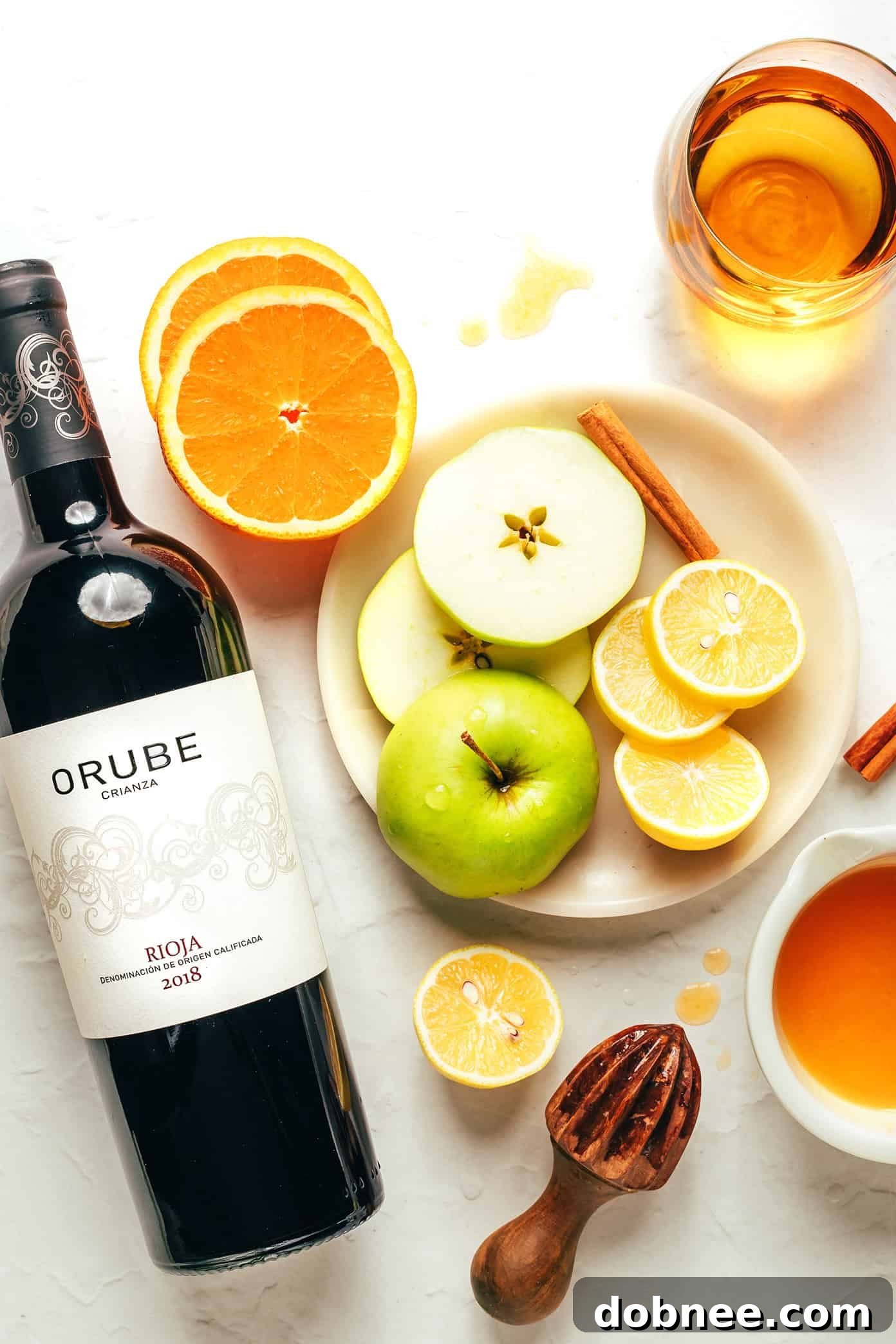
When you consult Spanish bartenders on the “correct” method for preparing sangria, they will be the first to inform you that, technically, there is no single, universally standardized recipe. Sangria is, at its heart, a versatile wine punch, defined by the harmonious blend of seasonal fruit, a touch of sweetener, a generous splash of brandy, and sometimes, a hint of fizz. Beyond these fundamental elements, the specific details are entirely yours to decide and experiment with! I’ve put together a comprehensive guide below, outlining the ingredients most commonly found in traditional Spanish sangria, along with abundant tips for personalizing your own unique concoction:
- Spanish Red Wine: As the world’s third-largest wine producer, Spain’s viticultural heritage runs deep, and Spaniards would adamantly insist on a respectable Spanish red wine for your sangria. While there’s no need to splurge on an expensive bottle, a good quality, fruit-forward red wine will make a noticeable difference. Rioja is an incredibly popular and excellent choice, often crafted from a blend of Garnacha and/or Tempranillo grapes, renowned for their robust flavors and beautiful aromatics. Remember, sangria provides the perfect canvas to elevate any inexpensive or leftover wine you might have, transforming it into something spectacular. Opt for younger, more vibrant reds that complement the fresh fruit rather than older, more complex vintages.
- Brandy: This spirit is almost an indispensable component in most authentic Spanish sangria recipes, imparting a delightful depth and warmth that beautifully balances the sweetness of the fruit. Should brandy not be on hand, feel free to substitute it with cognac, which offers a similar rich, aged profile. For those who prefer a brighter, more citrus-forward flavor, an orange liqueur such as Cointreau, Grand Marnier, or Triple Sec can also be a wonderful addition, enhancing the fruit without overpowering the wine.
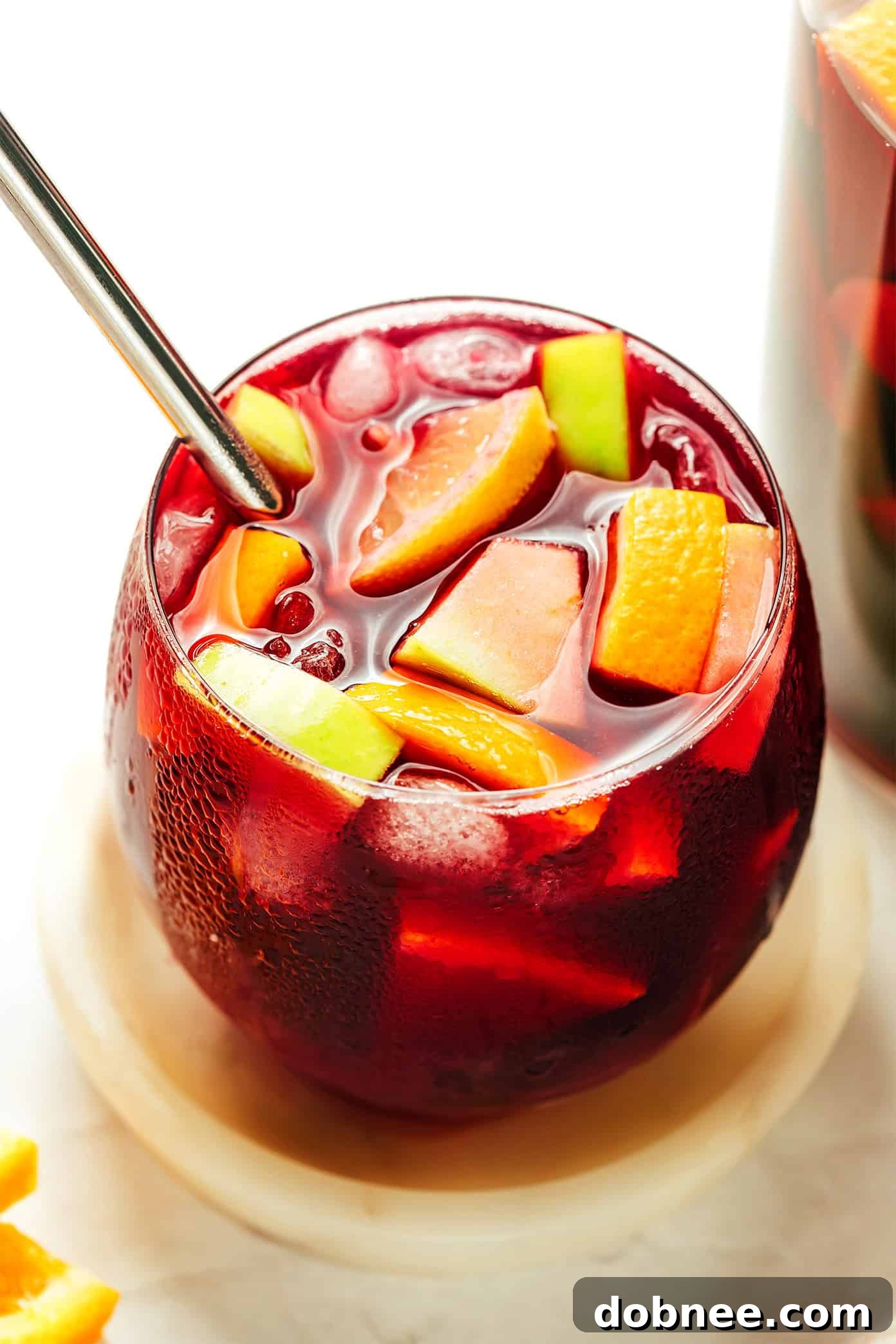
- Fresh Chopped Fruit: The traditional trio of fruits you’ll most often encounter in Spanish sangria are juicy oranges, tangy lemons, and crisp green apples. These offer a superb balance of sweet, tart, and refreshing textures. However, the beauty of sangria lies in its flexibility. Feel completely free to incorporate any other ripe, juicy fruits you happen to have on hand. Seasonal favorites like succulent peaches, plump berries (strawberries, raspberries, blueberries), sweet grapes, tropical pineapple chunks, or even vibrant slices of mango and kiwi all make delicious additions. The key is to use fresh, ripe fruit that will naturally infuse its aromatic essence into the wine mixture.
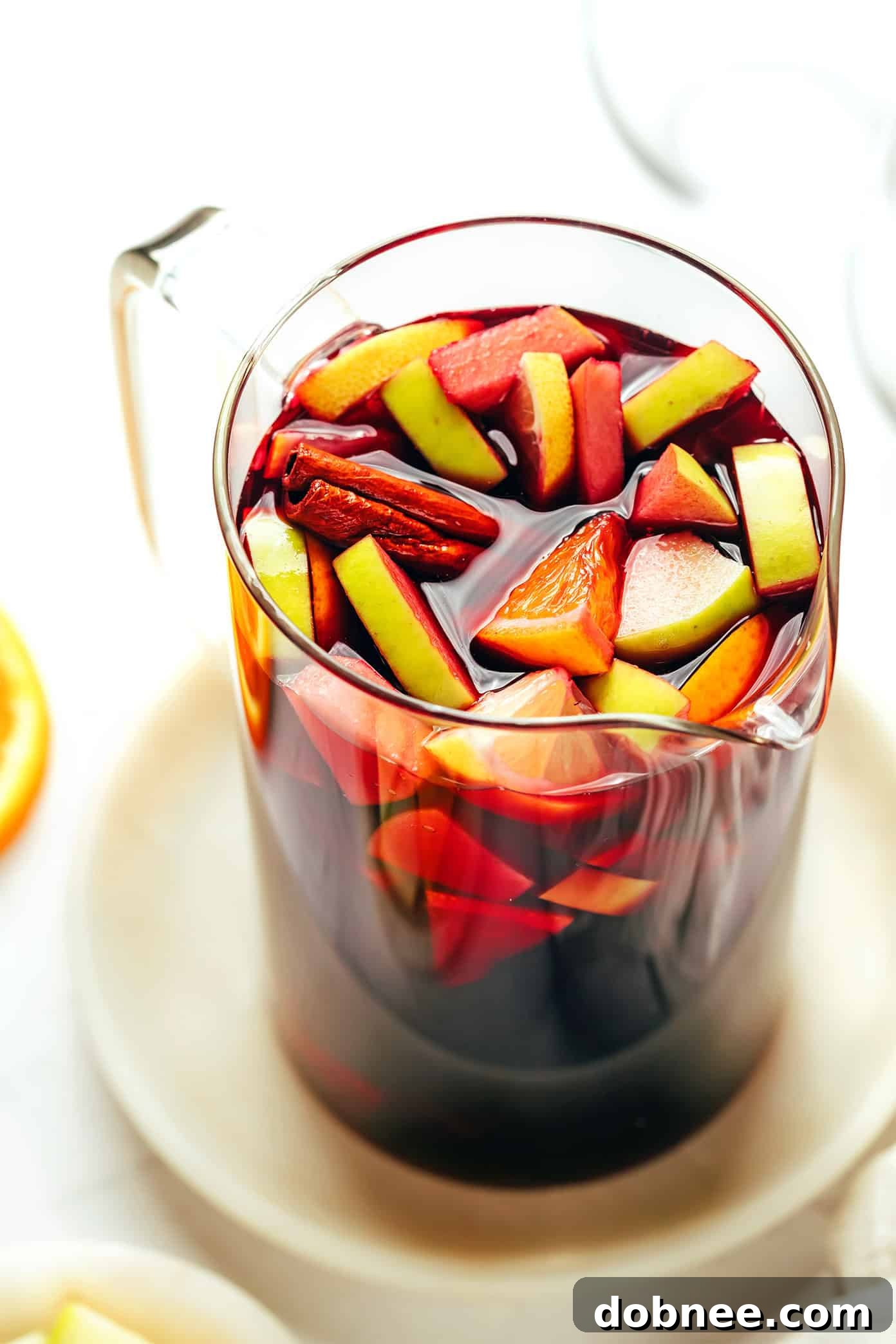
- Cinnamon Stick: This was a delightful revelation after moving to Spain – almost every authentic pitcher of sangria here features a whole cinnamon stick gently infusing amidst the fruit. It bestows a subtle yet wonderfully warming spice note and an enticing aroma that elevates the entire drink, moving it beyond a simple fruit punch to a more sophisticated and layered cocktail. Do not overlook this authentic touch!
- Sweetener: The amount of sweetener you add is entirely dependent on your personal taste preference, as well as the inherent sweetness of your chosen wine and fruits. In Spain, granulated sugar or brown sugar are the customary choices. To ensure a seamless dissolution and integration into the cold liquid, it’s often prepared as a simple syrup (equal parts boiling water and sugar, stirred until fully dissolved and then cooled). For those seeking natural alternatives, maple syrup or honey can also be used, each lending its own unique flavor profile.
- Bubbles (Optional): Whether to introduce a fizzy element to your sangria is purely a matter of personal preference. I personally prefer my sangria still, allowing the full depth of the wine and fruit flavors to shine. However, if you enjoy a touch of effervescence, you can easily top off individual glasses with a light soda such as Sprite, La Casera (a popular Spanish lemon-lime soda), or ginger ale just before serving. For a less sweet option, sparkling water can also add a refreshing lift without additional sugars. This effervescent element should always be added at the moment of serving to maintain maximum carbonation.
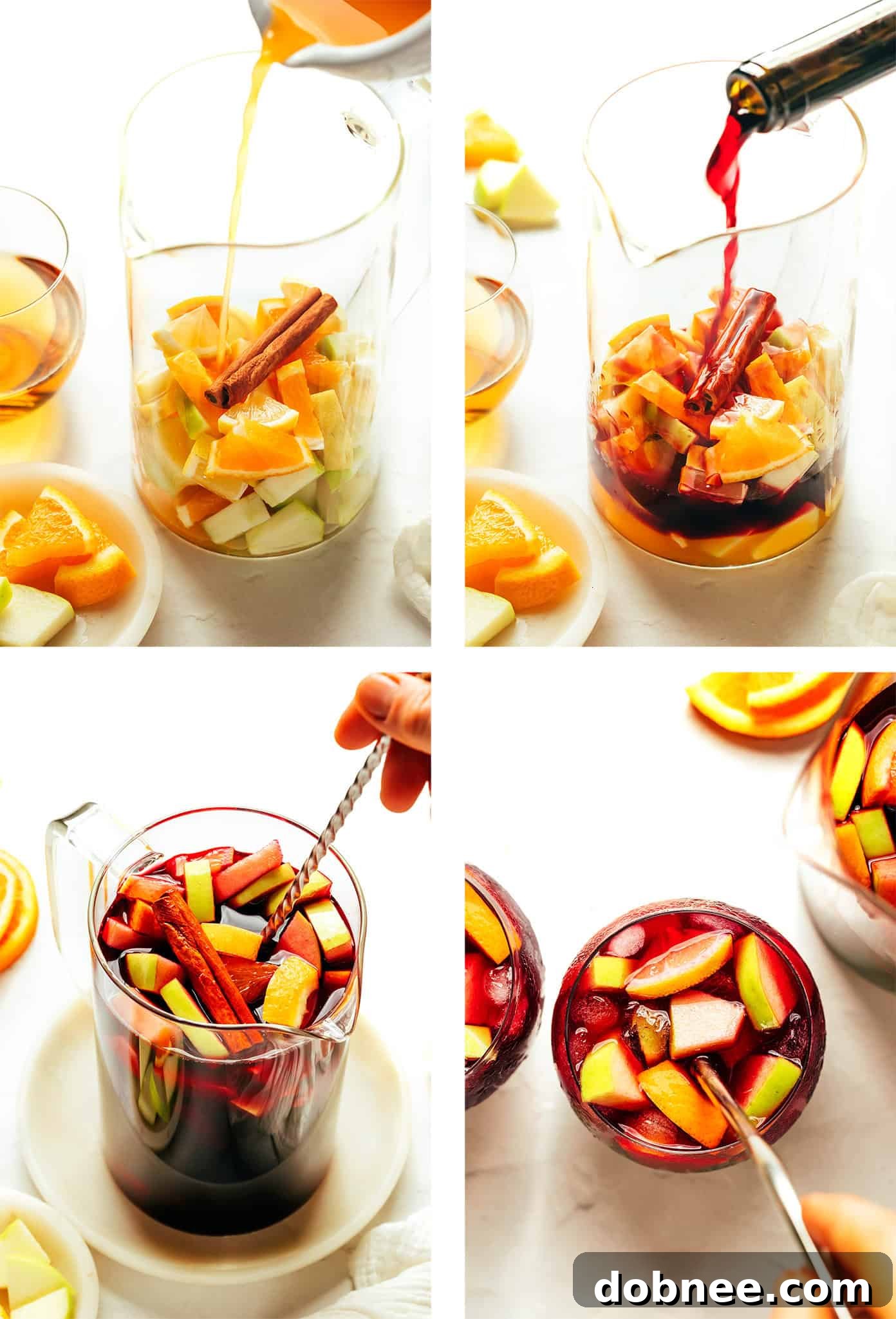
Crafting Your Own Spanish Sangria: A Simple Step-by-Step Guide
Preparing homemade sangria couldn’t be simpler, requiring minimal effort to achieve maximum flavor and refreshment. Follow these easy steps to create a delightful pitcher of authentic Spanish sangria that will impress any guest:
- Prepare Your Fruit: Start by thoroughly washing and preparing your fresh fruit. Dice the orange, lemon, and green apple into evenly sized pieces. Aim for uniform, bite-sized chunks that are easy to eat and effectively release their flavorful juices into the wine. For an extra burst of citrus, you might lightly muddle a few of the fruit pieces at the bottom of your pitcher.
- Combine the Ingredients: In a large, sturdy pitcher (ideally one that can hold at least 2 liters), carefully combine all the prepared diced fruit, the two bottles of Spanish red wine, the measured 1/2 cup of brandy, the freshly squeezed juice of one orange, and the aromatic cinnamon stick. Give all the ingredients a gentle stir to ensure they are well mixed and the infusion process can begin immediately.
- Adjust Sweetness (Optional): At this stage, it’s crucial to taste the mixture. Depending on the natural sweetness of your wine and fruit, you might desire a sweeter sangria. If so, gradually add a tablespoon or two of simple syrup (or your preferred natural sweetener like maple syrup or honey) at a time. Stir thoroughly after each addition and taste again until the sangria reaches your desired level of sweetness. Remember, you can always add more, but you cannot take it away!
- Chill for Flavor Infusion: This step is paramount for developing the full, rich depth of flavor that defines a great sangria. Cover the pitcher tightly with a lid or plastic wrap and place it in the refrigerator. Allow the sangria to chill for a minimum of 30 minutes. For truly optimal flavor integration, and to allow the fruit to properly macerate in the wine and brandy, releasing their delicious essences, aim for a chilling period of up to 4 hours. For an even richer and more complex flavor profile, chilling it overnight is highly recommended.
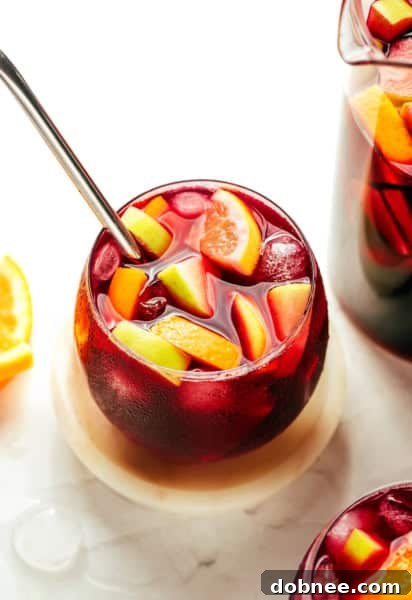
- Serve and Enjoy: Once the sangria is perfectly chilled and the flavors have melded, it’s ready to be served. Pour the sangria over ice into individual glasses. If you’ve chosen to include a fizzy element, top off each glass with a splash of lemon-lime soda, ginger ale, or sparkling water right before serving to preserve its effervescence. For an appealing presentation, garnish each glass with a fresh slice of orange, a sprig of mint, or a few extra fruit pieces.
Creative Sangria Recipe Variations & Customization Tips
The true brilliance and appeal of sangria lie in its incredible adaptability; it’s less a rigid, exact formula and more a dynamic method that wholeheartedly invites creativity and personalization. Feel empowered to gather whatever ingredients you have readily available in your kitchen and confidently craft a batch that is perfectly tailored to your palate, the season, and the specific occasion. Here are some inspiring ideas to help you embark on your sangria customization journey:
- Explore Different Wines: While traditional Spanish sangria classically features red wine, do not hesitate to venture beyond! A crisp, dry Spanish white wine or a vibrant rosé can be used to create an equally delightful “White Sangria” or “Rosé Sangria.” These lighter alternatives offer a brighter, often more refreshing profile, perfect for scorching afternoons. For a truly festive and celebratory touch, consider using Cava, Spain’s renowned sparkling wine, to craft an elegant and bubbly sparkling sangria.
- Experiment with Liqueurs: Beyond the customary brandy, a rich array of liqueurs can dramatically enhance your sangria’s character. Cognac offers a superb, perhaps slightly more refined, alternative to standard brandy. Orange liqueurs such as Cointreau, Grand Marnier, or Triple Sec are excellent choices to amplify the inherent citrus notes in your fruit. For a deeper, more robust flavor profile, consider adding a splash of dark rum, or even a nuanced cherry or berry liqueur to introduce intriguing layers of complexity.
- A Bounty of Fruits: Sangria serves as the ultimate canvas for showcasing an abundant medley of fresh or even frozen fruits. Any juicy fruit will truly shine here. Expand beyond the traditional trio and incorporate succulent seasonal berries (such as strawberries, blueberries, or raspberries), sweet grapes, tropical chunks of pineapple, exotic mango slices, tangy kiwi, or even crisp pear wedges. Mixing and matching fruits based on their seasonality ensures the freshest and most intensely flavorful results. As a bonus, frozen fruit can serve a dual purpose, effectively chilling the drink while slowly releasing its concentrated flavors.
- Aromatic Enhancements: Elevate your sangria’s fragrance and taste with additional aromatic ingredients. Gently muddle a few thin slices of fresh ginger at the bottom of the pitcher for a subtle, zesty kick that brightens the entire drink. A single star anise pod can impart a delicate, liquorice-like warmth and visual appeal, while a couple of whole cloves can add a deeper, more intense spicy note. These subtle additions can profoundly transform the entire character of your sangria, offering unexpected sensory delights.
- Make it Spicy (for the Adventurous): This particular variation, while incredibly delicious, admittedly deviates significantly from traditional Spanish preferences, as Spaniards typically prefer their food and drinks without much heat. However, for those who relish a subtle yet intriguing warmth, muddling a thin slice or two of fresh jalapeño into the pitcher can infuse the sangria with an unexpected and delightful kick. For less heat, ensure you remove all seeds from the jalapeño slice; for more intensity, leave a few seeds in. This adventurous twist beautifully complements the fruit and wine, creating a memorable drinking experience.
Full Recipe: Authentic Spanish Sangria
Classic Spanish Sangria
Rating: 5 out of 5 stars based on 19 reviews
Prep Time: 10 minutes
Total Time: 40 minutes (includes minimum chill time)
Yield: 12 servings
Description
Learn how to make authentic Spanish sangria with this easy sangria recipe. It only takes a few minutes to prep, it’s easy to customize with your favorite wine and fruit, and it’s great for entertaining a crowd!
Ingredients
- 2 bottles Spanish red wine (e.g., Rioja, Garnacha, Tempranillo)
- 1/2 cup brandy
- 2 oranges, one juiced and one diced
- 1 green apple, diced
- 1 lemon, diced
- 1 cinnamon stick
- Optional sweetener: 2-4 tablespoons simple syrup* or maple syrup (to taste)
- Optional bubbles: Lemon-lime soda (like Sprite or La Casera), ginger ale, or sparkling water (for serving)
Instructions
- Combine Primary Ingredients: In a large pitcher, add the two bottles of Spanish red wine, 1/2 cup of brandy, the freshly squeezed juice from one orange, the diced orange (from the second orange), the diced green apple, the diced lemon, and the cinnamon stick. Stir all ingredients thoroughly to combine.
- Taste and Sweeten (If Needed): Taste the sangria mixture. If you prefer a sweeter drink, add a few tablespoons of simple syrup (or maple syrup) at a time, stirring well after each addition, until it reaches your desired level of sweetness.
- Chill for Flavor Development: Cover the pitcher and refrigerate for at least 30 minutes. For optimal flavor infusion and a richer taste, chill for up to 4 hours, or even overnight. This allows the fruit flavors to fully meld with the wine and brandy.
- Serve Perfectly: When ready to serve, pour the well-chilled sangria over ice into individual glasses. If you wish to add a touch of effervescence, top off each glass with a splash of lemon-lime soda, ginger ale, or sparkling water just before serving. Garnish with additional fresh fruit slices if desired.
Notes
*Simple Syrup: To prepare simple syrup, combine equal parts granulated sugar (or honey) with water in a small saucepan. Heat gently over medium heat, stirring constantly, until the sugar (or honey) is completely dissolved. Remove from heat and let it cool before using. Store any leftover simple syrup in a sealed container in the refrigerator for up to two weeks.
Serving Tip: For an extra chilled sangria without diluting it, consider freezing some grapes or additional fruit slices to use as edible ice cubes. This helps maintain the drink’s temperature without watering down its rich flavor.
Discover More Authentic Spanish & Catalan Recipes
Craving more authentic Spanish or Catalan culinary adventures? As residents of Barcelona, we’ve had the distinct pleasure of discovering and mastering several delightful local dishes that truly capture the essence of the region. Here are a few of our top recommendations that we highly encourage you to try in your own kitchen:
- Spanish Gin Tonics: Far from ordinary, this is a sophisticated and artful take on a classic cocktail, embodying Spain’s passionate appreciation for high-quality gin, premium tonics, and elaborate, aromatic garnishes.
- Authentic Gazpacho: Experience the true, refreshing taste of Andalusian summer with this vibrant, chilled tomato and vegetable soup. It’s a healthy, flavorful, and incredibly invigorating dish perfect for warm weather.
- Catalan Tomato Bread (Pa Amb Tomàqet): A deceptively simple yet immensely flavorful staple of Catalan cuisine. This rustic bread, rubbed with ripe tomatoes, garlic, and drizzled with olive oil, is perfect as an appetizer, a side, or a light snack.
- Catalan Chickpeas and Spinach: A hearty, wholesome, and incredibly satisfying dish that beautifully showcases the rich, earthy flavors characteristic of traditional Catalan cooking. It’s a delightful vegetarian option or a robust side.