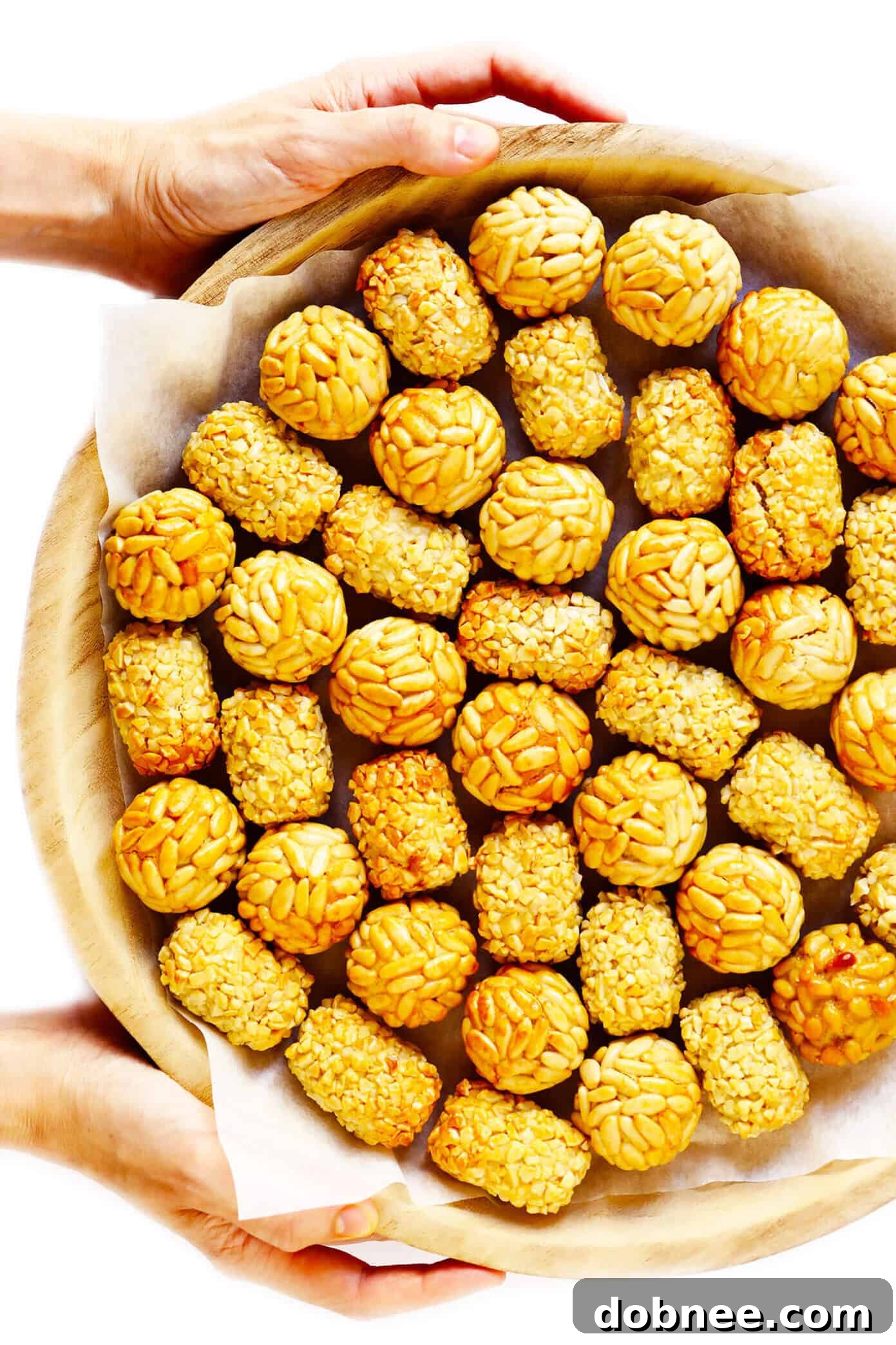
Discover the delightful tradition of Panellets, easy-to-make Catalan marzipan sweets perfect for autumn celebrations.
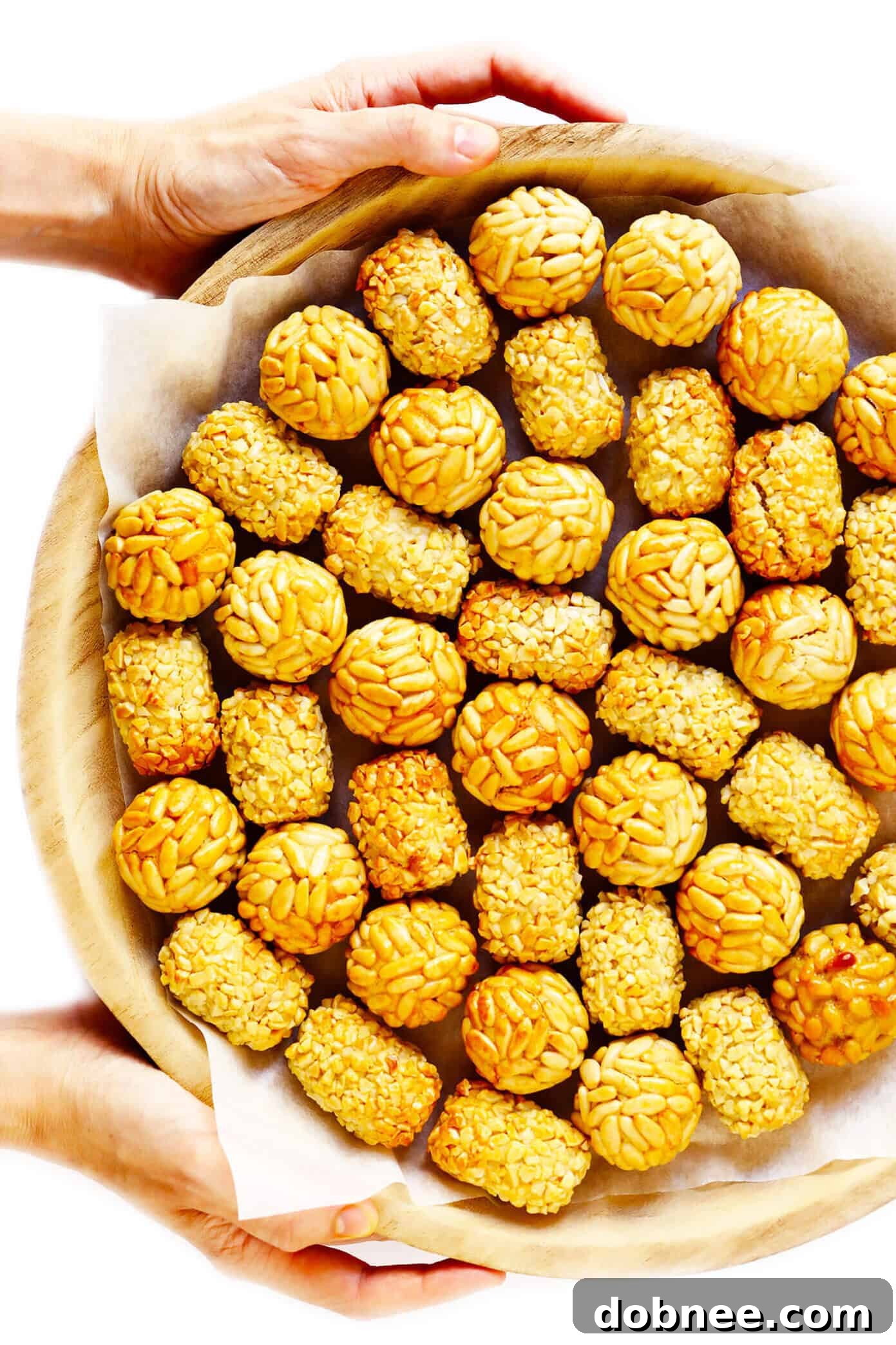
Panellets: A Taste of Catalan Tradition – Your Ultimate Guide to These Marzipan Delights
Bon dia! Stepping into a Catalan bakery as autumn leaves begin to fall introduces you to an enchanting aroma, a prelude to one of Catalonia’s most cherished culinary traditions: panellets. These small, exquisite marzipan sweets are more than just a dessert; they are a symbol of a rich cultural heritage, deeply intertwined with the celebration of All Saints’ Day (Tots Sants) on November 1st, a time known locally as La Castanyada.
The Heart of Catalan Autumn: Unveiling the Magic of Panellets
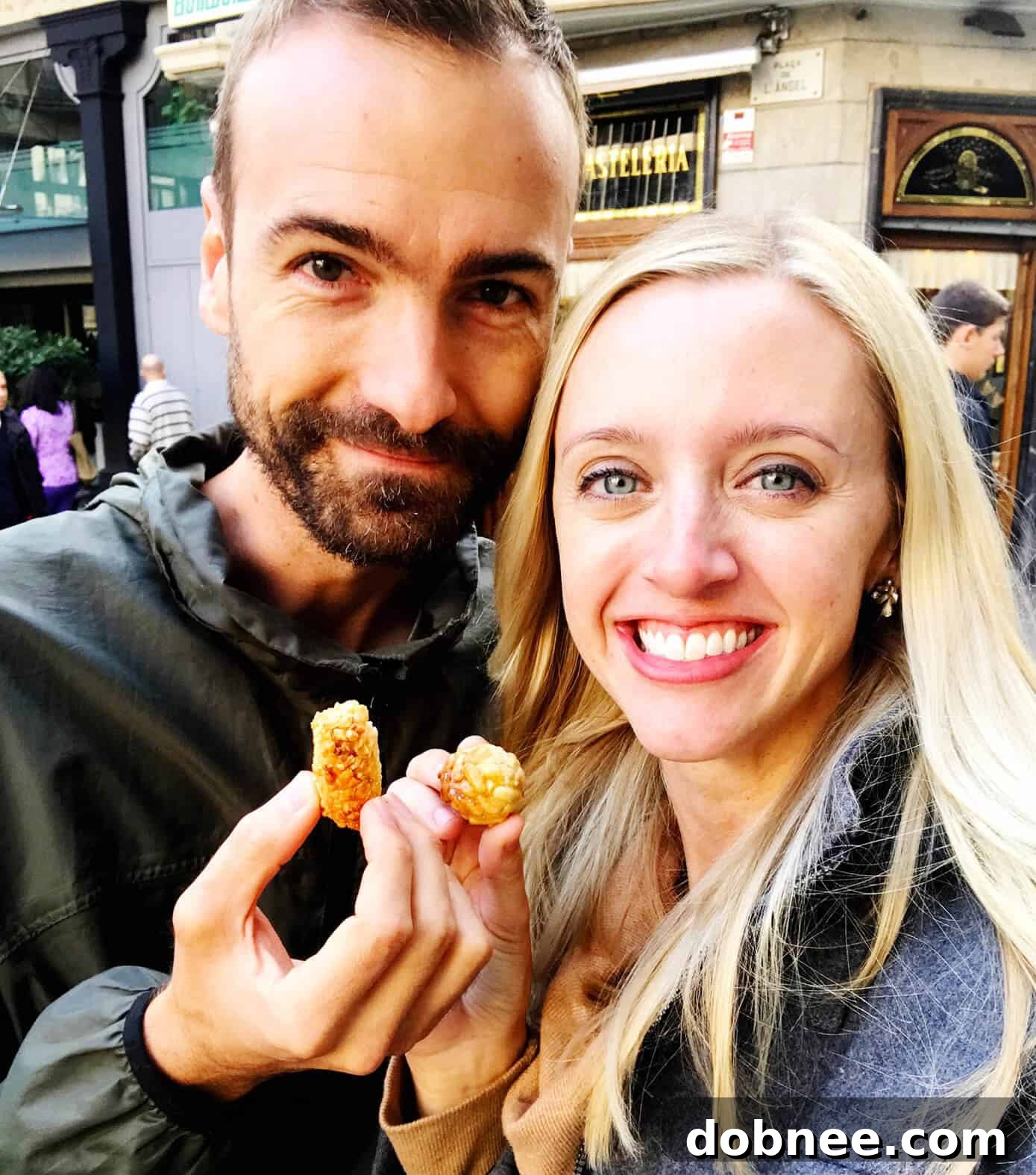
Before my move to the vibrant city of Barcelona, the concept of panellets was entirely new to me. It wasn’t long, however, before a kind local friend, a gem discovered through a blog reader message, insisted that trying these seasonal treats from a traditional neighborhood bakery was an absolute must. That first bite was an instant revelation, a sweet initiation into a beloved Catalan custom that has since become a cherished part of my autumn experience here.
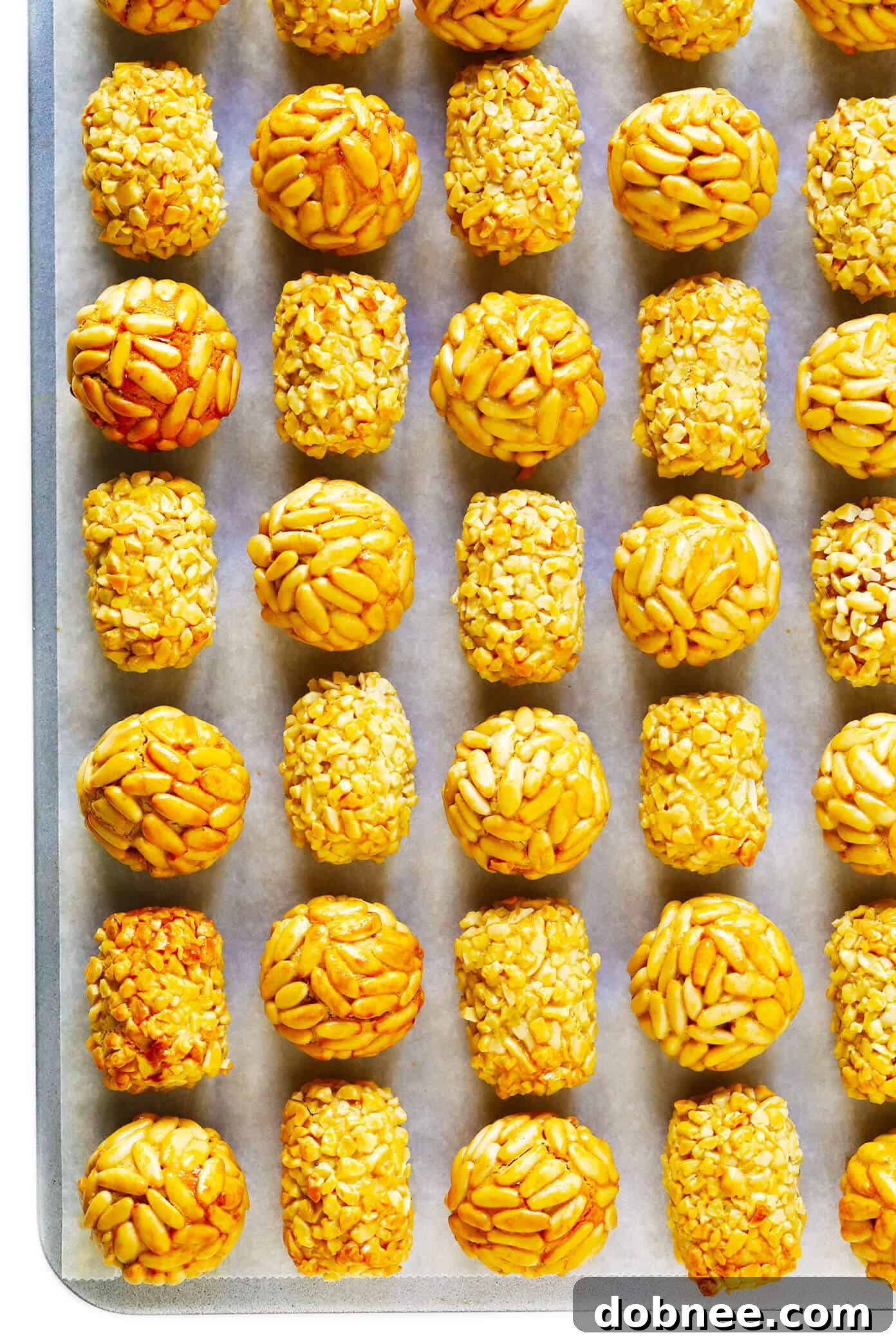
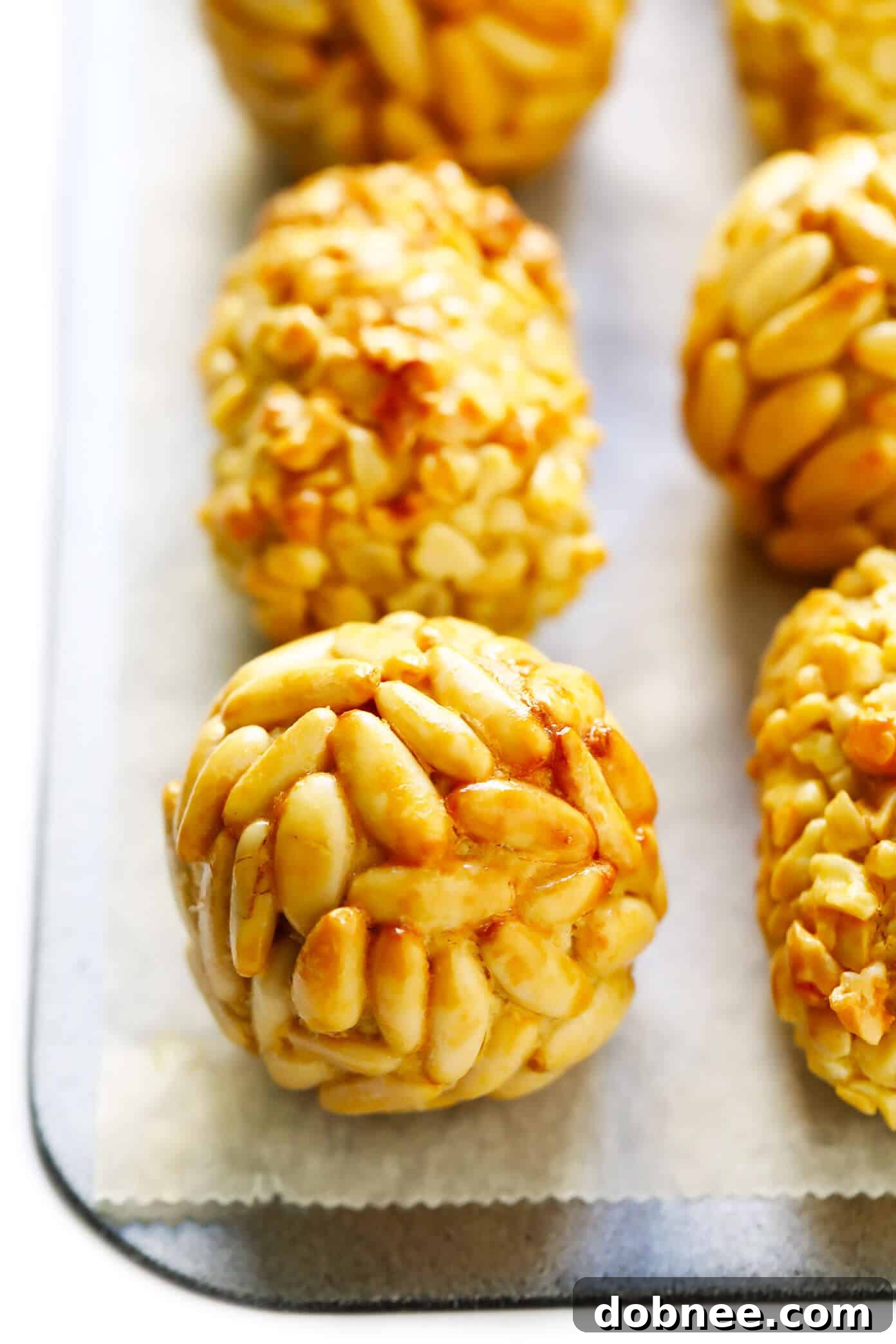
Pronounced pah-neh-yets, these delightful confections make their brief, annual appearance in bakeries and homes across Catalonia, typically available for only a few weeks leading up to All Saints’ Day. This period coincides with La Castanyada, a popular autumn festival where panellets are traditionally served alongside roasted chestnuts (castanyes) and enormous baked sweet potatoes (moniatos). This trio creates a festive spread that perfectly warms both body and soul during the cooler months. What makes panellets truly captivating is their incredible diversity; you can find at least a dozen different flavors in any good bakery, each often distinguished by its unique shape, but all sharing a common, sweet, almond-infused marzipan core. While endless varieties exist, our personal favorites, and arguably the most iconic, are the round pine nut panellets and the oval-shaped almond panellets. Beyond these classics, the creative possibilities are vast, allowing for customization with ingredients ranging from shredded coconut and rich cocoa to aromatic coffee, tangy quince paste, or vibrant glacé cherries. Each offers a unique texture and flavor profile, making panellets a truly versatile sweet.
Our Panellet-Making Adventure: A Culinary Friendship Blossoms
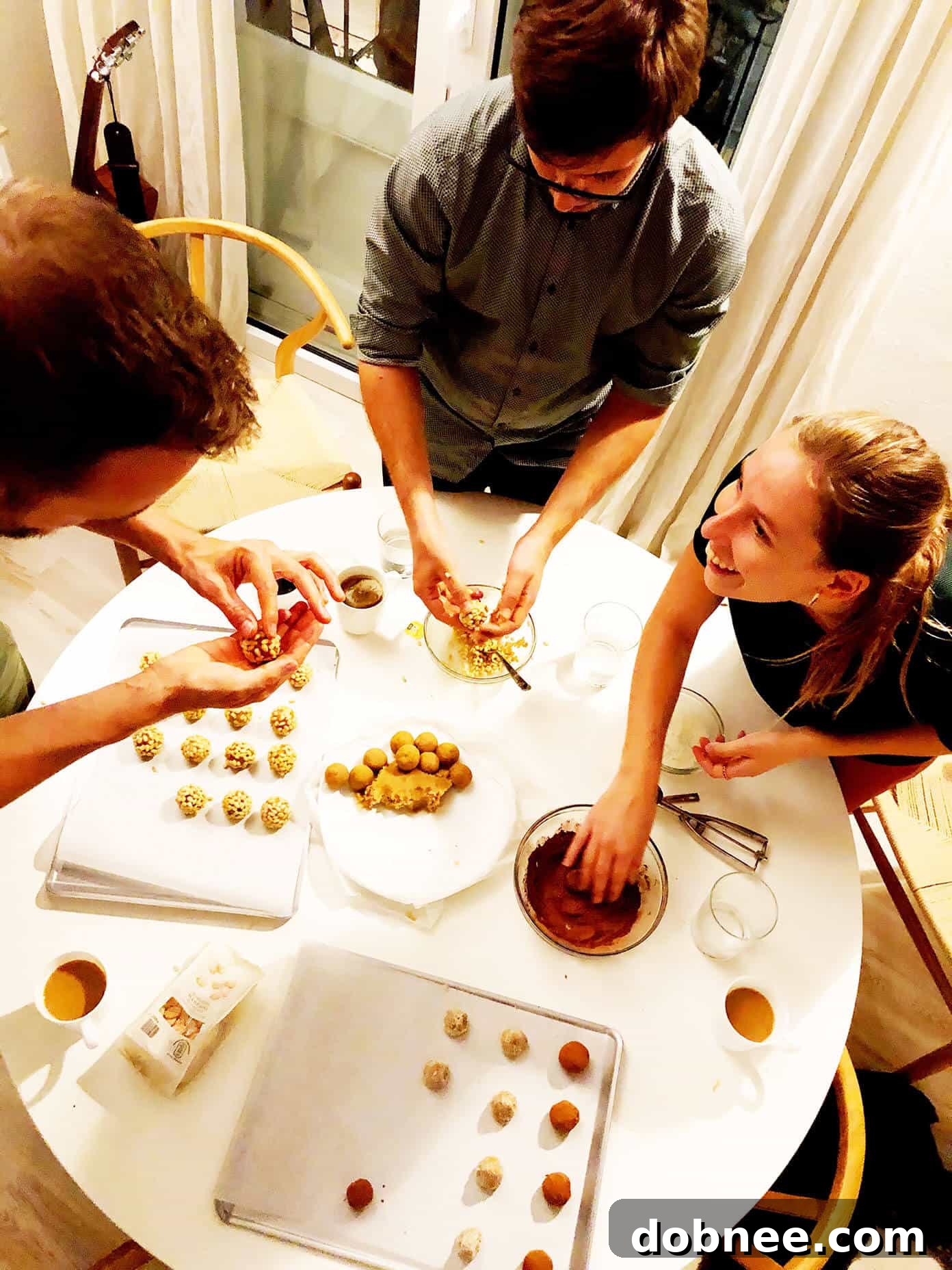
This past year, as All Saints’ Day approached, an impromptu plan with that same wonderful friend and her partner transformed a simple sushi dinner into a memorable homemade panellet-making party. Our eager “yes, please!” set the stage for an evening filled with laughter, culinary teamwork, and the irresistible scent of baking marzipan. My partner, Barclay, took charge of dinner, preparing a comforting batch of cauliflower curry. Meanwhile, my friend Laura and I collaborated on crafting the star of the show: the lemony almond flour marzipan dough. Her partner, Dani, became our invaluable “quality control” expert, ensuring all the toppings were perfectly prepped and ready for action. Together, the four of us spent the evening rolling dozens of panellets, meticulously covering them with nuts, and watching with anticipation as they baked to golden perfection in the oven. It was a resounding success – our very first homemade panellets, emerging flawless and fragrant!
The immediate indulgence of warm panellets, fresh from the oven, was absolutely heavenly. The remaining treats were carefully boxed up, destined for our neighbors who always enjoy our culinary explorations into traditional Catalan cuisine. Following a post about our panellet party on Instagram, the overwhelming request for the recipe prompted us to embark on a second batch. This allowed me to meticulously document Laura’s expert guidance, ensuring I could share this authentic recipe with all of you, just in time for All Saints’ Day. So, for anyone eager to experience the joy of making these unique Catalan sweets, here is the traditional method Laura graciously shared with us, refined for clarity and ease of preparation.
Crafting Authentic Panellets: Key Ingredients You’ll Need
Creating these exquisite Catalan marzipan sweets requires a handful of simple yet essential ingredients. For the most traditional pine nut and almond varieties, gather the following carefully selected components:
- Almond Flour (or Almond Meal): This ingredient forms the foundational base of your marzipan dough, giving panellets their characteristic rich, nutty flavor and delicate, slightly chewy texture. For the smoothest dough, opt for finely ground almond flour. It’s the star that defines the marzipan.
- Potato: A somewhat unexpected but entirely traditional ingredient, cooked and mashed potato (such as a Yukon Gold or similar waxy variety) is incorporated into the marzipan dough. It serves several important functions: it helps bind the ingredients together, adds a subtle moisture, and contributes significantly to the panellets’ tender, melt-in-your-mouth interior. A small potato can be quickly cooked in the microwave until tender, or you can opt to boil or bake it. Ensure it’s fully mashed with no lumps.
- Sugar: While many traditional recipes often call for white granulated sugar, we successfully used brown sugar for both of our batches. Brown sugar lends a slightly deeper, more complex sweetness with subtle caramel notes that complement the almond beautifully. Feel free to choose based on your preference.
- Eggs: Eggs play multiple crucial roles in this panellet recipe. One egg is mixed directly into the dough to help bind the ingredients and add structure. Another egg, whisked in a separate bowl, acts as a ‘glue’ to help the pine nuts or almonds adhere firmly to the marzipan balls, ensuring a good coating. Finally, a third egg, used as a light egg wash and brushed over the panellets before baking, gives them that beautiful, glossy golden sheen and helps prevent cracking.
- Lemon Zest: The bright, fragrant zest of a fresh lemon is an essential aromatic element. It cuts through the sweetness and richness of the marzipan, adding a vibrant citrus note that elevates the overall flavor profile of the panellets, providing a delightful contrast and freshness.
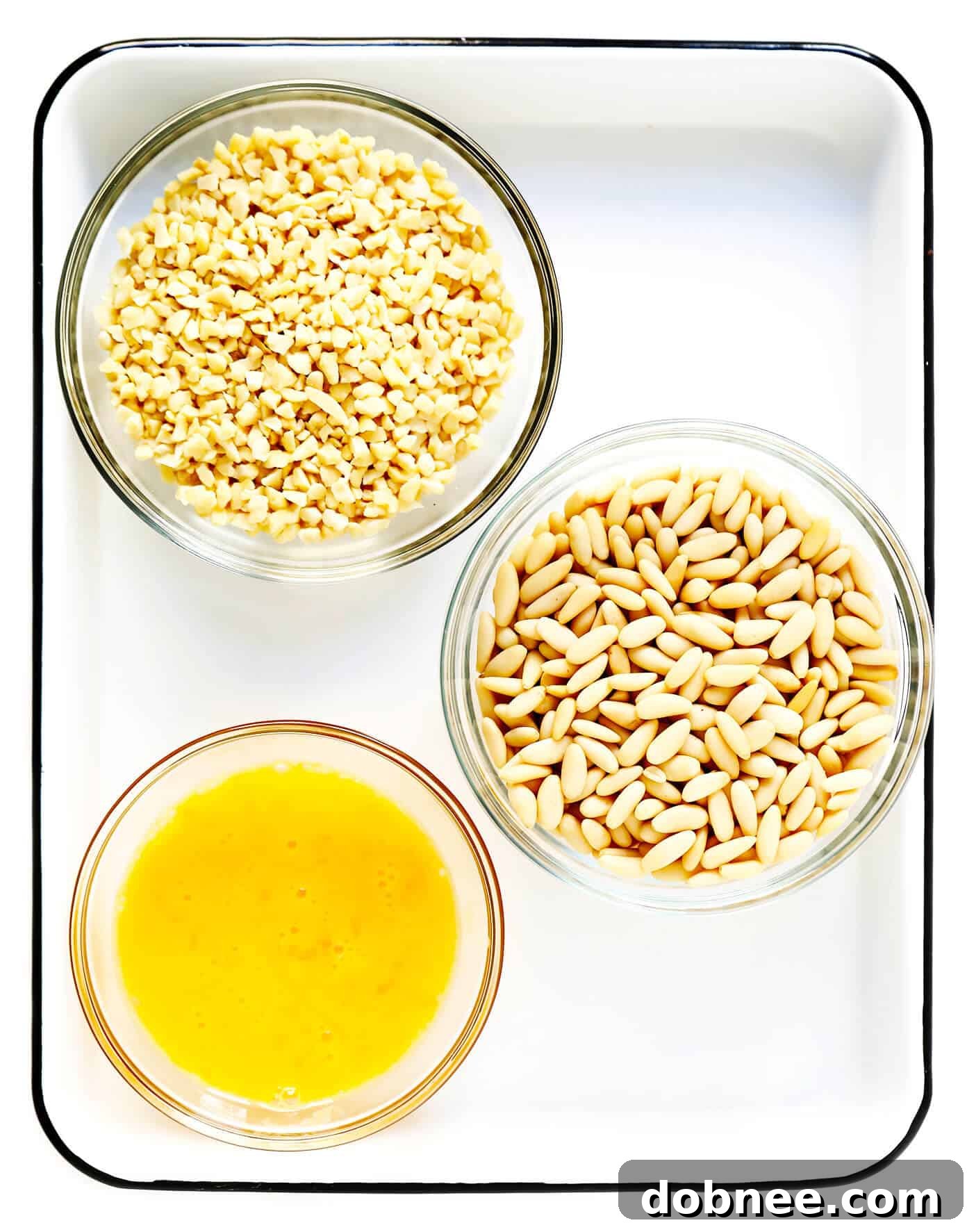
- Toppings: The most classic and beloved choices for panellets are high-quality raw pine nuts and finely chopped almonds. You might notice that Spanish pine nuts are often longer and more slender than those found elsewhere. Be generous with your chosen topping, as it provides both intense flavor and a delightful textural crunch that contrasts wonderfully with the soft marzipan interior. For more adventurous options and creative twists, be sure to explore the variations section below.
Step-by-Step Guide to Making Perfect Panellets at Home
While making our first batch of marzipan by hand was a rewarding experience, I discovered that a food processor offers a fantastic shortcut for the second batch, yielding equally perfect results and saving valuable time. Whichever method you choose, these little delights are sure to be delicious and a wonderful taste of Catalan tradition. Here’s how to create traditional panellets, with approximate timings and yield:
Recipe at a Glance:
- Prep Time: Approximately 1 hour (includes dough making and rolling)
- Cook Time: Around 10 minutes (quick baking is key!)
- Total Time: Approximately 1 hour 10 minutes
- Yield: About 45 panellets (based on the provided ingredient quantities)
Ingredients You Will Need:
- 3 large eggs, divided (one for the dough, one for coating, one for the egg wash)
- Zest of one small, fresh lemon (ensure no white pith for best flavor)
- 1 1/2 cups (300 grams) packed brown sugar (or white granulated sugar)
- 3 1/2 ounces (100 grams) Yukon gold potato, cooked until very tender, peeled, and thoroughly mashed with a fork or ricer
- 18 ounces (500 grams) fine almond flour
- 12 ounces (350 grams) raw pine nuts or finely-chopped blanched almonds (or a delightful 50/50 mix of both for variety)
- 1 tablespoon water (for the final egg wash)
Detailed Instructions:
- Prepare the Marzipan Dough: Begin by combining one of the eggs, the vibrant lemon zest, and the brown sugar in a large mixing bowl. Stir these ingredients together until they are thoroughly combined and the sugar starts to dissolve. Next, incorporate the mashed (cooked) potato, mixing until it’s evenly distributed throughout the mixture and no lumps remain. Gradually add the almond flour to the bowl, stirring continuously. If you’re mixing by hand, you may find it necessary to switch to using your hands to fully incorporate the flour into a cohesive, pliable dough. Exercise care not to overwork the dough, as this can lead to a tougher texture. At this stage, you have two options: you can either proceed directly to rolling out the dough, or you can shape it into a flat disk, cover it tightly with plastic wrap, and refrigerate it for up to 48 hours. While many traditional recipes suggest refrigerating the dough until it is completely chilled to make it firmer and easier to handle, we found that skipping this chilling step still yielded excellent results with a little extra care in handling.
- Form and Coat the Panellets: Once your marzipan dough is ready, take small portions and begin rolling them into uniformly sized pieces. For the classic pine nut panellets, shape the dough into roughly 1-inch (2.5 cm) balls. If you’re making almond panellets, form them into small, 1-inch log shapes. Each piece should weigh approximately 20 grams for consistency. In a small, separate bowl, whisk one of the remaining eggs until it’s well combined and slightly frothy. In a second shallow bowl, spread out your chosen topping – either the raw pine nuts or the finely-chopped almonds. Dip each marzipan ball or log into the whisked egg mixture, ensuring it is completely coated. Then, carefully transfer the wet dough piece to the bowl of nuts. Use your hands to gently but firmly press the nuts onto the marzipan until the entire surface of the ball or log is generously covered. This step requires a bit of patience and will undoubtedly get your hands delightfully messy, so allocate sufficient time for it.
- Preheat Your Oven: Position an oven rack in the middle of your oven and preheat it to a relatively high temperature of 425°F (220°C). This high heat helps to quickly bake the panellets and achieve that desirable golden exterior without drying them out.
- Prepare for Baking and Apply Egg Wash: Line a large baking sheet with parchment paper to prevent sticking and ensure even baking. Carefully arrange the coated panellets on the prepared baking sheet, ensuring you leave a small space between each one to allow for air circulation. In a third small bowl, whisk the final egg with 1 tablespoon of water to create a smooth egg wash. Using a pastry brush, gently and evenly brush each of the panellets with this egg wash. This step is crucial for achieving their beautiful, glossy golden finish and helping the nuts to adhere even more firmly.
- Bake to Golden Perfection: Place the baking sheet with the panellets into the preheated oven. Bake for approximately 10 minutes, or until the tops of the panellets turn a lovely, light golden brown. It is absolutely crucial to keep a very close eye on them during this short baking time, as the nuts can brown and burn extremely quickly due to the high oven temperature. You want them golden, not scorched!
- Serve and Store: Once baked to perfection, carefully remove the panellets from the oven and allow them to cool slightly on the baking sheet for a few minutes before transferring them to a wire rack to cool completely. They are truly at their best served warm, fresh from the oven, offering a wonderfully tender interior and a slightly crisp, nutty exterior. For storage, leftover panellets can be kept in an airtight container at room temperature for up to 1 week, where they will maintain their freshness and flavor. For longer preservation, they can also be frozen for up to 3 months; simply thaw at room temperature before enjoying.
Creative Variations: Customizing Your Panellets with Different Flavors
One of the true joys of making panellets is their incredible adaptability and the endless possibilities for customization. While pine nuts and almonds are undoubtedly the timeless classics, a stroll through Barcelona’s bakeries reveals an impressive array of flavors and creative interpretations. Feel free to unleash your inner pastry chef and experiment with these delightful variations:
- Diverse Toppings and Fillings: Expand your palette beyond traditional nuts. Shredded coconut is a highly popular option, offering a tropical and slightly chewy twist to the marzipan base. For the chocolate aficionados, rolling your panellets in high-quality cocoa powder creates a rich, indulgent, and slightly bitter experience that perfectly balances the sweet marzipan. Other beloved variations include pressing the marzipan into a “thumbprint” cookie shape and filling the indentation with a vibrant maraschino cherry for a pop of color and tartness, or a dollop of tangy quince paste (codonyat), a classic Catalan fruit preserve that beautifully complements the almond flavor. Ground coffee can also be subtly mixed into the dough or used as a fine topping for an aromatic kick and sophisticated flavor profile.
- Sweet Potato Alternative: For those looking for a slightly different take or perhaps a healthier option, a friend once shared her ingenious method of making panellets using mashed sweet potatoes instead of regular potatoes. She also opted for maple syrup as a sweetener, which not only adds a distinct flavor but also reduces refined sugar content. This is definitely a variation I’m eager to explore in the future, as it promises a different depth of natural sweetness and a unique flavor dimension.
- Experiment with Sweeteners: While brown sugar provides a lovely caramel note and is what we used, white granulated sugar is traditionally used and works perfectly, resulting in a cleaner, classic marzipan flavor. Coconut sugar could also be an interesting alternative, offering a less refined sweetness and a slightly different undertone. I haven’t personally tested liquid sweeteners like maple syrup or honey directly in this recipe, as they can alter the dough’s consistency significantly. However, with a bit of experimentation to adjust the flour proportions and account for the liquid content, they could potentially work, adding their unique flavor profiles and a natural sweetness.
Helpful Tips for Panellet Success:
- Food Processor Shortcut: While the traditional method involves mixing the marzipan by hand, which can be quite therapeutic, a food processor can save significant time and effort. Simply pulse all the ingredients together in the order listed in the recipe instructions. It works like a charm and produces a perfectly smooth dough!
- Dough Refrigeration: Many classic recipes advise refrigerating the marzipan dough for a few hours (or up to 48 hours) to firm it up. This chilling process can make the dough easier to handle and roll, especially if your kitchen is warm. However, in our experience, the dough rolled out perfectly fine even without this chilling step. If you’re short on time or prefer to get straight to it, don’t hesitate to skip the refrigeration!
- Source & Appreciation: A huge and heartfelt thank you to my dear friend, Laura, for generously sharing this wonderful and authentic panellets recipe with us. Her knowledge and passion for Catalan cuisine made our first panellet-making experience truly special!
Explore More Authentic Catalan and Spanish Flavors
Living in Spain has been a delightful journey of culinary discovery, and these panellets are just one of many incredible dishes we’ve learned to prepare and cherish. If you’re inspired by the vibrant and delicious flavors of Catalonia and beyond, and eager to explore more of this rich culinary landscape, here are a few other favorite recipes that bring the essence of Spain right into your kitchen. Each offers a unique taste experience and showcases the diversity of Spanish gastronomy:
- Authentic Gazpacho: A truly refreshing, chilled tomato soup, brimming with fresh vegetables and perfect for cooling down on warm days or as a light starter.
- Catalan Tomato Bread (Pa amb Tomàquet): A deceptively simple yet incredibly flavorful staple of Catalan cuisine, featuring ripe tomatoes rubbed onto toasted bread with olive oil and salt.
- Catalan Chickpeas and Spinach: A hearty, healthy, and wonderfully savory vegetarian dish that makes for a satisfying meal or a flavorful side.
- Sangria: The iconic Spanish wine punch, bursting with fruit flavors and ideal for festive gatherings and sharing with friends.
Embrace the Sweetness of Catalan Tradition!
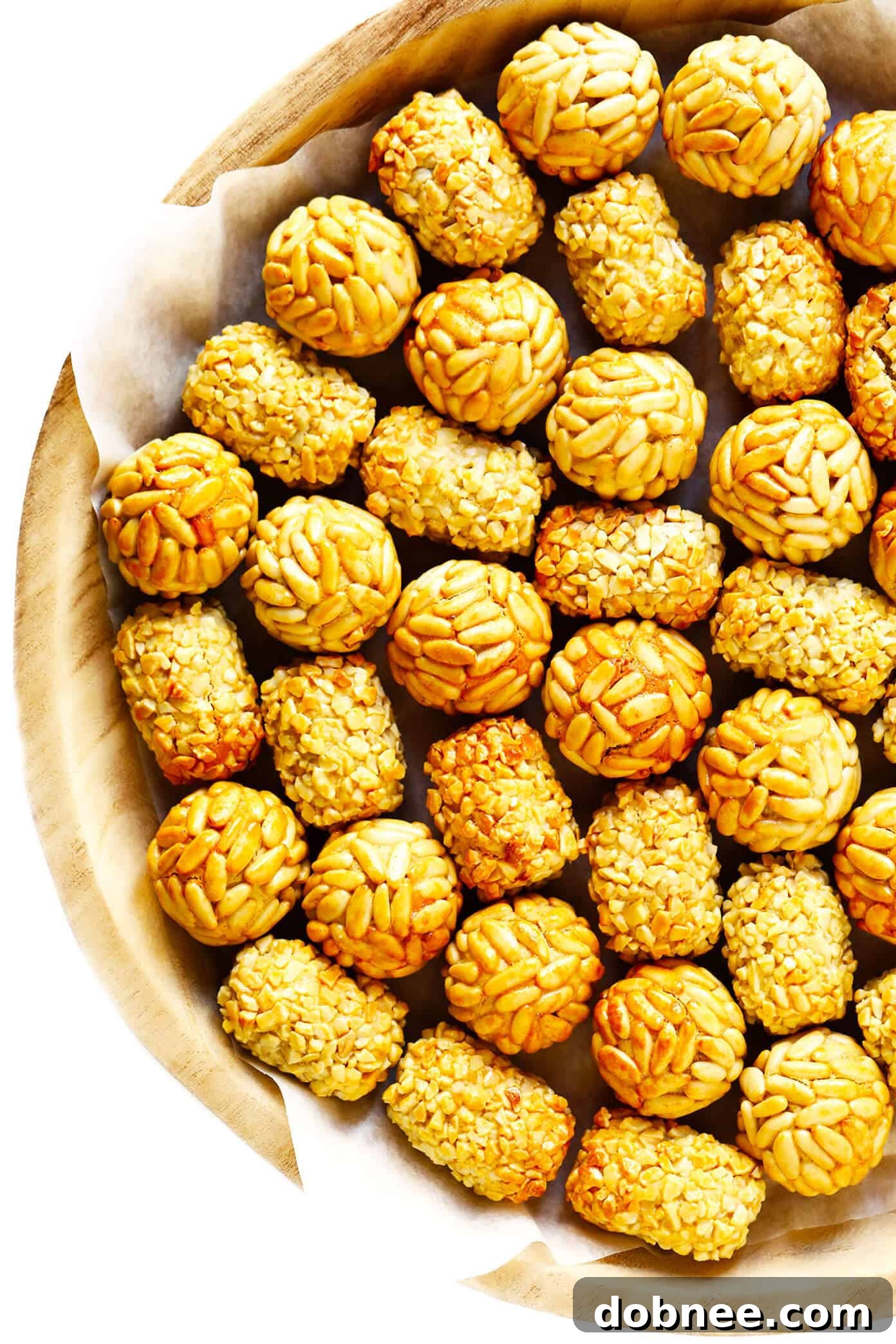
Making panellets is more than just following a recipe; it’s an invitation to partake in a deeply rooted Catalan tradition, a culinary hug from Barcelona that you can create in your own home. Whether you’re celebrating All Saints’ Day, hosting an autumn gathering, or simply craving a unique and delicious sweet treat, these marzipan delights are sure to impress with their rich flavor and charming appearance. Their simple ingredients, straightforward preparation, and endless customization options make them a truly rewarding and enjoyable baking project for cooks of all skill levels. We sincerely hope this comprehensive guide inspires you to roll up your sleeves and bring a piece of Catalonia’s sweet autumn magic into your own home. Enjoy the process, savor the exquisite flavors, and most importantly, share the joy of these beautiful, traditional sweets!
This post contains affiliate links.