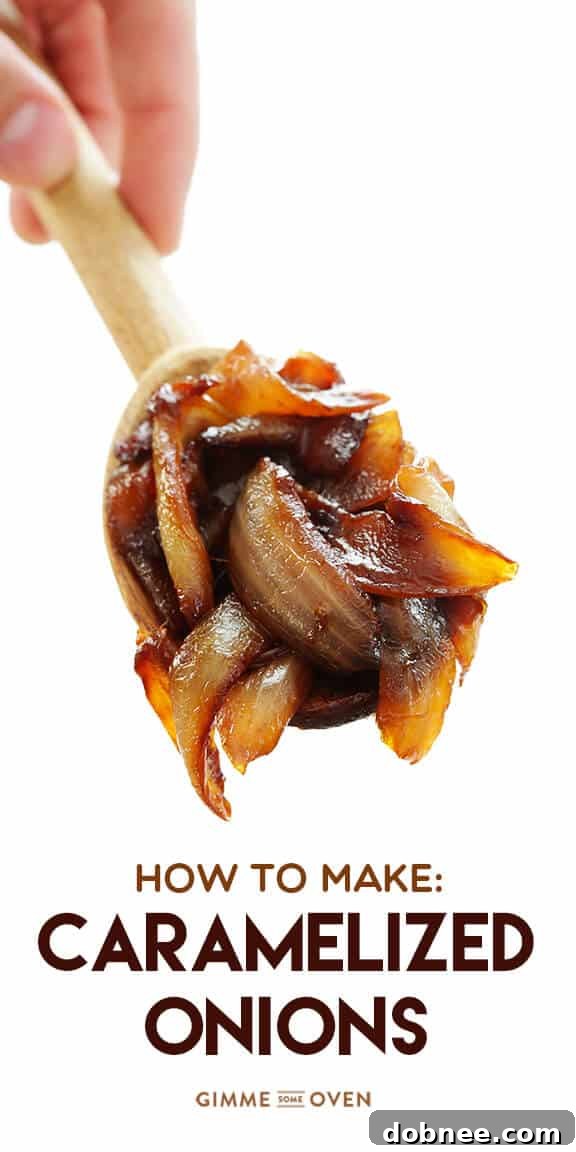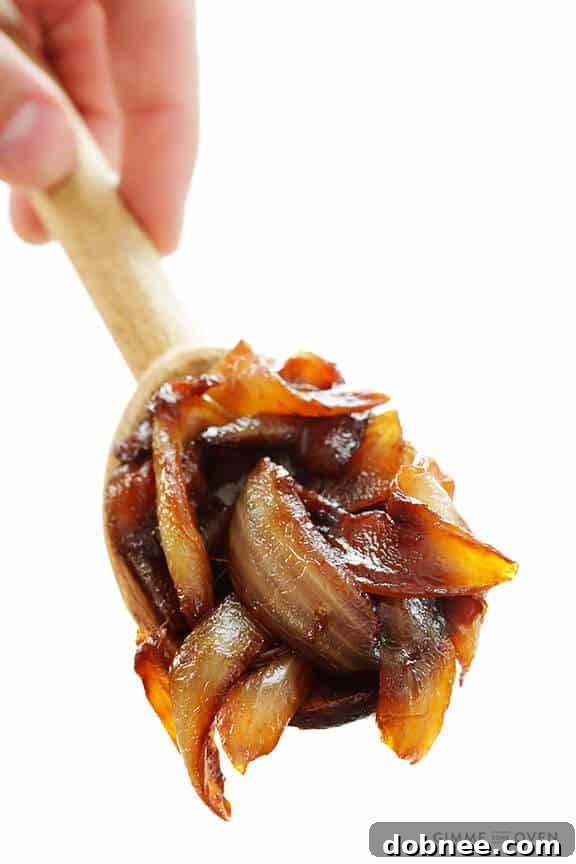
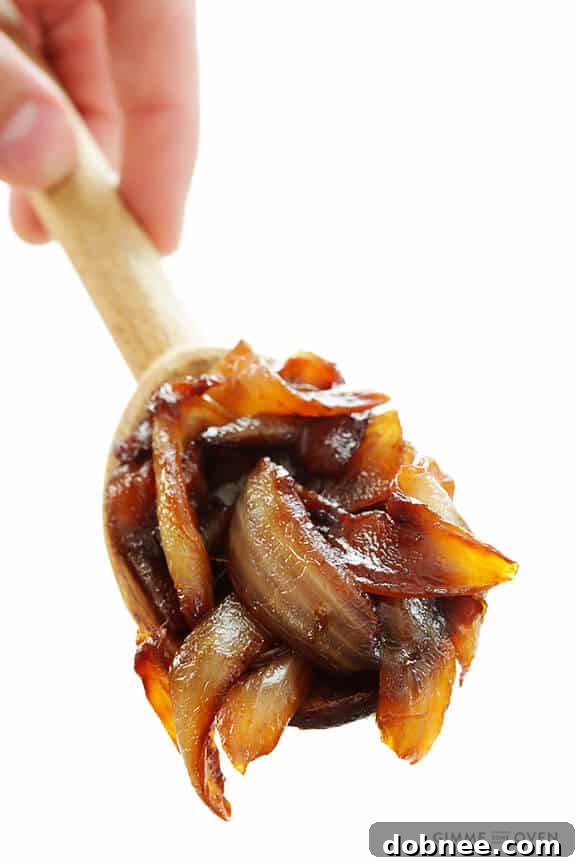
Unlock the Secret to Perfectly Caramelized Onions: A Comprehensive Guide
There’s a magical transformation that happens when humble onions are gently cooked over low heat for an extended period. They lose their pungent bite, soften into a silky texture, and develop an incredible sweetness and depth of flavor that can elevate almost any dish. Learning how to make caramelized onions is a fundamental culinary skill that pays dividends in deliciousness. This comprehensive guide will walk you through every step to achieve perfectly golden-brown, intensely flavorful caramelized onions, ensuring you master this essential technique for adding gourmet flair to your home cooking.
Many recipes call for caramelized onions, but few truly explain the nuances of achieving that rich, complex flavor and melt-in-your-mouth texture. It’s a process that requires patience, but the effort is undeniably worth it. Imagine a topping for your burger that’s bursting with sweet umami, a secret ingredient in your French onion soup that deepens every spoonful, or a pizza accent that transforms a simple pie into a gourmet delight. That’s the power of homemade caramelized onions. Forget the store-bought versions; once you make them from scratch, you’ll never go back.
The Science Behind the Sweetness: Why Onions Caramelize
The process of caramelizing onions is not just about browning them; it’s a culinary art form rooted in science. As onions cook slowly, two key chemical reactions occur that transform their flavor and texture: the Maillard reaction and the caramelization of sugars. The Maillard reaction is a complex chemical process that creates hundreds of new flavor compounds, responsible for the savory, umami notes and rich brown color. Simultaneously, the natural sugars within the onions break down and concentrate, leading to their incredible sweetness. This slow, gentle heat draws out moisture, tenderizes the onions, and allows these flavor-building reactions to unfold properly.
Understanding this process helps explain why patience is paramount when making caramelized onions. Rushing the process with high heat will only scorch the onions, resulting in bitterness rather than sweetness and depth. The goal is a gradual browning and softening, allowing the sugars to slowly transform and deepen in color and flavor. This meticulous approach guarantees a truly spectacular result – onions that are incredibly tender, deeply sweet, and brimming with complex savory notes, ready to enhance a myriad of dishes.
Choosing Your Onions: The Foundation of Flavor
While almost any onion can be caramelized, some varieties yield superior results. Sweet onions, such as Vidalia or Walla Walla, are excellent choices due to their naturally higher sugar content, which contributes to a quicker and more pronounced caramelization. Yellow onions are also fantastic; they possess a balanced sweetness and sharpness that develops beautifully during cooking, offering a robust flavor profile. Red onions can be used for a slightly different, often more pungent, caramelized result, which can be striking in specific dishes. Ultimately, the type of onion you choose can subtly influence the final taste, but the technique remains largely the same. For beginners, yellow or sweet onions are highly recommended.
Essential Ingredients for Perfect Caramelization
Beyond the onions themselves, only a few simple ingredients are needed to create this culinary masterpiece:
- Fat: Butter, olive oil, or a 50/50 mix are ideal. Butter imparts a rich, nutty flavor, while olive oil offers a slightly fruitier note and a higher smoke point. A combination often provides the best of both worlds – rich flavor with good heat tolerance. The fat helps conduct heat evenly, prevents sticking, and contributes to the golden-brown crust.
- Salt: Fine sea salt is crucial. It not only seasons the onions but also helps draw out their moisture, which is essential for initiating the caramelization process and breaking down their cell structure for a softer texture. Add it early in the cooking process.
- Water (as needed): This is your secret weapon for deglazing the pan and preventing scorching. As the onions cook, sugars will inevitably stick and brown on the bottom of the pan. A splash of water helps loosen these flavorful bits, allowing them to be reincorporated into the onions and preventing them from burning.
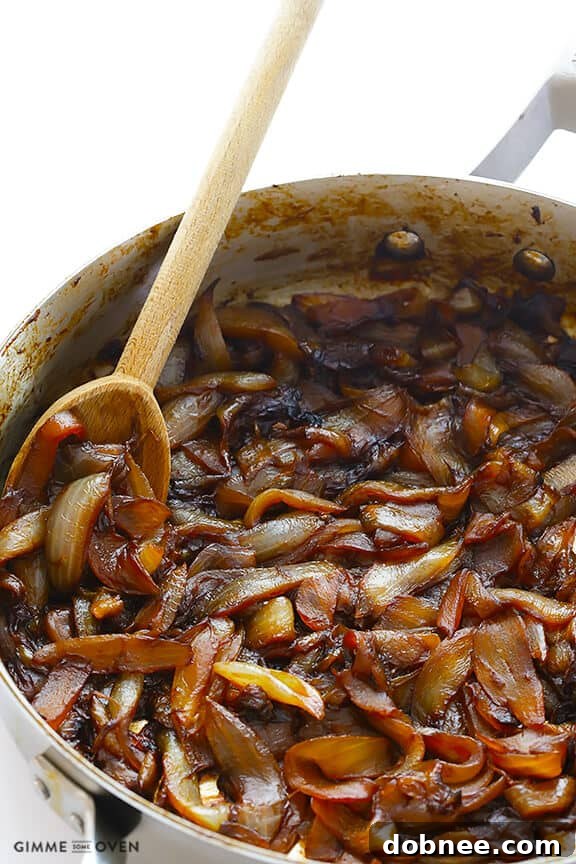
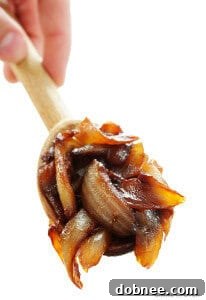
Perfectly Caramelized Onions
Prep Time: 10 minutes
Cook Time: 40-60 minutes
Total Time: 50-70 minutes
Description
Transform humble onions into a sweet, savory, and incredibly versatile ingredient with this simple yet detailed recipe for perfectly caramelized onions. Ideal for elevating burgers, sandwiches, soups, and more, this guide teaches you the art of slow cooking to achieve a rich, golden-brown depth of flavor.
Ingredients for Caramelized Onions
Scale
- 2 tablespoons unsalted butter or olive oil (or a 50/50 mix for best flavor)
- 3 large or medium yellow/sweet onions, peeled and thinly sliced
- 1 teaspoon fine sea salt
- 1-2 tablespoons water or dry white wine, as needed for deglazing
Step-by-Step Instructions: How to Caramelize Onions
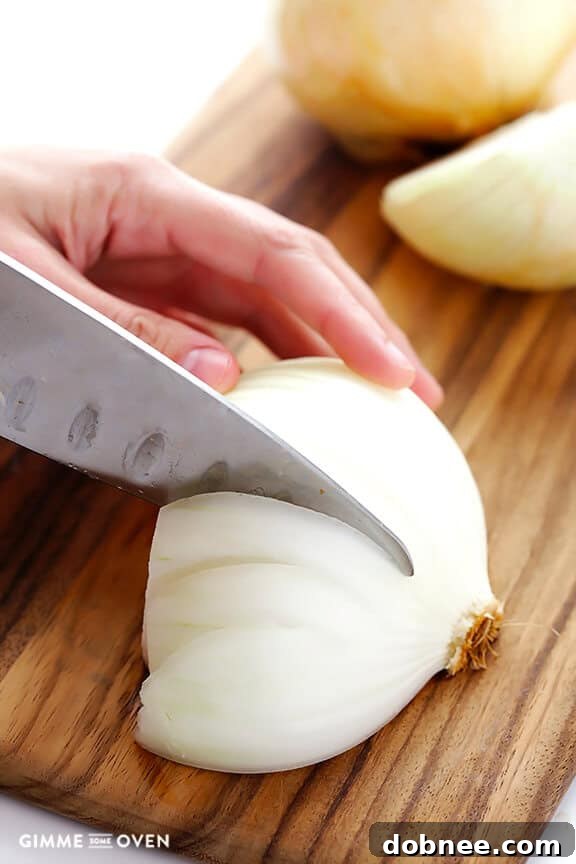
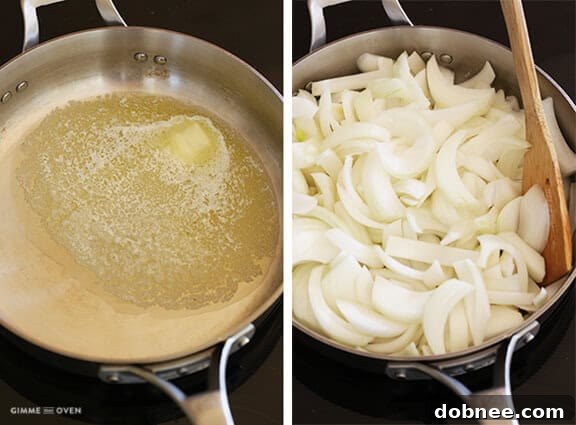
- Prepare the Onions and Pan: Begin by peeling your chosen onions and slicing them thinly and uniformly. Aim for about 1/8 to 1/4 inch thick slices for even cooking. Heat your preferred fat (butter, oil, or a mix) in a large, heavy-bottomed sauté pan or Dutch oven over medium heat. A wider pan is better as it allows more surface area for the onions to cook. Once the fat is shimmering, add all the sliced onions to the pan. Sprinkle evenly with the fine sea salt and toss to coat thoroughly.
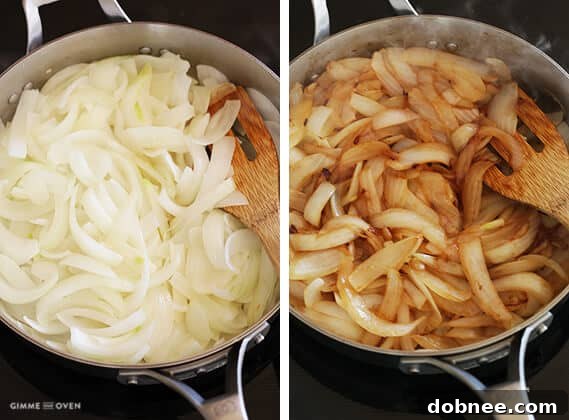
- Initial Softening and Wilting: Sauté the onions, stirring frequently (every 2-3 minutes), for about 8-10 minutes. During this initial phase, the onions will begin to soften, release their moisture, and become translucent. They will also reduce significantly in volume. This step is crucial for breaking down their raw texture and preparing them for the longer caramelization process.
- The Slow Caramelization Process: Reduce the heat to medium-low. This is where patience truly comes into play. Spread the softened onions out into an even layer across the bottom of the pan. Continue to cook, stirring every 5-7 minutes. The longer intervals between stirring allow the bottom layer of onions to make good contact with the hot pan, developing those crucial golden-brown bits.
- Deglazing and Flavor Building: As the onions cook slowly, you’ll notice browned bits (fond) beginning to form on the bottom of the pan. Anytime the onions start to look dry or the fond becomes dark, add a tablespoon or two of water (or dry white wine for extra depth). Immediately use a wooden spoon to scrape up all the browned bits from the bottom of the pan, stirring them back into the onions. This process is called deglazing, and it reincorporates incredible flavor and prevents burning. Repeat this deglazing process as needed throughout the cooking time. If the onions seem like they might be burning at any point, do not hesitate to reduce the heat to low.
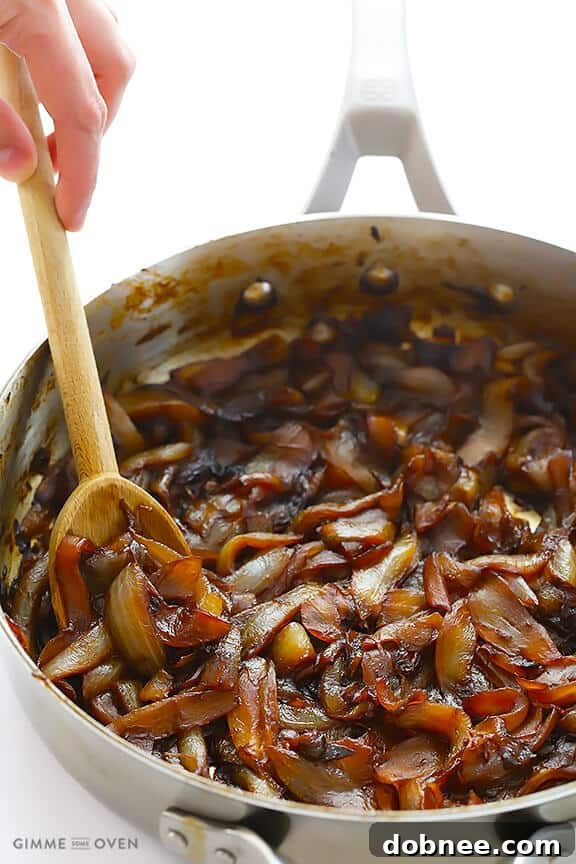
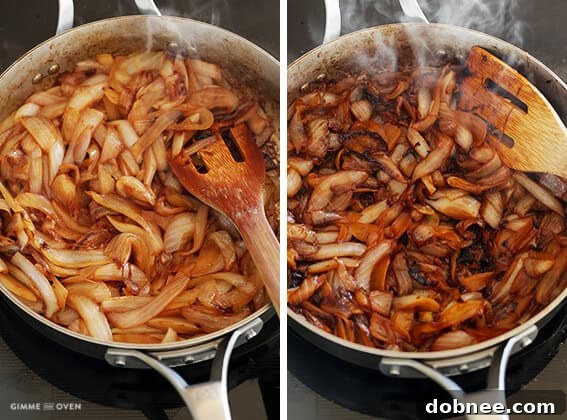
- Achieving Desired Caramelization: Continue cooking and stirring, deglazing the pan with small splashes of liquid when necessary, until the onions reach your desired level of caramelization.
- For a golden-brown, sweeter caramelization, cook for approximately 40-50 minutes.
- For a deep brown, intensely savory and rich caramelization, allow 55-70 minutes or even longer. The longer they cook, the deeper the color and more complex the flavor will become.
The onions should be uniformly browned, deeply sweet, and incredibly tender, almost melting in your mouth.
- Serve or Store: Once the onions have reached your preferred level of caramelization, remove the pan from the heat. Serve the warm caramelized onions immediately as a delightful topping or ingredient. To store any leftovers, allow the onions to cool completely to room temperature. Transfer them to an airtight container and refrigerate for up to 3 days, or freeze in a freezer-safe bag or container for up to 3 months. Portioning them before freezing makes them easy to use later.
Tips for Achieving the Best Caramelized Onions
- Patience is Your Best Friend: This cannot be stressed enough. The longer and slower you cook them, the better the flavor and texture will be. Resist the urge to crank up the heat.
- Don’t Overcrowd the Pan: While a large amount of onions will reduce significantly, starting with a pan that’s too small will steam them instead of caramelize them. Use the widest pan you have to allow for maximum surface contact and even cooking.
- Consistent Slicing: Uniformly sliced onions ensure they cook evenly. Irregular pieces will result in some burning while others are still raw.
- Scrape the Fond: Those browned bits stuck to the bottom of the pan are pure flavor gold. Always scrape them up with a wooden spoon and stir them back into the onions, especially when adding water or wine for deglazing.
- Taste as You Go: Towards the end of the cooking process, taste the onions. If they seem bland, a tiny pinch more salt can brighten their flavor. A touch of balsamic vinegar or a hint of sugar can also enhance their sweetness and complexity.
Versatile Uses for Your Homemade Caramelized Onions
Once you’ve made a batch of these delectable caramelized onions, the culinary possibilities are endless. Their sweet and savory depth makes them a fantastic addition to both simple and sophisticated dishes:
- Burgers and Sandwiches: A classic pairing! They elevate any burger, grilled cheese, or steak sandwich from ordinary to extraordinary.
- French Onion Soup: The cornerstone of a truly authentic and flavorful French onion soup.
- Pizzas and Flatbreads: Scatter them over pizza with goat cheese, arugula, or mushrooms for a gourmet touch.
- Tarts and Quiches: Pair with cheese (like Gruyère or feta) and herbs for a sophisticated tart filling.
- Omelets and Scrambles: Fold them into your morning eggs for a luxurious breakfast or brunch.
- Roasted Vegetables: Toss with roasted potatoes, carrots, or Brussels sprouts for added sweetness.
- Steak Topping: A spoonful over a perfectly cooked steak or pork chop is simply divine.
- Dips and Spreads: Blend them into creamy dips or spread them on crostini for an appetizer.
- Savory Baked Goods: Incorporate them into savory scones, muffins, or bread.
Storage and Reheating Tips
Caramelized onions are excellent for meal prepping. You can make a large batch and enjoy them throughout the week or freeze them for later use.
- Refrigeration: Once cooled, store in an airtight container in the refrigerator for up to 3 days.
- Freezing: For longer storage, spread cooled caramelized onions in a single layer on a parchment-lined baking sheet and freeze until solid. Transfer the frozen portions to a freezer-safe bag or container. They can be stored for up to 3 months. Freezing them individually prevents clumping, allowing you to take out just the amount you need.
- Reheating: Gently reheat in a skillet over low heat with a tiny splash of water or broth, or microwave in short bursts until warmed through.
Mastering the art of making caramelized onions is a rewarding experience that adds a layer of depth and sophistication to countless meals. While it requires a bit of time and patience, the incredible sweet, savory, and rich flavor you achieve is unparalleled. So, gather your ingredients, clear your schedule, and prepare to transform humble onions into a truly gourmet delight that will impress even the most discerning palates. Happy cooking!