Buttery, Soft, Chewy, and Utterly Irresistible: Your Guide to Perfect Homemade Salted Caramels

Embark on a delightful culinary adventure and discover the surprising simplicity of crafting your own homemade caramels. Far from the intimidating task many perceive it to be, making these luscious treats at home is incredibly rewarding and yields results that are unbelievably delicious. Prepare to impress yourself and everyone you share them with – they truly are a labor of love that pays off in every melt-in-your-mouth bite. ♥
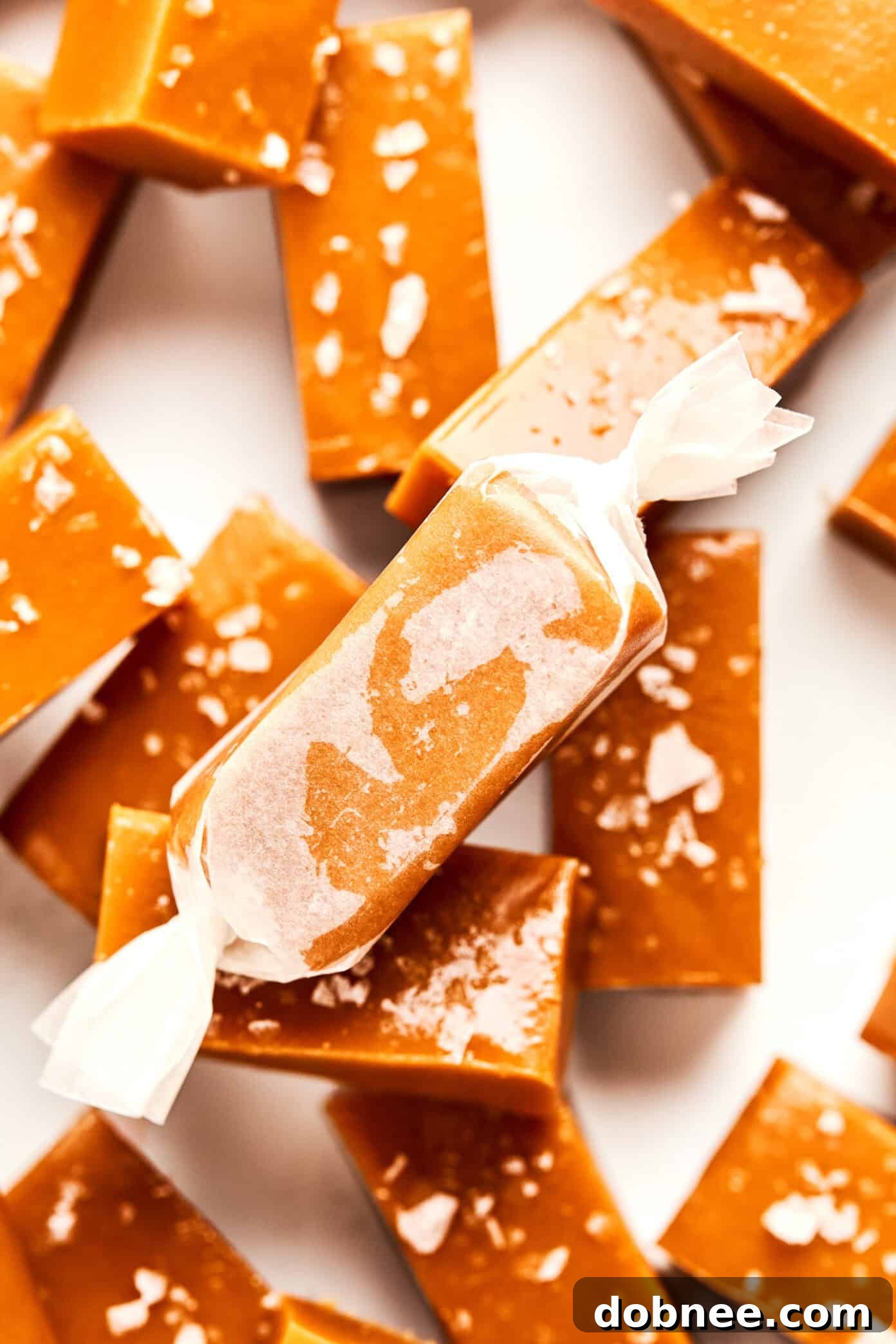
With just a handful of basic pantry staples and a gentle, patient simmer on your stovetop, you’ll witness a magical transformation. The creamy concoction will slowly deepen in color, evolving into a rich, golden caramel with a mesmerizing aroma that fills your kitchen. Once it cools to perfection, this velvety caramel effortlessly slices into soft, tender, and wonderfully chewy squares. A delicate sprinkle of flaky sea salt elevates them from delicious to downright irresistible, creating a harmonious balance of sweet and savory that dances on your palate.
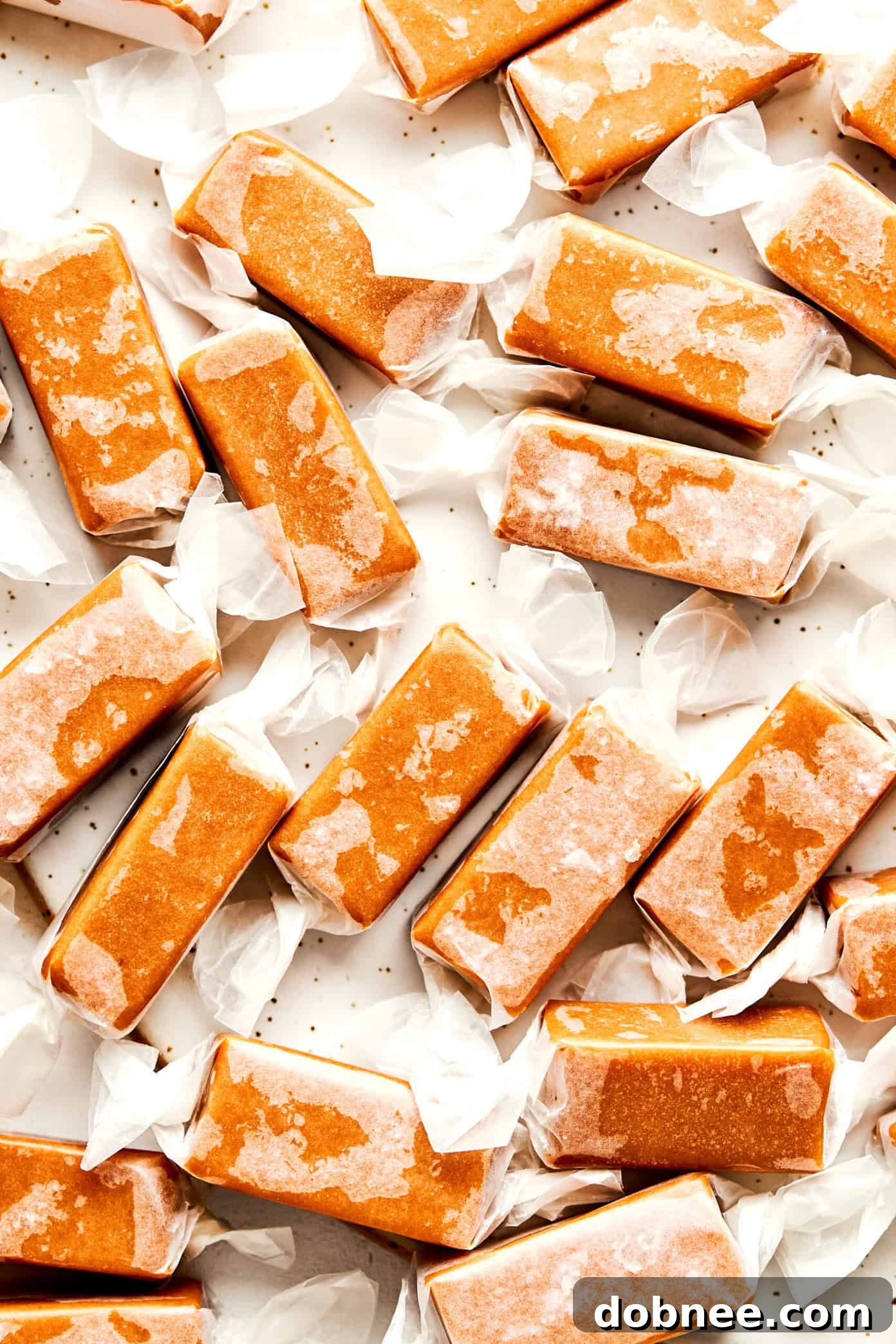
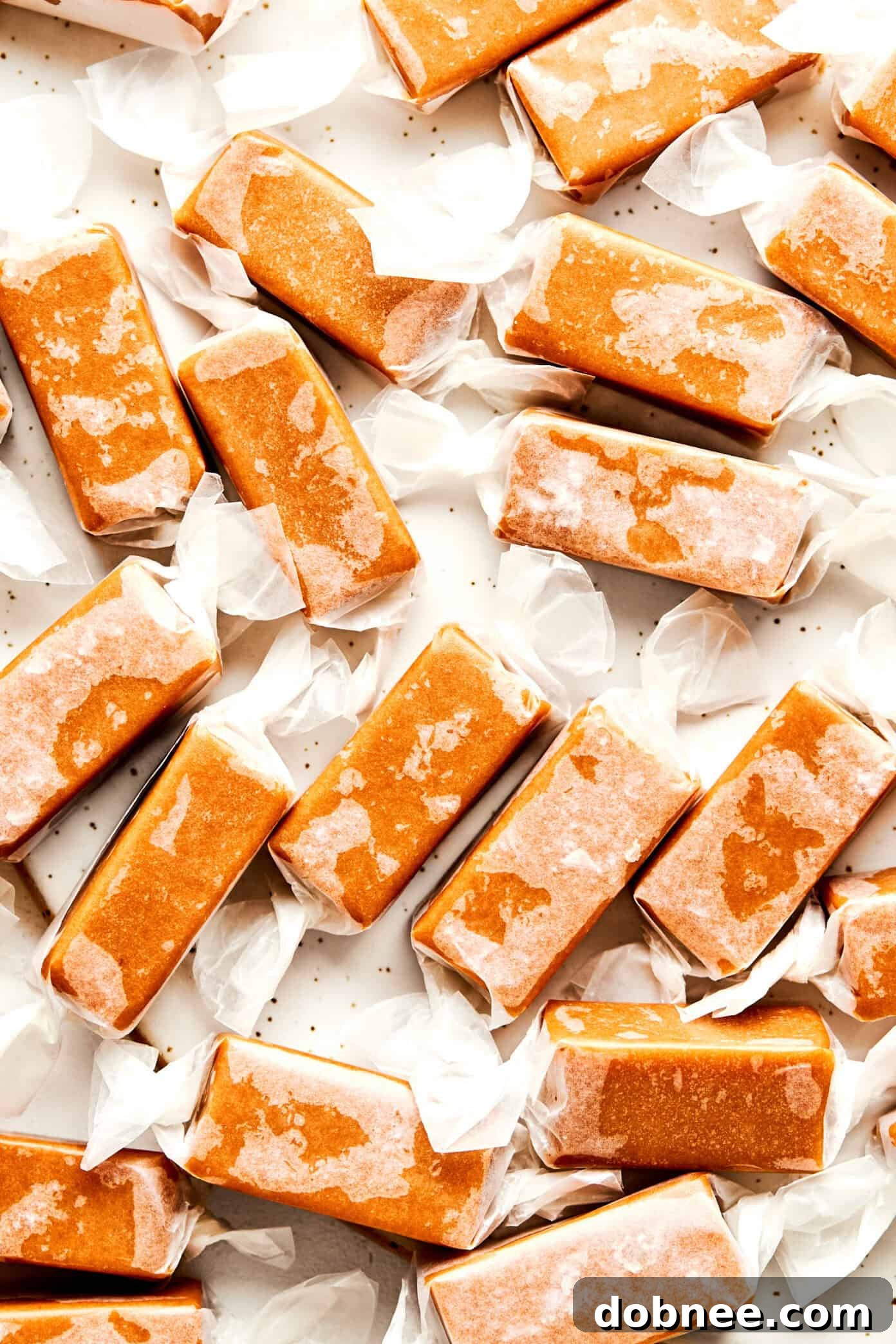
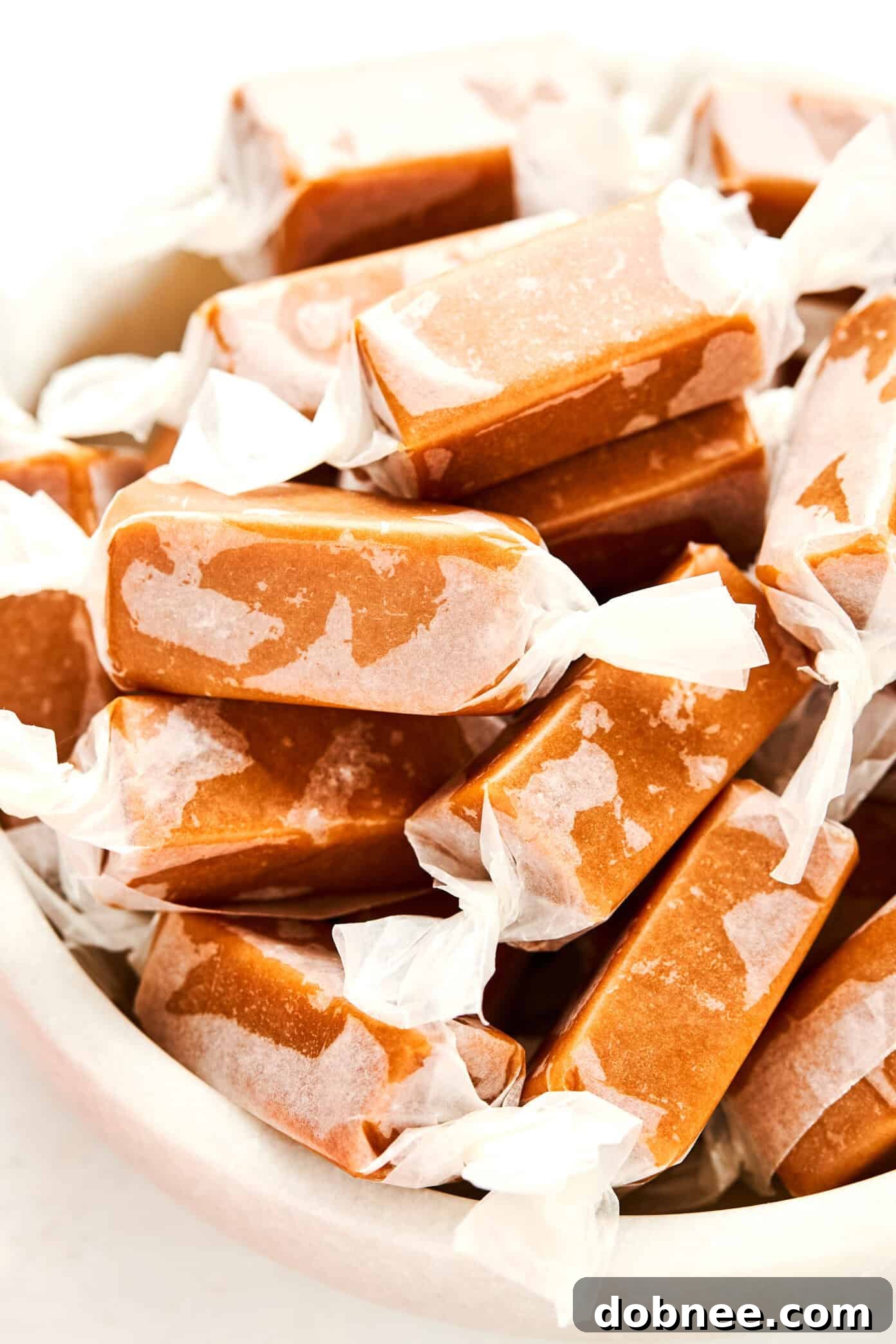
These exquisite caramels are not only a fantastic indulgence for yourself but also make for heartwarming, personalized gifts. Neatly wrap each square in charming twists of wax paper or elegant cellophane wrappers. Arrange them beautifully in decorative jars or tins, and you’ll have a batch of artisanal caramels ready to share with friends, family, or colleagues. The joy of giving something so thoughtfully made is unparalleled, and these little gems are sure to bring smiles to every recipient.
If you’re new to the art of caramel-making, a quick read through the comprehensive tips below is highly recommended. While the process itself is not difficult, a little guidance ensures everything goes smoothly and your caramels achieve that perfect, sought-after texture. Patience, as you’ll soon discover, is your most valuable ingredient here. Trust us, the effort is absolutely worth it for the unparalleled taste and texture of truly homemade caramel. Let’s create something wonderfully sweet together!
Mastering Homemade Caramels: Essential Tips for Perfection
Crafting flawless homemade caramels is a rewarding process, and with these expert pointers, you’re guaranteed to achieve soft, luscious, and perfectly set results every single time. Don’t let common pitfalls deter you; understanding these nuances will make your caramel-making journey smooth and successful.
- Choosing the Right Butter is Key: It might seem like a small detail, but the type of butter you use significantly impacts the final texture of your caramels. Do not use European-style butter for this recipe. European butters have a higher butterfat content, which can cause the caramel emulsion to break, leading to separation or an undesirably soft set. For a consistently reliable and delightfully chewy texture, stick to standard American unsalted butter. Its balanced fat content ensures your caramels will hold their shape beautifully.
- Invest in a Reliable Candy Thermometer: Caramel-making is essentially a science experiment in your kitchen, and precision is paramount. Achieving the perfect soft and chewy texture hinges entirely on reaching the correct temperature range of 240–243°F (115–117°C). A high-quality, accurately calibrated candy thermometer is your best friend here. Even a few degrees off can result in caramels that are either too hard and brittle or too soft and runny. Test your thermometer’s accuracy by placing it in boiling water; it should read 212°F (100°C).
- Constant Stirring for a Smooth Finish: As your caramel mixture approaches its target temperature, it will naturally thicken. This is the critical phase where scorching can occur rapidly if the mixture is left unattended. To prevent sugar crystals from forming and burning at the bottom of the pot, it’s crucial to stir constantly during these final minutes of cooking. Keep a vigilant eye and maintain a gentle, continuous stir to ensure even heat distribution and a silky-smooth caramel.
- Patience is a Virtue (and an Ingredient!): Resist the temptation to rush the process by cranking up the heat. Making caramel is a slow and steady endeavor, and trying to expedite it often leads to burnt sugar or an inconsistent texture. It truly can take anywhere from 45 to 60 minutes for the caramel to reach the precise temperature. Embrace the waiting game, as a patiently cooked caramel develops a deeper flavor and a more consistent, professional quality.
- Opt for a Heavy-Bottomed Pot: The type of saucepan you use plays a significant role in heat distribution. Thin-bottomed pots tend to heat unevenly, creating hot spots that can cause sugar to crystallize or burn, leading to grainy or bitter caramel. A sturdy, heavy-bottomed pot (like a Dutch oven or a thick stainless steel saucepan) distributes heat much more uniformly, ensuring a smooth, even cook and preventing those undesirable hot spots.
- The Art of Salting: The timing of adding your flaky sea salt is important for both visual appeal and flavor. Sprinkle the salt approximately 10 minutes after you’ve poured the caramel into your prepared pan. At this point, the caramel will have set enough to securely hold the salt crystals on its surface, but it will still be warm enough for the salt to adhere beautifully. This technique ensures that each caramel piece has that perfect balance of sweet and salty.
- An Easy Cleanup Trick You’ll Love: Don’t dread the cleanup! Caramel residue can be notoriously sticky, but there’s a simple solution. Once your caramels are poured and cooling, fill the still-sticky pot with hot water and place it back on the stove. Let it simmer gently for a few minutes. The heat will effortlessly melt any remaining hardened sugar, turning cleanup from a chore into a breeze.
Elevate Your Caramels: Creative Flavor Variations and Customizations
While classic salted caramels are undeniably perfect on their own, these delightful treats are also wonderfully versatile, inviting endless possibilities for customization. Whether you’re looking to explore new flavor profiles or create unique, personalized gifts, these fun add-ins and swaps will transform your caramels into something truly special.
- Espresso Caramels: For a sophisticated twist, stir in 1 teaspoon of instant espresso powder along with the vanilla extract. The rich, slightly bitter notes of espresso beautifully complement the sweetness of the caramel, creating a complex and invigorating flavor profile perfect for coffee lovers.
- Bourbon Caramels: Introduce a warm, boozy elegance by adding 1–2 tablespoons of your favorite bourbon or whiskey once the caramel is removed from the heat. The alcohol will cook off, leaving behind a subtle, aromatic depth that pairs wonderfully with the caramel’s sweetness, making these an excellent adult treat.
- Vanilla Bean Caramels: Elevate the classic vanilla flavor by opting for the fragrant seeds from 1 whole vanilla bean instead of extract. Scrape the seeds from the pod and add them to the mixture with the other ingredients. The tiny black specks and intense, pure vanilla aroma will make these caramels truly gourmet.
- Chocolate-Dipped Caramels: For an irresistible indulgence, once your caramels have cooled and set, dip cooled squares halfway into melted dark chocolate. Before the chocolate fully sets, sprinkle with a touch more flaky sea salt. This combination of rich chocolate, sweet caramel, and savory salt is pure bliss.
- Spiced Caramels: Embrace warm, cozy flavors by adding ½ teaspoon of ground cinnamon or a pre-made chai spice blend (which typically includes cinnamon, cardamom, ginger, and cloves) to the mixture during cooking. These spiced caramels are particularly delightful during the autumn and winter months, offering a comforting aroma and taste.
- Toasted Nut Topping: Add a delightful textural contrast and nutty flavor by pressing finely chopped toasted pecans, almonds, or walnuts onto the surface of the caramel. Do this shortly after pouring, when the caramel is still pliable but beginning to set. The toasted nuts provide a wonderful crunch and a rustic, artisanal appeal.
Frequently Asked Questions About Homemade Salted Caramels
Absolutely! This recipe is well-suited for doubling if you’re planning to make a generous batch for gifting or a party. However, it’s critically important to ensure you use a significantly larger pot to accommodate the increased volume. Caramel bubbles up quite a bit during the cooking process, especially as it heats and thickens. A pot that’s too small could lead to an overflowing mess and a potential safety hazard. Also, be aware that doubling the recipe might extend the cooking time slightly as there’s more liquid to evaporate.
When properly wrapped and stored, homemade caramels have a surprisingly good shelf life. Once they are completely cooled and cut, individually wrap each caramel tightly in wax paper, parchment paper, or special cellophane wrappers to prevent them from sticking together or drying out. Stored in an airtight container at cool room temperature (around 68-72°F or 20-22°C), they will remain wonderfully soft and delicious for 2 to 3 weeks. For longer storage, caramels freeze exceptionally well. Place wrapped caramels in a freezer-safe bag or container and freeze for up to 2-3 months. Thaw them at room temperature before enjoying.
Grainy caramel is usually a sign of sugar crystallization, a common issue for novice (and even experienced) candy makers. This typically occurs when sugar crystals cling to the sides of your pot above the boiling caramel and then fall back into the mixture, seeding a chain reaction of crystallization. To prevent this, ensure you wipe down the sides of the pot with a wet pastry brush during the initial stages of cooking. Additionally, stir gently and avoid scraping the sides of the pan when pouring the finished caramel into your baking dish. Corn syrup, as discussed below, also plays a crucial role in inhibiting crystallization.
While some caramel recipes might omit corn syrup, it is highly recommended not to skip it in this particular recipe. Corn syrup, a type of invert sugar, serves a vital purpose: it helps prevent sugar crystallization. Without it, the sucrose in your granulated and brown sugars is much more likely to recrystallize, resulting in a grainy, rather than smooth and chewy, caramel texture. It acts as an anti-crystallization agent, ensuring your caramels remain wonderfully soft, smooth, and delightfully pliable. It doesn’t add a discernible corn flavor to the finished product, so its inclusion is purely functional for texture and quality.
The consistency of your caramels is almost entirely determined by the final temperature they reach during cooking. If your caramels are too hard and brittle, it means they were cooked to too high a temperature (above 243°F/117°C). If they are too soft, gooey, or don’t set properly, they likely didn’t reach a high enough temperature (below 240°F/115°C). This reinforces the importance of using an accurate candy thermometer and cooking the mixture to the precise range of 240–243°F (115–117°C). Unfortunately, once they are set, it’s difficult to adjust the consistency. For future batches, meticulously monitor your thermometer.
Explore More Decadent Caramel Recipes!
If you’ve fallen in love with the rich, buttery flavor of homemade caramel, then you’re in for a treat! Caramel is an incredibly versatile ingredient, lending its magic to a wide array of desserts and sweets. Expand your culinary repertoire with these other irresistible caramel-centric recipes that are sure to delight your taste buds.
Bourbon Caramel Sauce
Salted Caramel Crème Brûlée
Easy Kettle Corn
Grilled Peaches with Bourbon Caramel Sauce
Print Recipe
Salted Caramels: The Ultimate Homemade Treat
-
Author:
Ali -
Prep Time:
15 mins -
Cook Time:
45 mins -
Total Time:
1 hour -
Yield:
50 caramels
Description
Indulge in these exquisitely soft, rich, and buttery homemade salted caramels. This easy-to-follow recipe yields perfect, chewy squares that are ideal for holiday gifting, entertaining, or simply enjoying as a delightful, bite-sized sweet treat for any occasion. Each caramel offers a luxurious texture and a perfectly balanced sweet-and-savory flavor profile.
Ingredients
Scale
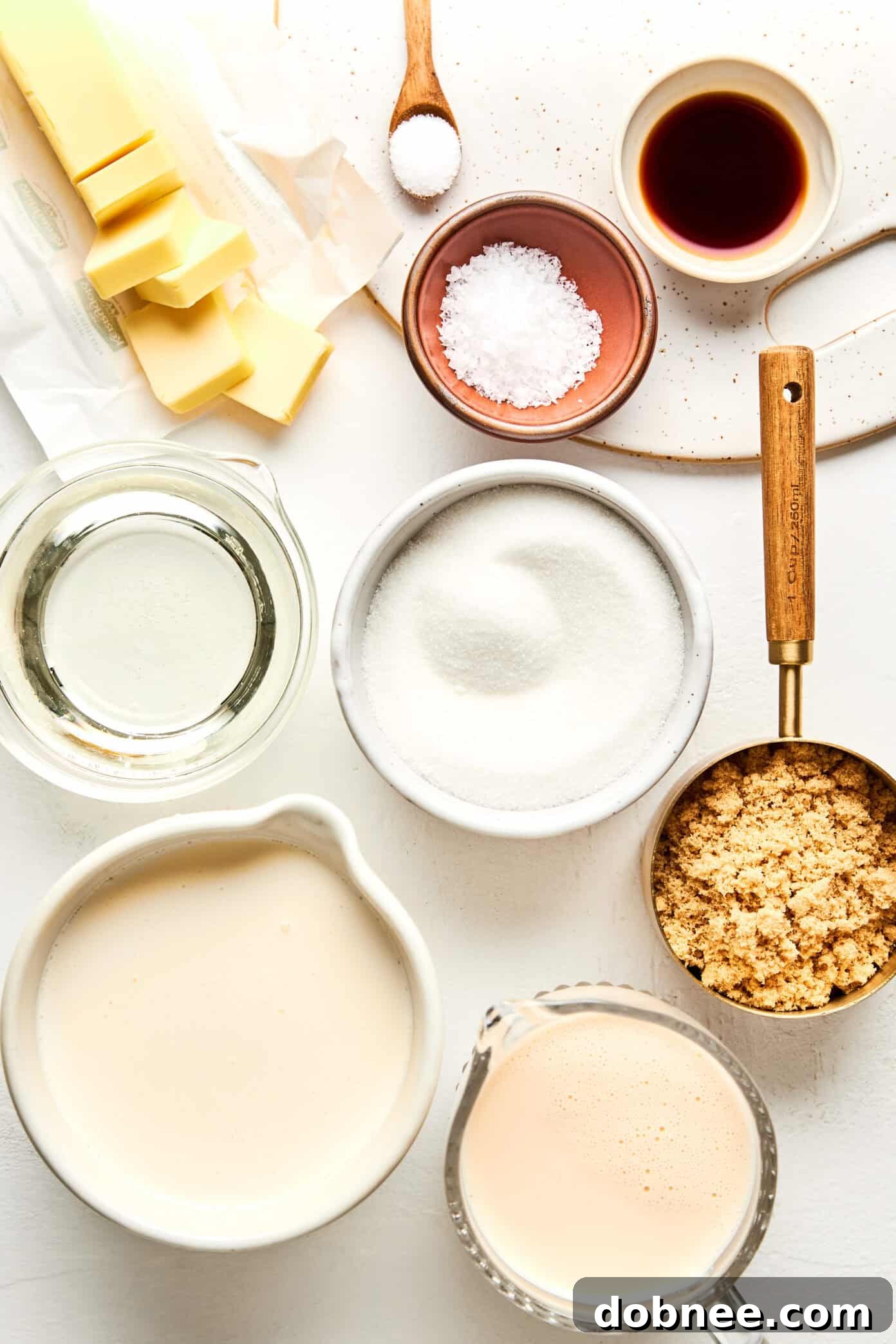
- 3/4 cup (150g) granulated sugar
- 3/4 cup (150g) light brown sugar, firmly packed
- 1 (12-ounce) can evaporated milk
- 1 1/2 cups (354ml) heavy cream
- 3/4 cup (255g) light corn syrup
- 1/2 cup (113g) unsalted butter
- 1 teaspoon fine sea salt
- 2 teaspoons vanilla extract
- flaky sea salt, for topping
Instructions
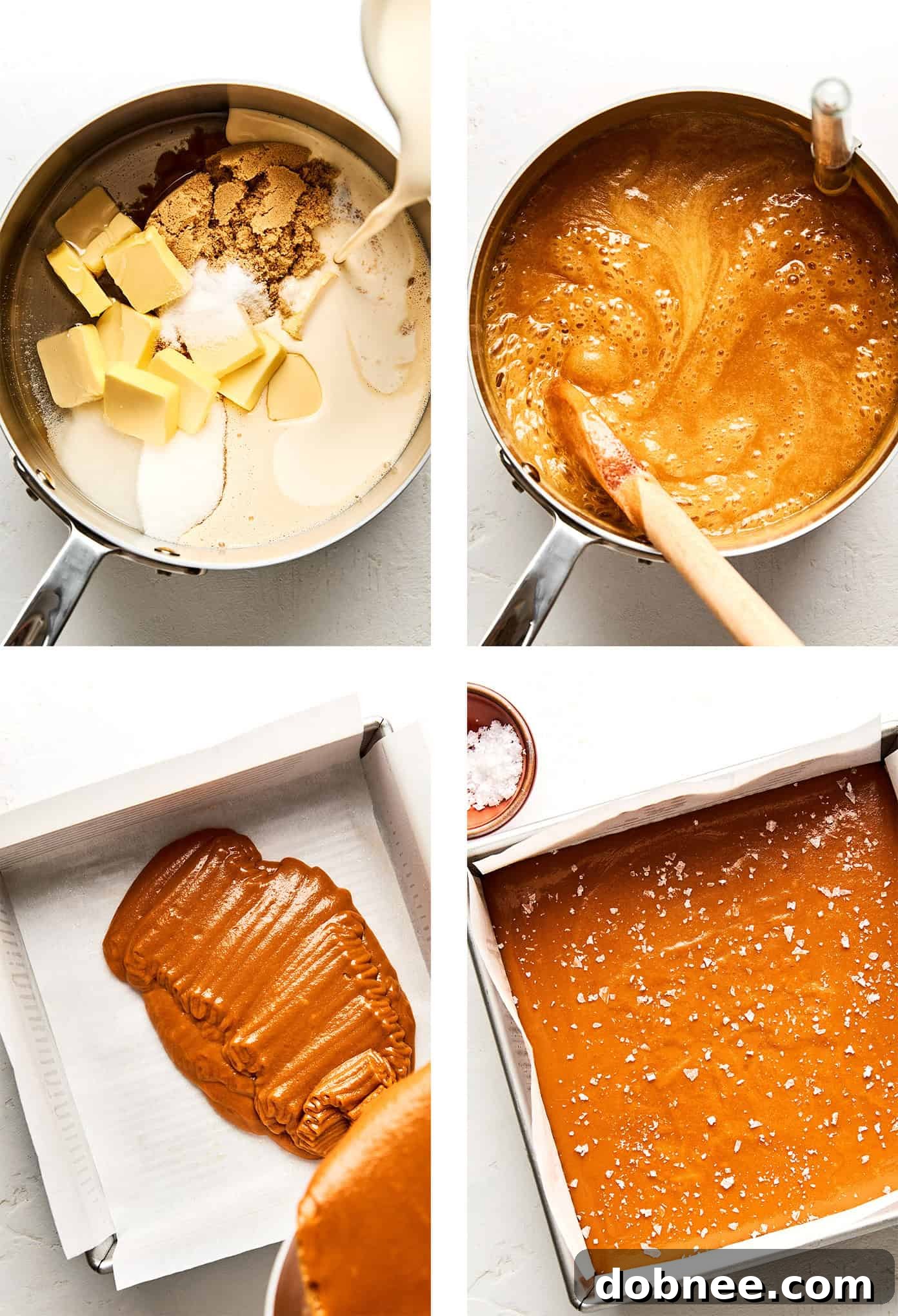
- Prepare the pan: Line an 8×8-inch baking pan with parchment paper, ensuring extra overhang on the sides for easy lifting. Lightly butter or spray the parchment paper to prevent sticking. Set this prepared pan aside.
- Combine ingredients: In a large, heavy-bottomed saucepan (crucial for even heat distribution), combine the granulated sugar, light brown sugar (firmly packed), evaporated milk, heavy cream, light corn syrup, unsalted butter, and fine sea salt.
- Heat mixture: Place the saucepan over medium heat. Cook the mixture, stirring frequently and consistently, until all the butter has fully melted and the sugars have dissolved, resulting in a smooth, uniform liquid.
- Cook to temperature: Carefully attach a candy thermometer to the side of the pan, making absolutely sure that the tip of the thermometer does not touch the bottom of the pot. Continue to cook, stirring constantly as the mixture heats up, until it reaches the precise temperature of 240–243°F (115–117°C). Remember, patience is key here; this crucial step can take anywhere from 45 to 60 minutes. Do not rush the cooking process.
- Cool and set: Immediately remove the saucepan from the heat. Stir in the vanilla extract quickly and thoroughly. Without delay, pour the hot caramel mixture into your prepared 8×8-inch baking pan, spreading the top evenly with a spatula. Allow the caramel to sit undisturbed for about 10 minutes to begin setting. At this point, generously sprinkle the surface with flaky sea salt as desired for that perfect sweet and savory finish. Let the caramel cool completely at room temperature for several hours, ideally overnight, to ensure it sets firmly.
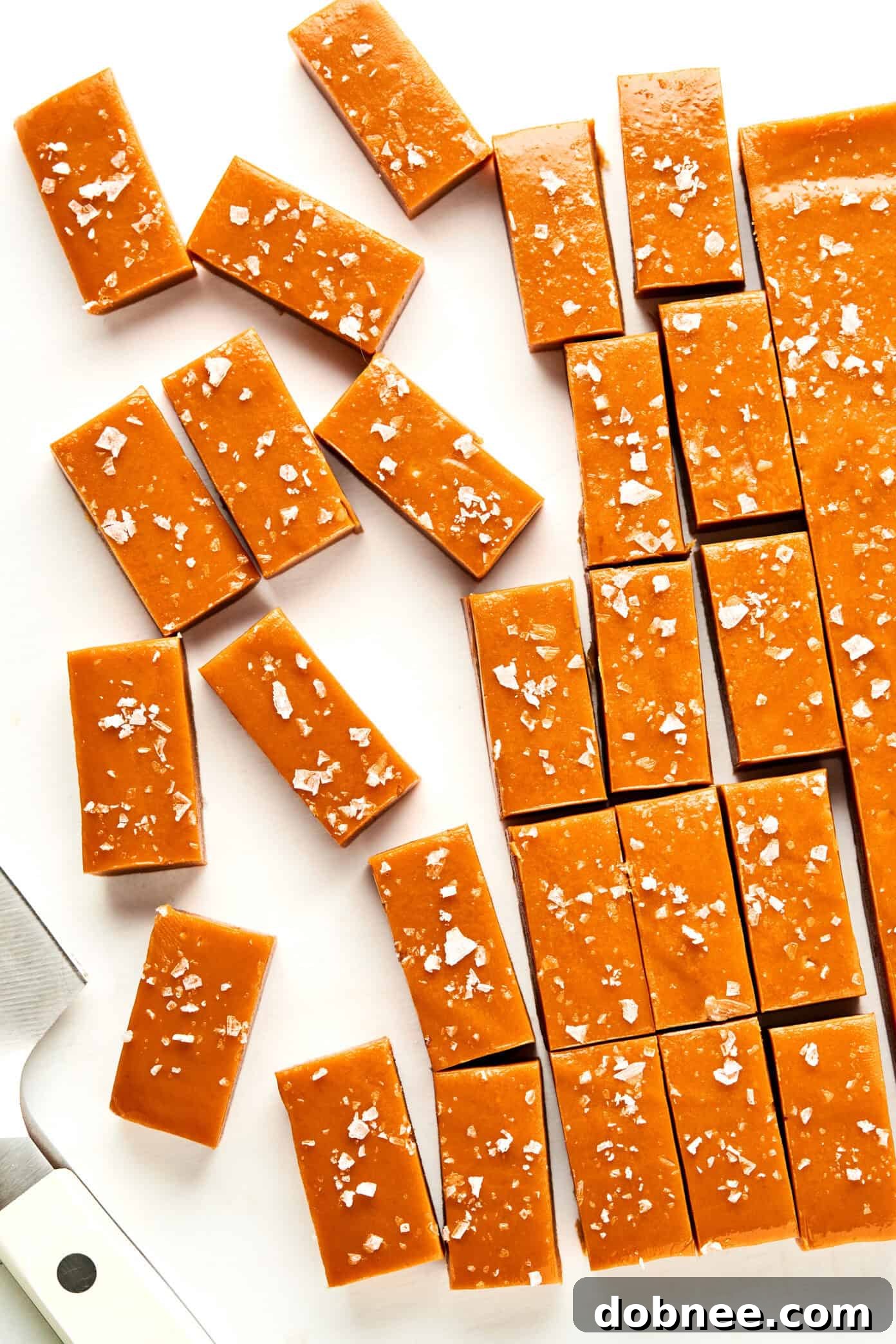
- Cut and wrap: Once the caramel has fully set and is firm to the touch, use the parchment paper overhang to lift the entire block out of the pan. Place it on a cutting board. With a sharp, buttered knife or a pastry cutter, cut the caramel into your desired shapes and sizes – typically 1-inch squares. For gifting or individual enjoyment, wrap each caramel piece individually in wax paper or specialized cellophane wrappers. Enjoy your homemade masterpiece!
Equipment
Candy Thermometer
Buy Now →
Parchment Paper
Buy Now →
8×8-Inch Pan
Buy Now →