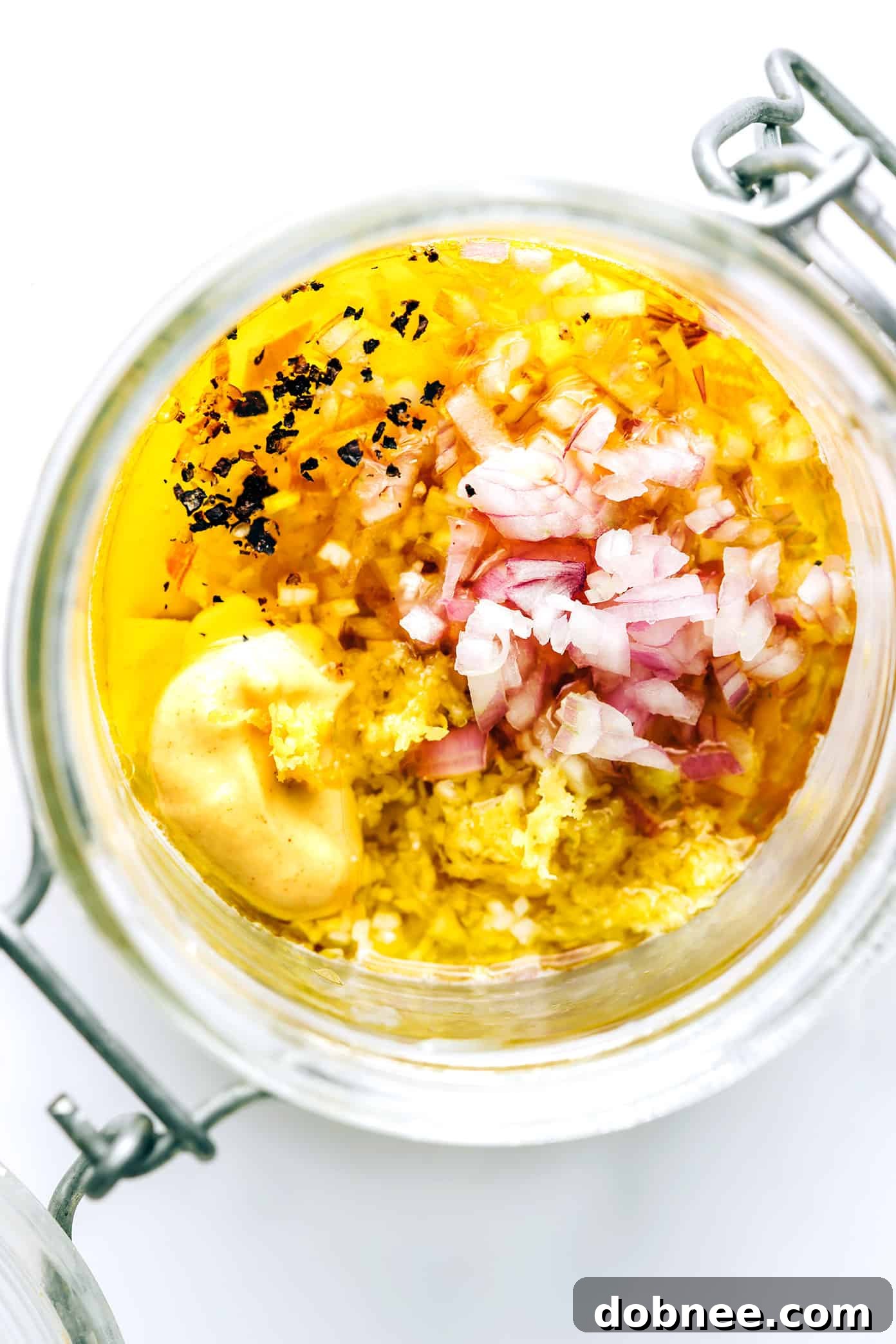
Mastering the Art of Homemade Shallot Vinaigrette: Your Ultimate French Dressing Guide
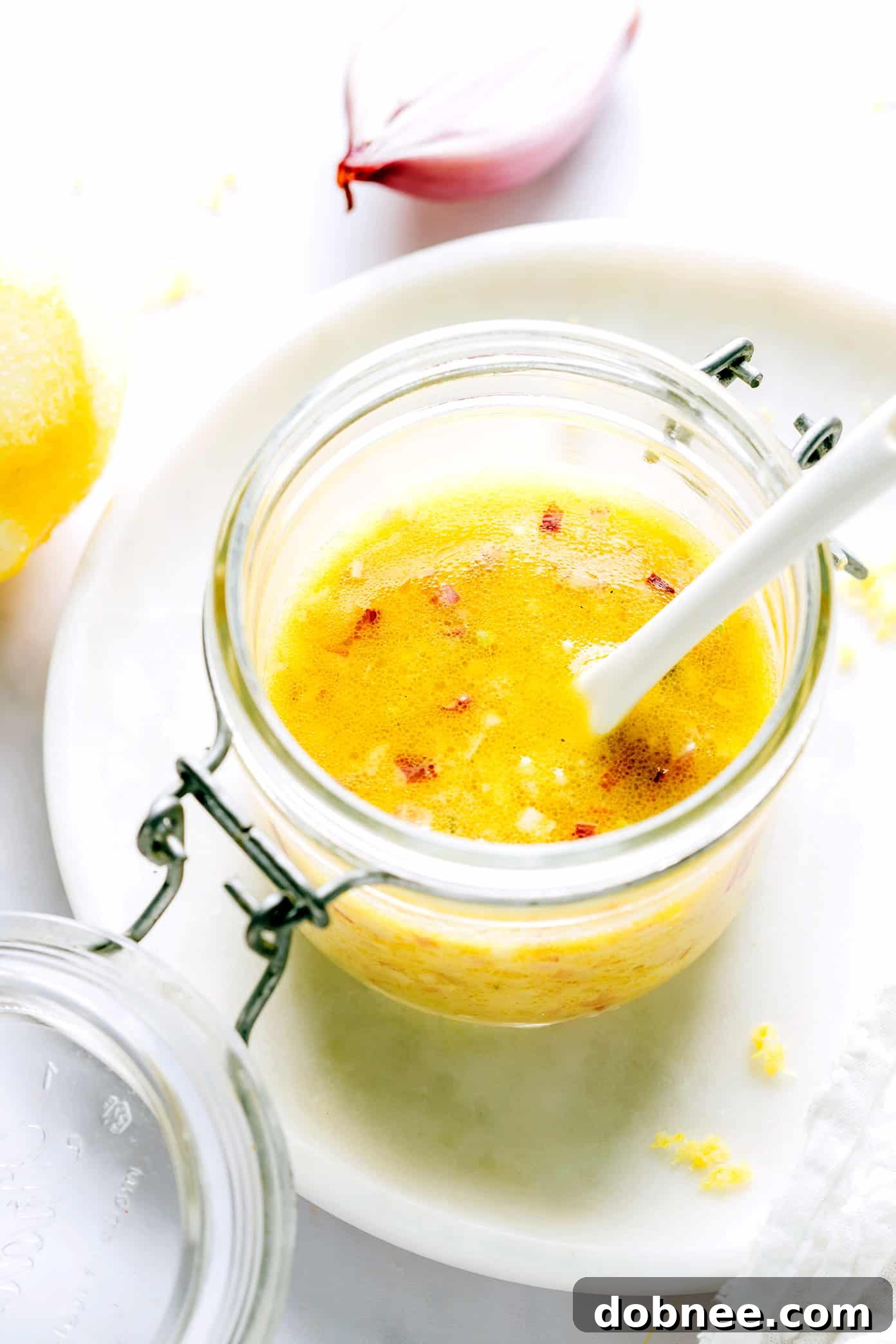
Discovering a truly exceptional homemade salad dressing can elevate even the simplest meal to a culinary delight. Among the pantheon of classic vinaigrettes, the Shallot Vinaigrette stands out as a timeless and endlessly versatile option. Often referred to as a French Vinaigrette, this dressing is celebrated for its delicate balance of flavors, ease of preparation, and remarkable ability to complement a vast array of dishes.
Forget store-bought dressings laden with artificial ingredients and excessive sugars. This shallot vinaigrette recipe is a testament to the power of fresh, high-quality components coming together to create something truly magical. With just a few pantry staples and about five minutes of your time, you can whip up a dressing that is light, bright, and utterly delicious. The subtle sweetness and mild oniony punch of fresh shallots, combined with zesty lemon, pungent garlic, and a hint of Dijon, create an aromatic masterpiece that will quickly become a cherished staple in your kitchen.
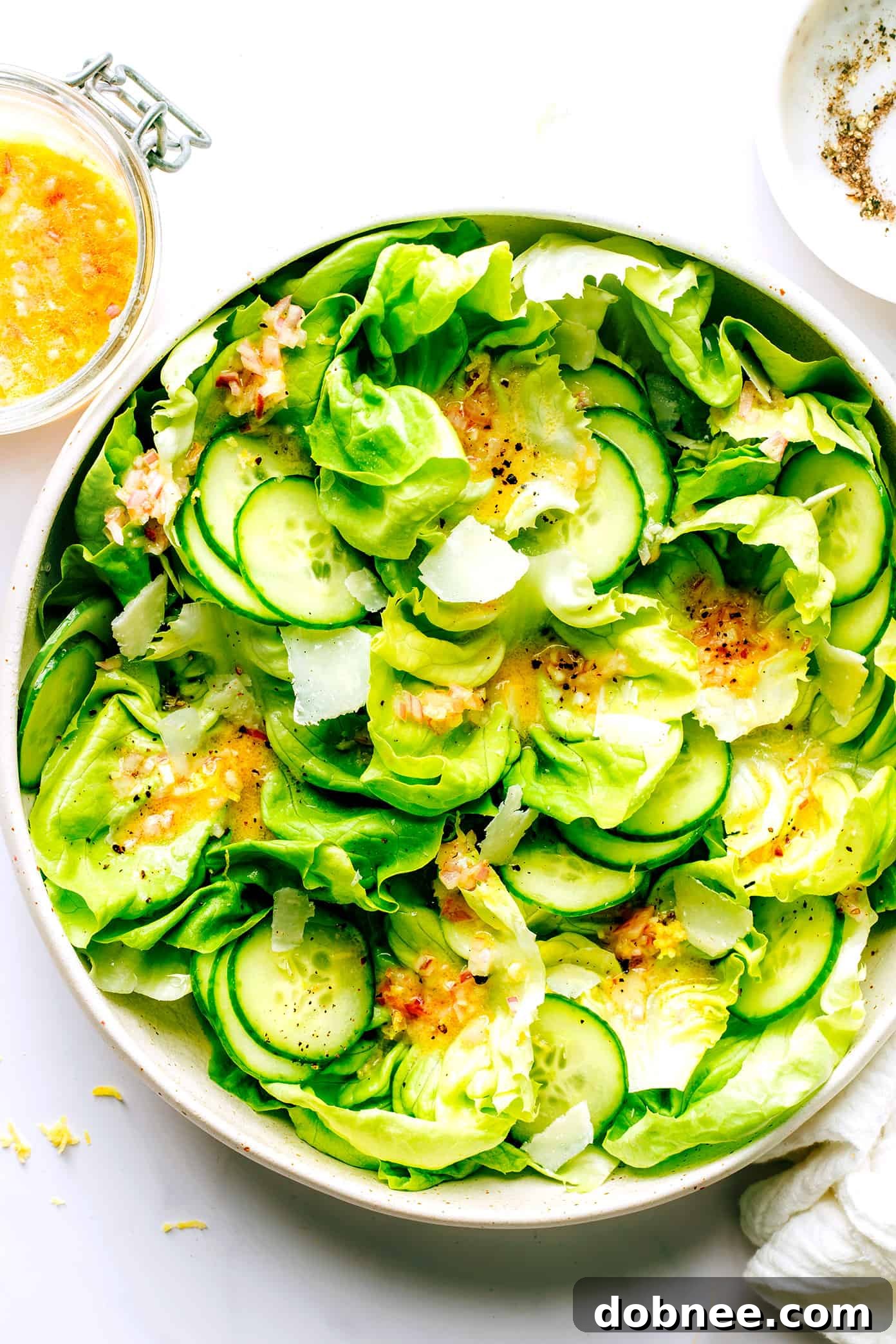
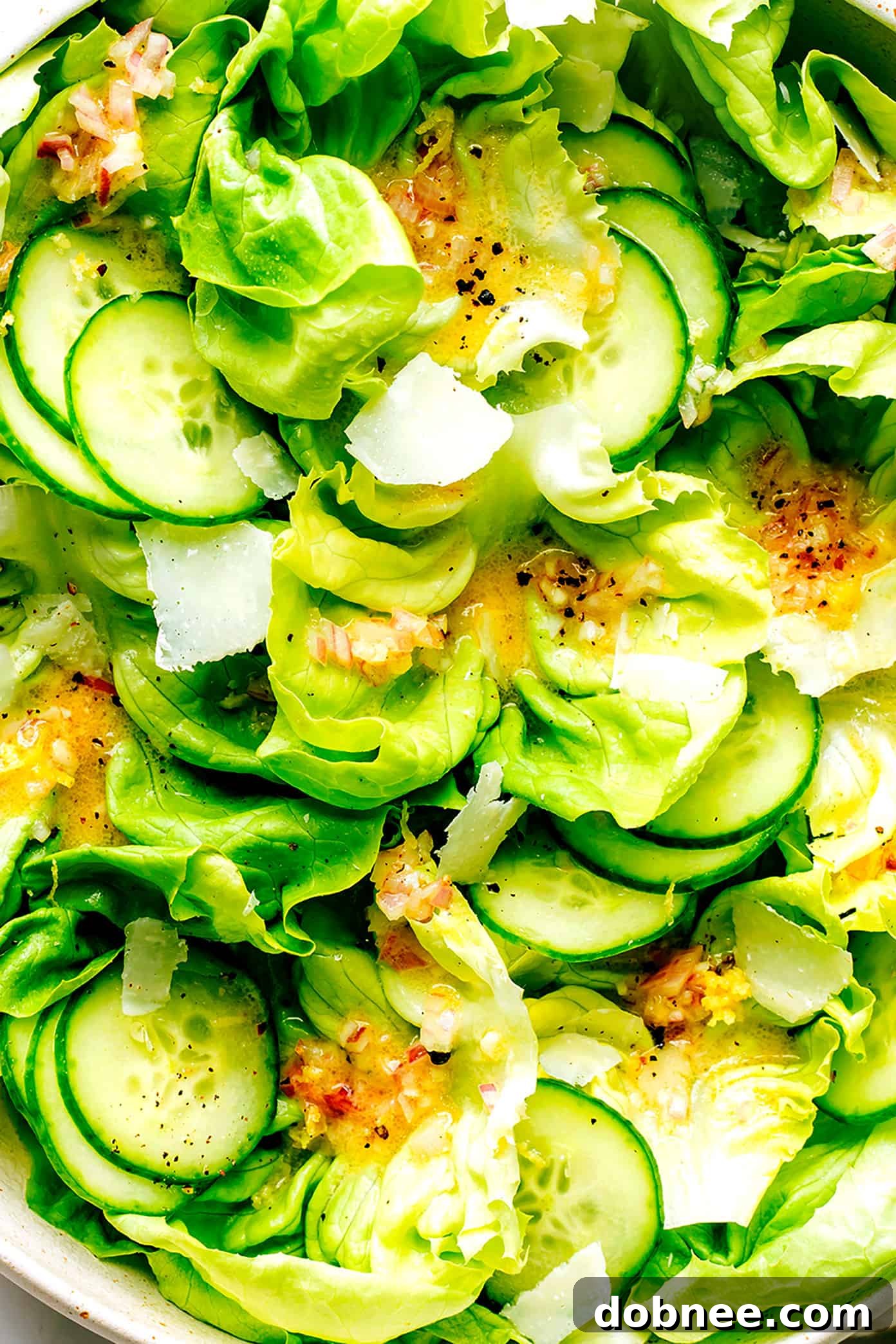
Whether you’re dressing a simple bowl of crisp greens or aiming to impress with a sophisticated entrée salad, this French vinaigrette is your secret weapon. Its elegant profile allows the natural flavors of your salad ingredients to shine, making it perfect for those moments when you crave something fresh and invigorating. Imagine a vibrant butter lettuce salad, adorned with thinly sliced cucumber and a sprinkle of Parmesan, all brought to life by the exquisite taste of this shallot dressing – it’s pure perfection!
This “back-pocket” recipe is not just for emergencies; it’s a go-to for daily enjoyment and special occasions alike. So, the next time you’re contemplating a salad, take a moment to chop some shallots, gather your ingredients, and embark on the delightful journey of crafting your very own quick and easy shallot vinaigrette.
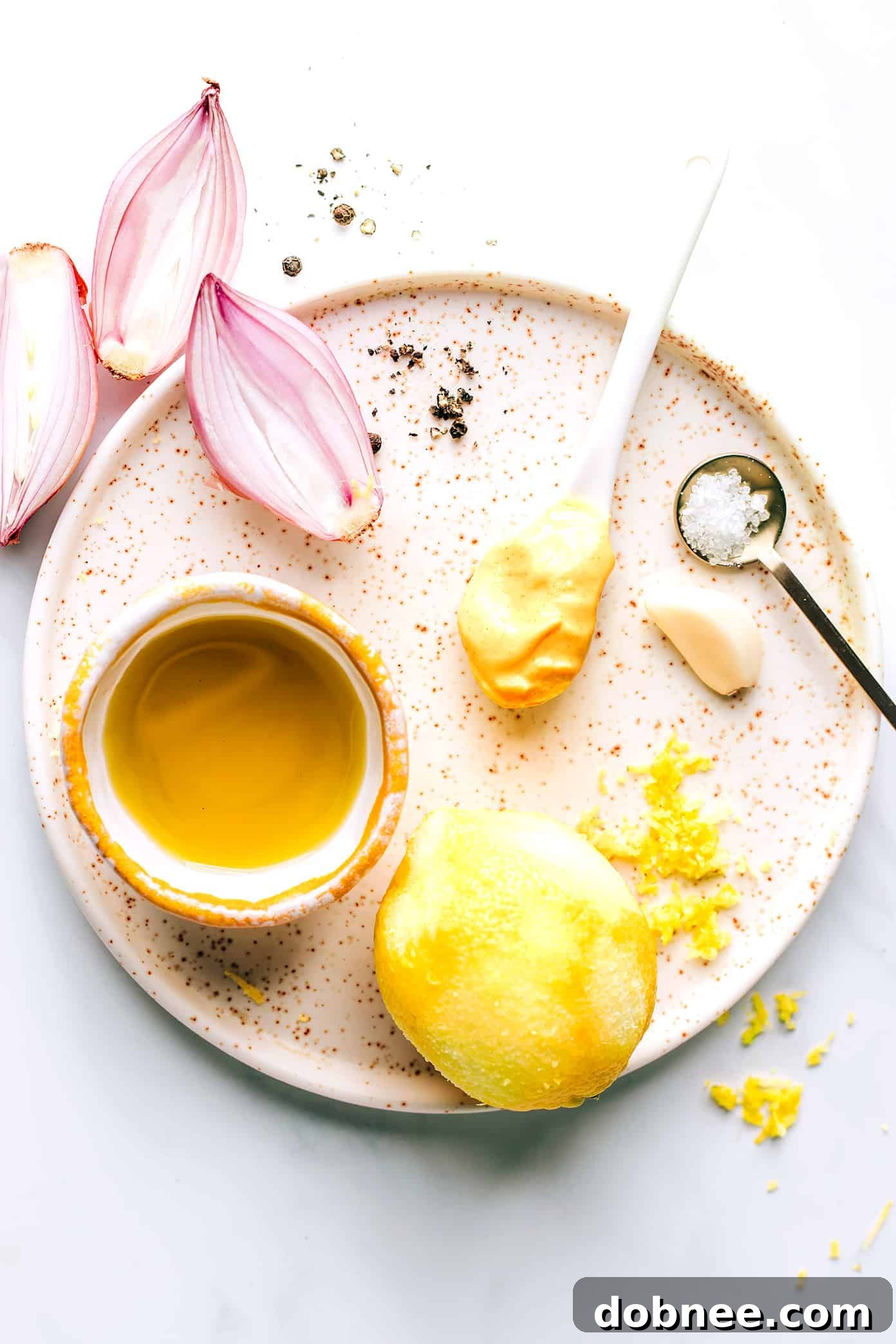
The Essential Ingredients for Your Perfect Shallot Vinaigrette
The beauty of this French vinaigrette lies in its simplicity and the quality of its components. Each ingredient plays a crucial role in building the dressing’s vibrant flavor profile. Here’s a detailed look at what you’ll need and some tips for selecting the best ones:
- Shallot: The star of the show! Shallots offer a milder, sweeter, and more delicate flavor compared to regular onions, with hints of garlic. For this recipe, one large shallot (yielding about 3 tablespoons when finely minced) is ideal, providing just the right aromatic foundation without overpowering the other elements. If you prefer an even mellower shallot flavor, a quick rinse of the minced shallot under cold water in a fine mesh strainer can help reduce its pungency, making it wonderfully subtle. Choose firm shallots with dry skins, free from sprouts or soft spots.
- Garlic: Fresh garlic is indispensable for adding a pungent, spicy kick that perfectly complements the shallot. One clove, finely minced or grated, offers a robust flavor. Adjust the quantity to your preference – a little more for garlic lovers, a little less for a milder taste. While fresh is always best, if you find yourself without it, 3/4 teaspoon of garlic powder can serve as a suitable substitute, though it won’t have the same bright punch.
- Extra Virgin Olive Oil: As the base of any good vinaigrette, the quality of your olive oil truly matters. A good-quality extra virgin olive oil (EVOO) brings a rich, fruity, and slightly peppery note that enhances the overall flavor. It also contributes to the dressing’s silky texture and helps create a stable emulsion. Look for cold-pressed, unrefined EVOO for the best taste and health benefits.
- Lemon: Fresh lemon provides essential acidity and brightness. We use both the zest and the juice of a large lemon. The zest carries potent aromatic oils that infuse the dressing with an incredible citrusy fragrance, while the juice delivers that necessary tang to balance the richness of the olive oil and the savory notes of the shallot and garlic. Aim for about 2 tablespoons of fresh lemon juice for optimal balance.
- Dijon Mustard: More than just a flavor enhancer, Dijon mustard acts as a natural emulsifier, helping to bind the oil and acid together into a smooth, creamy dressing. Its sharp, tangy, and slightly spicy profile adds depth. Both smooth and grainy Dijon varieties work well; the choice depends on your desired texture and a subtle difference in bite.
- Salt and Pepper: These fundamental seasonings are crucial for bringing all the flavors into harmony. A generous pinch of fine sea salt and freshly ground black pepper will season the dressing beautifully. Adjust to taste, ensuring the dressing is perfectly balanced – not too salty, not too bland.
Crafting Your Shallot Vinaigrette: A Simple How-To
Making this shallot vinaigrette is incredibly straightforward, requiring no special equipment beyond a bowl and a whisk, or even just a mason jar. Here’s how you can achieve a perfectly emulsified dressing every time:
The Recipe: Quick & Easy Shallot Vinaigrette
Yield: Approximately 3/4 cup
Prep Time: 5 minutes
Cook Time: 0 minutes
Total Time: 5 minutes
Ingredients:
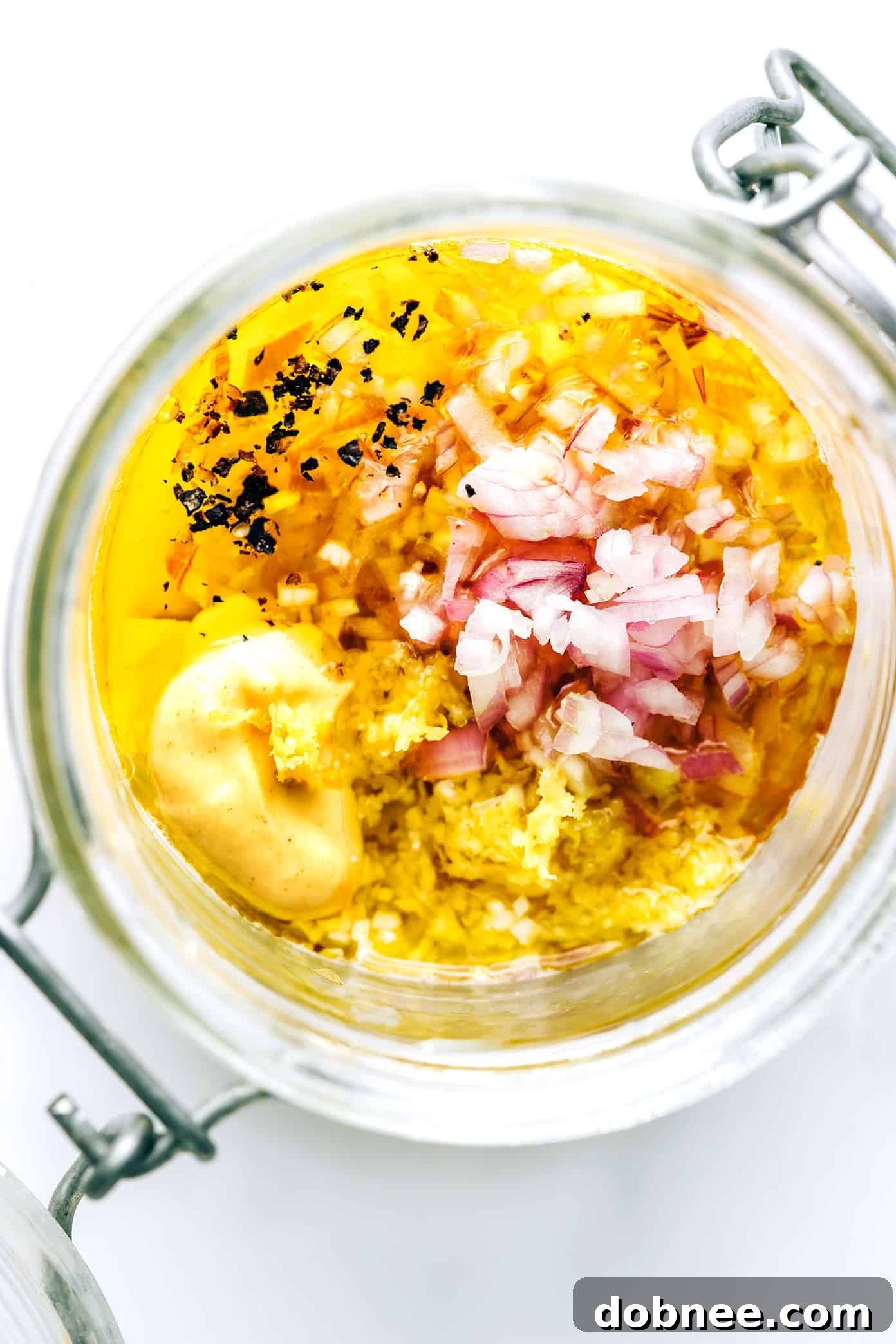
- 1 large shallot, peeled and finely minced (about 3 tablespoons)
- 1 clove garlic, peeled and finely minced
- 1/3 cup extra virgin olive oil
- 1 lemon, zested and juiced (about 2 tablespoons juice)
- 1 teaspoon Dijon mustard
- 1/4 teaspoon fine sea salt
- 1/4 teaspoon freshly-cracked black pepper
Instructions:
- Combine: In a medium bowl, add the finely minced shallot, minced garlic, lemon zest, lemon juice, Dijon mustard, fine sea salt, and freshly-cracked black pepper. Whisk these ingredients together vigorously for about 30 seconds to combine thoroughly.
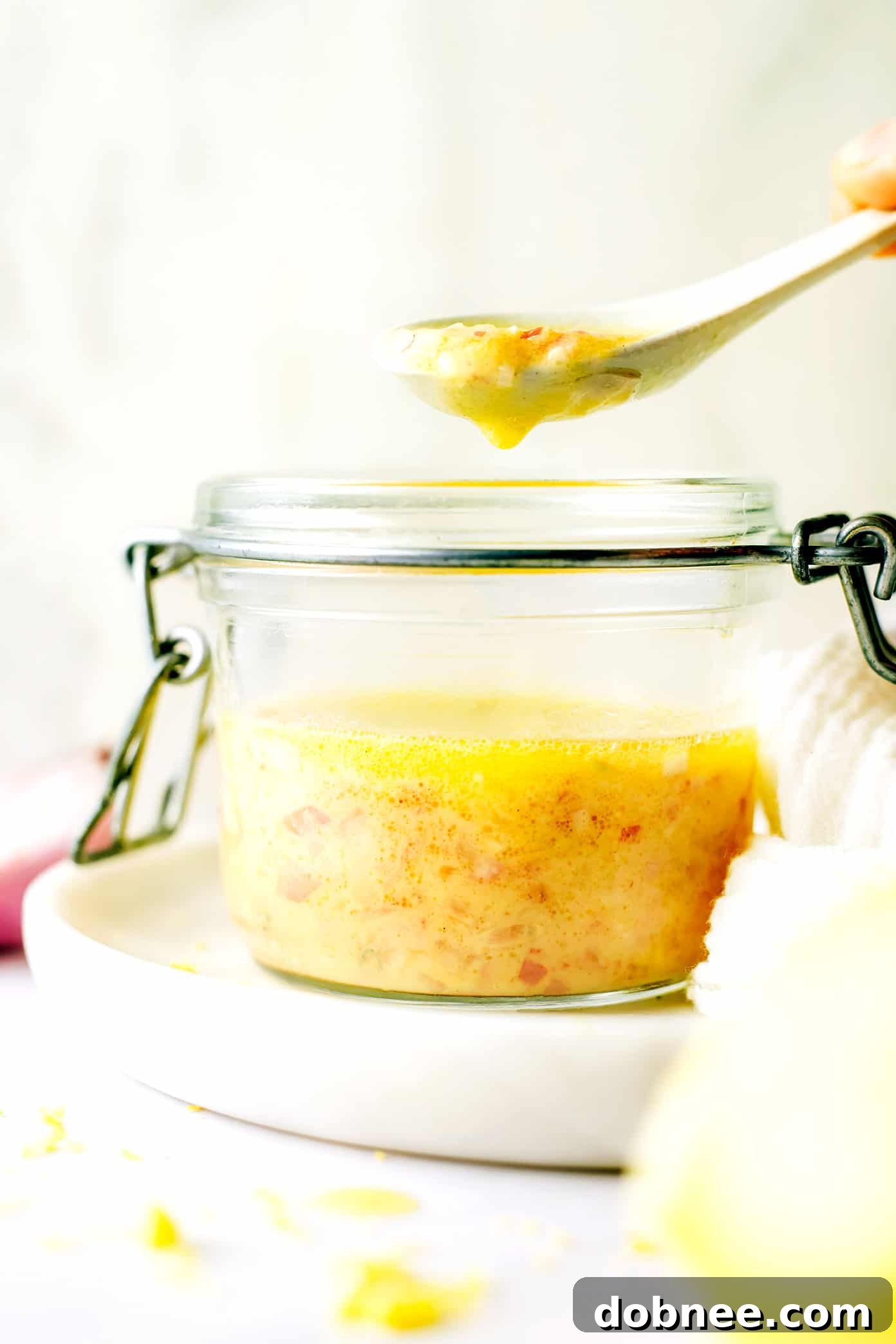
- Emulsify: While continuously whisking, slowly drizzle in the extra virgin olive oil in a steady stream. Continue whisking vigorously for at least 1 minute, or until the dressing is fully emulsified and appears creamy and homogenous.
Alternatively: If you prefer a less strenuous method, combine all ingredients in a clean mason jar with a tight-fitting lid. Secure the lid and shake the jar vigorously for 1-2 minutes until all ingredients are well combined and emulsified. - Taste and Adjust: Before serving, taste the vinaigrette and adjust seasonings as needed. You might want a little more salt, pepper, or lemon juice to suit your palate.
- Serve: Serve immediately over your favorite greens or other dishes. This vinaigrette is best when fresh, but can be stored for later use.
Unlocking Creativity: Shallot Vinaigrette Variations and Customizations
One of the true joys of homemade dressings is the freedom to customize. While the classic shallot vinaigrette is sublime on its own, here are several ways to tailor this French vinaigrette recipe to your taste and culinary imagination:
- Infuse with Fresh Herbs: Elevate the aroma and flavor by adding finely chopped fresh herbs. Basil offers a sweet, peppery note; chives provide a delicate oniony freshness; dill pairs wonderfully with fish or cucumber salads; mint adds a refreshing twist; parsley brightens the overall profile; rosemary or thyme can introduce an earthy depth; and tarragon provides a distinctive anise-like flavor, perfect for a truly French touch. Experiment with single herbs or a delightful blend!
- Add a Cheesy Umami Twist: For an extra layer of savory richness, stir in 1/4 cup of freshly grated Parmesan cheese. This addition gives the vinaigrette a delightful umami boost and a slightly thicker, creamier texture, making it particularly delicious on Caesar-style salads or alongside roasted vegetables.
- Introduce a Spicy Kick: If you enjoy a little heat, a pinch of crushed red pepper flakes stirred into the dressing will provide a subtle warmth that awakens the palate. For a bolder heat, a tiny dash of your favorite hot sauce can also do the trick.
- Experiment with Vinegar: While lemon juice provides a bright acidity, swapping it out for a good quality vinegar can dramatically change the dressing’s character. Sherry vinegar offers a complex, nutty sweetness; red wine vinegar provides a robust, classic tang; and white wine vinegar yields a crisp, clean finish. Each vinegar offers a unique flavor journey, allowing you to match the dressing to your meal.
- A Touch of Sweetness: To balance the acidity and savory notes, a tiny drizzle (about 1/2 teaspoon) of honey or maple syrup can be a game-changer. This creates a beautifully rounded flavor profile, especially appealing if you prefer your dressing with a hint of sweetness.
Beyond the Greens: Creative Serving Suggestions for Shallot Vinaigrette
While this shallot vinaigrette is undeniably exquisite on a classic green salad, its versatility extends far beyond. Don’t limit yourself! Here are numerous ways to incorporate this delightful dressing into your culinary repertoire:
- Classic Green Salads: Perfect for delicate butter lettuce, crisp romaine, peppery arugula, or a mixed greens blend. Add fresh vegetables like cucumber, cherry tomatoes, bell peppers, or radishes for extra crunch and flavor.
- Grain Bowls: Drizzle over warm quinoa, farro, or brown rice bowls packed with roasted vegetables, protein (chicken, chickpeas), and fresh herbs. The vinaigrette adds a much-needed burst of freshness and acidity.
- Roasted or Grilled Vegetables: Toss warm roasted asparagus, broccoli, Brussels sprouts, carrots, or zucchini with the vinaigrette immediately after cooking. The heat helps the vegetables absorb the flavors beautifully. It’s also fantastic over grilled corn or bell peppers.
- Potato and Pasta Salads: Use it as a lighter, brighter alternative to mayonnaise-based dressings for potato salad or pasta salad. It pairs wonderfully with new potatoes, fresh herbs, and cherry tomatoes, or with pasta shapes, olives, and feta cheese.
- Marinade for Proteins: This vinaigrette makes an excellent marinade for chicken, fish (especially salmon or cod), or firm tofu. Its acidic components tenderize, while the shallot, garlic, and lemon infuse deep flavor. Marinate for at least 30 minutes, or up to a few hours for deeper penetration.
- Dressing for Grains and Legumes: Brighten up simple cooked lentils, chickpeas, or white beans with a generous splash of vinaigrette, along with some chopped fresh parsley or cilantro.
- Bruschetta Topping: Lightly toast baguette slices, rub with a fresh garlic clove, and top with a mixture of diced tomatoes, fresh basil, and a spoonful of shallot vinaigrette.
- Sandwich and Wrap Enhancement: Instead of heavy sauces, brush a thin layer of vinaigrette inside your sandwiches or wraps for a burst of fresh flavor.
Storage Tips and Troubleshooting Your Vinaigrette
Storage and Longevity:
To keep your shallot vinaigrette fresh and flavorful, store it in an airtight container, such as a mason jar, in the refrigerator. It will keep well for up to 3 days. While the ingredients are fresh, beyond this period, the raw garlic and shallots can become too pungent. Before each use, give the container a good shake or whisk the dressing again, as the oil and acid tend to separate when chilled. This re-emulsification will bring it back to its creamy consistency.
Common Vinaigrette Troubleshooting:
- Vinaigrette Won’t Emulsify: If your dressing separates or doesn’t come together, don’t despair! The key is to add the oil very slowly while whisking vigorously. If it’s still not working, try adding a tiny drop (1/4 teaspoon) of cold water or another teaspoon of Dijon mustard and whisk again. The extra liquid or emulsifier can sometimes kick-start the process.
- Too Acidic: If the dressing tastes too sour or sharp, add a tiny bit more olive oil to mellow the acidity, or a pinch of sugar, honey, or maple syrup to balance it out.
- Too Bland: If the flavor seems flat, it likely needs more salt and pepper. You might also want to add a tiny bit more minced shallot or garlic, or a squeeze of lemon zest for an extra aromatic lift.
- Too Pungent: If the raw shallot or garlic is too strong, you can try adding a touch more olive oil or a tiny bit of sweetener to mellow the sharp edge. For future batches, consider rinsing the minced shallots or reducing the amount of garlic.
Frequently Asked Questions About Shallot Vinaigrette
Here are some common questions about making and enjoying this delicious dressing:
- What is the difference between shallots and onions? Shallots are a type of onion, but they have a milder, sweeter, and more delicate flavor with hints of garlic. Their cloves grow in clusters, similar to garlic, rather than as a single bulb like most onions. This makes them ideal for raw applications in dressings where you want flavor without overwhelming pungency.
- Can I make this vinaigrette ahead of time? Yes, absolutely! This shallot vinaigrette can be prepared up to 3 days in advance and stored in an airtight container in the refrigerator. Just be sure to give it a good shake or whisk before serving, as the ingredients will naturally separate.
- Is this vinaigrette healthy? Yes, homemade shallot vinaigrette is generally very healthy, especially when compared to many store-bought options. It uses whole, fresh ingredients, healthy fats from olive oil, and no artificial preservatives, excessive sugars, or unhealthy oils. It’s a fantastic way to add flavor and nutrients to your salads.
- Can I use different oils? While extra virgin olive oil is highly recommended for its flavor and health benefits, you can experiment with other neutral-flavored oils if you prefer, such as avocado oil or grapeseed oil. However, be aware that these will slightly alter the final taste profile. Avoid strong-flavored oils that might clash with the delicate shallot and lemon.
- Can I omit the Dijon mustard? Dijon mustard plays an important role both in flavor and as an emulsifier. While you can omit it, the dressing might not emulsify as well and will have a slightly different flavor profile. If you have a mustard allergy, you can try a small amount of lecithin powder (a natural emulsifier) or simply accept a dressing that separates more readily, requiring a good shake before each use.
The Last Drizzle: A Vinaigrette You’ll Love
In a world full of complex recipes, sometimes the simplest creations are the most rewarding. This shallot vinaigrette (or French vinaigrette) is a shining example. It’s a reminder that truly delicious food doesn’t need to be complicated. With minimal effort, you can produce a dressing that is fresh, flavorful, and incredibly versatile, capable of transforming everyday salads and meals into something special.
So go ahead, embrace the elegance of homemade. Whisk up a batch of this delightful shallot vinaigrette, experiment with the variations, and discover just how much flavor a few fresh ingredients can bring to your table. It’s more than just a dressing; it’s a foundation for countless delicious possibilities, ready to become a cherished part of your culinary repertoire.