
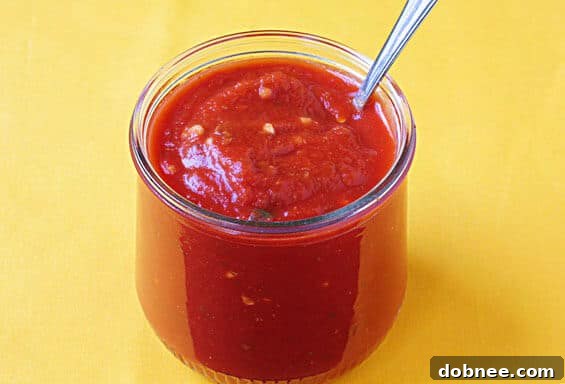
The Ultimate Guide to Perfect Homemade Pizza Sauce
Pizza. It’s a culinary masterpiece that has captured hearts and palates across the globe. From its humble origins in Italy to its countless variations found worldwide, pizza holds a special place in our gastronomic landscape. While the crust provides the foundation and the cheese offers the gooey indulgence, it’s the pizza sauce that truly forms the soul of this beloved dish. A truly exceptional pizza isn’t just about the toppings or the perfect crispy crust; it hinges critically on the quality and flavor of its sauce. And without a doubt, people are incredibly opinionated about their pizza sauce!
The spectrum of preferences for pizza sauce is as vast and varied as the pizza toppings themselves. Some aficionados prefer a silky-smooth sauce that melts seamlessly into the cheese, offering a consistent, velvety backdrop to the other ingredients. Others lean towards a more rustic, chunky texture, appreciating the visible bits of ripe tomato and herbs that give a homemade feel. Flavor profiles are equally diverse: some crave a simple, unadorned tomato essence that allows the cheese and toppings to sing, while others demand a sauce packed with an aromatic symphony of herbs and spices. There’s also the debate of sweetness – some like a touch of sugar or honey to balance the acidity of the tomatoes, creating a slightly sweeter, richer sauce, while purists insist on a purely savory, unsweetened base. Yet, despite these diverse preferences, one truth universally acknowledged is that a truly good pizza sauce can unequivocally “make” a pizza. It elevates a simple combination of bread and cheese into an extraordinary culinary experience.
For those who appreciate a sauce that’s both elegant and bursting with flavor, I’m delighted to share my personal favorite version of a smooth pizza sauce. This recipe is designed for those who love their sauce generously packed with fragrant herbs, particularly the vibrant notes of fresh basil. My preference steers clear of added sugar, instead relying on the natural sweetness of ripe tomatoes, beautifully accented with a sophisticated splash of red wine for an added layer of depth and umami. A subtle touch of cayenne pepper is also incorporated, providing just the right amount of “kick” to awaken the palate without overpowering the delicate herb flavors. The beauty of this recipe lies in its simplicity and efficiency; it takes mere minutes to stir all the ingredients together. However, the true magic unfolds during the gentle simmering process, which I adore letting linger on the stove for about 15 to 20 minutes. This crucial step allows all the individual flavors to meld perfectly, deepen, and transform into a harmonious, rich, and utterly irresistible sauce. Regardless of your current pizza sauce preferences, if you have never ventured into making this cornerstone of pizza from scratch, you absolutely must try this recipe. It is, without question, a delicious, fresh “step up” from any jarred alternative you’ll find on the supermarket shelf, promising a homemade pizza experience that is truly second to none.
Why Homemade Pizza Sauce is a Game Changer
The convenience of store-bought pizza sauce is tempting, especially on a busy weeknight. However, the leap in quality, flavor, and health benefits when you opt for homemade is monumental. Once you’ve tasted sauce made from scratch, it’s difficult to go back. Here’s why making your own pizza sauce is an invaluable culinary practice:
- Unparalleled Freshness and Flavor: Jarred sauces, by necessity, are often pasteurized and contain preservatives, which can diminish their vibrant taste. Homemade sauce, utilizing quality canned tomatoes and fresh ingredients, bursts with a bright, natural flavor that no commercial product can truly replicate. The depth and complexity are simply in a league of their own.
- Complete Control Over Ingredients: This is arguably the most significant advantage. When you prepare your sauce at home, you have total command over what goes into it. This means you can easily avoid unnecessary added sugars, reduce sodium levels to suit dietary needs, and steer clear of artificial flavors, colors, or thickeners. You’re in charge of creating a healthier, cleaner sauce for your family.
- Customization to Your Heart’s Content: Commercial sauces are designed to appeal to a broad demographic, resulting in a somewhat generic flavor profile. Your kitchen, however, is a playground for personal taste. Want more garlic? Add it generously. Crave a spicier kick? Increase the cayenne or red pepper flakes. Prefer an earthier note? A pinch of thyme or rosemary can be incorporated. Homemade sauce allows you to fine-tune the herbs, spices, and other aromatics to perfectly complement your chosen pizza toppings and personal preferences.
- Cost-Effectiveness: While investing in quality ingredients is important, making pizza sauce from scratch is often more economical in the long run than consistently buying premium jarred sauces. You’ll yield a larger quantity of superior-quality sauce for a fraction of the price.
- The Sheer Joy of Creation: There’s immense satisfaction in crafting something delicious from basic ingredients. Presenting a homemade pizza, knowing that every component, right down to the rich sauce, was lovingly prepared by you, adds a special touch to any meal and enhances the overall dining experience.
The Foundation of Flavor: Essential Ingredients for an Extraordinary Pizza Sauce
Crafting a stellar pizza sauce is an art, and like any art, it begins with understanding your mediums – the ingredients. Each component plays a vital role in building the layered flavors that distinguish a good sauce from a truly great one:
- Tomatoes: The Unquestionable Star
- Canned Crushed Tomatoes or Tomato Sauce: For a smooth sauce, high-quality canned crushed tomatoes or pure tomato sauce are ideal. Look for brands that use ripe, sweet tomatoes, ideally from regions like San Marzano, Italy, known for their exceptional flavor and lower acidity. These provide a robust, concentrated tomato base without requiring extensive cooking or blending. They form the backbone of your sauce, delivering that quintessential tomato sweetness and tang.
- Tomato Paste: Often overlooked, tomato paste is a powerhouse of flavor. A small amount goes a long way in intensifying the inherent tomato notes and adding a desirable richness and body to the sauce. It concentrates the umami and natural sugars, contributing significantly to a deep, well-rounded flavor profile.
- Aromatic Depth: Garlic and Onion Powder
- Fresh Garlic: Finely minced fresh garlic is indispensable. Its pungent, aromatic qualities provide a foundational savory depth that powdered garlic simply cannot match. It’s a non-negotiable for a truly authentic and flavorful Italian-style sauce.
- Onion Powder: While fresh onion can be added, onion powder offers a subtle, consistent onion flavor without adding extra moisture or altering the smooth texture. It provides a foundational savory note that complements the garlic beautifully.
- The Herbal Symphony: Basil, Oregano, and Marjoram
- Fresh Basil: Whenever possible, opt for fresh basil. Its sweet, peppery, slightly anise-like notes are the very essence of Italian cuisine and truly elevate pizza sauce. Add it towards the end of cooking or let it simmer briefly to preserve its delicate aroma and vibrant color.
- Dried Oregano: A classic pizza herb, dried oregano contributes an earthy, slightly bitter, and robust flavor that deepens wonderfully during cooking. It’s an essential component for that familiar “pizza parlor” aroma.
- Dried Marjoram: Often paired with oregano, marjoram offers a slightly sweeter, more delicate, and floral cousin to oregano’s assertiveness. It adds a nuanced layer of herbaceousness that rounds out the flavor profile beautifully. Remember that dried herbs are more potent than fresh, so use them judiciously.
- Balancing Act: Salt, Spice, and Optional Enhancements
- Kosher Salt: More than just adding saltiness, kosher salt is crucial for enhancing and balancing all the other flavors in the sauce. Always taste and adjust to your preference.
- Cayenne Pepper (optional): For those who appreciate a gentle warmth and a subtle “kick,” a small pinch of cayenne pepper adds a delightful layer of complexity without making the sauce overtly spicy. It provides a pleasant counterpoint to the sweet tomato and savory herbs.
- Red Wine (optional): A splash of dry red wine, such as Merlot or Cabernet Sauvignon, can introduce a sophisticated depth, subtle fruit notes, and a touch of acidity that elevates the overall savory profile. The alcohol cooks off during simmering, leaving behind only its rich flavor essence.
- Sugar or Honey (optional): While my preferred recipe omits it, some find that a small amount of sugar or honey helps to balance the natural acidity of the tomatoes, resulting in a slightly sweeter and more mellow sauce. This is entirely a matter of personal preference and can be adjusted to taste.
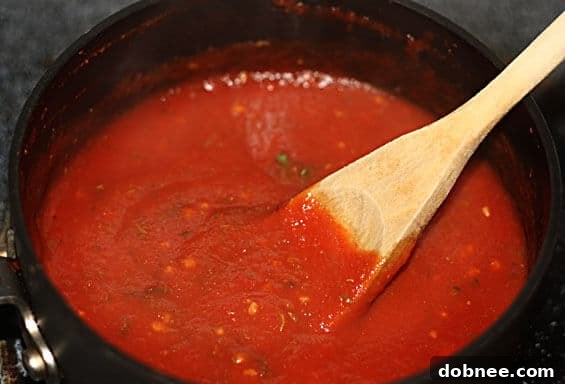
Perfect Smooth Pizza Sauce Recipe
- Prep Time: 5 minutes
- Cook Time: 20 minutes
- Total Time: 25 minutes
- Yield: 2-4 cups pizza sauce
Description
This perfect smooth pizza sauce recipe is incredibly quick and easy to prepare, resulting in a healthy, delicious, and deeply flavorful sauce that will revolutionize your homemade pizzas! Say goodbye to bland store-bought options and embrace the vibrant taste of fresh, homemade goodness.
Ingredients
- 1 (14.5 oz.) can tomato sauce (or high-quality crushed tomatoes for a richer base)
- 3 Tbsp. tomato paste (for intense tomato flavor and body)
- 1 large garlic clove, finely minced (or 2 small cloves for extra garlic punch)
- 1 Tbsp. fresh basil, finely chopped (or 1 tsp. dried basil for convenience)
- 2 tsp. dried oregano (the classic pizza herb)
- 1 tsp. onion powder (for a subtle, savory background note)
- 1/2 tsp. dried marjoram (adds a delicate, earthy sweetness)
- 1/2 tsp. kosher salt (or to taste; adjust after simmering)
- Pinch of cayenne pepper (optional, for a little “kick”; adjust to your spice preference)
- Splash of red wine (optional, but highly recommended for nuanced depth and complexity)
Instructions
- Begin by combining all the specified ingredients into a small or medium-sized saucepan. This includes the canned tomato sauce, tomato paste, finely minced garlic, fresh or dried basil, dried oregano, onion powder, dried marjoram, kosher salt, the pinch of cayenne (if using), and the optional splash of red wine. Stir all these components thoroughly with a whisk or spoon until they are completely well-combined and the tomato paste is smoothly integrated into the sauce.
- Place the saucepan over medium heat on your stovetop. Gently cook the mixture, stirring occasionally to prevent sticking, until you observe small bubbles beginning to rise and softly pop at the surface of the sauce. This indicates that the sauce is coming to a gentle simmer and the flavors are starting to awaken and meld together.
- Once the sauce reaches a gentle simmer, immediately reduce the heat to low. Cover the saucepan tightly with a lid, and allow the sauce to continue simmering for another 15 to 20 minutes. This slow, low-heat simmering is a critical step; it allows all the herbs and spices to fully infuse into the tomato base, deepening the flavor, thickening the sauce slightly, and creating a truly harmonious and rich taste that simply cannot be achieved by rushing the process. The longer it simmers on low heat, the more pronounced and developed the flavors will become, so don’t skimp on this step!
- Once simmered, remove the sauce from the heat. It is now ready to be served warm on your homemade pizza! This versatile sauce can be used immediately or prepared ahead of time for future culinary adventures.
- Storage Recommendations: For immediate future use, allow the sauce to cool completely to room temperature. Then, transfer it to an airtight container and store it in the refrigerator for up to 5-7 days. For longer-term storage, this sauce freezes beautifully. A highly recommended method for freezing is to pour the cooled sauce into ice cube trays. Once the sauce cubes are frozen solid, pop them out and transfer them to a freezer-safe bag or container. This convenient method allows you to thaw and use exactly the amount of sauce you need for individual pizzas or smaller applications, minimizing waste and maximizing convenience. Frozen pizza sauce will maintain its excellent quality for up to 3 months.
Tips for a Truly Personalized Pizza Sauce
While the provided recipe offers a fantastic, well-balanced base for a perfect smooth pizza sauce, remember that cooking is all about personal preference. Don’t hesitate to customize this recipe to perfectly suit your palate and create a sauce that is uniquely yours. Here are a few creative tips for customization:
- Adjusting Sweetness: As Ali’s Tip suggests, if you find yourself gravitating towards a pizza sauce with a slightly sweeter profile, feel free to incorporate a teaspoon or two of sugar or honey. Add it during the initial combining phase, stir it well, and then taste the sauce after it has simmered. You can always add a bit more gradually until you reach your desired level of sweetness.
- Amplify the Spice: For those who crave an extra fiery kick, a little more cayenne pepper can be added. Alternatively, a pinch of red pepper flakes can introduce a different kind of heat and texture. For a milder sauce, simply reduce or entirely omit the cayenne pepper.
- Herbaceous Variations: While basil and oregano are classic and foundational, don’t be afraid to experiment with other complementary dried herbs. A tiny dash of dried thyme or rosemary can introduce a different aromatic complexity. Always start with a small amount, as dried herbs are potent, and you can always add more if needed.
- Garlic Lover’s Boost: If you’re a true devotee of garlic, an additional minced clove or two will significantly amplify the garlic presence in your sauce, creating a bolder and more pungent flavor.
- Introducing Smoky Notes: For an unexpected depth and a hint of smokiness, consider adding a tiny dash of smoked paprika. This ingredient can introduce a subtle complexity that beautifully complements the tomato and herb flavors.
- Enhancing Umami: A very small pinch of dried mushroom powder or even a touch of anchovy paste (which melts away completely, leaving no fishy taste, only savory depth) can boost the umami in your sauce, making it taste richer and more satisfying.
Beyond Pizza: Creative Ways to Utilize Your Homemade Sauce
This phenomenal homemade smooth pizza sauce is far too delicious and versatile to be confined solely to pizza night! Its rich, balanced flavor profile makes it a fantastic addition to a multitude of other dishes, elevating everyday meals into something special. Here are some creative ways to use your leftover (or intentionally extra-made) sauce:
- A Simple Pasta Sauce: Transform a quick weeknight pasta dish by using this fresh sauce. Simply warm it through, toss it with your favorite pasta – spaghetti, penne, or fusilli – and perhaps sprinkle with some grated Parmesan cheese and fresh basil for an effortless yet incredibly flavorful meal.
- Delicious Dipping Sauce: Serve your homemade sauce warm as an exquisite dipping companion. It’s perfect with classic appetizers like mozzarella sticks, crispy garlic bread, arancini (fried risotto balls), or even freshly fried zucchini or calamari.
- Bruschetta Base with a Twist: For an elevated appetizer, spread a thin layer of this vibrant sauce on toasted baguette slices. Top with fresh mozzarella, a slice of ripe tomato, and a sprig of fresh basil, then broil briefly until the cheese is bubbly.
- Hearty Sandwich Filler: Use this sauce as the flavorful base for comforting, hearty sandwiches. It’s ideal for crafting gourmet meatball subs or a delectable chicken parmesan sandwich, adding moisture and a burst of Italian flavor.
- Baked Eggs (Shakshuka-Style): Create shallow wells in a dish filled with your warm pizza sauce. Crack eggs directly into these wells and bake in the oven until the egg whites are set and the yolks are perfectly runny. Serve with crusty bread for a rustic and satisfying breakfast, brunch, or light dinner.
- Flavorful Stuffed Vegetables: Mix the sauce with cooked rice and seasoned ground meat (or a vegetarian alternative), then use this mixture to stuff bell peppers, zucchini, or even large mushrooms. Bake until tender for a wholesome and flavorful meal.
- Mini Pizza Bites or Pinwheels: Spread the sauce on puff pastry or tortilla wraps, add cheese and mini toppings, then roll up and slice before baking for quick and fun party snacks.
Conclusion: Embrace the Homemade Difference
In the grand scheme of home cooking, making your own pizza sauce is a relatively small effort that yields monumental results. It’s a simple, incredibly rewarding step that will fundamentally elevate your homemade pizzas, transforming them from good to truly extraordinary. By taking control of your ingredients, you ensure a fresher, healthier, and infinitely more flavorful base for your culinary creations. With just a few basic ingredients, readily available in any grocery store, and a short, gentle simmering time, you can craft a smooth, herbaceous, and perfectly balanced pizza sauce that will impress every palate and ensure your homemade pizzas are truly the best they can possibly be. So, the next time pizza night beckons, I urge you to skip the convenient jar. Instead, embark on the delightful journey of crafting your own perfect pizza sauce from scratch. You’ll not only taste the difference but also savor the satisfaction of creating something truly special. Happy pizza-making, and enjoy the rich, authentic flavors of your homemade masterpiece!