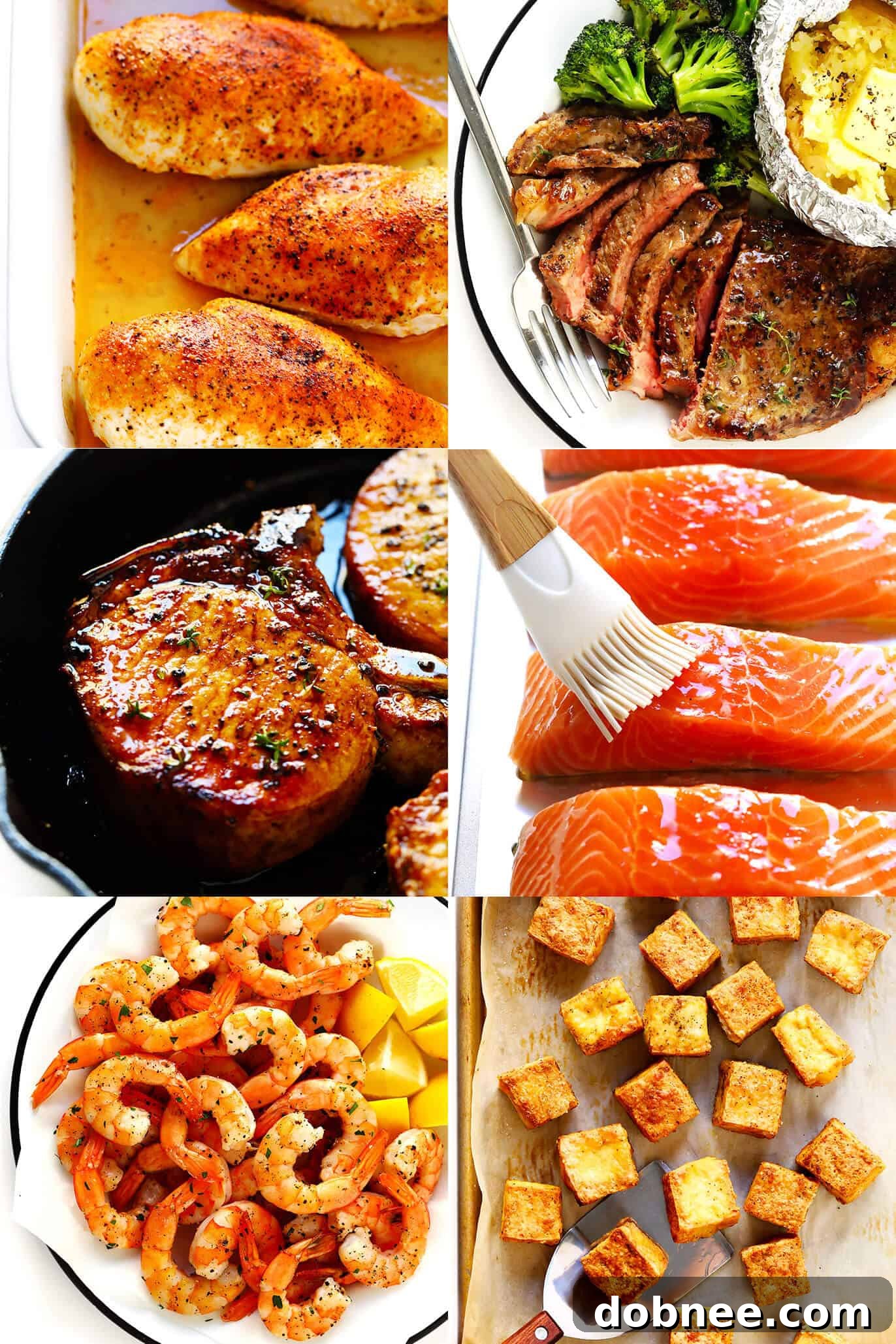
Everything you need to know about how to cook chicken, steak, pork, shrimp, salmon, whole fish or tofu in the oven.
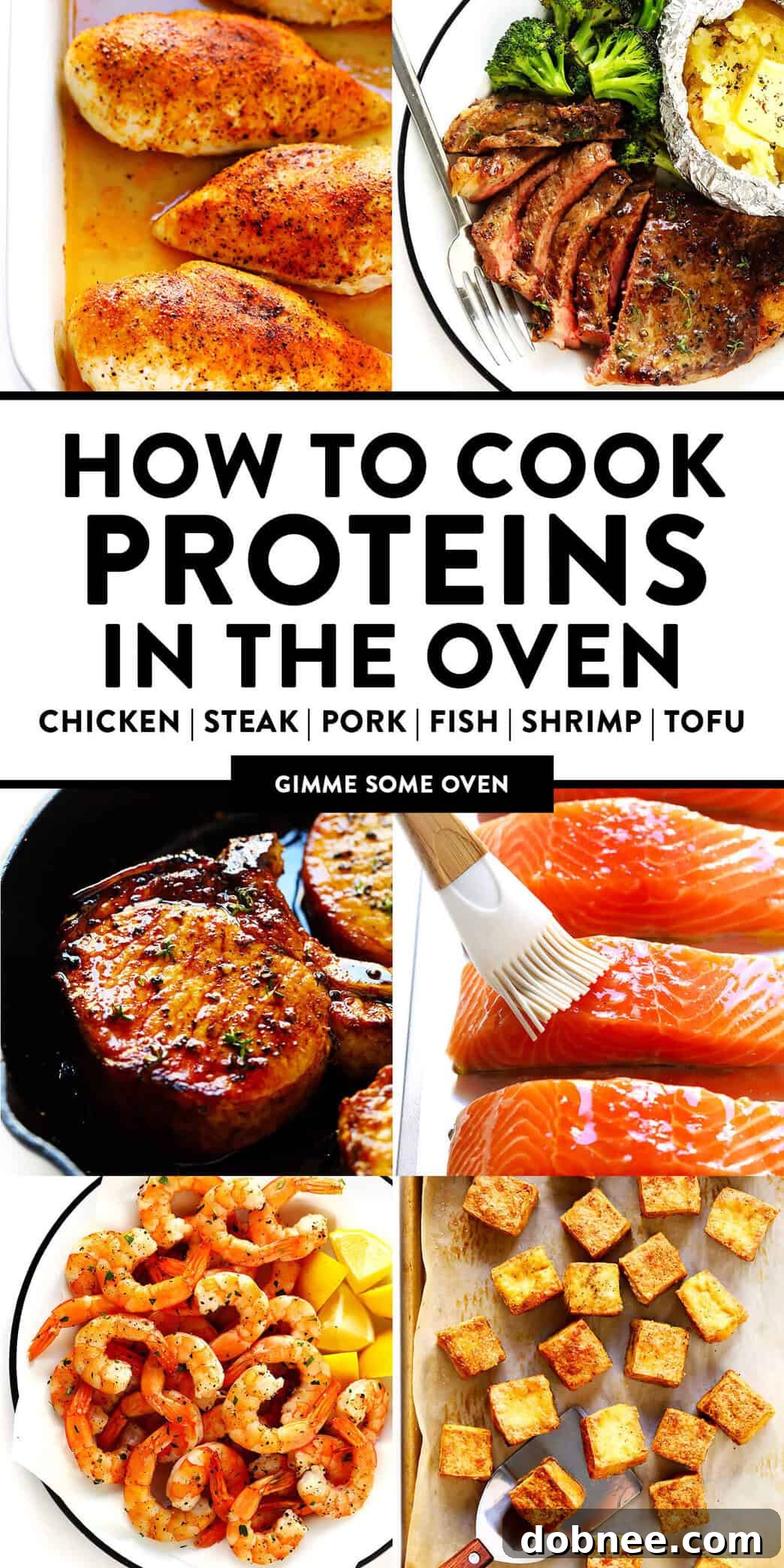
Hello, home chefs! Whether you’re a seasoned cook or just starting your culinary journey, mastering oven-baked proteins is a game-changer for delicious, healthy, and convenient meals. With so many of us spending more time perfecting our kitchen skills, there’s no better time to unlock the secrets to perfectly cooked proteins, right in your oven.
The oven offers an unparalleled advantage when it comes to cooking a variety of proteins. It provides consistent, even heat, allowing for hands-off cooking and freeing you up to prepare sides or simply relax. From succulent chicken breasts to perfectly seared steak, flaky salmon, tender pork, juicy shrimp, impressive whole fish, or crispy tofu, the oven can handle it all with remarkable ease and deliver consistently excellent results. This comprehensive guide is designed to equip you with all the knowledge, tips, and inspiration you need to confidently bake your favorite proteins to perfection, every single time.
Below, you’ll find detailed tutorials, packed with valuable tips, and references to foolproof recipes that will guide you through making perfectly-baked versions of:
- Chicken Breasts
- Steak
- Pork Chops
- Salmon
- Whole Fish
- Shrimp
- Tofu
Each of these oven-cooked proteins stands wonderfully on its own as the star of your meal, or they can be effortlessly incorporated into a myriad of other dishes you might have bookmarked – from vibrant salads and hearty grain bowls to comforting pasta dishes and flavorful stir-fries. Furthermore, every tutorial comes complete with essential advice on how to properly store and even freeze your cooked proteins, ensuring you can enjoy delicious meals throughout the week. You’ll also discover a wealth of options for seasoning and customizing each recipe to perfectly match your taste preferences. Get ready to elevate your cooking skills and transform your kitchen into a hub of culinary excellence!
Essential Tips for Oven Cooking Success
Before diving into specific proteins, let’s cover some universal principles that will ensure your oven cooking endeavors are always a success. These foundational tips apply whether you’re baking meat, seafood, or plant-based proteins, helping you achieve optimal texture and flavor.
- Preheat Thoroughly: Always preheat your oven completely to the specified temperature before placing any food inside. This ensures even cooking from the start and prevents soggy or undercooked results. A preheated oven maintains stable heat, which is crucial for perfect baking.
- Use the Right Pan: Opt for heavy-duty baking sheets or oven-safe dishes. Darker pans tend to cook food faster and brown more aggressively, while lighter pans offer more even, gentle cooking. For crispier results, especially with chicken or tofu, a wire rack placed on top of a baking sheet allows air to circulate around all sides.
- Don’t Overcrowd the Pan: Give your proteins space! Overcrowding a baking sheet lowers the pan’s temperature and steams the food instead of roasting or baking it. This can lead to less-than-desirable browning and a softer texture. Cook in batches if necessary.
- Season Generously: Flavor starts with seasoning. Don’t be shy with salt, pepper, and your favorite herbs and spices. A good marinade or rub can penetrate the protein, adding depth and moisture. Remember that seasoning before cooking helps create a flavorful crust.
- Utilize a Meat Thermometer: This is perhaps the most important tool for preventing overcooked or undercooked proteins. An instant-read meat thermometer takes the guesswork out of cooking, ensuring your food reaches a safe internal temperature while remaining juicy and tender. Internal temperatures vary by protein, so always check recommended guidelines.
- Rest Your Meat: For most meats (chicken, steak, pork, salmon), allowing them to rest for 5-10 minutes after coming out of the oven is crucial. This allows the juices to redistribute throughout the meat, resulting in a more tender and flavorful bite. Skipping this step can lead to dry meat as the juices escape when you cut into it immediately.
Now that you’re armed with these fundamental tips, let’s explore how to apply them to specific proteins. Bookmark this post, grab your favorite protein, and get ready to cook something incredible! It’s time to fire up that oven!
How To Cook Chicken Breasts In The Oven: Juicy and Tender Every Time
Chicken breasts are a staple in many kitchens, known for their versatility and lean protein content. However, they can notoriously become dry and bland if not cooked correctly. Fear not! The oven method is your secret weapon for achieving perfectly juicy and tender baked chicken breasts, making them a delicious cornerstone for countless meals. Forget the days of overcooked, rubbery chicken; this foolproof approach ensures a delightful texture and flavor profile.
Why Oven-Bake Chicken Breasts?
- Even Cooking: The consistent heat of the oven surrounds the chicken, ensuring it cooks thoroughly from all sides without needing constant flipping.
- Hands-Off Approach: Once seasoned and in the oven, you’re free to prepare your side dishes or simply take a break.
- Moisture Retention: With the right temperature and cooking time, the oven helps to lock in natural juices, preventing the dreaded dry chicken.
- Versatility: Baked chicken breasts are a blank canvas for flavors, pairing well with almost any seasoning or sauce.
Key Steps for Perfect Baked Chicken:
- Preparation is Key: Start by patting your chicken breasts completely dry with paper towels. This crucial step helps seasonings adhere better and promotes a nicer sear or crust. If breasts are unevenly thick, consider pounding the thicker parts slightly to ensure even cooking.
- Seasoning: A simple blend of salt, black pepper, garlic powder, onion powder, and paprika works wonders for an all-purpose flavor. For more adventurous palates, experiment with Italian herbs, lemon-herb mixes, or a spicy Cajun rub. Don’t be afraid to rub the seasonings directly onto the chicken to ensure maximum flavor penetration.
- Temperature Control: Typically, chicken breasts bake beautifully at temperatures between 375°F (190°C) and 400°F (200°C). Higher temperatures can help achieve a good exterior while keeping the interior moist.
- Cooking Time: Depending on thickness, boneless, skinless chicken breasts usually take between 20-30 minutes. The absolute best way to ensure perfect doneness is to use an instant-read meat thermometer. Insert it into the thickest part of the breast; it should read 165°F (74°C).
- Rest: Once cooked, remove the chicken from the oven and let it rest on a cutting board for 5-10 minutes. This allows the juices to redistribute, resulting in a more succulent piece of meat.
This Baked Chicken Breast recipe provides a detailed, 5-step method to achieve delicious, juicy, and tender chicken every single time. It’s a fundamental recipe for anyone looking for easy dinners, efficient meal prep, or reliable protein to freeze for later. Enjoy your perfectly baked chicken, free from the worries of over-baking!
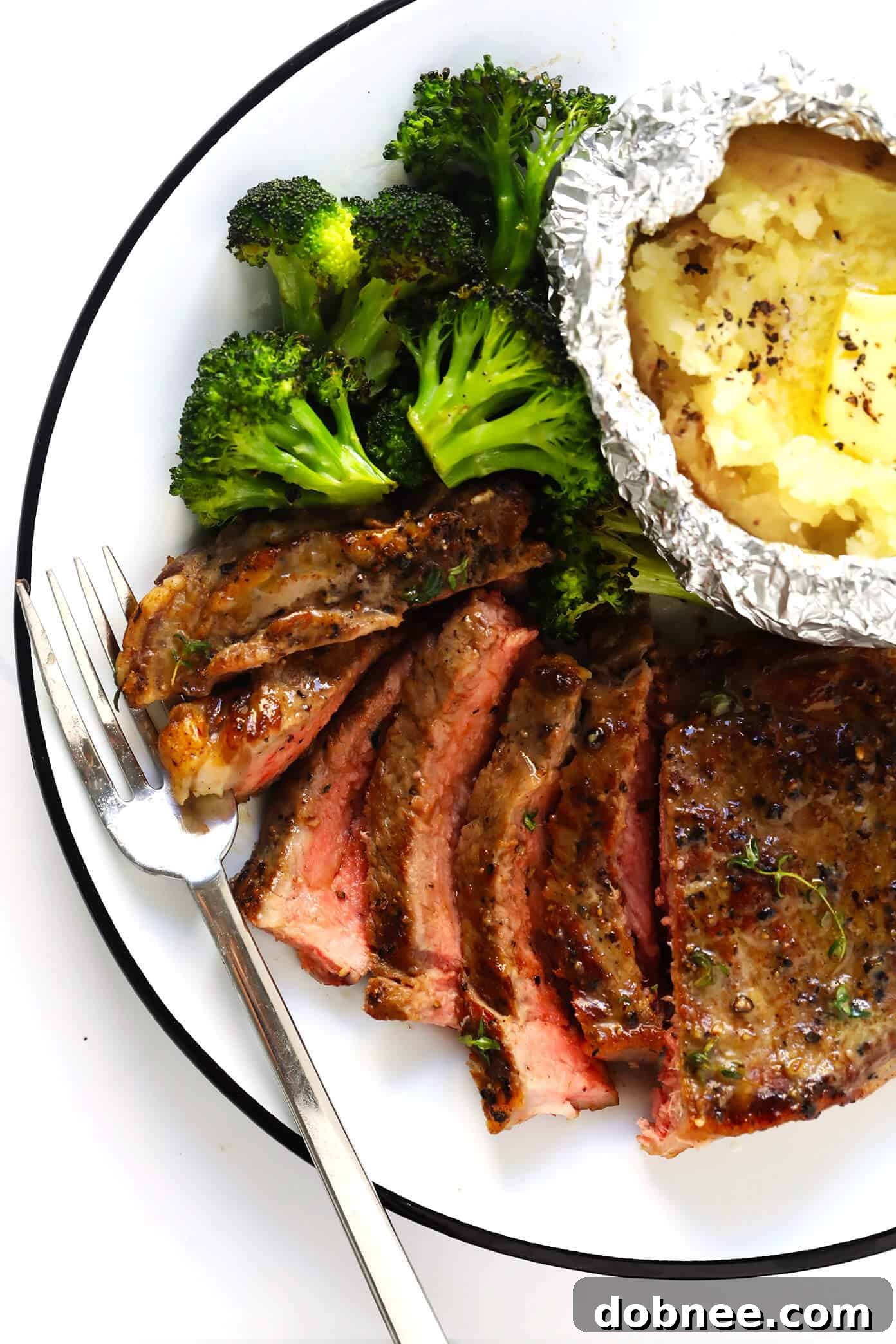
How To Cook Steak In The Oven: Achieving a Perfect Sear and Desired Doneness
Craving a perfectly cooked steak but don’t have access to a grill, or simply prefer the convenience of indoor cooking? Learning how to cook steak in the oven is a culinary revelation. This method allows you to achieve a beautiful sear and precisely control the level of doneness, from rare to well-done, all within the comfort of your kitchen. It’s surprisingly straightforward and often yields results comparable to, if not better than, grilling, especially for thicker cuts.
Why Oven-Roast Steak?
- Superior Temperature Control: The oven provides a consistent cooking environment, making it easier to hit your preferred internal temperature without hotspots.
- Ideal for Thick Cuts: For steaks over an inch thick, oven finishing after a stovetop sear ensures the center is cooked evenly without burning the exterior.
- Convenience: No need to brave the elements; enjoy a perfectly cooked steak any time of year.
- Minimal Smoke: While searing does produce some smoke, finishing in the oven often minimizes the overall smoky impact compared to constant stovetop cooking.
Key Steps for Oven-Cooked Steak:
- Choose Your Cut Wisely: Thicker cuts like ribeye, New York strip, and tenderloin respond exceptionally well to oven roasting. Ensure your steak is at room temperature before cooking for more even results.
- Pat Dry & Season Generously: This step cannot be overstated! A dry surface is crucial for achieving a good sear. Season liberally with coarse salt and freshly ground black pepper. For added flavor, consider a garlic butter basting during the last few minutes of cooking, or a dry rub blend.
- The Searing Stage: Heat an oven-safe skillet (cast iron is ideal) over high heat until smoking hot. Add a high smoke point oil (like avocado or grapeseed). Sear the steak for 1-2 minutes per side until a deep brown crust forms. This crust is essential for flavor and texture.
- Oven Finishing: Immediately transfer the skillet with the seared steak to a preheated oven (usually 375-400°F / 190-200°C). The remaining cooking time will depend on the thickness of your steak and your desired doneness.
- Monitor Doneness with a Thermometer: This is where precision comes in. Use an instant-read meat thermometer inserted into the thickest part of the steak, avoiding bone.
- Rare: 125°F (52°C)
- Medium-Rare: 130-135°F (54-57°C)
- Medium: 135-140°F (57-60°C)
- Medium-Well: 140-150°F (60-66°C)
- Well-Done: 150-160°F (66-71°C)
Remember, the temperature will rise a few degrees while resting.
- Crucial Resting Period: Remove the steak from the oven a few degrees before your target temperature. Transfer it to a cutting board, tent loosely with foil, and let it rest for at least 5-10 minutes. This allows the juices to redistribute, ensuring a tender and flavorful steak.
This simple tutorial for cooking steak in the oven transforms beef into a restaurant-quality meal. You can customize the seasoning to your preference and achieve your ideal degree of doneness right in your own kitchen. Say goodbye to guesswork and hello to consistently perfect steak!
How To Cook Pork Chops In The Oven: Say Goodbye to Dry Pork!
Pork chops are a classic comfort food, but they often get a bad rap for being dry and tough. The secret to succulent, flavorful pork chops lies in understanding the right cooking method and temperature, and the oven is an absolute champion in this regard. By baking them, you can achieve a beautiful exterior and a tender, juicy interior, making dry pork chops a thing of the past. This easy method ensures your pork chops turn out perfectly every single time, ready to be customized with your favorite seasonings.
Why Oven-Bake Pork Chops?
- Consistent Moisture: The even heat of the oven prevents the exterior from drying out before the interior is cooked, leading to a juicier chop.
- Hands-Off Cooking: After a quick sear (optional but recommended), the oven does the heavy lifting, allowing you to focus on other aspects of your meal.
- Versatility: Pork chops absorb flavors wonderfully, making them ideal for a wide range of seasoning profiles, from savory to slightly sweet.
- Foolproof Results: With proper temperature monitoring, achieving perfectly cooked pork chops becomes incredibly simple and reliable.
Key Steps for Tender Baked Pork Chops:
- Choose the Right Chop: Thicker, bone-in pork chops (at least 1-inch thick) tend to stay juicier than thin, boneless varieties. Allow them to come to room temperature for about 15-30 minutes before cooking.
- Pat Dry & Season: Just like steak, patting the pork chops dry is essential for a good sear and helps seasonings adhere. Season generously with salt, pepper, garlic powder, and your preferred herbs like thyme or rosemary. A touch of smoked paprika or a pre-made pork rub can add excellent depth.
- Searing (Recommended for Best Results): For a beautiful golden crust, sear the pork chops in an oven-safe skillet (cast iron again is excellent) over medium-high heat with a little oil for 2-3 minutes per side. This step builds flavor and texture that baking alone can’t quite achieve.
- Oven Finishing: Transfer the seared chops to a preheated oven, typically set between 375°F (190°C) and 400°F (200°C). The baking time will vary based on the thickness of your chops and whether they are bone-in or boneless.
- Cook to Internal Temperature: The USDA recommends cooking pork to an internal temperature of 145°F (63°C) for safe consumption, followed by a 3-minute rest. Use an instant-read meat thermometer inserted into the thickest part of the chop. This temperature will result in chops that are still slightly pink and incredibly juicy.
- Resting is Essential: Remove the pork chops from the oven when they reach about 140-142°F (60-61°C). Transfer them to a cutting board, tent loosely with foil, and let them rest for at least 5-10 minutes. This allows the internal temperature to rise slightly and the juices to redistribute, ensuring maximum tenderness and flavor.
With this easy Baked Pork Chops recipe, you’ll produce juicy, tender, and flavorful pork chops every single time. It’s a quick and customizable dish perfect for any weeknight dinner, and we’ve included tips for various seasonings to inspire your next meal.
How To Cook Salmon In The Oven: Flaky Perfection Every Time
Salmon is a powerhouse of nutrition, rich in omega-3 fatty acids and protein, making it a fantastic choice for a healthy and satisfying meal. While there are many ways to cook it, baking salmon in the oven is arguably the most reliable method for achieving perfectly cooked, flaky, and moist results every single time. Say goodbye to dry, overcooked salmon or undercooked, raw centers. This technique ensures a delicate texture and allows its rich flavor to shine through beautifully, complemented by your favorite seasonings.
Why Oven-Bake Salmon?
- Gentle, Even Cooking: The oven provides a consistent, indirect heat that cooks the salmon gently, preventing the delicate flesh from drying out.
- Minimal Effort: Once seasoned and placed on a baking sheet, the salmon cooks hands-free, leaving you time to prepare side dishes.
- Healthy & Clean: Baking requires minimal added fats and creates fewer splatters than stovetop methods, making cleanup a breeze.
- Versatile Flavor Pairing: Salmon takes exceptionally well to a wide array of flavors, from simple lemon and dill to more complex glazes.
Key Steps for Flawless Baked Salmon:
- Start with Quality Salmon: Opt for fresh, vibrant-looking fillets, preferably with the skin on, as it helps keep the fish moist and easier to handle. Allow fillets to come to room temperature for about 10-15 minutes before cooking.
- Pat Dry & Season: Gently pat the salmon fillets dry with paper towels. This helps seasonings adhere and promotes a slightly crispier skin if desired. Season simply with salt and freshly ground black pepper. Then, get creative! Lemon slices, fresh dill, garlic, a drizzle of olive oil, or a brush of honey-soy glaze are all excellent choices.
- Choose Your Baking Method:
- On a Sheet Pan: Place salmon skin-side down on a parchment-lined baking sheet for easy cleanup.
- In Foil Packets: For extra moisture and infused flavor, wrap individual fillets loosely in foil with herbs, lemon, and a splash of liquid.
- High Heat for Quick Cooking: Salmon cooks best at higher temperatures, typically between 400°F (200°C) and 425°F (220°C). This ensures quick cooking and minimal moisture loss.
- Monitor Doneness: Salmon usually cooks relatively quickly, often in 12-15 minutes, depending on thickness. The fish is done when it flakes easily with a fork in its thickest part and the internal temperature reaches 145°F (63°C). Be careful not to overcook, as it can quickly become dry.
- Serve Immediately: Unlike meat, salmon doesn’t require a long resting period. Serve it hot from the oven to enjoy its fresh, tender texture.
This Oven Baked Salmon recipe offers the most reliable method for perfectly cooked salmon every time – no more raw centers or dried-out edges. It’s incredibly easy to make in less than 15 minutes, can be seasoned with lemon, herbs, or your favorite sauces, and is truly the perfect simple and healthy dinner option.
How To Cook Whole Fish In The Oven: An Impressive Yet Simple Culinary Feat
Cooking a whole fish might seem like a daunting task reserved for professional chefs, but it’s actually much simpler and more rewarding than you might imagine. Oven-roasting a whole fish delivers incredibly moist, flavorful results, as the bones and skin protect the delicate flesh during cooking and infuse it with extra flavor. It’s a wonderfully impressive dish to serve, yet surprisingly straightforward to prepare, making it a perfect choice for both everyday healthy meals and special occasions.
Why Oven-Roast Whole Fish?
- Maximum Flavor and Moisture: The skin and bones act as natural flavor enhancers and protectants, ensuring the fish remains incredibly juicy and flavorful.
- Impressive Presentation: A beautifully roasted whole fish makes a stunning centerpiece for any dinner table.
- Simple Preparation: Minimal fuss is required; just stuff with aromatics, season, and roast.
- Health Benefits: Roasting requires less oil than frying, keeping it a healthy option.
Key Steps for Oven-Roasted Whole Fish:
- Choose Your Fish: Many varieties are excellent for whole roasting, including sea bass (branzino), red snapper, dorado, and even smaller trout. Look for fish with clear eyes, red gills, and firm, shiny skin. Have your fishmonger scale and gut the fish for you.
- Preparation: Rinse the fish inside and out under cold water and pat it thoroughly dry with paper towels. Making a few diagonal slashes across the thickest part of the fish (on both sides) helps with even cooking and allows seasonings to penetrate.
- Seasoning & Stuffing: Season the cavity generously with salt and pepper. Stuff it with fresh aromatics like lemon slices, garlic cloves, and herbs such as parsley, thyme, or rosemary. You can also drizzle olive oil over the fish and rub seasonings directly onto the skin.
- Baking Temperature: Roasting whole fish typically involves a higher heat, often between 400°F (200°C) and 425°F (220°C). This helps to crisp the skin while keeping the interior moist.
- Cooking Time & Doneness: The cooking time depends heavily on the size and thickness of the fish, usually ranging from 20-40 minutes. The fish is done when its flesh is opaque and flakes easily with a fork at its thickest point, and its internal temperature reaches 145°F (63°C). A meat thermometer inserted into the thickest part (avoiding the bone) is the most accurate way to check.
- Serving: Once cooked, transfer the fish to a platter. You can then carefully fillet it at the table or allow guests to serve themselves.
If you’ve ever wanted to try cooking a whole fish at home, this easy, step-by-step tutorial for Oven-Roasted Whole Fish makes it incredibly accessible. We regularly prepare this dish with sea bass (branzino), mahi-mahi, dorado, or whatever fresh catch looks best at the market. Seasoned with a simple blend of lemon, garlic, and herbs, it’s a perfect and healthy dinner!
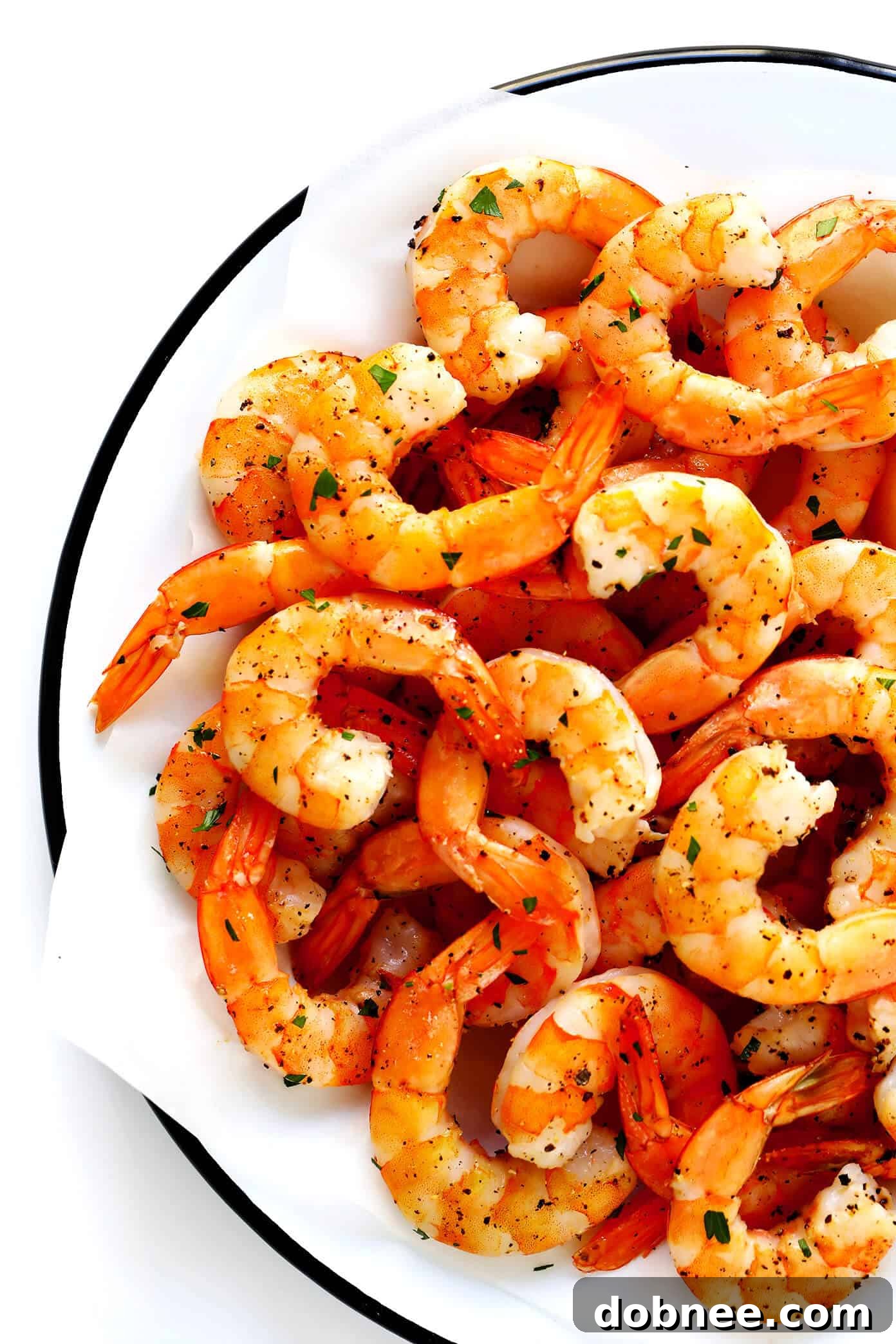
How To Cook Shrimp In The Oven: The Ultimate 10-Minute Seafood Solution
Forget the stovetop fuss and uneven cooking – the oven is by far the easiest and most reliable way to achieve perfectly cooked shrimp every single time. This method is a game-changer for busy weeknights or when you need a quick, healthy, and delicious protein. In just 10 minutes, you can have a batch of evenly cooked, succulent shrimp that are ideal for everything from salads and pasta to tacos or simply served as a main dish. Discover how simple it is to prepare brilliant baked shrimp with minimal effort.
Why Oven-Bake Shrimp?
- Even Cooking: The consistent heat of the oven ensures every shrimp cooks uniformly, eliminating the risk of some being overcooked while others are still raw.
- Super Fast: Shrimp cook incredibly quickly, making this a perfect last-minute meal solution.
- Hands-Off: No need for constant stirring or flipping; just spread them on a tray and let the oven do its magic.
- Easy Cleanup: Using a parchment-lined baking sheet means virtually no mess to scrub afterward.
- Flavor Customization: Shrimp readily absorbs flavors, making it easy to create a dish tailored to your taste with different seasonings or marinades.
Key Steps for Speedy Baked Shrimp:
- Choose Your Shrimp: Opt for raw, peeled, and deveined shrimp, with or without tails, depending on your preference. Fresh or frozen (thawed completely) both work wonderfully. Ensure they are fully thawed and patted dry before seasoning.
- Pat Dry & Season: This is crucial! Remove as much moisture as possible from the shrimp by patting them dry with paper towels. This helps prevent them from steaming. Toss them with a drizzle of olive oil, salt, pepper, garlic powder, and your desired spices. Lemon zest, red pepper flakes, or Old Bay seasoning are popular choices.
- Spread Evenly: Arrange the seasoned shrimp in a single layer on a baking sheet (lined with parchment paper for easy cleanup). Avoid overcrowding the pan, as this can lead to steaming instead of baking. Use two pans if necessary.
- High Heat, Short Time: Shrimp cook best at a high temperature, typically 400°F (200°C) to 425°F (220°C). This allows them to cook through quickly without becoming rubbery.
- Watch Closely & Don’t Overcook: Shrimp usually take only 8-12 minutes to cook, depending on their size. They are done when they turn opaque and pink, curling slightly into a C-shape. Be careful not to overcook, as this is when they become tough and rubbery.
- Serve Immediately: Baked shrimp are best enjoyed right out of the oven. A squeeze of fresh lemon juice before serving always brightens the flavor.
This 10-minute Baked Shrimp recipe is truly brilliant. It’s incredibly easy to cook in the oven, fully customizable with your favorite seasonings, and absolutely delicious. It’s the perfect solution for a quick, healthy, and satisfying meal!

How To Cook Tofu In The Oven: Achieve Legitimate Crispy Perfection
For those looking to incorporate more plant-based protein into their diet, or simply seeking a delicious and versatile meat alternative, mastering baked tofu is a culinary game-changer. Often dismissed as bland or difficult to get right, tofu can transform into an incredibly satisfying, legitimately crispy, and flavorful delight when cooked in the oven. This method eliminates the need for deep frying, making it a healthier and easier option to achieve that coveted golden-brown exterior and tender interior.
Why Oven-Bake Tofu?
- Superior Crispy Texture: The dry heat of the oven evenly crisps all sides of the tofu, far surpassing stovetop methods that often only crisp one side at a time.
- Hands-Off Cooking: Once prepared and in the oven, you can focus on other meal components without constant attention.
- Healthier Alternative: Baking requires less oil than pan-frying, making it a lighter option.
- Flavor Absorption: Properly prepared tofu is a sponge for flavors, and baking helps set those seasonings beautifully.
Key Steps for Crispy Baked Tofu:
- Press Your Tofu: This is arguably the most crucial step for crispy tofu. Extra-firm or super-firm tofu works best. Pressing removes excess water, allowing the tofu to absorb marinades better and crisp up more effectively. You can use a tofu press, or simply wrap the block in paper towels, place it between two plates, and weigh it down with heavy cans for at least 30 minutes (or longer for even better results).
- Cut & Season: Once pressed, cut the tofu into desired shapes – cubes, triangles, or slabs. Toss it with a tablespoon or two of oil (like olive or sesame), cornstarch (this is key for crispiness!), salt, and your chosen seasonings. Think soy sauce, garlic powder, ginger, a dash of sriracha, or even nutritional yeast for a cheesy flavor.
- Spread Evenly: Arrange the seasoned tofu in a single layer on a parchment-lined baking sheet. Ensure pieces are not touching to allow for proper air circulation and crisping. For maximum crispiness, a wire rack on a baking sheet is ideal.
- Bake at High Heat: Tofu crisps best at temperatures around 400°F (200°C) to 425°F (220°C).
- Flip & Bake Until Golden: Bake for 25-35 minutes, flipping halfway through, until the tofu is golden brown and crispy on all sides. The exact time will depend on your oven and the size of your tofu pieces.
- Sauce (Optional): For extra flavor, you can toss the crispy baked tofu in a sauce (like a stir-fry sauce or peanut sauce) immediately after baking, ensuring it coats evenly without losing its crispness entirely.
This easy Baked Tofu recipe is one you should absolutely bookmark. It’s my favorite method for how to cook tofu that’s legitimately crispy on the outside, tender on the inside, and incredibly easy to season however you might like. Naturally gluten-free and vegan, it’s perfect for adding to soups, stir-fries, curries, salads, or anything else that sounds good!