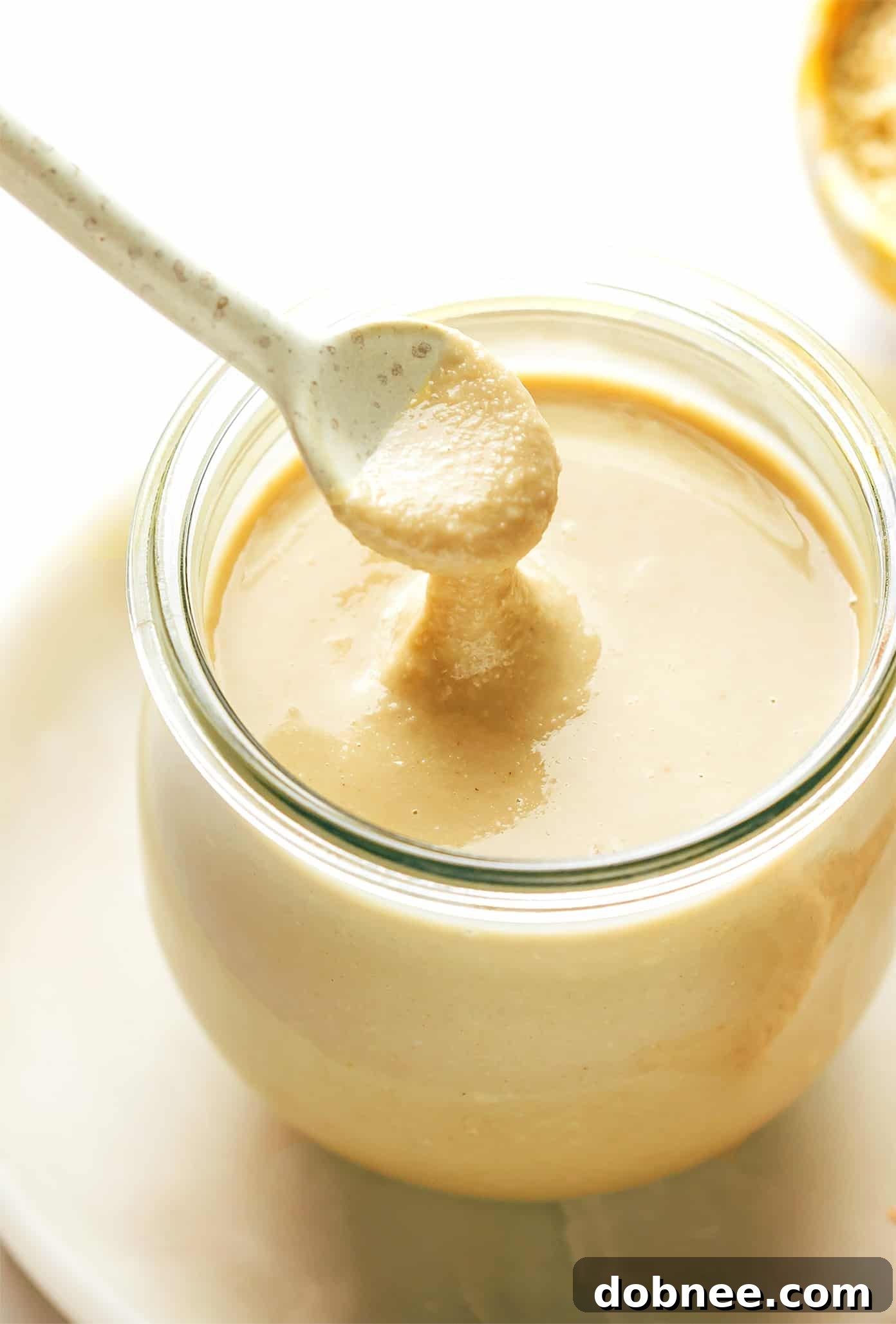
Discover the simple joy of crafting your own velvety smooth tahini at home, a versatile condiment made with just three basic ingredients.
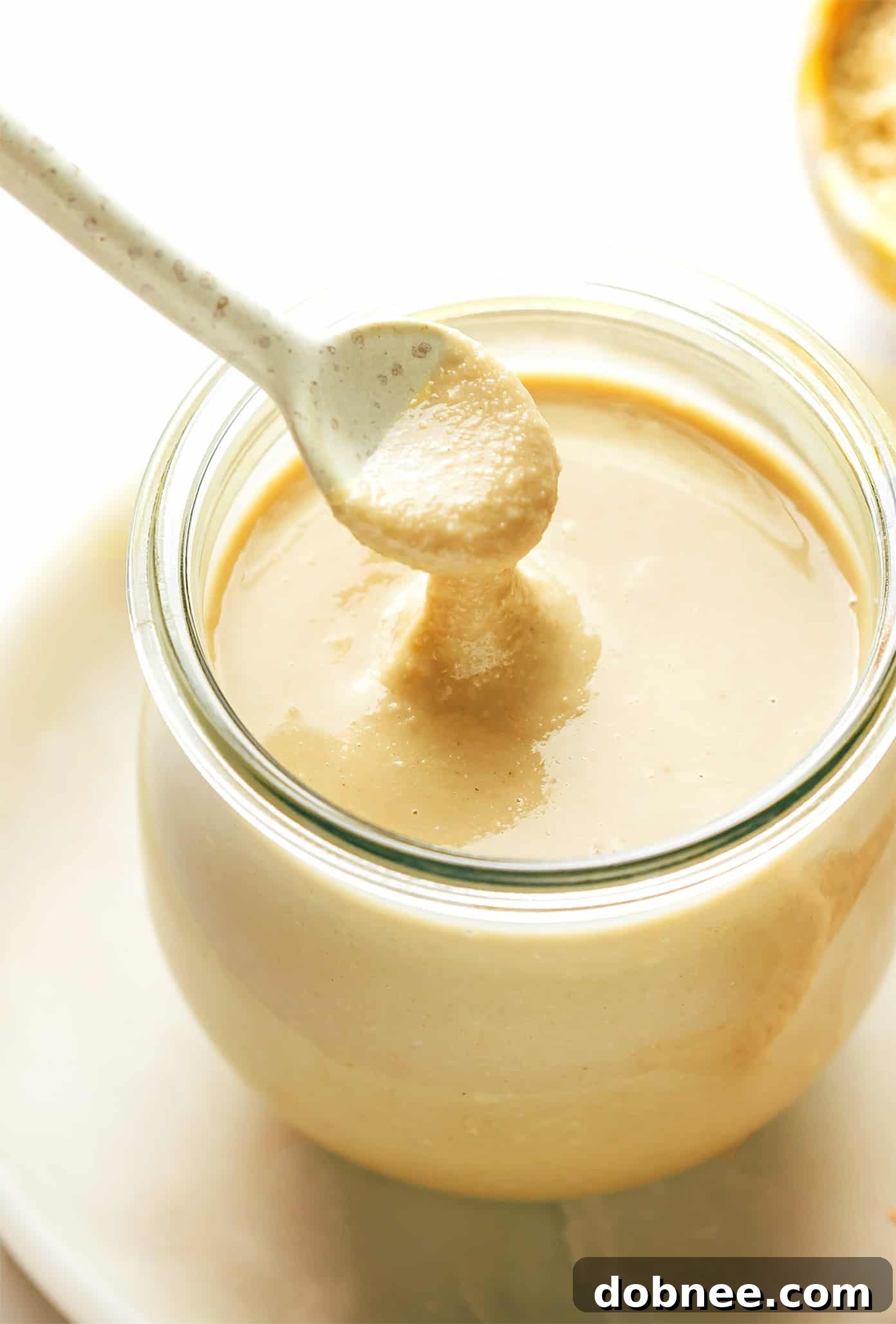
Unlock the Secret to Perfect Homemade Tahini
Have you ever considered the magic of making tahini from scratch? This cherished Middle Eastern condiment, renowned for its rich, nutty flavor and incredibly creamy texture, is surprisingly simple to prepare in your own kitchen. Forget store-bought versions; creating tahini at home elevates its flavor profile to a whole new level, offering unparalleled freshness that simply can’t be matched.
With just three humble ingredients – sesame seeds, a neutral oil, and a touch of salt – you can transform these staples into a luxurious paste in approximately 10 minutes using either a food processor or a high-speed blender. The process is not only quick but also incredibly rewarding, ensuring you have a fresh batch of this versatile ingredient ready for all your culinary adventures. From classic dips like hummus and baba ganoush to innovative uses in salad dressings, smoothies, baked goods, and marinades, homemade tahini is a game-changer.
I’m thrilled to share all my expert tips and tricks to guide you through making the best homemade tahini. You’ll also find an extensive list of delicious ideas to put your freshly made sesame paste to magnificent use. So, the next time a recipe calls for tahini, gather your sesame seeds, and let’s blend up a quick, fresh batch together!
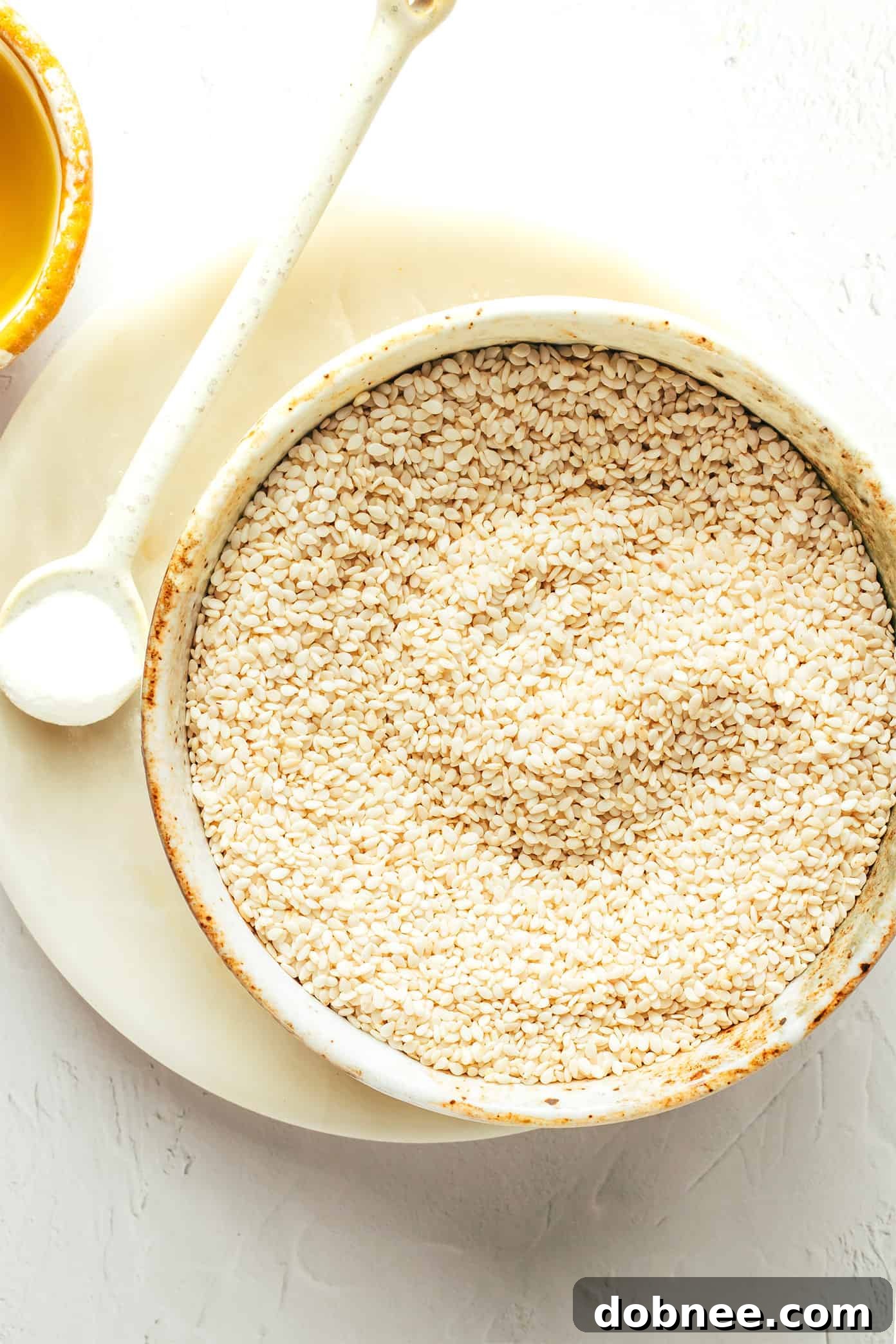
The Essential Ingredients for Your Perfect Homemade Tahini
Crafting exceptional tahini begins with selecting quality ingredients. Each component plays a vital role in achieving that rich flavor and smooth texture you crave. Here’s a detailed look at the simple triumvirate required:
- Sesame Seeds: These tiny powerhouses are the very heart and soul of tahini. They are responsible for its distinctive nutty taste and provide the rich oils that give tahini its creamy consistency. It’s crucial to start with raw (untoasted) sesame seeds. For the smoothest and most luxurious texture, I highly recommend using hulled sesame seeds, as removing the outer hull contributes to a creamier end product. However, if unhulled seeds are all you have, they will still work, albeit yielding a slightly denser, more rustic tahini with a slightly more pronounced bitterness. Ensure your seeds are fresh for the best flavor extraction.
- Oil: Given that tahini is primarily a two-ingredient paste (sesame and oil), the flavor of your chosen oil will undoubtedly shine through. Opt for a neutral-flavored oil that won’t overpower the delicate sesame notes. My go-to is typically a mild extra-virgin olive oil, which adds a subtle fruity undertone without being too assertive. Other excellent choices include grapeseed oil, sunflower oil, or avocado oil, all of which are renowned for their mild profiles. If you consider sesame oil, make sure it is untoasted (light) sesame oil; toasted sesame oil has a very strong flavor profile more suited as a finishing oil, not a base for tahini.
- Salt: A small pinch of fine sea salt is a game-changer in this recipe. While seemingly minor, salt plays a critical role in enhancing and balancing the natural nutty flavors of the sesame seeds. It brightens the overall taste, preventing the tahini from tasting flat. Adjust the quantity to your personal preference, starting with a small amount and adding more if desired.
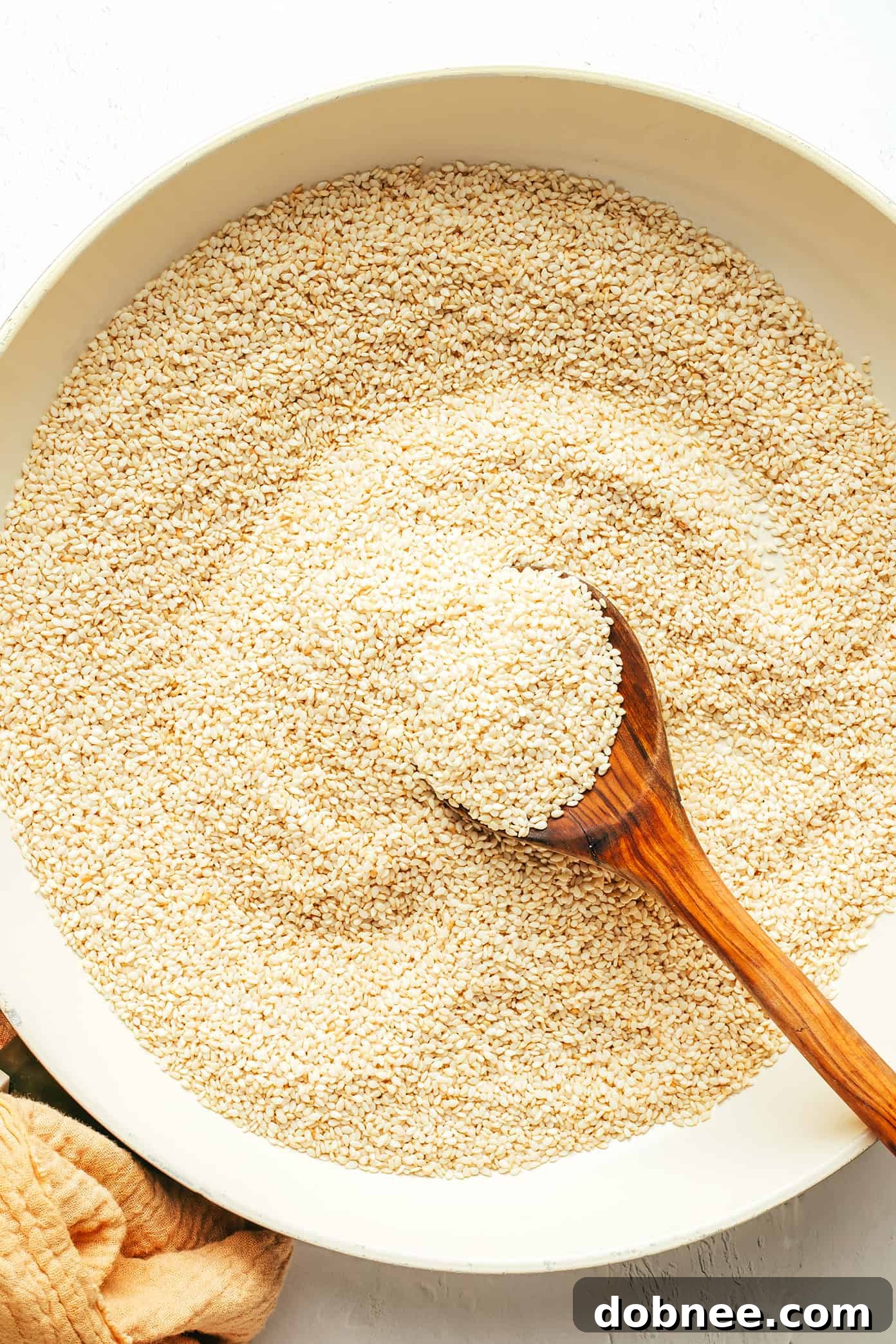
Mastering the Art of Homemade Tahini: A Step-by-Step Guide
Making tahini is more about technique than complexity. Follow these key steps and tips to ensure a perfectly smooth and flavorful result every time:
- Toast for Optimal Flavor: This is arguably the most crucial step for unlocking the full flavor potential of your tahini. While you can certainly skip this step and use raw sesame seeds, a light toast dramatically deepens the nutty aroma and taste. I prefer to lightly toast the sesame seeds in a dry sauté pan on the stovetop over medium heat. This method offers quick control and only takes a few minutes. Alternatively, you can toast them in the oven if you prefer. The primary goal is to thoroughly heat the seeds, causing their natural oils to release, and to achieve a very subtle golden color. Be vigilant – you want them barely toasted, not medium or dark brown, as over-toasting can lead to a bitter flavor. Stir frequently if using the stovetop method, or spread them in an even layer on a baking sheet for oven toasting.
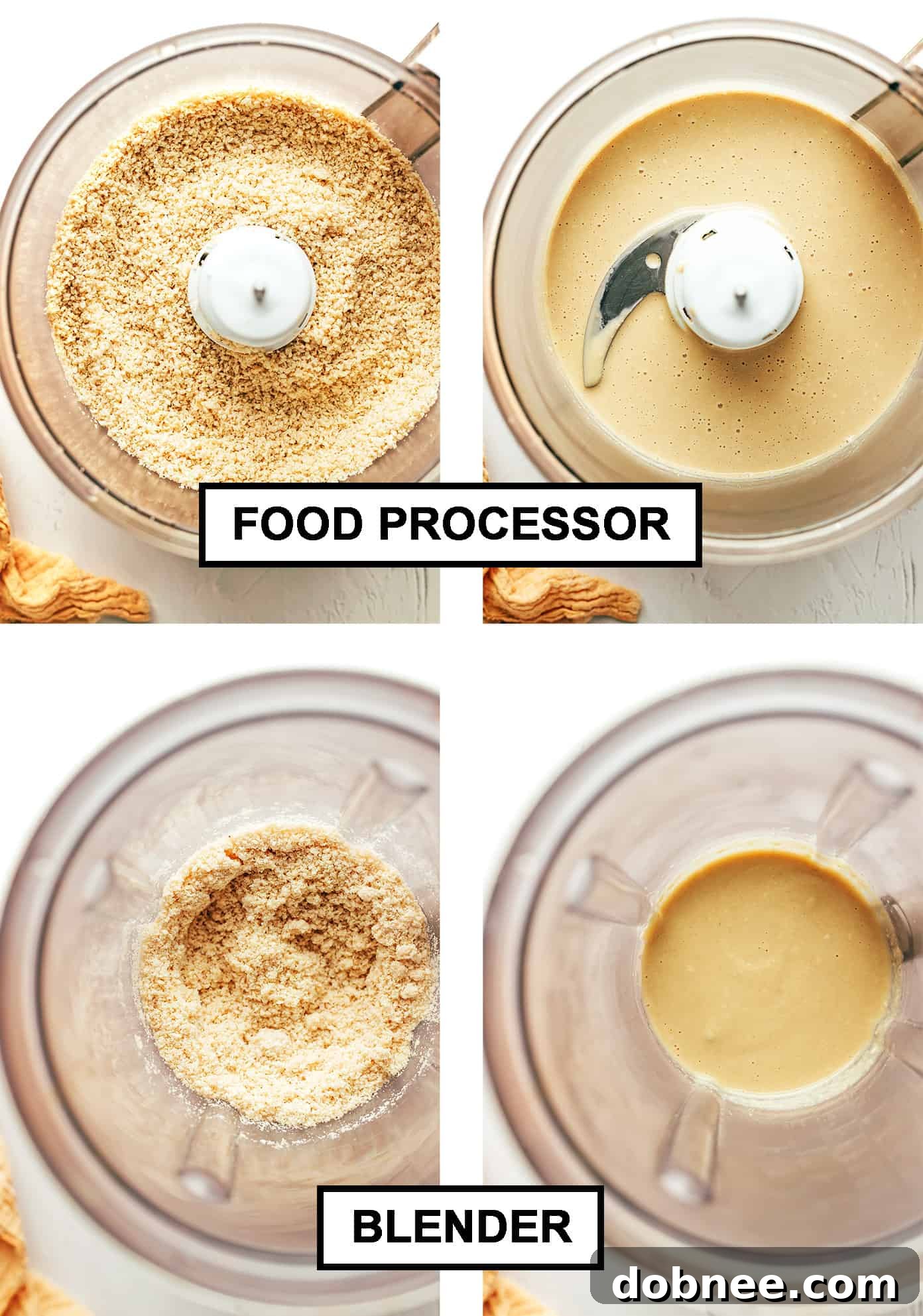
- Blend to Velvety Perfection: Once lightly toasted, immediately transfer the warm sesame seeds (along with your pinch of salt) to either a high-powered blender or a food processor. Both appliances work effectively, though I find a high-speed blender often achieves a slightly silkier texture. Begin by blending the dry seeds for 1 to 2 minutes. During this initial stage, the seeds will break down into a coarse powder. Pause and scrape down the sides of the container as needed to ensure even processing. Then, with the blender or food processor running, slowly drizzle in 3 tablespoons of your chosen neutral oil. Continue blending for an additional 2 to 4 minutes, again pausing to scrape down the sides, until the mixture transforms into a relatively smooth, pourable paste. The exact blending time will vary depending on the power of your equipment. Don’t hesitate to add an extra tablespoon or two of oil, if necessary, to achieve your desired consistency. Patience here is key; the seeds need time to release their oils fully.
- Serve or Store for Future Enjoyment: As soon as your tahini reaches that beautiful, smooth consistency, it’s ready to be used! Spoon it directly into your favorite recipes, or transfer it to an airtight jar or container for storage.
Optimal Storage Solutions for Your Fresh Homemade Tahini
Proper storage ensures your homemade tahini remains fresh and delicious for an extended period. Here’s how to keep it at its best:
Homemade tahini can be refrigerated in an airtight jar or container for up to 1 month. It’s completely natural for the oil and solids to separate over time; this is a common occurrence with homemade nut and seed butters. Before each use, simply give the jar a good, vigorous stir to reincorporate the oil back into the paste, restoring its creamy texture. For longer preservation, tahini can also be frozen for 3 to 4 months. Freezing is an excellent way to extend its shelf life, allowing you to enjoy fresh tahini whenever the craving strikes.
To freeze tahini, first ensure it’s thoroughly stirred to combine any separated oil. Then, transfer the tahini to an airtight, freezer-safe jar or container, leaving a small amount of headspace at the top, as the tahini may expand slightly when frozen. Seal the container tightly, label it with the date of preparation, and place it in the freezer. When you’re ready to use your frozen tahini, simply transfer it to the refrigerator to thaw slowly. Thawing can take a few hours or even overnight, depending on the quantity. Once fully thawed, give it another good stir to reincorporate any oils that may have separated during the freezing and thawing process. Then, your tahini is ready to be served and enjoyed!
Your Homemade Tahini Questions Answered: FAQs
- Can I use pre-toasted sesame seeds?
- While you can use pre-toasted sesame seeds, for the freshest and most vibrant flavor, it’s always best to toast the raw seeds yourself. Pre-toasted seeds may have lost some of their aromatic oils and can sometimes result in a less nuanced flavor in your homemade tahini. Toasting them freshly ensures maximum flavor depth.
- Can I toast the sesame seeds in the oven?
- Absolutely! If you prefer oven toasting, spread your raw sesame seeds out in a single, even layer on a baking sheet. Bake them in a preheated oven at 350°F (175°C) for approximately 5 to 8 minutes. It’s crucial to keep a very close eye on them, stirring halfway through, to prevent over-browning. The goal is a very light toast, just enough to warm them through and release their oils.
- Can I substitute other nuts or seeds for sesame seeds?
- Tahini is, by definition, made from sesame seeds. However, you can certainly make similar seed or nut butters using other ingredients like pepitas (pumpkin seeds) or sunflower seeds, or various nuts. Be aware that while the process is similar, the resulting taste and texture will differ significantly from classic sesame-based tahini, creating a unique spread of its own.
- Can I make tahini by hand?
- Yes, it is possible to make homemade tahini using a traditional mortar and pestle. This method is ancient and certainly yields a rustic, flavorful tahini. However, it requires considerably more time and significant manual effort to achieve a truly smooth consistency compared to using modern kitchen appliances like blenders or food processors.
- Why does my tahini separate?
- Separation of oil from the solids is a completely natural phenomenon in homemade tahini, much like natural peanut butter. It simply indicates the absence of emulsifiers often found in commercial products. To remedy this, just give your tahini a thorough stir before each use to reincorporate the oil and restore its uniform texture.
- What are the health benefits of tahini?
- Tahini is a nutritional powerhouse! It is packed with essential minerals such as calcium, iron, magnesium, and phosphorus, which are vital for bone health and energy. It’s also an excellent source of healthy fats (monounsaturated and polyunsaturated), plant-based protein, and dietary fiber. Furthermore, tahini is naturally gluten-free, vegetarian, and vegan, making it a wonderful addition to diverse diets.
- What if my tahini tastes bitter?
- A slightly bitter taste in tahini can often be attributed to over-toasting the sesame seeds. If the seeds are browned too much, they can develop a bitter flavor. Using unhulled sesame seeds can also contribute to a slightly more bitter profile compared to hulled seeds. Ensure you toast your seeds gently and only until they are very lightly golden.
- How do I adjust tahini consistency?
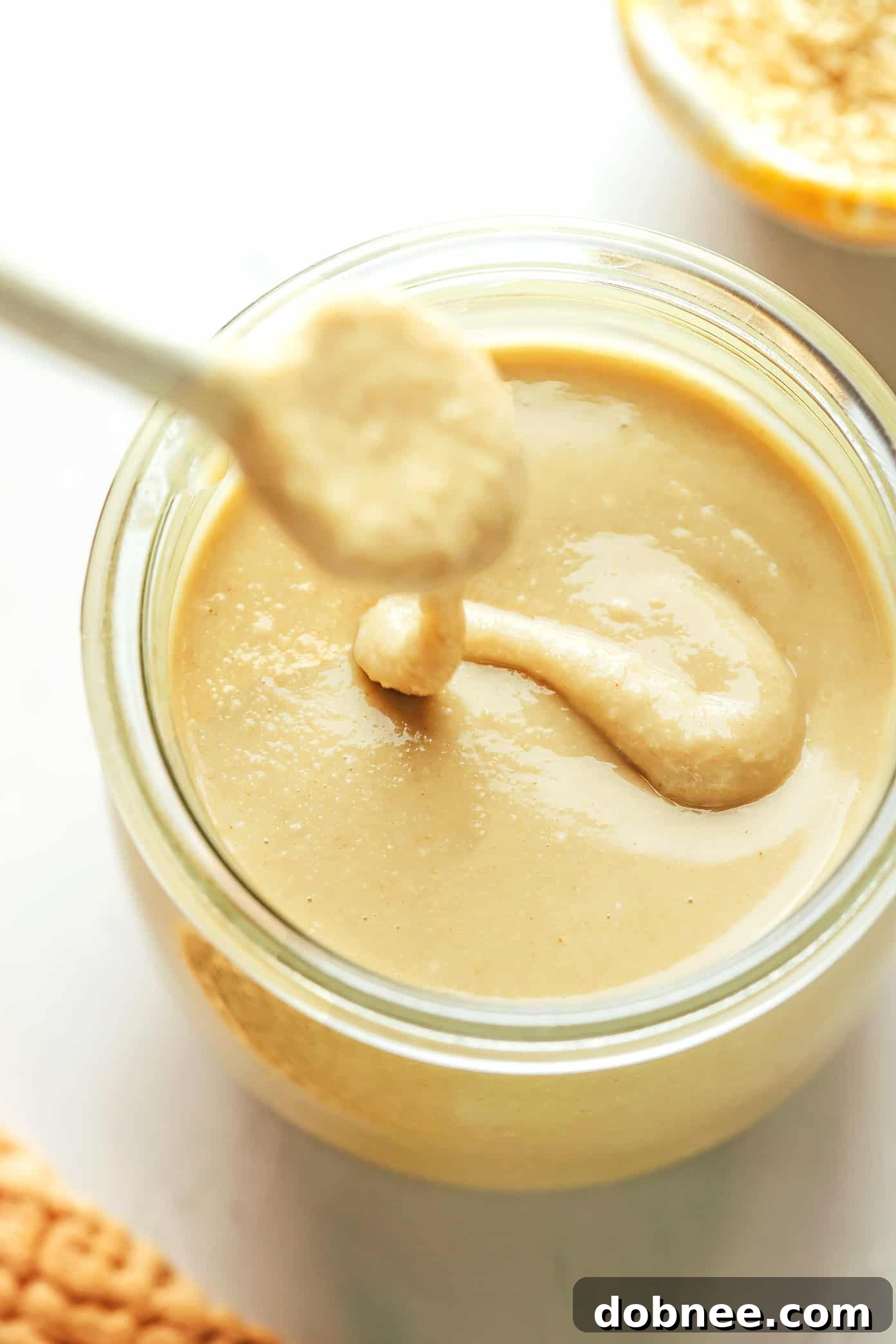
- The consistency of your tahini is easily adjustable. If your tahini is too thick, simply blend in an additional tablespoon of neutral oil at a time until it reaches your desired pourable or creamy texture. If it’s too thin, you can try adding a few more lightly toasted sesame seeds and blending again, though this is less common.
Unleash the Versatility: 10 Creative Ways to Use Tahini
Tahini is far more than just a hummus ingredient; it’s an incredibly versatile condiment that can elevate a vast array of sweet and savory dishes. Its creamy texture and unique nutty depth make it a fantastic addition to almost any meal. Here are ten of my absolute favorite ways to incorporate homemade tahini into your cooking:
- Hummus: This is arguably tahini’s most famous role. It’s the secret ingredient that gives hummus its signature creamy texture and rich, earthy flavor. No authentic hummus recipe is complete without it. I’m a dedicated fan of this classic hummus recipe, which has been my staple for years. For an adventurous twist, try this red curry hummus.
- Salad Dressings: Tahini transforms ordinary salad dressings into creamy, luxurious emulsions. Its nutty flavor pairs beautifully with lemon, garlic, and herbs. This creamy tahini dressing is a household favorite, perfect for green salads or grain bowls. We also adore this tahini ranch dressing, bursting with fresh herbs, and the chipotle tahini dressing in this specific salad is pure perfection.
- Tahini Sauce: A simple tahini sauce can be your culinary superhero. My favorite homemade tahini sauce recipe is endlessly adaptable. Use it as a vibrant dip for raw vegetables, a luscious topping for falafel or grilled meats and vegetables, or as a flavorful spread in wraps and sandwiches.
- Smoothies: For an unexpected boost of creaminess, healthy fats, and nutty flavor, add a spoonful of tahini to your morning smoothie. It’s particularly harmonious with ingredients like banana, sweet dates, cocoa powder, and various plant-based milks such as almond milk. It adds a wonderful depth and richness, making your smoothie more satisfying.
- Baked Goods: Surprising as it may seem, tahini is a fantastic ingredient in baking. It adds a unique moistness and a distinctive, slightly savory nutty flavor to everything from cookies and brownies to cakes and muffins. Its taste profile is especially complementary in chocolate chip cookies and fudgy brownies, offering a sophisticated twist.
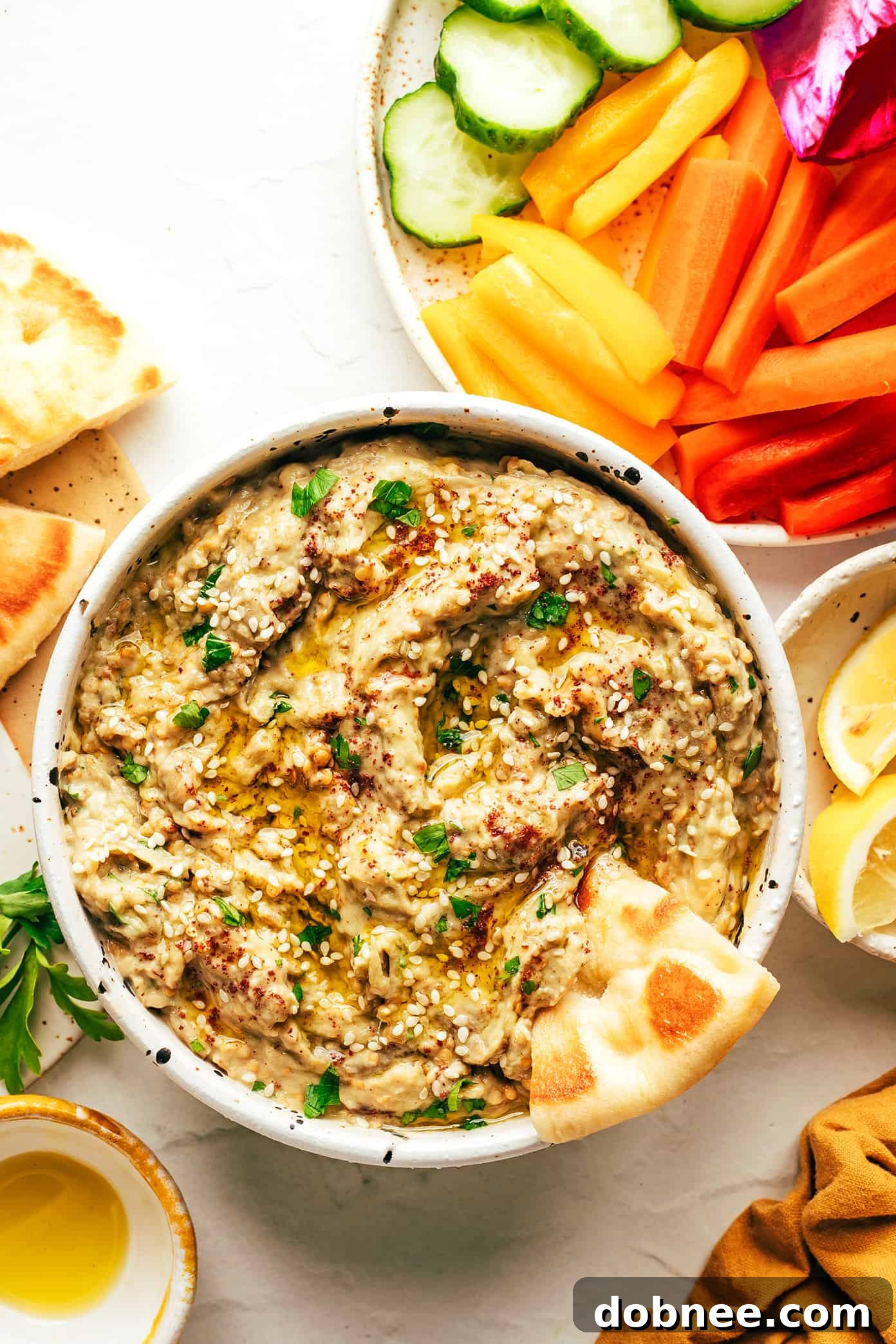
- Dips and Spreads (Beyond Hummus): Beyond its starring role in hummus, tahini is a foundational element in many other traditional Middle Eastern dips, such as the smoky baba ganoush. You can also get creative by combining tahini with ingredients like yogurt, creamy avocados, aromatic pesto, or even rich chocolate to craft unique and exciting dips and spreads for any occasion.
- Marinades and Sauces: Elevate your marinades and cooking sauces by incorporating tahini. Whisk it together with ingredients such as soy sauce, grated fresh ginger, a touch of honey or maple syrup, and bright lime juice. This creates a deeply flavorful marinade perfect for tenderizing tofu, chicken, or vegetables before grilling, roasting, or pan-frying.
- Grain Bowls: Transform your everyday grain bowls into extraordinary meals by drizzling them generously with a tahini-based sauce. A simple blend of tahini with fresh lemon juice, a hint of olive oil, and warm spices like cumin or turmeric creates an incredibly satisfying and flavorful dressing. Pour it over quinoa, brown rice, farro, or roasted vegetables for a complete, nourishing, and delicious meal.
- Tahini Desserts: Don’t shy away from exploring the sweet side of tahini! Its inherent nutty flavor lends itself beautifully to innovative desserts. Incorporate it into recipes for creamy tahini fudge, silky tahini pudding, or swirls of tahini in homemade ice cream for a unique, sophisticated, and utterly delightful treat.
- Flavor Enhancer in Soups and Stews: While not on the original list, tahini can be whisked into soups and stews in the final stages of cooking to add a subtle creamy texture and a rich, nutty depth. It works particularly well in lentil soups, vegetable stews, or even a creamy tomato soup for an unexpected layer of flavor and body.
Explore More Tahini-Inspired Recipes
Once you’ve experienced the superior flavor of homemade tahini, you’ll want to use it everywhere! Here are a few more of my favorite Gimme Some Oven recipes that beautifully showcase this incredible ingredient:
- Classic Hummus or Smoky Baba Ganoush
- Crunchy Tahini Granola
- Hearty Roasted Broccoli and Farro Bowls
- Creamy Tahini Ranch Avocado Chicken Salad
- Sweet Potato Avocado Kale Salad with Zesty Chipotle Tahini Dressing
Homemade Tahini
5 out of 5 stars from 2 reviews
- Author: Ali
- Prep Time: 5 mins
- Cook Time: 5 mins
- Total Time: 10 mins
- Yield: About 2 cups
Description
This homemade tahini recipe is incredibly easy to make with just 3 ingredients and tastes so deliciously nutty and creamy. It’s perfect for all your Middle Eastern culinary needs and beyond.
Ingredients
- 2 cups raw white sesame seeds (preferably hulled, for the smoothest texture)
- Pinch of fine sea salt
- 3 to 4 tablespoons neutral oil (such as avocado, grapeseed, vegetable, or a mild extra-virgin olive oil)
Instructions
- Lightly toast the sesame seeds. Add the raw sesame seeds to a large, dry sauté pan. Cook over medium heat, stirring frequently with a wooden spoon or spatula, for 3-5 minutes, until they are very, very lightly toasted and fragrant. The goal is to heat them thoroughly and release their natural oils, achieving only the slightest hint of golden color. Be careful not to let them turn a medium or dark golden brown, as this can make the tahini bitter.
- Blend to a smooth paste. Immediately transfer the warm sesame seeds and the pinch of salt to the bowl of a high-powered blender or food processor. Blend for 1 to 2 minutes, pausing as needed to scrape down the sides, until the seeds break down into a coarse, powdery consistency. Then, with the machine running, slowly drizzle in 3 tablespoons of the neutral oil. Continue blending for an additional 2 to 4 minutes, consistently scraping down the sides, until the mixture transforms into a wonderfully smooth and pourable paste. If the tahini appears too thick or stiff, add more oil, one tablespoon at a time, until the desired silky texture is achieved.
- Serve or store. Your fresh, homemade tahini is now ready to be used! You can serve it immediately in your favorite recipes or transfer it to a clean, airtight jar or container. Store the tahini in the refrigerator for up to 1 month. Remember to give it a good stir before each use to reincorporate any natural oil separation.
Recommended Equipment
Hulled Sesame Seeds
Buy Now →
Vitamix Blender
Buy Now →
Food Processor
Buy Now →