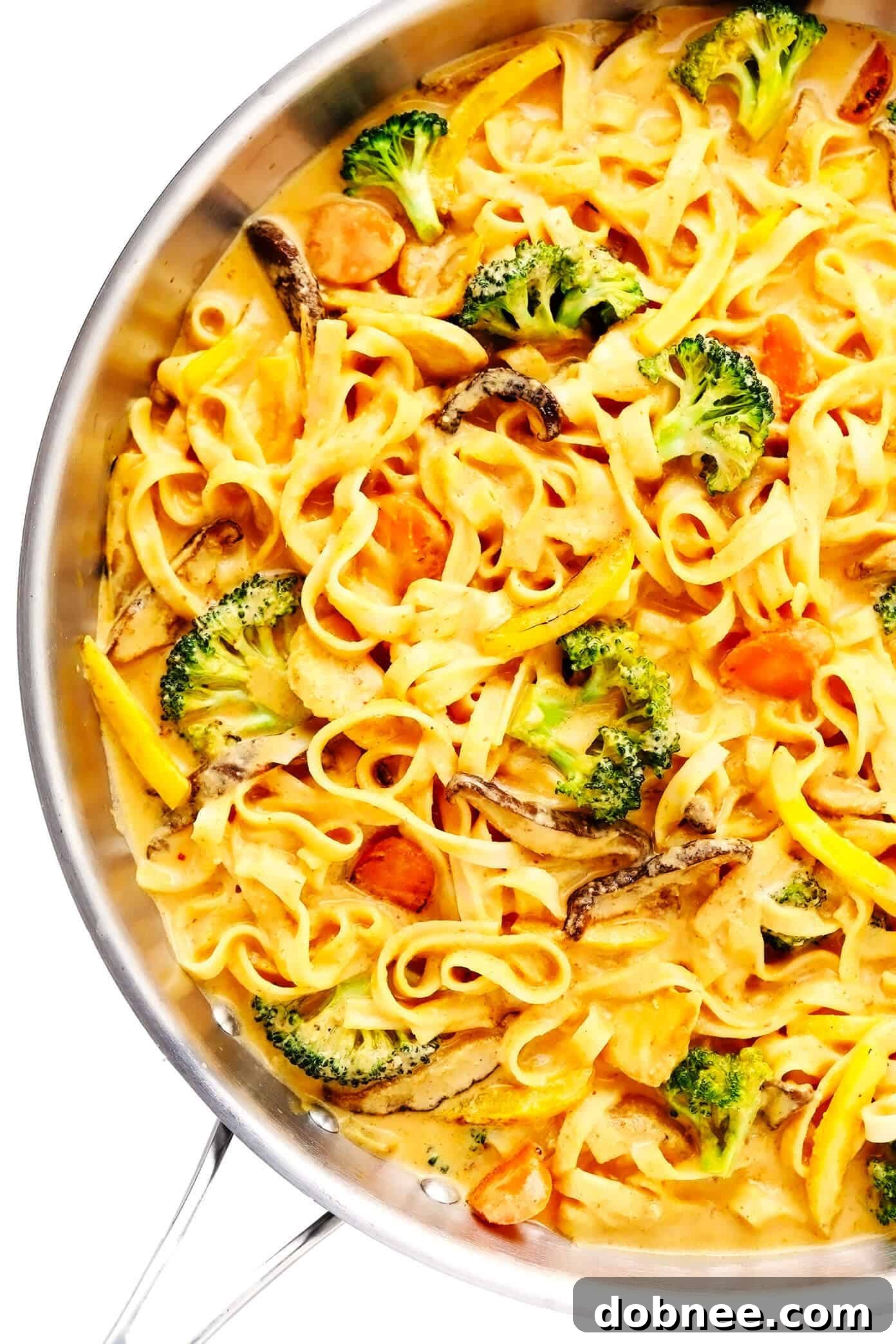
Discover the ultimate weeknight meal with these Thai-inspired Saucy Curried Peanut Noodles. Featuring an irresistibly creamy coconut curry peanut sauce, this dish is easily customized with your choice of noodles, fresh vegetables, and protein. It’s a quick, flavorful, and satisfying dinner solution that everyone will love!
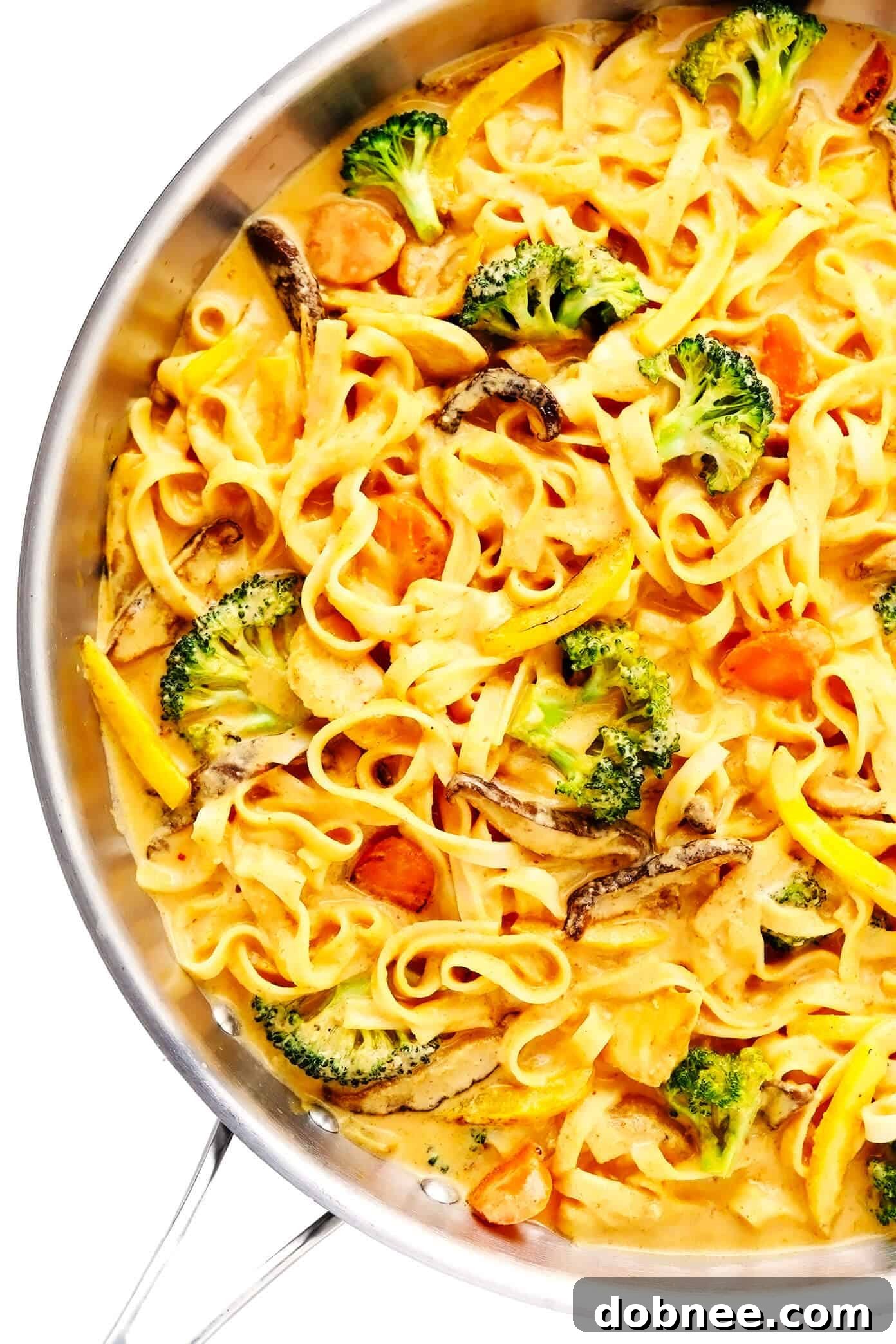
Saucy Thai Curried Peanut Noodles: Your New Favorite Quick & Flavorful Dinner
Prepare to fall in love with your new favorite weeknight stir-fry! This delightful Saucy Thai Curried Peanut Noodles recipe isn’t just another meal; it’s a vibrant journey for your taste buds, delivering authentic Thai-inspired flavors right to your kitchen in under 35 minutes. If you’re passionate about quick, hearty, and immensely satisfying dinners, this dish is crafted just for you.
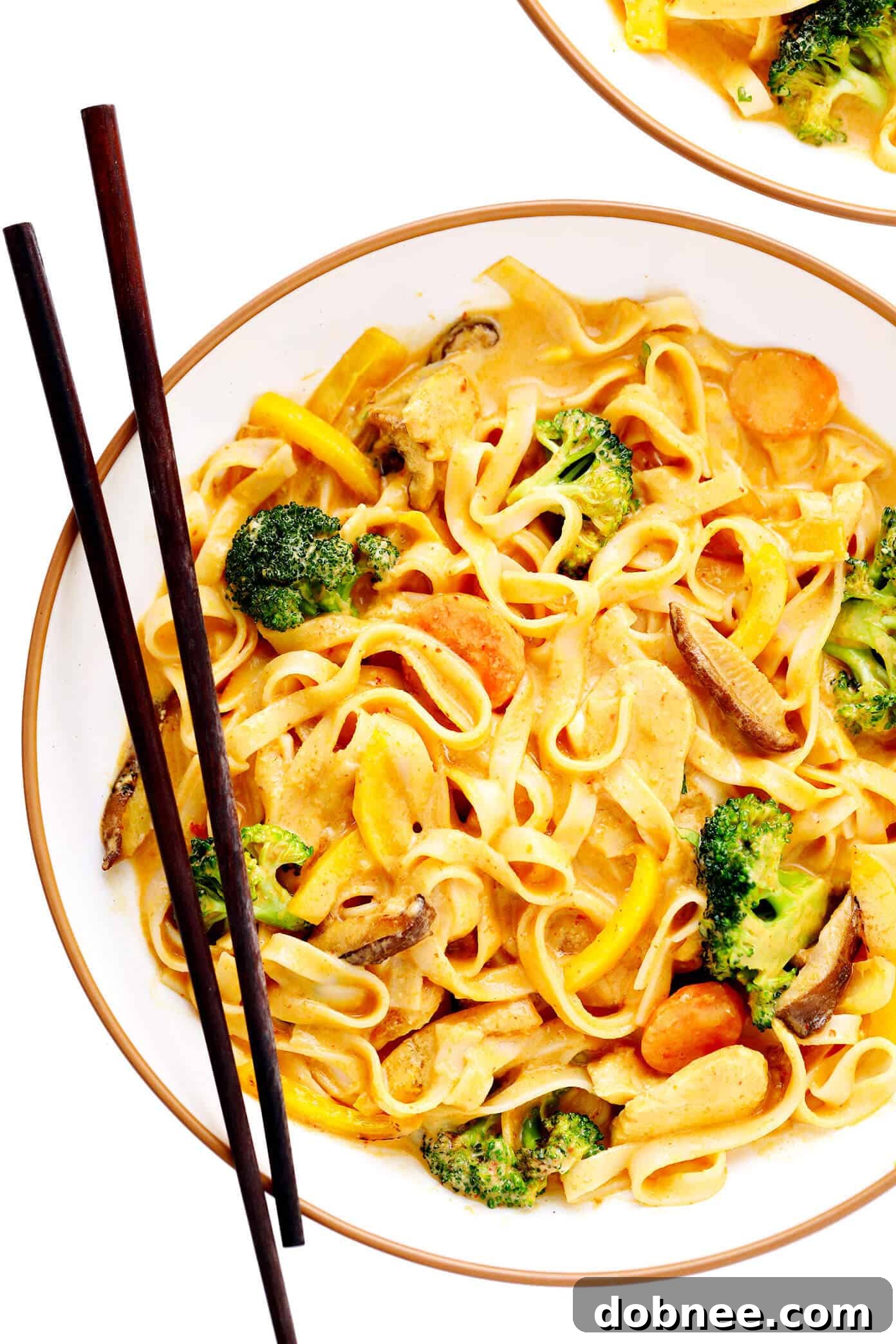
For those who, like us, find themselves reaching for Thai-inspired curry noodles at least once a week, this latest rendition is a game-changer. We’ve taken our beloved creamy coconut curry base and elevated it with the luscious richness of peanut butter, complemented by a delightful sprinkle of crunchy peanuts on top. The result is an extraordinary balance of sweet, savory, subtly spicy, and deeply umami flavors that truly sing. Best of all, this impressive meal comes together with remarkable ease, making it a perfect candidate for even the busiest evenings.
One of the standout features of this peanut noodle stir-fry is its incredible versatility. The choice of noodles, protein, and vegetables is entirely yours, offering a fantastic opportunity to customize the dish to your personal preferences or to utilize any lingering ingredients in your fridge. Whether you opt for tender chicken, succulent shrimp, hearty tofu, or a vibrant mix of seasonal vegetables, this recipe adapts beautifully. It’s naturally gluten-free (with appropriate ingredient choices) and effortlessly made vegetarian or vegan, ensuring it caters to a wide array of dietary needs.
Why You’ll Adore This Thai Curried Peanut Noodles Recipe
Beyond its delicious taste, this recipe offers numerous benefits that make it a perfect addition to your weekly rotation:
- Effortlessly Quick: From start to finish, you’re looking at about 35 minutes, making it significantly faster than ordering takeout and infinitely more satisfying.
- Highly Adaptable: Tailor it precisely to your taste. Swap proteins, experiment with different vegetables, or adjust the spice level – this recipe encourages creativity.
- Flavor Explosion: The harmonious blend of creamy coconut, savory peanut, tangy lime, and aromatic curry paste creates a complex and deeply satisfying flavor profile that’s truly addictive.
- Dietary Flexibility: Naturally gluten-free when using rice noodles and easily converted to a vegetarian, vegan, or even nut-free dish with simple substitutions, it accommodates diverse dietary requirements.
- Nutrient-Rich: Packed with fresh vegetables and lean protein (if chosen), it’s a wholesome meal that doesn’t compromise on flavor.
Key Ingredients for Authentic Thai Curried Peanut Noodles
To truly capture the essence of this dish, sourcing quality ingredients is key. Here’s a detailed guide to what you’ll need and how to make the best choices:
The Foundation: Your Choice of Noodles
- Noodles: For an authentic Thai-inspired stir-fry, thin rice noodles (any width) are highly recommended. Their delicate texture perfectly absorbs the rich sauce. However, feel free to use what you have on hand – wider rice noodles, ramen noodles, or even standard spaghetti or linguine can work in a pinch. The most important tip is to cook them al dente, just shy of fully done, as they’ll continue to cook slightly when tossed with the hot sauce. This prevents them from becoming mushy.
Your Protein Selection
- Protein: This recipe is wonderfully flexible, allowing you to choose your favorite. We often use thinly-sliced boneless, skinless chicken breast for its lean profile and ability to absorb flavors. Other excellent options include:
- Beef or Pork: Thinly sliced sirloin, flank steak, or pork tenderloin adds a richer, heartier dimension.
- Shrimp or Scallops: For a faster-cooking seafood option, these are fantastic and soak up the sauce beautifully.
- Tofu or Tempeh: To make it vegetarian or vegan, use firm or extra-firm tofu, pressed and cubed, or sliced tempeh. Pan-fry them until golden and slightly crispy before adding to the stir-fry.
You can also omit added protein entirely for a delicious vegetable-centric meal.
Vibrant & Fresh Vegetables
- Veggies: This is your chance to get creative and utilize what’s in season or what you have on hand. Aim for 4 to 6 cups of sliced, stir-fry-friendly vegetables. Our preferred mix often includes crisp broccoli florets, colorful bell peppers (yellow and red work well), thinly sliced carrots, earthy shiitake mushrooms, and sliced white or red onion. Other fantastic additions include:
- Snow peas or snap peas
- Bok choy or spinach (add towards the end)
- Green beans
- Zucchini or yellow squash
- Baby corn or water chestnuts for crunch
Ensure all vegetables are cut into relatively similar sizes for even cooking.
The Aromatic Duo
- Fresh Garlic and Ginger: These two aromatics are fundamental to the Thai flavor profile, providing a pungent, spicy, and earthy base. Freshly minced garlic and finely-minced fresh ginger are highly recommended for the most vibrant flavor. If fresh ingredients are unavailable, you can substitute with garlic powder and ground ginger, but adjust amounts to taste, as dried spices are more concentrated.
The Star of the Show: Creamy Curried Peanut Sauce
This simple-to-make sauce is the cornerstone of the dish, delivering its signature rich and savory-sweet flavor profile:
- Full-Fat Coconut Milk: For unparalleled creaminess and robust flavor, full-fat coconut milk is crucial. It creates the luxurious texture that defines this dish. Avoid light coconut milk if possible, as it significantly impacts the richness.
- Vegetable or Chicken Stock: This liquid forms the base of your sauce, contributing depth of flavor. Use vegetable stock for a vegetarian or vegan version.
- Creamy Peanut Butter: Opt for a natural creamy peanut butter that contains only peanuts and salt, or minimal added sugars. This ensures the purest peanut flavor and a smooth consistency. For those with peanut allergies, see our “Nut-Free Alternative” tip below.
- Thai Red Curry Paste: This paste infuses the sauce with its characteristic aromatic spice. Brands vary in heat intensity, so start with 2 tablespoons and add up to 3 (Thai red curry paste) depending on your desired spice level.
- Fresh Lime Juice: Essential for balancing the richness of the coconut and peanut with a bright, zesty tang. Always use freshly squeezed lime juice for the best flavor.
- Fish Sauce: A key ingredient in Thai cuisine, fish sauce provides an irreplaceable savory umami depth. For a vegan alternative, high-quality soy sauce or tamari can be used, possibly with a touch of seaweed for added depth.
Finishing Touches: Flavorful Toppings
- Toppings: Don’t skip the garnishes; they add freshness, texture, and visual appeal. Be generous with:
- Chopped Fresh Cilantro and/or Thai Basil: These herbs provide a burst of aromatic freshness that complements the rich sauce.
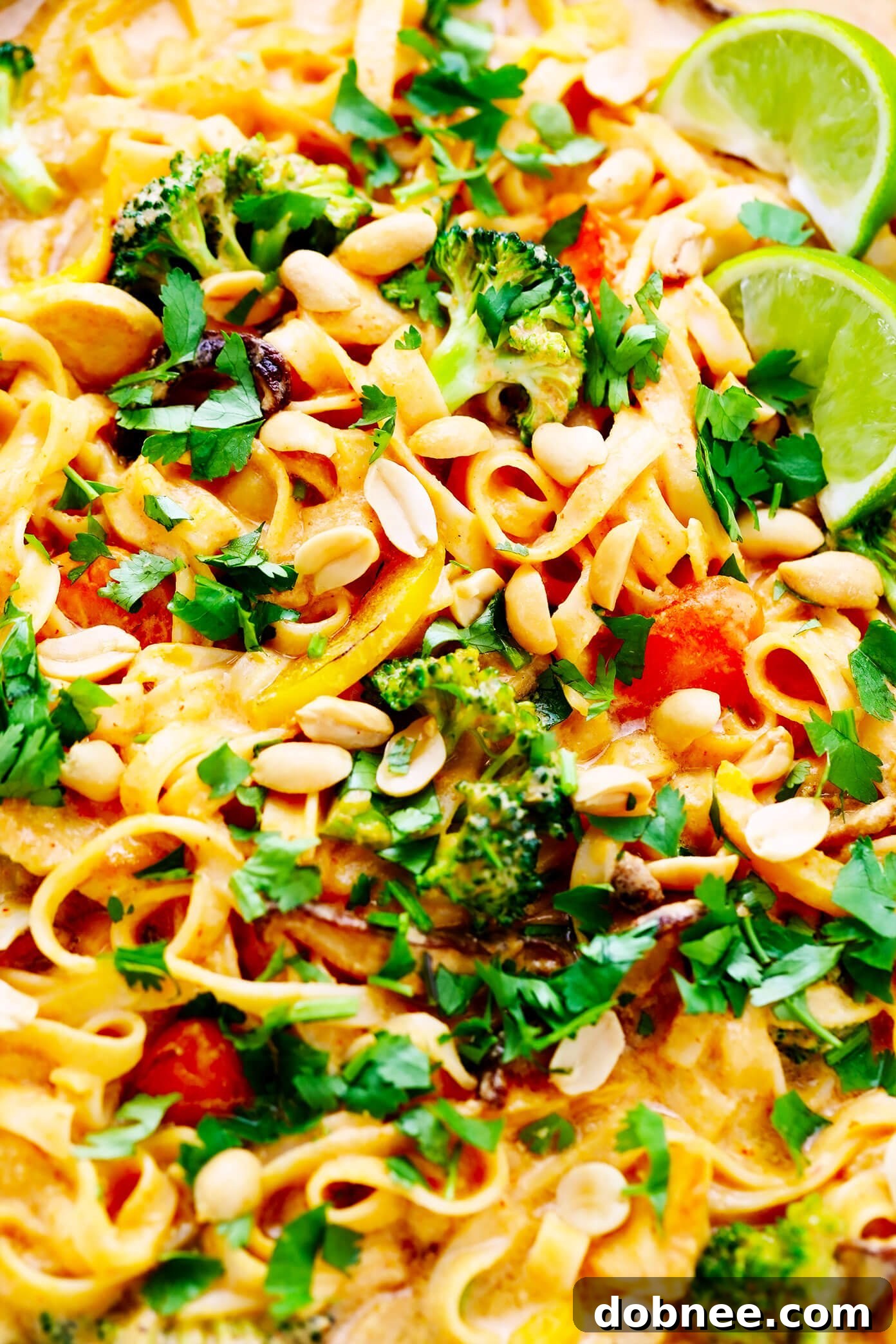
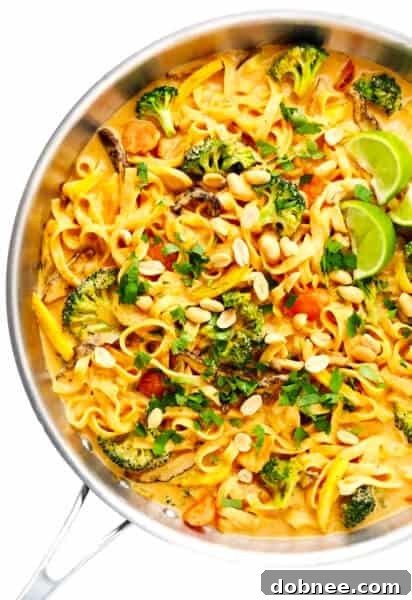
- Chopped Peanuts: A sprinkle of chopped roasted peanuts adds a wonderful crunch and reinforces the nutty flavor profile.
- Fresh Lime Wedges: Serve extra lime wedges alongside the dish, allowing everyone to add an additional squeeze of bright citrus to their individual servings.
- Optional: A drizzle of sriracha or a few red pepper flakes for an extra kick of heat, or a sprinkle of toasted sesame seeds.
Mastering the Method: Your Step-by-Step Cooking Guide
Creating these delectable Thai Curried Peanut Noodles is straightforward. Follow these instructions for a perfect result every time:
- Prepare the Sauce: In a small bowl, combine the full-fat coconut milk, vegetable or chicken stock, creamy peanut butter, Thai red curry paste, fresh lime juice, and fish sauce. Whisk vigorously until the mixture is completely smooth and all ingredients are thoroughly incorporated. Set this flavorful sauce aside.
- Cook the Noodles: Bring a large pot of lightly salted water to a rolling boil. Add your chosen noodles (thin rice noodles are ideal) and cook according to the package instructions until they are just al dente – cooked through but still retaining a slight bite. This is crucial to prevent them from becoming overly soft or mushy when combined with the sauce. Drain the noodles immediately and set them aside. If there’s any delay before combining them with the stir-fry, toss them lightly with a drizzle of olive oil to prevent them from sticking together.
- Cook Your Protein: Heat 1 tablespoon of olive oil in a large sauté pan or wok over medium-high heat. Add your thinly-sliced chicken (or preferred protein like beef, shrimp, or tofu). Sauté, stirring occasionally, for 4 to 5 minutes, or until the protein is beautifully browned and fully cooked through. Once done, transfer the cooked protein to a clean plate and set it aside.
- Sauté the Vegetables: Add the remaining 1 tablespoon of olive oil to the same hot pan. Toss in your prepared, sliced vegetables. Sauté for approximately 5 minutes, stirring frequently, until they reach your desired level of doneness – typically crisp-tender, still retaining some crunch. Then, add the minced garlic and finely-minced fresh ginger to the pan. Continue to sauté for another 1 to 2 minutes, stirring constantly, until the aromatics are fragrant and slightly softened, taking care not to burn the garlic.
- Combine & Finish: Return the cooked protein to the pan with the sautéed vegetables. Pour in the prepared curried peanut sauce and add the cooked noodles. Using tongs or two spatulas, toss the entire mixture for about 1 minute, ensuring all the noodles, protein, and vegetables are thoroughly coated in the rich, creamy sauce.
- Season to Perfection: Taste the noodles and adjust the seasoning as needed. You may wish to add a pinch of salt, a dash of black pepper, or an extra squeeze of fresh lime juice to brighten the flavors and achieve your perfect balance.
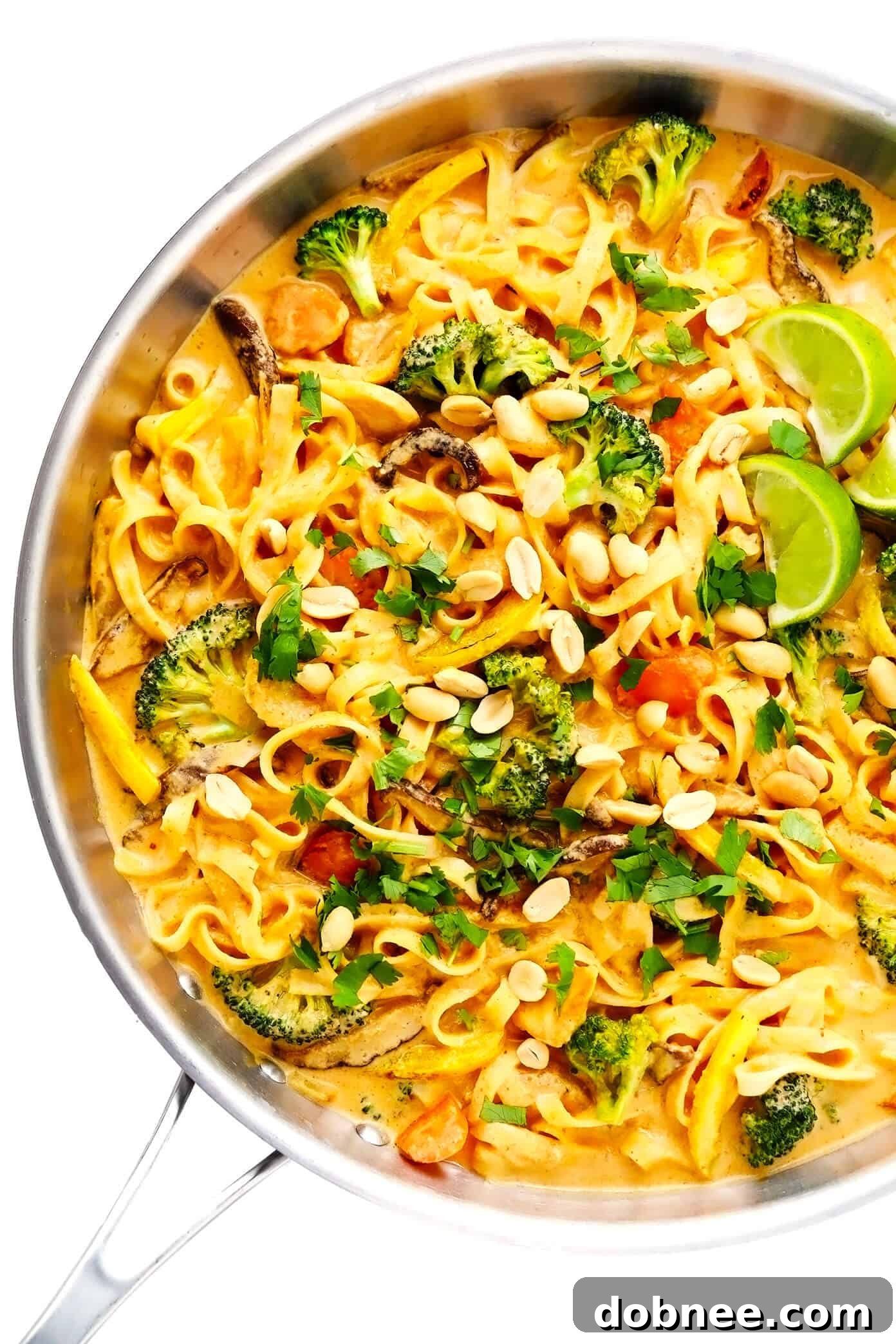
- Serve Immediately: Transfer the Saucy Thai Curried Peanut Noodles to individual bowls. Garnish generously with plenty of chopped fresh cilantro and/or Thai basil, a sprinkle of crunchy chopped peanuts, and additional fresh lime wedges on the side for an optional extra burst of citrus. Serve hot and enjoy every delicious bite!
Customizing Your Peanut Noodle Stir Fry: Endless Possibilities
The beauty of this recipe lies in its adaptability. Feel free to adjust it to suit your palate, dietary needs, or what you have on hand:
- Naturally Gluten-Free: This recipe is inherently gluten-free, provided you use rice noodles and confirm that all your other ingredients – especially the stock, curry paste, and fish sauce – are certified gluten-free. Tamari is an excellent gluten-free substitute for soy sauce if called for in other variations.
- Vegan Delight: To make this dish entirely vegan, simply swap out the chicken (or other meat) for a plant-based protein like pan-fried tofu, tempeh, or seitan. Replace the fish sauce with a high-quality vegan fish sauce alternative or tamari, and ensure your vegetable stock is certified vegan.
- Amp Up the Heat: For those who crave an extra fiery kick, there are several ways to turn up the spice:
- Add thinly-sliced fresh chiles, such as Thai bird’s eye chiles or serrano peppers, along with the garlic and ginger during the vegetable sauté.
- Stir in a teaspoon or two of crushed red pepper flakes or a pinch of cayenne powder into the sauce.
- Increase the amount of Thai red curry paste in the sauce to your preferred spice level.
- Milder Flavor Profile: If you’re sensitive to spice, begin by using only 1.5 tablespoons of Thai red curry paste in your sauce. You can always taste and gradually add more in small increments until you achieve a mild, pleasant warmth.
- Elevate the Sauce with Extras: Experiment with additional ingredients to deepen the complexity of your peanut sauce:
- Fresh Lemongrass: A tablespoon of finely minced fresh lemongrass (or store-bought lemongrass paste) will impart a wonderfully bright, citrusy, and slightly floral note.
- Coconut Sugar: For a touch more sweetness that balances the savory and spicy elements, stir in 1-2 teaspoons of coconut sugar or brown sugar.
- Makrut Lime Leaves: Adding a couple of torn kaffir lime leaves (also known as makrut lime leaves) to the sauce as it simmers will infuse it with a distinct, aromatic lime flavor. Remember to remove them before serving.
- Nut-Free Alternative: If you or someone you’re serving has a peanut allergy, fear not! You can still enjoy a similar flavor profile by substituting the peanut butter with an equal amount of sunflower seed butter (like SunButter) or almond butter. The flavor will be slightly different but equally delicious and satisfying.
Expert Tips for the Perfect Peanut Noodles & Meal Prep
- Smart Prep-Ahead Strategy: To streamline your cooking process on a busy weeknight, chop all your vegetables and protein in advance. You can also whisk together the sauce ingredients and store it in an airtight container in the refrigerator for up to 2-3 days. This significantly reduces active cooking time.
- Avoid Overcooking Noodles: Pay close attention to your noodle package instructions and aim for an al dente texture. Overcooked noodles can become mushy once combined with the hot sauce.
- High Heat for Best Results: When stir-frying your protein and vegetables, use medium-high to high heat. This ensures your protein gets a nice sear and your vegetables remain crisp-tender, instead of becoming soggy.
- Storage and Reheating: Leftovers are fantastic! Store them in an airtight container in the refrigerator for up to 3-4 days. To reheat, gently warm on the stovetop over medium heat, adding a splash of water or vegetable stock if the sauce has thickened. Microwaving is also an option, but stovetop reheating helps maintain the texture of the noodles and vegetables.
- Always Taste and Adjust: The most crucial tip for any recipe, especially one with a dynamic flavor profile like this, is to taste as you cook. Before serving, take a small bite and adjust the seasoning – whether it needs more salt, pepper, a touch more lime juice for brightness, or even a tiny bit of sugar for balance – until it perfectly suits your palate.
Explore More Irresistible Noodle Stir Fry Recipes
If you’ve fallen head over heels for these Saucy Thai Curried Peanut Noodles, then you’re in for a treat! Our collection of noodle stir-fry recipes is full of flavor and perfect for quick, delicious meals. Here are a few more favorites we highly recommend you try:
- Authentic Pad Thai: A timeless classic, offering a harmonious blend of sweet, sour, salty, and spicy notes with tender rice noodles.
- Awesome Chow Mein: A comforting and satisfying stir-fry featuring savory noodles and a medley of crisp vegetables.
- Spicy Thai Drunken Noodles (Pad Kee Mao): For those who love a bold, spicy, and herbaceous noodle dish with a powerful kick.
- Five Spice Tofu with Sesame Noodles: A fragrant and flavorful vegetarian option, highlighting aromatic five-spice powder and nutty sesame.
- Japchae (Korean Noodle Stir-Fry): A vibrant and savory dish made with translucent sweet potato glass noodles and an assortment of colorful stir-fried vegetables.
Print Recipe Card
Saucy Thai Curried Peanut Noodles Recipe
- Author: Ali
Prep Time: 20 mins
Cook Time: 15 mins
Total Time: 35 mins
Yield: 4 to 6 servings 1x
Description
These Saucy Thai Curried Peanut Noodles are a quick and delicious weeknight meal featuring a rich and creamy coconut curry peanut sauce, your choice of noodles, fresh vegetables, and protein. Easily customizable for various dietary needs, including gluten-free, vegetarian, or vegan.
Ingredients
Scale
Noodle Stir-Fry Ingredients:
- 8 ounces thin rice noodles
- 2 tablespoons olive oil, divided
- 1 pound boneless skinless chicken breasts, thinly sliced into bite-sized pieces (or your preferred protein)
- 4 to 6 cups sliced veggies (e.g., broccoli, mushrooms, carrots, onion, bell peppers)
- 4 cloves garlic, minced
- 1 tablespoon finely-minced fresh ginger
- Toppings: generous amounts of chopped fresh cilantro and/or Thai basil, chopped peanuts, fresh lime wedges
Curried Peanut Sauce Ingredients:
- 1 (14-ounce) can full-fat coconut milk
- 1 cup vegetable or chicken stock
- 1/4 cup natural creamy peanut butter
- 2 to 3 tablespoons Thai red curry paste, to taste
- 2 tablespoons lime juice
- 1 tablespoon fish sauce
Instructions
- Make the Sauce: Whisk all of the sauce ingredients together in a small bowl until smooth.
- Cook the Noodles: Cook the noodles just shy of al dente, according to package instructions. Drain and set aside. (If there’s a delay, toss lightly with oil to prevent sticking.)
- Stir-fry the Protein: Heat 1 tablespoon oil in a large sauté pan or wok over medium-high heat. Add sliced chicken (or other protein) and sauté for 4-5 minutes until browned and cooked through. Transfer to a plate.
- Sauté the Veggies: Add the remaining 1 tablespoon oil to the pan with the vegetables. Sauté for 5 minutes, stirring occasionally. Add minced garlic and ginger, sauté for 2 more minutes, stirring frequently.
- Combine: Return the cooked protein and add the sauce and cooked noodles to the pan. Toss for about 1 minute until thoroughly combined.
- Season: Taste and season with salt, pepper, or extra lime juice as needed.
- Serve: Serve immediately, garnished with generous amounts of fresh toppings. Enjoy!
Equipment
Thai Red Curry Paste
Buy Now →
Fish Sauce
Buy Now →
Coconut Milk
Buy Now →