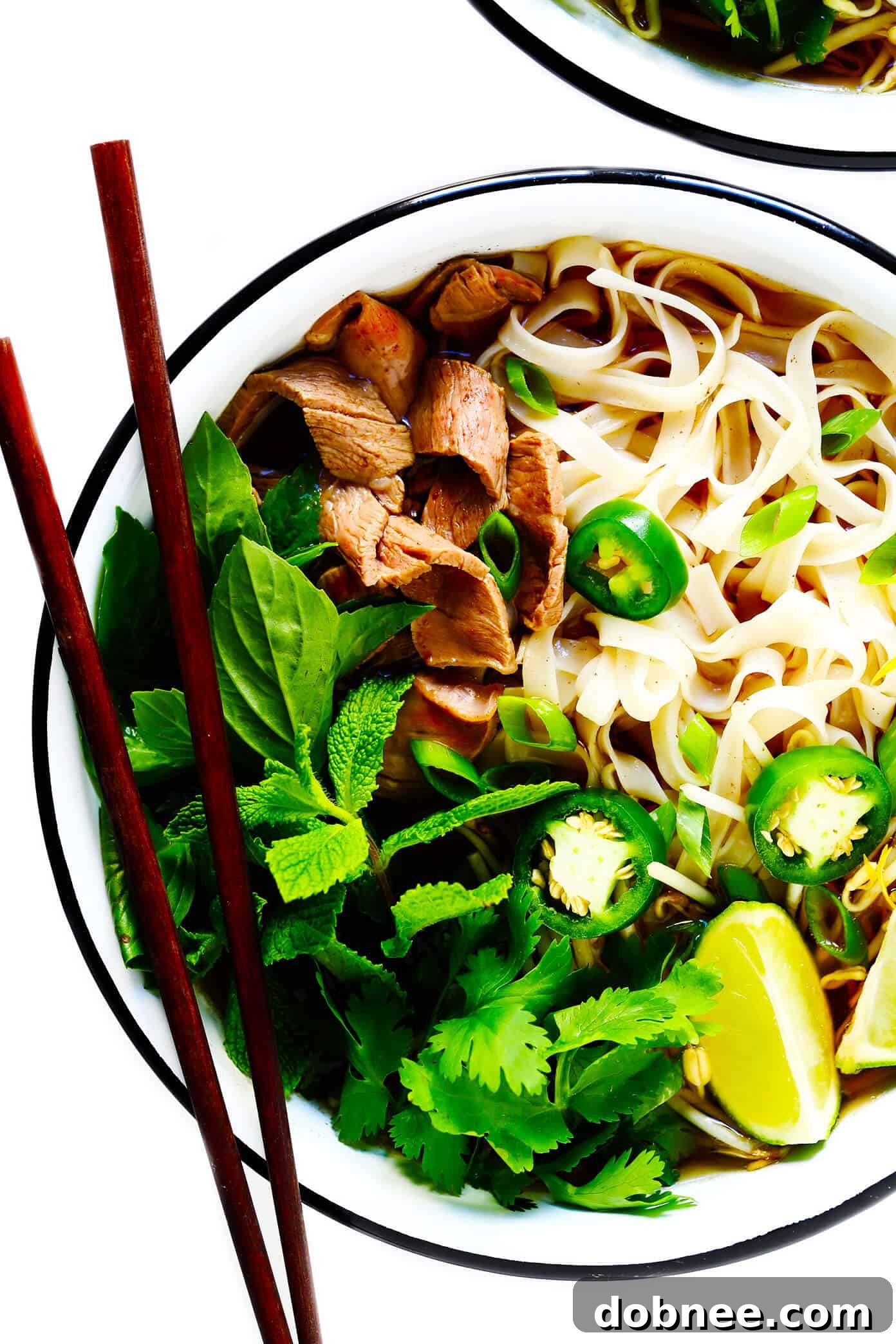
This delicious homemade pho recipe is inspired by the Vietnamese soup we all know and love, yet made with a few time-saving shortcuts.
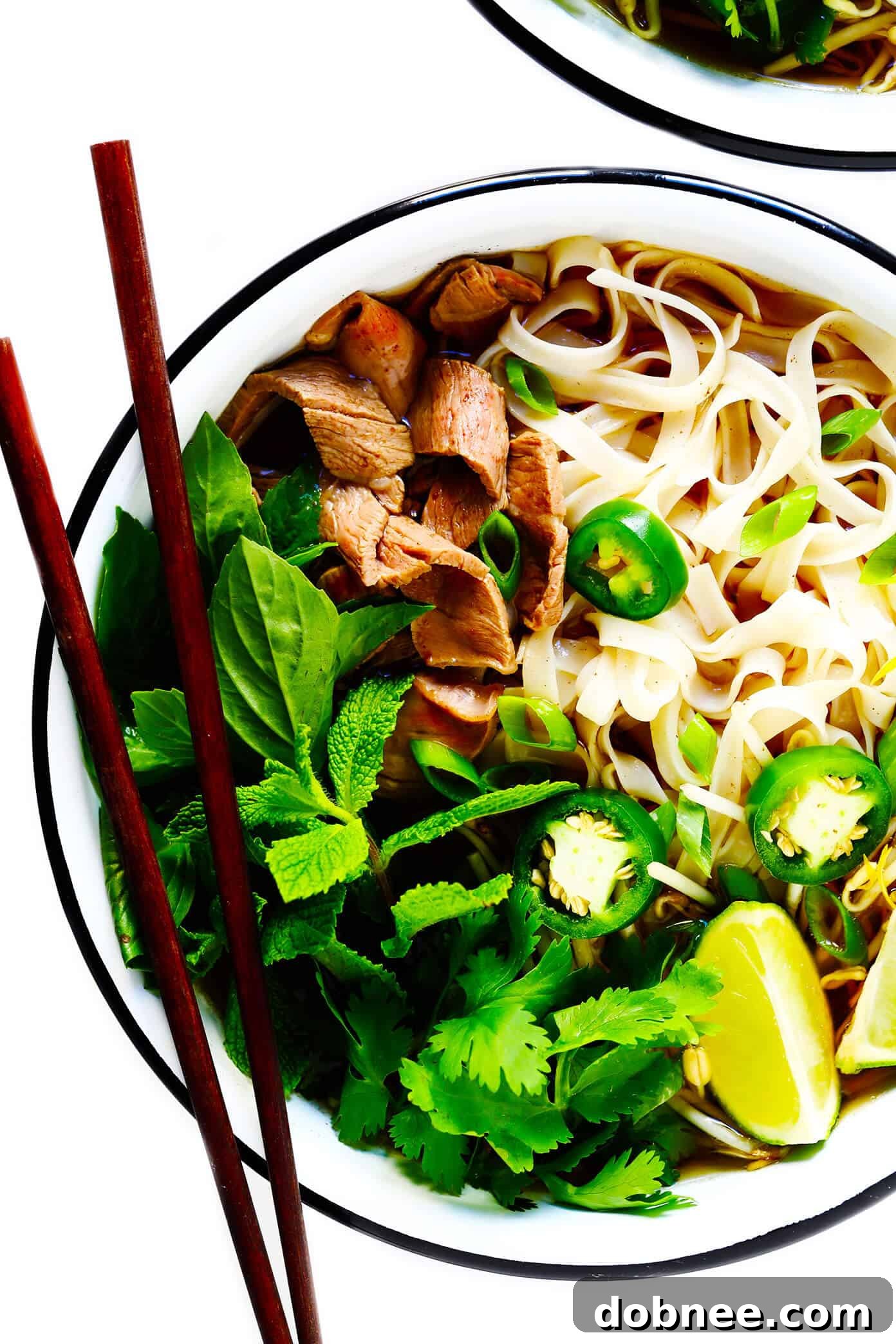
Discover the Art of Homemade Pho: Your Easy Guide to Vietnamese Noodle Soup
Have you ever considered preparing the iconic Vietnamese Phở right in your own kitchen? This traditional Vietnamese noodle soup holds a special place in my heart, a culinary delight I’ve cherished for decades. While I eagerly await the day I can experience authentic pho in its homeland, Vietnam (hopefully soon!), my journey with this soulful dish has seen countless bowls ordered in Vietnamese eateries across the States and here in vibrant Barcelona.
There’s an undeniable magic to pho; its comforting warmth, vibrant freshness, and profound depth of flavor never fail to hit the spot. It remains my top choice when dining out for soup. However, I’ve recently embarked on an exciting culinary adventure, experimenting with various homemade pho recipes. To my pleasant surprise, crafting this exquisite soup at home proved to be more accessible than I initially imagined.
The Soul of the Bowl: Crafting an Aromatic Pho Broth with Smart Shortcuts
At the heart of any truly exceptional pho lies its broth. In traditional Vietnamese cooking, pho broth is a labor of love, often simmered for many hours to coax out those complex, layered, and deeply comforting flavors we all adore. This authentic method, while incomparably delicious, typically involves acquiring numerous beef bones, a generous assortment of extra vegetables, and dedicating an additional two to three hours to the simmering process.
Recognizing the time constraints of modern life, I’ve developed and tested a brilliant shortcut method for this homemade pho recipe. Instead of starting from scratch with beef bones, this recipe utilizes high-quality store-bought beef stock as its foundation. While this approach may not be deemed “authentic” in the strictest sense, the results are wonderfully rich and flavorful, and remarkably, this shortcut pho broth can be ready in as little as 45 minutes!
The secret to its depth? We enhance the store-bought stock with carefully charred onion and ginger, a generous bouquet of warming whole spices, a hint of sweetness, and, of course, a heaping pile of fresh herbs and toppings added at serving. I assure you, this simplified homemade pho recipe is so gratifying, you’ll want to make it a regular feature in your culinary repertoire.
Essential Vietnamese Pho Ingredients: Building Your Perfect Bowl
Before we dive into the step-by-step instructions for this delightful pho soup, let’s take a closer look at the key ingredients you’ll need. Each component plays a vital role in creating that signature pho flavor profile.
Protein: The Hearty Foundation
- Steak: For Phở bò, the traditional beef pho, we use thinly sliced raw steak. This is cooked gently in the hot broth of each individual serving bowl. To achieve paper-thin slices, I highly recommend placing your steak in the freezer for about 45-60 minutes before slicing it against the grain. Alternatively, ask your butcher to thinly slice it for you, or opt for pre-cooked steak if you prefer. Other proteins like chicken, pork, shrimp, or even tofu can also be used.
Noodles: The Chewy Core
- Thin Rice Noodles: Pho is traditionally served with thin rice noodles, often labeled as Banh Pho. To prevent them from becoming overcooked or mushy in the broth, it’s customary to cook the noodles separately until al dente. They are then added to each serving bowl, followed by the protein, hot broth, and toppings.
The Aromatic Pho Broth: Shortcut to Success
As mentioned, this “shortcut” pho broth delivers fantastic flavor in significantly less time than its traditional counterpart. Here are its essential elements:
- Fresh Onions and Ginger: These aromatics are briefly charred in a skillet or under a broiler. This charring process is crucial, as it imparts a wonderful smoky depth and classic flavor to the broth.
- Good Quality Beef Stock: To bypass the hours required for homemade stock, this recipe relies on a high-quality store-bought beef stock. While a full scratch-made stock offers unparalleled authenticity, this shortcut provides a delicious and time-efficient alternative. (For those interested in a completely authentic, from-scratch beef pho recipe, I recommend exploring this recipe.)
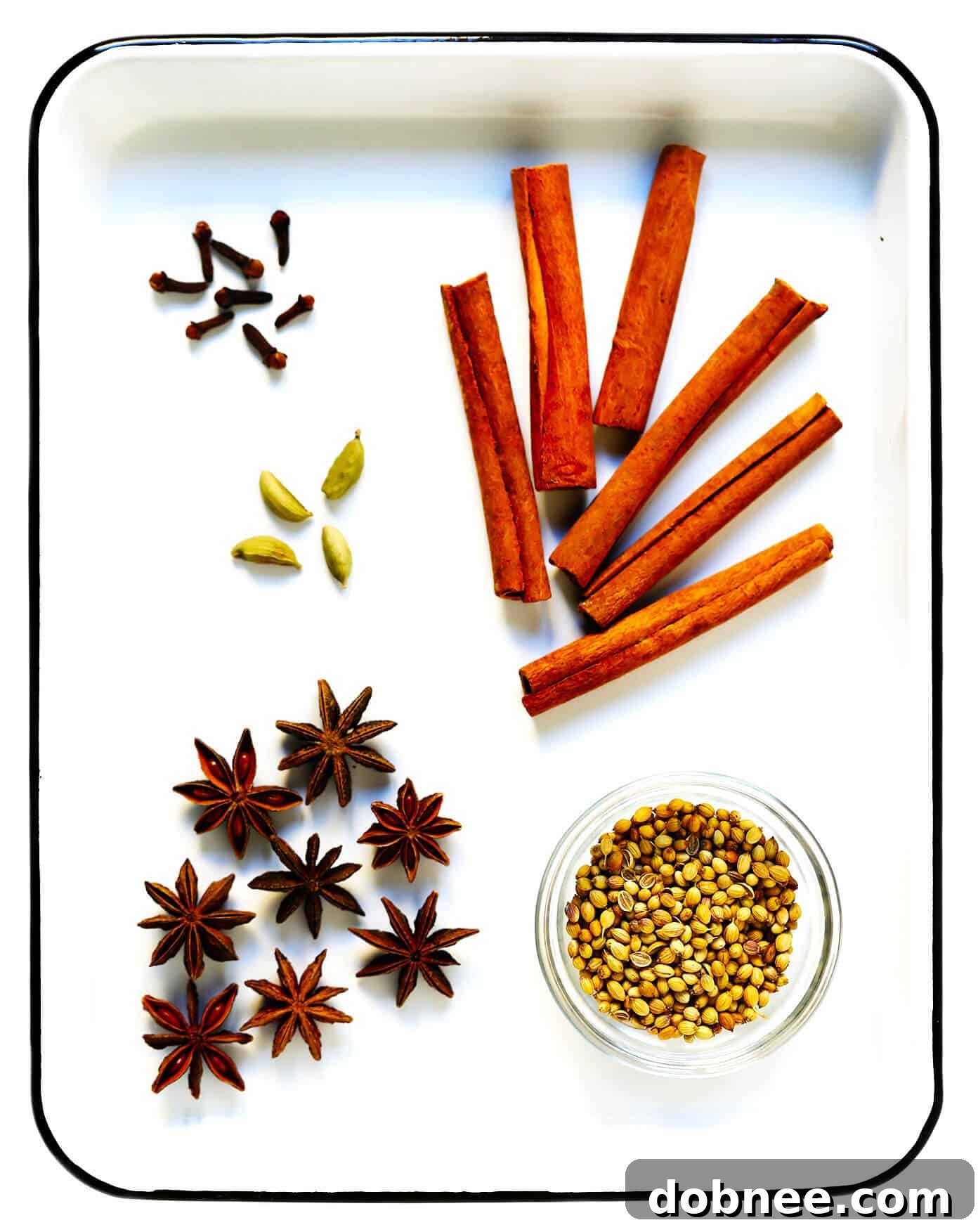
- Signature Spices: The soul of pho broth lies in its aromatic spice blend. We use five key whole spices: star anise, whole cloves, cinnamon sticks, cardamom pods, and whole coriander seeds. Using whole spices, briefly toasted, maximizes their flavor release. Notes for using ground spices are provided in the recipe card for convenience.
- Fish Sauce: A small splash of this fermented condiment is traditional and adds an indispensable layer of umami and depth to the broth.
- Sweetener: I prefer brown sugar for its subtle caramel notes, but any preferred sweetener can be used to balance the savory flavors of the broth, typically rock sugar in traditional recipes.
- Sea Salt: Essential for seasoning and bringing all the flavors into perfect harmony.
Toppings, Toppings, Toppings: The Stars of the Show
In pho, toppings are not merely optional garnishes; they are integral to the experience, adding layers of flavor, texture, and freshness. Feel free to mix and match your favorites, but I highly recommend including at least one from each category for a truly balanced bowl:
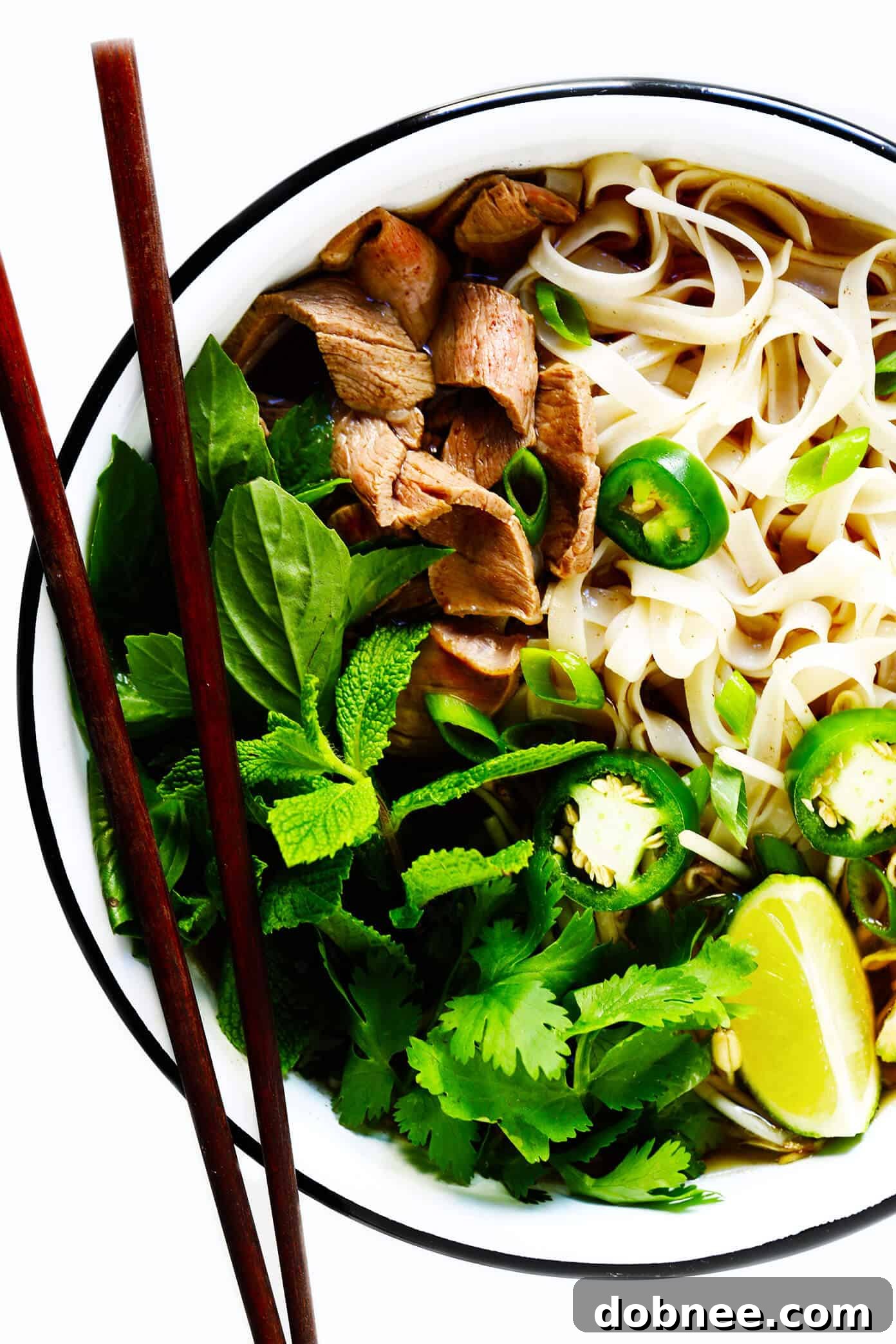
- Fresh Herbs: The more, the merrier! A combination of fresh cilantro, cooling mint, and aromatic Thai basil (or Italian basil as a substitute) infuses the soup with vibrant, herbaceous notes.
- Bean Sprouts: These add a delightful crunch and a hint of fresh, earthy flavor. You’ll find them in the produce section of most grocery stores, or readily available in Southeast Asian markets.
- Lime Wedges: Absolutely essential! A squeeze of fresh lime juice brightens the entire broth, cutting through its richness and adding a crucial tangy zest.
- Chiles (Optional): For those who love a bit of heat, thinly sliced Thai bird chiles are traditional. Jalapeños or serrano peppers also work wonderfully to give the soup your desired level of spice.
- Onions (Optional): Both sliced green onions (scallions) and super-thinly-sliced white onions provide a sharp, fresh counterpoint to the rich broth.
- Sauces (Optional): It’s customary to serve pho with hoisin sauce (sweet and savory) and/or sriracha (spicy garlic chili sauce) on the side, allowing each diner to customize their bowl to their liking.
How to Make Pho Soup: A Step-by-Step Guide for Your Kitchen
Creating delicious homemade pho bowls is simpler than you might think! Here’s a basic overview of the process. For full, detailed instructions, please refer to the comprehensive recipe card below.
- Prepare the Protein: For ultra-thin slices of beef, chicken, or pork, place the meat in the freezer for about 30-45 minutes to firm it up. This makes it much easier to slice against the grain as thinly as possible with a sharp knife. Set aside until assembly.
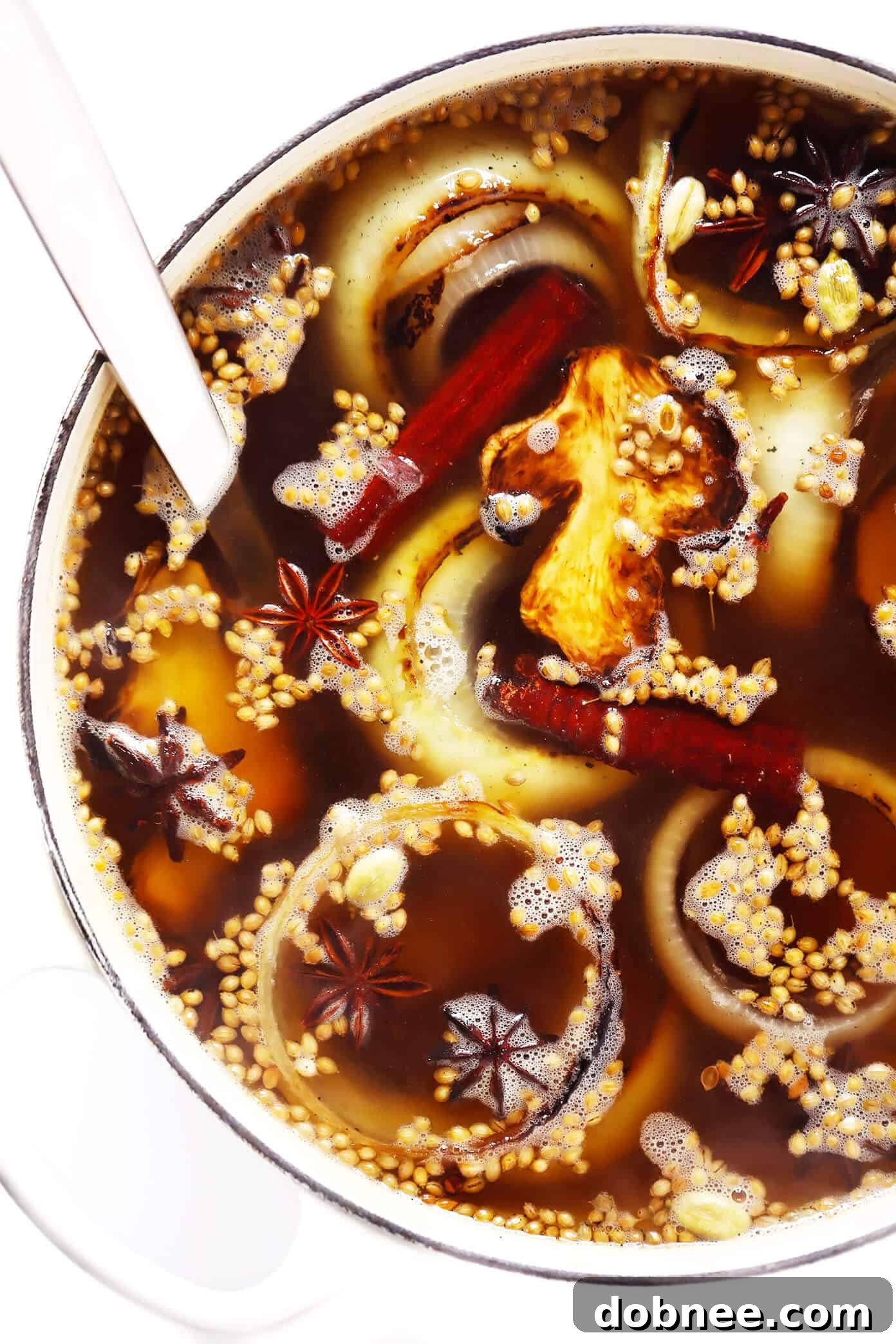
- Craft the Aromatic Broth: While your protein chills, begin by charring the onion and ginger. This can be done quickly in a hot skillet or under a broiler. Simultaneously, briefly toast the whole spices (star anise, cloves, cinnamon, cardamom, coriander) in a large stockpot until fragrant. Add the charred aromatics and beef stock to the pot. Bring to a simmer, then reduce heat, cover, and let it gently infuse for at least 30 minutes to allow the flavors to meld beautifully. Strain out and discard the solids, then stir in the fish sauce and sweetener. Taste and season with salt as needed.
- Perfect the Noodles: While the broth simmers, cook your thin rice noodles al dente according to their package instructions. Drain them thoroughly in a strainer, then immediately rinse with cold water to halt the cooking process and prevent them from sticking together. A drizzle of sesame oil can also help keep them separate and ready for your bowls.
- Thoughtful Assembly: Now for the exciting part – building your pho bowl! Place a generous handful of cooked noodles into each individual serving bowl. Arrange your thinly sliced protein (beef, chicken, etc.) over the noodles. Ladle the simmering hot broth directly over the protein, ensuring the meat is fully submerged. The heat of the broth will gently cook the thinly sliced meat to perfection.
- Serve and Savor: Top each bowl generously with all your favorite fresh garnishes. Encourage everyone to stir these vibrant additions into their soup; this not only enhances the broth’s flavor but also integrates the textures. Offer additional hoisin and sriracha sauces on the side for personalized customization. Serve warm and enjoy immediately!
Creative Customizations: Tailor Your Homemade Pho Experience
One of the joys of cooking at home is the freedom to adapt recipes to your preferences. This homemade pho recipe is incredibly versatile! Here are some fantastic variations to customize your bowl:
- Use Pre-Cooked Steak: If you prefer your steak fully cooked before serving or are concerned about cooking it in individual bowls, simply stir the thinly sliced steak directly into the simmering stockpot of broth. Allow it to cook through completely before ladling the broth and beef together into your serving bowls.
- Experiment with Different Proteins: While beef (pho bo) is the classic choice, feel free to substitute the thinly sliced steak with other proteins. Chicken, pork, shrimp, or even firm tofu are all excellent alternatives that absorb the broth’s flavors beautifully.
- Substitute Ground Spices (If Needed): While whole spices are highly recommended for the most aromatic broth, you can use ground equivalents in a pinch. Approximate substitutions are: 2 ½ teaspoons ground star anise, ¼ teaspoon ground cloves, 1 ½ teaspoons ground cinnamon, a pinch of ground cardamom, and 2 teaspoons ground coriander.
- Instant Pot Pho Broth: For an even quicker broth, utilize your pressure cooker. First, use the “sauté” function to char the onions and ginger. Then, add the spices and stock. Seal the Instant Pot and cook on manual high pressure for 10 minutes, followed by a quick release. Stir in the remaining broth ingredients as directed in the recipe.
- Crock-Pot Pho Broth: For a hands-off approach, the slow cooker works wonderfully. Add the onion, ginger (charred beforehand if desired), spices, and stock to your large slow cooker. Cover and cook on high for 3 hours or on low for 6 hours. (If the broth appears to evaporate significantly during cooking, simply add an extra cup or so of water.) Incorporate the remaining broth ingredients as per the recipe.
- Make Beef Stock From Scratch: For the most authentic pho experience, where the beef stock is made entirely from scratch, I highly recommend exploring this traditional recipe from Viet World Kitchen.
- Vegetarian/Vegan Pho: For a plant-based option, pho can be just as delicious! Check out my dedicated vegan pho recipe for a flavorful meat-free version.
- Add Fennel Seeds: If you have fennel seeds in your spice collection, try adding about a teaspoon along with the other whole spices. They contribute a lovely, subtle licorice-like aroma that complements the other flavors beautifully.
Your Pho Questions Answered: An In-Depth FAQ
Before you dive into making your homemade pho, here are answers to some frequently asked questions that might enhance your cooking and dining experience:
- What is the proper “pho” pronunciation? The closest phonetic spelling in English for phở is “fuh.” However, Vietnamese is a tonal language, meaning the pitch of your voice changes the word’s meaning. For phở, the correct pronunciation involves a slight lift in pitch, as demonstrated in this audio example.
- Where and when did pho originate? Pho traces its origins to Vietnam, likely emerging in the early 1900s. While historians debate the exact timeline and etymology, it’s widely believed to have been influenced by both similar noodle dishes already present in the region and the increased availability of beef due to French colonial demand. Over the years, countless regional variations have evolved across Vietnam, solidifying its status as the nation’s beloved dish.
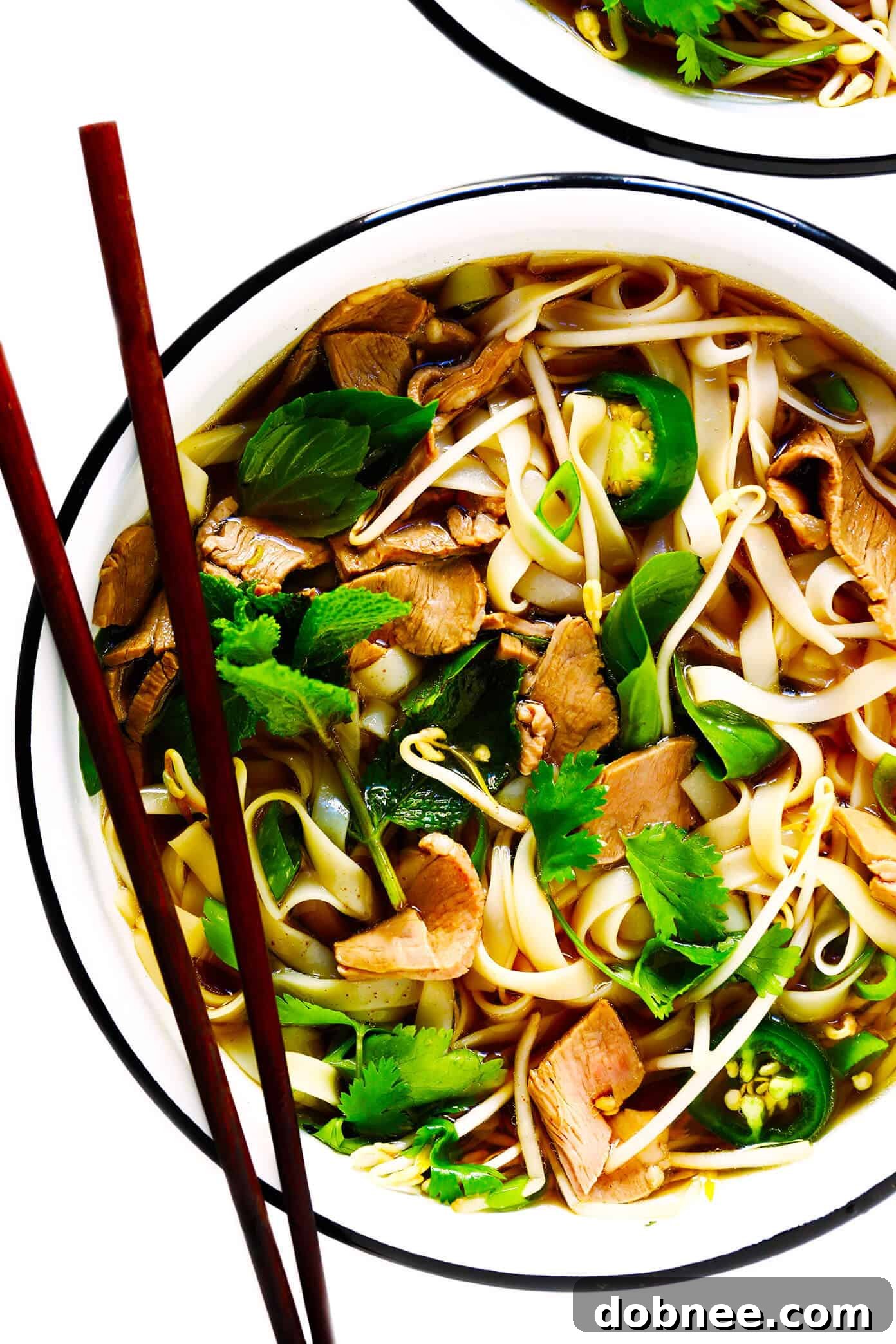
- How do you serve pho? Pho soup is traditionally presented in large, deep soup bowls. Diners typically use chopsticks to handle the noodles, meat, and vegetables, accompanied by a soup spoon for sipping the flavorful broth. At home, feel free to use any suitable bowls you have available.
- How exactly are you supposed to eat pho? Begin by using your chopsticks to gently stir all the fresh garnishes (herbs, sprouts, chiles) into the hot broth. This helps them release their flavors and infuse the soup. You can pick out larger stems or chiles later if you prefer not to eat them. Then, alternate between using your chopsticks to enjoy the noodles, protein, and veggies, and your spoon to savor the rich broth. In Vietnam, it’s even encouraged to lift your bowl to drink the very last drops of broth, a sign of appreciation!
- Is pho gluten-free? Yes, this homemade pho soup recipe is naturally gluten-free. The core ingredients – rice noodles, beef (or other proteins), broth components, and fresh garnishes – are typically free of gluten. As always, for strict dietary needs, it’s wise to double-check that all your individual ingredients (especially packaged stock and fish sauce) are certified gluten-free.
- Is the meat in pho fully cooked? If the meat is sliced exceptionally thinly, the broth is simmering hot, and the meat is fully submerged immediately upon adding it to the bowl, then yes, the heat of the broth will thoroughly cook the meat. For extra assurance, especially with thicker slices or if you prefer well-done meat, refer to the “Alternate meat cooking option” in the Variations section above.
- Is pho traditionally made with beef broth? Historically and most commonly, pho is indeed made with beef broth (Phở bò). However, Vietnam boasts many regional variations, including chicken pho (Phở gà) and even vegetarian versions, showcasing the dish’s adaptability. Our recipe focuses on the classic beef broth with a convenient shortcut.
- Make ahead instructions? For easier serving, especially when entertaining, most components of this pho recipe can be prepped in advance. The broth and cooked noodles can be prepared and then refrigerated separately in sealed containers. The protein can be sliced and stored. Garnishes can be washed and chopped. When ready to serve, simply reheat the broth, warm the noodles, and assemble.
- Storage instructions? To maintain the best quality, I recommend storing the cooled broth, cooked protein, cooked noodles, and fresh garnishes in separate airtight containers in the refrigerator. This prevents the noodles from soaking up all the delicious broth and becoming mushy. Stored separately, the components will keep for up to 3 days. When ready to eat, reheat the broth, warm the protein and noodles, and assemble a fresh bowl with garnishes.
The Homemade Pho Recipe Card
Pho (Vietnamese Noodle Soup)
This delicious homemade pho recipe is inspired by the Vietnamese soup we all know and love, yet made with a few time-saving shortcuts.
Prep Time: 30 mins
Cook Time: 45 mins
Total Time: 1 hour 15 mins
Yield: 2 large bowls or 4 medium bowls
Ingredients
Pho Broth Ingredients:
- 1 large white onion, peeled and halved
- 3-inch piece of fresh ginger, halved lengthwise
- 5 star anise
- 4 whole cloves
- 3 (3-inch) cinnamon sticks
- 2 cardamom pods
- 1 tablespoon whole coriander seeds
- 8 cups good-quality beef stock (or chicken or vegetable stock)
- 1 tablespoon brown sugar
- 2 teaspoons fish sauce
- fine sea salt, to taste
Pho Soup Ingredients:
- 8 ounces raw steak*, very thinly sliced
- 7 ounces uncooked thin rice noodles
- garnishes: fresh herbs (cilantro, mint, and/or Thai basil), bean sprouts, lime wedges, thinly-sliced chiles (Thai bird chiles or jalapeños), thinly-sliced onions (green onions or white onions), sauces (hoisin and/or sriracha)
Instructions
- Char the onions and ginger*. Turn the oven broiler to high, and place the baking rack about 8 inches away from the heating elements. Place the onion and ginger cut-side-up on a baking sheet, and brush with a bit of oil. Broil for about 7-10 minutes, until the tops of the onion and ginger are slightly charred. Remove and set aside.
- Make the broth. Meanwhile, heat the anise, cloves, cinnamon, cardamom and coriander to a large stockpot over medium-high heat for about 3 minutes until fragrant. Add in the charred onion, ginger, stock, and stir to combine. Continue cooking until the broth reaches a simmer. Then reduce heat to medium-low, cover with a lid, and continue to simmer for at least 30 minutes. Strain out (and discard) the onions, ginger and spices. Stir in the fish sauce and sweetener into the hot broth. Then finally, taste and season the broth with salt as needed.
- Prep the noodles. Meanwhile, as your broth is simmering, cook the noodles separately al dente according to the package instructions. Drain in a strainer, then briefly rinse the noodles with cold water to prevent them from continuing to cook. (I also recommend tossing the noodles with a drizzle of oil — such as sesame oil — to prevent them from sticking.)
- Assemble. Now the fun part! Add a handful of noodles to each individual serving bowl. Portion the steak between each serving bowl. Then ladle the still-simmering hot broth into the serving bowls, being sure to submerge the steak completely so that it gets cooked*. Top each bowl with lots and lots of garnishes, and finish with a squeeze of lime juice.
- Serve immediately. Encouraging everyone to stir the garnishes into the soup so that they can flavor the broth, also adding in additional extra sauces if desired.
Notes
Thinly slicing the steak: You can use any kind of lean steak, very thinly sliced against the grain. (I recommend freezing the steak for 30-60 minutes beforehand, to make it easier to slice.) It’s very important that the meat is very thinly sliced in order for it to cook quickly in the broth and have a tender texture. If you prefer the steak to be well done, see the alternate option for cooking the beef below.
Alternate meat cooking option: Instead of cooking the thinly-sliced steak in the individual serving bowls, feel free to instead stir the steak directly into the stockpot of simmering broth to ensure that it is fully cooked. Then ladle the broth and beef together into the individual serving bowls.
Alternate charring option: Instead of broiling the onion and ginger in the oven, you can also just cook them cut-side-down in a sauté pan over high heat until charred.
Double batch: Again, I highly recommend making a double batch of this recipe while you’re at it! To do so, you will need a large stockpot (at least 5 quarts) to handle the quantity of broth.
Savor the Flavor: Your Journey to Authentic Homemade Pho Begins Now
Embarking on the journey to make homemade pho is a rewarding experience that brings the flavors of Vietnam directly to your dining table. This recipe, while utilizing smart shortcuts for efficiency, does not compromise on the rich, aromatic, and deeply satisfying taste that makes pho a globally beloved dish. From the fragrant broth infused with charred aromatics and warming spices to the delicate rice noodles, tender protein, and vibrant array of fresh toppings, every spoonful is a testament to culinary craftsmanship.
We encourage you to experiment with the variations, personalize your bowl with favorite garnishes, and truly make this recipe your own. The satisfaction of crafting such a complex and flavorful soup from scratch, even with a little help from quality store-bought ingredients, is immense. So, gather your ingredients, follow these steps, and prepare to impress yourself and your loved ones with an unforgettable bowl of homemade Vietnamese pho. Enjoy the process, and most importantly, savor every delicious moment!