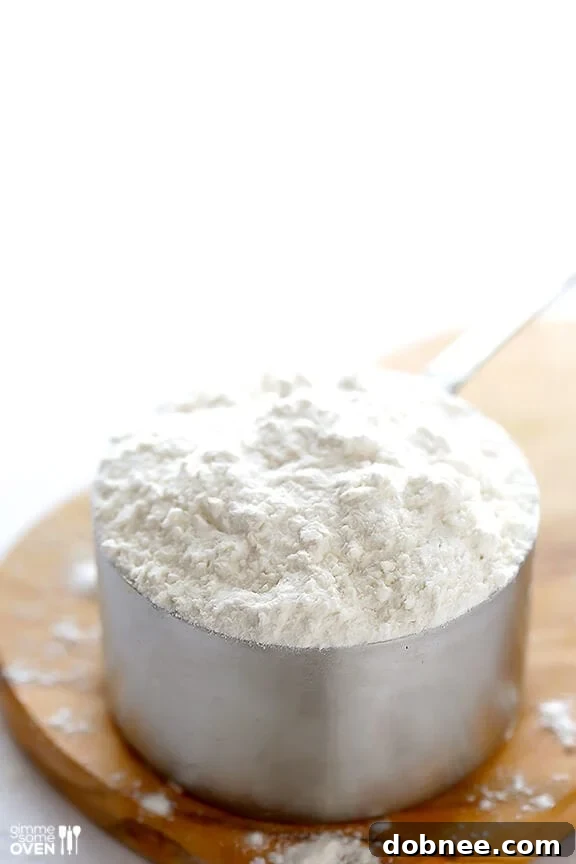
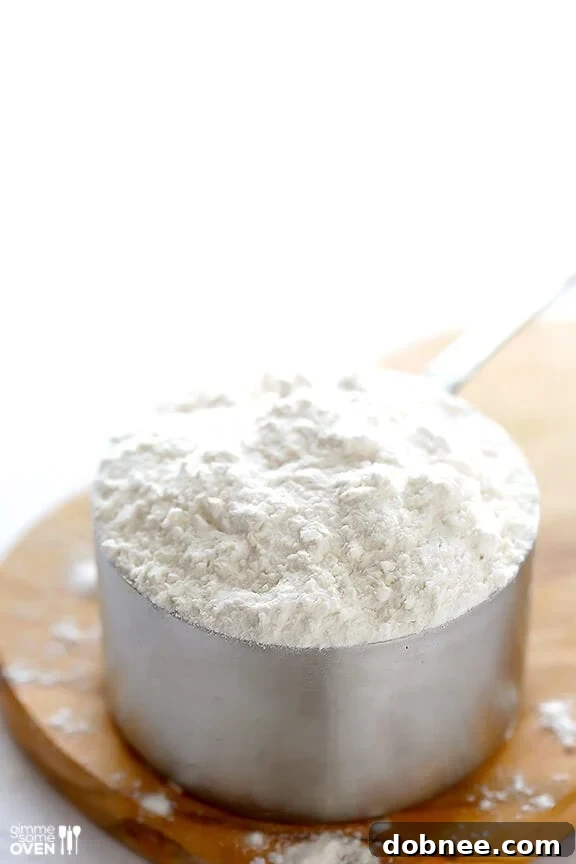
Unlock Baking Brilliance: The Ultimate Guide to Homemade Self-Rising Flour
There’s a special joy in balancing the savory and sweet aspects of cooking and baking. Lately, my kitchen has been buzzing with a serious baking spree, particularly focused on a truly game-changing 3-ingredient biscuit recipe. As someone who often leans towards savory flavors, discovering this simple yet epic biscuit formula has been nothing short of transformative for my breakfast routine – I’ve already made them countless times!
While that incredible biscuit recipe will make its debut on the blog very soon, today we’re diving into an essential component: homemade self-rising flour. This quick and easy tutorial will equip you with the knowledge to create this versatile ingredient from scratch, ensuring your baked goods achieve perfect lift and texture every time.
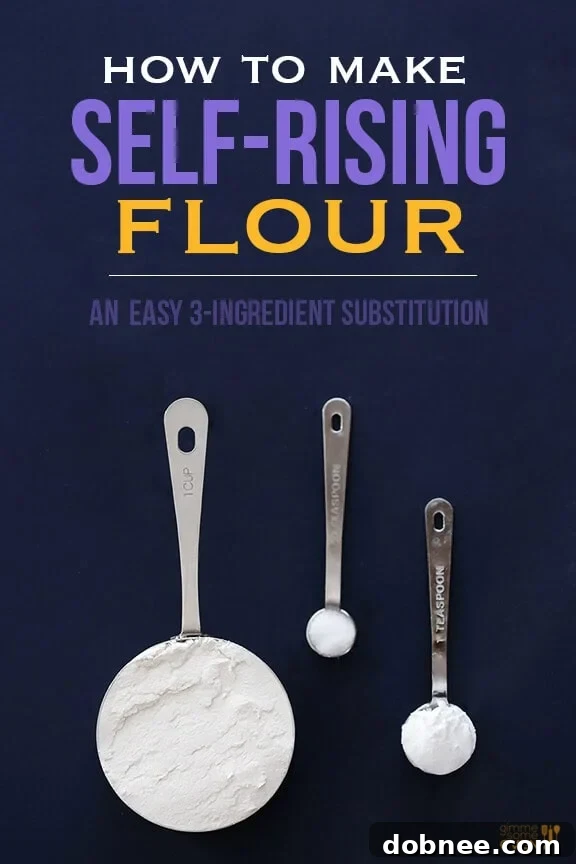
You might wonder why bother making self-rising flour at home when you can buy it. The truth is, it’s quite rare to find a bag of self-rising flour in my pantry. There are several compelling reasons for this. Firstly, self-rising flour, with its leavening agent already mixed in, doesn’t maintain its freshness as long as plain flour. Over time, the baking powder loses its potency, leading to flat and disappointing results in your baking. Secondly, and perhaps most importantly, it is incredibly simple to prepare at home. You only need three common pantry staples: all-purpose (or pastry) flour, salt, and baking powder. With these, you can effortlessly create a fresh, effective substitute for any recipe calling for self-rising flour, ready to give your biscuits, pancakes, cakes, and other treats that coveted fluffy rise.
So, get ready to bookmark this guide. Whether you’re making those life-changing biscuits tomorrow or embarking on another delightful baking adventure, having this homemade self-rising flour recipe at your fingertips will prove invaluable.
Why Homemade Self-Rising Flour is a Game Changer
Beyond the convenience, crafting your own self-rising flour offers significant advantages. Commercial self-rising flour often contains stabilizers or anti-caking agents, and the quality of the baking powder can vary. By making it yourself, you control the freshness and quality of each ingredient. Fresh baking powder is crucial for optimal leavening; using a freshly prepared batch ensures your baked goods rise beautifully and consistently. This eliminates the guesswork and potential disappointment of using an older, less effective store-bought blend.
Moreover, homemade self-rising flour allows for customization. While the standard ratio works for most applications, some seasoned bakers might subtly adjust the salt content to complement specific recipes. This level of control is simply not possible with pre-packaged options. It’s a small change that can make a big difference in the final flavor profile of your culinary creations.
The Simple Ingredients You’ll Need
Creating your own self-rising flour is surprisingly straightforward, requiring just three basic ingredients you likely already have on hand. Each plays a vital role in achieving the perfect texture and rise for your baked goods.
1. All-Purpose Flour (or Pastry/Cake Flour)
This forms the foundation of your self-rising blend. All-purpose flour, as its name suggests, is a versatile choice suitable for a wide range of baking. It has a moderate protein content, typically between 10-12%, which provides a good balance of structure and tenderness. For most recipes, traditional all-purpose flour works perfectly well.
However, it’s worth noting that some premium self-rising flour brands, such as White Lily or King Arthur Flour’s self-rising variety, use a lower-protein flour, like cake or pastry flour, as their base. These flours have a protein content around 7-9%, resulting in a more tender crumb, especially desirable for delicate cakes, fluffy biscuits, and light pastries. If a recipe specifically recommends a low-protein self-rising flour, or if you simply prefer an extra tender texture, feel free to substitute all-purpose flour with cake or pastry flour in your homemade blend. The difference is often subtle but can be appreciated by discerning bakers.
2. Baking Powder
This is the magical leavening agent that gives self-rising flour its name. Baking powder is a chemical leavener, typically a mixture of an acid, a base (baking soda), and a starch. When exposed to moisture and heat, it releases carbon dioxide gas, creating air bubbles that cause doughs and batters to rise. Most common brands sold today are “double-acting” baking powder, meaning they produce gas twice: once when mixed with wet ingredients and again when heated in the oven. The freshness of your baking powder is paramount; old or expired baking powder will result in baked goods that fail to rise.
3. Salt
A crucial but often overlooked ingredient, salt plays several roles in baking. It not only enhances the flavor of your baked goods, balancing sweetness and enriching other notes, but also strengthens the gluten structure in flour. In the context of self-rising flour, a small amount of salt is incorporated to complement the leavening action and ensure a well-rounded taste in your finished product.

Homemade Self-Rising Flour
- Prep Time: 2 minutes
- Total Time: 2 minutes
- Yield: A little over 1 cup
Description
Learn how to effortlessly create this essential homemade self-rising flour recipe using just three simple ingredients for perfect baked goods.
Ingredients
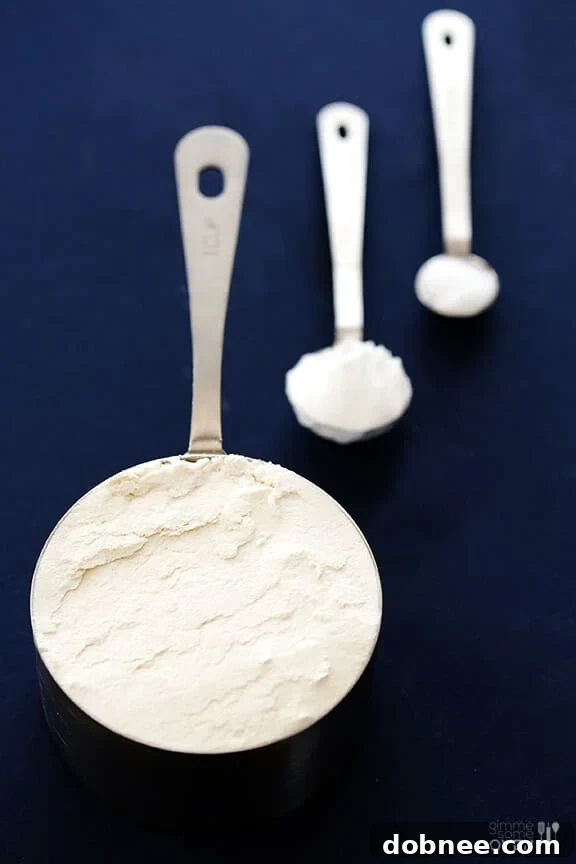
- 1 cup all-purpose flour
- 1 ½ teaspoon baking powder
- ½ teaspoon salt
Instructions
- In a medium bowl, whisk all ingredients together thoroughly until well blended and no lumps remain. Ensure the baking powder and salt are evenly distributed throughout the flour.
- Use immediately in your favorite recipes, or store for later use as described in the storage tips below.
Storing Homemade Self-Rising Flour for Maximum Freshness
One of the primary benefits of making your own self-rising flour is ensuring the freshness of your leavening agent. However, to maintain that freshness, proper storage is key. Unlike plain flour, which can last for many months, self-rising flour has a shorter shelf life due to the active baking powder. Exposure to moisture and air will cause the baking powder to lose its potency over time, leading to less effective leavening.
To store your homemade self-rising flour, transfer it to an airtight container. A glass jar with a tight-fitting lid or a heavy-duty plastic container works best. Keep the container in a cool, dark, and dry place, such as your pantry or a kitchen cabinet away from direct sunlight and heat sources. Avoid storing it in the refrigerator, as condensation can introduce moisture and prematurely activate the baking powder.
For best results, aim to use your homemade self-rising flour within three to six months. While it might still be usable after this period, its leavening power will gradually diminish. If you’re unsure about the freshness of your stored self-rising flour, you can perform a quick test: place a teaspoon of the flour in a small bowl and add a few drops of hot water. If it fizzes vigorously, your baking powder is still active and ready to make your baked goods rise. If there’s little to no fizz, it’s time to whip up a fresh batch.
Recipes That Shine with Self-Rising Flour
Self-rising flour is a true workhorse in the kitchen, simplifying countless baking recipes by combining multiple dry ingredients into one. Its pre-measured leavening and salt make it ideal for quick breads, light pastries, and tender cakes. Here are just a few categories of recipes where homemade self-rising flour truly excels:
- Biscuits: This is arguably where self-rising flour shines brightest. Whether you’re making classic Southern buttermilk biscuits, cream biscuits, or cheese biscuits, the consistent leavening provides that iconic flaky, tender texture with minimal effort. My personal favorite 3-ingredient biscuit recipe relies heavily on this very ingredient!
- Pancakes and Waffles: For breakfast enthusiasts, self-rising flour is a secret weapon for creating incredibly light and fluffy pancakes and waffles. It eliminates the need to measure out separate baking powder and salt, streamlining your morning routine and ensuring a perfectly risen stack every time.
- Scones: Much like biscuits, scones benefit immensely from the even distribution of leavening in self-rising flour. It helps them achieve their characteristic crumbly yet tender texture, making them perfect for afternoon tea or a quick breakfast treat.
- Muffins and Quick Breads: From blueberry muffins to banana bread, self-rising flour simplifies the preparation of many quick bread recipes. It ensures a consistent rise and a tender crumb, allowing the flavors of your chosen fruits or spices to truly stand out.
- Certain Cakes and Cupcakes: While many cake recipes call for plain flour and separate leavening, some simpler cake recipes, particularly those aiming for a light, airy crumb, are perfectly suited for self-rising flour. It’s especially popular for tender sponge cakes and simple loaf cakes.
Embracing homemade self-rising flour not only offers convenience but also opens up a world of versatile baking possibilities. Experiment with it in your favorite recipes and discover the difference freshness and quality make!
Frequently Asked Questions About Homemade Self-Rising Flour
Q: Can I use bread flour instead of all-purpose flour for self-rising flour?
A: While technically possible, it’s not recommended for most recipes. Bread flour has a much higher protein content (typically 12-14%), which develops more gluten and results in a chewier texture. Self-rising flour is designed for tender baked goods like biscuits and cakes, where a lower protein flour is preferred. Sticking to all-purpose, pastry, or cake flour will yield the best results.
Q: Is self-rising flour the same as cake flour?
A: No, they are different. Cake flour is a low-protein (7-9%) bleached flour that produces a very tender, fine crumb, and it does NOT contain leavening or salt. Self-rising flour is typically made with all-purpose flour (or sometimes pastry/cake flour) AND has baking powder and salt added. You can, however, make a “self-rising cake flour” by combining cake flour with baking powder and salt using the same ratios.
Q: What’s the best way to ensure my baking powder is fresh?
A: The simplest test is the “fizz test.” Place 1 teaspoon of baking powder into a bowl and pour ¼ cup of hot tap water over it. If it fizzes vigorously, it’s good. If it barely fizzes or doesn’t fizz at all, it’s time to replace it. Always check the expiration date on the package as well.
Q: Can I double or triple this recipe?
A: Absolutely! This recipe is easily scalable. Just ensure you maintain the correct proportions for each ingredient. If you’re making a larger batch, remember the storage tips to keep it fresh. It’s often best to make smaller batches more frequently to ensure optimal leavening power.
Q: My recipe calls for self-rising flour, but I only have plain flour. Can I just add baking soda?
A: No, baking soda is not a direct substitute for baking powder, nor does it replace self-rising flour. Baking soda requires an acid (like buttermilk, lemon juice, or vinegar) to react and produce carbon dioxide. Self-rising flour already contains baking powder, which is a complete leavening system (acid and base). If you only have plain flour, you need to add both baking powder AND salt to create a self-rising flour substitute.
Mastering homemade self-rising flour is a fundamental skill for any baker, offering convenience, freshness, and the satisfaction of creating an essential ingredient from scratch. With just three simple components and a few minutes of your time, you’ll be well on your way to baking incredibly light, fluffy, and perfectly risen treats. Say goodbye to store-bought limitations and embrace the freedom of DIY baking!