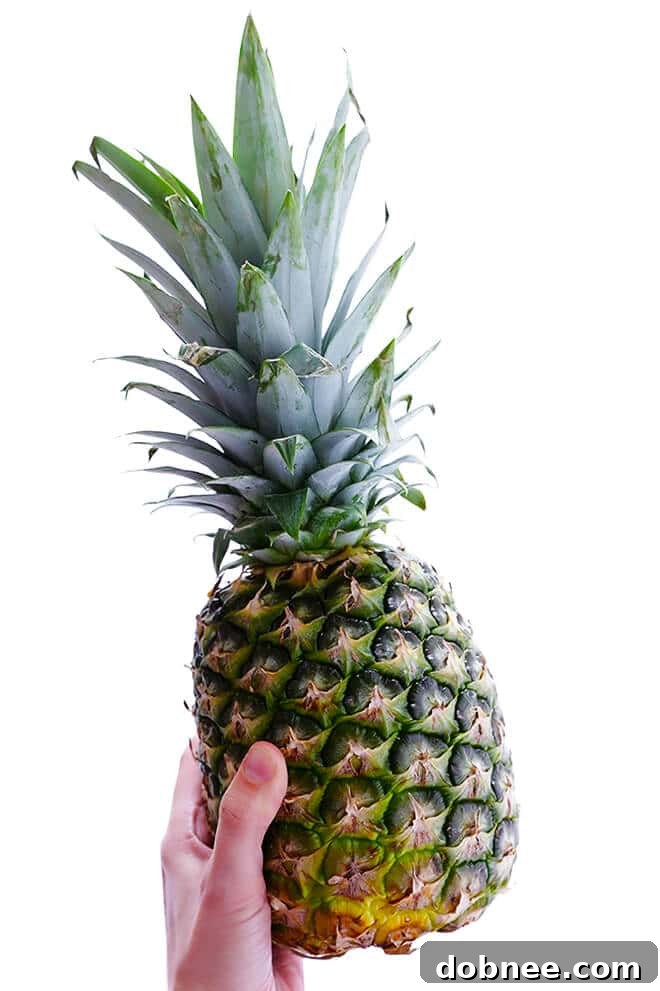
Mastering the Pineapple: Your Ultimate Guide to Cutting, Selecting, and Enjoying This Tropical Fruit
Unlock the secrets to fresh pineapple with this comprehensive guide, featuring tips on selection, storage, and delicious recipes!
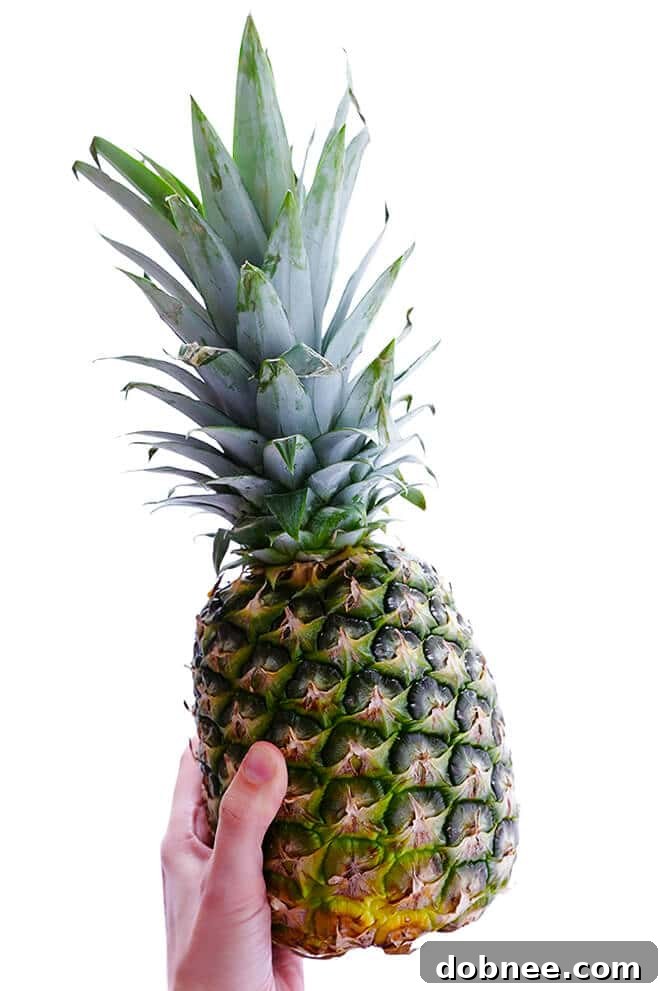
For many, the sight of a whole, fresh pineapple is an invitation to a tropical escape. Its vibrant color, intoxicating aroma, and famously sweet-tart flavor make it a beloved fruit worldwide. However, the joy of fresh pineapple is often overshadowed by the perceived challenge of preparing it. From selecting the perfect fruit at the market to confidently slicing through its spiky exterior, the process can seem daunting. But fear not, fellow pineapple enthusiasts! This guide is designed to demystify the art of pineapple preparation, ensuring you can enjoy this magnificent fruit with ease and confidence.
Whether you’re new to the world of fresh pineapples or simply looking to refine your technique, we’ll cover everything you need to know. We’ll delve into how to pick a perfectly ripe pineapple, the most efficient and safe methods for cutting it, essential tips for storing it to maintain its freshness, and a bounty of inspiring ideas for incorporating this versatile fruit into your cooking. Prepare to transform your approach to pineapple, making it a regular and celebrated staple in your kitchen.
The Allure of Fresh Pineapple: More Than Just a Pretty Face
Beyond its delicious taste, fresh pineapple offers a wealth of nutritional benefits that make it a smart addition to any diet. It’s an excellent source of Vitamin C, a powerful antioxidant that supports immune health. Pineapple also contains manganese, a vital mineral for bone health and metabolism, and a good amount of dietary fiber, which aids digestion. What truly sets pineapple apart is its natural enzyme, bromelain. This enzyme is known for its anti-inflammatory properties and can aid in digestion, particularly in breaking down proteins.
Compared to canned alternatives, fresh pineapple boasts a more vibrant flavor profile and retains its full spectrum of nutrients and enzymes, which can be diminished during processing. Its natural sugars provide a healthy energy boost, making it a perfect snack or a refreshing addition to meals. Embracing fresh pineapple means indulging in a truly wholesome and flavorful experience that canned versions simply cannot replicate.
How to Select a Ripe Pineapple: The Art of Choosing Perfection
The journey to enjoying perfectly sweet and juicy pineapple begins with selecting the right one at the store. A ripe pineapple guarantees the best flavor and texture, transforming your culinary creations. Here’s what to look for when making your selection:
- Plump and Firm Body: Gently squeeze the pineapple. It should feel firm but yield slightly, similar to a ripe peach. Avoid pineapples that are too soft or squishy, as this indicates over-ripeness and possible spoilage. Conversely, a rock-hard pineapple is likely under-ripe and won’t be as sweet.
- Healthy Green Leaves: Inspect the crown of the pineapple. The leaves should be green, fresh, and vibrant, not brown, wilted, or dry. A healthy crown suggests a healthy fruit. You should also be able to easily pull a single leaf from the center of the crown; if it comes out with minimal effort, the pineapple is likely ripe.
- Sweet and Fresh Aroma: This is one of the most reliable indicators of ripeness. Lift the pineapple and smell the bottom (the stem end). It should have a distinctively sweet, tropical fragrance. If there’s no smell, it’s likely under-ripe. If it smells fermented, vinegary, or alcohol-like, it’s over-ripe.
- A Sense of Weight: Pick up the pineapple. A ripe pineapple will feel heavy for its size, indicating a high juice content. Lighter pineapples may be dry or under-ripe.
- Golden Color (Not Always the Rule): While many associate ripeness with a golden-yellow hue, some varieties of pineapple can be perfectly ripe even when their skin is still mostly green. Rely more on the smell, feel, and leaf test than color alone.
Pro Tip: Savvy shoppers can often find excellent deals on fresh pineapples at discount grocery stores. Many stores regularly stock high-quality, delicious pineapples at incredibly affordable prices, making it easy to enjoy this tropical treat without breaking the bank. Always use the ripeness tests above, regardless of where you purchase your fruit.
How to Cut a Fresh Pineapple: A Step-by-Step Tutorial
Once you’ve selected your perfectly ripe pineapple, the next step is to prepare it for consumption. Cutting a pineapple can seem intimidating due to its tough skin and spiky exterior, but with a few simple steps and the right tools, you’ll be slicing like a pro in no time. You will need a sharp chef’s knife (a serrated knife can also work well) and a sturdy cutting board.
Here’s how to cut a fresh pineapple efficiently and safely:
Step 1: Prepare Your Workstation
Lay a damp cloth or paper towel under your cutting board to prevent it from slipping. This is a crucial safety measure when working with sharp knives and a firm fruit like pineapple. Ensure your knife is sharp, as a dull knife can be more dangerous and make the task harder.
Step 2: Remove the Top and Bottom
Place the pineapple on its side on the cutting board. Carefully slice off the leafy crown (top) and the hard, woody base (bottom) of the pineapple. Aim to cut about half an inch from each end, creating two flat surfaces. These flat ends will provide stability when you stand the pineapple upright for peeling.
Step 3: Stand and Peel
Stand the pineapple upright on one of its freshly cut flat ends. Using your sharp knife, carefully slice downwards, following the natural curve of the fruit, to remove the skin. Start from the top and work your way down. Remove only a thin layer of skin, but ensure all the tough, spiky exterior is gone. Rotate the pineapple as you go, continuing to slice off the skin in strips until the entire fruit is peeled. Don’t worry about the small “eyes” yet.
Step 4: Remove the “Eyes”
After peeling, you’ll notice small, brownish “eyes” arranged in diagonal lines across the pineapple. These are edible but can be tough and fibrous. To remove them efficiently, identify the diagonal rows of eyes. Using your knife, make two shallow, diagonal cuts along one row of eyes, creating a V-shaped trench. Lift out the strip of eyes. Repeat this process for all the remaining rows until all the eyes are removed. This method is often called “spiraling” and minimizes waste compared to simply chopping off a thick layer of flesh.
Step 5: Quarter and Core
Lay the peeled and “de-eyed” pineapple on its side. Carefully cut it lengthwise into four equal quarters. You will now see the fibrous, pale yellow core running down the center of each quarter. While edible, the core is quite tough and less flavorful than the flesh. Using your knife, slice off the core from each quarter. You can make a diagonal cut along each side of the core or simply cut it out in a straight line.
Step 6: Dice or Slice the Flesh
Now that your pineapple quarters are peeled and cored, you can cut the sweet flesh into your desired shape. For standard pineapple chunks, lay each quarter flat and slice it lengthwise into two or three strips, then cut these strips crosswise into bite-sized pieces. If you prefer rings, you would typically slice the pineapple into rounds *before* coring, then use a small round cookie cutter or a dedicated pineapple corer to remove the center of each slice. For this method, you would skip the quartering and coring steps mentioned above.
Step 7: Serve and Enjoy
Your fresh pineapple is now ready to be enjoyed! Serve it plain as a refreshing snack, add it to fruit salads, blend it into smoothies, or incorporate it into your favorite recipes. Always remember to clean your cutting board and knife thoroughly after use.
How to Store Fresh Pineapple: Maximizing Freshness
Proper storage is key to extending the life of your fresh pineapple, whether it’s whole or already cut. Understanding the best methods will help you minimize waste and ensure you always have this delicious fruit on hand.
Storing Whole, Uncut Pineapple:
- At Room Temperature: An uncut, ripe pineapple can be stored on your countertop for 1-3 days. This method will cause it to ripen slightly faster, enhancing its sweetness. If you plan to eat it soon, room temperature is fine.
- In the Refrigerator: To significantly slow down the ripening process and extend freshness, store whole, uncut pineapple in the refrigerator. Placed in the crisper drawer, it can last for 1-2 weeks. While refrigeration won’t increase sweetness, it will maintain the pineapple’s current ripeness level for a longer period.
Storing Cut Fresh Pineapple:
Once you’ve cut a pineapple, its shelf life decreases, but proper storage can keep it fresh and delicious for several days or even months.
- In the Refrigerator: Place cut pineapple chunks or slices in an airtight container. This prevents exposure to air, which can cause the fruit to dry out and lose flavor. Stored this way, fresh cut pineapple will remain good for up to 5-7 days.
- In the Freezer: For longer storage, freezing is an excellent option. Arrange pineapple chunks in a single layer on a baking sheet and freeze until solid (this prevents them from sticking together). Once frozen, transfer the chunks to a freezer-safe bag or an airtight container. Frozen pineapple can last for up to 3 months. It’s perfect for smoothies, desserts, or cooked dishes.
What to Make With Fresh Pineapple: Beyond the Bowl
While a bowl of plain, freshly cut pineapple is undoubtedly one of life’s simple pleasures – and one I wholeheartedly recommend for its pure, unadulterated flavor – this versatile fruit shines in a multitude of culinary applications. If you have some leftover or simply want to get creative, here are some fantastic ideas to incorporate fresh pineapple into your meals and drinks:
- Easy Rum-Soaked Grilled Pineapple: Grilling pineapple caramelizes its natural sugars, intensifying its sweetness and adding a smoky depth. A splash of rum adds an adult twist to this irresistible dessert or side dish.
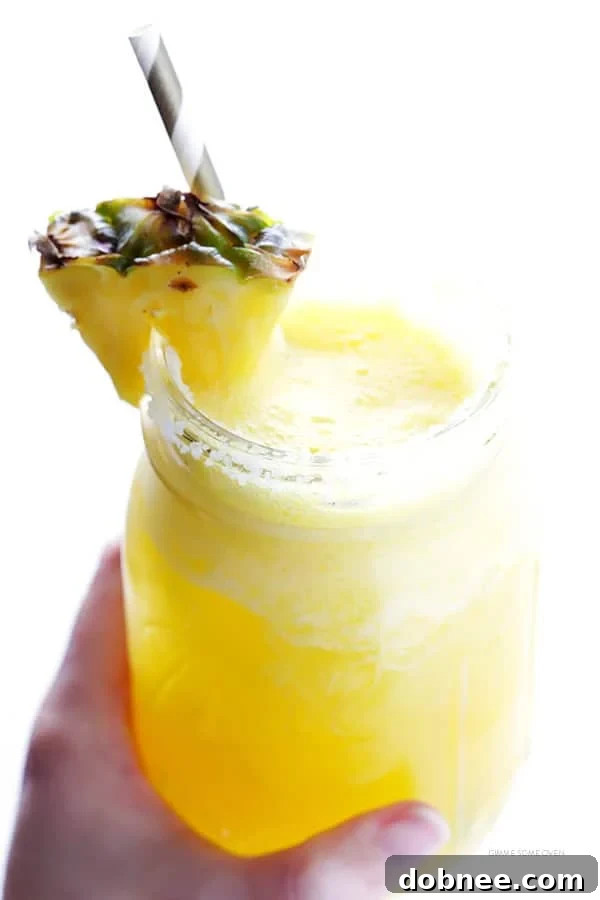
- Fresh Pineapple Margaritas: Elevate your cocktail game with the bright, tropical notes of fresh pineapple. Blended into a margarita, it creates a refreshingly sweet and tangy drink perfect for any celebration.
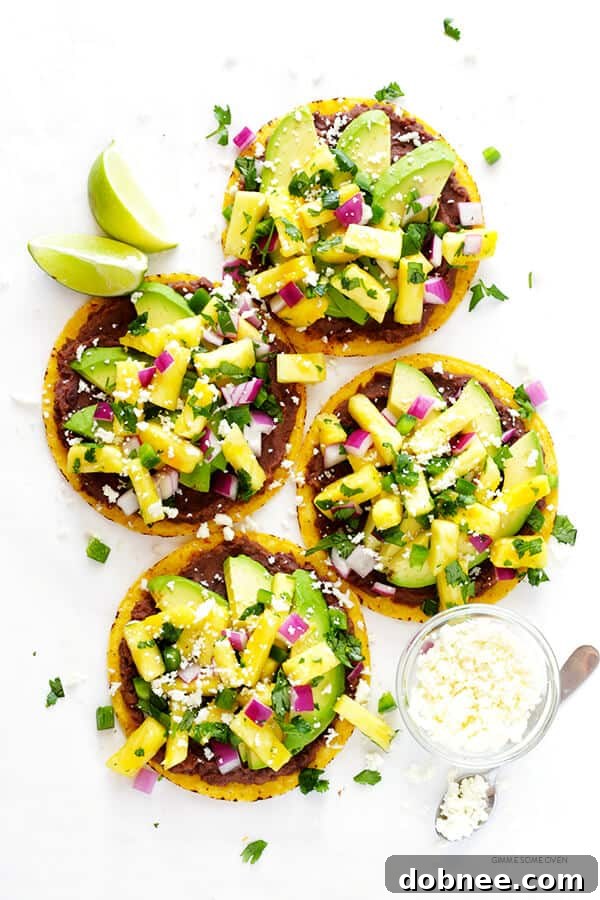
- 10-Minute Pineapple Black Bean Tostadas: The vibrant sweetness of pineapple perfectly balances the savory richness of black beans in these quick and easy tostadas. It’s a delightful fusion of flavors and textures.
- Feel-Good Pineapple Smoothie: Start your day right with a nutritious and invigorating smoothie featuring fresh pineapple. Its natural sweetness means you won’t need much, if any, added sugar.
- Pineapple Guacamole: Add an unexpected tropical twist to your favorite guacamole recipe. The diced pineapple brings a burst of freshness and a subtle sweetness that complements the creamy avocado beautifully.
- Grilled Chicken with Pineapple Avocado Salsa: This dish is a celebration of fresh, vibrant flavors. Tender grilled chicken topped with a chunky salsa made from ripe pineapple, creamy avocado, and zesty lime is a perfect light meal.
- Pizza Topping: While controversial, pineapple on pizza offers a delightful sweet and savory contrast. Try it with ham, bacon, or jalapeños for an exciting flavor combination.
- Stir-Fries: Fresh pineapple adds a wonderful tangy-sweet element to Asian-inspired stir-fries, complementing chicken, shrimp, or tofu.
- Salsas and Relishes: Finely diced pineapple can be a fantastic base for fresh salsas, paired with cilantro, red onion, and chili for a vibrant accompaniment to grilled fish or tacos.
Common Pineapple Mistakes to Avoid
To ensure the best experience with your fresh pineapple, be mindful of a few common pitfalls:
- Ignoring Ripeness Signs: Don’t buy a pineapple just because it’s on sale. Always check for the signs of ripeness mentioned earlier to avoid bland or overly tart fruit.
- Wasting the Core: While tough, the core can be used in smoothies or infused water if you prefer not to discard it.
- Over-Refrigerating Whole Pineapple: A completely unripe pineapple won’t ripen in the fridge; it will just slow down the process. Let it ripen on the counter first if it’s too green.
Conclusion: Embrace the Sweetness of Fresh Pineapple
Mastering the art of cutting, selecting, and storing fresh pineapple is a rewarding skill that opens up a world of culinary possibilities. No longer will you be intimidated by its prickly exterior; instead, you’ll look forward to preparing this succulent fruit and incorporating its tropical flavor into your daily life. From boosting your immune system with Vitamin C to aiding digestion with bromelain, pineapple offers both delicious taste and impressive health benefits.
So, the next time you visit the grocery store, confidently choose a ripe, fragrant pineapple. With the tips and techniques shared in this guide, you’re now equipped to slice, dice, and savor every juicy bite. Whether enjoyed on its own, blended into a vibrant smoothie, or starring in a savory dish, fresh pineapple is an undisputed champion of flavor and health. Enjoy your tropical culinary adventures!
Print Recipe

How To Cut A Pineapple
- Prep Time: 5 minutes
- Total Time: 5 minutes
- Yield: 3-4 servings
Description
Learn how to cut a pineapple with this quick and easy tutorial!
Ingredients
- 1 pineapple
This post contains affiliate links.