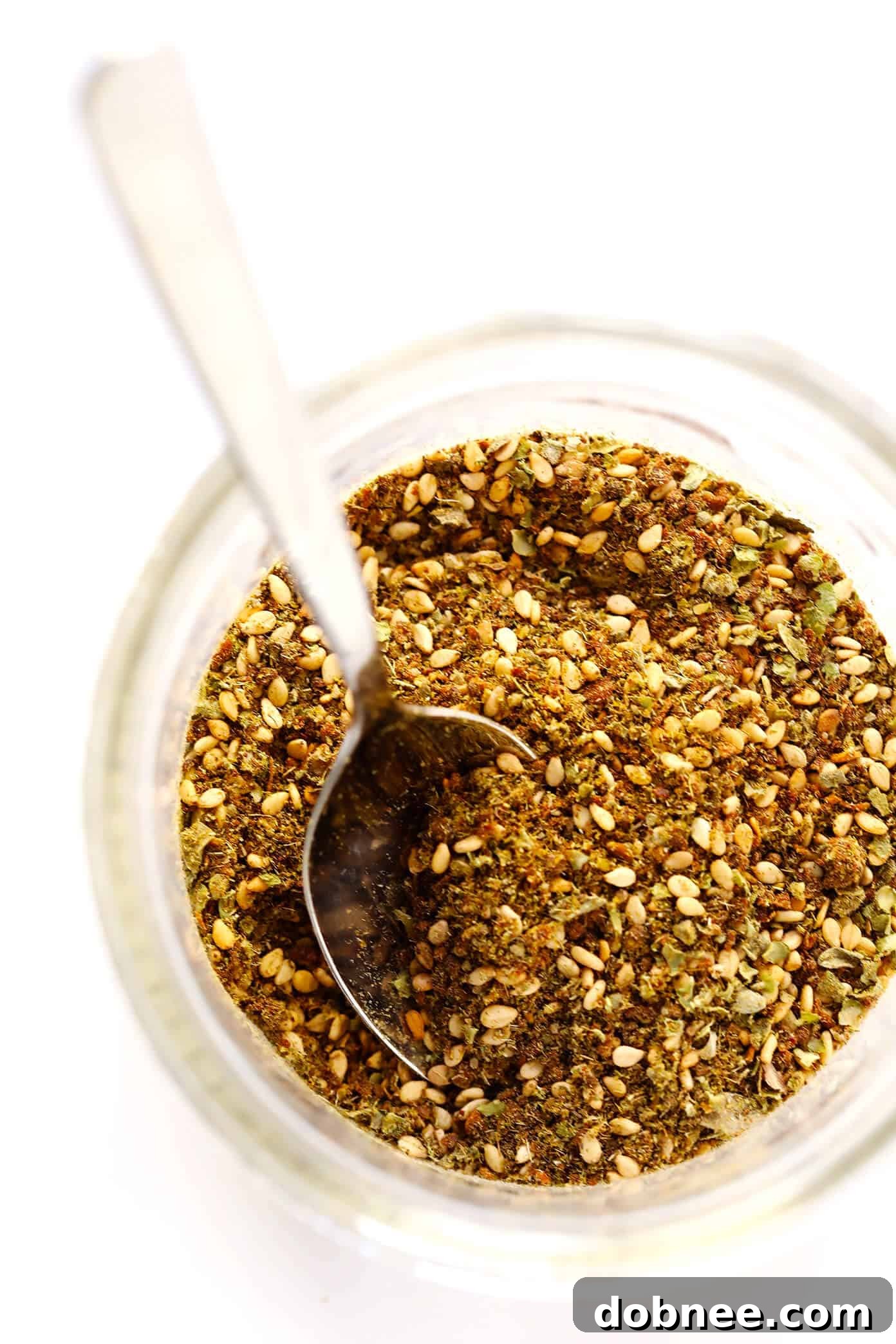
This classic Middle Eastern za’atar recipe is your gateway to an aromatic, versatile spice blend perfect for elevating virtually any dish. From succulent meats and fresh seafood to vibrant vegetables, artisanal breads, and creamy dips, unlock a world of flavor with this homemade essential.
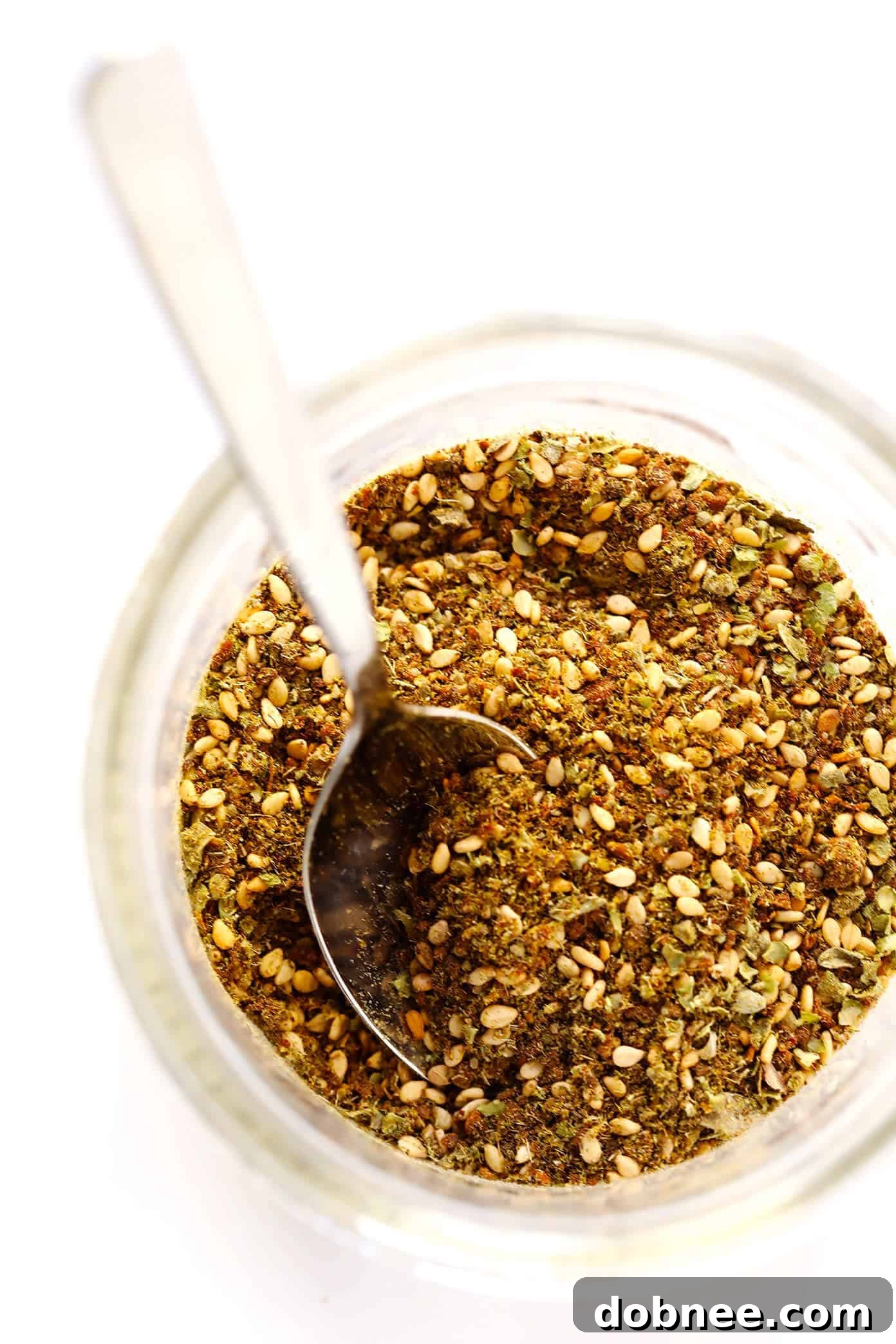
Friends, if you haven’t yet discovered the unparalleled joy of za’atar seasoning, prepare to embark on a delightful culinary journey. For years, this authentic Middle Eastern herb and spice blend has been a steadfast favorite in my kitchen, and for good reason. Its distinctly earthy, savory, and subtly tangy profile possesses an uncanny ability to harmonize with an astonishing array of ingredients, making it an indispensable staple for any home cook.
Imagine perfectly roasted chicken or steak, infused with warm, herbaceous notes. Picture flaky fish or succulent shrimp, brightened by a zesty, aromatic crust. Envision humble roasted vegetables, potatoes, or chickpeas transformed into extraordinary, flavorful delights with a simple sprinkle. Za’atar elevates everything it touches. It’s a game-changer for creamy hummus, smoky baba ganoush, refreshing tahini dip, and even simple salad dressings, lending an instant depth of flavor. And when it comes to carbs – think crusty bread, warm pita chips, or even popcorn – za’atar creates a magical, addictive synergy that you simply must experience.
My love affair with za’atar began several years ago, thanks to a dear friend’s introduction. Since then, it’s become a spice I can’t live without. While living in Barcelona, I found it challenging to source a pre-made blend that truly captured its authentic essence. This challenge led me to perfect my own homemade version, experimenting with proportions until I finally achieved what I believe is the ultimate za’atar recipe. And now, I’m thrilled to share it with you!
What is Za’atar Seasoning? Unveiling the Middle Eastern Spice Blend
So, what exactly is za’atar, and what makes this Middle Eastern spice blend so incredibly special? The word za’atar (pronounced “zah-tahr”) is Arabic for “wild thyme,” referring to a specific variety of oregano or hyssop native to the Levant region. While the name directly references wild thyme, za’atar has evolved to mean not just the herb itself, but a beloved and ancient spice mixture where thyme plays a starring role.
This vibrant blend holds a deep cultural significance across the Middle East, particularly in countries like Lebanon, Syria, Jordan, Palestine, and Israel, where it is a dietary staple and a symbol of hospitality. Historically, za’atar was a wild plant gathered in the mountains, but today it is cultivated and cherished for its distinctive flavor. Recipes for za’atar vary slightly from one region to another, often reflecting local tastes and available herbs, but the core essence remains constant: a harmonious balance of earthy, tangy, and nutty notes.
The Magic of Za’atar: A Symphony of Flavors
The flavor profile of za’atar is complex and captivating. It’s primarily herbaceous and earthy, thanks to the thyme, with a bright, zesty tang from the sumac. The toasted sesame seeds contribute a delightful nuttiness and a pleasant textural crunch, rounding out the blend beautifully. Depending on the blend, you might also detect subtle hints of warmth from cumin or the gentle floral notes of marjoram. It’s a savory, aromatic, and incredibly versatile seasoning that adds a unique depth to both simple and sophisticated dishes.
Why Make Your Own Za’atar? Freshness and Customization
While many pre-made za’atar blends are available, crafting your own offers several distinct advantages. Firstly, it guarantees the freshest possible ingredients, resulting in a more potent and vibrant flavor. Store-bought versions can sometimes be dull or contain fillers. Secondly, making it from scratch allows for complete customization. You can adjust the proportions of each ingredient to suit your personal preference, making it tangier, more herbaceous, or nuttier. Finally, it’s incredibly satisfying to create such a fundamental and flavorful blend right in your own kitchen.
Key Za’atar Ingredients: The Pillars of Flavor
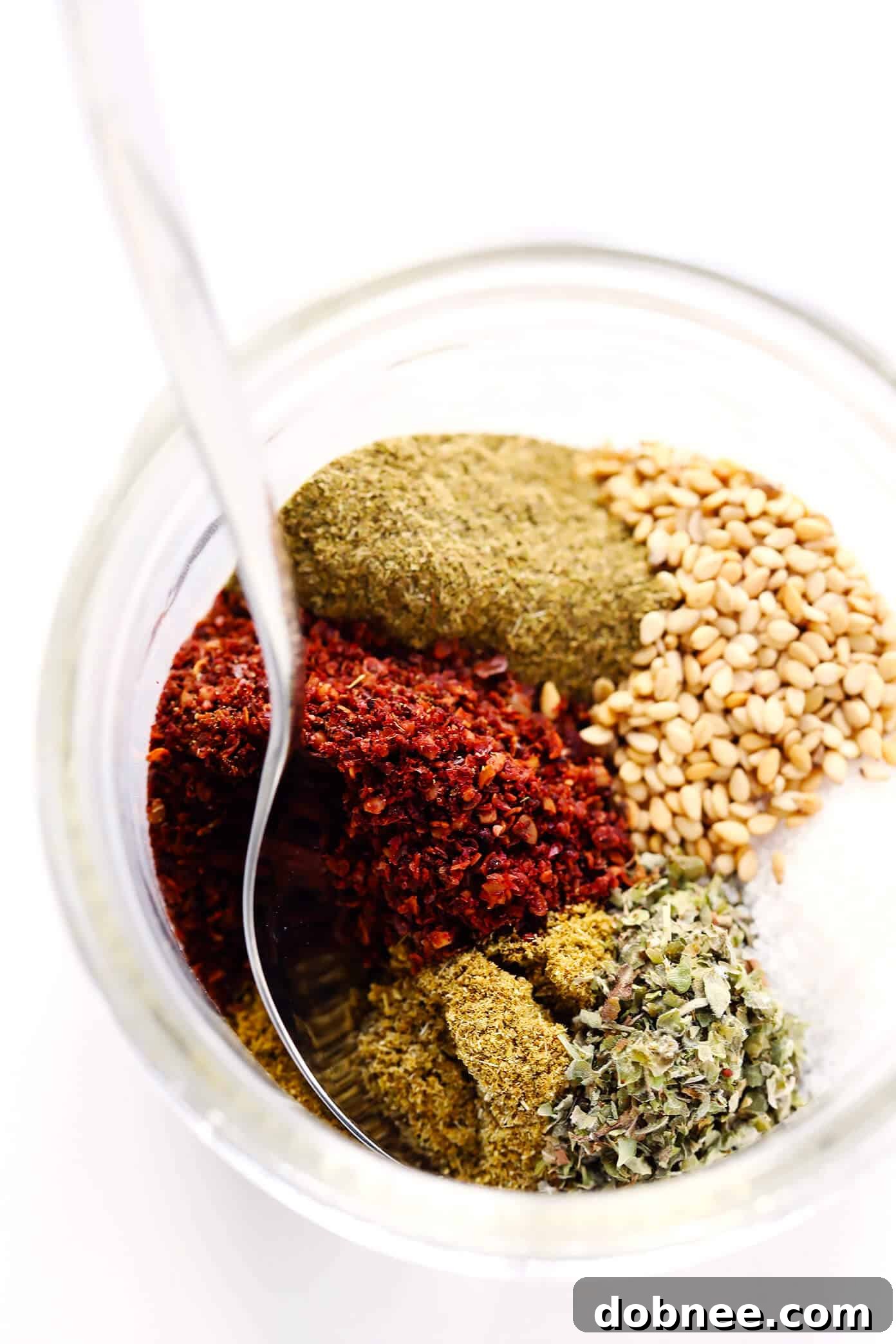
A truly exceptional za’atar blend relies on a few core ingredients, each contributing uniquely to its signature taste and texture. Understanding these components is key to appreciating and mastering this versatile seasoning.
Thyme: The Aromatic Heart of Za’atar
As its namesake suggests, thyme is the cornerstone of any authentic za’atar blend. Traditionally, wild thyme (often a variety of Origanum syriacum or Syrian oregano) is used, known for its robust, slightly more pungent aroma compared to common garden thyme. This wild variety is typically dried and then ground into a coarse powder. Since wild thyme can be challenging to find outside its native region, high-quality dried common thyme works beautifully as a substitute. For the most traditional texture, many prefer to lightly grind their dried thyme using a mortar and pestle. However, if you prefer a less labor-intensive approach, simply using regular dried thyme directly will still yield a wonderfully delicious result, albeit with a slightly different texture. The key is to use dried thyme, as its concentrated flavor provides the essential herbaceous backbone.
Sumac: The Zesty Tang
Sumac is the vibrant, jewel-toned red spice that provides za’atar with its distinctive tangy, lemony brightness. Derived from the dried and ground berries of the sumac bush, it offers a milder, fruitier acidity than lemon juice, without the liquid. Sumac is not only crucial for flavor but also for za’atar’s beautiful color. It’s a fantastic ingredient on its own for adding a pop of tartness to salads, grilled meats, and marinades, but in za’atar, it’s essential for that signature zesty counterpoint to the earthiness of the thyme.
Toasted Sesame Seeds: The Nutty Crunch
Adding a delightful nutty flavor and a pleasing textural crunch, toasted sesame seeds are the third fundamental ingredient in za’atar. Toasting the seeds before adding them to the blend is a crucial step, as it significantly enhances their inherent nutty aroma and taste. You can either purchase pre-toasted sesame seeds or easily toast raw sesame seeds yourself in a dry skillet over medium heat for a few minutes until fragrant and lightly golden. Be careful not to burn them, as they can turn bitter quickly.
Optional Additions: Customizing Your Blend
While thyme, sumac, and toasted sesame seeds form the essential triumvirate, various Middle Eastern regions and personal preferences often lead to the inclusion of other herbs and spices. My personal favorite additions for an extra layer of complexity include:
- Ground Cumin: Adds a warm, earthy depth and a subtle spicy note.
- Dried Marjoram: Contributes a sweet, slightly floral, and milder herbaceous aroma that complements the thyme beautifully.
- Fine Kosher Salt: Enhances all the other flavors and provides necessary seasoning.
- Freshly-Ground Black Pepper: Offers a gentle warmth and aromatic kick.
Feel free to experiment with these or other spices like oregano (if your thyme isn’t already a wild oregano variety) or even a touch of coriander to find the za’atar blend that perfectly suits your palate.
How to Make Homemade Za’atar: A Simple 5-Minute Guide
One of the most appealing aspects of za’atar is how incredibly easy it is to make at home. You only need a few minutes and a handful of ingredients to create this flavorful blend.
- Simply gather all your chosen ingredients.
- Combine them in a small bowl.
- Stir thoroughly until everything is well incorporated and evenly distributed. Alternatively, for a quicker mix and easy storage, you can pour all ingredients into a spice jar, secure the lid, and shake vigorously until blended.
And just like that, your homemade za’atar is ready to transform your meals! There’s no cooking involved in making the blend itself, just simple assembly.
Unleash the Flavor: Creative Ways to Use Za’atar
The versatility of za’atar is truly remarkable. Once you have a fresh batch ready, you’ll find endless opportunities to incorporate its vibrant flavors into your daily cooking. Here are just a few of my favorite ways to enjoy this incredible spice blend:
Cooking with Proteins: Meats, Fish, and Seafood
Za’atar pairs exceptionally well with a variety of proteins, infusing them with an irresistible aroma and taste.
- Roasted or Grilled Chicken: Rub chicken pieces generously with za’atar and a drizzle of olive oil before roasting or grilling for incredibly flavorful, crisp skin and tender meat.
- Steak and Lamb: Sprinkle over grilled steaks or lamb chops after cooking, or use it as part of a dry rub before searing.
- Fish and Seafood: Mix with olive oil and a squeeze of lemon juice to create a marinade for white fish, salmon, shrimp, or scallops, then bake, grill, or pan-sear.
- Eggs: A simple sprinkle over scrambled eggs, fried eggs, or an omelet adds an instant gourmet touch.
Elevating Vegetables: Roasted, Grilled, and Sautéed
Za’atar breathes new life into vegetables, making them truly shine.
- Roasted Vegetables: Toss any root vegetables (potatoes, carrots, sweet potatoes), broccoli, cauliflower, Brussels sprouts, or zucchini with olive oil and za’atar before roasting until tender and caramelized.
- Grilled Vegetables: Brush bell peppers, onions, eggplant, or corn with za’atar-infused olive oil before grilling for a smoky, herbaceous flavor.
- Roasted Chickpeas: A fantastic healthy snack! Toss canned chickpeas (drained and dried) with olive oil and za’atar, then roast until crispy.
Enhancing Breads and Grains: A Staple in Middle Eastern Cuisine
Za’atar and carbs are a match made in culinary heaven.
- Za’atar Bread (Manakish): The classic way! Mix za’atar with olive oil to create a paste, then spread it over flatbread or pita before baking until fragrant and slightly crispy.
- Dipping Oil: Stir a generous spoonful into a small bowl of high-quality olive oil for dipping crusty bread or pita chips.
- Popcorn: Sprinkle freshly popped popcorn with za’atar for a surprisingly addictive and savory snack.
- Grains: Stir into cooked couscous, quinoa, or rice for an aromatic side dish.
Delicious Dips and Spreads: Instant Flavor Boost
Za’atar effortlessly enhances creamy dips and spreads.
- Hummus and Baba Ganoush: Swirl a tablespoon into your favorite homemade or store-bought hummus or baba ganoush before serving, drizzling with extra olive oil.
- Tahini Dip: Stir into a simple tahini sauce with lemon juice and water for an incredible dressing or dip.
- Labneh: Sprinkle over creamy labneh (strained yogurt) with a drizzle of olive oil for a light, refreshing appetizer.
Salads and Dressings: Fresh and Flavorful
Introduce a vibrant Middle Eastern twist to your salads.
- Salad Dressing: Whisk za’atar into vinaigrettes for green salads or grain bowls.
- Olives: Toss warm olives with za’atar and a touch of orange zest for an elegant appetizer.
- Lentil Soup: Stir a spoonful into hearty lentil soup or other vegetable-based soups just before serving for an aromatic finish.
Storage Tips for Optimal Freshness
To ensure your homemade za’atar retains its potent flavor and aroma, proper storage is essential. Store the blend in an airtight container, such as a glass spice jar, away from direct sunlight, heat, and moisture. A cool, dark pantry or cabinet is ideal. When stored correctly, your za’atar will remain fresh and flavorful for up to 3 months. While it won’t spoil after this period, its intensity may diminish, so it’s best to use it within this timeframe for optimal taste.
Homemade Za’atar Seasoning Recipe
Crafting your own za’atar is a rewarding experience that puts control over flavor and freshness directly into your hands. This quick and easy recipe yields a classic blend that is perfect for any application.
Description
This authentic Middle Eastern za’atar recipe is incredibly easy to make at home and perfect for seasoning everything from proteins and vegetables to breads, dips, and more. Adjust the seasonings to perfectly match your taste!
Details
- Prep Time: 5 minutes
- Total Time: 5 minutes
- Yield: Approximately 1/3 cup
Ingredients
- 1 tablespoon ground cumin
- 1 tablespoon ground dried thyme*
- 1 tablespoon sumac
- 1 tablespoon toasted sesame seeds
- (optional) 2 teaspoons dried marjoram
- 1 teaspoon fine Kosher salt
- 1 teaspoon freshly-ground black pepper
Instructions
- Combine all ingredients in a small bowl.
- Stir thoroughly until all ingredients are well combined and evenly distributed.
- Use immediately, or transfer to an airtight container and store in a cool, dark place for up to 3 months to maintain optimal freshness.
Notes
*If using traditional dried thyme (that is not pre-ground), consider grinding it lightly with a mortar and pestle for a more authentic texture. Alternatively, you can add an extra 2 teaspoons of non-ground dried thyme if you prefer to skip the grinding step; the flavor will still be delicious.
I genuinely hope you fall in love with homemade za’atar as much as I have. Its vibrant flavors and incredible versatility are sure to inspire countless delicious meals in your kitchen. This simple blend is a testament to the power of a few key spices to transform ordinary ingredients into something truly extraordinary. Enjoy the journey of discovering all the wonderful ways za’atar can brighten your cooking!