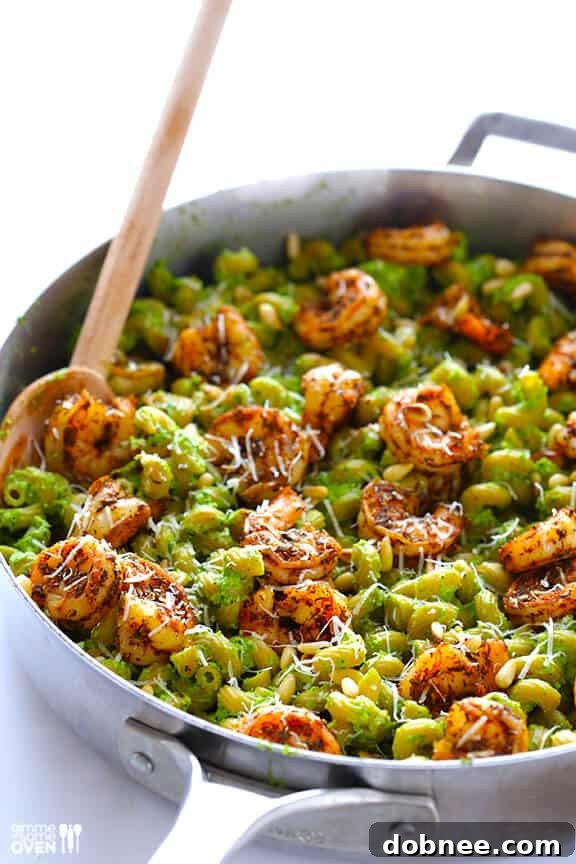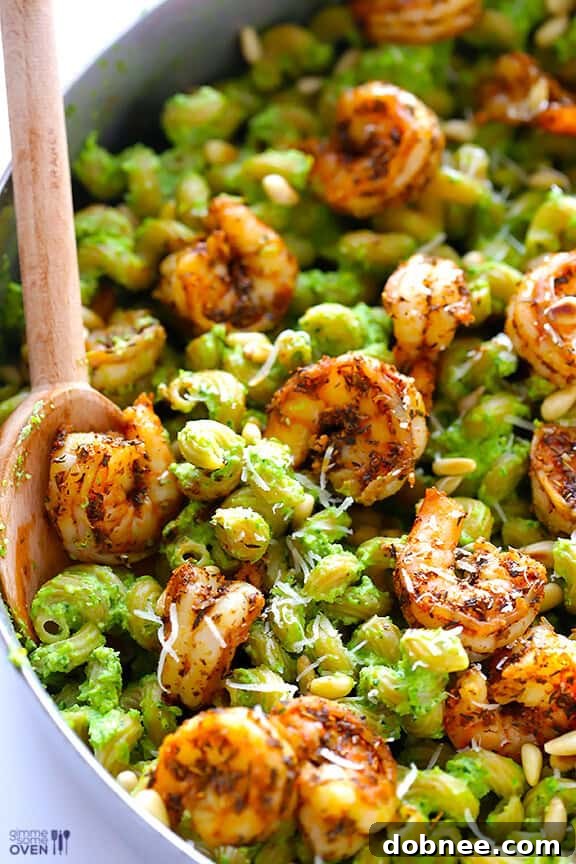
Savor the Season: Asparagus-Spinach Pesto Pasta with Zesty Blackened Shrimp
Life often throws us curveballs, from demanding work weeks to the annual ritual of tax day that can leave even the most resilient among us feeling a little… green. During such times, the soul yearns for solace, a comforting embrace that can transform a challenging day into a moment of pure culinary bliss. For me, that comfort often comes in the form of a perfectly crafted pasta dish. There’s something inherently soothing about a bowl of warm, flavorful pasta – it’s a universal language of comfort, a dish that transcends the everyday and offers a delicious escape.
Today, I’m delighted to share a recipe that epitomizes this very sentiment: my all-time favorite Asparagus-Spinach Pesto Pasta, crowned with perfectly seasoned Blackened Shrimp. This isn’t just any pasta dish; it’s a vibrant celebration of seasonal ingredients, a symphony of flavors and textures designed to nourish both body and spirit. Originally gracing this blog about four years ago when my photography skills were, shall we say, in their nascent stage (think “vividly neon” rather than “artfully rustic”), this recipe has stood the test of time. It’s one I constantly revisit, and with each remake, I seize the opportunity to capture its true deliciousness with fresh eyes and a renewed appreciation for its simple elegance.
This particular week, after a less-than-thrilling encounter with my tax forms and the subsequent “check-writing” blues, I found myself instinctively drawn to the kitchen. My mission: to whip up something wonderfully green, fresh, and utterly comforting. And just as it has for years, this Asparagus-Spinach Pesto Pasta with Blackened Shrimp delivered precisely the soul-satisfying experience I craved. It’s more than just a meal; it’s a vibrant antidote to the daily grind, a reminder of the simple joys that good food can bring.
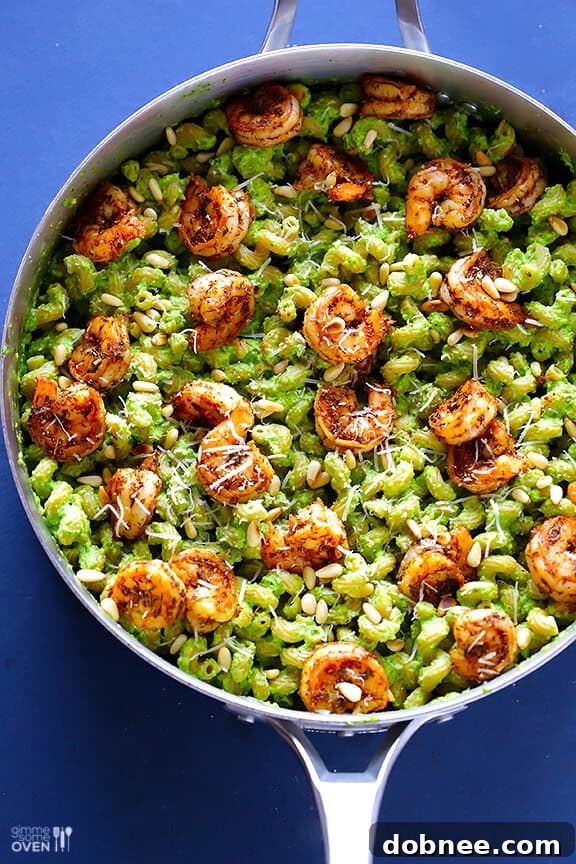
The Heart of the Dish: Crafting Your Vibrant Asparagus-Spinach Pesto
At the core of this extraordinary pasta lies its signature sauce: a bright, herbaceous pesto that redefines freshness. As the name explicitly states, the star of this pesto is none other than asparagus. And not just any asparagus, but an abundance of fresh, crisp, in-season asparagus. This time of year, I simply cannot get enough of these verdant spears. Their delicate, slightly earthy flavor and tender-crisp texture make them an ideal base for a truly unique pesto, moving beyond the traditional basil and offering a delightful seasonal twist.
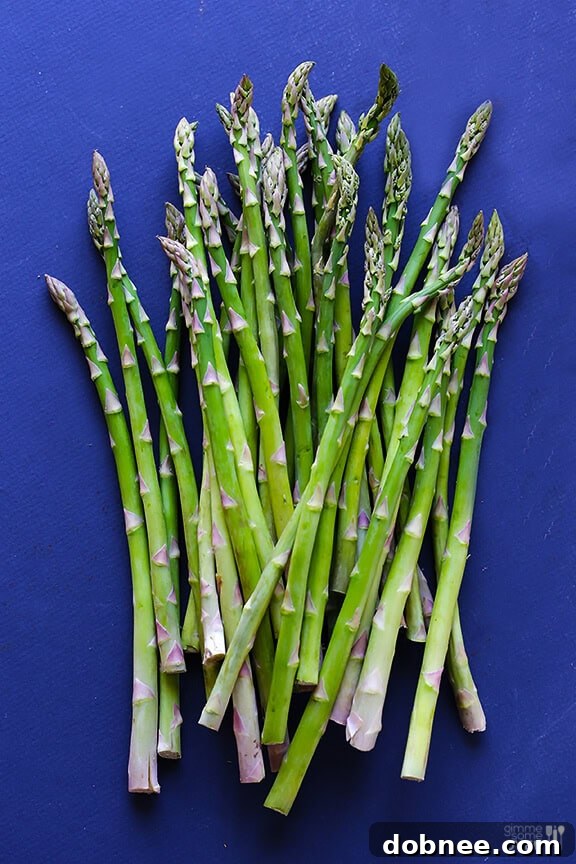
What elevates this specific asparagus pesto from merely delicious to truly exceptional is the clever incorporation of spinach. We’re not talking about just a hint; we’re talking about a generous amount of fresh baby spinach leaves. This addition isn’t merely for bulk; it’s a strategic culinary move. The spinach contributes a wealth of essential nutrients, boosting the health quotient of the pesto significantly. More strikingly, it intensifies the green hue of the sauce to such a vivid degree that it practically glows on your plate, hinting at the fresh, wholesome goodness within. The combination of blanched asparagus and fresh spinach creates a pesto that is wonderfully smooth, incredibly flavorful, and packed with an irresistible earthy sweetness.
Beyond Basil: Why Asparagus-Spinach Pesto Is Your New Favorite
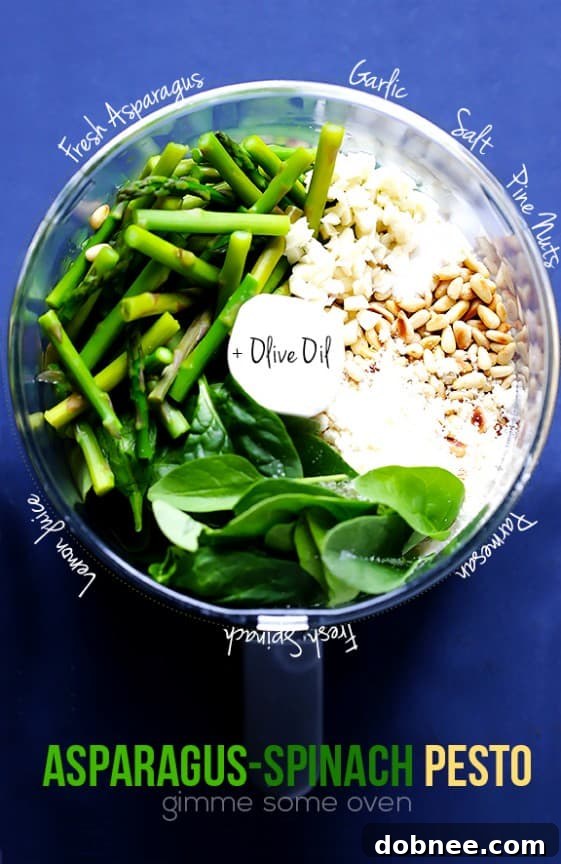
While classic basil pesto holds a special place in our hearts, this asparagus-spinach variant offers a refreshing change, especially when asparagus is at its peak. It’s an innovative way to enjoy this spring vegetable, transforming it into a versatile sauce that pairs beautifully with pasta, grilled chicken, roasted vegetables, or even as a spread for sandwiches. The blanching of the asparagus before blending ensures a tender texture and locks in its bright green color, preventing any bitterness and creating a smooth, luxurious pesto base. Combined with the mild, slightly sweet flavor of baby spinach, fresh garlic for a pungent kick, nutty Parmesan cheese, and a splash of bright lemon juice, this pesto is nothing short of a culinary revelation. A drizzle of high-quality extra-virgin olive oil brings it all together, emulsifying the ingredients into a silky-smooth, intensely flavored sauce.
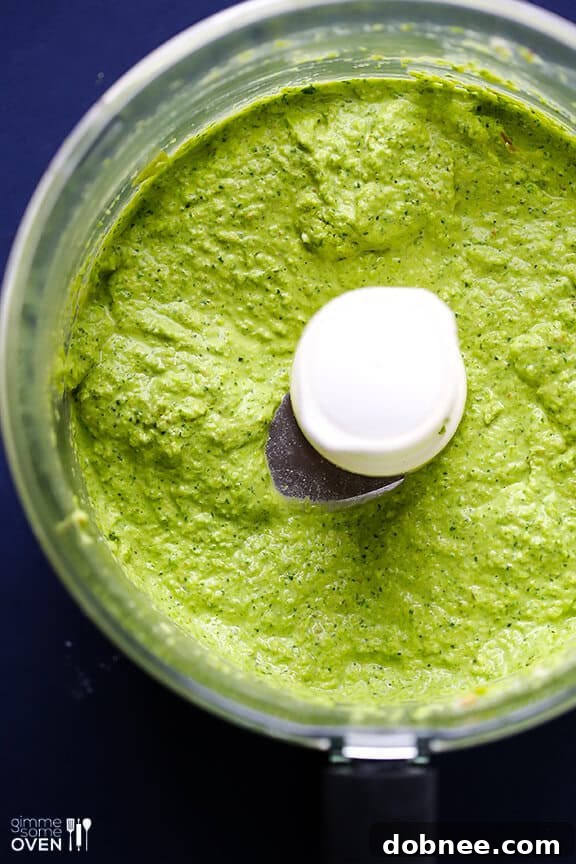
Um, YUM. This pesto is truly a game-changer.
The Perfect Complement: Zesty Blackened Shrimp
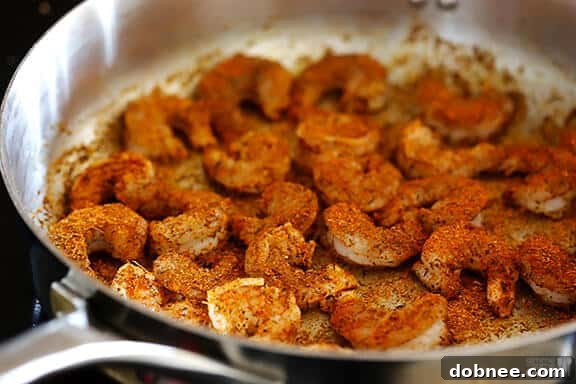
Once your vibrant pesto is prepared and your pasta water is on its way to a rolling boil, it’s time to turn our attention to the succulent blackened shrimp. While this pesto pasta is undeniably delicious on its own, or with other proteins like grilled chicken or roasted vegetables, the addition of blackened shrimp elevates it to an entirely new level. The spicy, smoky notes of the blackening seasoning create a fantastic counterpoint to the fresh, bright pesto, adding depth and a delightful zest to every forkful. From the first time I paired this pasta with blackened shrimp years ago, I was hooked; now, I simply can’t imagine enjoying it any other way.
The key to truly spectacular blackened shrimp lies in generously coating the raw, peeled, and deveined shrimp with a quality blackening powder. Don’t be shy here – the more seasoning, the merrier! This ensures a robust flavor profile and that characteristic dark, crusty exterior that defines the blackening technique. A quick sauté in hot olive oil transforms these seasoned shrimp into tender, juicy morsels with an incredible depth of flavor and a slight spicy kick. The cooking process is swift, ensuring the shrimp remain perfectly tender without becoming rubbery. Once cooked through and beautifully pink, transfer them to a separate plate, give your pan a quick rinse, and prepare for the final assembly.
Assembling Your Masterpiece: A Symphony of Flavors
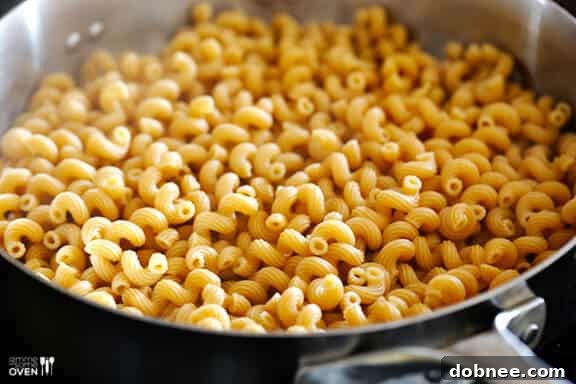
With your pesto ready, and the blackened shrimp cooked to perfection, all that remains is to bring these incredible components together into a harmonious dish. Timing is everything here: once your pasta is cooked to that ideal al dente stage – firm to the bite but yielding – it’s crucial to act swiftly. Before draining, make sure to reserve about half a cup of the starchy pasta water. This liquid gold is your secret weapon, allowing you to achieve the perfect consistency for your pesto sauce, helping it to cling beautifully to every strand of pasta. Drain the remaining pasta, then return it to the same stockpot or the sauté pan you used for the shrimp (with the heat off, of course).
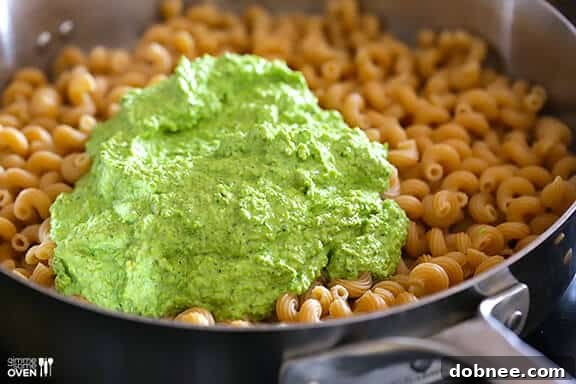
Now for the magical moment: add that glorious, big glop of asparagus-spinach pesto to the warm pasta. Stir it gently yet thoroughly, ensuring every piece of pasta is beautifully coated in the vibrant green sauce. If the pesto appears too thick or needs a little loosening, slowly incorporate a tablespoon or two of the reserved pasta water until it reaches your desired, silky-smooth consistency. This not only thins the sauce but also helps it emulsify and adhere to the pasta, creating a truly satisfying mouthfeel. The residual heat from the pasta will gently warm the pesto, releasing its aromatic oils and enhancing its fresh flavors.
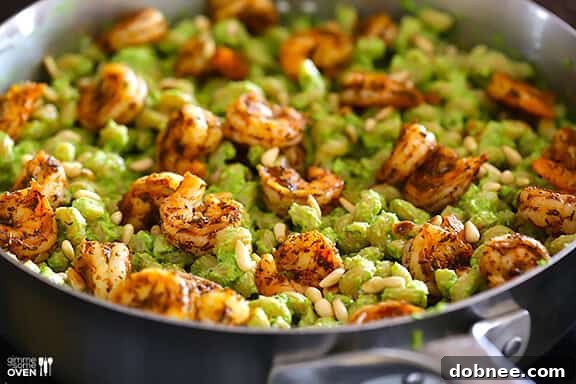
Finally, toss those perfectly cooked blackened shrimp back into the pan with the pesto-coated pasta. This is also the ideal moment to introduce the toasted pine nuts. Their delicate crunch and rich, buttery flavor add another layer of texture and complexity to the dish, complementing both the pesto and the shrimp beautifully. A quick, gentle toss ensures everything is well combined and ready for serving. The aromas filling your kitchen at this point will be absolutely intoxicating!
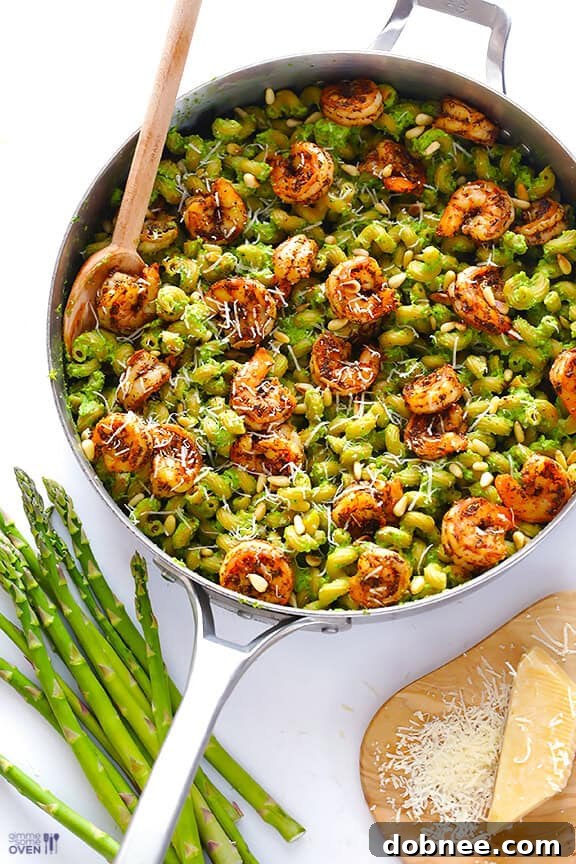
To crown this culinary creation, generously sprinkle each serving with a healthy helping of freshly grated Parmesan cheese. The salty, nutty notes of the Parmesan melt slightly into the warm pasta, adding an extra layer of savory goodness that perfectly ties all the flavors together. A final flourish of fresh parsley or a lemon wedge can brighten the dish even further, adding a touch of elegance and a burst of fresh aroma.
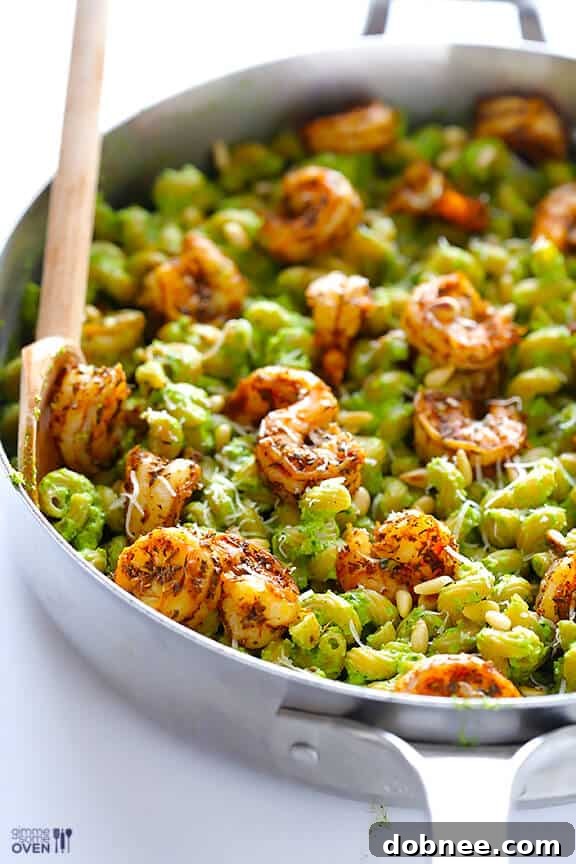
Then, serve it up! There’s no waiting when a dish this delicious is ready. Gather your loved ones, pour a glass of your favorite wine, and prepare to be utterly delighted by the fresh, vibrant, and deeply satisfying flavors of this seasonal pasta. It’s a dish that feels gourmet yet is surprisingly simple to prepare, making it ideal for both busy weeknights and special occasions.
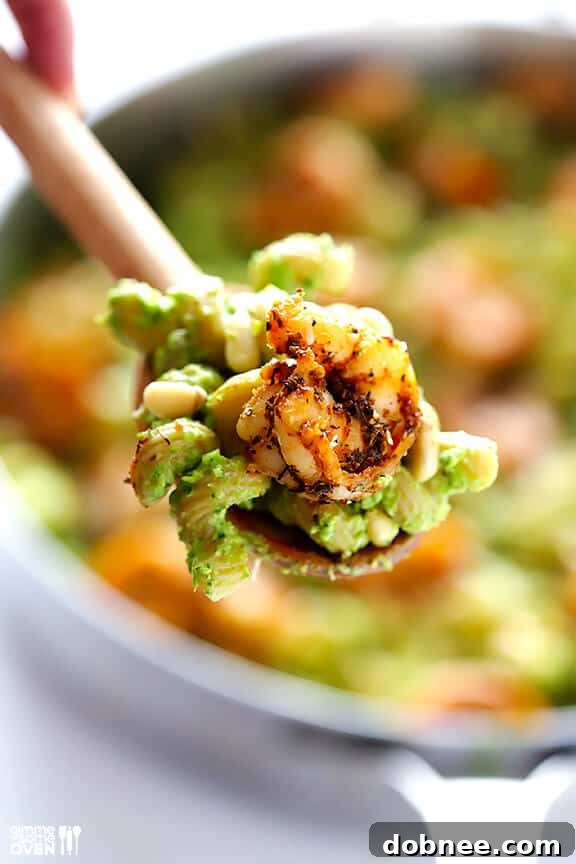
A Dish for Every Day (and Especially Tax Day!)
Honestly, I just prepared this incredible meal last week, and the craving for another batch is already hitting hard. It is seriously that good. This Asparagus-Spinach Pesto Pasta with Blackened Shrimp truly embodies the essence of seasonal comfort food. It’s a vibrant, flavorful, and wonderfully satisfying dish that brings a burst of spring to your table, no matter the season or your mood. It’s the perfect antidote to a stressful day, a delightful reward for your hard work, or simply a fantastic way to enjoy the fresh bounty of the season.
Whether you’re looking for a celebratory meal, a quick yet impressive weeknight dinner, or just some seriously good food to lift your spirits, this recipe is a guaranteed winner. The fresh, zesty pesto combined with the savory, spicy shrimp creates a memorable meal that you’ll want to make again and again. So, go ahead, treat yourself and your family to this exceptional pasta dish. Enjoy every delicious bite!
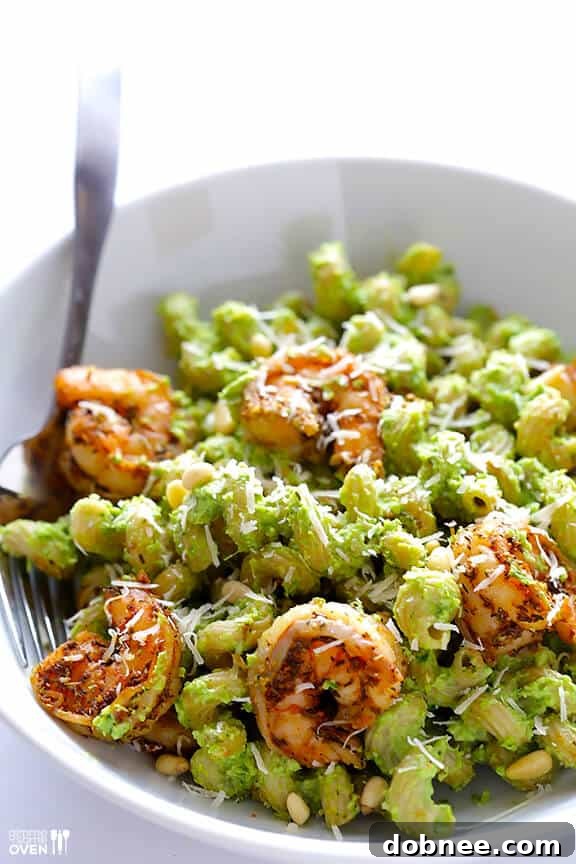
Asparagus-Spinach Pesto Pasta with Blackened Shrimp
Prep Time: 20 minutes
Cook Time: 20 minutes
Total Time: 40 minutes
Yield: 4–6 servings 1x
Description
This asparagus-spinach pesto pasta is fresh and full of great greens, and topped with zesty blackened shrimp. It’s a vibrant, healthy, and incredibly flavorful meal perfect for any occasion, especially when you need a little comfort!
Ingredients
Scale
Pasta & Shrimp Ingredients:
- 1 lb. (16 oz.) dried pasta (I recommend a hearty whole wheat pasta like DeLallo for extra texture and nutrition)
- 1 lb. raw shrimp, peeled and deveined (fresh or frozen, thawed)
- 2–3 Tbsp. high-quality blackening powder (use your favorite brand, or a zesty Cajun seasoning, or explore this homemade recipe here for a personalized blend)
- 1 Tbsp. extra-virgin olive oil, for sautéing
- 1/4 cup toasted pine nuts, plus more for garnish
- Freshly grated Parmesan cheese, for topping
- Asparagus-spinach pesto (prepared separately, see ingredients below)
Asparagus-Spinach Pesto Ingredients:
- 1 large bunch asparagus spears (approximately 1 lb), tough ends trimmed and cut into 2-inch pieces
- 3 cups fresh baby spinach leaves, loosely packed
- 4 medium cloves garlic, peeled and roughly chopped
- 1/2 cup freshly grated Parmesan cheese, plus extra for serving
- 1/4 cup toasted pine nuts
- 2 tablespoons fresh lemon juice (essential for brightness!)
- 1/2 teaspoon sea salt, or to taste
- 1/2 cup high-quality extra-virgin olive oil
Instructions
To Assemble & Serve The Pasta:
- Bring a large pot of generously-salted water to a rolling boil. Add your chosen pasta and cook until al dente, following the package instructions. This usually takes about 8-10 minutes for most dried pasta varieties.
- While the pasta cooks, prepare your shrimp. In a small bowl, add the peeled and deveined shrimp and toss them thoroughly with the blackening powder until each shrimp is evenly coated. Heat the extra-virgin olive oil in a large sauté pan (or cast iron skillet for best results) over medium-high heat. Add the seasoned shrimp in a single layer, ensuring not to overcrowd the pan. Sauté for approximately 2-3 minutes per side, or until the shrimp are cooked through, opaque, and beautifully pink with a slight char from the seasoning. Turn off the heat and carefully transfer the cooked shrimp to a separate clean plate; set aside. If there’s significant residue in the pan, a quick rinse or wipe might be beneficial before the next step.
- Once the pasta is perfectly al dente, quickly reserve approximately 1/2 cup of the starchy pasta water before draining the remaining pasta. Return the drained pasta to the large stockpot it was cooked in, or back into your sauté pan (ensure the stove heat is off). Add the freshly prepared asparagus-spinach pesto to the warm pasta. Toss everything gently but thoroughly until every strand of pasta is gorgeously coated in the vibrant green sauce. If the pesto appears a bit too thick, gradually add a tablespoon or two of the reserved pasta water, stirring until it reaches your desired creamy, clingy consistency. Finally, gently fold in the cooked blackened shrimp and the toasted pine nuts.
- Serve immediately in individual bowls, garnished with an extra sprinkle of fresh Parmesan cheese and perhaps a twist of black pepper or a lemon wedge for an added burst of freshness. This dish is best enjoyed right away to savor its peak flavors and textures.
To Make The Asparagus-Spinach Pesto:
- Fill a separate medium saucepan or stockpot with water and bring it to a boil over high heat. Add the trimmed and cut asparagus spears to the boiling water and cook for just 2-3 minutes. You want them to be bright green and barely tender-crisp. Immediately remove the asparagus from the hot water using a slotted spoon and plunge them into a bowl filled with ice water. This “ice bath” stops the cooking process and helps to preserve their vibrant color and crisp texture. Drain well once cooled.
- Into the bowl of a food processor fitted with the blade attachment, add the blanched asparagus, fresh baby spinach, peeled garlic cloves, 1/2 cup Parmesan cheese, 1/4 cup toasted pine nuts, and fresh lemon juice, and sea salt. Pulse the ingredients until they are finely chopped and well combined. Then, with the food processor motor running on low, slowly drizzle in the 1/2 cup of extra-virgin olive oil until the pesto is smooth and emulsified. Taste and adjust seasoning as needed. As noted in the pasta assembly steps, if the pesto seems too thick for your preference, you can thin it out with a little bit of the reserved pasta water from cooking the main pasta.
Notes
This recipe is a delightful adaptation inspired by the wonderful culinary insights from Simply Recipes and 101 Cookbooks. Feel free to adjust the amount of garlic or lemon juice to your personal preference. For a vegetarian option, simply omit the shrimp and consider adding grilled zucchini or cherry tomatoes. You can also experiment with other nuts like walnuts or almonds if pine nuts are unavailable.