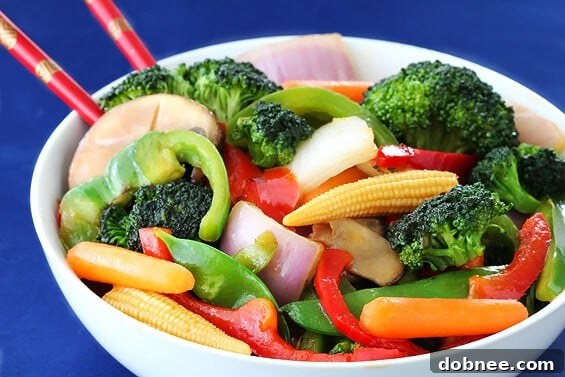
Ultimate Ginger Vegetable Stir Fry: A Quick & Healthy Delight
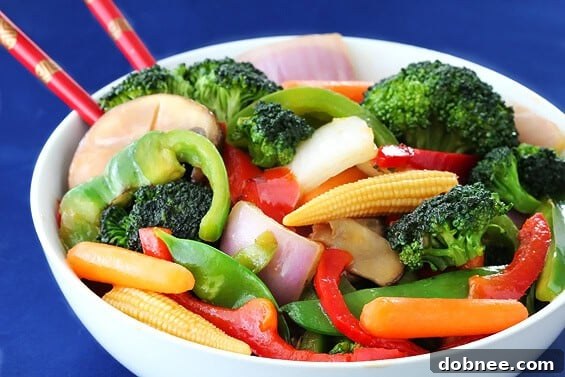
Prepare for an explosion of flavor and a symphony of colors with this incredible Ginger Vegetable Stir Fry recipe! This isn’t just a meal; it’s a vibrant celebration of fresh ingredients, expertly combined to deliver a dish that’s both deeply satisfying and wonderfully healthy. If you’re looking for a quick, versatile, and incredibly tasty way to incorporate more vegetables into your diet, you’ve found your new go-to recipe.
A stir-fry is a culinary art form rooted in Asian cuisine, celebrated for its speed, simplicity, and ability to transform simple ingredients into a gourmet experience. Our ginger vegetable stir fry elevates this tradition by highlighting the pungent warmth and distinctive aroma of fresh ginger, making it the undeniable star of the show. Paired with a medley of crisp, colorful vegetables and a perfectly balanced, savory sauce, this recipe promises a delightful experience for your taste buds.
Why You’ll Love This Healthy Ginger Vegetable Stir Fry
This recipe isn’t just another dish; it’s a game-changer for your weeknight dinners and a fantastic option for meal prep. Here’s why this Ginger Vegetable Stir Fry deserves a spot in your regular cooking rotation:
- Incredibly Flavorful: The dynamic combination of fresh ginger, aromatic garlic, and a savory stir-fry sauce creates an irresistible aroma and taste that will tantalize your senses. It’s a bold, aromatic profile that stands out without being overwhelming.
- Quick & Easy: With just 10 minutes of hands-on prep and a mere 15 minutes of cooking, you can have a delicious, homemade meal on the table in under half an hour. It’s the perfect solution for busy evenings when you crave something wholesome but lack time.
- Packed with Nutrients: This stir fry is generously loaded with a variety of vibrant vegetables, ensuring you get a healthy dose of essential vitamins, minerals, and dietary fiber. It’s a delicious and efficient way to boost your daily vegetable intake.
- Highly Customizable: The inherent beauty of a stir fry lies in its flexibility. Feel free to easily swap vegetables based on what’s in season, what’s available in your fridge, or what your family prefers. You can also effortlessly add your favorite protein to transform it into a complete, satisfying meal.
- Versatile Serving Options: Enjoy this stir fry as a light and healthy main course, a vibrant and flavorful side dish, or serve it generously over fluffy rice, tender noodles, or protein-rich quinoa for a more substantial and fulfilling meal.
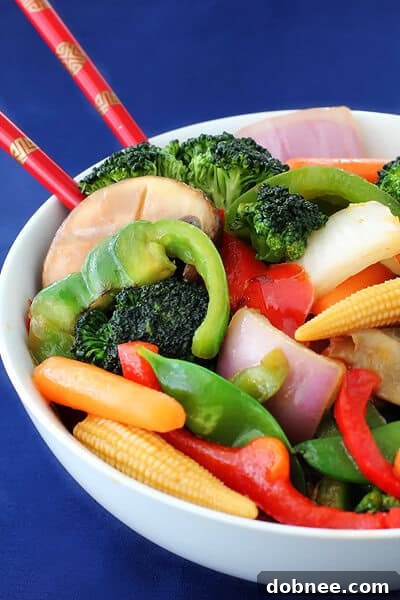
The Magic of Fresh Ginger in Stir Fries
Ginger is far more than just a root spice; it’s a culinary powerhouse and a natural superfood with a distinctive zing that truly transforms dishes. In this stir fry, fresh ginger is absolutely crucial, offering a unique blend of pungent, spicy, and subtly sweet notes that awaken the palate. Beyond its incredible flavor, ginger also boasts a range of impressive health benefits:
- Potent Anti-inflammatory Properties: Ginger contains bioactive compounds like gingerol, which are responsible for many of its medicinal properties. These compounds have powerful anti-inflammatory and antioxidant effects, helping to reduce inflammation and protect your cells from damage.
- Excellent Digestive Aid: Ginger is widely recognized for its ability to soothe an upset stomach, alleviate nausea (including motion sickness and morning sickness), and generally aid in healthy digestion, making this stir fry feel light and comfortable.
- Immune System Booster: Regular incorporation of ginger into your diet can contribute to a stronger immune system, providing a natural defense, especially beneficial during cold and flu seasons.
- Rich in Antioxidants: The antioxidants in ginger help combat oxidative stress, which is a major contributor to chronic diseases and the aging process.
When selecting ginger, always look for firm, smooth skin without any wrinkles, soft spots, or mold. For this recipe, you’ll want to either grate or finely mince it. Grating helps release more of its potent juices and ensures its vibrant flavor is evenly distributed throughout the stir fry sauce and clings beautifully to every piece of vegetable.
Choosing Your Vegetables: A Rainbow of Health and Flavor
The “vegetable” part of a vegetable stir fry is where you can truly let your culinary creativity shine. Aim for a vibrant variety of colors and textures to make your dish not only visually appealing but also nutritionally diverse and exciting. The best stir-fry vegetables cook relatively quickly and retain some crispness. Here are some fantastic options and tips for selection:
- Crunchy & Crisp Delights:
- Broccoli Florets: Offer a satisfying bite and are packed with vitamins.
- Snap Peas or Snow Peas: Provide a sweet crunch and cook very quickly.
- Bell Peppers (Red, Yellow, Orange): Add vibrant color, sweetness, and Vitamin C. Cut into strips or chunks.
- Carrots: Julienne them or slice thinly for quick cooking and a touch of natural sweetness.
- Water Chestnuts: Introduce a unique, crisp texture.
- Leafy Greens & Softer Veggies:
- Bok Choy: Its tender leaves and slightly crunchy stems are perfect. Separate stems from leaves and add stems earlier.
- Spinach or Kale: Add these towards the very end of cooking, as they wilt almost instantly.
- Mushrooms (Shiitake, Cremini): Add an earthy umami flavor and a meaty texture.
- Onions (Red or Yellow): Sliced or diced, they add a foundational savory note.
- Zucchini or Yellow Squash: Slice into half-moons; add good moisture.
- Green Beans: Trimmed, they offer a pleasant snap.
Essential Tip for Vegetable Preparation: To ensure even cooking and a consistent texture, cut all your chosen vegetables into bite-sized pieces of similar thickness and size. This uniform cutting (often called ‘mise en place’ in professional kitchens) is crucial for a successful stir fry. As noted in the original recipe: if you’re including onions, consider adding them a minute or two earlier than other harder vegetables. This head start allows them to soften and sweeten slightly, integrating beautifully into the dish’s overall flavor profile.
Crafting the Perfect Stir Fry Sauce: The Heart of the Dish
A truly great stir fry is intrinsically defined by its sauce. Our recipe features a sauce that strikes a beautiful balance of savory, tangy, and slightly spicy notes, all brilliantly underpinned by the star of the show – fresh ginger. Here’s a breakdown of each key component and its role:
- Chicken or Vegetable Stock: This forms the foundational liquid base of the sauce, adding depth and savory richness without making the dish overly heavy. Opt for low-sodium versions to maintain control over the overall saltiness of your stir fry.
- Fresh Grated or Minced Ginger: The hero ingredient, as discussed, providing its signature warm, aromatic, and slightly piquant kick that defines this dish.
- Cornstarch: This is your essential thickening agent. When heated, it creates that glossy, rich consistency characteristic of a well-executed stir-fry sauce. It ensures the sauce beautifully coats every piece of vegetable, delivering flavor with every bite.
- Dry Sherry: Adds a sophisticated layer of complex, slightly nutty, and dry flavor to the sauce, enhancing its depth. If you don’t have dry sherry, a good quality mirin (Japanese sweet rice wine) can be an excellent alternative, lending a slightly sweeter and brighter profile.
- Low-Sodium Soy Sauce: Provides the indispensable umami, savory depth, and saltiness that is fundamental to Asian stir-fry flavors. Choosing a low-sodium option allows you to season to taste and prevent the dish from becoming too salty. For those with gluten sensitivities or dietary preferences, tamari is an excellent gluten-free substitute.
- Freshly Ground Black Pepper: A generous pinch enhances the overall flavor profile of the sauce and adds a subtle, gentle warmth that complements the ginger.
Crucial Sauce Prep Tip: Whisking all the sauce ingredients together thoroughly in a separate small bowl *before* adding them to the hot pan is a vital step. This prevents the cornstarch from clumping and ensures a smooth, consistently thickened sauce that effortlessly coats your vibrant vegetables.
The Art of Stir-Frying: Mastering the Technique for Perfect Results
Stir-frying is a high-heat, quick-cooking method that uses a small amount of oil to rapidly cook ingredients while retaining their crispness, vibrant color, and precious nutrients. To consistently achieve restaurant-quality results in your home kitchen, keep these essential tips in mind:
- High Heat is Non-Negotiable: Always ensure your large skillet or wok is very hot before you add any ingredients. This high heat is crucial for creating a proper sear on the vegetables and preventing them from steaming, which would result in a soggy texture.
- Do Not Overcrowd the Pan: This is one of the most common stir-fry mistakes. If your pan is too full, the temperature will drop significantly, leading to steamed rather than stir-fried vegetables. If necessary, cook your vegetables in two smaller batches to maintain high heat and achieve that desired tender-crisp texture.
- “Mise en Place” is Your Best Friend: Stir-frying is an incredibly fast process. Once you start cooking, there’s no time to chop or measure. Have all your ingredients – vegetables chopped, garlic minced, ginger grated, and sauce whisked – prepped, measured, and ready to go by your stovetop before you even turn on the heat.
- Strategic Order of Ingredients: Add denser, harder vegetables (like carrots, broccoli stems, and sometimes onions) first, allowing them a minute or two head start to soften slightly before adding quicker-cooking, softer ones (like bell peppers, snap peas, mushrooms, or leafy greens). This ensures everything reaches the perfect tender-crisp stage simultaneously.
- Keep Stirring (True to its Name!): As the name “stir-fry” emphatically suggests, constant movement is key. Keep the ingredients moving around the hot pan with a spatula or tongs to ensure even cooking, prevent burning, and achieve uniform texture.
Ginger Vegetable Stir Fry Recipe
This section provides the exact measurements and detailed, step-by-step instructions for creating this delicious and vibrant dish. Get ready to cook and enjoy!
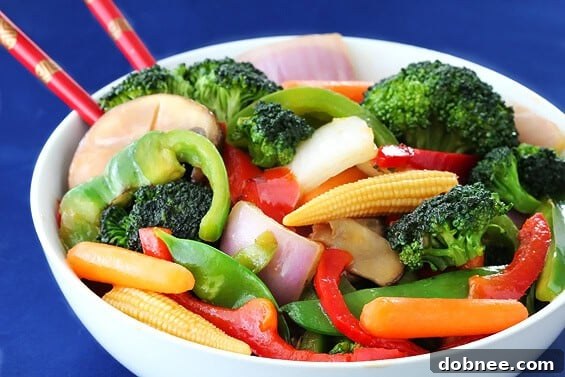
Ginger Vegetable Stir Fry
- Prep Time: 10 minutes
- Cook Time: 15 minutes
- Total Time: 25 minutes
- Yield: 4-6 servings
Description
Unlock an explosion of flavor with this vibrant Ginger Vegetable Stir Fry! This quick and healthy recipe masterfully blends the aromatic warmth of fresh ginger with a colorful assortment of your favorite crisp vegetables, all coated in a savory, perfectly balanced sauce. It’s an ideal choice for a speedy weeknight dinner, a wholesome main course, or a delightful side dish. Prepare to tantalize your taste buds and brighten your plate with this delicious, nutrient-packed meal!
Ingredients
Stir Fry Ingredients:
- 2 Tbsp. extra-virgin olive oil (or other high smoke point oil like avocado or grapeseed oil)
- 2 cloves garlic, freshly minced
- 4-5 cups mixed vegetables, washed and cut to bite-sized portions (e.g., broccoli florets, julienned carrots, sliced bell peppers, snap peas, mushrooms, bok choy – see “Choosing Your Vegetables” section above for more ideas)
Stir Fry Sauce Ingredients:
- 1/4 cup chicken or vegetable stock (low sodium recommended for better control of saltiness)
- 2 Tbsp. fresh ginger, finely grated or minced
- 1 Tbsp. cornstarch
- 1 Tbsp. dry sherry (or mirin for a slightly sweeter, authentic flavor)
- 1 Tbsp. low-sodium soy sauce (use tamari for a gluten-free option)
- Generous pinch of freshly-ground black pepper
Instructions
- Prepare Your Ingredients (Mise en Place): Before you begin cooking, ensure all your vegetables are thoroughly washed, chopped into uniform bite-sized pieces, and readily accessible. Mince your garlic and grate your fresh ginger. In a separate small bowl, combine all “Stir Fry Sauce Ingredients” and whisk them together vigorously until they are well combined and the cornstarch has completely dissolved. This preparation is key for a quick and smooth stir-frying process.
- Heat the Pan: Place a large skillet, wok, or sturdy non-stick pan over medium-high to high heat. Add the extra-virgin olive oil and allow it to heat until it shimmers slightly and is very hot but not smoking. Proper high heat is crucial for achieving crisp vegetables.
- Sauté Aromatics: Add the minced garlic to the hot oil. Stir-fry constantly for about 30 seconds to 1 minute, until it becomes wonderfully fragrant. Be very careful not to burn the garlic, as burnt garlic can taste bitter.
- Cook Vegetables in Stages: Begin by adding your denser, harder vegetables first (such as broccoli florets, julienned carrots, or onions if you are using them – refer to the note below for specific onion timing). Stir-fry these for 2-3 minutes, allowing them a head start. Then, add the remaining vegetables (like sliced bell peppers, snap peas, or mushrooms). Continue to stir-fry for another 3-4 minutes, or until all the vegetables are tender-crisp – they should still be vibrant in color and retain a slight bite. Avoid overcooking, as soggy vegetables lose their appeal.
- Add the Flavorful Sauce: Give your whisked sauce mixture one more quick whisk to ensure the cornstarch hasn’t settled. Then, pour the sauce evenly over the stir-fried vegetables in the pan.
- Thicken and Serve: Continue cooking and stirring constantly for an additional 1-2 minutes, or until the sauce begins to bubble gently and thickens to a glossy, beautiful consistency that coats all the vegetables. As soon as it reaches your desired thickness, remove the pan from the heat immediately to prevent overcooking the vegetables.
- Garnish and Enjoy: Serve your delicious Ginger Vegetable Stir Fry piping hot. For an extra touch of flavor and visual appeal, garnish with toasted sesame seeds, freshly chopped green onions (scallions), or a sprinkle of fresh cilantro, if desired.
Notes
Onion Timing: If your chosen vegetable mix includes onions (especially sliced or diced), we highly recommend adding them to the hot oil 1-2 minutes before introducing the other main vegetables. This extra cooking time allows the onions to soften, sweeten slightly, and become beautifully translucent, integrating seamlessly into the dish. Otherwise, add them along with your harder vegetables.
Vegetable Selection Flexibility: For the most appealing and nutritious results, aim for a diverse mix of 4-5 cups of various colorful and fresh vegetables. Don’t be afraid to experiment with your personal favorites or whatever looks best at your local market!
Boosting Your Meal with Protein: For a heartier and more complete meal, you can easily add a protein source to your stir fry. Cooked chicken strips, cubed tofu, succulent shrimp, or thinly sliced beef are all excellent choices. If adding raw protein, cook it first in the hot pan until it’s nearly done, then remove it and set it aside. Proceed with cooking the vegetables as instructed, and then add the cooked protein back into the pan along with the sauce. For shrimp, add them during the last 2-3 minutes of vegetable cooking, or after adding the sauce, until they turn pink and opaque.
Beyond the Recipe: Customizing Your Stir Fry Experience
While this recipe provides a fantastic and foolproof foundation for a delicious Ginger Vegetable Stir Fry, don’t hesitate to make it your own! Stir-fries are incredibly forgiving and wonderfully adaptable, making them perfect for culinary experimentation. Here are a few ideas to inspire your creativity and tailor the dish to your personal taste and dietary needs:
- Enhance with Protein Additions:
- Chicken or Beef: Thinly slice boneless, skinless chicken breast or tender cuts like sirloin or flank steak. For extra flavor, you can briefly marinate the meat in a small amount of soy sauce (or tamari), a dash of sesame oil, and a pinch of cornstarch before cooking. Always cook your protein first in the hot pan until it’s browned and almost cooked through, then remove and set it aside before stir-frying the vegetables. Add the cooked protein back to the pan with the vegetables just before pouring in the sauce.
- Shrimp: Fresh or frozen (thawed and patted dry) shrimp cook very quickly. Add them during the last 2-3 minutes of vegetable cooking, or after adding the sauce, until they turn pink and opaque.
- Tofu: For a vegetarian or vegan option, use extra-firm tofu. Press it thoroughly to remove excess water, then cube it and pan-fry or bake until it’s beautifully golden brown and crispy. Add the crispy tofu to the stir fry along with the vegetables.
- Spice It Up to Your Liking: For those who enjoy a bit of heat, consider adding a pinch of red pepper flakes along with the garlic in step 3. Alternatively, stir in a dash of sriracha, chili garlic sauce, or a finely minced fresh red chili to your stir-fry sauce for a delightful kick.
- Add a Nutty Crunch: For extra texture and a boost of healthy fats, sprinkle toasted cashews, peanuts, or slivered almonds over the finished stir fry just before serving. The crunch provides a wonderful contrast to the tender-crisp vegetables.
- Herbal Freshness: Fresh herbs can elevate the dish significantly. Fresh cilantro or basil leaves, either torn or roughly chopped, can be stirred in just before serving for an extra layer of aroma and a burst of fresh flavor.
- Explore Alternative Grains & Bases: While white rice is a classic pairing, consider serving your stir fry over brown rice for more fiber, quinoa for a protein boost, or even cauliflower rice for a delicious low-carb alternative. It’s also fantastic over ramen noodles or glass noodles.
- Boost Umami: A teaspoon of oyster sauce (if not vegetarian) or mushroom sauce can add an extra layer of savory depth to your stir-fry sauce.
Health Benefits of a Ginger Vegetable Stir Fry
Beyond being incredibly delicious, this Ginger Vegetable Stir Fry is a powerhouse of nutrition, contributing significantly to a healthy lifestyle. Each ingredient plays a vital role in creating a meal that supports your overall well-being:
- Fiber-Rich for Digestive Health: The abundance of fresh vegetables provides a generous amount of dietary fiber, which is essential for a healthy digestive system. Fiber promotes regularity, aids in satiety (helping you feel full longer), and contributes to stable blood sugar levels.
- Antioxidant Boost for Cellular Protection: Colorful vegetables like bell peppers, broccoli, and carrots are rich in various antioxidants. These powerful compounds combat harmful free radicals in the body, reducing oxidative stress and lowering the risk of chronic diseases.
- Vitamin & Mineral Powerhouse: Depending on your specific vegetable choices, you’ll be consuming a wide array of essential vitamins (such as Vitamin C for immunity, Vitamin K for bone health, and Vitamin A for vision) and crucial minerals (like potassium for blood pressure regulation and folate for cell function).
- Naturally Lean and Wholesome: When prepared with heart-healthy oils like extra-virgin olive oil and lean chicken or vegetable stock, this stir fry is a naturally low-fat and relatively low-calorie meal that absolutely does not compromise on flavor or satisfaction. It’s an ideal choice for weight management and healthy eating.
- Ginger’s Specific Health Contributions: As detailed earlier, fresh ginger itself brings notable health benefits, including anti-inflammatory properties, digestive aid, and immune-boosting capabilities, further enhancing the nutritional profile of this dish.
Frequently Asked Questions (FAQ) About Ginger Vegetable Stir Fry
Can I use frozen vegetables for stir fry?
Yes, absolutely! Frozen mixed vegetables are a highly convenient option, especially for busy weeknights. However, they tend to release more water when cooked compared to fresh vegetables, which can sometimes lead to a slightly watery stir fry. To prevent this, you can either thaw them first and pat them thoroughly dry with a paper towel before adding them to the pan, or add them directly to a very hot pan and stir-fry until any excess moisture has completely evaporated before introducing the sauce. This helps maintain a crispier texture.
What’s the best type of oil for stir-frying?
For stir-frying, it’s crucial to use an oil with a high smoke point that can withstand the intense heat required without burning or developing a bitter taste. While our recipe suggests extra-virgin olive oil (which works well), other excellent choices include avocado oil, grapeseed oil, peanut oil (adds a nice Asian flavor), or canola oil. These oils can handle high temperatures, ensuring a proper sear on your vegetables.
How can I make this stir fry gluten-free?
Making this recipe gluten-free is quite simple. The primary ingredient to watch out for is soy sauce. Simply substitute regular soy sauce with tamari, which is a gluten-free alternative that offers a similar savory flavor. Additionally, ensure that your chosen chicken or vegetable stock is certified gluten-free, as some brands may contain hidden gluten ingredients.
Can I prepare the stir fry sauce ahead of time?
Absolutely! Preparing the sauce in advance is a fantastic time-saver for meal prep. You can whisk all the sauce ingredients together a day or two in advance and store the mixture in an airtight container in the refrigerator. Before adding it to your hot stir fry, give it a good shake or a quick whisk to re-emulsify the ingredients and ensure the cornstarch is evenly distributed.
What if my stir fry sauce isn’t thickening as desired?
If you find that your sauce isn’t thickening to that desired glossy consistency, it might be due to insufficient cornstarch or the pan not being hot enough to properly activate the cornstarch. To fix this, mix a small amount (typically 1-2 teaspoons) of cornstarch with an equal amount of cold water in a separate tiny bowl to create a “slurry.” Then, slowly whisk this slurry into the simmering sauce in your pan. Continue cooking and stirring for another minute or two, and you should see the sauce thicken beautifully to your desired consistency. Be careful not to add too much at once, as it can thicken very quickly.
Conclusion: A Taste of Perfection, Simply Achieved
This Ginger Vegetable Stir Fry is truly more than just a meal; it’s an experience that brings vibrant flavors and wholesome nutrition to your table with remarkable ease. It stands as a testament to how simple, fresh ingredients, when handled with a few key techniques, can come together to create something truly extraordinary and deeply satisfying. Whether you consider yourself a seasoned chef or you’re just beginning your culinary journey in the kitchen, this versatile recipe offers a foolproof path to a delicious, healthy, and incredibly satisfying dish that the entire family is sure to love.
So, gather your colorful array of fresh vegetables, embrace the aromatic warmth and spicy zing of fresh ginger, and get ready to whip up a stir fry that will undoubtedly become an instant favorite in your household. Enjoy the process of creating this beautiful dish, savor every single vibrant and flavorful bite, and delight in the knowledge that you’re nourishing your body with every wholesome mouthful. Happy cooking!